Just faced a bout of food poisoning and now dealing with uncomfortable gas? You’re not alone. Gas is a common symptom of food poisoning that can leave you feeling bloated and uneasy. In this informative guide, we’ll explore simple yet effective ways to relieve gas and get you back on track to feeling better in no time. Let’s dive in and ease that gas discomfort for you!
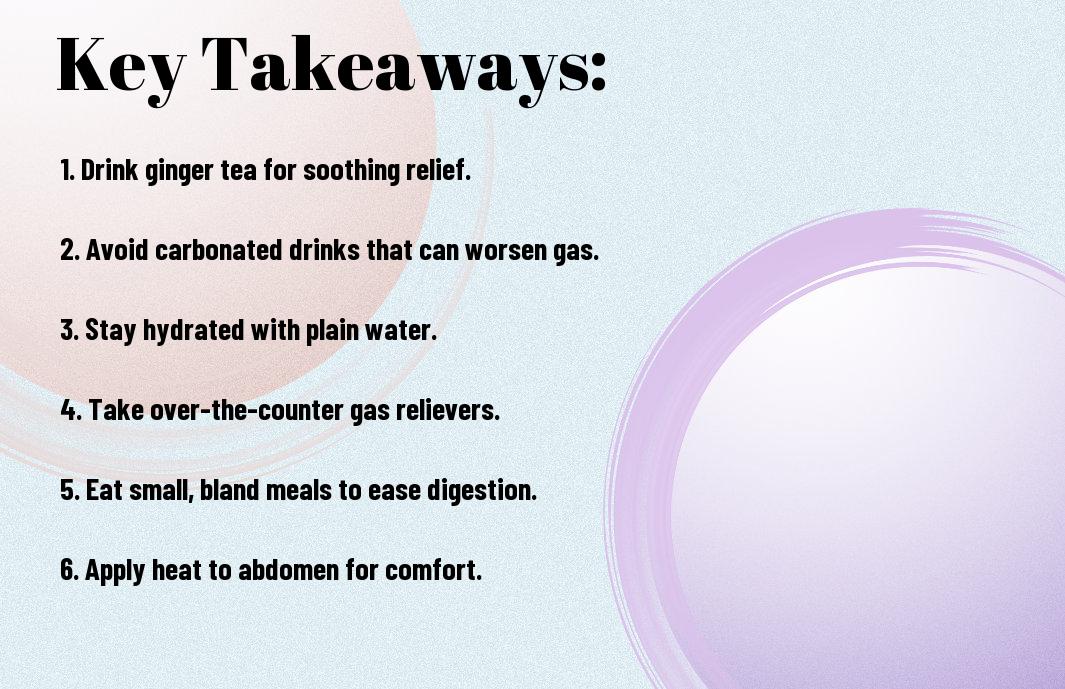
Key Takeaways:
- Drink fluids: Staying hydrated can help relieve gas and aid in flushing out toxins from food poisoning.
- Avoid carbonated beverages: Carbonated drinks can worsen gas symptoms, so it’s best to stick to water or herbal teas.
- Consider over-the-counter remedies: Some over-the-counter medications like simethicone can help reduce gas and bloating caused by food poisoning.
Identifying the Culprits
While dealing with gas from food poisoning, it’s crucial to identify the culprits that may have caused your discomfort. Common food poisoning causes can range from contaminated foods like undercooked meats, unpasteurized dairy products, or improperly washed fruits and vegetables.
Common Food Poisoning Causes
Identifying the source of your food poisoning can help you take necessary precautions to prevent future occurrences. Bacteria like E.coli and Salmonella are often found in raw or undercooked foods and are known to cause food poisoning symptoms such as gas, bloating, and stomach pain.
How to Recognize Gas-Related Symptoms
One way to identify gas-related symptoms from food poisoning is to pay attention to when the symptoms arise. Gas from food poisoning typically occurs soon after consuming contaminated food and may be accompanied by other digestive issues like diarrhea or nausea.
The key to managing gas-related symptoms from food poisoning is to stay hydrated, rest, and avoid foods that may further irritate your digestive system. When in doubt, it’s always best to consult with a healthcare provider to ensure proper treatment and recovery.

Quick Relief Remedies
Over-the-Counter Medications
OvertheCounter – If you’re looking for quick relief from gas caused by food poisoning, over-the-counter medications like simethicone can be helpful. These medications work by breaking down gas bubbles, making it easier for your body to pass them. Be sure to follow the dosage instructions on the packaging and consult with a healthcare provider if you have any underlying health conditions or are taking other medications.
Natural Antacids and Digestive Enzymes
Relief – Natural antacids like activated charcoal and digestive enzymes such as alpha-galactosidase can also provide relief from gas. Activated charcoal can help absorb gas in the digestive tract, while alpha-galactosidase can help break down complex carbohydrates that may be causing gas. These natural remedies are generally considered safe but consult with a healthcare provider before trying them, especially if you are pregnant or have any medical conditions.
Enzymes: Natural antacids and digestive enzymes can be found in supplement form at health food stores or online. They are often used to support digestion and relieve symptoms of gas and bloating. However, it’s necessary to use them as directed and not exceed the recommended dosage.
Home Remedies for Gas Relief
For – If you prefer natural home remedies, there are several options to help relieve gas from food poisoning. Peppermint tea, ginger, and fennel seeds are known for their gas-relieving properties. You can brew a cup of peppermint tea or chew on fennel seeds after meals to aid digestion and reduce gas. Ginger can be consumed in various forms like tea, capsules, or freshly grated in water.
Plus: These home remedies not only provide relief from gas but also have other health benefits. For example, peppermint tea can help soothe an upset stomach, while ginger has anti-inflammatory properties that may help with digestion and overall gut health.
Dietary Changes for Gas Relief
Bland Diet for Food Poisoning Recovery
Your body is recovering from food poisoning, and your digestive system may be sensitive. During this time, it’s best to stick to a bland diet to avoid upsetting your stomach further. Opt for easily digestible foods like plain toast, rice, bananas, and cooked apples. These foods are gentle on your stomach and can help soothe any discomfort you may be experiencing.
Foods to Avoid for Gas Prevention
Relief from gas can be achieved by avoiding certain foods that can exacerbate bloating and discomfort. Foods high in fiber like beans, broccoli, and cabbage can produce excess gas in your digestive system. Carbonated beverages, fried or fatty foods, and artificial sweeteners can also contribute to gas and bloating. Steering clear of these foods until your digestive system has fully recovered can help alleviate gas and discomfort.
Plus, dairy products for some individuals can be hard to digest, leading to gas and bloating. If you suspect dairy is causing your gas issues, try cutting back on dairy products like milk, cheese, and ice cream to see if it helps reduce your symptoms.
Probiotic-Rich Foods for Gut Health
Health and balance in your gut can be maintained by incorporating probiotic-rich foods into your diet. Foods like yogurt, kefir, sauerkraut, and kimchi contain beneficial bacteria that can aid digestion and promote a healthy gut flora. Including these foods in your diet can help restore balance to your digestive system and alleviate gas and bloating.
Avoid antibiotics if possible when trying to replenish your gut with probiotics, as they can kill off the good bacteria along with the bad. Opt for probiotic supplements or naturally probiotic-rich foods to help maintain a healthy gut.
Hydration and Electrolyte Balance
Importance of Staying Hydrated
After experiencing food poisoning, your body may have lost a lot of fluids through vomiting and diarrhea. An crucial part of recovering from food poisoning is staying hydrated. Drinking plenty of water helps replenish the fluids lost and prevents dehydration. Dehydration can worsen the symptoms of food poisoning and prolong your recovery time.
Electrolyte-Rich Drinks for Replenishment
Electrolyte-rich drinks such as sports drinks or oral rehydration solutions can be beneficial in replenishing lost electrolytes like sodium and potassium, especially if you’ve been experiencing diarrhea or vomiting. These drinks help restore the electrolyte balance in your body and aid in recovery. They are readily available in most supermarkets and can be a convenient way to boost your electrolyte levels.
Staying hydrated is crucial in helping your body recover from food poisoning. Water is crucial, but if you’ve been experiencing severe symptoms, consider incorporating electrolyte-rich drinks to help restore the balance of electrolytes in your body.
Avoiding Dehydration Triggers
Staying away from dehydration triggers is crucial when recovering from food poisoning. Avoid caffeinated beverages and alcohol, as they can contribute to dehydration. These drinks can irritate your stomach and exacerbate symptoms, making it harder for your body to recover. Stick to clear fluids like water, herbal teas, and electrolyte-rich beverages to support your recovery.
Replenishment: Remember to prioritize staying hydrated, especially when you are recovering from food poisoning. By choosing the right fluids and electrolyte-rich drinks, you can help your body restore its balance and recover more quickly.
Gut-Friendly Supplements
Keep your gut health in check with the help of gut-friendly supplements to relieve gas caused by food poisoning. These supplements can aid in restoring your gut health, supporting good bacteria growth, and providing relief from digestive discomfort.
Probiotics for Gut Health Restoration
Restoration: Probiotics are beneficial bacteria that can help restore the balance of your gut microbiota after a bout of food poisoning. By taking probiotic supplements, you introduce good bacteria back into your system, which can aid in digestion, boost your immune system, and reduce bloating and gas.
Prebiotics for Gut Bacteria Support
Probiotics: Prebiotics are non-digestible fibers that act as food for the good bacteria in your gut. By consuming prebiotic supplements, you can support the growth and activity of beneficial bacteria in your digestive system. This can help improve digestion, reduce gas and bloating, and promote overall gut health.
Plus, prebiotics work hand in hand with probiotics, as they provide the necessary nourishment for the probiotic bacteria to thrive and exert their beneficial effects on your gut health.
Digestive Enzyme Supplements for Relief
One: Digestive enzyme supplements can also be beneficial in relieving gas and bloating caused by food poisoning. These supplements contain enzymes that help break down carbohydrates, proteins, and fats in your food, aiding in digestion and reducing the risk of gas production.
Enzyme: By taking digestive enzyme supplements with your meals, you can support your body’s natural digestive process and alleviate discomfort associated with food poisoning-related gas and bloating.

Lifestyle Changes for Prevention
Food Handling and Storage Tips
For Food poisoning – Diagnosis and treatment, practicing proper food handling and storage is crucial in preventing food poisoning. Always ensure that you store raw meats away from ready-to-eat foods to avoid cross-contamination. Keep your refrigerator below 40°F (4°C) and use perishable items before their expiration dates.
- Storage leftovers in airtight containers to maintain freshness and prevent bacterial growth.
- When in doubt, throw it out! If you suspect food may be spoiled, it’s safer to discard it than risk food poisoning.
Any leftovers should be reheated to an internal temperature of 165°F (74°C) to kill any potential bacteria.
Cooking and Preparation Methods for Safety
Tips for safe cooking and food preparation include washing your hands thoroughly before handling food, using separate cutting boards for raw meats and fresh produce, and cooking food to the recommended internal temperatures. Avoid cross-contamination by cleaning surfaces and utensils with hot, soapy water after preparing raw meats.
Avoid consuming undercooked meats, eggs, and seafood, as these can harbor harmful bacteria that may cause food poisoning.
Reducing Stress for Gut Health
Storage can play a role in reducing stress on your gut health. Organize your pantry and refrigerator to make healthy food choices easily accessible. Having a well-stocked kitchen with fresh fruits, vegetables, and lean proteins can help you make nutritious meals without added stress.
The right dietary choices, such as incorporating probiotics and fiber-rich foods, can also support a healthy gut microbiome, reducing the risk of digestive issues like gas from food poisoning.
To wrap up
Presently, you have learned various methods to relieve gas caused by food poisoning. By avoiding gas-producing foods, staying hydrated, trying over-the-counter remedies, and seeking medical attention if necessary, you can alleviate discomfort and aid in your recovery process. Remember to listen to your body and take care of yourself during this time of need. Hopefully, by following these tips, you can find relief and start feeling better soon.
FAQ
Q: What are the common symptoms of gas from food poisoning?
A: Common symptoms of gas from food poisoning include bloating, cramping, flatulence, and abdominal discomfort.
Q: How can I relieve gas caused by food poisoning?
A: You can relieve gas caused by food poisoning by drinking plenty of water, taking over-the-counter gas relief medications, avoiding foods that may aggravate gas, and trying gentle exercises like walking to help move gas through your system.
Q: When should I seek medical help for gas from food poisoning?
A: You should seek medical help if you experience severe abdominal pain, persistent vomiting, bloody diarrhea, high fever, or signs of dehydration along with gas from food poisoning. These could indicate a more serious condition that requires medical attention.