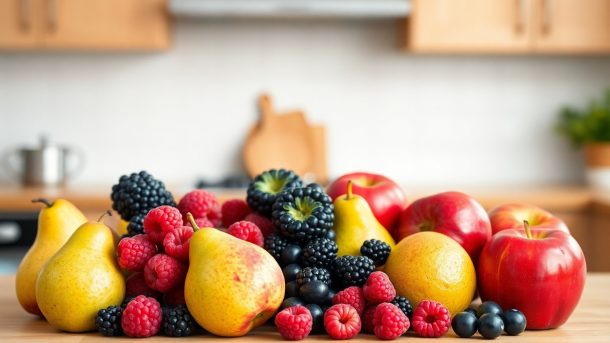
fruit

What fruit is high in fiber

Many people seek to improve their digestive health and overall well-being by incorporating more fiber into their diets. One of the best ways to achieve this is through fruits that are naturally high in fiber. In this post, you’ll discover which fruits can help boost your fiber intake, why fiber is important for your health, and how you can easily add these delicious options to your daily meals. Get ready to explore the top fiber-rich fruits that can enhance your nutritional regimen and support your health goals.

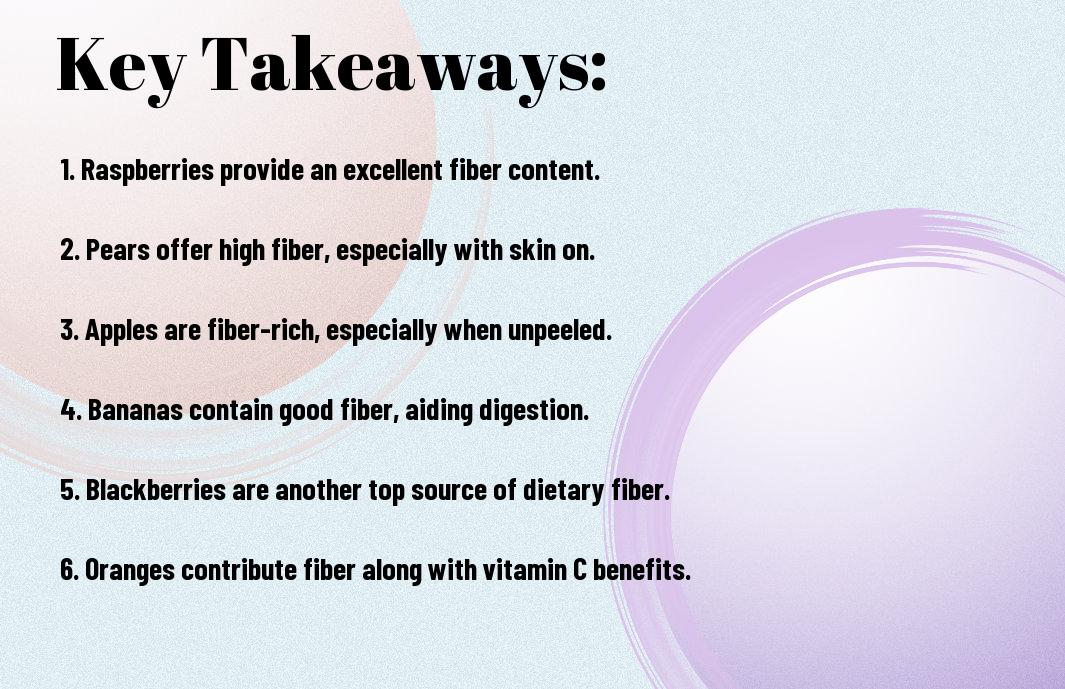
Key Takeaways:

  • Berries are among the fruits highest in fiber, with raspberries and blackberries leading the way.
  • Pears stand out due to their high fiber content, especially when consumed with the skin.
  • also provide a significant amount of fiber, particularly when eaten whole and unpeeled.

The Importance of Fiber in Diet

Before you probe the world of high-fiber fruits, it’s important to understand the role fiber plays in your diet. Fiber is imperative for maintaining a healthy digestive system, regulating blood sugar levels, and supporting heart health. By incorporating sufficient fiber into your meals, you can enhance your overall well-being and promote a more balanced diet.

Health Benefits of Dietary Fiber

Before you overlook the significance of fiber, consider its numerous health benefits. A fiber-rich diet can help you maintain a healthy weight, reduce cholesterol levels, and lower the risk of developing certain chronic diseases. Furthermore, dietary fiber aids in promoting regular bowel movements, which is vital for digestive health.

Recommended Daily Fiber Intake

Daily recommendations suggest that you aim for around 25 grams of fiber if you are a woman and about 38 grams if you are a man. These guidelines emphasize the importance of meeting your body’s fiber needs for optimal health.

At the same time, age and lifestyle factors can modify your ideal fiber intake. For adults over 50, the recommended amount decreases slightly, to 21 grams for women and 30 grams for men. Integrating a variety of high-fiber fruits, vegetables, whole grains, and legumes into your meals will help you reach these targets effortlessly. Always listen to your body and adjust according to your dietary goals and personal health conditions.
Top High-Fiber Fruits

Clearly, incorporating high-fiber fruits into your diet can significantly boost your overall health. These fruits not only improve digestion but also aid in maintaining a healthy weight and reducing the risk of chronic diseases. Focusing on specific types can help you maximize fiber intake while enjoying delicious flavors.

Berries

At the forefront of high-fiber fruits are berries, such as raspberries, blackberries, and strawberries. These delicious fruits pack a powerful fiber punch, making them perfect for snack time or smoothies.

Apples and Pears

After berries, apples and pears are excellent choices for increasing your fiber intake. Their skin is where most of the fiber is found, so be sure to eat them unpeeled for the maximum benefits.

HighFiber fruits like apples and pears also provide vital vitamins and minerals that promote overall health. Their natural sweetness makes them versatile for snacking, baking, or adding to salads, helping you stay satisfied while enjoying a nutritious diet.

Bananas

To round out your fiber-rich fruit options, consider bananas, which not only offer a delightful taste but also contribute to your daily fiber goals seamlessly.

With their creamy texture and naturally sweet flavor, bananas are perfect for on-the-go snacking. Alongside fiber, they are rich in potassium, which supports heart health and muscle function, making them a balanced dietary choice.

Avocados

Below the surface, avocados are surprisingly high in fiber, providing a unique blend of healthy fats and nutrients that contribute to your overall wellness.

In fact, one avocado contains around 10 grams of fiber, making it an outstanding option for those looking to enhance their fiber intake. Including avocados in your meals adds creaminess and boosts satiety, ensuring you feel full and satisfied longer.

Lesser-Known High-Fiber Fruits

All fruits are not created equal when it comes to fiber content, and some lesser-known varieties can pack a valuable punch. Including these fruits in your diet can help boost your fiber intake while introducing exciting new flavors to your meals and snacks.

Kiwi

The kiwi is a small yet mighty fruit that boasts a high fiber content of around 2.1 grams per medium fruit. This unique fruit is not only tangy and delicious, but the actinidin enzyme it contains may also aid digestion, making it a great addition to your fiber-rich diet.

Figs

An excellent source of fiber, fresh figs offer approximately 1.4 grams per medium-sized fruit. Their natural sweetness and chewy texture make them ideal for eating on their own or incorporating into a variety of dishes.

Kiwi has a distinct, sweet-tart flavor that complements savory and sweet recipes alike. You can enhance your salads, smoothies, or yogurt bowls with slices of kiwi, or enjoy them fresh for a quick and nutritious snack. Rich in antioxidants and vitamin C, kiwi adds not only fiber but also a host of health benefits to your diet.

Pomegranates

An often overlooked fruit, pomegranates contain about 3.5 grams of fiber per half-cup of arils. Their juicy, tart seeds are a delightful addition to various dishes, providing both flavor and nutritional benefits.

This unique fruit not only adds fiber to your diet but is also packed with antioxidants that contribute to overall health. You can sprinkle pomegranate seeds over salads, mix them into yogurt, or enjoy them on their own. Their vibrant color and taste can elevate your meals while helping you meet your fiber goals.
How to Incorporate High-Fiber Fruits into Your Diet

Not only can you enjoy high-fiber fruits on their own, but you can also seamlessly integrate them into your meals. Explore 20 High-Fiber Fruits to Add to Your Diet for ideas, and try incorporating fruits like berries, pears, and apples in your breakfast bowls or as midday snacks. Whether you toss them into your smoothie, add them to salads, or even bake them into desserts, the options are endless for adding these nutritious fruits into your daily routine.

Smoothies and Juices

Behind every delicious smoothie lies an opportunity to boost your fiber intake. Blend your favorite high-fiber fruits, such as avocados, bananas, or raspberries, with spinach and yogurt for a nutritious and filling drink. Adding your choice of nuts or seeds can further enhance the texture while providing additional health benefits.

Salads and Snacks

Salads can become a vibrant canvas for high-fiber fruits, enhancing flavor while fortifying your meal. You can combine greens with slices of peaches or strawberries for a fresh salad sensation, or opt for a simple snack of apple slices with almond butter. These options not only provide fiber but also introduce a delightful taste.

With the right mix, salads can be both filling and flavorful. Adding high-fiber fruits such as chopped mango, pomegranate seeds, or orange segments will elevate your salads while delivering vital nutrients. Consider preparing a fruit salad, blending various high-fiber options for a refreshing snack that keeps you energized throughout the day.

Desserts and Breakfast Ideas

At breakfast, try topping your oatmeal or yogurt with a medley of high-fiber fruits like figs and blackberries. This adds a natural sweetness and a crunch that can make your morning routine more enjoyable. Don’t shy away from using fruits in your baking, either—substituting applesauce or mashed bananas can improve both texture and nutrition in your favorite recipes.

Another way to elevate your dessert game is with fruit-based treats. Consider baking a fruit crisp using plums and oats, or create a smoothie bowl topped with a rainbow of high-fiber fruits. These options are not just delicious; they can help you maximize your fiber intake while satisfying your sweet cravings.

Potential Challenges of High-Fiber Diets

For some individuals, adopting a high-fiber diet may lead to a few challenges that should be addressed. Increasing fiber intake too quickly can cause discomfort, bloating, and gas. It’s crucial to gradually introduce fiber-rich foods while ensuring you drink plenty of water to facilitate digestion. Being mindful of these aspects can help you enjoy the benefits of fiber without experiencing unpleasant side effects.

Digestive Issues and Adjustments

With a sudden increase in fiber, your digestive system may experience discomfort or irritation as it adjusts. It’s important to start slowly, incorporating fiber gradually into your meals. This will give your gut time to adapt and help minimize side effects like bloating and gas, making your transition into a fiber-rich diet much smoother.

Balancing Fiber Intake with Other Nutrients

Nutrients are crucial for maintaining your overall health, and while fiber is important, it shouldn’t overshadow the need for other vitamins and minerals in your diet. A varied diet that includes healthy fats, proteins, and carbohydrates will support your body’s functions and energy levels. Balancing your fiber intake with these other nutrients will ensure you reap the full benefits of your dietary choices.

Potential challenges arise when high fiber intake restricts your consumption of other vital nutrients. If you prioritize fiber-rich foods without considering balance, you may unintentionally limit your intake of crucial vitamins and minerals. Aim for a diverse diet that includes fruits, vegetables, whole grains, and proteins to nourish your body effectively. By doing so, you can enjoy the advantages of fiber while maintaining an overall balanced and healthful diet.

Final Words

Hence, incorporating fiber-rich fruits into your diet can significantly benefit your digestive health and overall well-being. You should consider adding options like raspberries, pears, and apples to your meals. For more ideas, check out the 7 Best High-Fiber Fruits You Should Eat, Dietitian-Approved. These fruits not only enhance your fiber intake but also provide vital vitamins and minerals to support your fitness journey.

FAQ

Q: What fruits are considered high in fiber?

A: Fruits that are commonly recognized for their high fiber content include raspberries, pears, apples, bananas, and blackberries. Raspberries, for instance, contain about 8 grams of fiber per cup, while a medium-sized pear offers around 5 to 6 grams.

Q: How does fiber in fruit benefit my health?

A: Fiber from fruits aids in digestion by promoting regular bowel movements and preventing constipation. Additionally, a high-fiber diet can help manage weight, lower cholesterol levels, and stabilize blood sugar levels, contributing to overall heart health.

Q: Can dried fruits provide the same fiber benefits as fresh fruits?

A: Yes, dried fruits can also be high in fiber; however, they are more calorie-dense and should be eaten in moderation. For example, dried figs and prunes have high fiber content. Nonetheless, be aware of added sugars in some dried fruit products.

Q: How can I incorporate high-fiber fruits into my diet?

A: Incorporating high-fiber fruits into your diet can be achieved in various ways. You can add them to smoothies, mix them into yogurt, use them in salads, or simply snack on them fresh. This not only enhances your fiber intake but also enhances the taste and nutrition of your meals.

Q: Is there a risk of consuming too much fiber from fruits?

A: While fiber is important for health, consuming excessively high amounts in a short period can lead to digestive issues such as bloating and gas. Gradually increasing fiber intake while drinking plenty of water can help the body adjust to higher fiber levels and minimize discomfort.

What is the healthiest fruit

Just when you think you know all about healthy eating, the question arises: what is the healthiest fruit? Understanding which fruits pack the most nutrients can help you make better choices for your diet and overall wellness. From antioxidants to vitamins, different fruits offer unique health benefits that can enhance your lifestyle. If you’re curious about the top contenders, check out this article on 8 Of The Healthiest Fruits to help you navigate your way to a healthier you.

Key Takeaways:

  • Nutrient Density: Some fruits, like blueberries and kiwi, are high in vitamins, minerals, and antioxidants, making them especially beneficial for health.
  • Fiber Content: Fruits rich in fiber, such as apples and pears, support digestion and can aid in weight management.
  • Low Glycemic Index: Berries and cherries are lower on the glycemic index, which helps maintain stable blood sugar levels.

Nutritional Benefits of Fruits

The nutritional benefits of fruits are abundant, providing your body with imperative vitamins, minerals, and antioxidants. Incorporating a variety of fruits into your diet not only improves overall health but can also reduce the risk of chronic diseases. For more insight, check out this 20 Tasty Fruits with Health Benefits that are both delicious and nutritious.

Vitamins and Minerals

Below, you will find that fruits are a fantastic source of vitamins and minerals, imperative for your overall health. They are rich in vitamin C, potassium, folate, and various B vitamins, which play vital roles in your body’s systems. Eating a diverse range of fruits ensures you receive a broad spectrum of these nutrients.

Dietary Fiber

Fruits are excellent sources of dietary fiber, which is necessary for maintaining healthy digestion. A regular intake of fiber can help regulate your digestive system and promote a feeling of fullness.

With the fiber content found in fruits like apples, pears, and berries, you can aid in weight management and support heart health. Incorporating fruits into your daily meals enriches your fiber intake, helping to lower cholesterol levels and stabilize blood sugar, which can be beneficial for your overall well-being.

Antioxidants and Phytonutrients

The antioxidants and phytonutrients in fruits play significant roles in protecting your body from oxidative stress and inflammation. These compounds can enhance your immune system and provide protective effects against various diseases.

It is critical to consume a colorful assortment of fruits to maximize these health benefits. Antioxidants, such as flavonoids and carotenoids, found in vibrant fruits like strawberries and oranges, have been linked to improved heart health, better brain function, and a lower risk of certain cancers. Incorporating these fruits into your diet helps you harness their protective properties.

The Healthiest Fruits Ranked

If you want to know which fruits offer the most health benefits, look no further than our ranking of the healthiest fruits. These fruits not only provide important vitamins and minerals but also boast a myriad of antioxidants and fiber that support overall well-being. By incorporating these powerhouses into your daily diet, you can enhance your health while enjoying delicious flavors.

Berries

An excellent choice for health enthusiasts, berries are packed with antioxidants, vitamins, and fiber. Blueberries, strawberries, and raspberries are particularly recognized for their ability to reduce inflammation and improve heart health. They are low in calories, making them an ideal snack for those looking to maintain or lose weight while boosting their nutrient intake.

Citrus Fruits

One of the standout categories of fruits, citrus fruits are renowned for their high vitamin C content, which can enhance your immune system and overall health. Oranges, grapefruits, lemons, and limes not only provide a refreshing taste but also contribute to better skin, improved digestion, and even emotional well-being.

Further, adding citrus fruits to your diet can improve your body’s absorption of other nutrients, particularly iron. You can effortlessly integrate them into your meals by adding slices of lemon to your water, utilizing fresh lime in your salads, or snacking on oranges as a great on-the-go option. Their versatility makes them a staple for maintaining a well-rounded diet.

Apples and Pears

Ranked among the healthiest fruits you can enjoy, apples and pears are rich in dietary fiber and important nutrients. These fruits are known for their ability to support heart health, regulate digestion, and help you feel full, making them great choices for snacking or adding to your meals.

Berries are also high in calcium and vitamin C, contributing to your daily nutrient intake. Eating apples and pears regularly can help enhance your overall diet quality and promote better health, so don’t hesitate to keep these sweet, crunchy fruits in your grocery list!

Stone Fruits

Along with an impressive nutrient profile, stone fruits like peaches, plums, and cherries are full of vitamins A and C, which help support eye health and boost your immune function. These juicy fruits are perfect for snacking or adding to salads for a refreshing twist.

Another benefit of stone fruits lies in their ability to promote hydration due to their high water content, making them a fantastic option during hot weather. Including stone fruits in your diet can elevate your meals with their natural sweetness while contributing to hydration and overall health.

Special Considerations

All fruits offer various health benefits, but it’s important to consider individual circumstances. Factors such as allergies, sugar content, and personal health conditions can influence your choices. It’s important to identify which fruits are best suited for your lifestyle and nutritional goals, ensuring you reap the maximum benefits without adverse effects.

Fruit Allergies

Before adding new fruits to your diet, consider the possibility of fruit allergies. Some people may experience allergic reactions to certain fruits, which can range from mild irritation to more severe responses. It’s important to be aware of your own sensitivities and consult with a healthcare professional if you’re unsure about how specific fruits may affect you.

Sugar Content in Fruits

Besides natural sugars found in fruit, it’s helpful to be aware of how various fruits differ in sugar content. Certain fruits, such as bananas and grapes, contain higher sugar levels, while others like berries and avocados are lower in sugar. This knowledge can assist you in making informed decisions that align with your dietary needs, especially if you are monitoring your sugar intake for health reasons.

And considering your diet, choosing lower-sugar fruits can be beneficial, particularly if you’re managing weight or blood sugar levels. Berries, for instance, are nutrient-dense yet low in sugar, making them an excellent choice. On the other hand, while fruits like mangoes and pineapples are delicious and packed with vitamins, you may want to enjoy them in moderation if sugar content is a concern for you. Being mindful of your fruit choices can help optimize your nutritional intake without compromising on health goals.

Incorporating Fruits into Your Diet

Your diet can significantly benefit from incorporating a variety of fruits. Aim to include fruits in every meal, whether it’s adding berries to your breakfast oatmeal, snacking on an apple during the day, or enjoying a fruit salad with dinner. Making fruits accessible and appealing can increase your daily intake and provide necessary vitamins, minerals, and fiber. Setting a goal to try a new fruit each week can keep your diet interesting and flavorful.

Fresh vs. Processed Fruits

On your journey to a healthier diet, it’s necessary to differentiate between fresh and processed fruits. Fresh fruits, with their natural sugars and minimal additives, typically offer more vitamins and fiber. In contrast, processed fruits, like canned or dried options, may contain added sugars and preservatives that diminish their nutritional value. Opting for fresh fruits whenever possible can enhance your overall health.

Creative Ways to Enjoy Fruits

Below are some enjoyable methods to incorporate more fruits into your daily routine. You can experiment with blending fruits into smoothies, using them in savory dishes, or garnishing desserts with fresh fruit slices. Additionally, consider trying fruit-infused water for a refreshing hydration option.

In fact, getting creative with fruits not only makes healthy eating more enjoyable but also helps you discover new flavors and textures. You can throw together a colorful fruit salad, blend fruits into your favorite yogurt, or even bake them into healthy desserts. By incorporating fruits in different ways, you can find exciting uses for them that fit your taste preferences and lifestyle. This variety not only keeps your diet enjoyable, but it also ensures you’re receiving a broad spectrum of nutrients.

The Role of Fruits in Disease Prevention

For optimal health, incorporating a variety of fruits into your diet is imperative. Fruits are packed with vitamins, minerals, and antioxidants that can significantly reduce the risk of chronic diseases. Their rich nutrient profile supports overall well-being, aids in weight management, and enhances immune function. You’ll find that regular consumption of fruits contributes not only to better health but also to a lower incidence of various diseases.

Heart Disease

One way fruits contribute to your heart health is by providing imperative nutrients that lower blood pressure and cholesterol levels. For example, berries, citrus fruits, and apples contain fiber and phytochemicals that can help reduce the risk of heart conditions. By including these fruits in your diet, you can support cardiovascular health effectively.

Diabetes

After understanding how fruits affect your blood sugar levels, you can make informed choices that suit your diabetic needs. Low-glycemic fruits, such as berries and cherries, are especially beneficial as they release sugar slowly into the bloodstream, helping you maintain stable glucose levels.

Even fruits like grapefruit and apples contain fiber and natural sugars that can support your body’s response to insulin. By choosing fruits wisely, you can enjoy their sweetness without compromising your health. Incorporating these fruits into your meals can help you manage your diabetes while providing vital nutrients that your body needs.

Cancer

Behind the prevention of certain types of cancer, fruits play a significant role through their rich antioxidant content. Ingredients such as vitamin C in citrus fruits and lycopene in tomatoes have been linked to a reduced risk of certain cancers. By eating a diverse range of fruits, you empower your body to combat oxidative stress and inflammation.

Disease prevention extends beyond single nutrients; the synergy of vitamins, minerals, and antioxidants found in fruits creates a protective effect against cancer development. You can lower your risk by maintaining a colorful diet filled with various fruits, which not only tastes great but also promotes a healthier lifestyle overall.

Final Words

Summing up, when considering the healthiest fruit, you should look to options like blueberries, avocados, and bananas, each offering unique health benefits tailored to your nutritional needs. Incorporating a variety of fruits into your diet will not only provide necessary vitamins and minerals but also enhance your overall well-being. Ultimately, the best choice depends on your personal health goals and preferences, but ensuring a colorful mix can support a balanced diet.

FAQ

Q: What is the healthiest fruit to eat?

A: The healthiest fruit varies depending on individual dietary needs and preferences, but many nutritionists consider berries, especially blueberries, raspberries, and strawberries, to be among the healthiest. They are high in antioxidants, vitamins, and fiber while being low in calories, making them a great choice for overall health.

Q: Are all fruits equally healthy?

A: Not all fruits have the same nutritional profile. While most fruits provide crucial vitamins, minerals, and fiber, some are higher in sugar and calories, such as bananas and grapes. It’s important to consider the balance of your diet and consume a variety of fruits to maximize health benefits.

Q: How do I incorporate more fruits into my diet for better health?

A: To include more fruits in your diet, consider adding them to your breakfast, such as in smoothies or oatmeal. Keep fresh fruit visible and accessible as snacks. You can also add fruits to salads, desserts, and even savory dishes for added flavor and nutrients.

Q: Is it better to eat whole fruits or drink fruit juices?

A: Eating whole fruits is generally healthier than drinking fruit juices. Whole fruits contain fiber, which helps with digestion and keeps you feeling full. Fruit juices, even those labeled as 100% juice, often have added sugars and lack the beneficial fiber found in whole fruits.

Q: Can eating fruit help with weight management?

A: Yes, incorporating fruits into your diet can support weight management. Fruits are usually low in calories but high in water and fiber, which can help you feel fuller for longer. Choosing fruits over higher-calorie snacks can contribute to weight loss or maintenance when part of a balanced diet.

Tastes of Health UK Skip to content