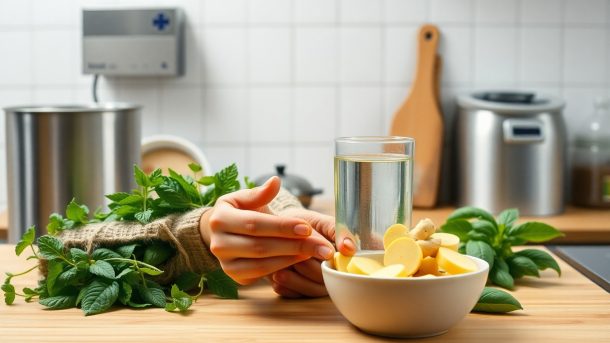
Flush

Can I flush out food poisoning

Most people experience food poisoning at some point and often wonder if they can flush it out of their system quickly. While hydration is vital, understanding the proper steps to alleviate symptoms is key. You might consider various remedies and strategies to support your recovery. However, knowing when to seek medical help is also important. In this post, we will explore effective methods to manage food poisoning and help you feel better faster.

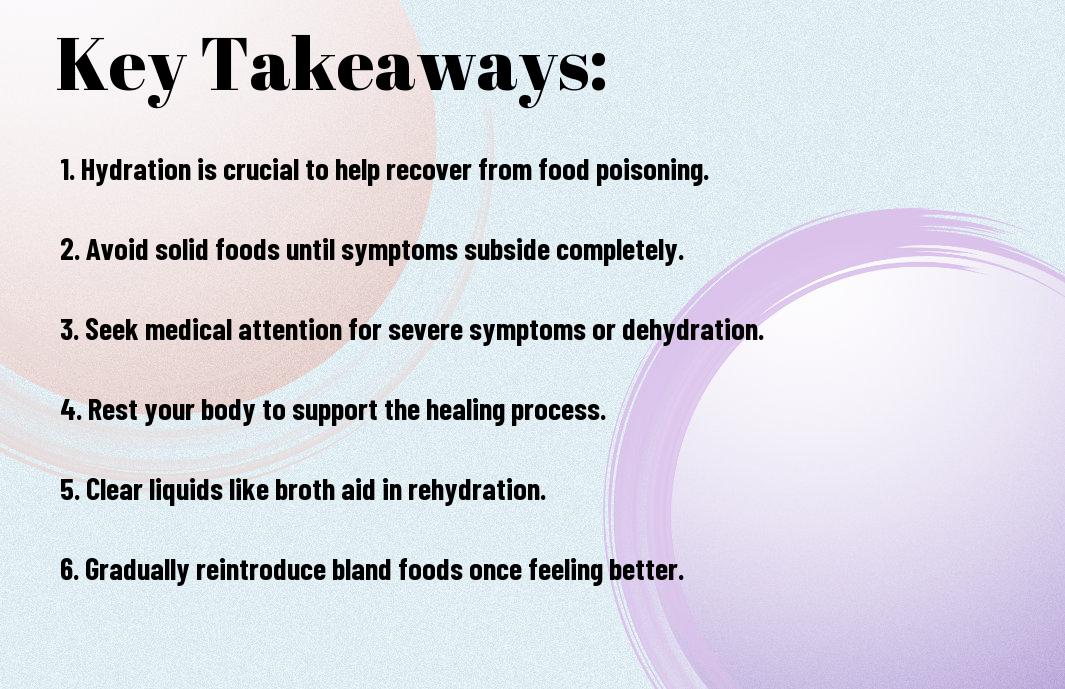
Key Takeaways:

  • Hydration: Staying hydrated is vital for recovering from food poisoning, as it helps flush toxins from your system.
  • Avoiding Solid Foods: It’s recommended to avoid solid foods initially to give your digestive system time to recover.
  • Seek Medical Attention: If symptoms persist or worsen, consulting a healthcare professional is important for proper treatment.

Understanding Food Poisoning

Your body may react severely to contaminated food or beverages, leading to food poisoning. This condition can arise from bacteria, viruses, or parasites lurking in improperly handled or cooked items, often resulting in uncomfortable gastrointestinal symptoms. It’s vital to understand its origins and effects to protect yourself and others from its potential dangers.

Common Causes

On many occasions, food poisoning stems from consuming undercooked meat, unpasteurized dairy products, or contaminated produce. Cross-contamination in kitchens can also play a significant role, where clean food comes into contact with harmful pathogens found on surfaces or utensils. Following safe food handling practices is important to reduce your risk.

Symptoms to Watch For

Across various cases of food poisoning, symptoms like nausea, vomiting, diarrhea, and abdominal cramps may arise within hours to days after consuming contaminated food. While most individuals recover without treatment, it’s important to be aware of worsening conditions, which may require medical intervention.

Hence, it is important to take note of any symptoms that persist or intensify as they may signify a more severe infection. You should be particularly vigilant for symptoms such as high fever, prolonged diarrhea, or blood in the stool, as these may indicate a need for professional healthcare. Staying alert to these signs can help you manage your recovery effectively.
The Body’s Natural Defense

Some of the body’s natural defenses play an vital role in combating food poisoning. When faced with harmful pathogens, your immune system activates to flush out toxins and protect you from further illness. Supporting your body during this process is vital, and you can learn about How To Recover From Food Poisoning Fast to aid your recovery.

How the Body Flushes Out Toxins

Bodys’ first line of defense against food poisoning includes vomiting, diarrhea, and increased sweating, which help remove harmful substances. These mechanisms are your body’s way of expelling toxins and pathogens. It’s important to listen to your body as it works to restore balance.

The Role of Hydration

Toxins can lead to dehydration, especially if you’re experiencing vomiting or diarrhea. Maintaining hydration helps your body effectively eliminate these toxic substances. Drinking water or oral rehydration solutions is vital to support your recovery and prevent further complications.

At a time when your body is battling food poisoning, staying hydrated can significantly impact your recovery. Fluid intake not only aids in flushing out toxins but also replenishes what you may have lost through illness. Aim to drink clear fluids regularly to stabilize your body’s functions and facilitate a quicker healing process.

Home Remedies

Despite the discomfort that comes with food poisoning, there are several home remedies you can explore to alleviate your symptoms. Simple approaches, such as staying hydrated and resting, can significantly aid your recovery. However, it’s crucial to monitor your symptoms closely and seek medical attention if they worsen or persist, as some cases may require professional intervention.

Fluids and Electrolytes

Among the key strategies to combat food poisoning is replenishing fluids and electrolytes. Staying hydrated can help replace the fluids lost through vomiting or diarrhea. You can drink water, broth, or electrolyte solutions to maintain hydration levels and support your body as it fights off the infection.

Foods to Avoid

Avoid certain foods that can further irritate your digestive system during recovery from food poisoning. Fatty, spicy, or heavily processed foods can exacerbate symptoms and prolong your discomfort. Opting for bland, easily digestible foods can help soothe your stomach while allowing your body to heal.

In fact, you should steer clear of dairy products, caffeine, and alcohol as they can worsen symptoms and slow down recovery. Sugary foods can also upset your stomach, leading to more discomfort. Focus on bland options, such as toast, rice, bananas, and applesauce, to provide your body with the crucial nutrients it needs without adding stress to your digestive system.

When to Seek Medical Attention

After experiencing symptoms of food poisoning, it is important to assess the severity of your condition. If you find that your symptoms persist for more than 48 hours, or if you are unable to keep fluids down due to vomiting or diarrhea, it may be time to seek medical attention. Additionally, if you notice any signs of dehydration or if your symptoms worsen, contact a healthcare professional for guidance and support.

Warning Signs

An urgent indication that you should seek medical help is when you experience high fever, severe abdominal pain, or blood in your stool. These symptoms can signify a more serious infection that requires immediate medical intervention. Additionally, if you are experiencing dizziness or confusion, these could be signs of dehydration that may warrant prompt attention from a healthcare provider.

Medical Treatments Available

For food poisoning, a healthcare professional may recommend various treatments depending on your symptoms and their severity. You could be advised to stay hydrated and might be provided with electrolyte drinks to replenish fluids lost. In some cases, specific medications may be prescribed to alleviate severe symptoms, or if a bacterial infection is identified, antibiotics may be necessary.

And, if your condition is more serious, hospitalization may be required to ensure you receive intravenous (IV) fluids and more intensive care. Additionally, healthcare providers can monitor your symptoms and provide treatments that are tailored to the type of food poisoning affecting you. Taking prompt action can help prevent complications and promote a faster recovery.

Prevention Strategies

All food poisoning can often be avoided by implementing effective prevention strategies. Incorporating safe food handling practices and adhering to guidelines when dining out are imperative steps you can take. By being proactive about food safety, you can minimize your risk of experiencing unpleasant symptoms associated with foodborne illnesses.

Safe Food Handling

Besides understanding the importance of proper cooking temperatures, you should also prioritize cleanliness in your kitchen. Always wash your hands, utensils, and surfaces thoroughly before preparing food. Make sure to separate raw and cooked foods to prevent cross-contamination, and store food properly to keep it fresh and safe for consumption.

Guidelines for Eating Out

Around dining establishments, it’s wise to be vigilant about food safety practices. Check for cleanliness and look for signs of poor hygiene among staff. Opt for restaurants that prioritize food safety, and don’t hesitate to ask questions about their food preparation practices. Your vigilance can help ensure a safe dining experience.

To further safeguard your health when eating out, choose restaurants with a good reputation based on reviews and ratings. Pay attention to how the staff handle food and whether they follow proper hygiene practices. If possible, look for establishments that provide transparent information regarding their sourcing and preparation methods. This proactive approach will enhance your dining experience while minimizing the risk of foodborne illnesses.

Myths and Facts

Keep in mind that there are numerous myths surrounding food poisoning. Many people believe that simply drinking fluids or taking certain medications can flush the toxins from your system, but this is often misleading. It’s crucial to understand the nature of foodborne illnesses and how your body reacts to them.

Common Misbeliefs About Food Poisoning

About 50% of people think that they can rid their bodies of food poisoning by inducing vomiting or excessive hydration alone. While staying hydrated is important, it does not eliminate the bacteria or toxins causing the illness.

Evidence-Based Truths

Across various studies, experts agree that the best approach to managing food poisoning involves patient care rather than just self-treatment. While hydration is vital, recovery often requires letting the illness run its course.

Also, medical professionals recommend resting and allowing your body to naturally eliminate toxins. Drinking plenty of fluids helps replenish lost electrolytes, but it’s not a cure. In severe cases, seeking medical attention may be necessary, especially if symptoms persist or worsen. Understanding these truths can guide your recovery and ensure you take the right steps following a bout of food poisoning.

Summing up

Following this, it’s important to understand that flushing out food poisoning typically involves staying hydrated and allowing your body to recover naturally. You should focus on drinking clear fluids and resting your digestive system. While you might experience discomfort, your body generally knows how to handle foodborne illness. If symptoms persist or worsen, consulting a healthcare professional is advisable to ensure appropriate care. Your health is paramount, so taking these steps can help you manage the situation effectively.

FAQ

Q: Can I flush out food poisoning by drinking water?

A: Staying hydrated is important if you suspect you have food poisoning, as it helps prevent dehydration caused by vomiting or diarrhea. Drinking water can help flush out toxins from your system. However, while hydration is beneficial, it won’t eliminate the bacteria or toxins that may be causing your symptoms. It’s advisable to drink clear fluids, such as water or electrolyte solutions, rather than overly sugary or caffeinated drinks.

Q: Are there specific foods or drinks that can help flush out food poisoning?

A: Certain foods and fluids can support recovery from food poisoning. Clear broths, ginger tea, and herbal teas can soothe the stomach. Foods like bananas, rice, applesauce, and toast (often referred to as the BRAT diet) are bland and easier to digest while providing necessary nutrients. These options do not flush out toxins, but they may aid recovery by being gentle on your digestive system.

Q: How long does food poisoning last, and when should I seek medical attention?

A: The duration of food poisoning varies depending on the cause, but symptoms typically last from a few hours to several days. You should seek medical attention if you experience severe symptoms such as high fever, prolonged vomiting, blood in your stools, signs of dehydration (like dizziness or a decrease in urination), or if symptoms persist beyond a few days. Early medical intervention can provide appropriate treatment and help prevent complications.

Q: Can over-the-counter medications help with food poisoning?

A: Over-the-counter medications like loperamide (Imodium) may help control diarrhea, while antacids may relieve stomach discomfort. However, it is often best to allow your body to expel the toxins naturally without suppressing symptoms. It’s wise to consult with a healthcare professional before taking any medications, especially if you have severe symptoms.

Q: Is it possible to completely detoxify after food poisoning?

A: The body has natural mechanisms for detoxification, primarily involving the liver and kidneys. While you cannot completely flush out food poisoning in the conventional sense, your body will typically eliminate harmful bacteria or toxins over time. Focusing on hydration, rest, and a balanced diet can support your body’s recovery process. If symptoms persist, consult a healthcare provider for personalized advice and treatment.


What is the fastest way to flush out food poisoning

Most people who experience food poisoning want immediate relief and a swift recovery. Understanding how to flush out the toxins effectively can help alleviate your symptoms and restore your health. In this guide, you will discover practical steps you can take to expedite the detoxification process, maintain hydration, and manage your recovery more efficiently. By following these recommendations, you can help your body eliminate harmful substances and feel better in no time.

Key Takeaways:

  • Hydration: Stay well-hydrated by drinking plenty of water or clear fluids to help flush out toxins from your system.
  • Rest: Allow your body to recover by getting enough rest, which can expedite the healing process.
  • Ginger or Peppermint: Consider consuming ginger or peppermint tea, as these can help soothe nausea and improve digestion.
  • Avoid Solid Foods: Initially, stick to a bland diet; avoid solid foods until symptoms subside to reduce strain on your digestive system.
  • Seek Medical Attention: If symptoms persist for more than a couple of days or worsen, don’t hesitate to contact a healthcare professional.

Understanding Food Poisoning

The term food poisoning refers to an illness that arises from consuming contaminated food or beverages. It’s often caused by bacteria, viruses, or parasites that can lead to various uncomfortable symptoms. Understanding the underlying causes, identifiable symptoms, and the necessary treatment is imperative for navigating this unpleasant experience.

Common Causes

Causes of food poisoning typically include undercooked meats, contaminated fruits and vegetables, unpasteurized dairy products, and improper food handling practices. You can inadvertently expose yourself to harmful pathogens through cross-contamination and inadequate refrigeration. Understanding these risks can help you make safer food choices.

Symptoms to Look Out For

With food poisoning, you might experience a range of symptoms, including nausea, vomiting, diarrhea, abdominal cramps, and fever. Some individuals may experience more severe reactions, which can require medical intervention. Knowing these symptoms is crucial for recognizing when you need to act quickly.

A clear understanding of the symptoms not only helps you manage your comfort but also determines when to seek medical attention. While most cases of food poisoning resolve within a few days, severe symptoms—such as persistent high fever, dehydration, and bloody stools—indicate a more serious condition. If you encounter these alarming signs, it is vital to consult a healthcare professional for further evaluation and treatment.

Immediate Actions to Take

You should take immediate action if you suspect food poisoning to help minimize symptoms and discomfort. Start by implementing vital measures that can aid in flushing out the toxins from your system effectively.

Hydration and Electrolyte Balance

Any instance of food poisoning can lead to dehydration due to vomiting and diarrhea. It’s crucial to replenish lost fluids and electrolytes by drinking clear fluids, such as water, broth, or electrolyte solutions. Aim for small sips frequently to prevent overwhelming your stomach.

Resting the Digestive System

On feeling the symptoms of food poisoning, it’s vital to allow your digestive system to rest. Avoid solid foods for several hours, giving your body time to recover from the stress caused by the illness.

Actions you take to rest your digestive system include refraining from eating until you are feeling better, which can help minimize irritation and allow your body to focus on healing. Once symptoms begin to subside, begin with bland, easy-to-digest foods, such as bananas, rice, applesauce, and toast (often referred to as the BRAT diet). This gradual reintroduction of food can support your recovery while ensuring that your digestive system is not overwhelmed.

Home Remedies and Treatments

Your journey to recovery from food poisoning may be supported with various home remedies and treatments. It’s imperative to stay well-hydrated and gently nourish your body as you heal. For a comprehensive guide on How To Recover From Food Poisoning Fast, consider seeking professional advice as well.

Natural Remedies to Support Recovery

One effective way to enhance your recovery is through natural remedies. Ginger tea can help soothe your stomach, while peppermint is known to ease nausea. Additionally, consuming clear broths can provide hydration and imperative nutrients without overwhelming your digestive system.

Over-the-Counter Medications

One option to alleviate your symptoms involves over-the-counter medications. These can be beneficial in managing discomfort such as diarrhea and nausea, enabling you to feel more at ease during recovery.

With various options available, medications like loperamide can reduce diarrhea, while bismuth subsalicylate can help calm your stomach and prevent further digestive issues. However, you should consult a healthcare professional before using these remedies, especially if your symptoms persist or worsen. Always ensure you follow the recommended dosages to avoid potential complications.

When to Seek Medical Help

Many individuals can manage mild cases of food poisoning at home, but it’s important to recognize when professional intervention is necessary. If your symptoms worsen or persist, seeking medical help can be crucial in preventing complications and ensuring your well-being.

Signs of Severe Food Poisoning

Signs of severe food poisoning include high fever, prolonged vomiting, severe abdominal pain, or blood in your stool. If you experience these symptoms, it’s vital to act quickly, as they may indicate a more serious infection that requires urgent medical care.

Professional Treatments Available

On the other hand, professional treatments for food poisoning typically involve rehydration therapies, medications to ease symptoms, and, in some cases, antibiotics to combat bacterial infections. Healthcare providers may also conduct tests to identify the specific pathogen causing your condition, allowing for targeted treatment.

Seek medical attention if your symptoms escalate or if you belong to a high-risk group, such as pregnant women, the elderly, or individuals with compromised immune systems. Medical professionals can provide tailored interventions based on the severity of your symptoms and help rule out any underlying complications, ensuring a quicker and more effective recovery.

FAQ

Q: What are the initial steps to take if I suspect food poisoning?

A: If you suspect food poisoning, the first step is to stop eating any additional food. Stay hydrated by drinking plenty of fluids, such as water or electrolyte solutions, to replace lost fluids. Rest is vital as your body needs energy to combat the illness. If symptoms persist for more than 24 hours, or if you experience severe symptoms like high fever, bloody diarrhea, or dehydration, seek medical attention immediately.

Q: Are there any specific foods or remedies that can help flush out food poisoning quickly?

A: While there isn’t a universal ‘quick fix’ for food poisoning, certain remedies may help alleviate symptoms. Clear fluids like broth or non-caffeinated drinks can aid hydration. Ginger tea may help settle your stomach and reduce nausea. Bananas, rice, applesauce, and toast (the BRAT diet) are gentle foods that can be reintroduced slowly as your stomach begins to feel better. Avoid dairy, caffeine, alcohol, and fatty foods until you’re back to normal.

Q: How long does it typically take to recover from food poisoning, and when should I be concerned?

A: Recovery from food poisoning can vary depending on the pathogen involved but typically occurs within a few days to a week. If symptoms such as vomiting, diarrhea, or nausea worsen or persist beyond 48 hours, or if you show signs of severe dehydration (like extreme thirst, dry mouth, little or no urination, or dizziness), it’s crucial to seek medical help. Some types of food poisoning may require more intensive treatment, so don’t hesitate to consult a healthcare professional.

What can I drink to flush out food poisoning

Many of you may be wondering what you can drink to help flush out food poisoning from your system. When dealing with food poisoning, staying hydrated is crucial to help your body rid itself of toxins. Opt for clear fluids like water, herbal teas, ginger tea, or electrolyte drinks to replenish lost fluids and speed up the recovery process. Avoid caffeinated and alcoholic beverages, which can further dehydrate your body. Do not forget, taking small sips frequently can help prevent further stomach upset and promote healing.

Key Takeaways:

  • Stay hydrated: Drinking plenty of water can help flush out toxins from your system.
  • Herbal teas: Certain herbal teas like ginger, peppermint, or chamomile can soothe your stomach and aid in digestion.
  • Electrolyte drinks: Consuming electrolyte drinks or coconut water can help replenish lost fluids and electrolytes due to food poisoning.

Identifying Food Poisoning Symptoms

Before you can treat food poisoning, it’s crucial to identify the symptoms. Food poisoning can be caused by bacteria, viruses, or parasites that contaminate food. The symptoms can range from mild to severe and usually appear within a few hours to a few days after consuming contaminated food.

Common symptoms of food poisoning

On your journey to identifying food poisoning symptoms, you may experience common signs such as nausea, vomiting, diarrhea, abdominal pain, and fever. These symptoms can vary depending on the type of contaminant and may also include dehydration, weakness, and loss of appetite.

When to seek medical attention

Poisoning can sometimes lead to severe complications, especially in vulnerable groups such as children, elderly individuals, and people with weakened immune systems. If you experience symptoms like severe dehydration, prolonged vomiting, high fever, bloody stools, or signs of neurological issues, it’s crucial to seek medical attention immediately.

Understanding when to seek medical attention is necessary, as some cases of food poisoning can result in serious health implications if not properly treated. Prompt medical care can help prevent complications and ensure a speedy recovery from food poisoning.

Hydration is Key

There’s no doubt that staying hydrated is crucial when it comes to flushing out toxins from your body, especially when you are dealing with food poisoning. Water plays a vital role in helping your body eliminate harmful bacteria and toxins through urine and sweat. It also helps in keeping your digestive system running smoothly, which is imperative for recovery.

Why water is imperative for flushing out toxins

With its natural ability to flush out toxins and keep your body hydrated, water is an imperative tool in combating food poisoning. Drinking enough water can help your kidneys and liver function optimally, aiding in the detoxification process. Additionally, water can help alleviate symptoms like nausea, vomiting, and diarrhea by preventing dehydration and replenishing lost fluids.

How much water to drink

Flushing out food poisoning requires you to drink an adequate amount of water throughout the day. The amount of water you need can vary depending on factors like your weight, age, and activity level. As a general guideline, aim to drink at least eight 8-ounce glasses of water a day, and even more if you are experiencing frequent bouts of vomiting or diarrhea. Listen to your body and drink water consistently to help your system eliminate toxins efficiently.

Electrolyte-Rich Drinks

To help flush out food poisoning, you can turn to electrolyte-rich drinks that replenish your body’s vital minerals. These drinks can aid in rehydration and restore the electrolyte balance in your system.

Coconut water: a natural electrolyte source

Any time you are experiencing food poisoning symptoms, such as diarrhea and vomiting, coconut water can be a fantastic natural remedy. It is rich in electrolytes like potassium, sodium, and magnesium, which can help replace the lost minerals due to dehydration. Additionally, coconut water is low in sugar and high in antioxidants, making it a refreshing and healthy choice for rehydration.

Sports drinks: when to use them

Water is vital for staying hydrated, but sometimes you need more than just water to recover from food poisoning. Sports drinks contain electrolytes like potassium and sodium, which can aid in recovering from dehydration caused by food poisoning. When you are losing fluids rapidly due to vomiting and diarrhea, a sports drink can help replenish the electrolytes your body needs to function properly.

When choosing a sports drink, opt for one with lower sugar content to avoid exacerbating stomach issues. It’s vital to use sports drinks in moderation and not as a replacement for water in your daily hydration routine.

Homemade electrolyte drinks

When dealing with food poisoning, you may prefer a homemade electrolyte drink as a natural and cost-effective remedy. You can make your own electrolyte solution using ingredients like water, salt, honey, and citrus juice. These homemade drinks can help restore electrolyte balance and aid in rehydration without artificial flavors or colors.

When preparing homemade electrolyte drinks, avoid excessive sugar and focus on incorporating ingredients that are gentle on your stomach. These DIY solutions can be a practical and customizable way to combat the effects of food poisoning and support your body’s recovery.

Sports drinks, coconut water, and homemade electrolyte drinks are valuable options to consider when looking to replenish your body’s electrolytes and fluids during a bout of food poisoning. Choose the one that works best for you based on your preferences and needs, and remember to consult a healthcare professional if symptoms persist or worsen.

Herbal Remedies

Keep your body hydrated and help flush out food poisoning with the power of herbal remedies. These natural ingredients can help ease your symptoms and support your digestive system in its recovery.

Ginger: a natural anti-inflammatory

Herbal remedies like ginger can be a game-changer when it comes to soothing your upset stomach. Ginger is well-known for its anti-inflammatory properties, which can help reduce nausea, vomiting, and other digestive issues associated with food poisoning. You can enjoy ginger tea or add fresh ginger to hot water for a soothing and healing drink.

Peppermint: soothing the stomach

Soothing peppermint tea can also aid in calming your stomach during a bout of food poisoning. Peppermint is known for its ability to relax the muscles of the digestive system, reducing cramping and bloating. Sip on some peppermint tea to help alleviate your symptoms and promote digestive comfort.

Peppermint has a cooling effect that can help ease the discomfort of an upset stomach. It’s a great option if you’re looking for a natural way to soothe your digestive system and feel better faster.

Chamomile: calming the digestive system

Chamomile tea is another herbal remedy that can help calm your digestive system and relieve symptoms of food poisoning. Chamomile has anti-inflammatory properties that can reduce inflammation in the digestive tract, easing discomfort and promoting healing. Enjoy a cup of chamomile tea to relax your stomach and encourage recovery.

Chamomile tea is a gentle option that can help soothe your stomach and promote overall digestive health. It’s a great choice for easing symptoms of food poisoning and supporting your body’s natural healing process.

Probiotic-Rich Drinks

Despite the discomfort and nausea associated with food poisoning, there are some drinks that can help you flush out the toxins and restore your gut health. Probiotic-rich drinks are particularly beneficial in such situations as they contain live bacteria and yeast that can aid in digestion and rebalance the gut microbiota.

Yogurt-based drinks: supporting gut health

Yogurt-based drinks, such as lassi and ayran, are not only delicious but also packed with probiotics that can help improve your gut health. These drinks are made from fermented yogurt, which is rich in beneficial bacteria like Lactobacillus and Bifidobacterium. By consuming yogurt-based drinks, you can introduce more good bacteria into your gut, which can help fight off the harmful pathogens responsible for food poisoning.

Kefir: a fermented milk drink

Kefir is a tangy, fermented milk drink that is teeming with probiotics. It is made by adding kefir grains to milk, allowing it to ferment and create a probiotic-rich beverage. Kefir contains a diverse range of beneficial bacteria and yeast strains that can promote gut health and strengthen your immune system. Including kefir in your diet can be especially beneficial when recovering from food poisoning, as it can help restore the balance of your gut microbiota.

Health experts recommend consuming kefir regularly to maintain a healthy gut flora, which is crucial for overall well-being. The probiotics in kefir can help reduce inflammation, boost digestion, and support your body in recovering from the effects of food poisoning.

Kombucha: a fermented tea drink

Kombucha is a popular fermented tea drink that is known for its probiotic properties. This tangy and effervescent beverage is made by fermenting sweetened tea with a symbiotic culture of bacteria and yeast (SCOBY). The fermentation process produces beneficial bacteria and acids that can aid in digestion and improve gut health.

Probiotic-rich kombucha can help replenish your gut with good bacteria, which is crucial for combating the effects of food poisoning. The antioxidants and enzymes in kombucha can also support your immune system and help alleviate symptoms of nausea and bloating that often accompany food poisoning.

Other Helpful Drinks

Broth: an easy-to-digest option

Once again, if you’re looking for a soothing and easy-to-digest option to help flush out food poisoning, consider sipping on some warm broth. Broth is light on the stomach and provides vital nutrients that can support your body’s recovery process.

Clear soups: gentle on the stomach

Drinks such as clear soups, like chicken or vegetable broth, can be gentle on your upset stomach and provide hydration. Clear soups are easy to digest, making them a good choice when you’re recovering from food poisoning and need to stay nourished.

This type of soup can help replenish electrolytes and fluids lost due to vomiting or diarrhea, aiding in your body’s healing process. Opt for clear broths without heavy seasonings or ingredients that may further irritate your stomach.

Green tea: antioxidant-rich and calming

With its antioxidant properties and calming effect, green tea can be a beneficial drink when you’re dealing with food poisoning. Green tea contains catechins, which have been shown to have antibacterial properties that may help fight off harmful bacteria in your gut.

This soothing beverage can also help settle your stomach and provide a gentle source of hydration. Make sure to choose decaffeinated green tea to avoid any additional stress on your stomach.

To wrap up

The key to flushing out food poisoning is to stay hydrated and choose the right beverages to help your body recover. Remember to drink plenty of water to prevent dehydration and electrolyte drinks to replenish lost nutrients. Herbal teas like ginger or peppermint can also soothe your stomach and help alleviate symptoms of food poisoning. Avoiding sugary drinks and alcohol is crucial to allow your body to focus on healing. If symptoms persist or worsen, make sure to seek medical attention promptly. Take care of yourself and prioritize your recovery by choosing the right fluids to aid in flushing out the toxins causing food poisoning.

Q: What can I drink to flush out food poisoning?

A: One effective drink to help flush out food poisoning is ginger tea. Ginger has natural anti-inflammatory and antibacterial properties that can help soothe the stomach and relieve symptoms of food poisoning.

Q: Can I drink lemon water to help with food poisoning?

A: Yes, drinking lemon water can be beneficial in flushing out toxins from the body and aiding in the recovery from food poisoning. The acidity of lemon juice can also help balance the pH levels in the stomach.

Q: Is it recommended to drink electrolyte drinks when experiencing food poisoning?

A: Yes, electrolyte drinks like sports drinks or coconut water can help replenish necessary minerals and fluids lost due to vomiting or diarrhea caused by food poisoning. These drinks can also help prevent dehydration.

Skip to content