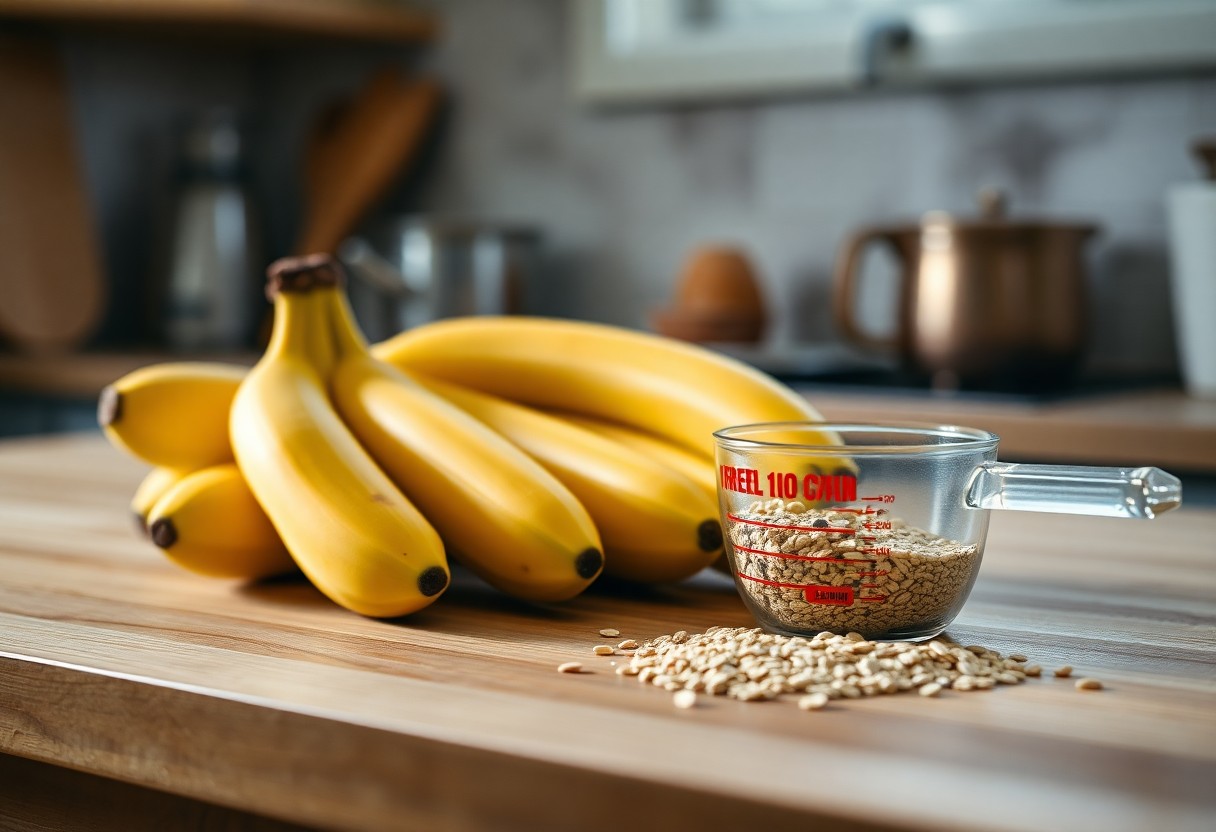
fiber

How can I get 100 of daily fiber

With a targeted approach, increasing your daily fiber intake to 100 grams can be simple and effective for your overall health. Fiber, crucial for digestion and maintaining steady energy levels, can be easily incorporated into your meals and snacks. This guide will provide you with practical tips and meal ideas to help you reach that ambitious fiber goal. From choosing high-fiber foods to understanding portion sizes, you’ll discover actionable strategies to enhance your diet while enjoying a variety of tasty options.

Key Takeaways:

  • Incorporate Fruits and Vegetables: Aim to include a variety of high-fiber fruits like apples, bananas, and berries, as well as vegetables such as broccoli, carrots, and leafy greens in your meals.
  • Choose Whole Grains: Opt for whole grain products like oats, quinoa, and brown rice which significantly boost your daily fiber intake compared to refined grains.
  • Add Legumes and Nuts: Include beans, lentils, and a handful of nuts or seeds in your diet, as they are excellent sources of fiber and can be easily added to salads, soups, or snacks.

Understanding Daily Fiber Requirements

As you strive for better health, understanding your daily fiber requirements is necessary. The Academy of Nutrition and Dietetics recommends that adult women aim for about 25 grams and men for around 38 grams of fiber each day. However, most people fall short of these recommendations. To enhance your overall well-being, it’s important to recognize how much fiber you should incorporate into your diet daily.

What is Fiber?

By definition, fiber is a plant-based carbohydrate that your body cannot digest. Unlike other carbohydrates, it passes through your digestive system intact, aiding in digestion and helping to maintain regular bowel movements. Fiber is mainly found in fruits, vegetables, whole grains, legumes, and nuts, making it an necessary component of a balanced diet.

Benefits of a High-Fiber Diet

High-fiber diets can lead to numerous health benefits, including improved digestive health and better weight management. When you consume an adequate amount of fiber, you’ll likely feel fuller longer, aiding in appetite control and reducing the likelihood of overeating. Additionally, a high-fiber diet can lower your risk of heart disease and type 2 diabetes, supporting long-term health and wellness.

It also promotes healthy gut bacteria, which plays a significant role in overall health. Fiber-rich foods help regulate blood sugar levels and can decrease cholesterol, protecting your heart health. Embracing a high-fiber diet can lead to sustainable health improvements, making it an empowering choice for your dietary habits.

Types of Fiber

The primary types of fiber you should be aware of are soluble and insoluble fiber. Each serves a distinct purpose in your diet:

  • Soluble Fiber
  • Insoluble Fiber
Type of Fiber Benefits
Soluble Fiber Helps regulate blood sugar and lowers cholesterol.
Insoluble Fiber Aids in digestive health and prevents constipation.
Sources Fruits, oats, beans, vegetables.
Sources Whole grains, nuts, seeds.
Overall Impact Promotes gut health and overall well-being.

Recognizing the differences between these two fiber types can help you make informed choices for your daily intake.

Soluble Fiber

At the core of many healthy diets, soluble fiber dissolves in water, forming a gel-like substance. This type of fiber slows digestion, helping to manage blood sugar levels and cholesterol effectively. You can find soluble fiber in foods such as oats, beans, apples, and citrus fruits, making it easier than ever to incorporate it into your meals.

Insoluble Fiber

With its unique composition, insoluble fiber does not dissolve in water. Instead, it adds bulk to your stool and promotes regular bowel movements. This form of fiber is found in whole grains, fruits, vegetables, and nuts. Including insoluble fiber in your diet is imperative for maintaining digestive health.

Plus, insoluble fiber plays a vital role in preventing constipation and promoting a healthy gut. By consuming foods rich in insoluble fiber, you support regular bowel function and reduce the risk of digestive disorders. Aim to incorporate a variety of fiber sources in your daily meals to reap the full benefits for your health.

Foods High in Fiber

Unlike many diets that focus solely on calorie count, incorporating high-fiber foods into your meals can significantly enhance your digestive health. Incorporate options like beans, lentils, avocados, and whole grains into your diet for maximum benefits. For a detailed list, check out the Top High-Fiber Foods to Help Your Digestive Health.

Fruits and Vegetables

Across various recipes and meals, incorporating a colorful variety of fruits and vegetables is imperative for increasing your fiber intake. Fruits like raspberries, apples, and pears, along with vegetables such as broccoli and Brussels sprouts, are not only delicious but also packed with fiber.

Whole Grains

Among the best sources of fiber, whole grains play an important role in your diet. Foods like quinoa, barley, and whole wheat products offer substantial fiber, helping you reach your daily requirements while promoting overall health.

With many options available, you can easily integrate whole grains into breakfast or lunch. Consider switching to whole grain bread or pasta, starting your day with oatmeal, or adding barley to soups. This not only boosts fiber but also enhances the flavor and texture of your meals.

Legumes and Nuts

By adding legumes and nuts to your meals, you can effortlessly increase your fiber intake. Beans, lentils, and chickpeas are excellent sources, while nuts like almonds and walnuts provide added texture and taste.

Nuts are also beneficial beyond fiber; they deliver healthy fats and protein, making them a balanced snack option. A handful of mixed nuts or a serving of your favorite legume not only meets your fiber goals but also supports overall health, keeping you full and satisfied throughout the day.

Meal Planning for 100g of Fiber

For effective meal planning to reach 100g of daily fiber, it’s imperative to balance your meals with high-fiber foods throughout the day. Start with fiber-rich breakfasts such as oatmeal topped with fruits, lunch options like whole grain wraps filled with legumes and vegetables, and dinner featuring a hearty quinoa salad. Snacking on nuts, seeds, and fresh veggies can also keep your fiber intake on track.

Sample Meal Plans

About incorporating diverse foods in your daily meal plan, consider a day that includes overnight oats with chia seeds for breakfast, a lentil stew for lunch, and a chickpea salad for dinner. Adding snacks such as popcorn or a handful of almonds can help you effortlessly reach your fiber goal.

Tips for Incorporating Fiber

Behind achieving your fiber goals are simple strategies to make fiber a regular part of your diet. You can enhance meals by swapping refined grains for whole grains, including beans in salads or soups, and snacking wisely. Here are some ways to increase fiber intake:

  • Choose whole grain bread and pasta.
  • Add extra vegetables to your dishes.
  • Incorporate legumes in salads and meals.
  • Snack on fruits, nuts, or raw vegetables.

Assume that these methods can lead to a more fiber-rich diet, enhancing your health.

Plus, being intentional about your fiber intake can significantly impact your overall nutrition. You might benefit from gradually increasing your fiber consumption, as sudden changes can cause discomfort. Keep your meals varied and seasonal. Here’s how to further boost fiber in your diet:

  • Add flaxseeds or chia seeds to smoothies.
  • Opt for fruits with edible skins, like apples and pears.
  • Experiment with different legumes like lentils or black beans.
  • Incorporate high-fiber snacks like granola bars or high-fiber cereals.

Assume that incorporating these changes can ease the way to achieving that daily fiber target.

Supplementing Fiber Intake

After adopting a fiber-rich diet, you might still find it challenging to reach the 100 grams of daily fiber you desire. In such cases, supplementing your fiber intake could be a practical solution. Fiber supplements, available in various forms, can help you bridge the gap and ensure you’re meeting your daily fiber goals without completely overhauling your meals.

Fiber Supplements

Beside whole foods, fiber supplements can significantly boost your intake. They come in various types, such as psyllium husk, inulin, and methylcellulose, each contributing to your fiber count in different ways. When choosing a fiber supplement, be sure to select one that suits your dietary needs and preferences.

When to Consider Supplements

To determine if fiber supplements are right for you, consider your current dietary habits and lifestyle. If you struggle to consume enough whole foods rich in fiber, or if you have specific health conditions that may require additional fiber, supplements may provide a practical avenue to enhance your nutritional intake.

Intake of fiber supplements can offer a convenient solution to help you meet your daily goals. If you have busy days that hinder your ability to prepare high-fiber meals, or if you’re in the process of transitioning to a fiber-rich diet, these supplements can play an important role in preventing digestive discomfort and ensuring you’re not falling short of your daily fiber needs.

Overcoming Common Challenges

Despite your best efforts, increasing your fiber intake may come with some hurdles. You may experience digestive discomfort, such as bloating or gas, as your body adjusts to higher fiber levels. It’s crucial to find a balance that allows you to reap the benefits without feeling overwhelmed. Gradually incorporating fiber-rich foods and staying hydrated can ease this transition, ensuring you can enjoy the positive effects of fiber in your diet.

Digestive Adaptation

Challenges can arise when your body is adjusting to increased fiber intake. It’s crucial to introduce fiber gradually so your digestive system can adapt over time. Begin with small amounts of high-fiber foods and slowly increase the portion sizes to minimize discomfort and allow your gut to acclimate.

Avoiding Fiber Overload

Any increase in fiber should be approached with caution to prevent feeling overwhelmed. As you aim for 100 grams of fiber a day, it’s important to monitor your intake and avoid consuming too much fiber too quickly. Balance is key; enjoy a variety of fiber sources while considering portion sizes to maintain your digestive comfort.

The right approach to avoiding fiber overload involves incorporating a diverse range of fiber sources, such as fruits, vegetables, legumes, whole grains, and nuts, while keeping a close eye on your serving sizes. Strive for a gradual increase in your daily fiber intake, allowing your digestive system to adjust. This mindful approach ensures you obtain the necessary fiber without overwhelming your body, helping you feel your best as you reach your daily goals.

Final Words

Conclusively, to achieve 100 grams of daily fiber, you should focus on incorporating a diverse range of high-fiber foods into your diet. Include plenty of fruits, vegetables, legumes, whole grains, nuts, and seeds, while also considering fiber supplements if necessary. Gradually increase your intake to prevent digestive discomfort and drink plenty of water to help your body adjust. By planning your meals and snacks around fiber-rich options, you’ll not only meet your goal but also enhance your overall health and well-being.

FAQ: How can I get 100 grams of daily fiber?

Q: What are some high-fiber foods I can include in my diet?

A: To reach 100 grams of daily fiber, consider incorporating foods such as beans and legumes (like lentils, chickpeas, and black beans), whole grains (oats, quinoa, and brown rice), fruits (raspberries, pears, and apples), vegetables (broccoli, Brussels sprouts, and carrots), and nuts and seeds (chia seeds, flaxseeds, and almonds). These foods are dense in fiber and can effectively help you meet your daily goals.

Q: How can I progressively increase my fiber intake?

A: It’s best to gradually increase your fiber intake to prevent digestive discomfort. Start by adding an extra serving of fruits or vegetables to your meals, such as a side salad or a piece of fruit for a snack. You can also swap out refined grains for whole grains in your meals over time. This helps your digestive system adjust to a higher fiber intake without causing bloating or gas.

Q: Are fiber supplements a good option for reaching 100 grams daily?

A: Fiber supplements can be a helpful way to increase your fiber intake, but they should not replace whole foods. Supplements can provide a concentrated source of fiber, which can assist in reaching your goal. However, whole foods offer additional nutrients, vitamins, and minerals that are important for overall health. If considering supplements, consult with a healthcare professional first.

Q: What is the best time to consume fiber throughout the day?

A: Spreading your fiber intake throughout the day can optimize digestive health and help avoid discomfort. Incorporate high-fiber foods into each meal and snack. For example, start your day with a high-fiber breakfast cereal, enjoy a bean salad for lunch, and include a variety of vegetables in your dinner. Snacks like fruits, nuts, or whole-grain crackers can also contribute to your fiber intake.

Q: What are some delicious high-fiber recipes I can try?

A: There are numerous recipes that can help boost your daily fiber intake. Consider making a hearty lentil soup, chickpea salad, or overnight oats topped with chia seeds and berries. You could also prepare a quinoa and black bean bowl or blend spinach into a smoothie with fruit and a scoop of flaxseed. These meals are not only rich in fiber but also flavorful and satisfying.

How can I get 100% fiber daily

Most people fall short of their daily fiber intake, which is imperative for maintaining digestive health and overall well-being. By understanding how to incorporate fiber-rich foods into your meals and snacks, you can easily reach that 100% daily recommendation. This blog post will guide you through practical tips and strategies for increasing your fiber intake, ensuring you make informed choices that benefit your health while enjoying a variety of delicious foods.

Key Takeaways:

  • Incorporate whole foods: Focus on consuming a variety of whole foods such as fruits, vegetables, whole grains, nuts, and seeds to boost your daily fiber intake.
  • Read nutrition labels: Pay attention to the fiber content listed on food packaging. Opt for products with higher fiber content to easily track your intake.
  • Gradual increase: Introduce fiber-rich foods into your diet gradually to avoid digestive discomfort, ensuring a smoother transition to 100% daily intake.

Understanding Fiber

Before you can reach your daily fiber goals, it’s imperative to understand what fiber is and how it functions in your body. Fiber is a type of carbohydrate that your body cannot digest. Unlike other carbs that break down into sugar molecules, fiber remains intact as it passes through your digestive system, promoting healthy digestion and satiety.

Definition and Types of Fiber

Above, we touched on the definition of fiber. To further clarify, there are two main types of fiber: soluble and insoluble. Soluble fiber dissolves in water and helps regulate blood sugar, while insoluble fiber adds bulk to your stool and aids in digestion. Here’s a quick breakdown:

Type of Fiber Benefits
Soluble Helps lower cholesterol and manage blood sugar
Insoluble Aids digestion and prevents constipation
Fermentable Feeds beneficial gut bacteria
Non-fermentable Passes through the digestive tract without breaking down
Functional Processed fibers added to foods for health benefits

Any thorough understanding of fiber will enable you to identify it in your diet and choose foods rich in both types for balanced nutrition.

Health Benefits of Adequate Fiber Intake

Along with aiding digestion, proper fiber intake offers a myriad of health benefits. A diet high in fiber can help you maintain a healthy weight, reduce the risk of heart disease, and lower your cholesterol levels. It can also enhance your digestive health and regulate blood sugar levels, leading to better overall wellness.

Fiber plays an important role in your health. By integrating sufficient fiber into your diet, you may experience improved bowel regularity, a lower risk of chronic diseases, and enhanced gut health. Additionally, fiber-rich foods tend to be more filling, which can help you manage hunger and keep your appetite in check. Prioritizing fiber not only supports your digestive system but also contributes to your overall well-being.

Daily Fiber Requirements

There’s a specific amount of fiber you need each day to maintain your health and well-being. This daily fiber requirement can vary based on several factors, including age, sex, and overall diet. Meeting these needs can support digestive health, regulate blood sugar, and even help with weight management, making it important to understand what you’re aiming for in your daily intake.

Recommended Daily Fiber Intake

Requirements for fiber intake generally suggest that adults aim for about 25 grams per day for women and 38 grams for men. However, you should ensure that your sources of fiber are varied and nutritious, integrating whole grains, fruits, vegetables, legumes, and nuts into your daily meals to reach these targets effectively.

Impact of Age and Gender on Fiber Needs

Fiber requirements change with age and can differ between genders. As you age, your body’s needs evolve, impacting how much fiber you should consume for optimal health.

A significant factor influencing your fiber needs is your age and gender. For instance, children require less fiber than adults, while older adults may need slightly less than what younger adults do. Additionally, women generally have lower fiber requirements compared to men due to differences in body composition and metabolism. Understanding these nuances can help you fine-tune your daily fiber intake to better suit your lifecycle stage and maintain your overall health.

High-Fiber Foods

After understanding the importance of fiber in your diet, it’s time to explore high-fiber foods that can help you reach your daily intake goals. Incorporating a variety of fruits, vegetables, whole grains, and legumes into your meals will ensure a rich fiber content, aiding digestion and promoting overall health. Each food group contributes unique nutrients along with fiber, so varying your selections will not only keep your meals interesting but also provide a balanced approach to nutrition.

Fruits and Vegetables

Among the best sources of fiber, fruits and vegetables are necessary for your daily fiber intake. Options like berries, apples, carrots, and broccoli are not only delicious but also packed with dietary fiber, enhancing your meals while offering a host of vitamins and minerals. Aim to include a rainbow of produce in your diet for optimal health benefits.

Whole Grains and Legumes

Foods such as brown rice, quinoa, lentils, and chickpeas are excellent sources of fiber. They are not only filling but also rich in necessary nutrients, making them a perfect addition to your daily meals. Incorporating whole grains and legumes into your diet will significantly contribute to your fiber intake while also providing energy and promoting digestive health.

And don’t forget, cooking whole grains and legumes can be simple and versatile. Use them in salads, soups, or as a side dish to complement your meals. By choosing whole instead of refined grains, you maximize fiber consumption while enjoying the robust flavors that these foods can bring. Experimenting with different recipes can make including them in your diet an enjoyable experience.

Strategies to Increase Fiber Intake

Once again, incorporating fiber into your diet can be made easier with strategic planning. Create a balance of whole grains, fruits, vegetables, legumes, nuts, and seeds to reach your goal. You might find guidance on How to eat 100g of fiber a day? : r/PlantBasedDiet helpful in formulating your meal plan. Additionally, consider adding fiber-rich foods gradually to avoid digestive discomfort, and drink ample water to assist with the increased fiber intake.

Meal Planning and Preparation

Among the best ways to ensure you meet your fiber goals is through effective meal planning and preparation. Start each week by identifying high-fiber recipes and stocking your kitchen with plenty of whole foods. Preparing meals in advance allows you to have nutritious options readily available, making it less likely for you to resort to processed snacks or meals.

Smart Snacking Choices

For maintaining a high fiber intake, choosing the right snacks can make all the difference. Opt for options like raw veggies with hummus, popcorn, or whole grain crackers paired with nut butter to keep your snacks both satisfying and fiber-rich.

With various snack options available, you can easily incorporate more fiber into your daily routine. Consider combining different foods like fruit and nut butter or yogurt and granola to boost fiber while satisfying your cravings. Preparing your snacks ahead of time can also help you stay on track with your fiber goals and minimize unhealthy choices when hunger strikes.

Common Fiber Myths

Many individuals believe that all fiber is created equal, but that’s far from true. Different types of fiber serve various functions in your body, and knowing the differences can help you get the most benefits. Additionally, there are misconceptions regarding how much fiber you actually need. To debunk these myths and learn practical tips, check out 16 Easy Ways to Eat More Fiber.

Misconceptions About Fiber

To optimize your fiber intake, it’s necessary to distinguish between soluble and insoluble fiber. Many people think they only need one type or don’t consume enough variety. Both types play significant roles in your digestive health, appetite control, and overall well-being. Make sure your diet includes both types for maximum benefits.

Clarifying Fiber Intake and Digestion

Before submerging into your daily fiber goals, it’s important to understand how your body processes different types of fiber. Soluble fiber dissolves in water, forming a gel-like substance that can help regulate blood sugar levels and lower cholesterol. Insoluble fiber, on the other hand, adds bulk to your stool and aids in bowel movement regularity.

In fact, understanding the roles of soluble and insoluble fiber can help you tailor your diet to meet your personal health needs. Soluble fiber is found in foods like oats, apples, and legumes, while insoluble fiber is abundant in whole grains, nuts, and vegetables. By incorporating a diverse range of fiber-rich foods into your daily meals, you support your digestion and overall health more effectively.

Monitoring Fiber Intake

Unlike just counting calories, keeping track of your fiber intake can significantly enhance your digestive health and overall well-being. To achieve 100% of your daily fiber goal, you need to stay mindful of the fiber content in the foods you consume. By regularly monitoring your intake, you can identify patterns, make informed choices, and ensure you’re meeting your nutritional needs effectively.

Tools and Apps for Tracking

By utilizing various tools and apps designed for tracking fiber and other nutrients, you can simplify the process of monitoring your intake. Many apps allow you to log your meals and automatically calculate the fiber content, making it easier to stay on track with your daily goals. This technology can also provide insights into your eating habits, helping you make better dietary decisions.

Adjusting Your Diet Accordingly

Adjusting your diet to meet your fiber goals may involve incorporating more high-fiber foods into your meals and snacks. Start by substituting white bread with whole grain options, adding legumes to your salad, or snacking on fruits and vegetables throughout the day. You can also reinstate fiber-rich grains like quinoa or barley into your meals. Keep experimenting with recipes and ingredients to discover new favorites that will help you reach your daily fiber milestones.

Further, consider gradually increasing your fiber intake to avoid discomfort, allowing your digestive system to adapt. Track how different foods affect your body and adjust accordingly. Creating a fiber-rich eating plan can provide variety while ensuring you’re not overwhelmed by new additions to your diet. Take note of your progress and make changes as needed to consistently attain your fiber goals.

Summing up

Summing up, achieving 100% fiber daily is entirely feasible by incorporating a diverse range of high-fiber foods into your meals. Focus on whole grains, legumes, fruits, and vegetables, ensuring you maintain variety and color on your plate. Gradually increase your fiber intake to help your digestive system adapt, and drink plenty of water to aid fiber’s benefits. Planning meals ahead and snacking on fiber-rich options can make this goal easier. By prioritizing fiber in your diet, you can enhance your overall health and well-being.

FAQ

Q: What foods are high in fiber that can help me reach my daily intake?

A: To reach your daily fiber goal, incorporate a variety of high-fiber foods into your meals. Examples include whole grains such as oats and quinoa, legumes like lentils and black beans, fruits such as raspberries, pears, and apples, and vegetables including broccoli, carrots, and Brussels sprouts. Additionally, nuts and seeds can add both fiber and healthy fats to your diet.

Q: How much fiber do I need each day?

A: The recommended daily intake of fiber varies by age and sex. Generally, adult women should aim for about 25 grams of fiber per day, while adult men should target around 38 grams. However, individual needs can differ, so it might be beneficial to consult a healthcare provider for personalized recommendations.

Q: How can I gradually increase my fiber intake to avoid digestive discomfort?

A: To prevent any digestive discomfort when increasing fiber intake, it is advisable to do so gradually. Start by adding a small amount of high-fiber foods to your meals and slowly increase portion sizes over several days or weeks. Additionally, staying well-hydrated by drinking plenty of water can help manage any potential bloating or gas.

Q: Can fiber supplements help me reach my daily fiber goals?

A: Yes, fiber supplements can be useful for some individuals to help meet their daily fiber requirements. However, it’s best to aim for fiber from whole food sources where possible, as they provide additional nutrients, vitamins, and minerals. If considering fiber supplements, it’s advisable to consult a healthcare professional for guidance on the best type and dosage.

Q: What are some easy ways to add fiber to my daily meals?

A: There are several simple ways to include more fiber in your meals. You can start your day with a fiber-rich breakfast cereal or oatmeal, add beans or lentils to soups and salads, choose whole grain bread and pasta instead of refined options, snack on fruits and vegetables, and incorporate nuts and seeds into your yogurt or salads. Planning meals that focus on these fiber-rich ingredients can make it easier to meet your daily goals.

How can I get 25g of fiber a day

There’s a simple yet effective way to enhance your diet by incorporating more fiber, which is vital for digestive health and overall wellness. To reach the recommended 25g of fiber a day, focus on adding a variety of high-fiber foods – Nutrition and healthy eating into your meals. From fruits and vegetables to whole grains and legumes, you have plenty of delicious options that can help you achieve your daily fiber goals.

Key Takeaways:

  • Incorporate Fruits and Vegetables: Aim to fill half your plate with fruits and vegetables during meals; options like berries, apples, broccoli, and carrots are high in fiber.
  • Choose Whole Grains: Select whole grain products such as whole grain bread, brown rice, and oatmeal instead of refined grains to boost your fiber intake.
  • Snack Wisely: Opt for high-fiber snacks like nuts, seeds, and legumes; these can add substantial fiber content to your daily diet.

Understanding Fiber

Understanding fiber is imperative to improving your overall health. Fiber is a type of carbohydrate your body cannot digest, and it plays a significant role in maintaining digestive health, stabilizing blood sugar levels, and aiding weight management. By increasing fiber intake, you can help support your body’s functions effectively and improve your well-being.

Types of Dietary Fiber

A variety of dietary fibers exists, each offering unique benefits:

  • Soluble Fiber: Dissolves in water and can help lower cholesterol.
  • Insoluble Fiber: Adds bulk to your stool and aids in regular bowel movements.
  • Functional Fiber: This is added to foods and has beneficial health effects.
  • Prebiotic Fiber: Fuels beneficial gut bacteria and enhances gut health.
  • Fermentable Fiber: Can be broken down in the colon, producing beneficial compounds.

Recognizing the different types of fiber can guide you in making dietary choices that meet your fiber goals.

Type of Fiber Function
Soluble Fiber Helps lower cholesterol
Insoluble Fiber Aids in digestion
Functional Fiber Added for health benefits
Prebiotic Fiber Supports gut health

Health Benefits of Fiber

Benefits of fiber extend beyond digestive health; it supports various bodily functions and overall wellness. A high-fiber diet can reduce the risk of chronic diseases, improve heart health, and aid in weight management.

To experience the full benefits of fiber, focus on incorporating both soluble and insoluble types into your diet. Increasing fiber gradually helps your body adjust, preventing discomfort. Fiber-rich foods, such as fruits, vegetables, whole grains, and legumes, can contribute to your daily intake while promoting a healthy gut microbiome and reducing the risk of developing certain health issues.

Daily Fiber Requirements

Even though fiber is often overlooked, it’s an crucial part of your diet that supports digestion and overall health. Dietary guidelines recommend consuming around 25g of fiber daily for adults, but this need may vary depending on your age, gender, and lifestyle. Incorporating diverse fiber-rich foods into your meals can help you meet this requirement and provide additional health benefits.

Recommended Intake for Different Age Groups

Between the ages of 1 and 3, it’s advised to aim for about 19g of fiber daily, while children aged 4 to 8 should target 25g. For adolescents aged 9 to 18, the intake increases to 26g for girls and 31g for boys. Adults should aim for 25g for women and 38g for men, ensuring you adjust your intake as you progress through different life stages.

Importance of Meeting Fiber Goals

Between the numerous benefits, a proper fiber intake can significantly improve your digestive health while supporting heart health and weight management. Fiber plays a role in lowering cholesterol levels, regulating blood sugar, and promoting a healthy gut microbiome.

Consequently, consistently meeting your fiber goals can help reduce the risk of developing various chronic diseases, such as heart disease, diabetes, and certain types of cancer. Additionally, sufficient fiber intake contributes to satiety, making it easier for you to control your appetite and maintain a healthy weight. By prioritizing fiber-rich foods in your daily diet, you empower your body to function optimally and achieve better overall health.

High-Fiber Foods

Keep in mind that incorporating high-fiber foods into your diet is imperative for reaching your goal of 25g of fiber each day. Focus on adding a variety of fruits, vegetables, whole grains, and legumes to your meals. These foods not only provide fiber but also deliver other important nutrients that promote overall health. To make it easier, try to plan your meals and snacks around these fiber-rich options for effective results.

Fruits and Vegetables

After selecting fruits and vegetables, opt for those that are naturally high in fiber, like raspberries, pears, broccoli, and artichokes. These foods not only help you reach your daily fiber goal but also offer vitamins, minerals, and antioxidants that support your health. Aim to fill half your plate with fruits and vegetables to reap the benefits while enjoying their delicious, varied flavors.

Whole Grains and Legumes

For an effective way to boost your fiber intake, add whole grains and legumes to your diet. Foods such as brown rice, quinoa, lentils, and chickpeas are all excellent sources of fiber. Incorporating these options can significantly improve your daily fiber intake.

Legumes, in particular, are incredibly versatile and can be used in a variety of dishes, from soups to salads and even dips. Including just a half-cup of cooked beans or lentils in your meals can add around 8-10g of fiber, making it a simple way to increase your intake. Whole grains like oats and barley are also rich in fiber and provide a hearty base for meals, ensuring you stay full and satisfied.

Easy Ways to Increase Fiber Intake

Despite the common misconception that increasing fiber is complicated, there are simple methods to boost your intake. Start by incorporating more whole grains, legumes, fruits, and vegetables into your meals. You can also swap out refined products for their whole grain counterparts. Consider adding seeds and nuts to your dishes for an extra fiber punch, and explore fiber supplements if necessary. With these strategies, you can easily reach your daily fiber goals and reap the health benefits they offer.

Meal Planning Tips

Above all, planning your meals can significantly enhance your fiber consumption. Here are some tips to consider:

  • Choose meals that incorporate beans, lentils, or whole grains.
  • Plan for at least one fruit or vegetable in every meal.
  • Keep a variety of high-fiber options on hand for easy access.

Any thoughtful planning will lead to a more fiber-rich diet, making it easier to achieve your daily goals.

Snack Ideas Rich in Fiber

On your journey to increase fiber intake, snacking can play a key role. Replace typical snack foods with options that not only satisfy your cravings but also offer a wealth of fiber.

And, you can opt for snacks like raw vegetables with hummus, air-popped popcorn, or a handful of nuts. Consider yogurt topped with berries, whole grain crackers with avocado, or apple slices with nut butter for delicious and filling options. Incorporating these snacks into your daily routine will help you effortlessly boost your fiber intake while enjoying tasty treats.

Common Fiber Myths

Once again, it’s time to debunk some common myths surrounding dietary fiber. Many people mistakenly believe that all fiber is the same and claim that increasing fiber intake is only beneficial for digestive health. In truth, different types of fiber serve various functions in the body, and you need a balanced approach to reap all the advantages. Misunderstandings about fiber can lead you to overlook its power in supporting overall health, weight management, and even heart health.

Myths About Fiber and Digestion

About fiber and digestion, it’s often thought that more fiber always equals better digestion. While fiber promotes digestive health, certain individuals may experience bloating or discomfort if they increase fiber too quickly. Your body needs time to adjust to higher fiber intake, so it’s important to increase your fiber gradually while staying hydrated.

Misconceptions about Fiber-Rich Foods

Common misconceptions about fiber-rich foods lead many people astray in their dietary choices. For instance, some individuals believe that all whole-grain products are high in fiber, but this isn’t always the case. It’s crucial to check labels, as some products can be misleading. Focus on consuming whole foods like fruits, vegetables, legumes, and nuts for optimal fiber intake.

Digestion plays a key role in understanding fiber-rich foods. Many processed items masquerade as healthy but may lack the necessary fiber content. You might also think that only bran cereals or whole-wheat bread count towards your fiber goals, but incorporating a variety of fruits, vegetables, and legumes into your diet can significantly improve your fiber intake. Aiming for diverse sources of fiber not only aids digestion but also provides a wide range of nutrients that enhance your overall health.

Tracking Fiber Intake

After you decide to increase your fiber intake, tracking it is necessary to understand your current consumption levels. By keeping a detailed record of the foods you eat, you can better plan your meals to reach the target of 25 grams of fiber daily. Consider reading Increase Fiber Intake: How to Get 25-35 Grams Daily for practical tips on achieving your fiber goals.

Tools and Apps for Monitoring

Behind every successful dietary change are effective tools and apps that help you monitor your fiber intake. Numerous apps can simplify tracking your daily meals, enabling you to record and analyze your fiber consumption effortlessly. Look for user-friendly options that offer detailed nutritional breakdowns to keep you on track.

Assessing Your Fiber Consumption

Beside monitoring your intake, assessing your fiber consumption is necessary to making informed adjustments. Regularly review your food logs to identify patterns in your eating habits, recognizing where you may need to incorporate more fiber-rich foods.

A thorough assessment of your fiber consumption involves examining your dietary choices and understanding where you might be lacking. Look for opportunities to swap low-fiber options with whole grains, fruits, and vegetables, ensuring you stay informed and engaged in your dietary journey.

To wrap up

Considering all points, achieving 25g of fiber a day is entirely feasible by making thoughtful dietary choices. Start by incorporating a variety of fruits, vegetables, whole grains, legumes, nuts, and seeds into your meals and snacks. Aim for high-fiber foods like beans, oats, and berries, and consider adding chia or flaxseeds to your smoothies or yogurts. Additionally, gradually increase your fiber intake to avoid digestive discomfort. By planning balanced meals and keeping healthy snacks on hand, you’ll easily meet your fiber goals and support your overall health.

Q: What are some fiber-rich foods I can incorporate into my diet?

A: To reach 25g of fiber a day, include foods such as beans, lentils, whole grains (like oats and brown rice), nuts, seeds, fruits (such as apples, bananas, and berries), and vegetables (like broccoli, carrots, and sweet potatoes). Aim for a variety of these foods in your meals and snacks for optimal fiber intake.

Q: How can I easily add fiber to my breakfast?

A: Start your day with whole grain options such as oatmeal or whole grain toast. You can also add chia seeds or ground flaxseeds to smoothies or yogurt. Topping your oatmeal with fruits like berries, sliced bananas, or apples can further boost your fiber intake.

Q: Is it important to gradually increase my fiber intake?

A: Yes, it is beneficial to gradually increase your fiber intake to avoid gastrointestinal discomfort, such as bloating or gas. Introduce fiber-rich foods slowly over several days or weeks, allowing your digestive system to adjust to the higher fiber consumption.

Q: How can I keep track of my daily fiber intake effectively?

A: You can track your fiber intake using mobile apps or food journals. Many apps allow you to input the foods you eat and provide nutritional information, making it easy to see how much fiber you consume throughout the day. Consider setting a goal in these apps to stay motivated.

Q: Are there any potential side effects of consuming too much fiber?

A: Consuming fiber is generally beneficial, but excessive intake can lead to digestive issues such as bloating, gas, and cramping. It’s important to balance fiber with fluids and maintain a varied diet. If you experience discomfort, consider adjusting your fiber intake to find a comfortable level for your body.

Is papaya high in fiber

Just as you explore ways to enhance your dietary fiber intake, understanding the fiber content in papaya can be enlightening. This tropical fruit not only tantalizes your taste buds but also offers a wealth of health benefits. As you consider incorporating papaya into your meals, it’s necessary to know how much fiber it provides and how it supports your digestive health. In this post, you’ll discover the fiber content of papaya and how it fits into your nutritional goals.

Key Takeaways:

  • Fiber Content: Papaya is a good source of dietary fiber, which aids in digestion.
  • Health Benefits: Consumption of fiber-rich foods like papaya can promote gut health and help in weight management.
  • Daily Intake: Incorporating papaya can contribute to meeting the recommended daily fiber intake for a balanced diet.

Nutritional Profile of Papaya

While exploring the nutritional benefits of papaya, you’ll find that it’s a powerhouse of vitamins, minerals, and antioxidants. This tropical fruit is not only rich in vitamin C and A, but also boasts a variety of B vitamins. For a detailed breakdown of its nutrients, you can refer to Papayas, raw – FoodData Central – USDA. Including papaya in your diet can contribute to overall health and digestive wellness.

Fiber Content in Papaya

Behind its delicious taste, papaya is also an excellent source of dietary fiber. A single serving can provide you with a significant amount of fiber, supporting your digestive health and helping to regulate your bowel movements. Including fiber-rich foods like papaya in your diet can aid in overall gut function and promote a feeling of fullness.

Comparison with Other Fruits

Alongside its fiber content, you might wonder how papaya stacks up against other fruits. Here’s a quick comparison of fiber content in selected fruits:

Fruit Fiber Content (per 100g)

Papaya 1.7g
Apple 2.4g
Banana 2.6g
Orange 2.4g

Fruits are a fantastic source of fiber, and when comparing papaya to others, you’ll notice it offers a moderate amount. Each fruit has its unique benefits and varying fiber content. Opting for a variety of fruits can help you meet your daily fiber needs while enjoying a range of flavors and textures.

Fruit Fiber Content Comparison

Papaya 1.7g
Strawberry 2.0g
Mango 1.6g
Blueberry 2.4g

Health Benefits of Dietary Fiber

Even a modest intake of dietary fiber can significantly enhance your overall health. It supports regular bowel movements, helps maintain optimal cholesterol levels, and contributes to a reduced risk of chronic diseases such as heart disease and diabetes. By incorporating high-fiber foods into your diet, you can promote feelings of fullness, making it easier to manage your weight and improve your gut health. It’s an imperative component of a balanced diet that delivers numerous health benefits.

Digestive Health

An adequate fiber intake is imperative for maintaining digestive health. Fiber adds bulk to your stool, making it easier to pass and preventing constipation. It also supports a healthy gut microbiome by serving as a prebiotic, which nourishes beneficial bacteria in your digestive tract. By including fiber-rich foods in your diet, you can promote regularity and improve your overall digestive function.

Weight Management

Management of your weight can be effectively supported by a high-fiber diet. Fiber-rich foods tend to be more filling, allowing you to feel satisfied sooner and for longer periods. This means you’re less likely to overeat, which can positively impact your calorie intake and weight. When you choose foods that are high in fiber, you provide your body with the imperative nutrients it needs, while also promoting healthier eating habits.

In fact, studies have shown that individuals who consume a diet high in fiber are more successful at maintaining weight loss and preventing obesity. Fiber slows down digestion and the absorption of calories, helping to stabilize blood sugar levels and reduce cravings. By prioritizing fiber in your meals, you can cultivate a healthier relationship with food, making it easier to meet your weight management goals and sustain them over time.

Factors Affecting Fiber Content in Papaya

Despite the nutritional benefits of papaya, its fiber content can vary due to several factors:

  • Fruit ripeness
  • Preparation methods
  • Growing conditions
  • Varietal differences

Thou should pay attention to these aspects to optimize the fiber intake from this delicious fruit.

Ripeness and Preparation Methods

Above all, the ripeness of papaya plays a significant role in its fiber content. As the fruit transitions from green to ripe, the fiber concentration may change, affecting its utility in your diet. Additionally, how you prepare the papaya, such as whether you eat it raw, cooked, or as a smoothie, will also impact the overall fiber you get from it.

Serving Size and Consumption

Ripeness and preparation directly influence how much papaya you consume and its fiber content. The amount of papaya you choose to include in your meal or snack significantly affects your overall fiber intake. If you enjoy a larger serving of this tropical fruit, you’ll naturally benefit from more dietary fiber, enhancing your digestive health.

For instance, a serving size of one cup of papaya contains about 2.5 grams of fiber. This makes it a great choice if you’re looking to increase your fiber intake without resorting to supplements. Adjusting your serving size based on your dietary goals can be an effective strategy to maximize the nutritional benefits of papaya while enjoying its sweet, refreshing taste.

Recommended Daily Fiber Intake

Many nutrition experts recommend a daily fiber intake of 25 grams for adult women and 38 grams for adult men. This amount can vary based on age, lifestyle, and individual health needs, but these guidelines provide a strong foundation for maintaining digestive health. Ensuring you meet these recommendations is crucial for promoting overall well-being and can help you achieve a balanced diet that supports your body’s needs.

Adults and Fiber Needs

Adults typically need a healthy intake of fiber to support digestion and regulate bowel movements. Women should aim for about 25 grams per day, while men benefit from a target of around 38 grams. Meeting these needs can help maintain healthy cholesterol levels, control blood sugar, and support weight management, which ultimately contributes to your overall health.

Incorporating Papaya into a Balanced Diet

Behind a nutritious diet, papaya can be a fantastic addition to enhance your fiber intake while supplying crucial vitamins and antioxidants. Including papaya as a snack, in smoothies, or salads can make meeting your daily fiber requirements enjoyable and delicious.

Consequently, by incorporating papaya into your meals, you gain not only a rich source of fiber but also important nutrients like vitamin C and folate. This tropical fruit can help diversify your fiber sources, making it easier to achieve your daily goals. By enjoying papaya regularly, you foster better digestive health and enhance the overall quality of your diet.

Potential Side Effects of Excess Fiber

Keep in mind that while fiber is beneficial, consuming it in excessive amounts can lead to unwanted side effects. Overloading on fiber may lead to discomfort and digestive issues. It’s imperative to find a balance in your diet to enjoy the benefits of fiber without facing these potential drawbacks.

Gastrointestinal Issues

At high levels, fiber can cause gastrointestinal discomfort, including bloating, gas, and cramping. These symptoms occur when your digestive system struggles to process an overload of fiber quickly. It’s important to introduce fiber gradually into your diet, allowing your body to adjust and minimize these side effects.

Individual Sensitivities

Potential variances in individual sensitivities to fiber can influence your experience with it. Some people might tolerate high fiber intake well, while others may feel discomfort even with moderate amounts. Monitoring your body’s reactions will help you determine the right fiber level for your diet.

The variability in individual sensitivities hinges on factors like genetics, existing digestive disorders, and overall diet composition. If you find that you are particularly sensitive to fiber, consider consulting a healthcare professional for tailored advice. Adjusting your intake and choosing the right types of fiber can mitigate symptoms you may experience.

To wrap up

Ultimately, if you are looking to boost your fiber intake, adding papaya to your diet can be a beneficial choice. This tropical fruit is not only tasty but also a good source of dietary fiber, which can aid digestion and promote overall gut health. For more insights on the health benefits and potential risks associated with papaya, you can check out this informative article on Papaya fruit: Health benefits, uses, and risks.

FAQ

Q: Is papaya high in fiber?

A: Yes, papaya is considered to be a good source of dietary fiber. A single medium-sized papaya can provide around 5 grams of fiber, which contributes to digestive health and can aid in preventing constipation.

Q: How does the fiber content in papaya compare to other fruits?

A: While papaya provides a decent amount of fiber, fruits such as pears, apples, and berries generally have higher fiber content per serving. However, papaya is still a healthy option and offers other nutritional benefits, including vitamins and antioxidants.

Q: What are the health benefits of fiber found in papaya?

A: The fiber in papaya can help promote regular bowel movements, which is vital for digestive health. It also helps manage blood sugar levels by slowing down sugar absorption. Additionally, fiber can contribute to a feeling of fullness, which may assist with weight management.

Q: Can I increase my fiber intake by including papaya in my diet?

A: Including papaya in your diet can help boost your overall fiber intake, especially if you combine it with other high-fiber foods like whole grains, nuts, and seeds. Incorporating a variety of fiber sources is beneficial for achieving optimal digestive health.

Q: Are there any potential side effects of consuming too much papaya fiber?

A: While fiber is generally beneficial, consuming it in excessive amounts can lead to digestive issues, such as bloating or gas. It’s important to increase fiber intake gradually and ensure adequate water consumption to minimize potential discomfort. A balanced diet is key to enjoying the health benefits of fiber.

Are bananas high in fiber

You may be wondering about the fiber content of bananas and how it can impact your diet. Bananas are widely recognized for their convenience and sweetness, but they also pack a nutritious punch. In this article, you will discover how much fiber is in a banana, its health benefits, and how incorporating this fruit into your meals can support your digestive health. Understanding the fiber content in bananas can help you make informed choices for a balanced diet.

Key Takeaways:

  • High Fiber Content: Bananas are a good source of dietary fiber, aiding in digestion and promoting gut health.
  • Types of Fiber: The fiber in bananas includes both soluble and insoluble types, which can help regulate blood sugar levels and support digestive health.
  • Daily Intake: Incorporating bananas into your diet can help you meet the recommended daily fiber intake, which is necessary for overall well-being.

Nutritional Profile of Bananas

To understand the value of bananas in your diet, it’s vital to consider their nutritional profile. Bananas are a rich source of vitamins, minerals, and dietary fiber, making them an excellent addition to a balanced diet. For a comprehensive guide, check out The Ultimate High-Fiber Grocery List, which can help you incorporate more high-fiber foods into your meals.

Fiber Content in Bananas

Across the board, bananas deliver a moderate amount of fiber. A medium-sized banana typically contains about 3 grams of dietary fiber, which can aid in digestion and contribute to your daily fiber intake.

Comparison with Other Fruits

Profile your fruit intake by comparing bananas with other fruits regarding fiber content. The following table outlines the fiber content in various popular fruits, allowing you to see how bananas stack up:

Fruit Fiber Content (grams per medium serving)
Banana 3
Apple 4
Orange 3
Strawberries 3

Bananas and Fiber Comparison

Bananas offer a convenient option in your quest for dietary fiber. While they provide a moderate fiber boost, it’s beneficial to include a variety of fruits in your diet to meet your fiber goals effectively. You can see in the table above how bananas compare to other fruits, ensuring you enjoy a diverse range of flavors and nutritional benefits in your meals.

Health Benefits of Dietary Fiber

Some of the most important health benefits of dietary fiber include improved digestion, enhanced heart health, and better weight management. By incorporating fiber-rich foods into your diet, you can promote regular bowel movements, which can help prevent constipation and other digestive issues. Additionally, high-fiber foods can help you feel fuller for longer, making it easier to maintain a healthy weight. Further, fiber has been shown to help lower cholesterol levels, contributing to overall cardiovascular health.

Digestive Health

With adequate fiber intake, you can support your digestive health significantly. Fiber helps to regulate bowel movements by adding bulk to your stool, making it easier to pass. This can help reduce constipation and promote a healthier gut. Furthermore, fiber nourishes the beneficial bacteria in your gut, supporting a balanced digestive microbiome that is linked to overall health.

Heart Health

Dietary fiber plays a vital role in maintaining heart health. Regularly consuming high-fiber foods can help lower bad cholesterol levels, reducing the risk of heart disease. When you integrate fiber into your diet, the soluble fiber found in foods like oats and fruits binds to cholesterol, aiding its removal from the body. This process helps to maintain healthy blood pressure and contribute to overall cardiovascular well-being.

This combined effect of lowering cholesterol, regulating blood sugar, and promoting a healthy weight makes fiber an imperative component of your heart-healthy diet. By including various fiber sources, such as whole grains, beans, fruits, and vegetables, you support your heart and blood vessels, ultimately leading to a longer and healthier life.

Recommended Daily Fiber Intake

After understanding the benefits of dietary fiber, it’s vital to know the recommended daily intake. For optimal health, adults should aim for about 25 grams of fiber per day for women and 38 grams for men. This amount can help support digestion, prevent constipation, and may lower the risk of chronic diseases. Incorporating a variety of fiber-rich foods, including fruits, vegetables, whole grains, and legumes, can help you achieve these daily goals.

Guidelines for Adults

Above all, following fiber intake guidelines is critical for maintaining your overall health. It’s advisable to gradually increase your fiber intake and drink plenty of water to help your digestive system adjust. By doing so, you will not only enjoy the benefits of improved digestion but also promote heart health and potentially reduce cholesterol levels.

Incorporating Bananas into Your Diet

Behind the simple act of adding bananas to your meals lies a myriad of health benefits. Including bananas in your diet is easy and delicious, whether you have them as a snack, blend them in smoothies, or add them to cereals and yogurt. These versatile fruits can not only satisfy your sweet cravings but also contribute to your daily fiber intake.

Bananas are a great way to boost your fiber consumption while also providing vital vitamins and minerals. On average, a medium banana offers around 3 grams of dietary fiber, making it a convenient addition to various meals. You can enjoy them sliced on whole-grain toast, mixed into oatmeal, or even frozen and blended for a refreshing treat. By incorporating bananas into your diet regularly, you can help achieve your fiber intake goals without sacrificing flavor.

Myths and Facts about Bananas and Fiber

All fruits have unique nutritional profiles, and bananas are often the subject of various myths regarding their fiber content. While they are commonly perceived as low in fiber compared to some other fruits, it is important to examine the facts. Understanding the truth about bananas can help you make better dietary choices that meet your fiber needs.

Common Misconceptions

Against popular belief, bananas do contain dietary fiber, with a medium banana providing around 3 grams. Some people mistakenly think bananas lack fiber entirely or that they are only good for other nutrients like potassium. This misconception can lead you to overlook their potential benefits as a part of a fiber-rich diet.

Scientific Evidence

Facts about bananas and fiber show that they offer soluble fiber, which can aid in digestion and promote heart health. Studies indicate that incorporating bananas into your diet can help improve bowel regularity and contribute to the recommended daily fiber intake.

This fiber content in bananas can support your overall gut health by facilitating better digestion and regular bowel movements. Additionally, soluble fiber is known to help lower cholesterol levels and stabilize blood sugar, making bananas a nutritious choice not just for tasty snacks, but for contributing to your daily fiber goals as well.

Other Sources of Dietary Fiber

Now, if you’re looking to boost your fiber intake beyond bananas, there are plenty of other sources to consider. These include whole grains, vegetables, legumes, fruits, nuts, and seeds. Incorporating a variety of these foods into your diet can help you meet your daily fiber needs and promote digestive health.

Whole Grains

At breakfast or any meal, whole grains like oats, quinoa, brown rice, and whole-wheat bread are fantastic sources of dietary fiber. They not only provide necessary nutrients but also keep you full longer, making them a smart addition to your meals.

Vegetables and Legumes

After whole grains, vegetables and legumes stand out as excellent fiber-rich options. You can easily incorporate foods like broccoli, carrots, lentils, and chickpeas into your daily meals to enhance your fiber intake.

It’s beneficial to vary your vegetable and legume choices, as they offer different types of fiber that can support gut health. Aim for a rainbow of colors in your vegetable intake and include legumes in soups, salads, or as stand-alone dishes to maximize nutrients and fiber. This diverse approach not only improves your fiber consumption but also adds flavor and texture to your meals.

Final Words

Presently, if you’re seeking a fiber-rich fruit, bananas are a great choice for your diet. With about 3 grams of fiber per medium-sized banana, they can help support your digestive health and keep you feeling full. Incorporating bananas into your meals can be an easy and tasty way to enhance your fiber intake. So, next time you’re looking for a nutritious snack, consider reaching for a banana to boost your fiber levels and enjoy its various health benefits.

FAQ

Q: Are bananas high in fiber?

A: Yes, bananas are considered a good source of dietary fiber. A medium-sized banana contains about 3 grams of fiber, which contributes to around 10% of the recommended daily intake for adults.

Q: What type of fiber do bananas contain?

A: Bananas contain both soluble and insoluble fiber. Soluble fiber can help lower blood cholesterol levels and regulate blood sugar, while insoluble fiber supports digestive health by promoting regular bowel movements.

Q: How can consuming bananas impact digestive health?

A: Eating bananas can be beneficial for digestive health due to their fiber content. The fiber in bananas can help prevent constipation and promote regularity, while the natural sugars and starches in bananas can contribute to gut health by supporting beneficial gut bacteria.

Q: How do bananas compare to other fruits in terms of fiber content?

A: Bananas provide a moderate amount of fiber compared to other fruits. While certain fruits like raspberries and pears offer higher fiber content, bananas still help contribute to overall fiber intake and are a convenient option for a quick snack.

Q: Can eating bananas help with weight management?

A: Yes, including bananas in a balanced diet can support weight management. The fiber in bananas can promote a sense of fullness, reducing the likelihood of overeating. They also provide vital nutrients while being low in calories, making them a healthy snack choice.

Is chapati high in fiber

Over the years, you may have heard various claims about the health benefits of chapati, especially regarding its fiber content. As a staple in many diets, chapati is often made from whole wheat flour, which can significantly contribute to your daily fiber intake. In this post, you’ll discover how chapati fits into your nutritional goals, its impact on digestion, and what to consider when incorporating it into your meals. Understanding its fiber content can help you make informed choices for a healthier lifestyle.

Key Takeaways:

  • Whole Wheat Chapati: Chapati made from whole wheat flour typically contains more fiber compared to refined flour alternatives.
  • Health Benefits: High fiber content in chapati can aid in digestion, promote satiety, and help maintain blood sugar levels.
  • Portion Control: While chapati can be high in fiber, it’s important to consider portion sizes and balance them with other components of the meal for optimal nutrition.

Understanding Fiber

While exploring dietary choices, it’s important to grasp the importance of fiber in your meals. Fiber plays a key role in digestion, helping to regulate your body’s processes. For instance, you might wonder Does chapati have fiber? It’s beneficial to distinguish between different types of dietary fiber to understand its impact on your health.

Types of Dietary Fiber

Below are the main types of dietary fiber you should be aware of:

Type Description
Soluble Fiber Dissolves in water and forms a gel-like substance.
Insoluble Fiber Does not dissolve in water; adds bulk to the stool.
Functional Fiber Fiber added to foods for health benefits.
Dietary Fiber Naturally occurring fibers found in whole foods.
Prebiotic Fiber Feeds beneficial gut bacteria.

Assume that integrating various types of fiber into your diet can enhance your overall digestion and health.

Health Benefits of Fiber

By incorporating fiber-rich foods into your diet, you can experience numerous health benefits, such as improved digestive health and weight management. Fiber can help you feel fuller for longer, thus assisting with appetite control and potentially reducing the risk of chronic diseases.

Fiber aids in maintaining regular bowel movements, which is vital for digestive health. It can also lower cholesterol levels, improve blood sugar control, and promote a healthy gut microbiome. Ensuring you get adequate fiber in your diet is a simple yet effective way to foster long-term health.

Nutritional Overview of Chapati

The nutritional profile of chapati is noteworthy, offering a balanced combination of imperative nutrients. Made primarily from whole wheat flour, chapati serves as a low-calorie option that is rich in fiber, which can support digestive health. Additionally, it contains a fair amount of protein, vitamins, and minerals, making it a staple in many diets. By incorporating chapati into your meals, you not only enjoy its versatility but also benefit from its nutritional advantages.

Ingredients Used

To prepare chapati, you typically use whole wheat flour, water, and a pinch of salt. Some people may add a small amount of oil or ghee to enhance flavor and texture. Whole wheat flour is preferred as it retains the bran and germ, which contribute to its high fiber content and nutritional richness. These simple ingredients come together to create a wholesome and satisfying bread that complements a variety of dishes.

Nutritional Composition

The caloric content of chapati varies based on size and thickness, but it typically provides around 100 calories per medium-sized serving. The fiber in chapati aids digestion and promotes a feeling of fullness, while its protein content can help in muscle repair and growth. In terms of micronutrients, chapati is a source of B vitamins, iron, and magnesium, supporting overall health and energy levels.

This combination of nutrients in chapati not only contributes to a balanced diet but also makes it an excellent choice for those looking to maintain their energy throughout the day. Its fiber content is particularly beneficial for maintaining a healthy gut, while the vitamins and minerals play important roles in various bodily functions. Incorporating chapati into your meals can be a practical way to boost your daily nutrient intake, ensuring you are fueled for whatever your day may bring.

Fiber Content in Chapati

All chapatis are a good source of dietary fiber, primarily due to their whole wheat flour composition. One average-sized chapati (about 40 grams) contains approximately 2 grams of fiber. Incorporating chapati into your daily meals can significantly contribute to your overall fiber intake, which is imperative for healthy digestion and maintaining blood sugar levels. By choosing chapatis over refined flour alternatives, you can take advantage of this natural fiber boost in your diet.

Comparison with Other Breads

An imperative aspect of understanding the dietary fiber content in chapati is comparing it to other types of bread. The following table highlights the fiber content in chapati versus a few common bread options:

Fiber Content in Different Breads

Chapati (1 medium) 2g fiber
White Bread (1 slice) 0.5g fiber
Whole Wheat Bread (1 slice) 1.5g fiber
Roti (1 medium) 1g fiber

Factors Affecting Fiber Levels

With various elements influencing the fiber levels in chapati, it’s important to consider the type of flour and the preparation method you choose. Factors contributing to these levels include:

  • Type of flour used (whole wheat vs. refined)
  • The thickness of the chapati
  • Cooking method (tawa roasted vs. deep-fried)

Thou can effectively increase your fiber intake by opting for thicker chapatis and cooking them on a tawa instead of frying.

Other variables can further enhance your knowledge about the fiber content in chapati. These include the following factors:

  • Serving size and quantity consumed
  • Accompaniments (vegetables and legumes) served with chapati
  • Duration and temperature of the cooking process

Thou can optimize your nutrition by being mindful of these factors when preparing chapati in your meals.

Dietary Considerations

To make informed dietary choices, it is necessary to consider the nutritional profile of chapati. While chapati is often praised for being a healthier alternative to white bread, it is relatively low in fiber unless you opt for whole wheat varieties. Understanding your overall daily fiber intake is important, especially if you seek to enhance digestive health or maintain balanced blood sugar levels. Be mindful of how chapati fits into your personal dietary goals, ensuring you complement it with other fiber-rich foods for a well-rounded diet.

Incorporating Chapati into a High-Fiber Diet

Below are some ways to incorporate chapati into a high-fiber diet. Pair chapati with legumes, vegetables, or lean proteins to create a balanced meal rich in fiber and nutrients. Opt for whole wheat chapati instead of refined flour to increase your fiber intake. Consider adding seeds or ground flax to the dough for an extra fiber boost. By combining chapati with fiber-dense ingredients, you can enhance the nutritional value of your meals while satisfying your taste buds.

Potential Health Concerns

Along with its benefits, incorporating chapati into your diet may present some health concerns. If you have a gluten sensitivity or celiac disease, traditional wheat chapati should be avoided as it can trigger adverse reactions. Additionally, excessive consumption of any carbohydrate-rich food, including chapati, may contribute to weight gain if not balanced with physical activity. Always be mindful of portion sizes and your overall dietary balance to optimize health outcomes.

Indeed, it’s important to stay aware of portions and individual health conditions when consuming chapati. Some people may experience bloating or discomfort if they consume gluten-containing products excessively. Moreover, if you’re managing blood sugar levels, be cautious with the number of chapatis you include in your meals, as they can affect glucose levels due to their carbohydrate content. Prioritize a varied diet that balances chapati with a wide array of fiber-rich foods to promote overall health.

Cultural Significance of Chapati

Many people regard chapati as more than just a staple food; it embodies cultural traditions and values. In many Indian households, chapati represents warmth, love, and hospitality, often served to guests as a sign of respect. The process of making chapati itself can be a communal activity, bringing families together to share stories and strengthen bonds, showcasing how this humble flatbread holds a special place in the hearts of many.

Role in Indian Cuisine

About chapati’s crucial role in Indian cuisine, it serves as a versatile accompaniment to various dishes. Whether paired with rich curries, lentils, or vegetables, chapati balances flavors and textures, making meals wholesome. Its simplicity allows it to adapt to numerous culinary styles, reinforcing its status as a daily staple in Indian households.

Variations Across Regions

Around India, chapati exhibits a remarkable diversity in preparation and ingredients, reflecting the rich cultural landscapes of various regions. You may encounter variations that include whole wheat flour, millet, or even rice flour, each adding unique flavors and textures. This regional differentiation showcases how chapati transcends mere sustenance, embodying local customs, traditions, and preferences.

Across the country, you will find chapati variations reflecting local ingredients and culinary practices. In Punjab, you might enjoy a thicker “makke di roti,” made from cornmeal, while in Gujarati cuisine, “thepla” incorporates spices and fenugreek leaves. South India offers “chapati” with a softer texture that pairs with coconut chutney or sambar. Exploring these distinct versions enriches your understanding of chapati’s vast cultural significance, demonstrating its adaptability and timeless relevance across generations.

Summary of Fiber Content in Chapati

Once again, it’s important to note that chapati can be a beneficial addition to your diet in terms of fiber content. Typically made from whole wheat flour, chapati provides a good amount of dietary fiber that aids digestion and helps you feel fuller for longer. Depending on the specific flour you use, chapati can contribute significantly to your daily fiber intake. By incorporating chapati into your meals, you can enjoy not only its versatility but also its nutritional advantages, promoting better gut health and overall well-being.

Final Words

Presently, chapati can be a high-fiber option, especially when made from whole wheat flour, which helps aid digestion and maintain a healthy diet. If you’re looking to incorporate more fiber into your meals, chapati can be a beneficial choice. You can further explore how it compares to rice in terms of health benefits by reading this article on Roti vs Rice for Weight Loss: A Healthier Option. This information can help you make informed dietary choices for your lifestyle.

FAQ

Q: Is chapati considered to be high in fiber?

A: Chapati made from whole wheat flour is a good source of dietary fiber. Whole wheat flour retains the bran and germ of the grain, which contain substantial amounts of fiber. This makes chapati a healthier choice compared to refined flour options, as it can contribute to better digestive health and may aid in managing cholesterol levels.

Q: How does the fiber content of chapati compare to other breads?

A: When compared to white bread or other refined bread products, chapati has a significantly higher fiber content due to the use of whole wheat flour. Whole grain products, including chapati, generally offer more fiber compared to their refined counterparts, making them a preferable option for those looking to increase their daily fiber intake.

Q: How much fiber is typically found in a single chapati?

A: On average, a single chapati made from whole wheat flour contains about 2-3 grams of fiber. The exact amount can vary based on the size of the chapati and the exact composition of the flour used. For a higher fiber content, choosing thicker chapatis or those made with a higher ratio of whole grain flour is advisable.

Q: Can chapati help in meeting daily fiber requirements?

A: Yes, incorporating chapati into meals can help in meeting daily fiber requirements. The recommended daily intake of fiber for adults is around 25-30 grams. Eating chapati as part of a balanced diet, alongside other fiber-rich foods such as fruits, vegetables, and legumes, can help achieve this goal effectively.

Q: Are there ways to increase the fiber content of chapati?

A: To boost the fiber content of chapati, consider mixing in additional whole grains like millet or oats with whole wheat flour during preparation. You can also add finely chopped vegetables, such as spinach or carrots, into the dough. These enhancements not only increase fiber content but also enhance the nutritional profile and flavor of the chapati.

What 3 foods have the most fiber

Nutrition plays a key role in your overall health, and incorporating fiber-rich foods into your diet is imperative for maintaining digestive health and supporting weight management. By focusing on high-fiber options, you not only enhance your meals but also promote satiety and a healthy gut. In this post, you’ll discover three of the best foods that pack the most fiber, helping you make informed choices for your dietary needs.

Key Takeaways:

  • Legumes: Foods like lentils and black beans are among the richest sources of fiber, providing around 15-16 grams per cooked cup.
  • Whole Grains: Options such as barley and oatmeal are excellent sources, offering about 6-8 grams of fiber per serving, depending on the type.
  • Fruits and Vegetables: Avocados and raspberries are particularly high in fiber, with avocados containing about 10 grams per fruit and raspberries providing around 8 grams per cup.

The Importance of Fiber in the Diet

Before you look into the benefits of fiber, consider how necessary it is for overall health. Fiber plays a critical role in maintaining digestive health, ensuring that your system runs smoothly. Additionally, a fiber-rich diet can support weight management and help regulate blood sugar levels, making it a vital component of your daily meals.

Health Benefits of Fiber

Along with promoting better digestion, fiber offers a multitude of health benefits. It can help lower cholesterol, reduce the risk of heart disease, and even aid in preventing certain types of cancer. By incorporating fiber into your diet, you not only enhance your gut health but also improve your overall well-being.

Recommended Daily Intake

About 25 to 30 grams of fiber per day is generally recommended for adults. This amount can vary based on age, gender, and individual dietary needs, but aiming for this range can help you reap the numerous benefits associated with a fiber-rich diet.

In addition to the general recommendations, consider how your lifestyle may influence your fiber requirements. For example, if you are physically active or have specific health conditions, your needs might differ. It’s wise to gradually increase your fiber intake to avoid digestive discomfort and ensure your body adjusts well. Utilize a variety of fiber sources, such as fruits, vegetables, whole grains, and legumes, to meet your goals effectively.

Food Sources High in Fiber

If you’re looking to boost your fiber intake, there are various food sources to consider. Fiber-rich foods not only support digestive health but also can help you feel fuller for longer, aiding in weight management. Incorporating a variety of high-fiber foods into your diet can enhance your overall well-being, ensuring you get the nutrients your body needs.

Legumes: Beans and Lentils

Among the most fiber-dense foods, legumes such as beans and lentils provide an excellent source of dietary fiber. These nutrient-packed options can easily be added to your meals, whether in salads, soups, or hearty main dishes, helping you meet your daily fiber requirements while also providing protein and other vital nutrients.

Whole Grains: Oats and Quinoa

Grains like oats and quinoa are fantastic sources of fiber that can significantly contribute to your daily intake. Oats are rich in soluble fiber, known to lower cholesterol levels, while quinoa is a complete protein offering a good balance of fiber and nutrients. You can enjoy them as breakfast options or in various dishes, enhancing your meals while reaping the health benefits.

Due to their unique nutritional profiles, oats and quinoa stand out as fiber powerhouses. Oats contain beta-glucan, a type of soluble fiber shown to aid heart health and improve insulin sensitivity. Quinoa, on the other hand, offers both soluble and insoluble fiber, promoting healthy digestion and contributing to your overall diet. By incorporating these whole grains into your meals, you ensure a delicious way to increase your fiber intake while benefiting from their rich mineral content.

Fruits High in Fiber

Many fruits pack a powerful fiber punch, making them excellent choices for enhancing your daily intake. These fiber-rich options not only support digestive health but also help you feel fuller for longer. Including a variety of fruits in your diet can be a delicious way to boost your fiber consumption and enjoy an array of flavors and nutrients.

Raspberries and Blackberries

To indulge in a fiber-rich treat, consider adding raspberries and blackberries to your meals. A cup of raspberries contains about 8 grams of fiber, while blackberries provide around 7 grams. These berries are perfect for snacks, smoothies, or as toppings for yogurt, helping you meet your fiber goals effortlessly.

Apples and Pears

Beside berries, apples and pears are excellent sources of fiber, providing about 4 grams per medium-sized fruit. Their crisp textures make them a delightful addition to salads or a satisfying snack on their own.

Even enjoying them with the skin can dramatically increase your fiber intake, as most of the fiber resides in the skin. Incorporating a mix of these fruits into your diet can offer diverse ways to enjoy their sweetness while benefiting from their fiber content, contributing positively to your digestive health and overall well-being.

Vegetables with High Fiber Content

For those looking to boost their fiber intake, incorporating a variety of vegetables into your diet is a smart choice. Vegetables not only provide imperative nutrients but also contribute significantly to your daily fiber goals. Leafy greens, cruciferous veggies, and root vegetables are all excellent options, making it easy to add more fiber to your meals while enjoying a colorful and healthy plate.

Broccoli and Brussels Sprouts

The dense nutrition of broccoli and Brussels sprouts makes them standout vegetables in terms of fiber content. These cruciferous vegetables are not only rich in fiber but also loaded with vitamins and antioxidants. By including them in your meals, you can enhance your digestive health while savoring their unique flavors.

Artichokes and Carrots

With a distinctive taste, artichokes are an exceptional source of fiber, providing more than 10 grams per medium-sized artichoke. Carrots, too, are a fiber-rich option, offering about 4 grams per medium carrot, making them a tasty and versatile addition to your diet. These vegetables not only support your digestive health but also contribute to your overall well-being with their vitamins and minerals.

Another benefit of including artichokes and carrots in your meals is their versatility. Artichokes can be grilled, steamed, or added to salads, while carrots can be enjoyed raw as a snack, roasted, or blended into soups and stews. This flexibility allows you to enjoy these fiber-rich vegetables in various ways, helping you meet your daily fiber needs effortlessly.

How to Incorporate High-Fiber Foods into Your Diet

Once again, including high-fiber foods in your diet can be simple and enjoyable. Start by adding fruits, vegetables, whole grains, and legumes into your meals. You can swap refined grains for whole grains, toss some beans into salads or soups, and snack on fruits and nuts. To ease into a high-fiber diet, gradually increase fiber intake while ensuring adequate hydration to help your digestive system adjust.

Meal Planning Tips

After establishing your high-fiber goals, effective meal planning is key to success. Consider drafting weekly menus that prioritize fiber-rich foods. Some practical tips include:

  • Incorporate a variety of fruits and vegetables in each meal.
  • Choose whole-grain options for bread, pasta, and rice.
  • Prep meals with high-fiber legumes, such as lentils and chickpeas.

Assume that dedicating time upfront will help you consistently meet your fiber goals.

Snack Ideas

Above all, snacking can be a delightful way to boost your fiber intake. You can choose snacks like raw fruits, vegetables with hummus, or a handful of nuts and seeds. Moreover, consider whole-grain crackers with avocado or a smoothie made with spinach and berries for both taste and nutrition.

Indeed, snacking on high-fiber options not only satisfies your cravings but also keeps your digestive health in check. Experiment with different snacks to find what suits your taste—fiber-rich foods can be flavorful and filling! Try to keep some ready-to-eat options on hand, like air-popped popcorn or fruit slices, to ensure you stick to your dietary goals without losing out on enjoyment.

Common Myths About Fiber

Your understanding of fiber may be clouded by some widespread myths. Many people believe that fiber is only relevant for those looking to lose weight or improve digestive health. However, fiber is crucial for everyone, aiding in heart health, blood sugar regulation, and even reducing the risk of certain diseases. For more insights and to explore 29 High-Fiber Foods That Support Digestive Health, you can enhance your nutritional knowledge and choices.

Fiber and Weight Loss

Weight loss can be significantly impacted by fiber consumption. Foods rich in fiber tend to be more filling, allowing you to feel satisfied longer, which can help reduce overall calorie intake. Additionally, fiber slows down the digestion process, helping to maintain steady energy levels and reducing cravings.

Fiber’s Effect on Digestive Health

Below are some of the key ways fiber benefits your digestive health. A high-fiber diet can improve bowel regularity, reducing the risk of constipation and promoting healthy gut bacteria. Soluble fiber can also help manage diarrhea by absorbing excess fluid in the intestines, leading to more stable stool consistency.

In addition to promoting regularity, fiber plays a significant role in gut health. It acts as a prebiotic, feeding the beneficial bacteria in your gut, which in turn helps boost your immune system and overall well-being. Incorporating a variety of fiber-rich foods into your diet can strengthen your digestive system and enhance nutrient absorption.

Final Words

Hence, incorporating foods high in fiber into your diet can significantly improve your digestive health and overall well-being. legumes like lentils, which provide around 15.6 grams of fiber per cooked cup, can easily be added to various meals. Whole grains like barley are also excellent, offering about 6 grams of fiber per cup. Additionally, you should not overlook fruits such as avocados, boasting approximately 10 grams of fiber per medium fruit. By focusing on these fiber-rich options, you can enhance your nutritional intake and support your health effectively.

FAQ

Q: What are the top three foods that are highest in fiber?

A: The three foods that typically contain the most fiber are chia seeds, lentils, and raspberries. Chia seeds have about 34 grams of fiber per 100 grams, lentils provide around 8 grams per cooked half-cup, and raspberries offer approximately 8 grams in a one-cup serving.

Q: How can I incorporate these high-fiber foods into my diet?

A: You can incorporate chia seeds by adding them to smoothies, yogurt, or oatmeal. Lentils can be included in soups, salads, or as a side dish. Raspberries make a great snack on their own or can be added to desserts, breakfast bowls, or mixed into salads.

Q: What health benefits are associated with a high-fiber diet?

A: A high-fiber diet can promote digestive health, help in maintaining a healthy weight, lower cholesterol levels, and improve blood sugar control. It may also reduce the risk of developing various chronic diseases, including heart disease and type 2 diabetes.

Q: How much fiber do I need daily?

A: The recommended daily intake of fiber varies by age and sex. Generally, adult women should aim for about 25 grams per day, while adult men should strive for around 38 grams. However, individual needs may differ based on activity level and overall health.

Q: Can eating too much fiber be harmful?

A: Yes, consuming excessive fiber can lead to digestive issues such as bloating, gas, and cramping, particularly if your body is not accustomed to a high-fiber diet. It’s best to increase fiber intake gradually and drink plenty of water to assist digestion.

How to eat lots of fiber

Just incorporating more fiber into your diet can significantly improve your overall health and well-being. Understanding the benefits of fiber-rich foods and how to integrate them into your meals is imperative. This guide will provide you with practical tips, food suggestions, and strategies to increase your fiber intake effortlessly. Whether you’re looking to enhance digestive health, manage weight, or boost energy levels, you will find the information you need to make fiber a staple in your diet.

Key Takeaways:

  • Incorporate whole grains: Choose whole grain breads, cereals, and pasta, which are high in fiber compared to their refined counterparts.
  • Increase fruits and vegetables: Aim to include a variety of fresh, dried, or frozen fruits and vegetables in your meals and snacks.
  • Snack smartly: Opt for fiber-rich snacks like nuts, seeds, and legumes to boost your fiber intake throughout the day.

Understanding Fiber

A fiber is a vital component of a healthy diet, promoting digestive health and contributing to overall well-being. It comes in two forms: soluble and insoluble, each offering unique health benefits. Incorporating a variety of fiber-rich foods can help you achieve optimal fiber intake, which is important for maintaining a healthy gut and regulating blood sugar levels.

Types of Fiber

The following table breaks down the types of fiber:

Type of Fiber Description
Soluble Fiber Dissolves in water, forming a gel-like substance
Insoluble Fiber Does not dissolve in water, adding bulk to your stool
Sources Fruits, vegetables, legumes, whole grains
Benefits Improves digestion, regulates blood sugar
Daily Intake Recommended 25g for women, 38g for men
  • Include oats, beans, and avocados for soluble fiber.
  • Whole grains, nuts, and seeds provide insoluble fiber.
  • Vegetables like broccoli and carrots offer both types.
  • Stay hydrated to aid in fiber digestion.
  • Assume that a balanced approach will yield the best results.

Health Benefits of Fiber

Beside aiding digestion, fiber can lower cholesterol levels and support heart health. By incorporating fiber into your daily meals, you can help regulate your weight and maintain steady blood sugar levels, which is particularly beneficial if you have diabetes or are at risk. A fiber-rich diet can also keep you feeling full longer, reducing the urge to snack on unhealthy foods.

It’s important to understand that the health benefits of fiber extend beyond just digestive health. Increased fiber intake has been linked to a lowered risk of heart disease, stroke, and some types of cancer. Additionally, fiber helps in supporting a balanced gut microbiome, promoting beneficial bacteria that contribute to overall health. By prioritizing fiber in your diet, you can enjoy these health advantages while improving your dietary habits.

Daily Fiber Requirements

Even though each individual’s needs may vary, it is generally recommended that adults consume about 25 to 30 grams of fiber per day for optimal health. To better understand Dietary fibre, consider tailoring your intake based on age, gender, and level of physical activity to meet your specific nutritional goals.

Recommended Intake

By incorporating a range of high-fiber foods into your daily meals, you can easily achieve the recommended intake. Make it a habit to check food labels and make conscious choices that help you reach your fiber goals.

Sources of Fiber

With numerous foods available, you can easily find fiber-rich options to enhance your diet. Fruits, vegetables, whole grains, legumes, nuts, and seeds are all excellent sources that contribute to your fiber intake.

But it’s not just about variety; ensuring that you include diverse sources is vital to keep your meals enjoyable and interesting. Incorporate beans in salads, oatmeal for breakfast, and snacks like almonds or apples to meet your daily fiber needs without feeling deprived. The key is to integrate these foods gradually into your routine, allowing your body to adjust to the increase in fiber intake.

Ways to Increase Fiber Intake

For those seeking to boost their fiber consumption, there are various effective strategies you can implement in your daily routine. Start by gradually incorporating a wider variety of high-fiber foods into your meals and snacks. This approach not only enhances your digestive health but also improves your overall well-being.

Incorporating Whole Foods

For a significant increase in your fiber intake, focus on whole foods, such as fruits, vegetables, legumes, and whole grains. These foods are packed with nutrients and fiber, making them excellent choices for every meal. Snacking on nuts or adding beans to salads can easily elevate your fiber levels.

Fiber Supplements

Any time you find it challenging to meet your daily fiber needs through food alone, fiber supplements can be a convenient option. They come in various forms, including powders, capsules, and chewy bars, allowing you to choose what works best for you.

Due to busy lifestyles or dietary restrictions, you might occasionally struggle to consume enough fiber from whole foods. In such cases, fiber supplements can provide a practical alternative. They help you achieve your daily fiber goals without significantly altering your diet. However, it’s crucial to choose high-quality products and to consult with a healthcare professional if needed to ensure they align with your health goals.

Meal Planning for Fiber

Now that you understand the importance of fiber for your overall health, meal planning becomes crucial in incorporating it into your diet. Start by selecting your favorite high-fiber foods and create a weekly menu that includes a balance of fruits, vegetables, legumes, whole grains, nuts, and seeds. This approach not only ensures you’re getting adequate fiber but also helps streamline your grocery shopping and cooking processes, making healthy eating more convenient and enjoyable.

High-Fiber Breakfast Options

Meal planning for breakfast can set a positive tone for your day. Consider starting with oatmeal topped with fruits and nuts, whole grain toast with avocado, or a smoothie made with leafy greens and chia seeds. These options are not only delicious but also provide a hearty dose of fiber to fuel your morning activities.

High-Fiber Lunch and Dinner Ideas

After breakfast, it’s important to keep the fiber flowing throughout your day. Incorporate meals like quinoa salads packed with vegetables, lentil soups, or stir-fries with brown rice and beans. These dishes will not only satisfy your hunger but will also contribute significantly to your daily fiber intake.

Even simple modifications to your lunch and dinner can make a big difference. Try adding extra vegetables to your meals, swapping white rice for quinoa or brown rice, and including legumes in salads or smoothies. This way, you can easily boost your fiber intake while enjoying a variety of flavors and textures in your meals.

Tips for Adjusting to a High-Fiber Diet

Your body may need some time to get used to a high-fiber diet, so consider these tips for easing the transition:

  • Increase fiber intake gradually.
  • Mix different sources of fiber.
  • Monitor your body’s responses.
  • Consult with a healthcare professional if needed.

After a week or so, you should feel more comfortable with your new fiber consumption.

Gradual Changes

On your journey to a higher fiber intake, introduce fiber-rich foods slowly into your meals. Start by adding a small portion of beans or whole grains, gradually increasing the amount over several days or weeks. This approach helps your digestive system adapt without causing discomfort or gas.

Staying Hydrated

Hydrated individuals need to boost their fluid intake alongside fiber to aid digestion and prevent bloating. Aim to drink plenty of water throughout the day, especially as you increase your fiber consumption.

Adjusting your hydration habits can significantly impact how well your body handles a higher fiber diet. Experts suggest drinking at least eight 8-ounce glasses of water daily, but you might need more as your fiber intake rises. Consider herbal teas, soups, or even fiber-rich fruits that contain water to enhance your hydration and support overall digestive health.

Common Myths About Fiber

To enjoy the benefits of fiber, it’s important to debunk some common myths surrounding it. Many people believe that fiber is only beneficial for digestion, while others think it’s unnecessary if you’re not experiencing digestive issues. Additionally, some may think that only bran-rich foods are a good source of fiber, overlooking the variety found in fruits, vegetables, legumes, and whole grains. Understanding these misconceptions is vital for enhancing your dietary choices.

Misconceptions

Besides the idea that fiber is only good for digestion, there’s a prevalent belief that consuming fiber can lead to excessive bloating and discomfort. While it is true that they can cause symptoms for some, this usually stems from not increasing fiber intake gradually or not drinking enough water.

Clarifying Facts

Clarifying the facts can empower you to make better dietary choices. Fiber comes in two types: soluble and insoluble, both of which play distinct roles in your health. Soluble fiber helps regulate blood sugar and lower cholesterol, while insoluble fiber promotes healthy bowel movements. Moreover, a well-rounded diet that includes a variety of fiber sources can improve your overall nutrient intake and support heart health.

A diverse range of plant-based foods provides different types of fiber, which is imperative for maintaining gut health. Consuming fruits like apples and berries, vegetables like broccoli and carrots, and legumes like lentils and beans will not only help you meet your fiber goals but also deliver important vitamins and minerals. When you incorporate fiber gradually and drink water throughout the day, you can minimize potential digestive discomfort while reaping the numerous health benefits fiber offers.

To wrap up

Ultimately, incorporating more fiber into your diet is a straightforward process that can significantly enhance your overall health. Focus on including a variety of fruits, vegetables, whole grains, legumes, and nuts in your meals. You can also make gradual changes, such as swapping white bread for whole grain or adding beans to your salads. For more tips and guidance, check out How to get more fiber in your diet – Harvard Health. By prioritizing fiber, you’ll support your digestive health and feel more satisfied with your meals.

FAQ

Q: What are some high-fiber foods I can add to my diet?

A: There are many delicious foods that are high in fiber. Some excellent options include legumes such as beans and lentils, whole grains like oats and brown rice, fruits such as apples and berries, vegetables like broccoli and carrots, and nuts and seeds. Incorporating a variety of these foods into your meals and snacks can help increase your fiber intake significantly.

Q: How can I gradually increase my fiber intake?

A: To successfully increase your fiber intake, it’s best to do so gradually. Start by adding one or two high-fiber foods to your meals each day. For instance, if you usually eat white bread, try switching to whole grain bread. You can also combine fiber-rich foods with those you already enjoy. This will help your digestive system adjust to the increased fiber without causing discomfort.

Q: Are there any tips for making high-fiber meals more enjoyable?

A: Yes, there are many creative ways to make high-fiber meals more enjoyable! Experiment with flavors by incorporating herbs, spices, and healthy fats. For example, add a sprinkle of cinnamon to oatmeal, mix nuts into yogurt, or create a colorful salad with a variety of vegetables and beans. Trying different recipes and cooking methods can also keep your meals interesting and satisfying.
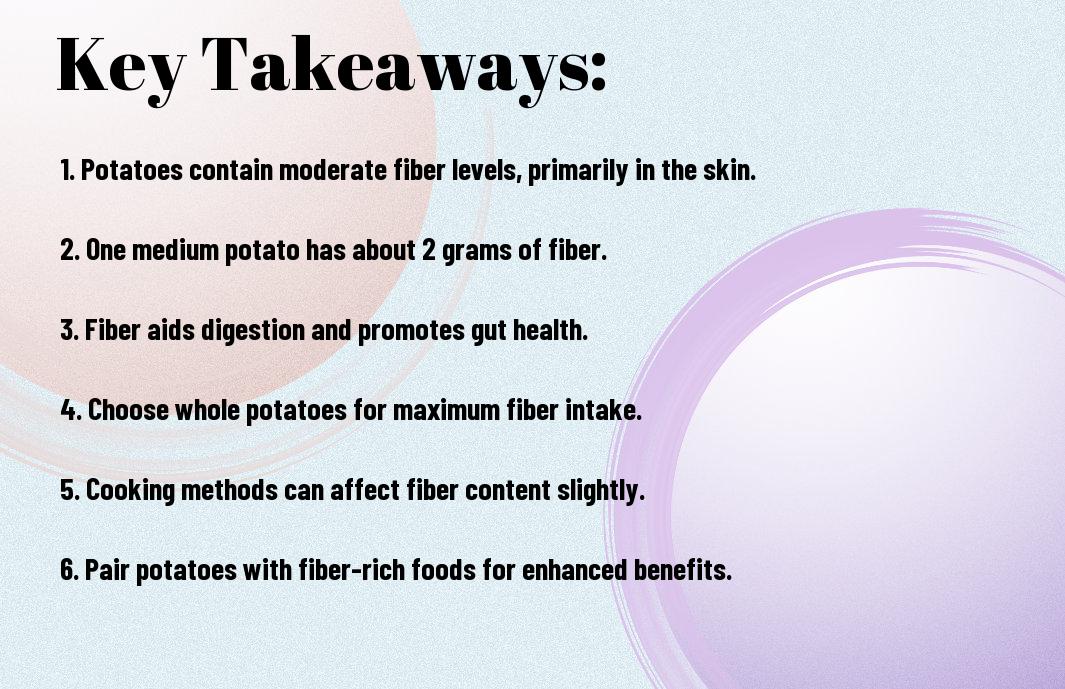
Q: What role does hydration play when consuming more fiber?

A: Staying hydrated is important when increasing fiber intake. Fiber absorbs water, which helps it move smoothly through your digestive system. Without adequate hydration, you may experience discomfort, such as bloating or constipation. Drinking plenty of water throughout the day can support your body in processing the additional fiber efficiently.

Q: Can too much fiber be harmful, and how much do I need daily?

A: While fiber is beneficial to health, consuming too much at once can lead to digestive issues, such as gas, bloating, or cramping. Generally, adults should aim for about 25 grams of fiber per day for women and 38 grams for men. It’s best to adjust your intake based on your individual tolerance and to spread your fiber consumption evenly across meals. If you’re unsure, consulting a healthcare professional can provide personalized guidance.

Is potato high in fiber

With a focus on improving your diet, you may wonder about the fiber content of potatoes. These versatile vegetables are often enjoyed in various dishes, but understanding their nutrient profile can help you make informed choices. While potatoes contain fiber, the amount may vary depending on the type and preparation method you choose. In this post, you’ll discover how potatoes compare to other fiber-rich foods and how you can maximize their health benefits in your meals.

Key Takeaways:

  • Fiber Content: Potatoes are a good source of fiber, particularly when the skin is consumed.
  • Variety Matters: Different types of potatoes have varying fiber levels; for example, sweet potatoes generally have more fiber than white potatoes.
  • Health Benefits: Consuming fiber-rich potatoes can aid digestion and promote overall gut health.

Nutritional Profile of Potatoes

To understand the health benefits of potatoes, it’s necessary to evaluate their nutritional profile. Potatoes are not only a versatile food option but also contain various vitamins and minerals such as vitamin C, potassium, and B vitamins. For more in-depth information, check out Are Potatoes Healthy? Yes, Learn Why. Incorporating potatoes into your diet can provide valuable nutrients that support your overall health.

Carbohydrate Content

On average, a medium potato contains about 37 grams of carbohydrates. This makes potatoes an excellent source of energy, especially for active individuals. However, the type of carbohydrates found in potatoes can influence how they affect your blood sugar levels. It’s important to consider cooking methods when evaluating their impact on your diet.

Fiber Content

Along with carbohydrates, potatoes also provide a notable amount of dietary fiber. A medium potato with the skin on contains roughly 2-3 grams of fiber, which contributes to your daily fiber intake.

Indeed, fiber is necessary for maintaining digestive health and can help you feel full longer. When you consume potatoes with the skin, you maximize the fiber content, which can assist in regulating blood sugar levels and promoting a healthy gut. By incorporating whole potatoes into your meals, you can enhance your fiber intake while enjoying a delicious dish.

Types of Potatoes and Fiber Variation

There’s a variety of potato types, each contributing different fiber content to your diet. Understanding these variations can help you make more informed choices. Here’s a quick overview:

  • White Potatoes
  • Sweet Potatoes
  • Red Potatoes
  • Yukon Gold Potatoes
  • Blue/Purple Potatoes

After exploring these types, you can see how their fiber content may impact your nutrition.

Type of Potato Fiber Content (per 100g)
White Potatoes 2.2g
Sweet Potatoes 3.0g
Red Potatoes 2.2g
Yukon Gold Potatoes 2.2g
Blue/Purple Potatoes 2.4g

White Potatoes

Types of white potatoes consist of popular varieties such as Russet and Idaho, which typically contain about 2.2 grams of fiber per 100 grams. Though not the highest in fiber among potato types, they still offer nutritional benefits and are versatile in various dishes.

Sweet Potatoes

Behind sweet potatoes lies their higher fiber content, approximately 3.0 grams per 100 grams. They provide an excellent alternative for those seeking to boost fiber intake while enjoying a naturally sweet flavor.

For instance, sweet potatoes are rich in vitamins and antioxidants, making them a nutritious addition to your meals. Their fiber not only aids digestion but also helps maintain healthy blood sugar levels, contributing to a balanced diet. You can enjoy them baked, mashed, or in soups, enhancing both the taste and nutritional profile of your meals.

Health Benefits of Dietary Fiber

Not only does dietary fiber support your overall health, but it also plays a vital role in aiding digestion and maintaining a healthy heart. Consuming fiber-rich foods can help regulate blood sugar levels, lower cholesterol, and improve gut health while helping you feel full and satisfied after meals.

Digestive Health

At its core, a diet rich in fiber aids your digestive system by promoting regular bowel movements and preventing constipation. Fiber adds bulk to your stool, making it easier to pass, and encourages the growth of beneficial gut bacteria, contributing to a healthier microbiome and reducing digestive discomfort.

Heart Health

On the topic of heart health, incorporating dietary fiber into your meals can significantly lower your risk of heart disease. High-fiber foods help reduce levels of LDL cholesterol—often referred to as “bad” cholesterol—by binding to cholesterol in the digestive system, leading to its excretion. This process can help maintain healthy blood pressure levels and contribute to overall cardiovascular wellness.

Health experts suggest that you aim to include a variety of fiber sources in your diet, such as fruits, vegetables, whole grains, and legumes, as each type of fiber offers unique benefits. Soluble fiber, in particular, is known for its cholesterol-lowering effects, while insoluble fiber aids in digestive regularity. By making mindful choices towards increasing your fiber intake, you can enhance your heart health and promote a longer, healthier life.

Comparison with Other High-Fiber Foods

After considering the fiber content of potatoes, it’s helpful to compare them with other high-fiber foods. The following table highlights some common options and their fiber content per serving:

Food Fiber Content (grams)
Potato (with skin) 2-4
Beans (cooked) 6-10
Chia Seeds 10
Oats (cooked) 4

Legumes

Against potatoes, legumes stand out as a powerhouse of fiber. Foods such as lentils, chickpeas, and various beans can pack in 6 to 10 grams of fiber per serving, far exceeding what you’ll find in a potato. This makes them excellent choices for anyone looking to boost their fiber intake for better digestive health.

Whole Grains

Before venturing into whole grains, it’s worth noting that these foods also offer a significant fiber boost compared to potatoes. Whole grains, including brown rice, quinoa, and whole wheat products, provide between 4 to 8 grams of fiber per serving, making them a wise addition to your diet if fiber is your goal.

But the advantage of whole grains goes beyond just fiber content—they also deliver crucial nutrients such as B vitamins and minerals. Incorporating whole grains into your meals can enhance overall nutrition, making them a beneficial choice for your health and well-being.

Recommended Daily Fiber Intake

Your daily fiber intake plays a significant role in maintaining digestive health and overall well-being. The recommended intake varies based on age and gender, but generally, adult women should aim for about 25 grams per day, while men should target around 38 grams. Adhering to these guidelines will help you achieve a balanced diet and promote regular bowel movements.

General Guidelines

The recommended daily fiber intake is best achieved through a variety of food sources, including fruits, vegetables, nuts, seeds, and whole grains. It’s necessary to gradually increase your fiber intake to prevent digestive discomfort. Additionally, drinking plenty of water can help facilitate fiber’s beneficial effects on your digestive system.

Sources of Fiber

For optimal health, incorporate a diverse array of fiber-rich foods into your diet. Soluble fiber can be found in foods such as oats, beans, and fruits, while insoluble fiber is abundant in whole grains, nuts, and vegetables.

But it’s not just about the quantity; the quality of fiber sources also matters. Whole foods like legumes, fruits, vegetables, and whole grains are excellent choices that provide not only fiber but also necessary vitamins and minerals. Processed foods may offer some fiber, but they often lack the nutritional benefits found in whole, unprocessed foods. Prioritize these sources in your diet to maximize your fiber intake and support your overall health.

How to Incorporate Potatoes into a High-Fiber Diet

Many people overlook potatoes as a valuable addition to a high-fiber diet. To reap their benefits, consider enjoying them with the skin left on, which enhances fiber content. Pair them with legumes, vegetables, and whole grains to create balanced meals, and experiment with various cooking methods to keep your meals exciting. By incorporating potatoes in moderation and creatively, you can maintain a satisfying and nutritious fiber-rich diet.

Cooking Methods

Beside baking and boiling, you can explore a variety of cooking methods for potatoes that enhance their appeal and nutritional profile. Steaming, roasting, and grilling are excellent options that preserve fiber while adding rich flavors and textures. Each method offers unique characteristics, allowing you to enjoy potatoes in diverse ways. Experiment with herbs and spices to personalize your dishes further.

Recipe Ideas

Below are some delicious recipe ideas that showcase the versatility of potatoes in your high-fiber diet. You could try making a hearty potato and chickpea stew, a colorful roasted vegetable medley with potatoes, or even a refreshing potato salad with black beans. Each option combines fiber-rich ingredients with potatoes to create a nutritious, satisfying meal.

Ideas for incorporating potatoes into your meals can range from simple sides to main courses. Consider a creamy mashed potato blend with cauliflower for added fiber or whip up some baked potato skins topped with Greek yogurt and chives. Mixing potatoes with leafy greens in a hash or frittata is another fantastic way to boost your fiber intake while enjoying a delicious meal. With a bit of creativity, you can easily elevate your dishes and enhance your nutrition with these comforting foods.

To wrap up

Conclusively, you can enjoy potatoes as a good source of fiber, particularly when you eat them with the skin on. This tasty vegetable can contribute to your daily fiber intake, helping to support digestive health. For a deeper understanding of potato nutrition, including its fiber content and other health benefits, you may want to explore the Potato Nutrition Facts | Nutrients, Calories, Benefits of a … resource. Embracing potatoes in your diet can enhance both flavor and fiber content.

FAQ

Q: Is potato high in fiber compared to other vegetables?

A: Potatoes are a good source of dietary fiber, particularly when eaten with their skins. A medium-sized potato contains about 2-4 grams of fiber, which is comparable to other vegetables like carrots and broccoli. However, many vegetables, such as beans and legumes, tend to have a higher fiber content per serving.

Q: How does the fiber content in potatoes change with preparation methods?

A: The fiber content in potatoes remains relatively stable regardless of how they are prepared. However, cooking methods that involve peeling can reduce the fiber intake since most of the fiber is located in the skin. Baking or boiling potatoes with their skins on retains the maximum fiber. Frying, while it keeps the skin, often adds unhealthy fats, which may counteract the health benefits of fiber.

Q: What are the health benefits of consuming fiber from potatoes?

A: Consuming fiber is beneficial for digestion, as it helps to prevent constipation and maintain regular bowel movements. Fiber also contributes to a feeling of fullness, which can help with weight management. Additionally, a high fiber diet is associated with a reduced risk of developing certain chronic diseases, such as heart disease and type 2 diabetes. Potatoes can be a delicious and satisfying source of this imperative nutrient.

Q: Can people with specific dietary needs still incorporate potatoes as a fiber source?

A: Yes, individuals with specific dietary needs, such as those with diabetes or those seeking to increase their fiber intake, can include potatoes in moderation. It’s advisable to choose whole potatoes with skins intact, and pair them with other high-fiber foods like vegetables, legumes, or whole grains for a balanced approach. Portion control is key to managing blood sugar levels in diabetic diets.

Q: Are there different types of potatoes, and do they vary in fiber content?

A: Yes, there are several types of potatoes, including russet, red, and sweet potatoes, and they do have slight variations in fiber content. Generally, all types of potatoes provide a good amount of fiber, especially with the skin. For example, sweet potatoes are particularly rich in fiber, offering more per serving compared to white potatoes. It’s beneficial to include a variety of potatoes in your diet to enjoy their different flavors and nutritional benefits.

What is a high fiber diet

You may have heard about high fiber diets and their numerous health benefits, but what exactly does it entail? A high fiber diet focuses on consuming foods rich in dietary fiber, which is crucial for your digestive health and can aid in maintaining a healthy weight. By incorporating whole grains, fruits, vegetables, legumes, and nuts into your meals, you can improve your overall well-being and enhance your body’s ability to function optimally. Understanding the importance of fiber and how to include it in your diet can lead you to a healthier lifestyle.

Key Takeaways:

  • High Fiber Foods: A high fiber diet includes a variety of fruits, vegetables, whole grains, legumes, and nuts, which together promote better digestive health.
  • Health Benefits: Increasing fiber intake can lead to numerous health advantages, such as improved gut function, lower cholesterol levels, and better blood sugar control.
  • Daily Intake Recommendations: Adults should aim for about 25 to 30 grams of fiber per day, depending on individual dietary needs and health goals.

Understanding Fiber

Your understanding of dietary fiber is crucial for improving your health. Fiber is a type of carbohydrate that your body can’t digest, but it plays a vital role in maintaining digestive health. It helps regulate your body’s use of sugars, keeping hunger and blood sugar in check while also promoting regular bowel movements. Incorporating fiber into your diet can offer numerous benefits, especially when it comes to overall well-being.

Types of Dietary Fiber

Your diet can include two main types of dietary fiber:

  • Soluble Fiber: Dissolves in water, forming a gel-like substance. It helps lower blood cholesterol and glucose levels.
  • Insoluble Fiber: Does not dissolve in water and aids in the movement of food through your digestive tract, promoting regularity.

Knowing the difference between these fibers can help you make informed dietary choices that support your health.

Type of Fiber Sources
Soluble Fiber Oats, beans, lentils, apples, and citrus fruits
Insoluble Fiber Whole grains, nuts, seeds, and vegetables
Function Slows digestion and promotes feelings of fullness
Health Benefits Helps lower cholesterol, regulate blood sugar, and improve digestive health

Health Benefits of Fiber

Beside aiding digestion, fiber offers a variety of health benefits that can have a positive impact on your overall well-being. A high intake of fiber has been associated with a lower risk of chronic diseases such as heart disease, diabetes, and certain cancers. Additionally, fiber helps improve gut health, supports weight management, and may promote a healthy gut microbiome by nourishing beneficial bacteria.

But it’s important to gradually increase your fiber intake to avoid digestive discomfort, and ensure you’re drinking plenty of water to help the fiber do its job. Regularly consuming a mix of soluble and insoluble fiber from various sources can lead to a healthier lifestyle, helping you feel more energized and balanced overall.

High Fiber Foods

Now that you understand the benefits of a high fiber diet, it’s important to know which foods to incorporate into your meals. High fiber foods include a diverse range of options, such as fruits, vegetables, whole grains, and legumes. These foods not only promote digestive health but also help you feel fuller for longer, making them excellent additions to your diet.

Fruits and Vegetables

Behind every healthy high fiber diet are fruits and vegetables, which are packed with important vitamins and minerals. Some excellent choices include raspberries, pears, broccoli, and carrots. Incorporating a variety of these colorful options into your meals will not only boost your fiber intake but also enhance your overall well-being.

Whole Grains and Legumes

High fiber foods also encompass whole grains and legumes, both of which are integral to a balanced diet. Examples include barley, quinoa, lentils, and chickpeas. These foods provide not just fiber but also vital nutrients that support your health.

A focus on whole grains like brown rice, oats, and whole wheat bread can help you achieve your daily fiber goals while enjoying delicious meals. Legumes, such as black beans and kidney beans, are versatile ingredients that can be added to soups, salads, or served as side dishes. By including these high fiber options in your diet, you’re adopting healthier eating habits that can lead to long-lasting benefits.

How to Incorporate More Fiber into Your Diet

After understanding the benefits of a high-fiber diet, you may wonder how to effectively incorporate more fiber into your meals. Start by gradually increasing your fiber intake to prevent any digestive discomfort, and choose whole grains, fruits, vegetables, legumes, and nuts as your mainstay foods. Don’t forget to drink plenty of water to help manage increased fiber in your diet.

Meal Planning Tips

More fiber can be seamlessly integrated into your meals with some thoughtful planning. Consider these simple tips:

  • Include a fiber-rich vegetable in every meal.
  • Opt for whole grain bread, pasta, and cereal.
  • Have beans or lentils as a protein option.
  • Incorporate fruit into your breakfast and snacks.

Any changes you make will have a positive impact on your fiber intake.

Snacking on Fiber-Rich Foods

Above all, snacking can be an excellent opportunity to boost your fiber intake. Focus on choosing snacks that are not only satisfying but also rich in dietary fiber.

Fiber-rich foods make great snacks that keep you full longer and promote digestive health. Consider snacking on raw vegetables with hummus, a handful of nuts, or air-popped popcorn. Fresh fruits like apples and pears with the skin contain significant fiber, while whole grain crackers can also fit this category. By selecting snacks that are high in fiber, you can enhance your diet while enjoying delicious options throughout the day.

Potential Risks of a High Fiber Diet

To experience the benefits of a high-fiber diet, it’s necessary to be aware of potential risks. While fiber is vital for digestive health, consuming too much fiber too quickly can lead to discomfort and may interfere with the absorption of certain nutrients. Understanding these risks can help you make informed decisions about your dietary choices.

Digestive Issues

One common issue you may encounter with a high-fiber diet is digestive discomfort, which can include bloating, gas, and cramping. This often occurs when fiber intake is increased rapidly or when you consume inadequate water alongside fiber-rich foods. Gradually incorporating fiber into your diet and drinking plenty of fluids can help minimize these effects.

Nutrient Absorption Concerns

Nutrient absorption can be affected if you consume excessive amounts of fiber. High fiber intake may inhibit your body’s ability to absorb necessary vitamins and minerals, particularly calcium, iron, and zinc. This can lead to deficiencies over time if you do not balance your high-fiber foods with a diverse range of nutrients.

At times, certain types of fiber, especially soluble fiber, can bind with minerals and reduce their absorption in your body. This is why it’s important to maintain a balanced diet and ensure you’re getting adequate intake of vitamins and minerals. Incorporating a variety of foods, including those rich in necessary nutrients, can help you mitigate potential absorption issues and support overall health.

Fiber and Weight Management

Not only does a high fiber diet help you feel full, but it also plays a significant role in weight management. By incorporating more fiber into your meals, you can reduce overall calorie intake, making it easier to maintain a healthy weight. Foods rich in fiber tend to be lower in calories while providing vital nutrients, which supports your weight loss or weight maintenance goals.

Satiety and Appetite Control

Beside promoting fullness, fiber-rich foods can help manage your appetite effectively. Soluble fiber forms a gel-like substance in your digestive system, which slows down digestion and prolongs the sensation of satiety. This means you’re less likely to experience hunger pangs shortly after eating, ultimately leading to fewer unhealthy snacking choices throughout the day.

Impact on Metabolism

Control your metabolism by choosing high fiber foods, as they can positively influence how your body processes and utilizes energy. Fiber has been shown to impact insulin sensitivity and glucose levels, promoting stable energy levels rather than drastic spikes and crashes. This balanced approach to energy management can help you maintain a healthy weight by reducing the risk of energy storage as fat.

Consequently, when your metabolism is functioning optimally due to a high fiber intake, your body becomes more efficient at burning calories. This efficient calorie expenditure can lead to improved weight loss outcomes over time. A well-regulated metabolism helps you convert the food you eat into energy more effectively, preventing excess calories from being stored as body fat. By understanding the benefits of fiber in enhancing your metabolic rate, you can make more informed dietary choices that support your weight management goals.

Frequently Asked Questions

Despite the many benefits of a high fiber diet, questions often arise about its guidelines and effects. For a thorough understanding of fiber’s role in your health, check out this resource on Dietary fiber: Essential for a healthy diet.

How Much Fiber Do You Need?

An average adult should aim for about 25 to 30 grams of fiber each day, which can vary based on age, gender, and individual health needs. Incorporating a variety of fiber-rich foods such as fruits, vegetables, whole grains, and legumes will help you meet this daily requirement.

Can You Get Too Much Fiber?

With fiber intake, balance is key. Increasing your fiber consumption too quickly or consuming an excessively high amount can lead to digestive discomfort, including bloating and gas.

Considering the importance of fiber, it’s vital to listen to your body and adjust your intake gradually. If you experience any negative symptoms, it may be beneficial to assess your fiber consumption and consult with a healthcare provider or nutritionist. Always ensure you are drinking plenty of water as you increase your fiber intake to aid digestion.)

Summing up

Following this, a high fiber diet involves incorporating a variety of fiber-rich foods such as fruits, vegetables, whole grains, legumes, and nuts into your meals. This approach not only aids in digestion and helps maintain a healthy weight, but also supports heart health and stabilizes blood sugar levels. By prioritizing these foods, you can enhance your overall well-being and promote a balanced lifestyle tailored to your nutritional needs.

FAQ

Q: What is a high fiber diet?

A: A high fiber diet is one that significantly includes foods rich in dietary fiber. Fiber is a type of carbohydrate that the body cannot digest, and it plays an important role in promoting digestive health, regulating bowel movements, and preventing constipation. Foods commonly included in a high fiber diet are fruits, vegetables, whole grains, legumes, and nuts. The recommended daily intake of fiber is about 25 grams for women and 38 grams for men.

Q: What are the benefits of a high fiber diet?

A: A high fiber diet offers numerous health benefits. It can aid in weight management by promoting satiety, helping individuals feel full longer. Additionally, it helps lower cholesterol levels, regulates blood sugar levels, and reduces the risk of developing diseases such as heart disease, diabetes, and certain cancers. Furthermore, by maintaining regular bowel movements, it can prevent digestive disorders such as diverticulitis.

Q: How can I increase my fiber intake?

A: There are several effective ways to increase fiber intake. Start your day with a high fiber breakfast cereal, such as oatmeal or bran flakes. Snack on fruits, raw vegetables, or nuts instead of processed snacks. Choose whole grain versions of bread, pasta, and rice. Incorporate more legumes, like beans and lentils, into meals, and aim to add fruits and vegetables to each meal. Gradually introduce fiber into your diet to allow your digestive system to adjust.

Q: Are there any side effects of consuming too much fiber?

A: While a high fiber diet is beneficial, consuming an excessive amount of fiber suddenly can lead to digestive discomfort. Common side effects include bloating, gas, cramping, and diarrhea. It’s important to increase fiber intake gradually and to drink plenty of water, as fiber works best when it absorbs water and helps move food through the digestive system. If someone experiences persistent issues, consulting with a healthcare professional is advisable.

Q: Can a high fiber diet help with weight loss?

A: Yes, a high fiber diet can assist with weight loss. Fiber-rich foods tend to be lower in calories and promote a feeling of fullness, curbing hunger and reducing the likelihood of overeating. By incorporating whole foods that are high in fiber, individuals may find it easier to adhere to a healthy eating plan, leading to potential weight loss over time. Incorporating fiber while maintaining a balanced diet is key to effective weight management.

Skip to content