
Food poisoning can lead to various uncomfortable symptoms, including digestive disturbances that may cause you to experience increased gas and flatulence. If you’ve recently suffered from foodborne illness, it’s common to wonder if your post-meal gassiness is a typical response. Understanding your body’s reaction can help you navigate recovery and restore your digestive health, allowing you to regain comfort and confidence in your eating habits.
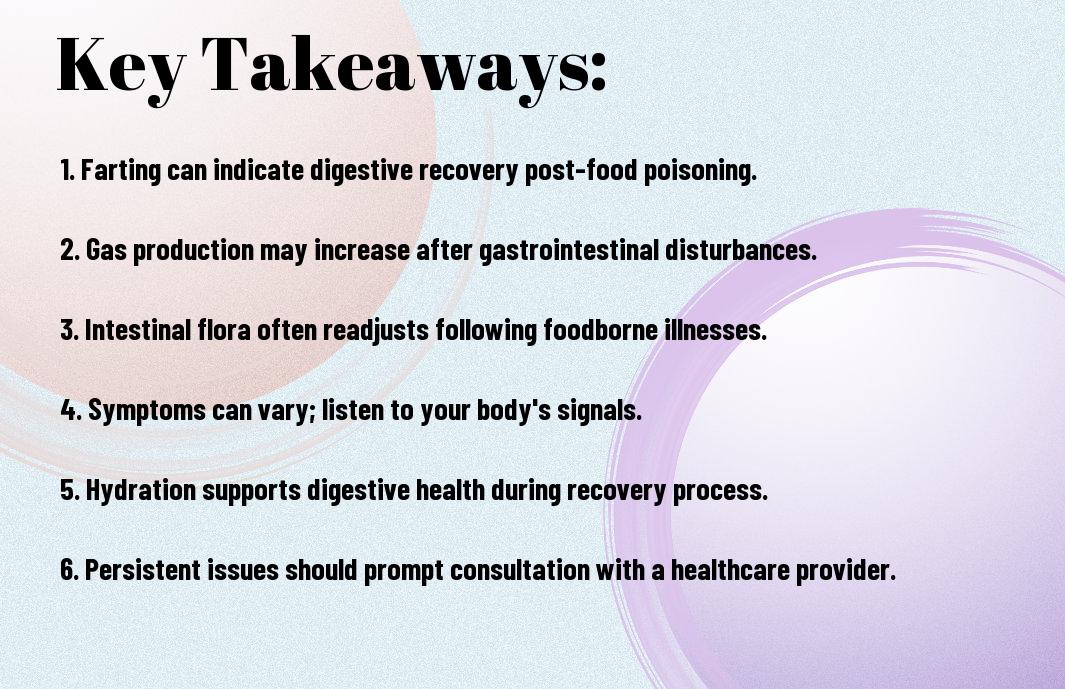
Key Takeaways:
- Gas Production: After experiencing food poisoning, your digestive system may produce excess gas as it recovers, leading to increased flatulence.
- Digestive Recovery: Farting can be a part of the normal healing process as your body eliminates residual toxins and adjusts back to regular digestion.
- Diet Adjustments: Eating easily digestible foods post-food poisoning can help manage gas levels and facilitate smoother digestion.
Understanding Food Poisoning
To gain a better understanding of food poisoning, it’s important to recognize that it occurs when you consume contaminated food or beverages. This contamination can arise from bacteria, viruses, or parasites, and in some cases, chemical substances. The symptoms can vary in intensity and duration, impacting your digestive system significantly. Proper knowledge of food poisoning can help you take preventive measures and recognize when to seek medical attention.
Causes of Food Poisoning
By knowing the common causes of food poisoning, you can better protect yourself from its effects. This condition often stems from improper food handling, undercooked meals, unwashed produce, or contaminated water. Specific pathogens, such as Salmonella, E. coli, or norovirus, are frequent culprits. Awareness of these dangers in your food preparation and consumption can help you minimize your risk of getting food poisoning.
Symptoms and Effects on the Digestive System
Above all, the symptoms of food poisoning can manifest quickly, sometimes within hours after eating. Common signs include nausea, vomiting, diarrhea, abdominal cramps, and sometimes fever. Your digestive system becomes highly sensitive and can react in various ways as it tries to expel the harmful substances.
Food poisoning affects your digestive system by disrupting the normal functioning of your intestines. You might experience gas, bloating, and irregular bowel movements alongside more serious symptoms like diarrhea or dehydration. The inflammatory response can also lead to further gastrointestinal issues, causing discomfort and prolonged recovery. It is vital to stay hydrated and give your digestive system time to heal after such an ordeal.
Gas Production and Digestion
Some degree of gas production is normal during digestion, especially after experiencing food poisoning. When the digestive system is compromised, it can lead to increased fermentation of undigested food, which results in gas buildup. You can learn more about this in This Is What Your Excessive or Foul-Smelling Gas Could ….
How Digestion Works After Illness
On recovering from food poisoning, your digestive system may still be sensitive. The process can remain disrupted for a while, causing changes in how food is processed and leading to symptoms such as bloating and gas, even as your body heals.
Role of Bacteria in Gas Formation
For your digestive system to function properly, a balance of bacteria is crucial. After food poisoning, the microbial population in your gut may be altered, contributing to increased gas production and discomfort while your body adjusts.
Works by fermenting the food you consume, bacteria in your gut play a significant role in digestion. When imbalances occur, such as during recovery from food poisoning, some bacteria may overproduce gas while others may not thrive. This imbalance can lead to excessive farting and discomfort as your digestive system attempts to restore its normal flora.
The Link Between Food Poisoning and Flatulence
Despite the uncomfortable nature of flatulence, it can be a common occurrence after experiencing food poisoning. When your body fights off the pathogens that caused the foodborne illness, you might produce excess gas as a byproduct of the digestion process. Conditions like Giardiasis can also lead to bloating and increased flatulence in recovery cases.
Normal Digestive Responses
Between your digestive system’s attempts to recover and the changes in gut microbiota following food poisoning, it’s natural to experience some increased gas production. This is simply your body reacting to the disturbance in digestion and can be a sign that your system is working hard to heal.
When to Be Concerned About Excess Gas
Normal digestive responses are typically temporary; however, if you experience excessive gas lasting longer than a few days, it may be time for concern.
Due to ongoing or worsening discomfort, it is advisable to consult a healthcare professional if flatulence is accompanied by severe abdominal pain, diarrhea, or blood in your stool. These symptoms may indicate a more serious underlying condition that requires medical attention. Your health should always be a priority, and it’s necessary to address any major changes in your digestive health promptly.
Remedies for Post-Food Poisoning Discomfort
Not everyone experiences the same level of discomfort after food poisoning, but there are several remedies you can try to alleviate your symptoms. Staying hydrated is key, so drink plenty of fluids to prevent dehydration. Simple, bland foods can help ease your digestive system back to normal. Resting your body is also important as it recuperates from the illness. Over time, your digestive health will improve, and you should begin to feel more comfortable.
Dietary Adjustments
An effective way to ease post-food poisoning symptoms is through dietary adjustments. Start with bland foods such as rice, bananas, and toast, which are gentle on your stomach. Gradually introduce more complex foods as you feel better, while avoiding dairy, spicy foods, and high-fat items initially, as these can irritate your digestive system.
Over-the-Counter Solutions
Any discomfort after food poisoning can often be relieved with over-the-counter solutions. Medications like loperamide can help control diarrhea, while simethicone can alleviate gas and bloating symptoms. Always follow the instructions on the packaging, and consult with your healthcare provider if you have any concerns or if your symptoms persist.
The addition of over-the-counter solutions can be an effective strategy to help you manage post-food poisoning discomfort. Loperamide works well to slow down bowel movements and reduce diarrhea, while simethicone can assist in relieving gas pains and bloating. These medications are generally safe for short-term use, but it’s imperative to ensure you stay well-hydrated and consult your healthcare provider if symptoms continue for more than a few days.

Preventing Future Incidents of Food Poisoning
All foodborne illnesses can be avoided by practicing safe food handling methods, maintaining proper hygiene, and being aware of what you consume. Educating yourself on food safety can significantly reduce your risk of experiencing food poisoning again. With vigilance and smart choices, you can enjoy your meals without worry.
Safe Food Handling Practices
Food safety starts with you. Always wash your hands thoroughly before and after handling food, and ensure to clean surfaces, equipment, and utensils. Keep raw and cooked foods separate, cook foods to the appropriate temperatures, and store perishables properly. Implementing these practices aids in preventing contamination.
Recognizing High-Risk Foods
For your health, it’s important to understand which foods are more likely to harbor harmful bacteria. Foods such as undercooked meats, raw seafood, unpasteurized dairy, and ready-to-eat items like salads can pose significant risks. Knowing the dangers associated with these foods will help you make safer choices.
Considering your diet, focus on identifying foods that require special attention. High-risk foods often include those that are perishable or require precise cooking temperatures. Always check expiration dates and stay informed about recent food recalls. Being proactive about what you eat can empower you to avoid food poisoning incidents in the future.
Expert Opinions on Post-Food Poisoning Symptoms
Many people experience a range of symptoms after recovering from food poisoning, and it’s not uncommon for excessive gas and flatulence to be among them. Experts suggest that this could stem from changes in your gut flora or an irritation of the digestive tract. While these symptoms can be uncomfortable, they often indicate your body is in the process of healing and restoring balance. If you’re concerned about persistent symptoms, it’s advisable to consult a healthcare professional for personalized guidance.
Insights from Gastroenterologists
Between the various symptoms experienced after food poisoning, flatulence is a common occurrence. Gastroenterologists explain that your digestive system may be undergoing adjustments, as it strives to return to normal function. This process could result in an increase in gas production as your body works to eliminate toxins and recover from inflammation. It’s typically a transient phase but can be bothersome nonetheless.
Patient Testimonials
Between those who have experienced food poisoning, many individuals share similar stories regarding their post-recovery symptoms, particularly increased flatulence. These testimonials often highlight the surprising nature of this symptom and how it contributed to discomfort during their recovery phase. While each person’s experience can vary, you may find comfort in knowing that you are not alone in facing such symptoms after experiencing food-related illness.
Hence, patient testimonials can provide valuable insights into the shared experiences of individuals recovering from food poisoning. Many have noted that despite the embarrassment associated with excessive flatulence, understanding the body’s healing processes can help normalize the situation. By acknowledging that these symptoms are part of a natural recovery trajectory, you can feel more at ease knowing that you’re not unique in experiencing this discomfort. These shared stories can serve as a reminder that healing takes time and that open discussions about symptoms can foster community support.
Summing up
Presently, it is normal for you to experience increased flatulence after food poisoning as your digestive system works to recover. During this recovery, your body may produce more gas as it processes food and eliminates toxins. Staying hydrated and consuming a bland diet can help ease discomfort and support your digestive health. While occasional gas is expected, pay attention to any severe symptoms and consult a healthcare professional if necessary. Taking care of your gut will aid in a quicker recovery and restore your digestive balance.
FAQ
Q: Is it normal to fart after experiencing food poisoning?
A: Yes, it is common to experience increased gas, including farting, after food poisoning. This occurs as your digestive system may still be trying to recover from the infection, leading to bloating and gas as your body processes the residual toxins or bacteria.
Q: What causes excessive gas after food poisoning?
A: Excessive gas after food poisoning can result from several factors, including inflammation of the intestines, changes in gut bacteria, or incomplete digestion of food due to a compromised digestive system. All these factors can lead to the production of more gas and, consequently, increased flatulence.
Q: How long can I expect to experience gas after food poisoning?
A: The duration of increased gas can vary by individual but typically lasts a few days to a week after the initial symptoms of food poisoning have resolved. If symptoms persist or worsen, it may be wise to consult a healthcare professional.
Q: Are there any home remedies to reduce gas after food poisoning?
A: Yes, several home remedies can help alleviate gas after food poisoning. These include staying hydrated, consuming ginger or peppermint tea, and avoiding carbonated drinks and high-fiber foods temporarily. Maintaining a light diet with easily digestible foods can also aid in recovery.
Q: When should I seek medical attention for gas after food poisoning?
A: You should consult a healthcare provider if you experience severe abdominal pain, persistent vomiting, blood in stools, or if gas is accompanied by other serious symptoms like fever or dehydration. These could indicate a more serious underlying condition requiring medical intervention.
