Energy

What happens when you start eating whole foods

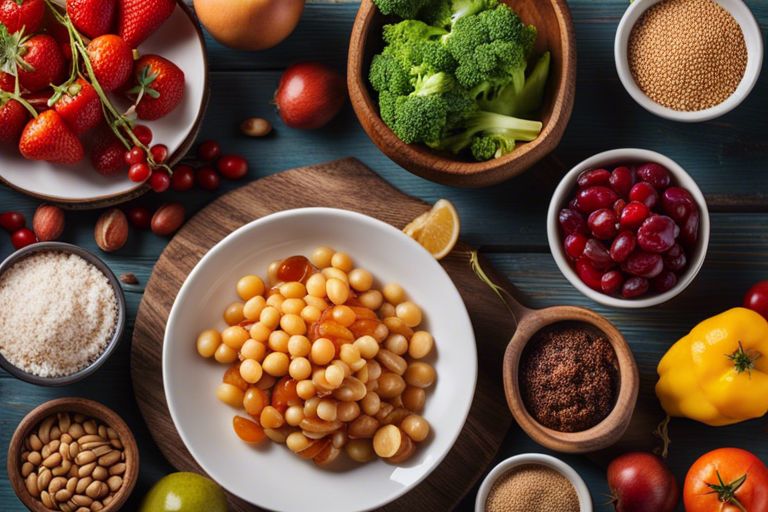
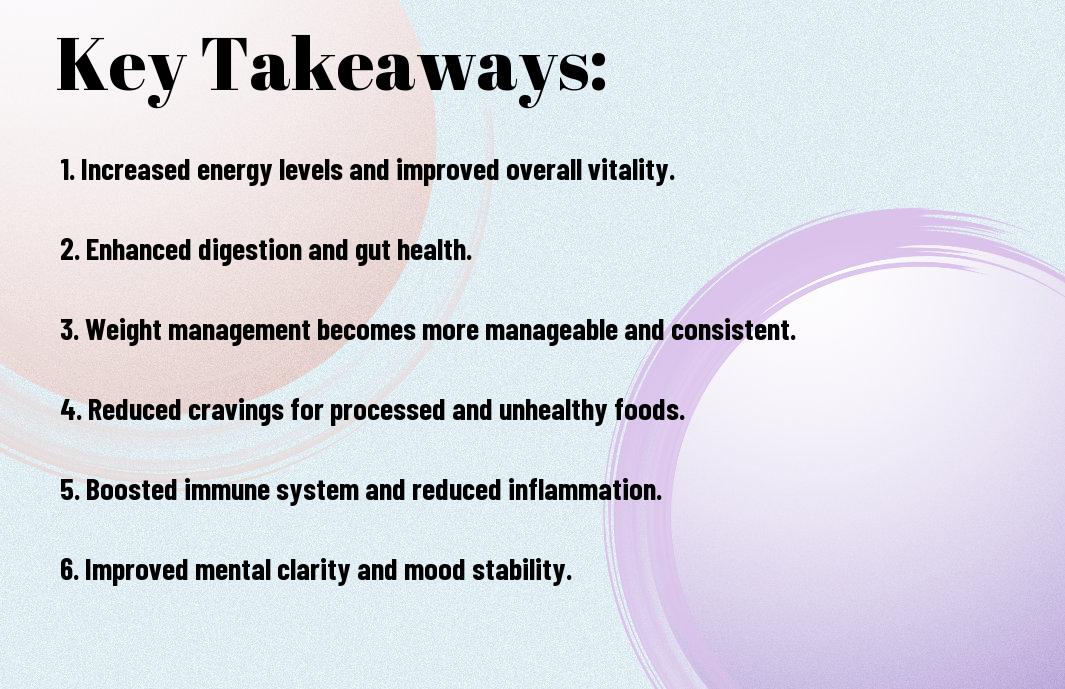
It’s fascinating how your body responds when you embrace a whole foods diet. As you start incorporating more fruits, vegetables, whole grains, and lean proteins into your meals, you may experience increased energy levels, improved digestion, and weight management benefits. Your palate will become accustomed to richer flavors, and you might even find yourself craving nutrient-dense foods over processed options. To dive deeper into the transformative effects of this lifestyle, check out Whole-Foods Diet 101: A Complete Beginner’s Guide.

Key Takeaways:

  • Improved Nutritional Intake: Transitioning to whole foods boosts your intake of vital vitamins, minerals, and antioxidants, leading to better overall health.
  • Enhanced Energy Levels: Whole foods provide sustained energy due to their natural fibers and nutrients, reducing energy crashes often associated with processed foods.
  • Better Digestion: A diet rich in whole foods promotes gut health and improves digestion, as they are typically higher in fiber compared to processed options.

Understanding Whole Foods

Your journey towards healthier eating begins with understanding what whole foods are. These foods not only nourish your body but also embody the essence of natural nutrition. Whole foods generally refer to items that are minimally processed and free from artificial additives, enabling you to consume food in its most natural state.

Definition of Whole Foods

For the purpose of this discussion, whole foods are defined as foods that are consumed in their most natural form, without added sugars, preservatives, or artificial ingredients. These foods are typically unrefined and provide important nutrients that support your overall health.

Types of Whole Foods

For the most part, whole foods can be categorized into several types, each offering unique benefits. Below is a table that illustrates different types of whole foods:

Type Description
Fruits Natural sources of vitamins, minerals, and antioxidants.
Vegetables Rich in fiber and important nutrients for a balanced diet.
Whole Grains Unrefined grains that contain all parts of the grain kernel.
Nuts and Seeds Healthy fats and proteins that promote heart health.
Legumes Rich in protein and fiber, offering various health benefits.
  • Understanding these categories will help you make informed dietary choices.
  • Each category provides unique nutrients important for your health.
  • Focusing on whole foods can improve your overall diet quality.
  • Incorporating a variety of these foods is key to balanced nutrition.
  • Knowing how these whole foods fit into your lifestyle is crucial for lasting change.

Plus, to further illustrate the types of whole foods, consider the diverse options available within each category. Here’s a breakdown to help you explore:

Category Examples
Fruits Berries, apples, oranges
Vegetables Spinach, carrots, broccoli
Whole Grains Brown rice, quinoa, oats
Nuts and Seeds Almonds, chia seeds, walnuts
Legumes Chickpeas, lentils, black beans
  • With so many options, you can easily incorporate a variety of whole foods into your diet.
  • Exploring different fruits and vegetables can keep meals exciting and nutritious.
  • Variety ensures you receive a broad spectrum of nutrients.
  • Mixing and matching whole grains can enhance texture and flavor in your meals.
  • Knowing your whole food options empowers you to make better dietary choices.

Benefits of Whole Foods

It is imperative to understand the numerous benefits of incorporating whole foods into your diet. These natural and unprocessed foods provide a myriad of positive effects on your health and well-being.

Nutritional Value

Nutritional value plays a significant role in determining the healthfulness of any food. Whole foods are packed with imperative vitamins, minerals, and antioxidants that help your body function optimally, providing you with the nutrients necessary for maintaining your health and preventing chronic diseases.

Impact on Weight Management

To effectively manage your weight, you need a diet that satisfies your body’s nutritional needs while promoting a healthy metabolism. Whole foods can aid in weight management by providing nourishing, low-calorie options that keep you feeling full longer, ultimately reducing your cravings for unhealthy snacks.

Another factor to consider is that whole foods tend to have a lower glycemic index compared to processed options, which helps stabilize blood sugar levels. This stabilization leads to fewer spikes in hunger, allowing you to maintain a more consistent energy level throughout the day and avoid overindulging during meals.

Enhanced Energy Levels

An increased intake of whole foods can significantly enhance your energy levels. These foods provide a slow release of energy, ensuring that you feel more energized and less fatigued throughout the day.

Levels of sustained energy become especially important as you engage in daily activities or exercise. When you nourish your body with whole foods, you’ll find that your endurance and overall physical performance improve, making it easier to stay active and engaged in your life.

Transitioning to Whole Foods

Keep in mind that transitioning to whole foods doesn’t have to be overwhelming. You can start by gradually replacing processed items in your pantry with whole food alternatives. Begin with simple swaps, such as substituting white rice with quinoa or opting for whole grain bread instead of white bread. Aim to incorporate more fruits and vegetables into your meals, and soon, you’ll find that whole foods become more prominent in your diet.

Steps to Incorporate Whole Foods

Whole foods are all about simplicity and nutrition. Begin your journey by educating yourself on which foods fit the whole foods category, such as fresh produce, nuts, seeds, whole grains, and legumes. Create a shopping list that focuses on these items while eliminating processed snacks and refined ingredients. With time, your taste buds will adjust, making it easier to choose whole foods over their processed counterparts.

Overcoming Challenges

Challenges may arise as you shift your eating habits, but understanding these obstacles can help you navigate them. You might experience cravings for convenience foods or feel overwhelmed by meal preparation. It’s crucial to anticipate these hurdles and remind yourself of your health goals, allowing you to stay motivated and focused on the benefits of whole foods.

Foods that are convenient, like ready-made meals or snacks, can tempt you during your transition. Instead, focus on preparing your own meals and keeping wholesome snacks on hand. By dedicating time each week for meal prep and convenience, you’ll find it easier to avoid processed options and remain committed to your whole foods journey.

Meal Planning Strategies

Whole food meal planning is necessary to ensure you enjoy a diverse and balanced diet. Start by selecting one or two new recipes each week that emphasize whole food ingredients, and make sure to plan meals that can use leftovers creatively, reducing waste and saving time.

With thoughtful meal planning, you can set yourself up for success. Create a weekly menu that includes breakfast, lunch, and dinner, focusing on incorporating fresh ingredients and whole grains. This strategy not only helps you maintain your commitment to whole foods but also saves you time and money while making your meals more exciting and nutritious.
Summing up

As a reminder, when you start eating whole foods, you’re likely to experience improved energy levels, better digestion, and enhanced overall health. Your body benefits from nutrient-dense foods that are less processed, which can lead to a healthier weight, and improved mental clarity. Embracing a whole foods diet also encourages you to make mindful food choices, ultimately fostering a positive relationship with what you eat. For more detailed insights and practical resources, check out the Whole Foods Diet Guide: Meal Plans and Shopping Lists.

FAQ

Q: What are whole foods and how do they differ from processed foods?

A: Whole foods are natural, unprocessed foods that are free from artificial additives and preservatives. They include fruits, vegetables, whole grains, nuts, seeds, and legumes. Unlike processed foods, which often contain refined sugars, unhealthy fats, and other additives, whole foods retain their natural nutrients and are typically higher in fiber, vitamins, and minerals. By choosing whole foods over processed options, you can nourish your body more effectively.

Q: What noticeable changes can I expect in my body after starting a whole foods diet?

A: When you start eating whole foods, many people report increased energy levels, improved digestion, and better mood regulation. Your body may begin to detoxify from the additives and preservatives found in processed foods, which can result in temporary symptoms like headaches or fatigue as toxins are eliminated. However, over time, you may experience weight loss, clearer skin, and enhanced overall health as your diet becomes richer in necessary nutrients.

Q: Will switching to whole foods impact my cravings for junk food?

A: Yes, making the transition to whole foods can significantly impact your cravings for junk food. Initially, you may experience withdrawal symptoms such as cravings for sugar or salty snacks. However, as your body adapts to a diet rich in whole foods, many people find that their cravings diminish. Whole foods tend to be more satiating due to their higher fiber content, which helps regulate hunger hormones and can reduce the desire for unhealthy snacks.

Q: Can eating whole foods lead to better health outcomes?

A: Absolutely! Numerous studies have shown that adopting a whole foods diet can lead to improved health outcomes, including lower risks of chronic diseases such as heart disease, diabetes, and obesity. Whole foods are packed with antioxidants, anti-inflammatory compounds, and necessary nutrients that support immune function and overall well-being. Furthermore, a whole foods diet encourages healthier habits, which can contribute to long-term health and longevity.

Q: How can I effectively transition to a whole foods diet?

A: Transitioning to a whole foods diet can be achieved gradually to make it more manageable. Start by incorporating more whole foods into your meals, such as adding fresh fruits and vegetables, whole grains, and lean proteins. Begin by replacing processed snacks with healthier alternatives like nuts, seeds, or fruit. Plan your meals in advance to ensure you have whole food options readily available. Educate yourself on whole food recipes and experiment with cooking to discover new flavors and combinations.


What are the five functions of food

With so much focus on what you should or shouldn’t be eating, have you ever thought about why we eat in the first place? Understanding the five functions of food can provide valuable insight into the importance of a balanced diet for your overall health and well-being. Let’s examine into the key roles that food plays in fueling your body, supporting growth and repair, regulating bodily functions, protecting against diseases, and providing pleasure and enjoyment.

Key Takeaways:

  • Provide energy: Food supplies the body with the energy it needs to perform daily activities and maintain bodily functions.
  • Build and repair tissues: Food contains necessary nutrients that help in the growth, repair, and maintenance of body tissues.
  • Regulate bodily functions: Nutrients in food play a key role in regulating various physiological processes in the body, such as metabolism and hormone production.

Providing Energy

While 1. The Function of Food encompasses various roles, one of the primary functions is providing energy. Your body requires energy to perform everyday tasks, from basic functions like breathing and circulating blood to more active pursuits like exercising and thinking. This energy primarily comes from the foods you eat.

The Role of Macronutrients

For optimal energy provision, your diet should include macronutrients such as carbohydrates, proteins, and fats. Carbohydrates are your body’s preferred energy source, quickly converting into glucose for immediate use. Proteins play a vital role in building and repairing tissues, but they can also provide energy when carbohydrates are limited. Fats are a concentrated source of energy and play a key role in hormone production and nutrient absorption.

Measuring Energy Needs

The estimation of your daily energy requirements is necessary to maintain a healthy balance. The number of calories you need depends on various factors, including your age, gender, weight, height, and activity level. The most common way to measure energy needs is through the Basal Metabolic Rate (BMR) calculation, which estimates the energy required for basic bodily functions at rest.

The BMR is then multiplied by an activity factor to determine your total daily energy expenditure (TDEE). This includes energy needed for physical activities and other daily tasks. Understanding your TDEE can help you tailor your diet to meet your energy requirements and achieve your health goals effectively.

Building and Repairing Tissues

The Importance of Protein

On your journey to understanding the functions of food, it’s crucial to grasp the significance of protein in building and repairing tissues. Protein is composed of amino acids, which are the building blocks of your body. When you consume protein-rich foods like lean meats, poultry, fish, eggs, dairy products, beans, and nuts, you provide your body with the necessary amino acids to repair and maintain tissues such as muscles, organs, and skin.

How Food Affects Growth and Development

Development of your body, especially during childhood and adolescence, relies heavily on the nutrients you consume. Essential vitamins and minerals obtained from a balanced diet play a pivotal role in supporting growth and development. For example, calcium is crucial for building strong bones and teeth, while vitamin A is important for healthy vision. By incorporating a variety of nutrient-dense foods such as fruits, vegetables, whole grains, and dairy products into your diet, you can ensure that your body receives the necessary nutrients for optimal growth and development.

Building a strong foundation for growth and development through proper nutrition is important for ensuring your body functions at its best throughout your life. By understanding how food affects your body’s ability to grow, repair, and maintain tissues, you can make informed choices to support your overall health and well-being.

Regulating Body Functions

Many of the functions of food involve regulating various processes within your body to maintain optimal health. From providing necessary vitamins and minerals to controlling hormone balance, the role of food in regulating body functions cannot be understated.

The Role of Vitamins and Minerals

An necessary function of food is to provide your body with the necessary vitamins and minerals it needs to function properly. Vitamins and minerals play crucial roles in a wide range of bodily functions, from supporting a strong immune system to aiding in metabolism and energy production.

Maintaining Healthy Hormone Balance

On top of providing necessary nutrients, food also plays a key role in maintaining healthy hormone balance within your body. Hormones act as chemical messengers, regulating various processes such as metabolism, growth, and mood. By consuming a balanced diet rich in nutrients, you can help support your body’s hormone production and balance.

Another important aspect of maintaining healthy hormone balance is ensuring you consume an adequate amount of healthy fats. Essential fatty acids found in foods like salmon, avocado, and nuts are crucial for hormone production and overall hormonal health.

Supporting Immune Function

The Connection between Food and Immunity

Keep your immune system strong by fueling your body with the right nutrients. The foods you eat play a vital role in supporting your immune function and overall health. A well-balanced diet rich in vitamins, minerals, antioxidants, and phytochemicals can help strengthen your body’s defense against infections and diseases.

How Nutrients Boost Immune Response

Boost your immune system with a variety of nutrients found in fruits, vegetables, whole grains, lean proteins, and healthy fats. Vitamins such as Vitamin C, Vitamin D, and Vitamin E, along with minerals like zinc and selenium, are crucial for a robust immune response. These nutrients work together to support the production of white blood cells, antibodies, and other immune components that help fight off harmful pathogens.

Immune-boosting nutrients also have antioxidant properties that help reduce inflammation and oxidative stress in the body, further enhancing your immune function. Including a colorful array of fruits and vegetables in your diet not only provides vital vitamins and minerals but also delivers a range of antioxidants that can help protect your cells from damage and strengthen your immune system.

Maintaining Healthy Weight

The Relationship between Food and Metabolism

Healthy weight maintenance is crucial for your overall well-being. One key aspect of managing your weight is understanding the relationship between food and metabolism. Your metabolism is the process by which your body converts the food you eat into energy. It determines how many calories you burn and plays a significant role in weight management. Eating a balanced diet with the right nutrients can help support a healthy metabolism.

Balancing Calorie Intake and Expenditure

Weight management is all about balancing the calories you consume with the calories you burn. To maintain a healthy weight, you need to ensure that you are not consuming more calories than your body needs. This means paying attention to portion sizes and being mindful of the types of food you eat. Incorporating physical activity into your routine can also help increase calorie expenditure, making it easier to maintain a healthy weight.

Plus, being aware of hidden calories in processed foods and sugary beverages can also make a significant difference in managing your weight. Opting for whole, nutrient-dense foods can help you feel fuller for longer periods and support your overall health goals.

Supporting Healthy Digestion

Now, let’s research into how food supports healthy digestion. One of the key elements in promoting good digestion is including an adequate amount of fiber and water in your diet.

The Role of Fiber and Water

Supporting your digestive system with sufficient fiber and water is crucial. Fiber helps in moving food through your digestive tract, promoting regular bowel movements and preventing constipation. It also adds bulk to your stool, which can help with the feeling of fullness and aid in weight management. On the other hand, water is necessary for digesting and absorbing nutrients from your food effectively. It helps in breaking down food particles and moving them smoothly through your digestive system.

How Food Affects Gut Health

Supporting your gut health through the foods you eat is imperative for overall well-being. Certain foods can either promote or hinder the balance of good bacteria in your gut. For instance, including probiotic-rich foods like yogurt and kefir can help maintain a healthy gut flora, which is necessary for proper digestion and immune function. On the contrary, consuming a diet high in processed foods and sugar can disrupt the delicate balance of bacteria in your gut, leading to digestive issues and potential health problems.

Affects of food on gut health are far-reaching, influencing not only digestion but also immunity, mental health, and inflammation levels in the body. By nourishing your gut with a variety of whole foods rich in fiber, antioxidants, and healthy fats, you can support a thriving gut microbiome and overall digestive wellness.

Conclusion

On the whole, understanding the five functions of food is key to maintaining a healthy and balanced diet. By ensuring that you consume foods that provide energy, support growth and repair, regulate body processes, protect against diseases, and promote overall well-being, you can optimize your health and well-being. Remember to include a variety of nutrient-dense foods in your diet to reap the benefits of these necessary functions of food.

Q: What are the five functions of food?

A: The five functions of food are: providing energy, building and repairing body tissues, regulating body processes, boosting immunity, and supporting overall health and well-being.

Q: How does food provide energy to the body?

A: Food provides energy to the body through the conversion of carbohydrates, fats, and proteins into glucose, which is then used by the cells to fuel various functions and activities.

Q: Why is it important for food to support immunity?

A: Food plays a crucial role in supporting immunity by providing crucial nutrients like vitamins, minerals, antioxidants, and phytochemicals that help strengthen the immune system and protect the body against infections and diseases.

What are the 5 importances of food

Health is a fundamental aspect of your well-being, and the food you consume plays a vital role in maintaining it. In this informative article, we will explore the five key importances of food and how they impact your overall health and quality of life. To investigate deeper into how food can improve your health from body to brain, check out From Body to Brain – 5 Ways Food Improves Your Overall …

Key Takeaways:

  • Nutrition: Food provides crucial nutrients that are necessary for growth, energy, and overall health.
  • Social Interaction: Food plays a central role in socializing, bringing people together, and creating bonds.
  • Cultural Identity: Food is deeply tied to culture and heritage, reflecting traditions, values, and beliefs.

Importance of Food for Energy

While food is necessary for overall health and wellbeing, one of its primary roles is to provide you with the energy needed to function on a day-to-day basis. The foods you consume are broken down into macronutrients, namely carbohydrates, proteins, and fats, which play a crucial role in fueling your body.

The Role of Macronutrients

The carbohydrates you eat are converted into glucose, which is the body’s main source of energy. Proteins help repair and build tissues, while fats provide a concentrated source of energy for your body. Balancing these macronutrients in your diet is necessary to ensure that you have a steady supply of energy throughout the day.

How Food Affects Physical Performance

Performance in physical activities is heavily influenced by the food you eat. The right combination of carbohydrates, proteins, and fats can enhance your endurance, strength, and overall athletic performance. Consuming a well-rounded diet that is rich in nutrients can help you achieve your fitness goals and excel in your chosen physical activities.

Affects your food choices can have a direct impact on how your body performs during exercise. For example, eating a carbohydrate-rich meal before a workout can provide you with the necessary energy to sustain physical activity for longer periods. Likewise, consuming protein-rich foods after exercise can help with muscle recovery and growth, improving your overall physical performance.

Importance of Food for Health

Some of the most critical aspects of food revolve around its impact on your health. What you eat can have a significant influence on your overall well-being, and it is vital to understand the connection between your diet and your health.

The Connection Between Diet and Disease

Between your daily food choices and the development of diseases, there lies a profound connection. Poor dietary habits, such as excessive consumption of processed foods high in sugar, salt, and unhealthy fats, can increase your risk of developing chronic conditions like obesity, diabetes, cardiovascular diseases, and certain types of cancer. On the other hand, a balanced diet rich in fruits, vegetables, whole grains, lean proteins, and healthy fats can help lower your risk of developing these diseases and improve your overall health.

Nutrients and Their Impact on Overall Well-being

Nutrients play a crucial role in maintaining your overall well-being. Each nutrient – from carbohydrates and proteins to vitamins and minerals – has specific functions that contribute to your body’s optimal functioning. For instance, carbohydrates provide energy, proteins help in tissue repair and growth, and vitamins and minerals support various bodily processes. Ensuring that you consume a diverse range of nutrients through a well-balanced diet is vital for maintaining good health and preventing nutrient deficiencies.

Additionally, certain nutrients have been linked to specific health benefits. For example, omega-3 fatty acids, found in fatty fish like salmon and flaxseeds, have anti-inflammatory properties that can reduce the risk of chronic diseases such as heart disease and arthritis. Including these nutrient-rich foods in your diet can have a positive impact on your overall well-being and longevity.

Importance of Food for Brain Function

Unlike other organs in your body, the brain relies solely on glucose as its primary source of energy. This makes the role of food in brain function crucial. The nutrients you consume play a vital role in maintaining optimal cognitive function, focus, and memory.

The Gut-Brain Axis

With an intricate connection between your gut and brain known as the gut-brain axis, the food you eat directly impacts your mental health. Consuming a diet rich in fruits, vegetables, whole grains, and healthy fats can promote a healthy gut microbiome, leading to improved brain function and overall well-being.

How Nutrition Affects Cognitive Function

Axis

The food you consume not only fuels your body but also influences your cognitive abilities. Nutrients like omega-3 fatty acids, antioxidants, vitamins, and minerals are imperative for maintaining brain health and enhancing cognitive function. Including foods like salmon, nuts, seeds, berries, and leafy greens in your diet can help support your brain health and potentially lower the risk of cognitive decline as you age.

Importance of Food for Social Bonding

Once again, food plays a crucial role in bringing people together and strengthening social bonds. The act of sharing a meal with others goes beyond just nourishment; it fosters connections and builds relationships that are crucial for your well-being.

The Cultural Significance of Food

On a cultural level, food holds tremendous significance. Different cultures have unique culinary traditions that are passed down from generation to generation. These traditions not only preserve cultural heritage but also serve as a way to celebrate and honor shared values and beliefs.

How Meals Bring People Together

Importance of coming together and sharing a meal cannot be overstated. Whether it’s a family dinner, a gathering of friends, or a community feast, sharing food creates a sense of unity and connection among individuals. It allows you to bond with others, have meaningful conversations, and create lasting memories.

Significance of dining together goes beyond just the food on the table; it strengthens relationships, fosters communication, and promotes a sense of belonging. So next time you sit down for a meal with others, remember that you’re not just nourishing your body but also nourishing your social connections.

Importance of Food for Economic Growth

The Impact of Agriculture on Local Economies

Keep in mind that agriculture plays a significant role in the economic development of regions. An increase in food production leads to higher agricultural output, which in turn boosts the local economy. The surplus generated from agricultural activities can be sold in the market, creating income for farmers and stimulating economic growth in the area.

How Food Production Affects Global Trade

Affects on a larger scale, food production has a direct impact on global trade. The ability of a country to produce enough food not only ensures food security for its citizens but also allows for surplus production that can be exported to other countries. This trade in food products contributes to the overall economy of nations and fosters international cooperation and development.

It is important to recognize the interconnectedness of food production and global trade. When countries specialize in producing specific food items efficiently, they can trade with other countries for goods they cannot produce as effectively. This exchange not only promotes economic growth but also creates a network of mutually beneficial relationships among nations.

Importance of Food for Environmental Sustainability

After recognizing the importance of food in our daily lives, it’s crucial to understand how the environmental impact of food production plays a significant role in sustainability efforts.

The Environmental Impact of Food Production

Any food that lands on your plate has a story behind it, including its journey from the farm to your table. The environmental impact of food production encompasses factors such as water usage, greenhouse gas emissions, deforestation, and biodiversity loss. Livestock farming, for example, is a major contributor to greenhouse gas emissions, while crop production can lead to deforestation and habitat destruction.

Sustainable Agriculture Practices

On the other hand, sustainable agriculture practices aim to minimize the negative impact of food production on the environment. Techniques such as crop rotation, organic farming, and agroforestry promote soil health, reduce water usage, and minimize the need for harmful pesticides and fertilizers. By implementing sustainable agriculture practices, we can ensure the longevity of our food systems while preserving the environment for future generations.

Environmental sustainability in food production is vital for maintaining a healthy planet. By adopting sustainable agriculture practices, we can reduce the carbon footprint of food production, conserve natural resources, and protect biodiversity. It’s necessary to support and promote practices that prioritize the health of the planet while meeting the growing demands for food worldwide.

Final Words

As a reminder, food plays a crucial role in maintaining your overall health and well-being. By providing necessary nutrients, promoting good digestion, boosting your energy levels, strengthening your immune system, and improving your mood, food impacts every aspect of your life. It is important to pay attention to your diet and make healthy choices to ensure your body is functioning at its best.

FAQ

Q: What is the importance of food for our bodies?

A: Food provides necessary nutrients that our bodies need to function properly, such as carbohydrates, proteins, fats, vitamins, and minerals. These nutrients play a key role in maintaining our overall health and well-being.

Q: How does food impact our energy levels?

A: Food is the primary source of energy for our bodies. The carbohydrates in food are converted into glucose, which is used by our cells as fuel. Eating a balanced diet ensures that we have sustained energy levels throughout the day.

Q: What role does food play in maintaining a healthy immune system?

A: Certain nutrients found in food, such as vitamin C, vitamin E, and zinc, help support a healthy immune system. Consuming a variety of fruits, vegetables, and whole grains can boost our immune function and help us fight off illnesses and infections.

What food is pure protein

There’s always confusion around which foods are pure protein, but it’s crucial to understand that certain foods are excellent sources of this crucial nutrient. In the context of pure protein, you want to focus on foods that are nearly all protein and minimal in fats and carbohydrates. By incorporating these foods into your diet, you can ensure you’re getting the protein your body needs to function at its best.

Key Takeaways:

  • Animal sources: Foods like chicken breast, turkey, fish, eggs, and lean cuts of beef are rich in pure protein.
  • Plant-based sources: Legumes, tofu, tempeh, quinoa, and edamame are good sources of plant-based pure protein.
  • Supplements: Protein powders and bars can also be a convenient way to increase your protein intake, especially for athletes and individuals with higher protein needs.

Protein Basics

What is protein?

On your quest to understand what foods are pure protein, you first need to grasp the basics of what protein actually is. Proteins are crucial macronutrients made up of amino acids, which are often referred to as the building blocks of life. There are 20 different amino acids that can combine in various ways to form a wide range of proteins that carry out important functions in your body.

Importance of protein in the diet

Basics: Protein plays a crucial role in your diet as it is necessary for the growth, repair, and maintenance of tissues in your body. When you consume protein-rich foods, your body breaks down the protein into amino acids, which are then used to build and repair muscles, skin, hair, and other tissues. This macronutrient also plays a key role in the production of enzymes, hormones, and other crucial chemicals in your body.

With a better understanding of the significance of protein in your diet, you can make informed choices about incorporating protein-rich foods into your meals to support your overall health and well-being.

Animal-Based Pure Protein Sources

Assuming you want to incorporate more pure protein into your diet, you may be looking for animal-based sources. For a comprehensive list of foods that are almost pure protein, you can refer to this article on 11 Foods That Are Almost Pure Protein.

Lean Meats

One excellent source of pure protein is lean meats such as chicken, turkey, and lean cuts of beef. These meats are not only high in protein but also low in fat, making them a great option for those looking to increase their protein intake without consuming excess calories.

Fish and Seafood

An important source of pure protein comes from fish and seafood. These foods are not only rich in protein but also provide important omega-3 fatty acids, which are beneficial for heart health and overall well-being.

For instance, salmon is a great choice as it is not only packed with protein but also contains healthy fats that are good for your body. Other options like tuna, mackerel, and shrimp are also excellent sources of protein.

Eggs

Pure protein can be found in eggs, which are a versatile and nutrient-rich food. Eggs are a complete protein source, meaning they contain all the important amino acids your body needs to function properly. You can enjoy eggs in various ways, such as boiled, scrambled, or poached, to increase your protein intake.

To maximize the protein content, you can opt for egg whites, which are almost pure protein and contain minimal fat and calories.

Dairy Products

With dairy products like Greek yogurt, cottage cheese, and milk, you can add more pure protein to your diet. These foods are not only high in protein but also rich in calcium, which is important for bone health. Incorporating dairy products into your meals and snacks can help you meet your protein needs while also getting other important nutrients.

It is important to choose low-fat or fat-free options to keep your overall calorie and fat intake in check while still benefiting from the protein content in dairy products.

Plant-Based Pure Protein Sources

Many plant-based foods are excellent sources of pure protein. They are not only nutritious but also help reduce your carbon footprint. Here are some great options to consider incorporating into your diet:

Legumes

An easy way to get a protein boost in your meals is by adding legumes such as lentils, chickpeas, and black beans. These plant-based powerhouses are not only high in protein but also packed with fiber, vitamins, and minerals. You can enjoy them in soups, salads, stews, or even as a meat substitute in dishes like vegetarian chili or bean burgers.

Nuts and seeds

Protein-packed nuts and seeds like almonds, chia seeds, and hemp seeds are versatile and nutrient-dense additions to your diet. They can be sprinkled on top of yogurt, oatmeal, or salads for an extra protein punch. Nuts and seeds also contain healthy fats that are beneficial for heart health and provide you with a variety of important vitamins and minerals.

Protein is crucial for your body’s overall health and functioning. Nuts and seeds are a great way to increase your protein intake, especially if you are following a plant-based diet.

Whole grains

To ensure you are getting a complete source of protein, it’s important to include whole grains like quinoa, brown rice, and oats in your diet. These grains not only provide protein but also offer fiber, antioxidants, and other important nutrients. You can use them as a base for meals, as a side dish, or even in baked goods like bread and muffins.

With the right combination of whole grains and other plant-based foods, you can easily meet your daily protein needs while enjoying a well-rounded and delicious diet.

Soy products

NutsSoy products like tofu, tempeh, and edamame are excellent sources of protein and contain all the important amino acids your body needs. They are also versatile ingredients that can be used in a variety of dishes, from stir-fries to smoothies. Soy products are a great option for vegetarians and vegans looking to increase their protein intake without consuming meat.

The versatility of soy products makes them a valuable addition to your plant-based diet. They can help you meet your protein requirements while adding a delicious texture to your meals.

High-Protein Foods with Minimal Carbohydrates

Despite the popular belief that all high-protein foods are laden with carbs, there are actually plenty of options that are low in carbohydrates. When you’re looking to increase your protein intake while keeping carbs to a minimum, consider incorporating the following foods into your diet:

Meat and poultry

Any lean cuts of meat and poultry are excellent sources of protein with minimal carbohydrates. Opt for skinless chicken breasts, turkey, lean cuts of beef, or pork tenderloin. These protein-rich options will help you meet your nutritional needs without significantly increasing your carb intake.

Fish and seafood

High-protein and low-carb, fish and seafood are fantastic choices to add variety to your diet. Options like salmon, tuna, shrimp, and cod are not only packed with protein but also rich in vital omega-3 fatty acids, which are beneficial for heart health.

Plus, fish and seafood are quick to cook and can be easily incorporated into salads, stir-fries, or grilled dishes, making them convenient options for busy days when you need a nutritious meal in a pinch.

Eggs and dairy

With their high protein content and minimal carbohydrates, eggs and dairy products are versatile ingredients that can be used in a variety of dishes. Eggs are not only a great source of protein but also rich in vital nutrients like choline and vitamin B12.

Vegetarian options

An array of plant-based foods can provide you with the protein you need while keeping the carbs in check. Legumes, tofu, tempeh, and edamame are excellent vegetarian sources of protein that can be easily incorporated into your meals.

Meat substitutes like seitan and textured vegetable protein (TVP) can also be used to create high-protein, low-carb dishes that are satisfying and delicious.

Pure Protein Foods for Specific Diets

Vegan pure protein sources

With a plant-based diet, it’s important to ensure you’re getting enough protein. Good vegan sources of pure protein include tofu, tempeh, edamame, seitan, and lentils. These foods are not only rich in protein but also provide necessary nutrients like iron and calcium.

Gluten-free pure protein sources

Vegan protein sources are often naturally gluten-free, making them a great choice for those with gluten sensitivities or celiac disease. Legumes, nuts, seeds, and quinoa are all gluten-free pure protein sources that can easily be incorporated into your diet.

Understanding where your protein comes from is key when following a gluten-free diet. Look for whole, unprocessed foods to ensure you’re not accidentally consuming hidden sources of gluten.

Low-carb pure protein sources

Lowcarb diets can still be rich in protein with the right food choices. Opt for eggs, chicken, turkey, fish, and Greek yogurt as pure protein sources that are also low in carbohydrates. These foods can help you meet your protein needs without compromising your carb intake.

Protein is an necessary macronutrient that plays a critical role in various functions in your body, including muscle repair and growth. By incorporating these pure protein sources into your diet, you can ensure you’re meeting your protein requirements while adhering to your specific dietary preferences.

Common Misconceptions about Pure Protein Foods

After indulging in a variety of Protein Snacks, you might come across some misconceptions about pure protein foods. Let’s debunk these myths and separate fact from fiction to help you make informed decisions about your diet.

Debunking myths about protein-rich foods

myths

Separating fact from fiction

fact

from protein bars to shakes, there are many convenient options available that are high in protein.

Final Words

Ultimately, understanding what foods are pure protein can help you make more informed choices about your diet and ensure that you are meeting your nutritional needs. By incorporating a variety of protein sources into your meals, such as lean meats, seafood, dairy products, legumes, nuts, and seeds, you can provide your body with the imperative building blocks it needs to function properly. Remember to also consider factors like portion sizes and cooking methods to make the most out of the protein-rich foods you consume.

FAQ

Q: What type of food is considered pure protein?

A: Pure protein foods are those that contain a high percentage of protein with minimal carbohydrates and fats. Examples include chicken breast, turkey, tuna, egg whites, and tofu.

Q: Why is protein important in our diet?

A: Protein is crucial for building and repairing tissues, supporting immune function, and regulating hormones. It also helps keep you feel full and satisfied after meals.

Q: How much protein should I consume daily?

A: The recommended daily intake of protein varies depending on factors such as age, weight, and activity level. As a general guideline, aim to consume about 0.8 to 1 gram of protein per kilogram of body weight per day.

Skip to content