Eggs

Are eggs high in fiber

There’s a common misconception that eggs are a good source of dietary fiber, but the reality is quite different. In this post, you’ll learn about the fiber content of eggs and explore how they fit into a balanced diet. While they provide crucial nutrients like protein and healthy fats, you might be surprised to find that eggs contain virtually no fiber at all. Let’s examine into the reasons why incorporating fiber-rich foods is important for your health and how eggs can complement those sources in your meals.
Key Takeaways:

  • Eggs do not contain fiber.
  • Dietary fiber is primarily found in plant-based foods.
  • protein intake but should be paired with fiber-rich foods.

Understanding Fiber

Your knowledge of fiber is vital for maintaining a healthy diet. Fiber is a type of carbohydrate that the body cannot digest, and it plays a vital role in promoting digestive health, managing weight, and lowering the risk of chronic diseases. By incorporating adequate fiber into your diet, you can enhance your overall well-being and improve bodily functions.

Definition of Fiber

Fiber is a naturally occurring substance found in plant foods that helps support digestion and overall health. It is categorized into two main types: soluble and insoluble, each contributing differently to your nutritional needs. Soluble fiber absorbs water and forms a gel-like substance, while insoluble fiber adds bulk to your stool and aids in moving food through the digestive tract.

Types of Fiber

Fiber comes in two primary types that play different roles in your health. These include:

  • Soluble Fiber: Dissolves in water; helps lower cholesterol and regulate blood sugar levels.
  • Insoluble Fiber: Does not dissolve in water; promotes regularity and prevents constipation.
Type Characteristics
Soluble Fiber Helps lower cholesterol and manage blood sugar levels.
Insoluble Fiber Aids in digestion and prevents constipation.
Sources Oats, beans, fruits, vegetables.
Health Benefits Supports heart health and digestive function.
Daily Recommendation 25-30 grams for adults.

Also, understanding the types of fiber aids in making healthier food choices. Incorporating a mix of both soluble and insoluble fiber into your diet can greatly enhance your well-being. Look for foods rich in fiber to ensure you reap the benefits:

  • Fruits like apples and berries for soluble fiber.
  • Vegetables like carrots and celery for insoluble fiber.
Food Type of Fiber
Oats Soluble Fiber
Whole Wheat Insoluble Fiber
Legumes (Beans) Soluble Fiber
Broccoli Insoluble Fiber
Apples Soluble Fiber

Nutritional Composition of Eggs

There’s a rich nutritional profile in eggs that makes them a staple in many diets. They are not only high in protein but also provide vital fats, vitamins, and minerals. A single large egg generally contains around 70 calories, with various nutrients packaged neatly within its shell, making it a versatile food choice for your meals. This combination of nutrients supports your overall health, aiding in muscle growth and repair, as well as providing energy for daily activities.

Macronutrients in Eggs

Around six grams of protein is contained in each large egg, which is vital for your body’s growth and repair. In addition to protein, eggs provide a small amount of carbohydrates, typically less than one gram, and approximately five grams of fat. The majority of the fat is unsaturated, which is beneficial for heart health, making eggs a balanced choice for incorporating macronutrients into your diet.

Micronutrients in Eggs

To understand the benefits of eggs, explore the wealth of micronutrients they offer. Each egg is a source of various vitamins and minerals, including vitamin A, vitamin D, vitamin B12, riboflavin, selenium, and choline. These micronutrients play significant roles in supporting your immune system, promoting eye health, and aiding in metabolism.

Macronutrients in eggs are complemented by an impressive array of micronutrients. For instance, vitamin D not only supports bone health but also plays a role in mood regulation. Choline is vital for brain function and cell membrane integrity, contributing to mental clarity and cognitive health. Additionally, selenium acts as a powerful antioxidant, supporting your body’s defense mechanisms. By including eggs in your diet, you can benefit from both the macronutrient and micronutrient profile they offer, enhancing your overall nutritional intake.

Fiber Content in Eggs

Once again, it’s important to note that eggs are not high in fiber. A typical large egg contains virtually no fiber at all. If you’re looking for ways to boost your fiber intake at breakfast, consider incorporating fiber-rich foods like fruits, whole grains, or vegetables. For inspiration, check out 25 High-Fiber Breakfast Ideas for a Healthy Stomach.

Are Eggs Naturally High in Fiber?

An egg is primarily a source of protein and healthy fats, but it doesn’t offer any dietary fiber. If you are focusing on increasing your fiber consumption, you will need to look beyond eggs for those nutrients.

Comparison with Other Foods

Across various food options, eggs stand out for their excellent protein content but fall flat on fiber. Here’s a quick comparison:

Comparison of Fiber Content

Food Item Fiber Content (grams)
Large Egg 0
Avocado (1 medium) 9
Oats (1 cup, cooked) 4
Chia Seeds (1 oz) 10

Hence, if you compare the fiber content of eggs to other foods, it’s clear that eggs do not contribute to your dietary fiber intake. Opting for fiber-rich foods alongside your eggs can help achieve a balanced, nutritious meal.

Conclusion on Fiber Content

Food Item Fiber Content (grams)
Broccoli (1 cup, cooked) 5
Whole Wheat Bread (1 slice) 2
Quinoa (1 cup, cooked) 5

Health Benefits of Fiber

After incorporating fiber into your diet, you may notice numerous health benefits that contribute to overall well-being. Fiber aids in proper digestion, supports a healthy gut microbiome, and helps in weight management. Additionally, a fiber-rich diet can contribute to lower cholesterol levels and improved blood sugar control, which plays a vital role in reducing your risk of chronic diseases. By focusing on fiber, you can promote important bodily functions and cultivate long-term health benefits.

Digestion and Gut Health

Beside promoting regular bowel movements, fiber is important for maintaining a healthy gut environment. It acts as a prebiotic, feeding beneficial gut bacteria that aid digestion. A fiber-rich diet fosters better nutrient absorption while reducing your chances of developing gastrointestinal issues, such as constipation or irritable bowel syndrome (IBS). Embracing fiber in your meals can help enhance your digestive health over time.

Heart Health and Disease Prevention

Above all, you should know that fiber plays a significant role in heart health and disease prevention. A diet rich in fiber can lower cholesterol levels and reduce blood pressure, thus lowering your risk of heart disease. Fiber also helps regulate blood sugar levels, making it vital for preventing type 2 diabetes.

Heart health is a priority in maintaining your overall well-being, and fiber contributes significantly to this aspect of health. By consuming soluble fiber, you can help your body remove excess cholesterol, leading to improved heart functioning. Regular fiber intake not only stabilizes blood sugar levels but also reduces inflammation, which is vital for preventing cardiovascular diseases. As you increase your fiber consumption, you’re taking important steps toward safeguarding your heart and enhancing your overall health.

Dietary Sources of Fiber

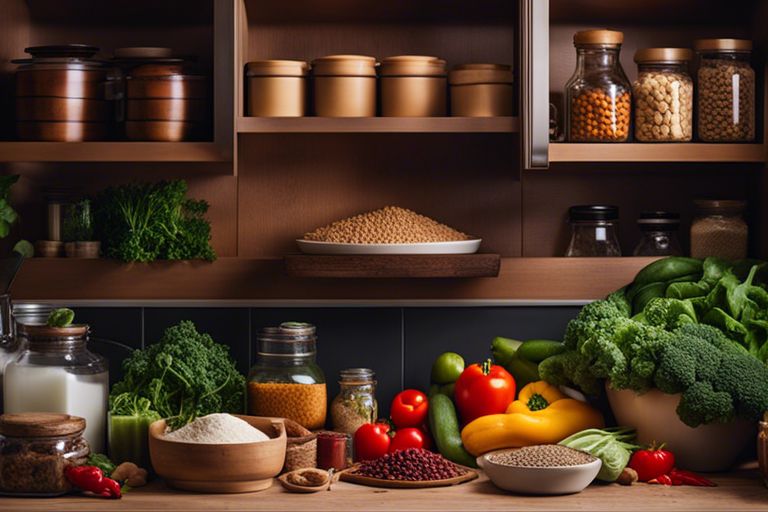
All sources of dietary fiber come from plant-based foods. These include fruits, vegetables, legumes, nuts, seeds, and whole grains. Fiber plays an necessary role in digestion and overall health, helping you maintain a balanced diet. By incorporating a variety of these foods into your meals, you can easily increase your fiber intake and enjoy its numerous benefits for your body.

Whole Foods Rich in Fiber

Below are some excellent whole foods that are rich in fiber: beans, lentils, oats, chia seeds, quinoa, apples, pears, and leafy greens. These foods not only provide you with fiber but also come packed with necessary vitamins, minerals, and antioxidants, enhancing your overall nutritional profile.

Incorporating Fiber into Your Diet

On your journey to a fiber-rich lifestyle, start by gradually adding high-fiber foods to your daily meals. You can swap refined grains for whole grains, incorporate legumes into salads or soups, and snack on fruits and vegetables throughout the day.

In fact, increasing your fiber intake can be an enjoyable process. Try experimenting with new recipes that feature legumes or whole grains, add more fruits and veggies to your smoothies, or replace traditional snacks with nuts and seeds. Keeping a variety of fiber-rich foods on hand makes it easier for you to maintain a well-rounded diet, promote digestive health, and feel satisfied for longer periods after meals.

The Role of Eggs in a Balanced Diet

Not only are eggs a rich source of high-quality protein, but they also provide crucial vitamins and minerals that contribute to overall health. Including eggs in your diet allows you to enjoy versatility in meal preparation while ensuring you are fueling your body with important nutrients. When incorporated into a balanced diet, eggs can support muscle development, brain function, and overall wellness, making them a valuable addition to your daily meals.

Egg Consumption Recommendations

Above the age of 19, the American Heart Association suggests that you can safely consume up to one egg per day as part of a heart-healthy diet. However, your individual health conditions and dietary needs may affect these recommendations, so it’s always wise to talk to a healthcare professional about your specific situation.

Combining Eggs with High-Fiber Foods

Eggs provide you with a solid protein base, which can be deliciously complemented by incorporating high-fiber foods into your meals. By pairing eggs with items like whole grain toast, leafy greens, or avocado, you enhance both the nutrient density and fiber content of your dishes.

With this combination, you not only make your meals more filling but also balance the macronutrients effectively. A breakfast of scrambled eggs served on whole grain bread with spinach or a frittata loaded with vegetables can keep you satisfied longer, aiding digestion and promoting a healthy gut. This approach allows you to meet your daily fiber intake recommendations while enjoying the benefits of both protein from eggs and fiber from your chosen accompaniments.

Summing up

With this in mind, you should know that eggs are not high in fiber, as they contain virtually none. While they are a great source of protein and necessary nutrients, you need to complement your meals with high-fiber foods for a balanced diet. Incorporate foods such as fruits, vegetables, legumes, and whole grains to meet your fiber needs effectively. For more insight on dietary fiber, consider checking out this resource on 31 High-Fiber Foods You Should Eat.

FAQ

Q: Are eggs high in fiber?

A: No, eggs are not high in fiber. In fact, eggs contain no dietary fiber at all. They are primarily composed of protein and fats, making them a good source of nutrients but not a source of fiber.

Q: Why is fiber important in a diet?

A: Fiber is important for various reasons. It aids in digestion, helps maintain bowel health, lowers cholesterol levels, and can contribute to a feeling of fullness. A diet high in fiber can also help manage blood sugar levels and reduce the risk of diseases such as diabetes and heart disease.

Q: What foods are rich in fiber?

A: Foods that are rich in fiber include fruits (such as apples, bananas, and berries), vegetables (like broccoli, carrots, and leafy greens), legumes (such as beans, lentils, and chickpeas), whole grains (like oats, brown rice, and quinoa), and nuts and seeds. Incorporating these foods into your diet can help increase your fiber intake.

Q: Can I get enough fiber if I eat eggs regularly?

A: While eggs are nutritious, they should not be relied upon as a source of fiber. If you consume eggs regularly, it is important to include other high-fiber foods in your diet to meet your daily fiber requirements. The recommended daily fiber intake is about 25 grams for women and 38 grams for men.

Q: How can I increase my fiber intake in meals that include eggs?

A: To increase fiber intake while enjoying eggs, consider adding high-fiber ingredients to your egg dishes. For example, you can include vegetables like spinach, tomatoes, and bell peppers in an omelette or serve eggs alongside whole grain toast or avocado. You can also incorporate legumes by adding beans to a breakfast burrito or salad.

Which country eats the most eggs

You may be surprised to learn that when it comes to egg consumption, different countries have varying preferences and habits. In this informative piece, we will examine into the fascinating world of egg consumption and reveal which country consumes the most eggs per capita. Get ready to uncover some egg-citing facts and figures that will leave you egg-static!

Key Takeaways:

  • China leads in egg consumption: China is the country that eats the most eggs globally, consuming a significant amount per year.
  • Health benefits of eggs: Eggs are a rich source of protein and crucial nutrients, making them a popular dietary choice in many countries.
  • Cultural and culinary significance: Eggs play a significant role in the culinary traditions of various countries, influencing their consumption patterns.

The Global Egg Consumption Landscape

Egg consumption patterns around the world

While egg consumption varies significantly around the world, some patterns emerge when looking at global trends. For example, countries in Asia tend to have a high per capita egg consumption, with China and Japan leading the pack. In Western countries, eggs are also a staple in diets, with the United States and some European nations consuming eggs regularly.

Factors influencing egg demand

Patterns of egg consumption are influenced by various factors, such as cultural norms, dietary preferences, and economic considerations. In some cultures, eggs are a symbol of prosperity and are consumed in large quantities during festivals and celebrations. Additionally, the versatility and nutritional value of eggs make them a popular choice across different cuisines.

  • Cultural traditions
  • Economic factors

To meet the growing demand for eggs, factors like technological advancements in egg production, changes in consumer preferences, and government regulations play a crucial role. Innovations in farming practices have enabled the poultry industry to produce eggs more efficiently and sustainably, meeting the increasing demand for this versatile food staple.

  • Technological advancements
  • Consumer preferences

After considering these various factors influencing egg demand, the global landscape of egg consumption becomes clearer. Whether you enjoy your eggs scrambled for breakfast, boiled for a protein-packed snack, or incorporated into a savory dish, it’s fascinating to see how different factors shape the egg consumption patterns around the world.

Top Egg-Consuming Countries

The top 5 countries by egg consumption per capita

If you’re wondering which countries top the charts in egg consumption per capita, you’ll find that Japan, Mexico, China, Iran, and India are among the leaders. The average person in these nations consumes a significant amount of eggs yearly, showcasing the popularity of this versatile and nutritious food.

Analysis of egg consumption habits in these countries

When looking at the egg consumption habits in these countries, you’ll notice a variety of culinary traditions. In Japan, eggs are a staple in dishes like tamagoyaki and ramen, showcasing the versatility of this ingredient in their cuisine. In Mexico, eggs are commonly enjoyed in dishes such as huevos rancheros, highlighting the influence of Spanish cuisine on their egg preparations.

These countries have integrated eggs into their diets in unique and flavorful ways, showcasing the diversity of global food cultures and the universal appeal of this nutritious source of protein and crucial nutrients.

The Leader of the Flock: Japan

Japan’s unique egg-based cuisine

Not only is Japan known for its sushi and ramen, but it also boasts a wide variety of unique egg-based dishes that are a staple in their cuisine. From tamago sushi, a type of sushi featuring layers of seasoned cooked egg, to omurice, a delectable combination of fluffy eggs and rice topped with ketchup, Japan offers a diverse range of egg-centric delicacies that cater to every palate.

The cultural significance of eggs in Japanese diet

The cultural significance of eggs in the Japanese diet goes beyond just being a source of nutrients. Eggs are deeply woven into the fabric of Japanese culinary traditions and hold a symbolic value in various rituals and celebrations. Any traditional Japanese breakfast would typically include a serving of tamago, highlighting the integral role eggs play in everyday meals.

Japan’s fondness for eggs extends to their cultural ceremonies as well. During the annual spring festival of Oshichiya, eggs are often offered as a token of good luck and prosperity. This longstanding tradition showcases the profound respect and reverence that the Japanese hold for the humble egg.

Egg production and distribution in Japan

In terms of egg production and distribution in Japan, the country takes great pride in maintaining high standards of quality and freshness. Japanese farmers adhere to strict regulations to ensure that the eggs reaching your plate are of the finest quality and flavor. The emphasis on quality control and ethical farming practices sets Japan apart as a leader in the global egg industry.

Furthermore, Japan’s efficient distribution network ensures that eggs are readily available across the country, whether you’re in bustling Tokyo or a quaint rural village. With a strong focus on freshness and accessibility, Japanese egg producers make it easy for you to enjoy the delightful taste of their eggs in any dish you choose to prepare.

The European Egg Scene

Egg consumption trends in the EU

For egg consumption trends in the EU, it’s interesting to note that eggs are a popular choice for breakfast across many European countries. They are a versatile and nutritious option that can be enjoyed in various ways, such as scrambled, boiled, or as an ingredient in baking. The European Union as a whole is one of the largest consumers of eggs globally, with millions of eggs being consumed daily.

Country-specific egg consumption habits in Europe

Any discussion about egg consumption in Europe wouldn’t be complete without delving into country-specific habits. While countries like France and Italy are known for their culinary expertise with eggs, countries in Northern Europe such as Sweden and Finland also have high egg consumption rates. It’s interesting how each country has its own unique way of incorporating eggs into their diets, whether it’s in traditional dishes or modern creations.

Another fascinating aspect of country-specific egg consumption habits in Europe is the influence of cultural preferences and traditions on how eggs are consumed. For example, in Spain, eggs are often a key ingredient in dishes like tortilla de patatas, while in Greece, eggs are commonly used in recipes like moussaka. These cultural nuances add depth to the rich tapestry of egg consumption habits across Europe.

The Americas: A Tale of Two Egg-Consuming Regions

Egg consumption in the United States

Keep in mind that the United States ranks among the top countries in egg consumption globally. With a diverse culinary culture and a wide array of egg-based dishes, Americans have incorporated eggs into their daily diet in various forms. From classic breakfast favorites like scrambled eggs and omelets to baking rich cakes and pastries, eggs hold a significant place on American plates.

Egg consumption in Latin America

To understand egg consumption in Latin America, you need to probe into the region’s rich gastronomic traditions. Countries like Mexico, Brazil, and Argentina have a strong affinity for eggs in their cuisine. Whether it’s the popular Mexican breakfast dish huevos rancheros or the Brazilian egg-based dessert quindim, eggs play a versatile and crucial role in Latin American food culture.

Consumption of eggs in Latin America extends beyond just culinary preferences. Eggs are often seen as a symbol of prosperity and fertility in many Latin American cultures. This cultural significance further underlines the importance of eggs in the region’s diet and traditions.

Asia’s Egg-Laying Giants

To answer the question of which country eats the most eggs, we need to research into the egg production and consumption of Asia’s giant egg-laying countries. China and India stand out as leaders in this region, with significant contributions to the global egg market.

China’s massive egg production and consumption

Asia’s egg powerhouse, China, is not only the world’s largest producer of eggs but also the biggest consumer. With a population of over a billion people, the demand for eggs in China is insatiable. Chinese cuisine often incorporates eggs in various dishes, from savory to sweet, making it a staple in their diet.

India’s growing egg market

An emerging player in the egg market, India has been experiencing a steady growth in egg production and consumption. As more people in India adopt a protein-rich diet, the demand for eggs has been on the rise. This trend is further fueled by increasing awareness of the nutritional benefits of eggs and their versatility in Indian cooking.

The egg market in India is not only driven by domestic consumption but also by exports to other countries. As the Indian economy continues to grow, so does the demand for eggs, positioning India as a key player in the global egg industry.

Conclusion

Following this exploration of egg consumption around the world, you may be surprised to learn that Japan holds the crown for the country that eats the most eggs per capita. This fact highlights the cultural significance and dietary habits of different nations, showcasing the diversity in food preferences across the globe. If you’re curious about the per capita consumption of eggs in the United States, you can check out the statistics from 2000 to 2024 here.

Through this exploration, you’ve gained insights into the variations in egg consumption worldwide, indicating how food choices differ based on cultural traditions, economic factors, and personal preferences. Whether you enjoy your eggs scrambled, boiled, or poached, the universal appeal of this versatile food staple connects us across borders and illustrates the rich tapestry of global culinary practices.

Q: Which country eats the most eggs?

A: As of 2021, China consumes the most eggs in the world. They have a long history of egg consumption and it is a staple in their cuisine.

Q: How many eggs does the average person in China consume?

A: On average, a person in China consumes about 22.9 kilograms of eggs per year. This equates to roughly 280 eggs per person annually.

Q: Why are eggs so popular in China?

A: Eggs are popular in China for several reasons. They are a good source of protein, vitamins, and minerals. They are also versatile and can be cooked in many different ways, making them a common ingredient in Chinese dishes.

What are 10 food items

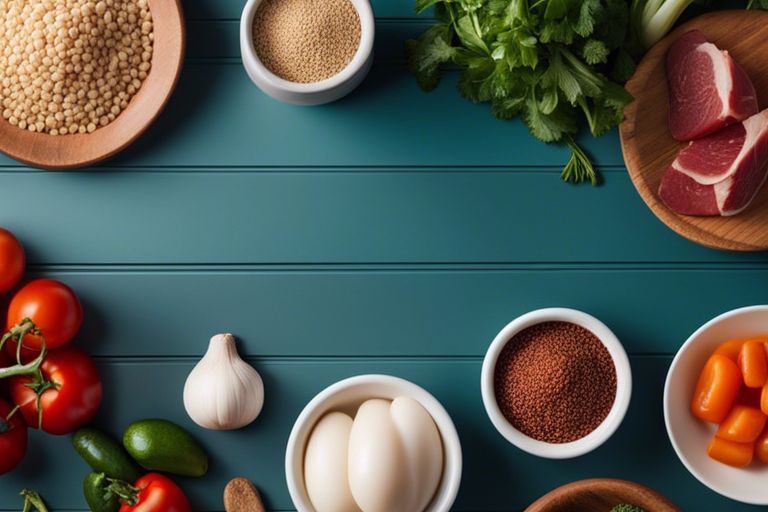
There’s a whole world of delicious food out there waiting to be explored! Have you ever wondered what are the top 10 must-have food items in your pantry? In this blog post, we’ll take a closer look at some necessary ingredients that should be in every foodie’s kitchen. So grab a snack and get ready to probe the wonderful world of food!

Key Takeaways:

  • Food items: refer to any edible substance consumed for nutrition.
  • Variety: There are numerous types of food items available globally, including fruits, vegetables, grains, dairy products, meats, and more.
  • Nutritional value: Different food items offer varying nutrients important for overall health and well-being.

Savory Delights

Your taste buds are in for a treat with these savory delights that you just can’t resist!

Pizza

Savory, cheesy, and oh-so-satisfying, pizza is a timeless favorite that never disappoints. Whether you prefer a classic Margherita or a loaded meat lover’s, there’s a slice for everyone. The crispy crust, gooey cheese, and flavorful toppings come together in perfect harmony, making each bite a delightful experience. Whether you’re enjoying a slice at a trendy pizzeria or making your own at home, pizza is always a crowd-pleaser.

Burgers

An all-American classic, burgers are a must-try for any food enthusiast. The juicy patty, fresh toppings, and soft bun create a symphony of flavors and textures that will leave you craving more. Whether you like yours with cheese, bacon, avocado, or all of the above, there’s no wrong way to enjoy a burger. Pair it with some crispy fries and a cold drink, and you’ve got yourself a satisfying meal that hits the spot every time.

The best part about burgers is their versatility. From gourmet creations at upscale restaurants to greasy indulgences at fast-food joints, there’s a burger for every occasion. So go ahead, sink your teeth into a delicious burger and savor the mouthwatering experience!

Sweet Treats

Little indulgences can bring so much joy into your life. Sweet treats are the perfect way to satisfy your cravings and lift your spirits. Whether you have a sweet tooth or just need a little pick-me-up, these delightful desserts are sure to hit the spot.

Ice Cream

Sweet and creamy, ice cream is a classic treat that never fails to please. Whether you prefer it in a cone, a cup, or sandwiched between two cookies, there’s a flavor for everyone. From rich chocolate to refreshing mint chip, indulging in a scoop of ice cream is like taking a mini vacation for your taste buds.

Chocolate Cake

Any occasion can be made better with a decadent slice of chocolate cake. The moist layers of cake paired with velvety chocolate frosting create a luxurious experience that you won’t soon forget. Whether you’re celebrating a birthday, a promotion, or just making it through a tough day, chocolate cake is always a good idea.

To truly elevate your chocolate cake experience, why not add a scoop of vanilla ice cream on the side? The combination of warm cake and cold ice cream is a match made in dessert heaven. So go ahead, treat yourself to this indulgent duo and savor every last bite.

Fresh Favorites

Despite your varied taste preferences, there are certain fresh food items that you just can’t get enough of. From sweet and crunchy to tangy and refreshing, these fresh favorites are sure to make your taste buds dance with delight.

Apples

Any time you sink your teeth into a crisp, juicy apple, you know you’re in for a treat. Whether you prefer the sweet notes of a Fuji apple or the tartness of a Granny Smith, there’s an apple variety out there to suit every palate. Not only are apples delicious on their own, but they also make a versatile ingredient in both sweet and savory dishes.

Bananas

One look at a bunch of ripe bananas and you can practically taste the creamy texture and sweet flavor. Bananas are a convenient and portable snack that is perfect for those on-the-go moments when you need a quick energy boost. With their natural sweetness, bananas are also a popular choice for adding a touch of decadence to breakfast items like pancakes, oatmeal, and smoothie bowls.

Crunchy Snacks

After stumbling upon a fascinating Reddit thread (check it out here) discussing if you could only eat/drink 10 items of food, you’ve been pondering about the vital snacks to include in your diet. With respect to satisfying your crunch cravings, here are two must-have options that you simply can’t resist.

Potato Chips

Snacks don’t get much better than a crispy, salty serving of potato chips. Whether you’re a fan of classic flavors like salted or enjoy more adventurous options like sour cream and onion, there’s a chip for every taste bud. The satisfying crunch of each bite is enough to make you reach for just one more handful, making it a staple snack you can’t go without.

Popcorn

For a lighter yet equally satisfying crunch, popcorn is your go-to snack. Popped to perfection and seasoned to your liking, this airy treat never fails to hit the spot. Whether you prefer savory with a sprinkle of cheese or sweet with caramel drizzle, you can enjoy a generous serving without feeling guilty. Plus, popcorn is a versatile snack that you can customize to suit any craving, making it a top contender for your vital crunchy snacks list.

The beauty of popcorn lies in its ability to be both a light snack and a flavorful treat. When you’re in the mood for something crunchy but not too heavy, a bowl of popcorn is the perfect solution. So next time you’re looking for a guilt-free snack that satisfies your craving for crunch, reach for a bowl of freshly popped popcorn and enjoy every airy bite.

Spicy Delicacies

All spice lovers know that a meal isn’t complete without some fiery flavors to kick things up a notch. From tongue-tingling hot wings to flavorful sushi rolls, here are some spicy delicacies that will leave your taste buds begging for more.

Hot Wings

One of the ultimate spicy delicacies that you can’t resist is the classic hot wings. These crispy, saucy bites are perfect for any occasion, whether you’re watching the big game or just craving something with a little heat. The combination of spicy buffalo sauce and cooling blue cheese dressing makes hot wings a favorite appetizer that you’ll keep coming back to.

Sushi

One of the unexpected spicy delights in the world of cuisine is spicy sushi rolls. While you may think of sushi as a light and refreshing option, the addition of spicy mayo or sriracha can take your sushi experience to a whole new level. The heat from the spicy sauce balances beautifully with the coolness of the raw fish, creating a flavor explosion in every bite.

Plus, if you’re a sushi lover looking to up your spice game, you can always ask for extra wasabi on the side. Just be prepared for a sinus-clearing experience that will leave you craving more!

Comfort Foods

Unlike Lists of foods that may vary depending on culture and personal preference, comfort foods are those go-to dishes that provide a sense of nostalgia and warm feelings. These are the foods that bring you comfort during stressful times or remind you of home-cooked meals with loved ones.

Mac and Cheese

The ultimate comfort food, mac and cheese, is a creamy and cheesy pasta dish that never fails to make you feel better. Whether it’s made from scratch or from a convenient boxed mix, the combination of gooey cheese and tender pasta is a sure way to lift your spirits. The rich flavors and familiar textures of mac and cheese make it a beloved comfort food for people of all ages.

Fried Chicken

With crispy skin and tender meat, fried chicken is a classic comfort food that satisfies your cravings with every bite. Whether enjoyed as a quick meal on a busy day or as a centerpiece for a family gathering, fried chicken brings a sense of satisfaction and indulgence. The aroma of the chicken as it fries can fill your home with warmth and anticipation for a delicious meal.

Another popular comfort food, fried chicken is often paired with sides like mashed potatoes, gravy, and coleslaw to create a hearty and comforting meal. The combination of crispy, savory chicken with creamy sides provides a perfect balance of flavors and textures that leave you feeling content and satisfied.

To wrap up

Considering all points, you now have quite an eclectic list of food items to explore and perhaps add to your next grocery shopping list. From the exotic durian fruit to the common staple of rice, these items offer a wide range of tastes and textures for you to experience. Whether you are feeling adventurous and want to try something new or just looking for some comfort food, these 10 food items have got you covered.

FAQ

Q: What are considered food items?

A: Food items are any substance consumed to provide nutritional support for the body. This includes fruits, vegetables, grains, proteins, dairy products, and more.

Q: What are some examples of fruits that are food items?

A: Some examples of fruits that are considered food items include apples, bananas, oranges, grapes, strawberries, and watermelon.

Q: Can you provide examples of dairy products that are considered food items?

A: Dairy products that are considered food items include milk, cheese, yogurt, butter, and ice cream.

Skip to content