Duration

How many days will food poisoning last

With food poisoning affecting millions each year, it’s crucial for you to understand how long its symptoms may persist. Symptoms can vary based on the type of pathogen involved, but you might experience abdominal cramps, nausea, and diarrhea that can last anywhere from a few hours to several days. Knowing what to expect can help you manage your symptoms effectively and seek medical advice when necessary. This blog post will guide you through the typical duration of food poisoning, factors that influence its length, and when it’s time to consult a healthcare professional.

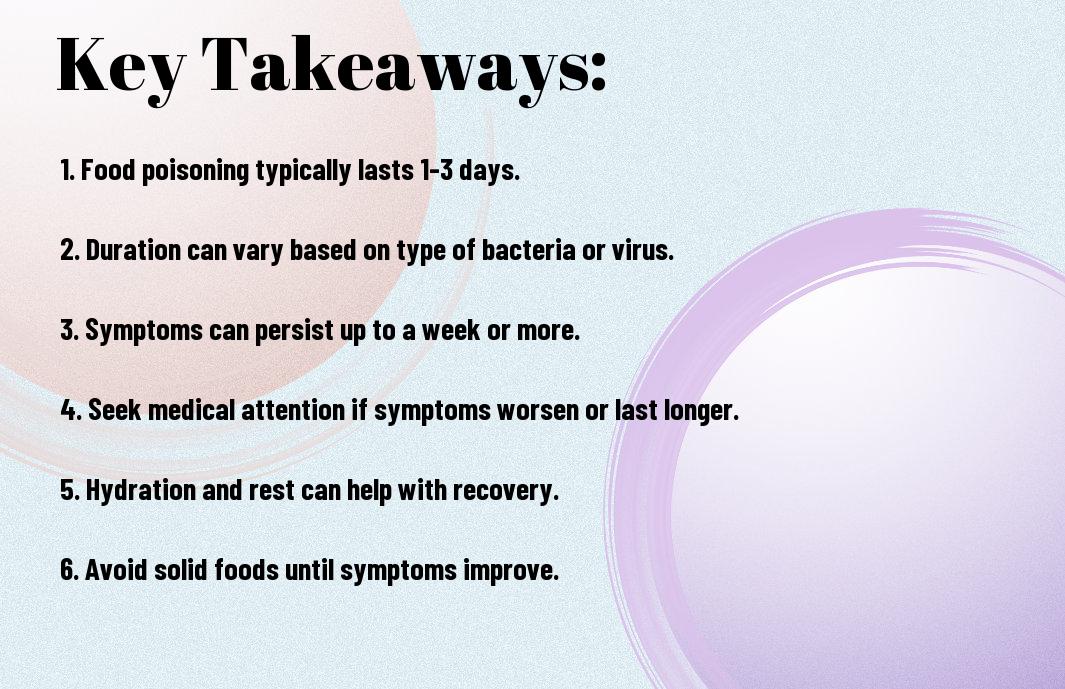
Key Takeaways:

  • Duration Varies: The length of food poisoning can range from 1 to several days, depending on the type of pathogen involved.
  • Common Symptoms: Symptoms such as nausea, vomiting, diarrhea, and abdominal cramps typically last for a few days, but may persist longer in some cases.
  • Seek Medical Attention: If symptoms are severe or last longer than a few days, it is important to seek medical attention to prevent complications.

Understanding Food Poisoning

To grasp the impact of food poisoning, it’s vital to understand what it is and how it occurs. Food poisoning is an illness caused by consuming contaminated food or beverages. The contaminants can include bacteria, viruses, parasites, or toxins, which can lead to various symptoms and health issues in affected individuals.

Definition of Food Poisoning

One of the most common health issues people face is food poisoning, which occurs when you ingest harmful pathogens or toxins present in contaminated food or drinks. Symptoms usually arise within hours or days after exposure and can often be severe.

Common Causes

To effectively prevent food poisoning, it’s vital to know its common causes. The most frequent culprits include bacteria like Salmonella, E. coli, and Listeria, as well as viruses such as norovirus. Cross-contamination, improper cooking, and inadequate food storage can increase the risk of exposure.

It’s important to note that food poisoning can arise from various sources, including improperly handled raw meats, unwashed fruits and vegetables, and contaminated water. Even seemingly harmless foods, like dairy products that are past their expiration date, can harbor harmful bacteria. By understanding these common causes, you can take proactive steps to mitigate your risk of food poisoning in your daily life.

Duration of Food Poisoning Symptoms

Some food poisoning cases can resolve on their own, while others may linger for several days. Understanding the typical duration of symptoms associated with various pathogens can help you gauge the severity of your situation and when to seek medical attention.

Typical Duration for Various Pathogens

Any different types of pathogens can cause food poisoning, and the duration of symptoms may vary significantly. For instance, symptoms from bacterial infections like Salmonella may last between 4 to 7 days, while those from viruses like Norovirus can resolve within 1 to 3 days. In contrast, parasites may cause symptoms lasting for weeks if not treated appropriately.

Factors Influencing the Duration

For your recovery from food poisoning, several factors play a crucial role in influencing how long your symptoms last. These include the type of pathogen responsible, your overall health, the amount of contaminated food consumed, and whether you have any pre-existing conditions:

  • Type of pathogen involved
  • Your immune system’s strength
  • Hydration levels
  • Underlying health issues
  • Timeliness of treatment

Knowing these factors can help you manage your symptoms more effectively and speed up recovery.

Duration can also be affected by how your body reacts to the infection and how well you care for yourself during this period. Easing your symptoms and understanding your body’s needs can make a significant difference in your recovery timeline:

  • Staying hydrated
  • Easting bland foods
  • Getting plenty of rest
  • Seeking medical attention when necessary

Knowing the signs of complications will help you decide when to consult healthcare professionals, ensuring your recovery is optimal and swift.

Symptoms and Their Management

All food poisoning can lead to a variety of uncomfortable symptoms, impacting your daily life. To understand how to alleviate these symptoms, you can refer to resources such as How Long Food Poisoning Lasts and What To Do About It.

Common Symptoms of Food Poisoning

The symptoms of food poisoning can vary widely but typically include nausea, vomiting, diarrhea, abdominal cramps, and fever. These symptoms can onset within hours of consuming contaminated food or may take days to appear, depending on the type of bacteria or virus involved.

When to Seek Medical Attention

Management of food poisoning can usually be done at home; however, there are specific circumstances when seeking medical attention is crucial. If you experience severe symptoms such as high fever, prolonged vomiting, or signs of dehydration, you should consult a healthcare professional.

Seek medical attention immediately if you notice symptoms such as blood in your stool, a fever over 101.5°F (38.6°C), or if you are unable to keep fluids down. Prompt medical care can help prevent further complications and ensure appropriate treatment for your condition.
To wrap up

Upon reflecting, it’s crucial to understand that the duration of food poisoning can vary significantly based on the type of contaminant and your individual health. Generally, symptoms may last anywhere from a few hours to several days, but they should subside after your body eliminates the toxins. If you experience severe symptoms or if they persist beyond a few days, it’s crucial to consult a healthcare professional. You can learn more about the Symptoms of Food Poisoning | Food Safety to better recognize the signs and seek appropriate care.

FAQ

Q: How long does food poisoning typically last?

A: The duration of food poisoning varies based on the causative agent. Generally, symptoms can last from a few hours to several days. Most mild cases resolve within 1 to 3 days, while more severe cases, especially those caused by bacteria like Salmonella or E. coli, can persist for up to a week or more.

Q: What factors influence the duration of food poisoning symptoms?

A: Several factors can influence how long food poisoning lasts, including the type of contaminant (bacteria, virus, or toxin), the individual’s overall health, age, immune system strength, and the amount of contaminated food consumed. Each of these can substantially affect recovery time.

Q: Can I still be contagious after my food poisoning symptoms have stopped?

A: Yes, depending on the pathogen responsible for the food poisoning, individuals can still be contagious after symptoms resolve. For example, norovirus can remain in the stool for several days after symptoms have cleared, so it’s important to maintain good hygiene practices during this time to avoid spreading the infection.

Q: Are there any long-term effects of food poisoning?

A: In some cases, food poisoning can lead to long-term health issues such as irritable bowel syndrome (IBS) or complications like kidney failure, especially after infections with certain bacteria like E. coli O157:H7. While most people recover completely, it’s important to monitor symptoms and seek medical attention if they persist or worsen.

Q: When should I seek medical attention for food poisoning?

A: You should seek medical attention if you experience severe symptoms such as high fever (over 102°F), prolonged vomiting that prevents you from keeping liquids down, severe dehydration signs (like dizziness or lightheadedness), or bloody diarrhea. If symptoms last more than a few days without improvement, it’s also advisable to consult a healthcare professional.
How long can food poisoning last

With the potential to disrupt your daily life, food poisoning is a prevalent concern that affects countless individuals every year. Understanding how long you can expect symptoms to last is crucial for managing your health and well-being. This guide will explore the various factors that influence the duration of food poisoning, including the type of pathogen involved and your individual health status. Knowing what to look for can help you take appropriate action, ensuring you recover as quickly as possible.

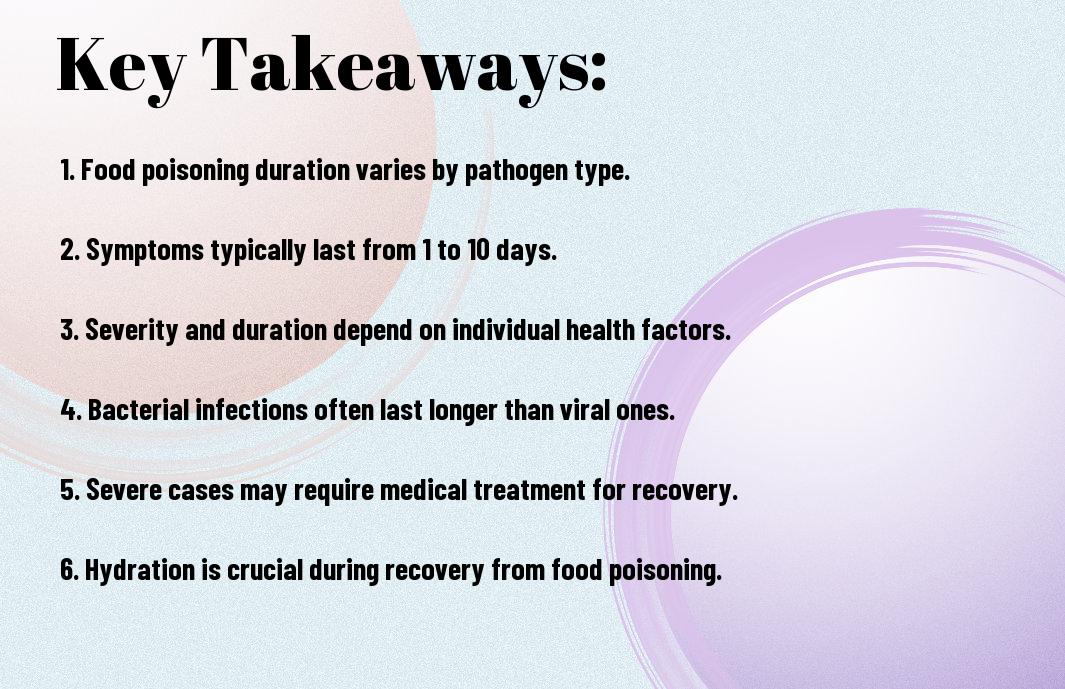
Key Takeaways:

  • Duration Varies: The duration of food poisoning can range from a few hours to several days, depending on the type of bacteria or virus involved.
  • Common Symptoms: Typical symptoms like nausea, vomiting, diarrhea, and stomach cramps may persist for 24 to 72 hours.
  • Severity Matters: Severe cases, particularly those caused by pathogens such as E. coli or Salmonella, can last up to a week or longer and may require medical intervention.
  • Hydration Is Crucial: Staying hydrated is important, especially if symptoms last for more than a couple of days, to avoid dehydration.
  • Seek Help If Needed: If symptoms persist beyond 5 days or worsen, it’s imperative to consult a healthcare professional for appropriate treatment.

Understanding Food Poisoning

The experience of food poisoning can often be unsettling and inconvenient. It’s vital to recognize what food poisoning entails, its common causes, and how to respond effectively. For a deeper look into How Long Food Poisoning Lasts and What To Do About It, you can follow the link to gain more insights.

Definition of Food Poisoning

One of the most common health issues you can encounter, food poisoning arises from consuming contaminated food or beverages. The contaminants may include bacteria, viruses, or parasites, leading to various symptoms that can affect your wellbeing.

Common Causes

To understand food poisoning better, knowing its common causes is crucial. In most cases, it is the ingestion of food contaminated by harmful pathogens that leads to foodborne illness.

Causes of food poisoning vary widely, but commonly include improper food handling, inadequate cooking, or cross-contamination between raw and cooked foods. Other significant factors include consuming expired or improperly stored foods, as well as seafood that may be tainted with harmful microorganisms. By being aware of these factors, you can take steps to minimize your risk and ensure the safety of your meals.

Duration of Symptoms

There’s no one-size-fits-all answer when it comes to the duration of food poisoning symptoms. The length of time you experience discomfort can vary based on several factors, including the type of pathogen involved, your overall health, and how quickly you receive treatment. For detailed information, you can refer to Food poisoning – Symptoms and causes.

Typical Timeframes

With most cases of food poisoning, symptoms typically appear within hours to a few days after exposure. Generally, your recovery can take anywhere from 24 hours to several days, depending on the specific bacteria or virus causing your illness. You may find that some symptoms, like nausea or fatigue, persist even after the more acute symptoms have subsided.

Factors Influencing Duration

Duration can be influenced by various factors, including the type of pathogen, your age, and any underlying health conditions you may have. Here are some key considerations:

  • Type of foodborne pathogen involved.
  • Your immune system’s strength.
  • Hydration and nutrition during illness.
  • Timeliness and effectiveness of treatment.

Knowing these factors can help you better understand your experience and recovery time.

Duration varies not just with the pathogen but also with how effectively you manage symptoms and care for yourself. For instance, staying hydrated can significantly impact your recovery timeline. Here are additional aspects to consider:

  • Previous experience with foodborne illnesses.
  • Access to medical care.
  • Overall lifestyle and health habits.

Knowing these can provide you with a clearer picture of what to expect during your recovery.

Timeframes

Timeframes can vary widely; therefore, it’s crucial to be prepared for a range of experiences. While most symptoms resolve within a few days, some specific illnesses linked to contaminated food sources might have longer-lasting effects. You should remain aware of any persisting symptoms and consult a healthcare professional if necessary.

Types of Food Poisoning

After understanding the effects of food poisoning, it’s important to recognize the different types that can affect your health. Each type of food poisoning has distinct characteristics and can stem from various sources. Below is a brief overview of the major types:

  • Bacterial Infections
  • Viral Infections
  • Parasitic Infections
  • Toxin-induced Poisoning
  • Chemical Food Poisoning

Knowing the type of food poisoning you may be dealing with can help you seek appropriate treatment and avoid future occurrences.

Type Description
Bacterial Infections Caused by harmful bacteria like Salmonella or E. coli.
Viral Infections Often stem from viruses like norovirus or hepatitis A.
Parasitic Infections Involve parasites such as Giardia or Cryptosporidium.
Toxin-induced Poisoning Related to toxins produced by bacteria or found in food.
Chemical Food Poisoning Results from chemicals like pesticides or heavy metals.

Bacterial Infections

One of the most common causes of food poisoning is bacterial infections. These occur when you consume food contaminated with pathogenic bacteria. Symptoms typically include diarrhea, stomach cramps, and fever. High-risk foods include undercooked meats, dairy products, and unwashed vegetables. Quick intervention is often necessary to manage symptoms effectively.

Viral Infections

Any virus can lead to food poisoning, often resulting in gastrointestinal symptoms. Common culprits include norovirus and hepatitis A, which are highly contagious. These infections can cause nausea, vomiting, and abdominal pain after the consumption of contaminated food or water. Understanding how these viruses spread can help you take preventive measures.

Bacterial pathogens, while a significant concern, are not the only infectious agents. Viral infections can spread rapidly in settings like cruise ships or events where food is shared. Ensuring proper personal hygiene and safe food handling practices can minimize your chances of infection. Regular hand washing and cooking foods to the right temperatures are key preventive strategies.

Parasitic Infections

An additional concern in food safety is parasitic infections, which result from consuming food or water containing parasites. Symptoms may range from mild gastrointestinal discomfort to severe illness. Common parasites include Giardia and Cryptosporidium, often found in contaminated water or undercooked food. Recognizing these sources can help you avoid infection.

Parasitic infections, although less common than bacterial or viral ones, can lead to long-term health issues if not treated. They thrive in unsanitary conditions, making it crucial for you to practice safe food preparation and proper sanitation. By maintaining cleanliness in your kitchen and ensuring that your food is cooked thoroughly, you can reduce your risk of these infections significantly.

Prevention and Management

Your health and safety are paramount when it comes to food consumption. Understanding how to prevent food poisoning can equip you with the tools to safeguard yourself and others.

Safe Food Handling Practices

To prevent food poisoning, always practice safe food handling techniques. This includes washing your hands before and after handling food, cooking meats to the appropriate internal temperatures, and ensuring that perishable items are stored at the right temperatures to inhibit bacterial growth. Regularly clean and sanitize surfaces and utensils to reduce the risk of contamination.

When to Seek Medical Attention

Handling food poisoning can be tricky, as symptoms can vary widely in severity. If you experience severe symptoms, such as high fever, persistent vomiting, or dehydration, it’s crucial to seek medical attention immediately.

Food poisoning can escalate quickly and may lead to serious complications if left untreated. Symptoms that merit immediate medical attention include blood in your stool, prolonged diarrhea lasting more than three days, and signs of dehydration such as dizziness, dry mouth, or decreased urination. Taking prompt action can help you avoid more severe health issues and ensure you receive appropriate treatment.

To wrap up

The duration of food poisoning can vary significantly depending on the type of pathogen involved and your overall health. Symptoms may last from a few hours to several days, and in some cases, complications can prolong your recovery. It’s vital to stay hydrated and consult a healthcare professional if your symptoms persist or worsen. For detailed information on the Symptoms of Food Poisoning | Food Safety, access reliable sources to help you recognize when to seek medical attention.

Q: How long can food poisoning symptoms last?

A: The duration of food poisoning symptoms can vary widely depending on the type of pathogen involved and the individual’s health. Generally, symptoms can last anywhere from a few hours to several days. For most healthy adults, symptoms from common foodborne illnesses like Salmonella or E. coli typically last between 1 to 7 days. However, in some cases, like with Norovirus, symptoms may resolve in as little as 24 to 48 hours. It’s important to stay hydrated and seek medical attention if symptoms persist or worsen.

Q: What factors affect the duration of food poisoning?

A: Several factors can influence how long food poisoning lasts. These include the specific bacteria, virus, or toxin that caused the illness, the individual’s overall health and immune system response, the amount of contaminated food consumed, and whether the person has any underlying health conditions. For instance, young children, the elderly, and those with compromised immune systems may experience longer-lasting symptoms. Additionally, certain pathogens, such as Listeria or Hepatitis A, can lead to prolonged illness and require medical intervention.

Q: When should I seek medical attention for food poisoning symptoms?

A: It’s crucial to seek medical attention if you experience severe symptoms of food poisoning, which may include persistent vomiting, high fever (above 101.5°F), blood in stool, severe dehydration, or if symptoms last longer than 3 days. Additionally, vulnerable populations like pregnant women, infants, the elderly, or individuals with weakened immune systems should consult a healthcare provider promptly. Early medical intervention can help manage symptoms and prevent complications.

How long does food poisoning last

Many people wonder how long food poisoning can last and what to do if you’ve eaten something bad. If you’re experiencing symptoms like nausea, vomiting, diarrhea, and stomach cramps, you may be dealing with food poisoning. To learn more about how long food poisoning can last and what steps you can take, check out this informative article on How Long Food Poisoning Lasts and What To Do About It.

Key Takeaways:

  • Symptoms duration: Food poisoning symptoms can last anywhere from a few hours to several days.
  • Individual factors: The duration of food poisoning can vary depending on the type of bacteria or virus, the amount of contaminated food consumed, and the individual’s overall health.
  • Seek medical attention: If symptoms persist for more than a few days, it is important to consult a healthcare provider to avoid complications.

Causes of Food Poisoning

The causes of food poisoning can be categorized into various types of contaminations. These include bacterial contamination, viral infections, and parasitic infestations.

Bacterial Contamination

Bacterial contamination is one of the most common causes of food poisoning. Bacteria such as Salmonella, E. coli, and Campylobacter are found in various foods, especially raw or undercooked meats, poultry, and eggs. When you consume food contaminated with these bacteria, they can multiply in your digestive system and cause symptoms such as nausea, vomiting, diarrhea, and stomach cramps.

Viral Infections

Viral infections, such as norovirus and rotavirus, can also lead to food poisoning. These viruses are highly contagious and can spread through contaminated food or water. When you ingest food or liquids infected with these viruses, you may experience symptoms like vomiting, diarrhea, fever, and body aches.

Understanding viral infections is necessary in preventing the spread of food poisoning. Proper hygiene practices, such as washing your hands before handling food and ensuring that food is cooked at the right temperature, can help reduce the risk of viral contamination.

Parasitic Infestations

Contamination by parasites like Giardia and Cryptosporidium can also cause food poisoning. These parasites are often found in contaminated water sources and can infect fruits, vegetables, and other foods. When you ingest food or water containing these parasites, you may experience symptoms such as diarrhea, weight loss, and stomach cramps.

Parasitic infestations can be prevented by ensuring that your food and water sources are safe and free from contamination. Properly washing and cooking fruits and vegetables, and drinking clean, treated water can help reduce the risk of parasitic food poisoning.

Symptoms of Food Poisoning

Mild Symptoms

Little did you know that mild symptoms of food poisoning can include nausea, vomiting, diarrhea, stomach cramps, and mild fever. These symptoms may appear within a few hours to a couple of days after consuming contaminated food or beverages.

Severe Symptoms

On the other hand, severe symptoms of food poisoning can be more intense and debilitating. With severe food poisoning, you may experience persistent vomiting, high fever, severe dehydration, bloody stools, and abdominal pain. In some cases, it can even lead to hospitalization for treatment and observation.

Food poisoning with severe symptoms can be particularly dangerous for vulnerable populations such as young children, elderly individuals, pregnant women, and those with weakened immune systems. If you or someone you know is experiencing severe symptoms of food poisoning, it is important to seek medical attention promptly.

Common Misconceptions

Food poisoning symptoms are not always limited to stomach-related issues. Some common misconceptions include attributing symptoms like headache, muscle aches, and fatigue to other causes when they could actually be signs of food poisoning. It’s crucial to be aware of the wide range of symptoms that food poisoning can present.

Duration of Food Poisoning

Unlike other illnesses, food poisoning can vary in duration based on several factors. The time it takes for you to recover from food poisoning largely depends on the type of bacteria or virus that caused the illness, your overall health, and how quickly you seek treatment.

Average Recovery Time

To give you an idea, the average recovery time for most cases of food poisoning is around 1 to 3 days. During this time, you may experience symptoms such as nausea, vomiting, diarrhea, stomach cramps, and fever. It’s important to stay hydrated and get plenty of rest during this period to help your body fight off the infection.

Factors Affecting Recovery

Any of the following factors can affect how long food poisoning lasts for you:

  • The type of bacteria or virus causing the illness.
  • Your age and overall health.
  • Whether you receive medical treatment or manage symptoms at home.

Any underlying health conditions or weakened immune system can also prolong your recovery time from food poisoning. It’s necessary to listen to your body and seek medical attention if your symptoms worsen or persist for more than a few days.

When to Seek Medical Attention

For most cases of food poisoning, you can recover at home with rest and adequate hydration. However, there are certain signs that indicate you should seek medical attention promptly. These include:

If you experience severe dehydration, bloody stools, high fever, persistent vomiting, or signs of neurological symptoms such as blurred vision or muscle weakness, it’s crucial to seek medical help immediately. In some cases, food poisoning can lead to complications that require medical intervention.

Duration of food poisoning can vary from person to person, but most cases resolve within a few days with proper care and hydration. However, if you experience severe symptoms or your condition does not improve, it’s best to consult a healthcare professional for proper evaluation and treatment.

Treatment Options

Many cases of food poisoning can be effectively managed at home with appropriate treatment. The main goal of treatment is to prevent dehydration and make you feel more comfortable as your body fights off the infection.

Fluid Replacement Therapy

Replacement of fluids and electrolytes is crucial in managing food poisoning. You may lose fluids through vomiting and diarrhea, leading to dehydration. Drinking plenty of water, clear broths, or oral rehydration solutions can help replace lost fluids and prevent dehydration. In severe cases, intravenous fluids may be necessary to restore hydration levels.

Medications for Relief

Treatment for food poisoning may also involve medications to help alleviate symptoms such as nausea, vomiting, and diarrhea. Over-the-counter medications like loperamide (Imodium) can help reduce diarrhea, while anti-nausea medications like ondansetron (Zofran) can help control vomiting. These medications should only be used under the guidance of a healthcare provider, as they may not be suitable for everyone.

It is necessary to note that antibiotics are typically not recommended for most cases of food poisoning, as they may prolong the illness or cause unnecessary side effects.

Home Remedies and Natural Cures

Relief from food poisoning symptoms can also be found through various home remedies and natural cures. Consuming ginger tea or peppermint tea may help ease nausea and settle your stomach. Additionally, probiotics found in yogurt or supplements can aid in restoring the balance of healthy bacteria in your gut, promoting quicker recovery. Resting, avoiding solid foods for a period, and slowly reintroducing bland foods as tolerated can also support your body in recovering from food poisoning.

Understanding the various treatment options available can help you manage food poisoning effectively and speed up your recovery process. Remember to consult with a healthcare provider if your symptoms worsen or persist for more than a few days.

Complications of Food Poisoning

Dehydration and Electrolyte Imbalance

With food poisoning, one common complication you may experience is dehydration and electrolyte imbalance. Severe vomiting and diarrhea can lead to a significant loss of fluids and imperative electrolytes like sodium and potassium from your body. Dehydration can make you feel weak, dizzy, and increase the risk of fainting.

Infections and Organ Damage

With certain types of food poisoning caused by harmful bacteria like E. coli or Salmonella, the infection can spread beyond the digestive system and potentially lead to organ damage. These bacteria can invade the bloodstream and affect organs such as the kidneys, causing a condition called hemolytic uremic syndrome (HUS). Symptoms of HUS include decreased urination, fatigue, and paleness.

Electrolyte imbalances can also occur as a result of severe food poisoning, especially if you are unable to replenish the lost fluids and electrolytes adequately. This can further complicate your recovery and may require medical intervention to restore the balance of electrolytes in your body.

Long-term Health Consequences

For some people, food poisoning can have long-term health consequences even after the initial symptoms have resolved. Infections like Listeria, for example, can lead to serious complications such as meningitis or septicemia, which may require prolonged treatment with antibiotics. Additionally, some individuals may develop post-infectious irritable bowel syndrome (IBS) following a severe case of food poisoning, leading to ongoing digestive issues.

Consequences of severe food poisoning can impact your overall health and well-being, emphasizing the importance of seeking medical attention if you experience persistent or worsening symptoms. It’s imperative to monitor your health closely and follow up with a healthcare provider to address any lingering effects of food poisoning.

Prevention Strategies

Safe Food Handling Practices

All food poisoning cases are preventable with proper food handling. The key to preventing foodborne illnesses is ensuring that you practice safe food handling techniques. This includes washing your hands before and after handling food, keeping raw and cooked foods separate, cooking food to the appropriate temperatures, and refrigerating leftovers promptly.

Avoiding High-Risk Foods

One of the most effective ways to prevent food poisoning is by avoiding high-risk foods such as raw or undercooked meat, poultry, seafood, and eggs. These foods are more likely to be contaminated with harmful bacteria like Salmonella, E. coli, or Listeria. It’s crucial to cook these items thoroughly to kill any bacteria present and reduce your risk of food poisoning.

High-risk foods are called so because they are more susceptible to bacterial contamination, especially if not handled and cooked properly. By avoiding these high-risk foods or ensuring they are cooked thoroughly, you can significantly reduce your chances of developing food poisoning.

Boosting Immunity and Gut Health

Handling food with unwashed hands can introduce harmful bacteria into your system, potentially leading to food poisoning. Boosting your immunity and maintaining good gut health can help your body fight off any bacteria that you may have accidentally ingested. Eating a balanced diet rich in fruits, vegetables, and probiotics can strengthen your immune system and improve gut health, reducing your susceptibility to foodborne illnesses.

A healthy gut is crucial for overall well-being and can aid in digestion and absorption of nutrients. By incorporating probiotic-rich foods like yogurt, kefir, and sauerkraut into your diet, you can support the good bacteria in your gut and promote a robust immune system to help protect against food poisoning.

To wrap up

Following this guide on how long food poisoning lasts, you now have a better understanding of the typical duration of food poisoning symptoms. Remember that most cases of food poisoning resolve within a few days without any medical intervention. It is crucial to stay hydrated, rest, and avoid certain foods until you feel better. If your symptoms persist for more than a few days, or if you experience severe symptoms such as high fever or bloody diarrhea, seek medical attention promptly.

FAQ

Q: How long does food poisoning typically last?

A: The duration of food poisoning can vary depending on the type of bacteria, virus, or toxin that caused it. In general, symptoms of food poisoning usually last for 1 to 3 days. However, some cases may last up to a week or more.

Q: What are the symptoms of food poisoning?

A: Symptoms of food poisoning can include nausea, vomiting, diarrhea, stomach cramps, fever, and fatigue. Depending on the cause, symptoms may appear within hours of consuming contaminated food or they may take days to develop.

Q: When should I see a doctor for food poisoning?

A: You should see a doctor if your symptoms are severe, persistent, or if you have additional risk factors such as a weakened immune system, pregnancy, or underlying health conditions. Signs that you should seek medical attention include dehydration, high fever, bloody stools, and inability to keep liquids down.

Skip to content