#Diet

Which food is 100% protein

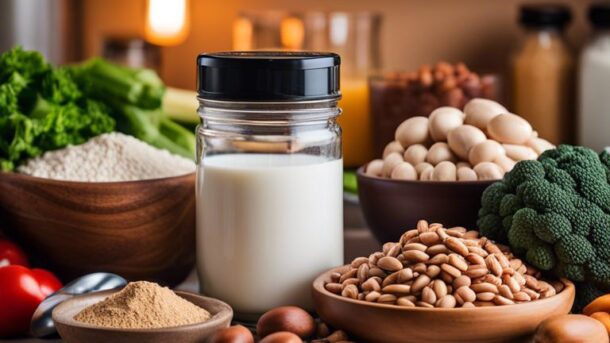
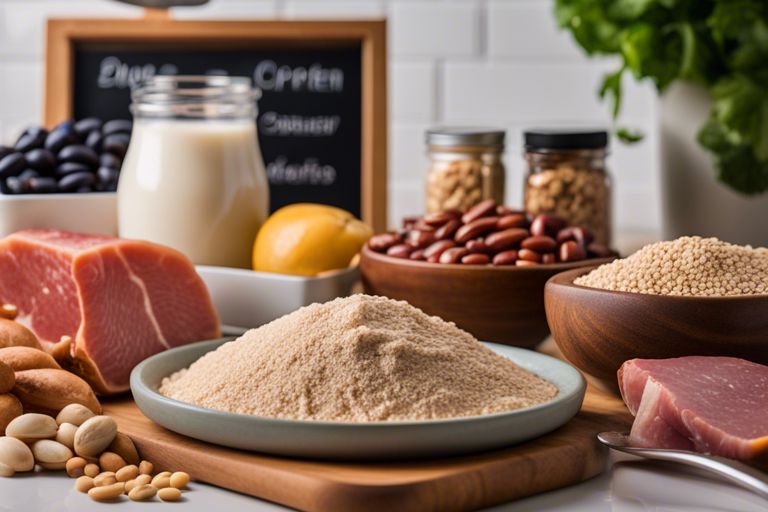
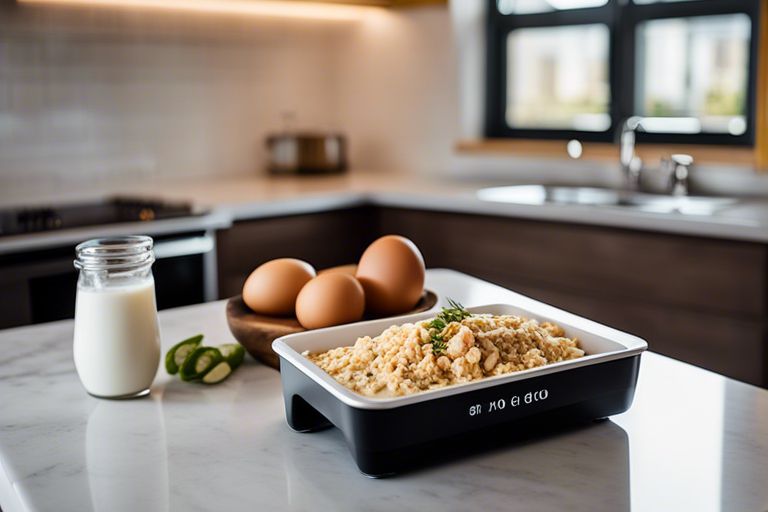
It’s time to probe the world of protein-packed foods. Have you ever wondered which food is 100% protein? In this informative guide, we will explore the answer to this question and introduce you to some surprising sources of pure protein. By the end of this read, you’ll have a better understanding of which foods can give your body a protein boost like no other.

Key Takeaways:

  • There is no food that is 100% protein: All foods have a combination of macronutrients including protein, carbohydrates, and fats.
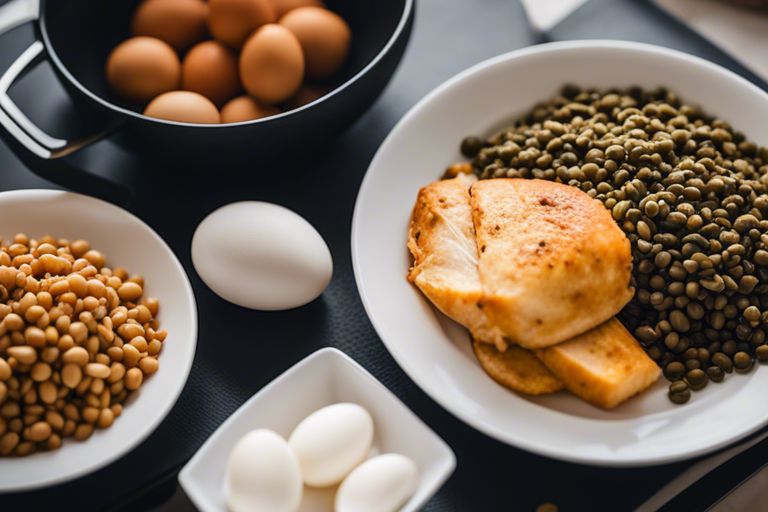
  • Some foods have a higher protein content: Foods like lean meats, fish, eggs, dairy products, tofu, and legumes are examples of foods that are rich in protein.
  • A balanced diet is important: While protein is important for overall health, it is crucial to consume a variety of foods to meet all nutritional needs.

Defining Protein

What is protein?

For you to understand why certain foods are labeled as “100% protein,” it’s crucial to have a clear definition of what protein is. Proteins are large molecules made up of smaller units called amino acids. These amino acids are crucial for various bodily functions, such as building and repairing tissues, supporting immune function, and producing enzymes and hormones. In short, proteins are the building blocks of life.

Importance of protein in our diet

Protein is an crucial macronutrient that your body needs to function properly. When you consume protein-rich foods, your body breaks down the protein into amino acids, which are then used to support various bodily functions. Adequate protein intake is crucial for muscle growth and repair, maintaining healthy skin and hair, and supporting a strong immune system.

Plus, protein is also important for weight management because it helps you feel full and satisfied after meals, reducing the chances of unhealthy snacking. Incorporating sources of lean protein into your diet can help you stay energized and maintain a healthy weight.

High-Protein Foods

Lean meats

Assuming you are looking to increase your protein intake, lean meats are an excellent choice. Options such as skinless chicken breast, turkey, and lean cuts of beef or pork are high in protein and low in fat. These meats not only provide you with the protein your body needs for muscle growth and repair but also offer important nutrients like iron and zinc.

Fish and seafood

Fish, such as salmon, tuna, and mackerel, are packed with protein and heart-healthy omega-3 fatty acids. Seafood like shrimp, crab, and lobster are also great sources of protein. Including a variety of fish and seafood in your diet can help you meet your protein requirements while reaping the benefits of their nutrient-rich profile.

HighProtein: Fish and seafood are not only high in protein but also low in saturated fats, making them a healthy choice for your overall well-being.

Eggs and dairy products

HighProtein: Eggs and dairy products, such as yogurt, cheese, and milk, are rich in high-quality protein. They also contain important vitamins and minerals like calcium and vitamin D, which are important for bone health and overall immunity. Incorporating eggs and dairy into your diet can help you achieve your protein goals while enjoying the versatility and deliciousness they offer.

The higher protein content in eggs and dairy products can be beneficial for muscle building and weight management.

Legumes and beans

Lean: Legumes and beans, including chickpeas, lentils, and black beans, are plant-based sources of protein that are also high in fiber. These options are not only protein-rich but also contribute to your daily fiber intake, which is important for digestive health and weight management. Adding legumes and beans to your meals can help you diversify your protein sources and enjoy a range of nutrients in your diet.

Legumes: Legumes and beans are not only versatile in cooking but also budget-friendly and sustainable options for meeting your protein needs.

The Quest for 100% Protein

Is it possible to find a food with 100% protein?

Not all foods are created equal when it comes to their protein content. While many foods contain protein, finding a food that is 100% protein is quite a challenge. Most foods have a combination of macronutrients such as carbohydrates, fats, and proteins, making it difficult to find a food that is purely protein.

Debunking myths about high-protein foods

One common myth about high-protein foods is that they are all created equal. While some foods are indeed high in protein, they may also contain high amounts of unhealthy fats or added sugars. It’s important to choose high-protein foods that are also nutrient-dense and beneficial for your overall health.

Myths surrounding high-protein foods can lead to misconceptions about the best sources of protein for your diet. It’s crucial to do your research and choose a variety of protein sources to ensure you are meeting your nutritional needs while enjoying a balanced and healthy diet.

Animal-Derived Options

Whey protein isolate

Now, let’s talk about whey protein isolate. This form of protein is derived from milk and is one of the most popular options among fitness enthusiasts. Whey protein isolate undergoes further processing to remove almost all carbohydrates and fats, leaving you with a protein content of around 90-95% per serving. This high protein concentration makes it a great choice for those looking to increase their protein intake without consuming extra calories.

Egg white protein

Isolate.

Now, if you’re looking for a protein source that is highly bioavailable and easily digestible, egg white protein is a fantastic option. Egg white protein isolates are made by separating the yolks from the whites and then drying and processing the whites into a powdered form. This results in a protein-rich supplement that is free from cholesterol and fats, making it a lean protein source for your diet. Egg white protein is also rich in crucial amino acids, making it a complete protein for muscle recovery and growth.

Gelatin and collagen

On

Now, when it comes to gelatin and collagen, these protein sources may not be as high in protein content as whey or egg white protein isolates, but they offer unique benefits for your overall health. Gelatin is derived from collagen, a structural protein found in animal connective tissues, and both are known for their positive effects on joint health, skin elasticity, and gut function. Incorporating gelatin or collagen into your diet can provide you with these additional benefits alongside a moderate amount of protein.

For instance, collagen peptides are hydrolyzed forms of collagen that are easily absorbed by the body, making them a convenient way to boost your protein intake while supporting your skin, hair, and joint health. Including gelatin in your diet through homemade bone broth or collagen powders can also offer similar benefits, making these animal-derived protein sources a valuable addition to your nutrition regimen.

Plant-Based Alternatives

Once again, if you are looking to increase your protein intake with plant-based options, you have a variety of choices to consider. According to 100 Healthiest Foods With the Highest Protein, pea protein isolate is one excellent option.

Pea protein isolate

An excellent plant-based protein option is pea protein isolate. This protein source is derived from yellow split peas and is known for its high protein content. Pea protein isolate is not only rich in protein but also contains necessary amino acids, making it a complete protein source.

Rice protein

Protein derived from rice is another plant-based protein alternative that you can incorporate into your diet. Rice protein is hypoallergenic and easily digestible, making it a suitable option for individuals with dietary restrictions or sensitive stomachs.

PlantBased

Hemp protein

PlantBased, hemp protein is a popular plant-based protein source that is gaining recognition for its nutritional benefits. Hemp protein is derived from hemp seeds and is rich in protein, fiber, and healthy fats. Additionally, hemp protein contains all necessary amino acids, making it a complete protein source.

To enhance your protein intake with plant-based alternatives, consider incorporating pea protein isolate, rice protein, or hemp protein into your meals and snacks. These plant-based proteins not only provide your body with necessary nutrients but also support your overall health and wellness goals.

Comparing Protein Sources

Despite the vast array of protein sources available, not all proteins are created equal. In terms of comparing protein sources, several factors play a role in determining their quality. Let’s investigate into the key metrics used to evaluate protein sources and help you make informed choices for your dietary needs.

Protein efficiency ratio (PER)

For starters, the Protein Efficiency Ratio (PER) measures the weight gained by a growing animal per gram of protein consumed. It is a valuable metric for assessing protein quality and how well it supports growth and development. In the PER scale, egg protein scores a perfect 1.0, indicating its exceptional quality. Other high-quality protein sources include milk and fish, which also score high on the PER scale.

Biological value (BV)

For evaluating protein quality, another crucial metric to consider is Biological Value (BV). BV measures the proportion of absorbed protein that is retained in the body for growth and maintenance. It provides insights into how efficiently the body can utilize the protein from a specific source. Protein sources such as eggs and whey protein have high BV scores, indicating that they are easily digestible and provide a high proportion of crucial amino acids for bodily functions.

A ratio of 100 represents an ideal biological value, indicating that all the protein consumed is utilized efficiently by the body. This makes eggs a standout protein source due to their high biological value and excellent amino acid profile, making them a complete protein source crucial for various bodily functions.

Net protein utilization (NPU)

For a comprehensive view of protein quality, Net Protein Utilization (NPU) is another crucial metric to consider. NPU measures the percentage of ingested protein that is actually retained and used by the body. It provides valuable insights into how efficiently a protein source can be utilized to meet the body’s protein needs. Protein sources such as soy and quinoa have high NPU scores, indicating that they are efficiently utilized by the body.

This holistic view of protein quality, considering metrics like PER, BV, and NPU, can guide you in selecting protein sources that best meet your nutritional requirements. By understanding these metrics, you can make informed choices to ensure you are getting high-quality protein sources that support your overall health and well-being.

Final Words

On the whole, understanding that there is no food that is 100% protein is crucial in maintaining a balanced and healthy diet. Be mindful of, your body needs a variety of nutrients, including carbohydrates, fats, vitamins, and minerals, in addition to protein, for optimal function. By incorporating a diverse range of foods in your meals, you can ensure that you are meeting all your nutritional needs and supporting your overall well-being. Enjoy your meals knowing that you are nourishing your body with a diverse array of nutrients!

FAQ

Q: Which food is 100% protein?

A: Foods that are 100% protein include egg whites, chicken breast, turkey breast, tuna, tilapia, and tempeh.

Q: Are there any vegetarian options that are 100% protein?

A: Yes, tempeh is a vegetarian option that is 100% protein. Tempeh is a fermented soybean product that is a great source of plant-based protein.

Q: How can I incorporate high-protein foods into my diet?

A: You can incorporate high-protein foods into your diet by incorporating them into meals and snacks. For example, you can add chicken breast to salads, snack on tuna with whole grain crackers, or have a protein shake with egg white protein powder.

How to get 100g of protein a day

There’s a common misconception that getting 100g of protein a day is a daunting task, but with a bit of planning and some smart choices, you can easily reach this goal. By incorporating a variety of protein sources into your meals, such as lean meats, poultry, fish, dairy, legumes, and plant-based options, you can meet your daily protein needs without any hassle. In this blog post, we’ll explore simple and delicious ways for you to get 100g of protein a day to support your active lifestyle and help you achieve your fitness goals.

Key Takeaways:

  • Include protein in every meal: Ensure that protein-rich foods are a part of every meal to help you reach your daily goal of 100g protein.
  • Focus on lean sources: Opt for lean protein sources such as chicken, turkey, fish, tofu, and legumes to keep your diet low in unhealthy fats.
  • Use protein supplements if needed: If you struggle to reach your protein goal through whole foods, consider incorporating protein supplements like powders or bars into your diet.

Why 100g of Protein a Day Matters

The Importance of Protein for Muscle Growth and Repair

To truly understand why aiming for 100g of protein a day is important, you need to grasp the significance of protein in your diet. Any fitness enthusiast knows that protein is the building block for muscle growth and repair. When you engage in physical activities like weight lifting or high-intensity interval training, your muscles undergo stress and damage at a microscopic level. Protein steps in to repair and rebuild these muscles, making them stronger and more resilient in the process.

How Protein Affects Weight Loss and Management

Growth isn’t the only aspect where protein plays a crucial role; it also impacts your weight management journey. Protein is incredibly satiating, meaning it keeps you feeling full and satisfied for longer periods. As a result, you are less likely to indulge in unhealthy snacks or overeat during meals, ultimately aiding in weight loss. Additionally, a high-protein diet can boost your metabolism, helping you burn more calories throughout the day.

Another reason why protein intake is vital for weight management is its ability to help preserve lean muscle mass while losing fat. When you are on a calorie deficit to shed unwanted pounds, there is a risk of losing muscle along with fat. However, by consuming an adequate amount of protein, you can minimize muscle loss and primarily focus on reducing body fat, leading to a more toned and defined physique.

Protein-Rich Foods to Include in Your Diet

Lean Meats: Chicken, Turkey, and Fish

One of the most popular sources of lean protein is chicken. Skinless chicken breast is a fantastic option as it is low in fat and high in protein. Grilling, baking, or roasting chicken can create delicious and healthy meal options for you. Turkey is another excellent choice, especially ground turkey, which can be used in various recipes to boost your protein intake. Fish such as salmon, tuna, or tilapia are not only rich in protein but also provide crucial omega-3 fatty acids for heart health.

Eggs: A Convenient and High-Protein Food Option

One versatile and convenient protein source is eggs. They are not only affordable but also easy to prepare in various ways. Whether boiled, scrambled, or poached, eggs can be a quick protein fix at any time of the day. You can even use egg whites to reduce the fat content while keeping the protein high.

Chicken is a great way to start your day as it provides you with a good amount of protein to kickstart your morning and keep you full until your next meal.

Legumes: Beans, Lentils, and Peas

Any type of legume, including beans, lentils, and peas, can be an excellent addition to your diet for a plant-based protein boost. These foods are not only high in protein but also rich in fiber, vitamins, and minerals. Whether adding chickpeas to your salads, lentils to your soups, or black beans to your burritos, legumes offer a diverse range of options to increase your protein intake.

A variety of legumes will not only provide you with a good amount of protein but also offer a wide range of crucial nutrients that are beneficial for your overall health. Make sure to include different types of legumes in your diet to get a mix of nutrients and flavors.

Nuts and Seeds: Almonds, Chia Seeds, and More

The addition of nuts and seeds like almonds, chia seeds, flaxseeds, and pumpkin seeds to your diet can be a great way to increase your protein intake. These foods are not only rich in protein but also supply healthy fats, fiber, and vitamins. Including a handful of nuts or seeds as a snack or topping your salads and yogurt with them can significantly boost your daily protein consumption.

Another way to incorporate nuts and seeds into your diet is by making homemade trail mix or adding them to your smoothies for an extra protein punch. Be mindful of portion sizes as nuts and seeds are calorie-dense, but they can be a flavorful and nutritious addition to your meals.

High-Protein Dairy and Alternatives

Milk, Greek Yogurt, and Cottage Cheese

Cottage cheese is a fantastic high-protein dairy option to incorporate into your daily diet. With a whopping 14 grams of protein per half-cup serving, it can be a versatile ingredient in your meals. You can enjoy cottage cheese on its own, mix it with fruits for a delicious snack, or add it to smoothies for a creamy texture that will keep you satisfied.

Protein-Rich Plant-Based Milk Alternatives

As far as protein-rich plant-based milk alternatives, there are plenty of options to choose from. Soy milk, almond milk, and oat milk are some popular choices that can provide you with a good amount of protein per serving. These dairy-free alternatives are not only delicious but also versatile. You can use them in your morning coffee, pour them over your cereal, or include them in your favorite recipes for added protein.

Protein-rich plant-based milk alternatives can be a great option for those who are lactose intolerant or following a vegan diet. They offer a similar creamy texture to traditional dairy milk and can be fortified with vitamins and minerals to provide you with a well-rounded nutritional profile.

Plant-Based Protein Sources

All protein is not created equal, and plant-based sources can be just as effective in helping you reach your daily protein goals. Here are some excellent plant-based protein sources to incorporate into your daily diet:

Tofu, Tempeh, and Seitan

Any of these plant-based protein options can be a delicious and versatile addition to your meals. Tofu, made from soybeans, is a great source of protein and can be used in stir-fries, salads, or smoothies. Tempeh, a fermented soy product, has a nutty flavor and firm texture, making it perfect for grilling or sautéing. Seitan, also known as wheat meat, is made from gluten and has a meaty texture that works well in dishes like stews and sandwiches.

Whole Grains: Quinoa, Brown Rice, and Whole Wheat

Tempeh, quinoa, brown rice, and whole wheat are all excellent sources of plant-based protein. Quinoa is a complete protein, meaning it contains all nine crucial amino acids your body needs. Brown rice and whole wheat are also good sources of protein and can be easily incorporated into meals like grain bowls, soups, and salads.

Rice, another common whole grain, is a great source of plant-based protein. It can be paired with beans or vegetables to create a balanced and protein-rich meal.

Vegetables High in Protein: Broccoli, Spinach, and More

Any dark, leafy green vegetable like broccoli or spinach is not only rich in vitamins and minerals but also surprisingly high in protein. Other vegetables like peas, Brussels sprouts, and edamame are also good sources of plant-based protein. Incorporating a variety of these vegetables into your meals can help you meet your daily protein needs.

Whole, plant-based foods are not only nutritious but also packed with protein to support your active lifestyle. By including a variety of plant-based protein sources in your diet, you can easily reach your daily protein goals while enjoying delicious and satisfying meals.

Meal Planning and Portion Control

Creating a Balanced Meal Plan with Protein-Rich Foods

For a successful journey towards consuming 100g of protein a day, meal planning is key. By strategically incorporating protein-rich foods into your meals, you can easily reach your daily target. Start by including a good source of protein in each meal, such as lean meats, poultry, fish, eggs, dairy products, legumes, nuts, and seeds. Aim to fill half of your plate with vegetables or fruits, a quarter with lean protein, and the remaining quarter with whole grains or starchy vegetables.

Measuring and Tracking Your Protein Intake

Protein intake can easily add up throughout the day, so it’s important to keep track of how much you are consuming. Invest in a food scale to accurately measure your portions of protein-rich foods. Apps like MyFitnessPal can also help you track your daily protein intake and ensure you are on target to reach 100g. Bear in mind, small adjustments in portion sizes can make a significant difference in hitting your protein goals.

It’s crucial to be mindful of hidden sources of protein in your diet. Foods like yogurt, cheese, and even vegetables contain some amount of protein that can contribute to your daily total. By paying attention to these sources and adjusting your meal plan accordingly, you can easily meet your 100g protein goal. Bear in mind, consistency is key, so keep track of your intake and adjust as needed to stay on track.

Supplements and Snacks

Now, if you’re looking to increase your protein intake, supplements and snacks can be convenient options to help you reach your daily target. If you need some inspiration and guidance, check out this 5-Day Sample High-Protein Meal Plans: Easy Ways to Eat … for some meal ideas and protein-packed recipes.

Protein Powders: Whey, Casein, and Plant-Based Options

To supplement your protein intake, protein powders can be a great addition to your diet. Whey protein is quickly absorbed by your body, making it ideal for post-workout recovery. Casein protein, on the other hand, is digested more slowly, providing a steady release of amino acids over time. Plant-based protein powders, such as pea or hemp protein, are excellent alternatives for those with dairy sensitivities or following a vegan diet. They can be easily added to smoothies, oatmeal, or baked goods to boost your protein intake.

High-Protein Snacks: Jerky, Energy Bars, and More

An important aspect of maintaining a high-protein diet is having protein-rich snacks readily available for when hunger strikes. Jerky, whether made from beef, turkey, or even plant-based sources like soy or seitan, is a convenient and portable option that can satisfy your cravings. Energy bars, such as protein bars or nut bars, are also great choices for a quick and easy protein boost on the go. Additionally, Greek yogurt, hard-boiled eggs, nuts, and seeds are nutritious snack options that are packed with protein to keep you feeling full and energized throughout the day.

For instance, you could prepare a batch of homemade protein balls using ingredients like oats, nut butter, protein powder, and honey for a delicious and protein-packed snack to munch on between meals. These snacks not only taste great but also help you meet your daily protein requirements without sacrificing flavor or convenience.

Final Words

Now that you know how to get 100g of protein a day, remember that it’s vital to balance your protein intake with a variety of other nutrients to maintain a healthy diet. Incorporating lean meats, poultry, fish, eggs, dairy, legumes, nuts, and seeds into your meals will help you reach your daily protein goal. Don’t forget to consult with a nutritionist or dietitian to ensure you’re meeting all your dietary requirements.

By making conscious choices about the foods you eat and planning your meals ahead of time, you can easily achieve your target of 100g of protein a day. Recall, it’s not just about reaching a number—it’s about nourishing your body and staying healthy in the long run. So, be mindful of what you put on your plate, and enjoy the journey to a well-balanced diet!

FAQ

Q: How can I get 100g of protein a day?

A: You can achieve 100g of protein a day by incorporating protein-rich foods such as lean meats, poultry, fish, eggs, dairy products, legumes, nuts, and seeds into your meals and snacks. Additionally, using protein supplements like protein powder can help you reach your protein goal.

Q: What are some high-protein foods to include in my diet?

A: Some high-protein foods to include in your diet are chicken breast, turkey, tofu, Greek yogurt, cottage cheese, lentils, chickpeas, almonds, and quinoa. These foods are not only rich in protein but also offer necessary nutrients for overall health.

Q: How can I track my protein intake to ensure I reach 100g per day?

A: You can track your protein intake using a food journal, a nutrition tracking app, or websites dedicated to nutritional information. Be mindful of portion sizes and read food labels to accurately measure the protein content of the foods you consume. Planning your meals ahead of time can also help you meet your protein goals.

How do vegetarians get protein

It’s important to understand how you, as a vegetarian, can meet your protein needs without consuming animal products. By incorporating a variety of plant-based sources such as beans, legumes, nuts, seeds, and whole grains into your diet, you can ensure that you are getting all the necessary amino acids your body requires. Planning your meals to include a balance of these protein-rich foods will help you meet your nutritional needs and thrive on a vegetarian diet.

Key Takeaways:

  • Plant-based sources: Vegetarians can get protein from plant-based sources such as legumes, nuts, seeds, whole grains, and soy products like tofu and tempeh.
  • Combining different sources: Combining different plant-based protein sources throughout the day can ensure that vegetarians get all the imperative amino acids that the body needs.
  • Supplements: Some vegetarians may choose to supplement their diet with protein powders or bars to ensure they are meeting their daily protein needs.

Debunking Protein Myths

The Protein Deficiency Myth

Before we examine into how vegetarians can easily meet their protein needs, let’s address a common myth – the protein deficiency myth. Many people believe that a vegetarian diet lacks sufficient protein intake, leading to deficiencies. However, with thoughtful planning, vegetarians can consume an adequate amount of protein from plant-based sources.

The Importance of Protein in a Vegetarian Diet

With a variety of protein-rich foods such as legumes, nuts, seeds, tofu, and tempeh available to you, meeting your protein requirements on a vegetarian diet is not as challenging as it may seem. These plant-based protein sources not only provide you with the imperative amino acids your body needs but also offer additional health benefits such as fiber, vitamins, and minerals.

Debunking the misconception that protein solely comes from animal products, you can confidently embrace a vegetarian diet knowing that you can obtain all the protein necessary to support your overall health and well-being.

Plant-Based Protein Sources

Clearly, a common concern for vegetarians is where to get their protein from since they do not consume meat. Fortunately, there are plenty of plant-based protein sources that can provide you with all the vital amino acids your body needs to thrive.

Legumes: The Protein Powerhouses

Protein-packed legumes such as lentils, chickpeas, black beans, and edamame are excellent sources of plant-based protein. Not only are they rich in protein, but they are also high in fiber, vitamins, and minerals. Incorporating legumes into your diet can help you meet your protein needs while promoting overall health and well-being.

Nuts and Seeds: Crunchy Protein-Rich Snacks

With nuts and seeds, you can enjoy crunchy and satisfying snacks while boosting your protein intake. Almonds, walnuts, chia seeds, flaxseeds, and pumpkin seeds are all excellent sources of plant-based protein. You can sprinkle them on salads, yogurt, or oatmeal, or simply enjoy them as a quick and nutritious snack.

Seeds, such as hemp seeds and sunflower seeds, are also great sources of protein and healthy fats. Adding seeds to smoothies, granola, or baked goods can increase the protein content of your meals and provide you with vital nutrients to support your overall health.

Whole Grains: More Than Just Fiber

Legumes like quinoa, brown rice, barley, and oats are not only rich in fiber but also contain significant amounts of protein. By including whole grains in your diet, you can ensure that you are getting a good balance of carbohydrates, protein, and other vital nutrients. Whole grains are versatile and can be incorporated into a variety of dishes, from salads to soups to stir-fries.

Just like legumes, whole grains offer a complete protein source when consumed together, making them an important part of a vegetarian diet. By incorporating a variety of plant-based protein sources into your meals, you can easily meet your protein needs and enjoy a balanced and nutritious diet.

High-Protein Vegetarian Foods

For

Tofu and Tempeh: Soy-Based Protein Sources

For a versatile and high-protein vegetarian option, look no further than tofu and tempeh. These soy-based products are excellent sources of protein and can be used in a variety of dishes. Tofu, made from condensed soy milk, is a great addition to stir-fries, salads, and smoothies. Tempeh, a more textured soy product, is perfect for grilling or sautéing for a meat-like alternative.

For

Lentils: A Protein-Rich Legume

Any vegetarian looking to boost their protein intake should consider adding lentils to their diet. Lentils are a protein-packed legume that is also rich in fiber, iron, and other imperative nutrients. They are incredibly versatile and can be used in soups, stews, salads, and even veggie burgers.

It’s worth noting that lentils come in various colors such as green, red, and black, each offering slightly different flavors and cooking times. Experimenting with different types of lentils can add variety to your meals while providing a protein boost.

Seitan: Wheat Gluten for a Meat-Like Texture

Lentils are not the only meat alternative for vegetarians looking to increase their protein intake. Seitan, also known as wheat gluten, is another high-protein option that can be used to create meat-like textures in dishes. Seitan is made by washing wheat flour dough with water until all the starch granules have been removed, leaving behind the gluten protein.

This versatile ingredient can be seasoned and cooked in various ways, making it an excellent substitute for meat in dishes like stir-fries, sandwiches, and kebabs. If you are avoiding gluten for dietary reasons, be aware that seitan is not a suitable protein source for you.

Combining Plant-Based Foods for Complete Proteins

The Magic of Legume and Grain Combinations

Magic happens when you combine legumes and grains! Legumes like beans, lentils, and chickpeas are rich in lysine but low in methionine, while grains like rice, wheat, and oats are the opposite – high in methionine but low in lysine. By pairing legumes with grains, you create a complete protein source, providing your body with all the crucial amino acids it needs. Think of classic combinations like rice and beans or hummus and whole grain pita – not only are they delicious, but they also form a powerful protein duo.

Nuts and Seeds: The Perfect Pairing Partners

On the other hand, nuts and seeds make the perfect pairing partners for complete proteins. While nuts are higher in methionine but lower in lysine, seeds are rich in lysine but lack methionine. When you combine these two plant-based powerhouses, such as almond butter on whole grain toast or chia seeds sprinkled on a nutty granola bowl, you ensure you’re getting a balanced amino acid profile.

With a little creativity in the kitchen, you can easily combine plant-based foods to create complete proteins, nourishing your body with all the crucial amino acids it needs to thrive. Whether it’s through legumes and grains or nuts and seeds, the possibilities are endless for crafting delicious and nutritious meals that support your vegetarian lifestyle.

Meal Planning for Optimal Protein Intake

Breakfast Ideas: Starting the Day with Protein

With breakfast being the most important meal of the day, starting your morning with a protein-rich option can set the tone for the rest of the day. Incorporating foods like Greek yogurt with nuts and seeds, tofu scrambles, oatmeal with chia seeds, or protein smoothies made with pea protein powder can help you kickstart your day with a healthy dose of protein.

Lunch and Dinner Options: Balancing Protein and Flavor

Planning your lunch and dinner meals around protein sources such as lentils, beans, chickpeas, quinoa, tempeh, or seitan can ensure you meet your daily protein requirements. Pairing these plant-based proteins with a variety of vegetables, whole grains, and healthy fats not only enhances the flavor of your meals but also provides you with a well-rounded nutritional profile.

Plus, incorporating a wide range of herbs, spices, and condiments can help elevate the taste of your vegetarian dishes, making your meals more enjoyable and satisfying.

Snacking Strategies: Keeping Protein Levels Up

Keeping protein levels up throughout the day is important, especially during snack times. Opt for protein-packed snacks such as nuts, seeds, edamame, hummus with veggie sticks, or protein bars made with plant-based ingredients. These snacks not only keep you satiated between meals but also help you maintain a steady intake of protein.

It’s important to have a variety of protein-rich snacks on hand to prevent reaching for less nutritious options when hunger strikes. By planning your snacks ahead of time, you can ensure you always have a healthy protein option available when you need it.

Special Considerations for Vegetarian Athletes

Despite following a plant-based diet, you can still meet your protein needs as an athlete. If you are an active vegetarian looking to incorporate more protein into your diet, you may want to consider exploring alternative protein sources. You can read about 12 alternative protein sources for vegetarians here.

Increased Protein Needs for Active Vegetarians

Increased physical activity means your body needs more protein to repair and build muscle. As an active vegetarian, you should focus on including a variety of plant-based protein sources in your diet to ensure you meet your increased protein requirements. Legumes such as beans, lentils, and chickpeas, as well as nuts, seeds, tofu, and tempeh, can all be great sources of protein for vegetarian athletes.

Timing and Quality of Protein Intake for Optimal Performance

An important consideration for vegetarian athletes is the timing and quality of protein intake for optimal performance. You should aim to distribute your protein intake throughout the day, including protein-rich snacks before and after workouts to support muscle recovery and growth. Combining different plant-based protein sources can also help improve the quality of the protein you consume, ensuring you get all important amino acids in your diet.

Another important factor is to pay attention to the overall quality of your diet as a vegetarian athlete. Including a variety of nutrient-dense whole foods such as fruits, vegetables, whole grains, and healthy fats can help support your overall athletic performance and recovery.

Final Words

Conclusively, as a vegetarian, you have many options to ensure you are getting enough protein in your diet. By incorporating a variety of plant-based protein sources such as legumes, nuts, seeds, and whole grains, you can easily obtain all the important amino acids your body needs to stay healthy and strong. Remember to include a wide range of fruits and vegetables to complement your protein intake and maximize the nutritional benefits of your vegetarian diet.

FAQ

Q: How do vegetarians ensure they get enough protein in their diet?

A: Vegetarians can get protein from a variety of plant-based sources such as legumes (beans, lentils, chickpeas), nuts, seeds, tofu, tempeh, edamame, and whole grains like quinoa and amaranth. Incorporating these protein-rich foods into meals throughout the day can help vegetarians meet their protein needs.

Q: Are there any specific foods that vegetarians should focus on to ensure they are getting enough protein?

A: Yes, besides the plant-based protein sources mentioned earlier, vegetarians can also consider incorporating protein-rich dairy products like Greek yogurt, cottage cheese, and cheese into their diet. Additionally, eggs are a complete source of protein that can be consumed by lacto-ovo vegetarians.

Q: How can vegetarians ensure they are consuming all necessary amino acids necessary for overall health?

A: By eating a varied diet that includes a range of plant-based protein sources, vegetarians can easily obtain all necessary amino acids. Combining complementary protein sources such as beans and rice or hummus and whole grain pita can help ensure a complete amino acid profile in vegetarian meals.

How much protein a day

With your fitness goals in mind, understanding how much protein your body needs daily is crucial. To ensure you are meeting your nutritional needs, it’s important to know the right amount of protein intake for your body. If you’re focusing on gaining muscle, you might also want to check out How Much Protein Should You Eat to Gain Muscle? for more insights.

Key Takeaways:

  • Protein Needs: The amount of protein you need depends on your age, sex, and activity level. Typically, adults should aim for 0.8 grams of protein per kilogram of body weight.
  • Protein Sources: It’s important to consume a variety of protein sources, including lean meats, poultry, fish, eggs, dairy, legumes, nuts, and seeds to meet your daily protein needs.
  • Timing: Distributing your protein intake evenly throughout the day can help optimize muscle protein synthesis and support overall health and fitness goals.

The Importance of Protein

What is protein and why do we need it?

To understand the importance of protein in your diet, you need to know that protein is made up of amino acids, which are the building blocks of your body. These amino acids are imperative for various functions in your body, such as repairing tissues, making enzymes and hormones, and supporting immune function. In essence, protein is crucial for your overall health and well-being.

The role of protein in muscle growth and repair

Growth, when it comes to your muscles, requires protein. When you engage in physical activities like exercise, your muscles experience tiny tears that need to be repaired. Protein plays a significant role in this repair process, helping your muscles grow stronger and more resilient over time. Additionally, protein can help you maintain muscle mass, especially as you age, by supporting muscle repair and growth.

For instance, if you are an athlete or someone who exercises regularly, consuming an adequate amount of protein is imperative to support muscle recovery and growth. Protein can also help you feel full and satisfied, which can be beneficial if you are trying to manage your weight or improve your body composition.

Factors Affecting Protein Needs

It is vital to consider several factors that can influence how much protein you need each day. These factors include your age, gender, and body composition.

Age and protein requirements

Affecting your protein needs is your age. As you age, your body’s protein needs may increase to help maintain muscle mass and overall health. Older adults may need to consume more protein to support muscle function, recovery, and prevent age-related muscle loss.

Any changes in your protein needs due to aging should be discussed with a healthcare provider or a registered dietitian to determine the appropriate intake for your individual needs.

Gender and protein needs

Factors that influence your protein needs also include your gender. Men generally have higher protein requirements compared to women, as they tend to have more muscle mass and higher energy expenditure. Protein needs for women may vary depending on factors such as pregnancy, breastfeeding, and physical activity levels.

Aiming to include lean protein sources in your diet, such as poultry, fish, legumes, and dairy products, can help you meet your protein needs regardless of your gender.

Body composition and protein intake

With regards to body composition, individuals with higher muscle mass may have increased protein needs to support muscle growth and repair. Athletes and individuals engaging in regular strength training may require more protein to help with exercise recovery and muscle maintenance.

Protein intake should be personalized based on your individual body composition goals, activity level, and overall health status.

Protein Requirements for Different Groups

Sedentary individuals

One important factor to consider when determining your daily protein intake is your activity level. For sedentary individuals who do not engage in regular exercise or physical activity, the recommended daily protein intake is generally lower compared to those who are more active. While individual protein needs may vary, a general guideline for sedentary individuals is around 0.8 grams of protein per kilogram of body weight.

Active individuals

On the other hand, if you are an active individual who engages in regular exercise or physical activity, your protein requirements may be higher. This is because exercise, especially strength training and endurance activities, can increase protein turnover in your body. For active individuals, it is generally recommended to consume between 1.2 to 2.0 grams of protein per kilogram of body weight.

A higher protein intake can support muscle repair and growth, as well as aid in recovery after intense workouts. It can also help you feel fuller for longer, which may be beneficial if you are trying to manage your weight.

Athletes and bodybuilders

With athletes and bodybuilders, protein requirements are typically higher due to the increased demands placed on their muscles. If you fall into this category, you may need to consume between 1.4 to 2.2 grams of protein per kilogram of body weight. This higher protein intake can help in optimizing performance, muscle recovery, and muscle growth.

Bodybuilders, in particular, may benefit from spreading their protein intake evenly throughout the day and including high-quality protein sources such as lean meats, poultry, fish, eggs, dairy, legumes, and plant-based protein sources.

Calculating Your Daily Protein Needs

Using the recommended daily allowance (RDA)

After determining your daily protein needs, you can start by using the Recommended Daily Allowance (RDA) for protein intake. The RDA for protein is 0.8 grams per kilogram of body weight. This means that for an average adult, you should aim for about 56 grams of protein per day. However, this number can vary based on your age, sex, and activity level.

Using body weight to determine protein needs

Recommended protein intake can also be calculated based on your body weight. It is generally recommended to consume between 0.8 to 1.8 grams of protein per kilogram of body weight. For example, if you weigh 70 kilograms, your protein intake should fall between 56 and 126 grams per day.

This method allows for a more personalized approach to determining your protein needs. Factors like your age, gender, muscle mass, and physical activity level can all influence how much protein your body requires.

Considering individual factors such as health status and fitness goals

  • Your health status: If you have certain health conditions such as kidney disease or diabetes, your protein needs may be different. Consult with a healthcare provider to determine the appropriate protein intake for your specific situation.
  • Your fitness goals: If you are an athlete or engage in regular exercise, your protein needs may be higher to support muscle recovery and growth. Aim to adjust your protein intake based on your fitness goals and activity level.

This personalized approach takes into account individual factors that can affect your protein requirements. Do not forget, your protein needs may fluctuate depending on various factors, so it’s important to reassess your intake regularly to ensure you are meeting your body’s needs.

High-Protein Diets and Health Implications

The risks of excessive protein consumption

To maintain optimal health, it’s important to be mindful of the amount of protein you consume each day. Not getting enough protein can lead to deficiency, but consuming too much protein also has risks. To protect your health, avoid excessive protein intake, as it may strain your liver and kidneys over time. Additionally, diets excessively high in protein can lead to an increased risk of heart disease, certain types of cancer, and digestive issues.

The benefits of moderate protein intake

On the other hand, moderate protein intake can have numerous benefits for your overall health and well-being. Excessive consumption of protein can be detrimental, but getting an adequate amount can help you maintain a healthy weight, promote muscle strength, and support overall bodily functions. Protein is imperative for building and repairing tissues, producing enzymes and hormones, and maintaining healthy skin, hair, and nails.

By incorporating lean sources of protein such as chicken, fish, nuts, and legumes into your diet, you can ensure you are meeting your daily protein needs without going overboard. Note, moderation is key when it comes to protein intake.

Protein and kidney health

Kidney function is crucial for filtering waste and excess fluids from your blood, and a diet high in protein can put added stress on your kidneys. While protein is imperative for the body, excessive consumption can lead to kidney damage over time. If you have existing kidney issues, it’s especially important to monitor your protein intake and consult with a healthcare professional to determine the right amount for your individual needs.

The key is to strike a balance in your protein intake to support your health and wellness goals. By being mindful of the amount and sources of protein you consume, you can optimize your nutrition and overall well-being.

Meeting Your Protein Needs Through Diet

Now, to ensure you are meeting your protein needs through your diet, it’s vital to pay attention to the types of foods you are consuming. Protein is crucial for various functions in your body, such as building and repairing tissues, producing enzymes and hormones, and supporting immune function. You can learn more about the importance of protein in your diet by checking out this Protein: Are You Getting Enough? article.

High-protein foods and their protein content

One way to include an adequate amount of protein in your diet is by incorporating high-protein foods. Foods such as lean meats, poultry, fish, eggs, dairy products, and legumes are excellent sources of protein. For example, a 3-ounce serving of chicken breast contains around 27 grams of protein, while a cup of Greek yogurt can provide approximately 20 grams. By including a variety of these foods in your meals, you can easily meet your daily protein requirements.

Plant-based protein sources

The rise in popularity of plant-based diets has led to an increased interest in plant-based protein sources. Plants like beans, lentils, quinoa, tofu, and edamame are rich in protein and can be great alternatives to animal products. These plant-based sources not only provide protein but also offer vital nutrients like fiber, vitamins, and minerals. Including a mix of plant-based proteins in your diet can help you maintain a balanced and nutritious eating plan.

Content: When choosing plant-based protein sources, it’s vital to consider the amino acid profile of each food to ensure you are getting all the vital amino acids your body needs. While plant-based proteins may lack one or more vital amino acids, combining different sources throughout the day can help you achieve a complete protein profile.

Protein supplements and their effectiveness

With respect to meeting your protein needs, some individuals may find it challenging to get enough through whole foods alone. In such cases, protein supplements can be a convenient option to boost your protein intake. These supplements come in various forms like powders, bars, and shakes, making it easy to add extra protein to your diet. However, it’s vital to remember that supplements should complement your diet and not replace whole foods entirely.

Foods: Protein supplements can be particularly beneficial for athletes and individuals with increased protein requirements. They can help support muscle recovery, enhance performance, and promote muscle growth when consumed as part of a well-rounded diet and exercise routine.

It’s important to note that while protein supplements can be a convenient way to increase your protein intake, they should not be relied upon as the sole source of protein in your diet. It’s always best to focus on whole foods to ensure you are getting a variety of nutrients along with your protein.

Summing up

Ultimately, determining how much protein you need to consume daily depends on your individual circumstances such as age, activity level, and health goals. It is recommended that you aim for a balanced diet that includes a variety of protein sources to ensure that you are meeting your body’s needs. Consulting a healthcare provider or a nutritionist can help you tailor your protein intake to best suit your lifestyle and health objectives.

Q: How much protein should I consume in a day?

A: The recommended daily intake of protein varies depending on factors such as age, sex, weight, and activity level. In general, it is recommended that adults consume between 0.8 to 1 gram of protein per kilogram of body weight. Athletes or individuals engaging in intense physical activity may need more protein.

Q: Can you consume too much protein in a day?

A: Consuming excessive amounts of protein in a day can put strain on the kidneys and liver. It is important to balance your protein intake with other nutrients in your diet. Most healthy individuals can safely consume up to 2 grams of protein per kilogram of body weight per day, but it is always recommended to consult with a healthcare provider or a nutritionist for personalized advice.

Q: What are some good sources of protein to include in my daily diet?

A: Good sources of protein include lean meats like chicken, turkey, and fish, eggs, dairy products like yogurt and cheese, legumes such as beans and lentils, nuts, seeds, and soy products like tofu. Including a variety of these protein sources in your daily diet can help ensure you are meeting your protein needs.

How to get 150g of protein a day

Protein intake is crucial for your fitness goals, but hitting 150g a day can seem daunting. However, with strategic meal planning and smart food choices, you can easily reach this target. Check out this helpful guide on how to hit 150g of protein daily? and discover practical tips and delicious recipes to make it easier for you to achieve your protein goals. You’ve got this!

Key Takeaways:

  • Diversify protein sources: Incorporating a variety of protein-rich foods such as lean meats, poultry, fish, eggs, dairy, legumes, nuts, and seeds can help you reach your daily protein goal.
  • Plan your meals and snacks: Preparing and portioning meals ahead of time can make it easier to ensure you are consuming enough protein throughout the day.
  • Supplement when necessary: If you struggle to meet your protein requirements through whole foods alone, protein supplements like shakes, bars, or powders can be a convenient option to boost your intake.

Why 150g of Protein a Day?

To achieve optimal muscle growth and repair, you need to consume an adequate amount of protein daily. Protein is crucial for your body’s ability to repair and build muscle tissues, especially after intense workouts. By consuming 150g of protein a day, you provide your muscles with the necessary building blocks to grow stronger and recover effectively.

The Importance of Protein for Muscle Growth and Repair

Protein plays a vital role in muscle growth and repair. When you exercise, tiny tears occur in your muscle fibers, and protein is imperative for repairing these tears and promoting muscle growth. By consuming 150g of protein a day, you ensure that your body has enough protein available to support these processes, leading to improved muscle tone and strength over time.

How Protein Affects Weight Loss and Maintenance

Protein can also significantly impact your weight loss and maintenance goals. A higher protein intake can help you feel fuller for longer periods, reducing your overall calorie intake and supporting weight loss efforts. Additionally, protein has a higher thermic effect compared to carbohydrates and fats, meaning your body burns more calories digesting and metabolizing protein, which can aid in maintaining a healthy weight.

A diet rich in protein can also help preserve lean muscle mass while promoting fat loss, which is crucial for achieving a lean and toned physique. By including 150g of protein in your daily diet, you can support your weight loss goals while maintaining muscle mass and overall metabolic health.

Calculating Your Daily Protein Needs

While What should I eat to consume 150gms of protein per day? gives you some insight into the types of foods you can include in your diet, it’s necessary to understand how to calculate your specific protein needs. Factors such as age, gender, weight, activity level, and fitness goals all play a role in determining the amount of protein your body requires daily.

Factors Affecting Protein Requirements

  • Your age and gender influence your protein needs. Generally, men require more protein than women due to higher muscle mass.
  • Your activity level also plays a significant role. Individuals who are highly active or engage in intense workouts may need more protein to support muscle repair and growth.
  • Recognizing and adapting to these factors will help you determine the precise amount of protein you should consume daily to achieve your fitness goals.

How to Calculate Your Individual Protein Needs

One straightforward way to estimate your protein requirements is by using a formula that takes into account your weight and activity level. An easy method is to aim for 0.8 to 1 gram of protein per kilogram of body weight. For example, if you weigh 70kg, you would aim to consume between 56g to 70g of protein per day.

This approach provides a general guideline, but keep in mind that individual needs may vary. Factors like muscle mass, metabolism, and training intensity can all impact your protein requirements. If you are unsure about the ideal protein intake for your specific goals, consider consulting with a nutritionist or fitness expert to tailor a plan that suits your needs.

High-Protein Foods to Include in Your Diet

Lean Meats and Poultry

Include lean meats and poultry in your diet to boost your protein intake. Opt for skinless chicken breast, turkey, or lean cuts of beef like sirloin or tenderloin. These options are not only rich in protein but also low in fat, making them ideal choices for a high-protein diet.

Fish and Seafood

An excellent source of protein, fish and seafood should be a staple in your diet. Include fatty fish like salmon, tuna, or mackerel, which are not only high in protein but also rich in omega-3 fatty acids that are beneficial for your heart health. Seafood options like shrimp, scallops, and crab are also protein-packed and delicious additions to your meals.

Understanding the importance of incorporating fish and seafood into your diet is key to meeting your daily protein requirements. These options not only diversify your protein sources but also provide vital nutrients that support overall health.

Eggs and Dairy

An easy way to add protein to your diet is by including eggs and dairy products. Eggs are a versatile ingredient that can be enjoyed in various ways, such as scrambled, boiled, or as an omelette. Dairy options like Greek yogurt, cottage cheese, and low-fat milk are also excellent sources of protein that can be included in your meals or snacks.

Poultry like chicken and turkey are another great protein option that can be included in your diet. Whether grilled, baked, or sautéed, poultry is a lean protein source that can help you reach your daily protein goals.

Legumes and Plant-Based Options

Include legumes and plant-based protein options in your diet to cater to your dietary needs. Options such as lentils, chickpeas, black beans, and tofu are not only high in protein but also rich in fiber and other vital nutrients. Incorporating these plant-based options into your meals can help you meet your protein requirements while enjoying a variety of delicious dishes.

Another benefit of incorporating legumes and plant-based protein options into your diet is that they are often lower in saturated fats compared to animal sources of protein. This makes them a heart-healthy choice that can contribute to your overall well-being.

Meal Planning Strategies

Many people struggle to consume enough protein throughout the day to meet their daily goals. A strategic approach to meal planning can make it easier to reach your target of 150g of protein. Starting your day with a protein-packed breakfast sets the tone for the rest of the day.

Breakfast Ideas for a Protein-Packed Start

Strategies such as preparing overnight oats with protein powder, Greek yogurt with nuts and seeds, or a veggie omelet with lean chicken sausage can help you kickstart your morning with a protein boost. These breakfast options are not only delicious but also convenient for those with busy schedules, ensuring you start your day strong with the right nutrients to support your protein goals.

Lunch and Snack Options for Sustained Energy

Energy is key to maintaining your protein intake throughout the day. Lunch and snack options like grilled chicken salad with quinoa, protein-packed smoothies, or homemade protein bars can keep you energized and satisfied. These choices not only provide a good source of protein but also offer a balance of carbohydrates and healthy fats to keep you feeling full and focused until your next meal.

Lunch and snacks are crucial for staying on track with your protein intake. Be sure to include a protein source in each meal to help you reach your daily goal of 150g. Additionally, having healthy protein-rich snacks on hand can prevent you from reaching for less nutritious options when hunger strikes.

Dinner Recipes for a High-Protein Finish

Lunch and snacks are crucial for staying on track with your protein intake. Be sure to include a protein source in each meal to help you reach your daily goal of 150g. Additionally, having healthy protein-rich snacks on hand can prevent you from reaching for less nutritious options when hunger strikes.

Dinner Recipes for a High-Protein Finish

It’s necessary to end your day with a satisfying and high-protein dinner to ensure you meet your daily protein target. Dinner options like grilled salmon with quinoa and roasted vegetables, turkey chili with beans, or tofu stir-fry with edamame are delicious and fulfilling choices that can support your muscle recovery and growth while helping you reach your protein goal for the day.

Supplements and Powders

For optimal muscle growth and recovery, incorporating supplements and protein powders into your diet can be beneficial. They can help you reach your daily protein intake goals and support your fitness journey. One popular debate in the fitness community is whey protein versus plant-based options.

Whey Protein vs. Plant-Based Options

One common choice for supplementing protein intake is whey protein, derived from cow’s milk. It is a complete protein source containing all crucial amino acids and is quickly absorbed by the body, making it ideal for post-workout recovery. On the other hand, plant-based protein options like pea, rice, or hemp protein are suitable for those following a vegan or lactose-free diet. They can be just as effective in promoting muscle growth and recovery, although they may have slightly slower absorption rates compared to whey.

When to Take Protein Supplements for Maximum Effect

Whey protein supplements are most commonly taken immediately after a workout to help kickstart the muscle repair and recovery process. This timing allows your muscles to quickly absorb the protein and crucial nutrients needed to recover and grow stronger. However, protein powders can also be consumed at other times of the day to supplement your protein intake, such as in the morning or between meals. It’s crucial to listen to your body and adjust your intake based on your individual needs and fitness goals.

This way, you can maximize the benefits of protein supplements throughout the day and support your muscle-building and recovery efforts. Remember that consistency is key when it comes to achieving your protein intake goals and making progress in your fitness journey.

Overcoming Common Challenges

Despite your best intentions, you may encounter common challenges when trying to consume 150g of protein a day. It’s important to be prepared for these hurdles and have strategies in place to overcome them.

Dealing with Food Allergies and Intolerances

The key to managing food allergies and intolerances while aiming for 150g of protein a day is to diversify your protein sources. If you are allergic to or intolerant of a particular food, such as dairy or soy, focus on alternative protein-rich options like lean meats, fish, eggs, legumes, nuts, and seeds. Experiment with different sources to find what works best for you and your dietary restrictions.

Staying on Track While Eating Out or Traveling

On your journey to consuming 150g of protein a day, you may find it challenging to stay on track while eating out or traveling. To combat this, research restaurants in advance and choose ones that offer protein-rich options like grilled chicken, fish, or tofu. When traveling, pack portable protein snacks such as protein bars, nuts, or jerky to ensure you have options when healthy choices are limited.

For instance, you can also consider meal prepping before your trip to have protein-packed meals ready to go. This way, you can stay on track with your protein intake even when faced with limited food choices while on the road.

Final Words

Summing up, getting 150g of protein a day may seem like a daunting task at first, but with some planning and dedication, you can easily achieve this goal. By incorporating a variety of protein-rich foods such as lean meats, fish, eggs, dairy, legumes, and plant-based sources into your daily meals, you can ensure that you are meeting your protein needs. Remember to also consider supplementing with protein shakes or bars if needed, and to spread your protein intake throughout the day for optimal absorption and utilization by your body.

With the right strategies in place, you can make hitting your daily protein target a seamless part of your routine. By prioritizing your protein intake and paying attention to your dietary choices, you can support your fitness goals, muscle growth, and overall well-being. So, empower yourself with the knowledge and tools necessary to fuel your body properly, and watch as you crush your protein targets with ease!

FAQ

Q: How much protein do I need to get 150g per day?

A: To consume 150g of protein per day, you should aim to get around 1.2 to 2.2 grams of protein per kilogram of body weight, depending on your activity level and fitness goals.

Q: What are some good sources of protein to help reach 150g per day?

A: Good sources of protein to help reach 150g per day include lean meats like chicken and turkey, fish, eggs, dairy products, legumes, nuts, seeds, and protein supplements like whey or plant-based protein powders.

Q: How can I plan my meals to ensure I get 150g of protein every day?

A: To plan your meals for 150g of protein a day, you can break it down into smaller portions throughout the day. Include protein-rich foods in each meal and snack, such as adding protein to your breakfast with eggs or Greek yogurt, having a protein shake as a snack, and incorporating lean meats, fish, or plant-based proteins in your lunch and dinner.

What to eat after food poisoning

You’ve experienced the uncomfortable symptoms of food poisoning, but now it’s time to focus on recovery. In the matter of replenishing your body after a bout of food poisoning, certain foods can help soothe your stomach and restore crucial nutrients. In this article, you’ll learn about the best foods to eat after food poisoning to aid in your recovery process and get you back to feeling your best.

Key Takeaways:

  • Stay Hydrated: Drink plenty of water and clear fluids to prevent dehydration caused by diarrhea and vomiting.
  • BRAT Diet: Stick to bland foods like bananas, rice, applesauce, and toast to ease digestion and provide necessary nutrients.
  • Avoid Irritating Foods: Steer clear of spicy, greasy, or fatty foods that could further upset your stomach while it is still recovering.

Causes of Food Poisoning

Before we investigate into what you should eat after experiencing food poisoning, it’s vital to understand the common causes of this unpleasant condition. Food poisoning can be caused by bacterial contamination, viral infections, and parasitic infestations.

Bacterial Contamination

Food contaminated with harmful bacteria such as Salmonella, E. coli, and Listeria can cause food poisoning. These bacteria can multiply quickly in food left at unsafe temperatures or prepared in unhygienic conditions. Symptoms of bacterial food poisoning typically include nausea, vomiting, diarrhea, and stomach cramps.

Viral Infections

With viral infections like norovirus and rotavirus, food poisoning can occur when you consume food or water contaminated with the virus. These viruses spread easily and can cause gastroenteritis, leading to symptoms like diarrhea, vomiting, and stomach pain.

Contamination of food by infected food handlers or inadequate food hygiene practices in food preparation can lead to viral food poisoning. It’s crucial to practice good food hygiene to prevent the spread of viruses that cause food poisoning.

Parasitic Infestations

To prevent parasitic infestations like Giardia and Cryptosporidium, avoid consuming contaminated water or food. These parasites can cause severe gastrointestinal symptoms like diarrhea, stomach cramps, and fatigue. It’s important to ensure proper sanitation and water purification to reduce the risk of parasitic food poisoning.

Causes of food poisoning can vary, but maintaining good food hygiene practices and choosing foods from reputable sources can help reduce your risk of experiencing this unpleasant condition.

Symptoms of Food Poisoning

Mild Symptoms

Any bout of food poisoning can leave you feeling miserable. Mild symptoms may include nausea, vomiting, stomach cramps, diarrhea, and a general feeling of weakness or fatigue. In most cases, these symptoms will resolve on their own within a few days without any specific treatment.

Severe Symptoms

Poisoning from contaminated food can lead to more severe symptoms such as high fever, severe dehydration, bloody stools, and persistent vomiting. If you experience these symptoms, it’s vital to seek medical attention immediately to prevent further complications.

A severe case of food poisoning can be dangerous, especially for vulnerable populations such as young children, elderly individuals, and those with weakened immune systems. Prompt medical treatment can help prevent serious complications and ensure a speedier recovery.

Long-term Effects

Severe food poisoning can sometimes have long-term effects on your health. In some cases, you may experience ongoing digestive issues such as irritable bowel syndrome (IBS), food intolerances, or changes in your gut bacteria. These effects can persist long after the initial bout of food poisoning has resolved.

It’s vital to pay attention to your body and follow up with your healthcare provider if you notice any lingering symptoms after a case of food poisoning. They can help you manage any long-term effects and ensure that you get the right treatment to support your recovery.

Hydration is Key

Importance of Fluid Intake

To recover from food poisoning, your body needs adequate hydration. When you are experiencing symptoms like diarrhea and vomiting, your body loses a significant amount of fluids, leading to dehydration. Replenishing these lost fluids is crucial for your body to function properly and aid in the recovery process.

Electrolyte Balance

An crucial aspect of hydration after food poisoning is maintaining the balance of electrolytes in your body. Electrolytes like sodium, potassium, and chloride are vital for various bodily functions, including muscle contractions and nerve impulses. When you lose fluids through vomiting and diarrhea, you also lose electrolytes, which can lead to imbalances and further complications.

Balance your electrolytes by consuming electrolyte-rich fluids like coconut water or sports drinks. These beverages not only provide hydration but also replenish the electrolytes lost during illness, helping you recover more effectively.

Herbal Teas and Broths

To soothe your stomach and provide additional hydration, herbal teas and broths are excellent choices after food poisoning. Herbal teas like ginger or peppermint can help ease digestive discomfort and reduce nausea. Broths, such as chicken or vegetable broth, are easy to digest and provide crucial nutrients to support your recovery.

Broths are particularly beneficial as they are gentle on the stomach and can help you stay hydrated while providing some much-needed nourishment. Additionally, the warmth of teas and broths can be comforting and help relax your digestive system during this time of recovery.

Bland Foods for Recovery

Keep your meals simple and gentle on your stomach as you recover from food poisoning. Bland foods can help ease symptoms and provide your body with easy-to-digest nutrients.

Bananas and Rice

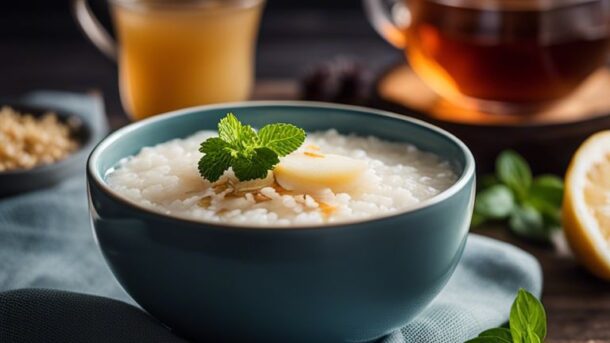
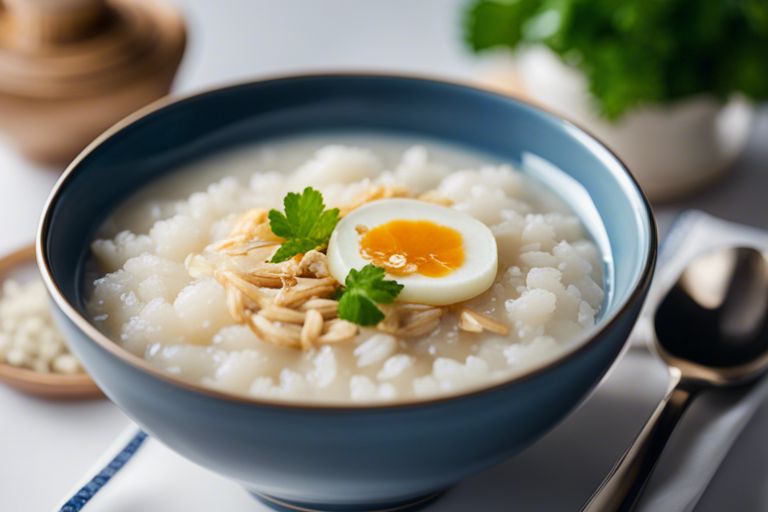
Bananas are easy on the stomach and provide vital nutrients like potassium. Pair them with plain white rice, which is gentle on digestion and helps bulk up stool to ease diarrhea. This combination can help replenish lost nutrients and settle your stomach.

Applesauce and Toast

With applesauce and toast, you get a combination of soluble fiber from the apples and easy-to-digest carbohydrates from the toast. The mild flavors are gentle on your stomach and can provide you with some energy to aid in your recovery.

Plain Crackers and Ginger

Ginger has natural properties that can help ease nausea and settle your stomach. Pairing it with plain crackers provides a bland but effective option for settling your stomach. The crackers can also help absorb excess stomach acid, further aiding in your recovery.

Bland foods are your best bet when recovering from food poisoning. They are easy to digest and do not irritate your stomach, allowing your body to focus on healing. Remember to stay hydrated and gradually reintroduce more solid foods as you start feeling better.

Easy-to-Digest Foods

Not all foods are equal when it comes to recovering from food poisoning. After a bout of stomach upset, it’s important to choose easy-to-digest foods that will not further irritate your digestive system. Here are some gentle options to consider:

Chicken Soup

To soothe your stomach and provide hydration, opt for warm and comforting chicken soup. The broth is easy on your digestive system, while the chicken provides a gentle source of protein. The vegetables in the soup offer some nutrients without overwhelming your stomach, making it a perfect choice for recovering from food poisoning.

Boiled Vegetables

Any boiled vegetables can be a great addition to your diet post-food poisoning. Cooking vegetables until they are soft and easily mashable makes them easier for your body to break down and absorb nutrients from. Boiled vegetables also provide important vitamins and minerals that can support your recovery.

Another benefit of boiled vegetables is that they retain more water, which can contribute to your overall hydration levels. This is especially important after experiencing food poisoning, as dehydration can be a common side effect of vomiting and diarrhea. So, make sure to include plenty of boiled vegetables in your meals to help replenish your body’s fluid levels.

Lean Protein Sources

One way to rebuild your strength after food poisoning is by incorporating lean protein sources into your diet. Options such as grilled chicken, turkey, or fish can provide the necessary protein your body needs for healing without putting excess strain on your digestive system. These lean protein sources are easier to digest compared to heavier meats like beef or pork, making them a smart choice for your recovery.

Understanding the importance of including protein in your recovery diet is crucial for repairing any damage caused by the food poisoning. Protein plays a key role in building and repairing tissues, which can help you bounce back quicker from the illness. So, be sure to incorporate lean protein sources into your meals to support your body’s recovery process.

Foods to Avoid

Once again, if you are recovering from food poisoning, it’s important to be mindful of what you eat to aid your recovery process. For a comprehensive guide on what foods to avoid during this time, you can refer to What to Eat After Food Poisoning – Healthline.

Spicy and Fatty Foods

Any spicy and fatty foods should be avoided after a bout of food poisoning. These types of foods can irritate your stomach and digestive system, potentially causing discomfort and prolonging your recovery. It’s best to stick to bland, easily digestible foods until your stomach is back to normal.

High-Fiber Foods

Avoid high-fiber foods such as whole grains, seeds, and raw vegetables in the initial stages of recovering from food poisoning. While fiber is important for your overall health, these foods can be harder for your system to digest when it’s already sensitive from being ill. Opt for low-fiber options like white bread, plain rice, and cooked vegetables until you feel better.

Fatty

Dairy Products

An important group of foods to steer clear of after food poisoning are dairy products. Your body may have difficulty digesting lactose, the sugar found in dairy, after being ill. This can lead to bloating, gas, and discomfort. It’s recommended to avoid milk, cheese, yogurt, and other dairy products until your stomach has fully recovered.

Foods.

To wrap up

Now that you know what to eat after food poisoning, remember to stick to bland and easily digestible foods like bananas, rice, applesauce, and toast. Avoid foods that are spicy, greasy, or high in fiber, as they can irritate your stomach further. Make sure to stay hydrated with water, clear broth, or electrolyte-rich drinks to replenish lost fluids. If your symptoms persist or worsen, consult a medical professional for further advice and treatment.

FAQ

Q: What are good foods to eat after food poisoning?

A: After food poisoning, it is important to stick to bland and easily digestible foods. Some good options include plain toast, crackers, boiled potatoes, plain rice, and boiled or steamed vegetables.

Q: How long should I wait before eating solid foods after food poisoning?

A: It is recommended to wait until you have fully recovered and your stomach feels ready to handle solid foods again. This typically takes about 24-48 hours after the symptoms of food poisoning have subsided.

Q: Are there any foods to avoid after food poisoning?

A: Yes, it is best to avoid spicy, greasy, fatty, and dairy-rich foods immediately after food poisoning. These can be harder to digest and may irritate your stomach, prolonging your recovery. It’s also important to avoid raw or undercooked foods to prevent any further contamination.

Skip to content