With your fitness goals in mind, understanding how much protein your body needs daily is crucial. To ensure you are meeting your nutritional needs, it’s important to know the right amount of protein intake for your body. If you’re focusing on gaining muscle, you might also want to check out How Much Protein Should You Eat to Gain Muscle? for more insights.
Key Takeaways:
- Protein Needs: The amount of protein you need depends on your age, sex, and activity level. Typically, adults should aim for 0.8 grams of protein per kilogram of body weight.
- Protein Sources: It’s important to consume a variety of protein sources, including lean meats, poultry, fish, eggs, dairy, legumes, nuts, and seeds to meet your daily protein needs.
- Timing: Distributing your protein intake evenly throughout the day can help optimize muscle protein synthesis and support overall health and fitness goals.
The Importance of Protein
What is protein and why do we need it?
To understand the importance of protein in your diet, you need to know that protein is made up of amino acids, which are the building blocks of your body. These amino acids are imperative for various functions in your body, such as repairing tissues, making enzymes and hormones, and supporting immune function. In essence, protein is crucial for your overall health and well-being.
The role of protein in muscle growth and repair
Growth, when it comes to your muscles, requires protein. When you engage in physical activities like exercise, your muscles experience tiny tears that need to be repaired. Protein plays a significant role in this repair process, helping your muscles grow stronger and more resilient over time. Additionally, protein can help you maintain muscle mass, especially as you age, by supporting muscle repair and growth.
For instance, if you are an athlete or someone who exercises regularly, consuming an adequate amount of protein is imperative to support muscle recovery and growth. Protein can also help you feel full and satisfied, which can be beneficial if you are trying to manage your weight or improve your body composition.
Factors Affecting Protein Needs
It is vital to consider several factors that can influence how much protein you need each day. These factors include your age, gender, and body composition.
Age and protein requirements
Affecting your protein needs is your age. As you age, your body’s protein needs may increase to help maintain muscle mass and overall health. Older adults may need to consume more protein to support muscle function, recovery, and prevent age-related muscle loss.
Any changes in your protein needs due to aging should be discussed with a healthcare provider or a registered dietitian to determine the appropriate intake for your individual needs.
Gender and protein needs
Factors that influence your protein needs also include your gender. Men generally have higher protein requirements compared to women, as they tend to have more muscle mass and higher energy expenditure. Protein needs for women may vary depending on factors such as pregnancy, breastfeeding, and physical activity levels.
Aiming to include lean protein sources in your diet, such as poultry, fish, legumes, and dairy products, can help you meet your protein needs regardless of your gender.
Body composition and protein intake
With regards to body composition, individuals with higher muscle mass may have increased protein needs to support muscle growth and repair. Athletes and individuals engaging in regular strength training may require more protein to help with exercise recovery and muscle maintenance.
Protein intake should be personalized based on your individual body composition goals, activity level, and overall health status.
Protein Requirements for Different Groups
Sedentary individuals
One important factor to consider when determining your daily protein intake is your activity level. For sedentary individuals who do not engage in regular exercise or physical activity, the recommended daily protein intake is generally lower compared to those who are more active. While individual protein needs may vary, a general guideline for sedentary individuals is around 0.8 grams of protein per kilogram of body weight.
Active individuals
On the other hand, if you are an active individual who engages in regular exercise or physical activity, your protein requirements may be higher. This is because exercise, especially strength training and endurance activities, can increase protein turnover in your body. For active individuals, it is generally recommended to consume between 1.2 to 2.0 grams of protein per kilogram of body weight.
A higher protein intake can support muscle repair and growth, as well as aid in recovery after intense workouts. It can also help you feel fuller for longer, which may be beneficial if you are trying to manage your weight.
Athletes and bodybuilders
With athletes and bodybuilders, protein requirements are typically higher due to the increased demands placed on their muscles. If you fall into this category, you may need to consume between 1.4 to 2.2 grams of protein per kilogram of body weight. This higher protein intake can help in optimizing performance, muscle recovery, and muscle growth.
Bodybuilders, in particular, may benefit from spreading their protein intake evenly throughout the day and including high-quality protein sources such as lean meats, poultry, fish, eggs, dairy, legumes, and plant-based protein sources.
Calculating Your Daily Protein Needs
Using the recommended daily allowance (RDA)
After determining your daily protein needs, you can start by using the Recommended Daily Allowance (RDA) for protein intake. The RDA for protein is 0.8 grams per kilogram of body weight. This means that for an average adult, you should aim for about 56 grams of protein per day. However, this number can vary based on your age, sex, and activity level.
Using body weight to determine protein needs
Recommended protein intake can also be calculated based on your body weight. It is generally recommended to consume between 0.8 to 1.8 grams of protein per kilogram of body weight. For example, if you weigh 70 kilograms, your protein intake should fall between 56 and 126 grams per day.
This method allows for a more personalized approach to determining your protein needs. Factors like your age, gender, muscle mass, and physical activity level can all influence how much protein your body requires.
Considering individual factors such as health status and fitness goals
- Your health status: If you have certain health conditions such as kidney disease or diabetes, your protein needs may be different. Consult with a healthcare provider to determine the appropriate protein intake for your specific situation.
- Your fitness goals: If you are an athlete or engage in regular exercise, your protein needs may be higher to support muscle recovery and growth. Aim to adjust your protein intake based on your fitness goals and activity level.
This personalized approach takes into account individual factors that can affect your protein requirements. Do not forget, your protein needs may fluctuate depending on various factors, so it’s important to reassess your intake regularly to ensure you are meeting your body’s needs.
High-Protein Diets and Health Implications
The risks of excessive protein consumption
To maintain optimal health, it’s important to be mindful of the amount of protein you consume each day. Not getting enough protein can lead to deficiency, but consuming too much protein also has risks. To protect your health, avoid excessive protein intake, as it may strain your liver and kidneys over time. Additionally, diets excessively high in protein can lead to an increased risk of heart disease, certain types of cancer, and digestive issues.
The benefits of moderate protein intake
On the other hand, moderate protein intake can have numerous benefits for your overall health and well-being. Excessive consumption of protein can be detrimental, but getting an adequate amount can help you maintain a healthy weight, promote muscle strength, and support overall bodily functions. Protein is imperative for building and repairing tissues, producing enzymes and hormones, and maintaining healthy skin, hair, and nails.
By incorporating lean sources of protein such as chicken, fish, nuts, and legumes into your diet, you can ensure you are meeting your daily protein needs without going overboard. Note, moderation is key when it comes to protein intake.
Protein and kidney health
Kidney function is crucial for filtering waste and excess fluids from your blood, and a diet high in protein can put added stress on your kidneys. While protein is imperative for the body, excessive consumption can lead to kidney damage over time. If you have existing kidney issues, it’s especially important to monitor your protein intake and consult with a healthcare professional to determine the right amount for your individual needs.
The key is to strike a balance in your protein intake to support your health and wellness goals. By being mindful of the amount and sources of protein you consume, you can optimize your nutrition and overall well-being.
Meeting Your Protein Needs Through Diet
Now, to ensure you are meeting your protein needs through your diet, it’s vital to pay attention to the types of foods you are consuming. Protein is crucial for various functions in your body, such as building and repairing tissues, producing enzymes and hormones, and supporting immune function. You can learn more about the importance of protein in your diet by checking out this Protein: Are You Getting Enough? article.
High-protein foods and their protein content
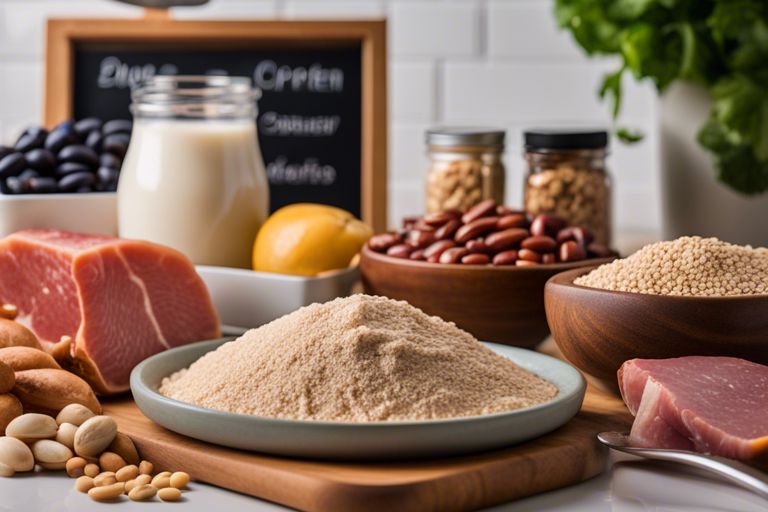
One way to include an adequate amount of protein in your diet is by incorporating high-protein foods. Foods such as lean meats, poultry, fish, eggs, dairy products, and legumes are excellent sources of protein. For example, a 3-ounce serving of chicken breast contains around 27 grams of protein, while a cup of Greek yogurt can provide approximately 20 grams. By including a variety of these foods in your meals, you can easily meet your daily protein requirements.
Plant-based protein sources
The rise in popularity of plant-based diets has led to an increased interest in plant-based protein sources. Plants like beans, lentils, quinoa, tofu, and edamame are rich in protein and can be great alternatives to animal products. These plant-based sources not only provide protein but also offer vital nutrients like fiber, vitamins, and minerals. Including a mix of plant-based proteins in your diet can help you maintain a balanced and nutritious eating plan.
Content: When choosing plant-based protein sources, it’s vital to consider the amino acid profile of each food to ensure you are getting all the vital amino acids your body needs. While plant-based proteins may lack one or more vital amino acids, combining different sources throughout the day can help you achieve a complete protein profile.
Protein supplements and their effectiveness
With respect to meeting your protein needs, some individuals may find it challenging to get enough through whole foods alone. In such cases, protein supplements can be a convenient option to boost your protein intake. These supplements come in various forms like powders, bars, and shakes, making it easy to add extra protein to your diet. However, it’s vital to remember that supplements should complement your diet and not replace whole foods entirely.
Foods: Protein supplements can be particularly beneficial for athletes and individuals with increased protein requirements. They can help support muscle recovery, enhance performance, and promote muscle growth when consumed as part of a well-rounded diet and exercise routine.
It’s important to note that while protein supplements can be a convenient way to increase your protein intake, they should not be relied upon as the sole source of protein in your diet. It’s always best to focus on whole foods to ensure you are getting a variety of nutrients along with your protein.
Summing up
Ultimately, determining how much protein you need to consume daily depends on your individual circumstances such as age, activity level, and health goals. It is recommended that you aim for a balanced diet that includes a variety of protein sources to ensure that you are meeting your body’s needs. Consulting a healthcare provider or a nutritionist can help you tailor your protein intake to best suit your lifestyle and health objectives.
Q: How much protein should I consume in a day?
A: The recommended daily intake of protein varies depending on factors such as age, sex, weight, and activity level. In general, it is recommended that adults consume between 0.8 to 1 gram of protein per kilogram of body weight. Athletes or individuals engaging in intense physical activity may need more protein.
Q: Can you consume too much protein in a day?
A: Consuming excessive amounts of protein in a day can put strain on the kidneys and liver. It is important to balance your protein intake with other nutrients in your diet. Most healthy individuals can safely consume up to 2 grams of protein per kilogram of body weight per day, but it is always recommended to consult with a healthcare provider or a nutritionist for personalized advice.
Q: What are some good sources of protein to include in my daily diet?
A: Good sources of protein include lean meats like chicken, turkey, and fish, eggs, dairy products like yogurt and cheese, legumes such as beans and lentils, nuts, seeds, and soy products like tofu. Including a variety of these protein sources in your daily diet can help ensure you are meeting your protein needs.