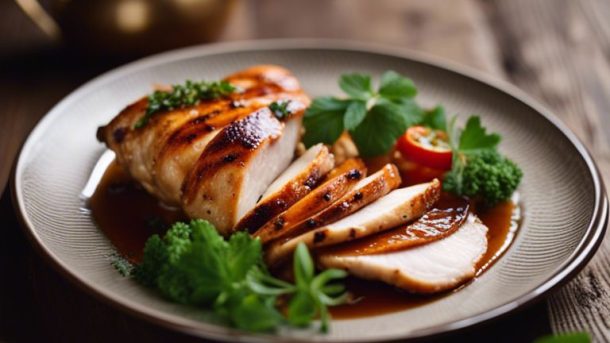
Cooking.

What is the Speciality of chicken

Over centuries, chicken has been a staple in diets worldwide, and for good reason. Its versatility in flavor and ability to adapt to various cooking methods make it a standout ingredient in many cultures. In this article, explore the special qualities of chicken that make it a beloved choice for your meals and discover why it continues to be a favorite protein source in kitchens everywhere.

Key Takeaways:

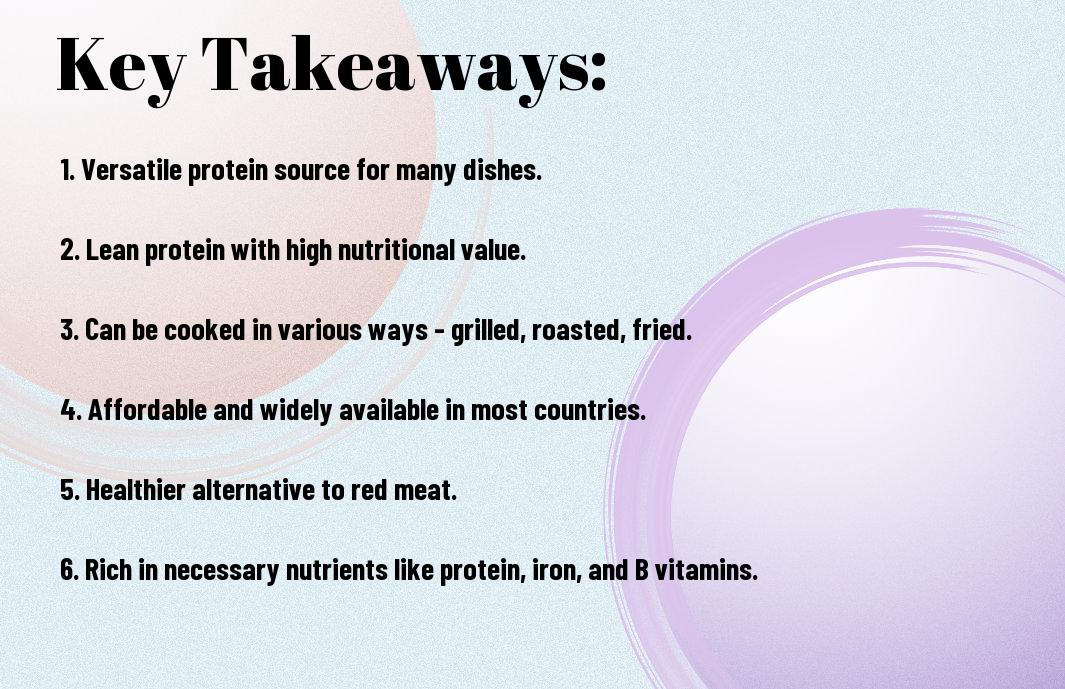
  • Lean Protein: Chicken is a great source of lean protein, which helps in muscle growth and repair.
  • Versatility: Chicken can be cooked in various ways and is used in a wide range of dishes from different cuisines.
  • Nutrient Rich: Chicken is rich in imperative nutrients like vitamins B6 and B12, niacin, and selenium, which are important for overall health.
Origins of Chicken

For centuries, chickens have been an crucial part of human agriculture and diet. Understanding the origins of chickens provides a fascinating glimpse into the history of this beloved bird.

History of Domestication

History tells us that chickens were domesticated from the Red Junglefowl in Southeast Asia around 6000 years ago. The process of domestication transformed these birds from their wild ancestors into the domestic chickens we know today. This shift allowed humans to raise chickens for their eggs, meat, and feathers, marking the beginning of a long and fruitful relationship between chickens and humans.

Ancient Civilizations and Chicken

Chicken played a crucial role in the diets and cultures of ancient civilizations such as the ancient Egyptians, Greeks, and Romans. In these societies, chickens were not only a source of food but also held symbolic and religious significance. For instance, chickens were often used in sacrificial ceremonies or as oracles, believed to possess mystical powers and the ability to communicate with the divine.

Nutritional Profile

Some of the key components of chicken that make it a nutritional powerhouse include its protein content, fats, cholesterol, as well as vitamins and minerals.

Protein Content

Profile: Chicken is well-known for being a rich source of protein. Protein is crucial for various bodily functions and is crucial for building and repairing tissues. A 3-ounce serving of chicken breast can provide you with around 27 grams of high-quality protein, making it an excellent choice for meeting your protein needs.

Fat and Cholesterol

Profile: On average, chicken is relatively low in fat compared to other protein sources like beef or pork. The fat content in chicken can vary depending on the cut and cooking method. Additionally, chicken is lower in cholesterol compared to red meats, making it a heart-healthy protein option.

Plus, when you opt for skinless chicken breasts or remove the skin before cooking, you can further reduce the fat content, making it a lean protein choice for your well-balanced diet.

Vitamins and Minerals

Profile: In addition to being a great source of protein, chicken also contains vital vitamins and minerals that are crucial for overall health. Chicken is a good source of B vitamins such as niacin, B6, and B12, which play a crucial role in metabolism and energy production.

Minerals such as selenium, phosphorus, and zinc are also found in chicken, contributing to various physiological functions in your body, including immune function, bone health, and DNA synthesis.

Culinary Versatility

Global Cuisine and Chicken Dishes

To truly understand the specialty of chicken, you must explore its culinary versatility across various global cuisines. One of the remarkable aspects of chicken is how it adapts to different flavors and cooking styles, making it a staple ingredient in countless dishes worldwide. Whether you savor the spicy tandoori chicken from India, the comforting chicken pot pie from America, or the fragrant coq au vin from France, each culture has its unique way of showcasing the deliciousness of chicken. The adaptability of chicken allows it to be the star of both humble home-cooked meals and extravagant restaurant dishes.

Cooking Methods and Techniques

To elevate your chicken dishes, understanding different cooking methods and techniques is key. Cooking chicken can be as simple as roasting a whole bird in the oven or as complex as mastering the art of sous vide cooking. By grilling, frying, baking, or braising chicken, you can achieve a variety of textures and flavors that cater to your preferences. Experimenting with marinades, spices, and cooking times can transform a basic chicken dish into a culinary masterpiece.

Cooking chicken sous vide involves sealing the chicken in a bag and cooking it in a temperature-controlled water bath for an extended period. This method ensures that the chicken cooks evenly and retains its moisture, resulting in tender and succulent meat. By incorporating such advanced techniques into your cooking repertoire, you can take your chicken dishes to the next level and impress your family and friends with restaurant-quality meals.

Dishes

Whether you prefer traditional recipes or modern innovations, chicken’s culinary versatility provides endless possibilities for creating delicious meals. From classic favorites like fried chicken and chicken curry to trendy dishes like chicken avocado toast and chicken lettuce wraps, there is a chicken dish to suit every palate. Embrace the specialty of chicken by exploring different cuisines, cooking techniques, and flavor combinations to elevate your culinary experience.

Breeds and Varieties

Once again, when it comes to chickens, there is a wide variety of breeds and varieties to choose from, each with its own unique characteristics and traits. Understanding the different types of chicken breeds can help you choose the right one for your needs and preferences.

Heritage Breeds

The heritage breeds of chickens are old-fashioned breeds that have been raised by farmers for generations. These breeds are known for their hardiness, excellent foraging abilities, and rich flavors. Some popular heritage breeds include the Rhode Island Red, Plymouth Rock, and Sussex. If you are looking for chickens that can thrive in a more natural environment and provide delicious, flavorful meat and eggs, heritage breeds may be the right choice for you.

Commercial Breeds

Breeds developed for commercial purposes are specifically bred for traits such as fast growth, high egg production, and uniform size. These breeds are commonly used in large-scale poultry operations for meat and egg production. Some well-known commercial breeds include the Cornish Cross for meat production and the White Leghorn for egg-laying.

Understanding the differences between heritage and commercial breeds can help you make informed decisions about the type of chickens you want to raise. While commercial breeds are efficient in production, heritage breeds often offer more diverse characteristics and flavors.

Exotic and Rare Breeds

Exotic and rare chicken breeds are less common and often prized for their unique appearances and characteristics. These breeds may have specific traits such as ornate feathers, distinctive colors, or special abilities. While they may not be as widely available as commercial breeds, exotic and rare breeds can add an interesting and exotic element to your flock.

Exploring exotic and rare chicken breeds can be a rewarding experience, allowing you to discover lesser-known varieties and contribute to the conservation of rare breeds. Keep in mind that these breeds may require special care due to their unique traits and characteristics.

Health Benefits

High-Quality Protein

For a nutrient-packed meal option, chicken is an excellent source of high-quality protein that can benefit your overall health. Protein is important for building and repairing tissues in your body, making it crucial for muscle growth, immune function, and maintaining a healthy metabolism. Including chicken in your diet can help you meet your daily protein requirements and support your active lifestyle.

Rich in Antioxidants

Antioxidants are compounds that help protect your cells from damage caused by free radicals, which can contribute to various chronic diseases and aging. Chicken contains antioxidants such as selenium, vitamin E, and vitamin C that can help reduce inflammation and oxidative stress in your body.

A diet rich in antioxidants from foods like chicken can have a positive impact on your overall health, supporting your immune system and reducing the risk of conditions like heart disease and cancer. Including antioxidant-rich foods in your diet, such as chicken, can contribute to your well-being and longevity.

Brain Health and Chicken Consumption

With its rich nutrient profile, chicken can also support your brain health and cognitive function. Antioxidants present in chicken, such as vitamin E, can help protect your brain cells from damage and support neurotransmitter function. Including chicken in your diet can provide important nutrients that support your brain health and potentially reduce the risk of cognitive decline as you age.
Cultural Significance

Symbolism and Folklore

Unlike other animals, chickens have a rich history of symbolism and folklore in various cultures around the world. Any poultry farmer will tell you that chickens are not just birds but hold special significance in different societies. In some cultures, they are symbols of prosperity, fertility, and even protection from evil spirits. For example, in Chinese mythology, the rooster is associated with honesty, fortitude, and a sense of timekeeping.

Chicken in Art and Literature

Any art enthusiast or literary buff will recognize the presence of chickens in various creative works throughout history. Cultural representations of chickens can be found in ancient manuscripts, paintings, and even contemporary novels. Chickens have been depicted as symbols of domesticity, freedom, and even absurdity in different artistic expressions.

Cultural depictions of chickens in art and literature often reflect societal attitudes towards these birds, showcasing their dual nature as both a source of sustenance and a subject of aesthetic fascination.

Chicken in Modern Pop Culture

For modern audiences, chickens have become more than just barnyard animals. They have made their mark in contemporary pop culture through various mediums such as film, television, and advertising. Chickens are no longer just seen as a food source but have evolved into quirky characters and mascots in popular media.

To some extent, the modern fascination with chickens in pop culture continues to reflect our complex relationship with these animals, blurring the lines between their utilitarian value and their symbolic significance in our cultural imagination.
Summing up

So, what is the speciality of chicken? From its versatility in cooking to its nutritional benefits, chicken is a popular choice for many households around the world. You can explore various cooking techniques and recipes to make delicious and healthy meals with this poultry. If you want to discover more about the health benefits and recipes of chicken, check out Chicken: Important Facts, Health Benefits, and Recipes.

Q: What makes chicken a popular choice for meals?

A: Chicken is a popular choice for meals because it is a versatile protein that can be prepared in numerous ways, such as baked, fried, grilled, or roasted. It also pairs well with a variety of seasonings and sauces, making it a favorite among many cuisines.

Q: Is chicken a healthy protein option?

A: Yes, chicken is considered a healthy protein option as it is low in saturated fat and high in protein. It is also a good source of vitamins and minerals, such as B vitamins, phosphorus, and selenium. Opting for lean cuts of chicken, such as chicken breast, can further enhance its nutritional value.

Q: What sets chicken apart from other meats?

A: One of the main features that sets chicken apart from other meats is its mild flavor, which allows it to easily absorb the flavors of marinades and seasonings. Additionally, chicken is quick to cook, making it a convenient option for busy schedules. Its affordability and wide availability also contribute to its popularity.
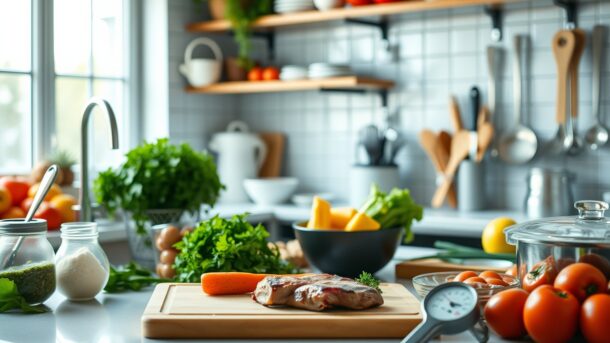

How to avoid food poisoning

Just imagine enjoying a delicious meal only to be struck down by food poisoning. To prevent this unfortunate scenario, it’s crucial to understand the common causes and effective prevention strategies. You can significantly reduce your risk by practicing proper food handling, cooking, and storage techniques. In this guide, you will discover important tips to keep your meals safe and enjoyable, ensuring that your dining experiences remain delightful rather than hazardous.

Key Takeaways:

  • Practice Proper Hygiene: Always wash your hands thoroughly with soap and water before handling food, after using the restroom, and after touching raw meat.
  • Cook Food Thoroughly: Ensure that all meats, poultry, seafood, and eggs are cooked to their recommended internal temperatures to kill harmful bacteria.
  • Store Food Safely: Refrigerate perishable items promptly and maintain your fridge at a temperature below 40°F (4°C) to prevent bacterial growth.
  • Avoid Cross-Contamination: Use separate cutting boards and utensils for raw meats and ready-to-eat foods to reduce the risk of spreading bacteria.
  • Be Cautious with Expiration Dates: Check expiration dates on food products and consume or discard items accordingly to avoid eating spoiled or unsafe food.

Understanding Food Poisoning

To effectively avoid food poisoning, it’s important to first understand what it is. You may encounter various contaminants in food, and knowing their causes can empower you to make safer choices. For more insights, check out How to avoid food poisoning – PMC.

Definition and Causes

For a clear definition, food poisoning occurs when you ingest contaminated food or beverages, leading to various gastrointestinal issues. Common causes include bacteria, viruses, parasites, and chemical contaminants.

Common Types of Foodborne Illness

The common types of foodborne illness can impact your health in significant ways. Understanding these illnesses is crucial for preventive measures:

  • Salmonella
  • Norovirus
  • Escherichia coli (E. coli)
  • Listeria monocytogenes
  • Clostridium perfringens

This list highlights prevalent sources of foodborne pathogens. Refer to the following for more detailed information:

Type of Illness Common Source
Salmonella Poultry, eggs, unpasteurized milk
Norovirus Contaminated water, leafy greens
E. coli Undercooked beef, contaminated vegetables
Listeria Soft cheeses, deli meats
Clostridium perfringens Meat dishes, gravies

Foodborne pathogens can result in a variety of health issues, which makes it important to stay informed. Here are a few more details about common types of foodborne illness:

  • Campylobacter jejuni
  • Hepatitis A
  • Staphylococcus aureus
  • Vibrio
  • Clostridium botulinum

This underscores the need for vigilance in your food handling practices. Consider the following breakdown:

Type of Illness Common Source
Campylobacter Poultry, unpasteurized milk
Hepatitis A Contaminated food or water
Staphylococcus Improperly stored food
Vibrio Undercooked seafood
Botulism Improperly canned goods

Symptoms and Effects on Health

To identify food poisoning, you should be aware of the common symptoms. These can include nausea, vomiting, diarrhea, abdominal cramps, and fever.

The severity of symptoms can vary based on the pathogen involved and your overall health. Understanding these effects is pivotal for recognizing potential food poisoning and seeking timely medical assistance when necessary.

Preventative Measures in Food Preparation

If you want to minimize the risk of food poisoning, it’s vital to adopt preventative measures during food preparation. Being diligent about hygiene and cooking practices ensures that your meals are safe and healthy.

Proper Handwashing Techniques

With a proper handwashing technique, you can eliminate many harmful bacteria. Always wash your hands with soap and water for at least 20 seconds before handling food, especially after using the restroom or touching raw ingredients. Don’t forget to wash between your fingers and under your nails for optimal cleanliness.

Safe Food Handling Practices

Proper food handling practices are important to prevent contamination. Always use clean utensils, cutting boards, and surfaces, and designate separate items for raw and cooked foods.

Techniques such as keeping raw meat away from other foods, using separate cutting boards, and storing food at safe temperatures help maintain a safe kitchen environment. Always defrost foods in the refrigerator, microwave, or cold water, never at room temperature. Adopting these practices can significantly reduce the risk of cross-contamination.

Cooking Temperatures and Methods

Food safety relies on cooking foods at appropriate temperatures. Use a food thermometer to ensure that meats reach the recommended internal temperatures, which helps kill harmful bacteria.

Recommended Cooking Temperatures

Food Type Minimum Internal Temperature (°F)
Poultry 165°F
Ground Meat 160°F
Steaks and Roasts 145°F
Fish 145°F

Measures such as using slow cookers to reach safe temperatures gradually, or avoiding practices like reheating leftovers improperly, are crucial for ensuring food safety. Always double-check cooking times and methods, as this can be the difference between a safe meal and foodborne illness.

Cross-Contamination Awareness

Any kitchen should prioritize cross-contamination awareness. This means understanding that raw foods, especially meat, can transfer harmful bacteria to ready-to-eat foods if they come into contact.

Another critical aspect of this is replacing or sanitizing surfaces, utensils, and containers that have come into contact with raw foods immediately. The importance of proper storage can’t be overstated, either; always store raw meats on the lowest shelves in the fridge to prevent drips onto other foods. Taking these precautions will greatly reduce the chances of food poisoning in your kitchen.

Storage and Preservation of Food

All foods require proper storage and preservation methods to ensure their safety and longevity. Following the right practices can effectively minimize the risk of foodborne illnesses and protect your health. Understanding how to properly refrigerate, assess expiration dates, and handle freezing and thawing will arm you with the knowledge needed to keep your food safe.

Optimal Refrigeration Practices

Refrigeration is crucial for maintaining food safety. Ensure your refrigerator is set at or below 40°F (4°C) to slow bacterial growth. Store raw meats on the bottom shelf to avoid cross-contamination and utilize airtight containers for leftovers to maintain freshness. Remember to check the temperature regularly, as even small fluctuations can impact food safety.

Understanding Expiration Dates

The importance of expiration dates cannot be overstated. These dates provide a guideline for consumers regarding the safety and quality of food products. While “sell by” dates refer to how long a product is expected to remain on store shelves, “use by” dates indicate the last day the manufacturer guarantees optimal freshness.

For instance, many products, such as canned goods and dry staples, can be safe to consume after their expiration dates if they have been stored properly. However, it is crucial to evaluate the food for any signs of spoilage, including odor, discoloration, or unusual texture before consuming. Trust your instincts and prioritize your health.

Freezing and Thawing Safely

Any food that you don’t plan to consume shortly should be frozen to extend its shelf life. Make sure to use airtight containers or freezer bags to prevent freezer burn and preserve quality. Label your packages with the date to keep track of how long items have been stored.

This includes thawing frozen foods safely, which you can accomplish in the refrigerator, in cold water, or in the microwave. Never thaw food at room temperature, as it promotes bacterial growth. Always cook thawed food promptly, and avoid refreezing unprepared items to reduce the risk of contamination.

Eating Out and Food Safety

Despite the convenience and enjoyment of dining out, it’s imperative to remain vigilant about food safety to avoid food poisoning. Being aware of how to select safe eating establishments and knowing the potential risks involved can significantly reduce your chances of falling ill. For comprehensive guidelines on best practices, you can refer to the resource on How to Prevent Food Poisoning.

Choosing Safe Restaurants

For choosing a safe restaurant, you should prioritize those with a good reputation for cleanliness and proper food handling practices. Look for places that have high sanitation ratings and positive customer reviews about the quality of their food. Don’t hesitate to ask staff questions about food preparation and ingredients to ensure your dining experience is as safe as possible.

Awareness of Foodborne Risks in Dining

Eating out can expose you to foodborne illnesses if you are not aware of potential hazards. It’s important to recognize factors such as cross-contamination in the kitchen, improper food storage temperatures, and undercooked dishes, which can all contribute to the risk of food poisoning.

Safe preparation practices are crucial in restaurants, but awareness of how these risks manifest can significantly help you make informed choices. Observe how staff handle food, the cleanliness of the kitchen visible from your table, and whether they follow safety protocols. If something feels off, it’s reasonable to choose another dining option.

Reporting Illnesses from Food Consumption

Awareness of how to report foodborne illnesses is critical for improving overall food safety. If you fall ill after eating out, make sure to inform the restaurant about your experience, as they might not be aware of the issue. Reporting can help them identify and rectify potential problems in their food handling processes.

Risks associated with foodborne illnesses do not only affect you; they can have widespread consequences if not addressed. By reporting your illness, you not only contribute to the safety of future diners but also support the restaurant in maintaining high food safety standards. In a communal effort, this helps reduce the chances of others experiencing similar experiences.

FAQ

Q: What are the best practices for food storage to prevent food poisoning?

A: To prevent food poisoning, it’s crucial to follow effective food storage practices. First, always refrigerate perishable foods within two hours of purchasing or cooking them. Ensure your refrigerator is set to 40°F (4°C) or below. Store raw meat, poultry, and seafood separately from other foods to avoid cross-contamination, preferably in sealed containers. Additionally, use airtight containers for leftovers, and label them with dates to ensure they are consumed within a safe timeframe, ideally within 3-4 days. Regularly check your pantry and refrigerator for expired items and clean them out promptly.

Q: How can I ensure my food is cooked safely to reduce the risk of food poisoning?

A: Cooking food to the right temperature is crucial for killing harmful bacteria that can cause food poisoning. Use a food thermometer to check the internal temperatures: poultry should reach 165°F (74°C), ground meats should be cooked to at least 160°F (71°C), and whole cuts of meat, including beef, pork, lamb, and veal, should reach 145°F (63°C) with a three-minute rest time. Additionally, be sure to wash hands, utensils, and surfaces after handling raw meats and before preparing other ingredients to prevent cross-contamination. Remember to avoid eating raw or undercooked eggs, seafood, and meats.

Q: What steps should I take when handling food to minimize the risk of food poisoning?

A: When handling food, practicing good hygiene and safety measures is key to minimizing the risk of food poisoning. Start by washing your hands thoroughly with soap and warm water for at least 20 seconds before preparing or consuming food. Always use separate cutting boards for raw meats and ready-to-eat foods, and avoid using the same utensils without washing them in between. Be mindful of your cooking environment by cleaning countertops, cutting boards, and utensils after each use with hot soapy water. Make sure to keep foods out of the “danger zone” (between 40°F and 140°F or 4°C and 60°C) to inhibit bacterial growth, and avoid leaving perishable foods out for more than two hours.

Skip to content