Consumption

What is fast food culture

You might think of fast food as just a quick bite to eat, but it goes beyond that. Fast food culture encompasses more than just the food itself—it’s a reflection of our society, our habits, and our values. In this blog post, we’ll probe into the world of fast food culture to help you understand its impact on our lives and the world around us. So, buckle up and get ready to explore the fascinating world of fast food culture with us!

Key Takeaways:

  • Convenience: Fast food culture revolves around the quick and easy access to meals, ideal for busy individuals or families.
  • Standardized Menus: Fast food chains offer consistent menu items regardless of location, providing a familiar dining experience worldwide.
  • Impact on Health: Fast food culture has raised concerns about its contribution to health issues such as obesity and related health conditions.

Defining Fast Food Culture

While America’s Fast Food Obsession is often used as a reference point, fast food culture extends beyond just one country. It encompasses a set of norms, behaviors, and practices associated with the consumption of fast and convenient food that has become deeply ingrained in societies worldwide.

Origins of Fast Food

One popular belief is that fast food culture originated in the United States in the mid-20th century with the rise of iconic brands like McDonald’s, Burger King, and KFC. These establishments introduced the concept of quick-service dining, emphasizing efficiency and standardization in food preparation.

Evolution of the Industry

Any exploration of fast food culture must consider the industry’s evolution, marked by globalization, technological advancements, and changing consumer preferences. The fast food industry has adapted and expanded rapidly, catering to a diverse range of tastes and dietary needs.

For instance, the introduction of healthier menu options, eco-friendly practices, and digital ordering systems are clear indications of how the industry continues to evolve to meet the demands of modern consumers seeking convenience without compromising on quality.

Characteristics of Fast Food Culture

Convenience and Speed

Speed is at the core of fast food culture. It’s all about getting your meal quickly and efficiently so you can move on to the next task on your list. Fast food restaurants are designed to serve you within minutes of placing your order, catering to the fast-paced lifestyle many people lead today. The convenience of drive-thrus and quick service makes it easy for you to grab a meal on the go, whether you’re rushing between work and errands or simply don’t have the time or energy to cook at home.

Standardization and Uniformity

On the surface, standardization and uniformity may seem like buzzwords in the fast food industry. However, they are the backbone of fast food culture. The consistent taste, presentation, and experience you get at a fast food chain in one city will be replicated in another city, or even in another country. This uniformity ensures that you know exactly what to expect when you walk into a fast food restaurant, no matter where you are.

It creates a sense of familiarity and reliability, making fast food an easy choice when you’re looking for a quick bite to eat without any surprises.

Marketing and Branding Strategies

Food marketing and branding play a significant role in fast food culture. From catchy jingles to iconic logos, fast food chains use various strategies to appeal to your taste buds and build brand loyalty. You’re not just buying a burger or fries; you’re buying into a lifestyle, a feeling, a sense of belonging to a community of fast food enthusiasts. The familiar images and slogans that you see in advertisements and on packaging are carefully crafted to evoke cravings and create emotional connections with the brand.

Impact on Society

Health Concerns and Nutrition

To explore into the impact fast food culture has on society, let’s first look at health concerns and nutrition. The accessibility and affordability of fast food have contributed to a rise in obesity rates and related health issues. Consuming fast food regularly can lead to poor dietary habits, with meals often high in calories, unhealthy fats, and sugars. These factors can increase the risk of developing chronic conditions like heart disease, diabetes, and high blood pressure.

Environmental Impact and Sustainability

The environmental impact of fast food extends beyond health concerns. The production and transportation of fast food ingredients contribute to carbon emissions, deforestation, and water pollution. Additionally, the excessive packaging and waste generated by fast food chains further strain our environment. It’s crucial to consider the sustainability of our food choices and the long-term effects of supporting a system that prioritizes convenience over environmental responsibility.

Understanding the environmental impact of fast food is important in promoting sustainable practices and reducing our carbon footprint. By making more conscious food choices and supporting businesses that prioritize eco-friendly initiatives, you can play a part in mitigating the environmental consequences of fast food culture.

Economic Influence and Job Creation

An examination of the economic influence of fast food culture reveals its significant role in job creation and the global economy. Fast food chains create numerous employment opportunities, especially for individuals in entry-level positions. These jobs can be a vital source of income for many people, offering valuable work experience and training. The fast food industry also contributes to economic growth through franchising, supply chains, and marketing activities.

Society benefits economically from the fast food industry’s widespread presence, with job opportunities and economic contributions playing a crucial role in local and national economies. While acknowledging the economic benefits, it’s important to balance these considerations with the social and health impacts associated with fast food culture.

Fast Food Culture Around the World

Once again, let’s take a trip around the globe to explore how fast food culture manifests itself in different regions. From the bustling streets of Tokyo to the vibrant food markets of Mexico City, fast food has become a ubiquitous presence in many societies, shaping the way people eat and interact with food.

Regional Variations and Adaptations

World cuisine is rich and diverse, and fast food is no exception. Each region has its own unique take on fast food, incorporating local ingredients and flavors into popular dishes. In Asia, you may find steamed buns filled with savory meats, while in the Middle East, shawarma wraps are a favorite fast food choice. These regional adaptations showcase how fast food has evolved to cater to different taste preferences and cultural influences.

Cultural Exchange and Globalization

World trade and globalization have played a significant role in shaping fast food culture around the world. Global fast food chains have expanded their reach to almost every corner of the globe, bringing familiar menu items to new markets. This exchange of culinary traditions has led to the fusion of flavors and the creation of new hybrid dishes that appeal to a diverse global audience.

Regional cuisines have also been influenced by the presence of fast food chains, leading to a blending of traditional dishes with fast food elements. This cultural exchange has sparked both excitement and concern, as some people welcome the diversity of food options, while others fear the loss of traditional culinary practices.

Local Resistance and Preservation of Traditional Cuisine

Cultural identity and food are closely intertwined, and many communities are striving to preserve their traditional cuisine in the face of fast food globalization. Local markets, street vendors, and family-run eateries play a vital role in upholding culinary traditions and passing them down through generations.

Another aspect of this resistance is the promotion of slow food movements and sustainable eating practices. By supporting local producers and opting for fresh, seasonal ingredients, many individuals are reclaiming control over their food choices and advocating for a more mindful approach to eating.

The Psychology of Fast Food Consumption

Emotional Connections and Nostalgia

Psychology plays a significant role in your consumption of fast food. Fast food brands have mastered the art of creating emotional connections with consumers through nostalgia. From the familiar taste of a childhood favorite to the comfort associated with certain menu items, these emotional ties keep you coming back for more.

Social Status and Identity

To understand the psychology behind fast food consumption, consider how it ties into social status and identity. The branding and marketing strategies used by fast food chains can influence your perception of what it means to consume their products. Whether it’s a trendy limited-time offer or a classic menu item that aligns with your personal identity, your choices are shaped by how you want to be perceived by others.

Plus, the convenience and affordability of fast food also play a crucial role in its appeal. In a busy world where time is limited and schedules are hectic, grabbing a quick meal at a fast food restaurant can seem like the most practical choice. The accessibility of these establishments further reinforces their place in your everyday life.

Cognitive Biases and Decision-Making

The fast food industry leverages cognitive biases to influence your decision-making process. From strategic menu layouts designed to highlight certain items to limited-time promotions that create a sense of urgency, these tactics are employed to encourage you to make impulse purchases.

The psychology behind your fast food choices goes beyond mere cravings. It researchs into how your emotions, social perceptions, and cognitive biases shape your consumption habits. By understanding these factors, you can become more mindful of your choices and make decisions that align with your values and goals.

Critiques and Controversies

Criticisms of the Industry’s Business Practices

For many critics, the fast food industry’s business practices are a significant point of contention. Issues such as low wages, lack of benefits, and aggressive marketing targeted at children have sparked debates on the ethics of the industry. Critics argue that these practices contribute to income inequality and unhealthy eating habits.

Debates on Food Quality and Safety

Practices within the fast food industry have also come under scrutiny regarding food quality and safety. Concerns about the sourcing of ingredients, use of additives, and hygiene standards in fast food chains have raised questions about the nutritional value and potential health risks associated with consuming fast food.

Food quality is often a focal point in discussions around fast food culture, with critics emphasizing the need for more transparency and accountability in the industry’s sourcing and preparation methods. The ongoing debates on food quality and safety highlight the importance of informed consumer choices and industry regulations to ensure the well-being of individuals.

Ethical Concerns and Labor Practices

Safety within the fast food industry has been a topic of debate, with concerns raised about the working conditions and treatment of employees. Issues such as long hours, lack of breaks, and health hazards in the workplace have prompted discussions on the ethical responsibilities of fast food companies towards their workers.

Quality of life for fast food workers, as well as fair labor practices, are key ethical concerns in the industry. The debate encompasses considerations of fair wages, job security, and overall well-being of employees, urging companies to prioritize ethical treatment of their workers.

Final Words

Drawing together all the information presented in this article, it is clear that fast food culture is deeply ingrained in American society and has had a significant impact on the way we eat and live. From its origins in the 20th century to its widespread presence today, fast food has become a cornerstone of American dining habits. As you reflect on the connections between fast food culture and societal norms, consider exploring more about this topic through resources like Fast Food, an American Tradition | School of Hospitality … to deepen your understanding of this complex and fascinating subject.

Q: What is fast food culture?

A: Fast food culture refers to a lifestyle that involves regularly consuming food that is quickly prepared and served in restaurants. This type of cuisine is typically high in calories, fat, salt, and sugar, and is often associated with convenience and speed.

Q: How did fast food culture originate?

A: Fast food culture originated in the United States in the early 20th century, with the growth of chains such as McDonald’s, Burger King, and KFC. These restaurants offered affordable and quickly served meals, catering to the increasing demand for convenience in a rapidly changing society.

Q: What are the effects of fast food culture on health?

A: The consumption of fast food has been linked to a variety of health issues, including obesity, heart disease, diabetes, and high cholesterol. This is due to the high levels of unhealthy ingredients such as trans fats, sodium, and processed sugars commonly found in fast food products.

Why fast food called fastfood

There’s a fascinating story behind why fast food is called ‘fast food’. Have you ever wondered about the origin of this term and what makes it different from other types of food? In this blog post, we will investigate into the history and reasons behind the phenomenon of fast food and how it has become a staple in our modern-day lives. So grab a quick bite and let’s explore the world of fast food together!

Key Takeaways:

  • Convenience: Fast food is called “fast” food because of its quick preparation and service, making it a convenient option for busy individuals.
  • Speed: The focus on speed in the fast food industry not only refers to the quick service but also the efficiency in the design and operations of fast food restaurants.
  • On-the-go: Fast food is designed for consumers who are on-the-go and looking for a quick and easy meal option, allowing them to eat quickly without spending much time on food preparation or dining out.

The Birth of Fast Food

Early Beginnings

On your journey to understand why fast food is called fast food, it’s important to examine into its origins. Fast food as we know it today has its roots in ancient civilizations where people would consume quick bites on-the-go, such as bread and wine in Ancient Rome or yakitori in Japan. However, the concept of a standardized, fast-paced food service truly began to take shape in the early 20th century with the rise of industrialization and urbanization.

The Rise of Street Vendors

Rise in the early 1900s, street vendors played a crucial role in popularizing the fast food culture. These vendors would set up stands in busy urban areas, offering affordable and convenient meals to workers and passersby. Hot dogs, pretzels, and sandwiches were some of the common fare served by these vendors, catering to the demand for quick and tasty food options. The efficiency and speed of street food service laid the groundwork for the fast food industry we know today.

Beginnings of fast food establishments can be traced back to the drive-in restaurants that emerged in the 1920s and 1930s, providing carhop service for customers. This innovation allowed diners to order and consume their meals without leaving their vehicles, adding a new level of convenience to the fast food experience.

The Name Game

Etymology of “Fast Food”

Any game of naming things involves a mix of history, context, and convenience. The term “fast food” dates back to the 1950s and became popular as a way to describe food that was quick to prepare, serve, and eat. It captured the essence of speedy service and convenience that people were increasingly seeking in the modern era. The term perfectly reflected the idea of food that could be prepared and consumed rapidly, fitting into the fast-paced lifestyles that were emerging.

Influence of Industrialization

Game on! The rise of fast food can be linked to the rapid industrialization that took place in the mid-20th century. As factories, offices, and urban centers boomed, people needed quick and easily accessible food options. Fast food establishments capitalized on this demand by offering pre-prepared meals that could be served almost instantly. This shift in the way food was prepared and consumed aligned perfectly with the needs of a society on the move.

Etymology aside, the influence of industrialization on the fast food industry cannot be understated. The mass production techniques developed during this period allowed fast food chains to streamline their operations and offer consistent, standardized meals that could be produced quickly and efficiently. This marked a significant departure from traditional dining experiences and paved the way for the global phenomenon that fast food has become today.

Plus, the affordability of fast food made it an attractive option for a wide range of consumers, further fueling its popularity and growth. The convenience, speed, and consistency of fast food offerings all played a role in cementing its status as a go-to dining choice for many people around the world. So, the next time you grab a quick burger or fries, remember that there’s a lot more to the name “fast food” than meets the eye.

Speed and Convenience

Once again, you find yourself rushing from one place to another, with little time in between. In the midst of a busy day, the need for a quick meal becomes ever more pressing. Fast food establishments have capitalized on this need by offering a convenient and speedy solution to your hunger pangs.

The Need for Quick Meals

An important factor behind the rise of fast food is the changing lifestyle of modern society. With long work hours, demanding schedules, and hectic routines, sitting down for a leisurely meal is often a luxury. Fast food caters to the demand for quick and easy options, allowing you to grab a meal on the go without compromising too much on taste or variety.

Innovations in Food Preparation

Preparation methods in fast food restaurants have been fine-tuned to maximize efficiency and minimize wait times. From assembly-line cooking to pre-packaged ingredients, every aspect of the process is geared towards delivering your meal as quickly as possible without sacrificing quality.

The innovations in food preparation have revolutionized the way we consume meals, offering a range of choices that can be prepared and served in a fraction of the time it would take at a traditional sit-down restaurant. The emphasis on speed and convenience has made fast food a staple in the modern diet, providing a solution for those on the move.

Marketing Magic

The Power of Branding

For a detailed understanding of why fast food is called fast food, you need to examine into the power of branding in the food industry. Fast food establishments have mastered the art of creating recognizable logos, catchy slogans, and consistent brand images that appeal to consumers worldwide. According to Fast food | Nutrition, Health, & Meaning, these branding efforts help fast food chains establish a sense of trust and familiarity with customers, making it more likely that they will choose these establishments when looking for a quick meal.

Creating a Sense of Urgency

Any discussion on why fast food is termed as fast food would be incomplete without mentioning the strategic tactics these chains use to create a sense of urgency among customers. From limited-time promotions to drive-thru lanes designed for quick service, fast food restaurants are experts at making you feel like you need their food right now. This urgency marketing plays on your impulses and cravings, leading you to make impulsive decisions to satisfy your hunger or cravings.

Marketing tactics such as limited-time offers and menu items marketed as “exclusive” or “for a limited time only” create a fear of missing out, prompting you to act quickly before the opportunity is gone. This psychological manipulation is a key reason why fast food is often associated with speed and immediacy.

Cultural Significance

Fast Food as a Status Symbol

The fast-food culture has become ingrained in society, with its quick convenience and affordability shaping not just the way we eat but also how we socialize. Despite its humble beginnings, fast food has evolved to become more than just a quick meal option. The popularity of fast food establishments can sometimes be linked to their status as a symbol of modern living and convenience.

The next time you find yourself grabbing a burger at a fast-food joint, take a moment to consider how these choices reflect not only your taste preferences but also your lifestyle and values. Fast food is not just about the food itself; it has turned into a cultural phenomenon that represents speed, efficiency, and even a certain level of social standing.

Impact on Social Dynamics

To truly understand the impact of fast food on social dynamics, you must look beyond the drive-thrus and brightly colored logos. The prevalence of fast-food chains has changed the way we interact with one another, both in public spaces and within our own families. The convenience of grabbing a quick meal on the go has altered traditional dining habits and social norms.

Dynamics such as family dinners around the table have shifted towards individual meals eaten on the run or in front of screens. This change in dining behavior can affect the way we communicate and connect with others, as shared meals often play a crucial role in forming bonds and creating memories.

Evolution of Fast Food

From Simple to Sophisticated

On the journey of fast food, it has evolved from simple beginnings to more sophisticated offerings. In the early days, fast food mainly consisted of items like hot dogs, hamburgers, and fries, served quickly for those on the go. Over time, fast-food chains started incorporating a wider array of options, introducing salads, wraps, and even healthier choices to cater to changing consumer preferences. This shift towards offering more diverse and sophisticated menu items has been a defining feature of the evolution of fast food.

Globalization and Diversification

Evolution in the fast-food industry has been greatly influenced by globalization and diversification. As fast-food chains expanded across borders, they adapted their menus to suit different cultural preferences and tastes. This led to the introduction of items like sushi burgers in Japan, currywurst in Germany, or even paneer wraps in India. The globalization of fast food not only diversified the menu offerings but also fostered a sense of inclusivity and acceptance of different culinary traditions.

Understanding the impact of globalization and diversification on fast food is crucial to appreciating the rich tapestry of flavors and options available today. By embracing diverse influences and constantly innovating, fast-food chains have been able to stay relevant and appeal to a wider audience worldwide. So, the next time you enjoy a fusion burrito or a gourmet burger at your favorite fast-food joint, remember the journey of evolution that has shaped the diverse and delicious world of fast food we know today.

To wrap up

Drawing together all the facts and information provided, it becomes clear why fast food is called “fast food”. The term originates from the quick service and minimal time it takes for these meals to be prepared and served. The efficiency and convenience of fast food establishments have made them a popular choice for many individuals looking for a quick and easy meal option.

Next time you find yourself at a fast food restaurant, remember the history and purpose behind the term “fast food”. Appreciate the innovation and ingenuity that have gone into creating these convenient dining options that have become a staple in our modern society.

FAQ

Q: Why is fast food called fast food?

A: Fast food is called fast food because it is designed to be prepared quickly and served in a short amount of time. This enables people to get their food quickly, making it a convenient option for people with busy schedules.

Q: What are the common characteristics of fast food?

A: Common characteristics of fast food include pre-prepared ingredients, standardized menu items, quick service, and often high levels of salt, sugar, and fat. Fast food restaurants are known for their speed of service and convenience.

Q: How did the concept of fast food originate?

A: The concept of fast food originated in the United States in the early 20th century, with the emergence of drive-in restaurants and diners that offered quick and easy meals for customers on the go. The fast food industry grew rapidly after World War II, with the rise of popular chains like McDonald’s and Burger King.

Which animal eats the most chicken

Predator lurking around your coop, eyeing your flock with hunger and stealth. Have you ever wondered which animals have a taste for your feathered friends? From cunning foxes to sly raccoons, the competition for your chickens is fierce. In this blog post, we’ll look into the world of chicken predators and uncover which creatures top the list in devouring these clucking delicacies. So, lock up your hens and read on to learn who’s after your poultry feast!

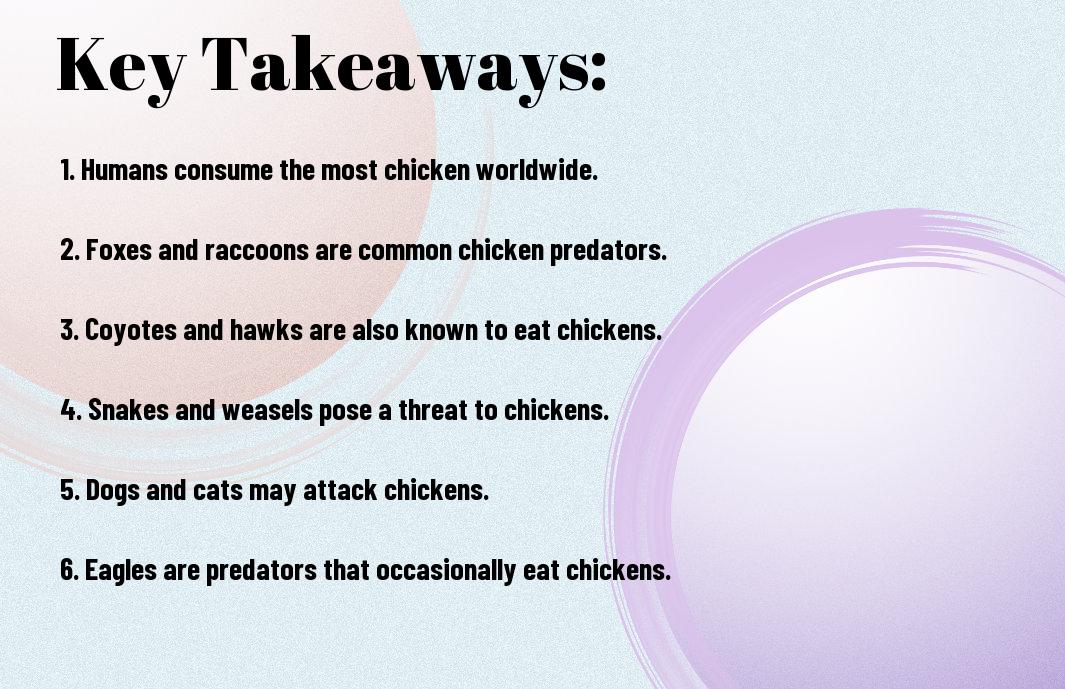
Key Takeaways:

  • Lions are the animals that eat the most chicken in the wild.
  • Domestic cats are known to be the most common predators of chickens in domestic settings.
  • Raccoons are also common predators of chickens and can cause significant losses to poultry farmers.

The Suspects

The Usual Culprits

Your search for the creature that eats the most chicken starts with the usual suspects. These are animals that are known for their love of chicken and are often found stealing from backyard coops or scavenging for scraps around human settlements.

The top contenders among the usual culprits include foxes, raccoons, and even domestic cats. These cunning animals have been known to go to great lengths to get their paws on some tasty chicken, making them prime suspects in your investigation.

Some Unlikely Candidates

Some of the more surprising suspects in the case of the disappearing chicken include bears, wolves, and even certain bird species like hawks and eagles. While these animals may not immediately come to mind when you think of chicken predators, they are opportunistic feeders and won’t say no to a free meal.

With their size and strength, bears and wolves may seem like unlikely candidates for chicken theft. However, when food is scarce, these powerful predators may resort to raiding chicken coops for an easy meal.

The Chicken Consumption Champions

It’s fascinating to learn about the predators that have a taste for your precious chickens. If you want to dive deeper into this topic, you can explore more about The Common Predators that Kill Chickens to better understand how to protect your prized flock.

The Top Three Contenders

Chicken, do you wonder which animals are the top contenders when it comes to devouring your feathered friends? The top three contenders that consume the most chicken are foxes, raccoons, and hawks. These predators pose a significant threat to your flock, so it’s vital to take precautions to keep them safe.

Honorable Mentions

Honorable, you may be surprised to learn that other animals such as snakes, skunks, and opossums also have a taste for chicken. While not as notorious as the top three contenders, these creatures can still cause harm to your flock if given the opportunity. It’s crucial to be aware of all potential threats and take measures to protect your chickens from harm.

Contenders, keeping your chickens safe from predators requires vigilance and proactive measures. By understanding which animals are the main threats and being prepared to defend against them, you can help ensure the safety and well-being of your feathered companions.

The Science Behind Chicken Eating

Digestive Systems and Diets

Eating chicken is a common practice among various animal species due to the rich protein content it provides. Different animals have adapted their digestive systems to efficiently process chicken meat. For example, carnivores like eagles and wolves have short digestive tracts that allow for quick absorption of nutrients from chicken meat. On the other hand, scavengers like vultures have developed robust stomach acids to break down the tougher parts of the chicken.

Behavioral Patterns and Habitats

An animal’s behavioral patterns and habitats also play a significant role in their chicken-eating habits. For instance, animals like foxes and raccoons are known to raid chicken coops in search of an easy meal. Their cleverness and agility enable them to hunt or scavenge for chicken in both urban and rural settings. Additionally, certain bird species like hawks and owls are skilled hunters that swoop down on unsuspecting chickens in open fields.

Behavioral adaptations in animals that eat chicken include hunting techniques and nesting preferences. For example, predators like coyotes and bobcats may stalk chicken flocks during dusk or dawn when the birds are most vulnerable. These animals often choose dens or burrows near chicken habitats to easily access their prey. Understanding these behavioral patterns can help farmers and poultry owners implement better strategies to protect their chickens from potential predators.

The Chicken-Eating Champions Revealed

Unlike popular belief, the top chicken-eating animals might surprise you. Coming in at the number three spot for consuming the most chicken are actually raccoons. These masked bandits are not just rummaging through your trash; they have a taste for chicken too. Raccoons are notorious for raiding chicken coops and snatching up unsuspecting birds for a midnight snack.

The Number Three Spot

ChickenEating champions, raccoons use their dexterous paws to break into coops and steal chickens for a protein-packed meal. Their opportunistic nature and resourcefulness make them formidable opponents in the quest for chicken.

The Runner-Up

On the second-place podium for chicken consumption are foxes. These cunning creatures are known for their hunting skills, and chickens are often on the menu. With a keen sense of smell and agility, foxes can easily track down and catch unwary chickens for a tasty feast.

This wily predator is a formidable foe for chicken owners, as they can swiftly snatch up a chicken and disappear into the night without a trace. Their stealth and speed make them efficient chicken hunters, earning them the runner-up title in the chicken-eating championships.

The Ultimate Chicken-Eating Champion

This title goes to none other than humans. Yes, you read that right – humans are the ultimate chicken-eating champions. With countless fast-food chains, restaurants, and home-cooked meals featuring chicken dishes, humans consume a staggering amount of chicken every year.

An average American alone consumes about 92 pounds of chicken per year, making them the undisputed champions in the world of chicken-eating. From fried chicken to grilled chicken, chicken wings to chicken nuggets, humans have truly crowned themselves as the ultimate chicken enthusiasts.

Understanding

As far as the animal kingdom’s chicken-eating champions, raccoons, foxes, and humans take the lead. Whether it’s raiding coops under the cover of darkness or enjoying a delicious chicken sandwich, these creatures have earned their titles as the top contenders in the chicken-eating game.

The Why Behind the What

Once again, you might wonder why some animals are more inclined to eat chickens than others. Let’s investigate into the reasons behind this behavior.

Evolutionary Pressures and Adaptations

What drives animals to consume chicken in large quantities can be traced back to evolutionary pressures and adaptations. Throughout their evolutionary history, some animals have developed a taste for poultry as a readily available and energy-dense food source. This preference could be a result of successful past encounters with chickens, leading to the development of specialized adaptations allowing them to efficiently consume this type of meat.

Environmental Factors and Availability

Behind the scenes, environmental factors and the availability of chickens play a significant role in influencing which animals consume them. In regions where chickens are abundant, animals that have learned to hunt or scavenge for them will likely incorporate them into their diets. This creates a cycle where the abundance of chickens in an environment attracts more predators that specialize in consuming them.

  • Assume that chickens are easily accessible in a certain area, predators in that region might develop habits of preying on them.

For instance

Behind the behavior of animals consuming chickens lies a complex interplay of evolutionary history, environmental factors, and individual adaptations. This creates a fascinating tapestry of interactions between different species and their food sources.

  • Assume that an animal’s ability to catch chickens might be influenced by factors such as their speed, agility, and hunting techniques.

The Impact of Chicken Eating

On the Chicken Population

Keep in mind that the more chicken eaten by animals, the higher the demand for chicken products which results in a greater need for production. This increased demand can lead to ethical concerns regarding the welfare of chickens raised in farms. It’s important to consider sustainable farming practices to ensure the well-being of the chicken population.

On the Ecosystem

To understand the impact of animals eating chicken on the ecosystem, it’s necessary to recognize that chickens play a crucial role in many ecosystems. They help control insect populations, fertilize the soil, and even contribute to biodiversity. When animals consume large amounts of chicken, it can disrupt these delicate ecosystems, leading to imbalances in the food chain and affecting other species relying on chickens for survival.

An important aspect to consider is that some animals, like foxes or raccoons, may develop a taste for chicken and start targeting backyard chicken coops. This can create conflicts between humans and wildlife, as people try to protect their livestock while wild animals seek food sources.

Another point to ponder is the potential spread of diseases when animals consume chicken. Chickens can carry various pathogens that may be harmful to other wildlife or even domestic animals. By eating chickens, these pathogens can be transmitted to other species, leading to health issues and concerns for overall ecosystem health.

Final Words

Taking this into account, it’s fascinating to consider the various animals that may prey on chickens. From hawks to raccoons, there are many potential predators to be aware of when raising poultry. If you want to protect your flock, you may want to look into Predator Management for Small and Backyard Poultry Flocks for some strategies to keep your chickens safe.

Q: Which animal eats the most chicken?

A: Humans are the animals that eat the most chicken, consuming billions of chickens worldwide each year.

Q: Do any animals in the wild eat chicken?

A: Yes, various animals in the wild also eat chickens, such as foxes, coyotes, raccoons, and birds of prey like eagles and owls.

Q: How can I protect my chickens from being eaten by other animals?

A: To protect your chickens from being eaten by other animals, you can use fences, secure coops, motion-activated lights, and guard animals like dogs or geese to deter predators.

Is fast food harmful

You might think grabbing a quick bite at a fast-food joint is harmless, but have you ever considered the potential risks it poses to your health? In this informative blog post, we explore into the impact of fast food on your body and explore the dangers lurking behind those convenient drive-thru meals. Prepare to rethink your next fast-food order as we uncover the truth about its harmful effects on your well-being.

Key Takeaways:

  • Highly Processed Ingredients: Fast food typically contains high levels of unhealthy ingredients such as trans fats, sugar, and sodium.
  • Linked to Health Issues: Regular consumption of fast food has been linked to numerous health issues, such as obesity, heart disease, and diabetes.
  • Lack of Nutritional Value: Fast food often lacks imperative nutrients like vitamins, minerals, and fiber, leading to poor overall diet quality.

The Rise of Fast Food

The fast food industry has seen a tremendous rise in popularity over the past few decades, becoming a significant part of the modern food culture. With the hectic pace of modern life, fast food has become a convenient and accessible option for many people.

Convenience and Accessibility

Any time you find yourself in a rush or simply don’t feel like cooking, fast food establishments are there to provide you with a quick and easy meal. The convenience of drive-thrus and speedy service makes it a go-to choice for busy individuals looking to satisfy their hunger without the wait.

Marketing Strategies and Consumer Psychology

One of the reasons behind the fast food industry’s massive success lies in its clever marketing strategies and understanding of consumer psychology. From catchy jingles to enticing advertisements featuring mouth-watering burgers and fries, fast food chains know how to appeal to your cravings and emotions, influencing your decision-making process.

To further draw you in, fast food companies often offer tempting deals and promotions, making it hard to resist the allure of a cheap and satisfying meal. The use of bright colors, attractive packaging, and strategic placement of menu items all play a role in nudging you towards making a purchase, even when you may not have initially planned to indulge in fast food.

Nutritional Content of Fast Food

High Calorie and Fat Content

Content: Clearly, one of the main concerns with fast food is its high calorie and fat content. Most fast food items are loaded with unhealthy saturated fats and empty calories, which can contribute to weight gain and various health issues if consumed regularly. A single meal at a fast food restaurant can often exceed your entire daily recommended intake of calories and fat.

Low in Essential Nutrients

Fast food: Besides being high in calories and fats, fast food is also notoriously low in crucial nutrients like vitamins, minerals, and fiber. This means that when you consume fast food, you are not only taking in excessive amounts of unhealthy substances, but you are also missing out on the vital nutrients your body needs to function properly.

Food: To make matters worse, fast food tends to be high in sodium and sugar, which can further increase the risk of health problems like high blood pressure, heart disease, and diabetes. These empty calories provide little to no nutritional value and can leave you feeling hungry and craving more unhealthy food soon after consuming a fast food meal.

The Impact of Processed Ingredients

To: Additionally, fast food often contains a significant amount of processed ingredients such as preservatives, additives, and artificial flavorings. These processed ingredients not only lack nutritional value, but they can also have adverse effects on your health over time. Regular consumption of these chemicals can lead to digestive issues, inflammation, and a weakened immune system.

Understanding: In the final consideration, the nutritional content of fast food is a major concern when it comes to its impact on your health. By opting for more nutritious and wholesome food choices, you can better support your overall well-being and reduce the risks associated with consuming fast food on a regular basis.

Health Risks Associated with Fast Food Consumption

Obesity and Weight-Related Issues

Now, let’s talk about the health risks associated with fast food consumption. One of the most well-known repercussions of indulging in fast food frequently is the increased risk of obesity and weight-related issues. Fast food is often high in calories, unhealthy fats, and sugars, which can lead to weight gain when consumed regularly. These foods are designed to be tasty and convenient, but they lack imperative nutrients that your body needs to stay healthy.

Increased Risk of Chronic Diseases

Consumption of fast food has been linked to an increased risk of developing chronic diseases such as type 2 diabetes, heart disease, and hypertension. The high levels of saturated fats, trans fats, and refined sugars in fast food can negatively impact your health over time. These ingredients can raise your cholesterol levels, increase blood pressure, and contribute to insulin resistance, putting you at risk for serious health conditions.

Furthermore, the large portion sizes and frequent consumption of fast food can lead to weight gain, which is a significant risk factor for chronic diseases. By choosing fast food regularly, you may be compromising your long-term health and increasing your chances of developing these serious conditions.

Negative Impact on Gut Health

Obesity resulting from fast food consumption can also have a negative impact on your gut health. Your gut is home to trillions of bacteria that play a crucial role in your digestion, immune system, and overall health. When you consistently consume fast food that is high in unhealthy fats and low in fiber, it can disrupt the balance of good and bad bacteria in your gut. This imbalance can lead to digestive issues, inflammation, and a weakened immune system.

Fast food consumption can also reduce the diversity of bacteria in your gut, which is imperative for maintaining optimal health. A diet high in fast food and low in fruits, vegetables, and whole grains deprives your gut bacteria of the nutrients they need to thrive, leading to potential health problems down the road.

The Impact of Fast Food on Children and Adolescents

Despite the convenience and appeal of fast food, it is imperative to be aware of its potential impact on children and adolescents. According to The Hidden Dangers of Fast and Processed Food – PMC, there are various concerns related to the consumption of fast food by the younger population.

Childhood Obesity and Developmental Delays

With the rise in the availability and consumption of fast food, childhood obesity has become a significant concern. Fast food is often high in calories, unhealthy fats, and sugars, leading to weight gain and obesity in children and adolescents. These factors not only contribute to physical health issues but can also result in developmental delays and long-term health complications.

Influence on Eating Habits and Food Preferences

Food choices made in childhood often carry over into adulthood, making it crucial to establish healthy eating habits early on. Fast food, with its emphasis on convenience and taste, can influence children and adolescents to develop a preference for processed and unhealthy foods. This can lead to a lifelong struggle with maintaining a balanced diet and avoiding the health risks associated with excessive fast food consumption.

A thorough understanding of the influence of fast food on eating habits and food preferences is imperative in guiding children and adolescents towards making healthier choices. By being mindful of the impact of fast food on their diet and health, parents and educators can play a crucial role in shaping the food preferences of the younger generation.

The Role of Parents and Education

Preferences for certain foods are often developed during childhood and can significantly impact dietary choices later in life. Parents play a vital role in creating a healthy food environment at home and modeling positive eating behaviors for their children. Additionally, education about the nutritional value of food and the consequences of excess fast food consumption can empower children and adolescents to make informed choices about their diet and health.

Food education and parental guidance are imperative in combating the negative effects of fast food on children and adolescents. By fostering a supportive and healthy food environment, parents and educators can help young individuals develop lifelong habits that promote well-being and longevity.

Environmental Impact of Fast Food Industry

Once again, the fast food industry’s impact on the environment is a cause for concern. Junk food and your health are closely linked, as unhealthy eating habits contribute not only to personal health problems but also to environmental issues. According to Health Direct, the production, packaging, and transportation of fast food contribute significantly to environmental pollution.

Packaging Waste and Plastic Pollution

Impact on the environment is evident in the excessive packaging waste and plastic pollution generated by the fast food industry. The individual wrapping, containers, cups, and utensils used for serving fast food contribute to the global plastic pollution crisis. These items often end up in landfills or oceans, taking hundreds of years to decompose and causing harm to marine life and ecosystems.

Resource Depletion and Carbon Footprint

Food production for fast food chains leads to resource depletion and a large carbon footprint. The extensive use of land, water, and energy to produce ingredients like beef for burgers or potatoes for fries places a significant strain on natural resources. Additionally, the transportation of these ingredients and the finished products over long distances contributes to greenhouse gas emissions, further exacerbating the issue of climate change.

Footprint: Fast food’s carbon footprint is substantial, with the industry being a major contributor to greenhouse gas emissions. The high demand for fast food leads to increased agricultural activities, deforestation, and methane emissions, all of which significantly impact the environment.

Sustainable Alternatives and Initiatives

Carbon emissions can be reduced by implementing sustainable alternatives and initiatives in the fast food industry. For instance, switching to eco-friendly packaging materials, sourcing ingredients locally to reduce transportation distances, and investing in renewable energy sources can all help minimize the environmental impact of fast food chains.

Social and Economic Implications of Fast Food Culture

Socio-Economic Disparities and Food Insecurity

Food plays a crucial role not just in satisfying hunger but also in reflecting socio-economic disparities and food insecurity within communities. Fast food culture often exacerbates these issues by making unhealthy, processed food more accessible and affordable than fresh, nutritious options. This can lead to a cycle where individuals facing financial constraints are more likely to rely on fast food, which in turn can have detrimental effects on their health and well-being.

The Impact on Local Food Systems and Economies

Disparities between fast food chains and local eateries can significantly impact local food systems and economies. Fast food corporations often have the advantage of scale, allowing them to drive out smaller, locally-owned businesses. This can lead to a homogenization of food options within a community, limiting diversity and local economic growth.

Furthermore, the demand for fast food ingredients can also have broader economic implications. Large-scale fast food chains may source ingredients from industrial farms that prioritize efficiency and cost-effectiveness over sustainability and quality. This can have ripple effects on the environment, local farmers, and the overall health of the community.

The Role of Government Policies and Regulations

Economic policies and regulations play a critical role in shaping the prevalence and impact of fast food culture. Governments have the power to implement regulations that promote healthier food options, support local food systems, and address food insecurity. For example, initiatives such as subsidies for local farmers, zoning laws to limit fast food establishments, and educational programs can all contribute to creating a more balanced and sustainable food environment.

The effectiveness of government policies and regulations in addressing the social and economic implications of fast food culture ultimately depends on a combination of public support, political will, and proactive measures to prioritize community health and well-being over profit margins.

Conclusion

Following this exploration of the harmful effects of fast food, it is crucial to be aware of the potential risks associated with consuming these convenient but often unhealthy options. By making more informed choices and prioritizing whole, nutritious foods, you can take control of your health and well-being. Keep in mind, moderation is key, and small changes in your diet can lead to significant improvements in your overall health.

Ultimately, the decision to indulge in fast food is yours to make. However, understanding the negative impact it can have on your health and considering healthier alternatives can empower you to make more mindful choices for yourself and your loved ones. By prioritizing your well-being and taking small steps towards a balanced diet, you can enjoy delicious meals while still nourishing your body and supporting your long-term health.

FAQ

Q: Is fast food harmful to your health?

A: Yes, consuming fast food regularly can be harmful to your health. Fast food is typically high in unhealthy fats, sugars, and sodium, which can lead to weight gain, heart disease, diabetes, and other health issues.

Q: How often is it safe to eat fast food?

A: It is recommended to limit the consumption of fast food to occasionally or as an occasional treat. Eating fast food regularly can have negative effects on your health and well-being.

Q: Are there healthier options at fast food restaurants?

A: While most fast food options are unhealthy, many restaurants now offer healthier choices such as salads, grilled chicken sandwiches, and fruit cups. It’s important to check the nutritional information and choose wisely when eating at fast food establishments.

What is a simple definition of food

Over the centuries, the concept of food has evolved and adapted, becoming a fundamental aspect of human life. Food, in its simplest form, is any substance consumed to provide nutritional support for your body. It is what fuels you, sustains you, and brings people together in shared experiences. Understanding the essence of food is not just about taste, but also about its nourishing and life-sustaining properties. Let’s explore the uncomplicated yet vital definition of food.

Key Takeaways:

  • Food is any substance consumed to provide nutritional support for an organism.
  • Food can be of plant or animal origin and contains necessary nutrients required for the body to function properly.
  • Food serves as fuel for the body and is necessary for growth, development, and overall well-being.

The Basics of Food

Definition of Food

One of the most basic definitions of food is any substance consumed to provide nutritional support for the body. Food is crucial for sustaining life, providing the necessary energy and nutrients for bodily functions. It can be in the form of plants, animals, or other sources that humans eat for nourishment.

Historical Context of Food

Food has played a crucial role in human history, evolving from simple hunter-gatherer societies to complex culinary traditions and global food networks. Throughout history, food has been more than just sustenance; it has been deeply intertwined with cultural practices, social gatherings, and economic systems. The way food is produced, prepared, and consumed has evolved alongside human civilization.

A deep look into the historical context of food reveals how diets have shifted over time due to various factors such as agricultural advancements, trade routes, and cultural exchanges. Understanding the historical significance of food provides insight into our current culinary practices and sheds light on the interconnectedness of diverse food cultures around the world.

Nutritional Value

Macronutrients: Carbohydrates, Proteins, and Fats

The nutritional value of food can be broken down into macronutrients and micronutrients. Macronutrients are the compounds your body needs in large amounts for energy production and proper functioning. They include carbohydrates, proteins, and fats. Carbohydrates are your body’s primary source of energy, found in foods like fruits, vegetables, and grains. Proteins are crucial for building and repairing tissues and can be found in sources like meat, poultry, and legumes. Fats are also crucial for energy and cell function, with sources including oils, nuts, and dairy products.

Micronutrients: Vitamins and Minerals

For optimal health, your body also needs micronutrients in smaller quantities. Vitamins and minerals play crucial roles in various bodily functions, from immune system support to bone health. Vitamins are organic compounds found in foods like fruits, vegetables, and whole grains. Minerals, on the other hand, are inorganic elements necessary for processes such as nerve function and muscle contraction. Ensuring a balanced intake of vitamins and minerals is vital for overall well-being.

Fats are a type of macronutrient that provide a concentrated source of energy for your body. They play crucial roles in hormone production, cell structure, and the absorption of certain vitamins. Fats can be found in foods such as avocados, olive oil, and fatty fish. It’s important to consume healthy fats in moderation as part of a balanced diet to support your overall health and well-being.

Types of Food

All foods can be categorized into different types based on their sources and characteristics. Understanding these categories can help you make informed decisions about your diet and nutrition.

  • Plant-Based Foods: Fruits, Vegetables, and Grains
  • Animal-Based Foods: Meat, Dairy, and Eggs
  • Processed Foods: Cereals, Snacks, and Ready-to-Eat Meals
  • Beverages: Water, Juices, and Coffee
  • Specialty Foods: Organic, Gluten-Free, and Vegan Options

Any food item you consume will fall into one of these categories.

Plant-Based Foods: Fruits, Vegetables, and Grains

For plant-based foods, such as fruits, vegetables, and grains, they come directly from plants and are typically rich in vitamins, minerals, and fiber. Including a variety of colors in your fruits and vegetable choices ensures a diverse nutrient intake. Grains such as rice, wheat, and oats are staple foods in many cultures and provide carbohydrates for energy.

In terms of plant-based foods, incorporating a wide range of fruits, vegetables, and grains into your meals can help you maintain a balanced diet and promote overall health. Experimenting with different recipes and cooking methods can also make plant-based foods more exciting and enjoyable.

Animal-Based Foods: Meat, Dairy, and Eggs

Fruits, animal-based foods like meat, dairy, and eggs are excellent sources of protein, necessary amino acids, and minerals like iron and calcium. Meats such as chicken, beef, and fish are rich in protein and can be cooked in various ways to suit different tastes. Dairy products like milk, yogurt, and cheese provide calcium for bone health. Eggs are a versatile food rich in protein and necessary nutrients.

The consumption of animal-based foods in moderation can contribute to a well-rounded diet, providing necessary nutrients that support various bodily functions. Including a mix of plant-based and animal-based foods can help you achieve a balanced and nutritious diet.

Cultural Significance of Food

Now, let’s probe into the cultural significance of food. Food goes beyond mere sustenance; it plays a vital role in shaping our social connections, traditions, and identities.

Food as a Social Bond

On a fundamental level, food serves as a powerful social bond. Sharing a meal with family, friends, or even strangers fosters a sense of community and strengthens relationships. The act of preparing and consuming food together creates shared experiences and lasting memories that bring people closer. Whether it’s a Sunday brunch with loved ones or a potluck dinner with colleagues, these moments of togetherness over food are necessary for human connection.

Food in Different Cultures

Significance. Food holds immense cultural significance across the globe. Different cultures have unique culinary traditions, ingredients, and customs that reflect their history, values, and beliefs. Exploring the food of various cultures not only offers a sensory journey through diverse flavors and cooking techniques but also provides insight into the rich tapestry of human heritage. From spicy curries in India to delicate sushi in Japan, each cuisine tells a story of its people and their way of life.

Another important aspect of food in different cultures is the way it can bridge cultural gaps and promote understanding. By sharing and experiencing the cuisine of another culture, you open yourself up to new perspectives and appreciation for diversity. Food has the remarkable ability to transcend language barriers and bring people together in celebration of culinary traditions from around the world.

The Role of Food in Human Health

Despite its primary function of providing nourishment, food plays a crucial role in maintaining human health. Your diet directly impacts various aspects of your health, influencing factors such as energy levels, immunity, and overall well-being.

Nutrition and Health

Any imbalance in the nutrients you consume can have a significant impact on your health. Ensuring you have a diverse and balanced diet is key to meeting your body’s nutritional needs and supporting optimal health. Nutrients such as vitamins, minerals, carbohydrates, proteins, and fats play imperative roles in keeping your body functioning properly.

Food-Related Diseases and Disorders

Disorders such as obesity, cardiovascular diseases, diabetes, and malnutrition are often directly linked to poor dietary choices. Consuming excessive amounts of unhealthy foods high in sugar, salt, and saturated fats can increase your risk of developing these serious health conditions. Additionally, deficiencies in imperative nutrients can lead to various health issues.

To maintain good health and prevent the onset of food-related diseases and disorders, it is crucial to adopt a balanced and nutritious diet. By making mindful choices about the foods you consume, you can positively impact your overall health and well-being.

Food Production and Distribution

Many intricate processes are involved in getting food from the farm to your table.

Farming and Agriculture

One of the primary sources of food is farming and agriculture. Farmers work hard to cultivate crops and raise animals that eventually end up as the food you eat. This includes planting seeds, nurturing plants, and tending to livestock. Agriculture also involves managing natural resources like water, soil, and sunlight to ensure a bountiful harvest.

Food Processing and Manufacturing

Manufacturing. Once the raw ingredients are harvested, they undergo various processes to become the food products you find in grocery stores. Food processing and manufacturing involve activities such as cleaning, sorting, and packaging food items. Additionally, manufacturing may include cooking, preserving, and adding ingredients to enhance flavor or increase shelf life.

Food processing and manufacturing play a crucial role in ensuring the safety and quality of the food you consume. These processes help prevent spoilage, reduce contamination risks, and make food products more convenient for consumption. From canning fruits to baking bread, manufacturing processes are necessary in meeting the demands of the vast food supply chain.

To wrap up

As a reminder, food can be defined as any substance consumed by living organisms to provide vital nutrients for growth, maintenance, and repair of tissues. In simpler terms, food is what we eat to nourish our bodies and sustain life. It comes in various forms and types, each serving a specific purpose in providing the necessary energy and nutrients our bodies need to function properly.

FAQ

Q: What is a simple definition of food?

A: Food is any substance consumed to provide nutritional support for an organism. It is usually of plant or animal origin and contains crucial nutrients, such as carbohydrates, fats, proteins, vitamins, or minerals, which are ingested and assimilated by the body to produce energy, maintain life, and promote growth and health.

Q: Why is food important for our bodies?

A: Food is crucial for our bodies as it provides the necessary nutrients and energy needed for various bodily functions. The nutrients in food help our bodies to grow, develop, repair tissues, and maintain overall health. Without adequate food intake, our bodies would not be able to function properly and may suffer from various health issues.

Q: What are some examples of common food items?

A: Common food items include fruits, vegetables, grains, meats, dairy products, nuts, and seeds. These items provide a wide range of crucial nutrients, including carbohydrates, proteins, fats, vitamins, and minerals, that are important for maintaining a balanced and healthy diet.

Skip to content