#Diet Have you ever wondered about the different types of food you consume and how they impact your health and well-being? In this post, we will explore the concept of food types, ranging from whole foods to processed foods, and how they contribute to your overall diet. Understanding the quality of the food you eat can lead to making healthier choices and improving your relationship with food. Let’s research into the world of food types and empower ourselves to make informed decisions about what we fuel our bodies with.

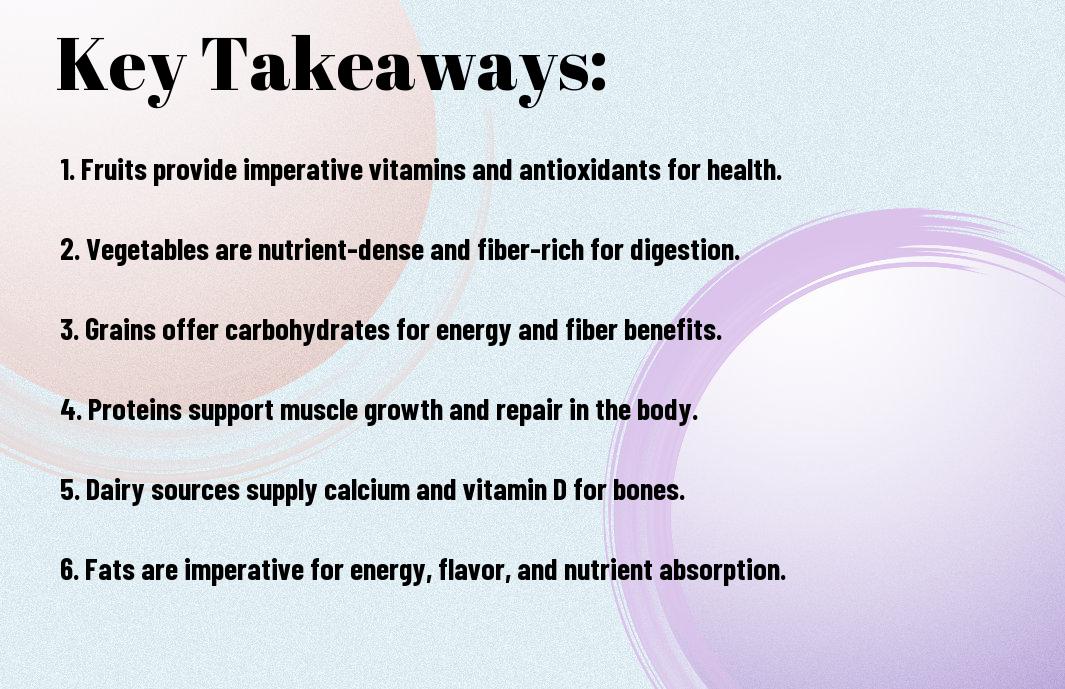
Key Takeaways:
- Food Type: Refers to the categorization of foods based on nutritional content and composition.
- Types of Food: Include macronutrients (carbohydrates, proteins, fats), micronutrients (vitamins, minerals), and functional foods (probiotics, antioxidants).
- Importance of Food Type: Helps individuals plan balanced diets, meet dietary requirements, and make informed food choices for optimal health and nutrition.

Defining Food Types
Before delving into the specifics of food types, it is crucial to understand what they encompass. Food types refer to the various categories into which different foods can be classified based on their characteristics. These classifications help in organizing and understanding the diverse range of foods available to us. Assume that by categorizing foods into types, it becomes easier to plan meals, ensure a balanced diet, and make informed food choices.
The Basics of Food Classification
Any discussion about food types begins with understanding the basics of food classification. Foods are typically classified based on their nutritional content, food group, and physical characteristics such as texture and taste. By categorizing foods in this way, it becomes easier to identify which nutrients are predominant in each type of food. This knowledge is crucial for ensuring that you are consuming a well-rounded and diverse diet that meets your body’s nutritional needs.
| Nutritional Content | Food Group |
| Carbohydrates | Fruits and Vegetables |
| Proteins | Grains and Cereals |
| Fats | Dairy Products | Vitamins and Minerals | Meat and Alternatives | Water | Fats and Oils |
Categories of Food Types
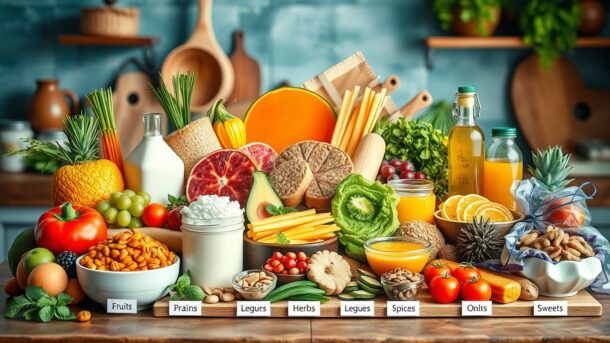
Food categories encompass a wide range of food types, each with its unique properties and characteristics. Understanding these categories can help you in making informed choices about your diet. After categorizing foods, you will find it easier to plan balanced meals and ensure that you are meeting your body’s nutritional requirements.
| Fruits | Vegetables |
| Grains | Proteins |
| Dairy | Fats and Oils |
| Sweets and Desserts | Beverages | Snacks | Condiments |
Food categories encompass a wide range of food types, each with its unique properties and characteristics. Understanding these categories can help you in making informed choices about your diet. After categorizing foods, you will find it easier to plan balanced meals and ensure that you are meeting your body’s nutritional requirements.
- By grouping foods into categories, you can easily identify which food types you need to include in your diet.
- Understanding food categories helps in creating diverse and balanced meals that provide your body with crucial nutrients.
- After categorizing foods, you will find it easier to plan meals and ensure that you are meeting your body’s nutritional requirements.
Plus
Your awareness of food types and categories is crucial for maintaining a healthy and balanced diet. By understanding the basics of food classification and familiarizing yourself with the various food categories, you can make informed choices that support your overall health and well-being. Plus, categorizing foods can help you create diverse and flavorful meals that cater to your nutritional needs.
| Balance Diet | Health |
| Weight Management | Nutritional Needs |
| Meal Planning | Flavorful Meals |
| Body’s Requirements | Well-being | Informed Choices | Diverse Diet |

Natural Food Types
Some foods that are considered natural can be categorized into different types based on their sources. In this chapter, we will explore the various natural food types, including plant-based foods and animal-based foods. Each type offers unique nutritional benefits that can contribute to a well-balanced diet.
Plant-Based Foods
Plant-based foods come from a variety of sources, such as fruits, vegetables, nuts, seeds, grains, and legumes. These foods are rich in important nutrients like vitamins, minerals, fiber, and antioxidants that are beneficial for your overall health. By incorporating a diverse range of plant-based foods into your diet, you can ensure that you are getting a wide array of nutrients to support your well-being.
| Fruits | Rich in vitamins and antioxidants |
| Vegetables | Excellent source of fiber and minerals |
| Nuts and Seeds | High in healthy fats and protein |
| Grains | Provide energy and important nutrients |
| Legumes | Good source of plant-based protein and fiber |
Animal-Based Foods
Animal-based foods include meat, poultry, fish, eggs, and dairy products. These foods are rich in high-quality protein, important amino acids, vitamins (such as B12), and minerals (such as iron and calcium) that are important for various bodily functions. By including a moderate amount of animal-based foods in your diet, you can meet your protein and micronutrient needs effectively.
Grains
This category includes foods like rice, wheat, oats, and corn. Grains are a significant source of carbohydrates, providing energy for your body to function properly. Whole grains, in particular, are rich in fiber, vitamins, and minerals, offering numerous health benefits such as improved digestion and reduced risk of chronic diseases. By choosing whole grains over refined grains, you can optimize your nutrient intake and promote overall wellness.
Processed Food Types
To understand processed food types, it’s crucial to recognize the various categories they fall into. Processed foods are often classified into packaged snacks, canned goods, frozen meals, and more. Here, we’ll break down each type to help you make informed decisions about your food choices.
- Packaged Snacks
- Canned Goods
- Frozen Meals
Assume that processed foods have undergone significant alterations from their original state, often including the addition of preservatives, sugars, and unhealthy fats.
Packaged Snacks
Types of packaged snacks can range from chips and cookies to granola bars and crackers. These snacks are typically high in salt, sugar, and unhealthy fats, making them convenient but not the healthiest choice for regular consumption.
| Sweet Snacks | Salty Snacks |
| Examples: cookies, candies, chocolate bars | Examples: chips, pretzels, cheese puffs |
| High in sugar and calories | High in sodium and unhealthy fats |
Canned Goods
Canned goods include items such as soups, vegetables, and fruits that have been preserved through canning. These products often contain added salts and sugars to enhance flavor and extend shelf life.
Canned goods are convenient for quick meal preparation but may have higher sodium content than fresh alternatives. Be mindful of choosing low-sodium options when incorporating canned goods into your diet.
The consumption of canned goods should be moderated to avoid excessive intake of added sugars and salts.
Frozen Meals
The variety of frozen meals available in the market is extensive, ranging from individual entrees to family-sized portions. These meals are convenient for busy days but can be high in sodium and preservatives.
The convenience of frozen meals comes at the cost of potentially sacrificing nutritional quality. When opting for frozen meals, prioritize those with lower sodium content and minimal additives to make healthier choices for your diet.
Snacks that are packed with sugars and unhealthy fats should be limited in your diet to maintain overall health and well-being. Opt for healthier snack alternatives like fresh fruits, nuts, and yogurt to fulfill your cravings while nourishing your body.
Cultural Food Types
After exploring the concept of food types, you must now probe into the rich and diverse world of Cultural Food Types. These types reflect the culinary traditions and practices of different societies around the globe. Perceiving the nuances in cultural food types allows you to appreciate the depth of flavors and stories behind each dish.
| Asian | Indian |
| Latin American | Middle Eastern |
| African | European |
Traditional Cuisine
To truly understand Cultural Food Types, you must first explore Traditional Cuisine. This category encompasses recipes and cooking techniques that have been passed down through generations within a specific culture. Each dish is a reflection of history, heritage, and local ingredients, creating a tapestry of flavors unique to that region.
Ethnic Specialties
Types of foods that fall under Ethnic Specialties are often symbolic of a particular culture or ethnicity. These dishes are deeply rooted in tradition and are celebrated for their authenticity and distinctiveness. As you explore Ethnic Specialties, you will encounter an array of flavors, spices, and ingredients that paint a vivid picture of the cultural identity they represent.
This exploration of Ethnic Specialties allows you to broaden your culinary horizons and gain a deeper appreciation for the diversity of food traditions around the world. Whether it’s sampling Mexican street tacos or savoring a traditional Ethiopian injera, each bite tells a story of heritage and culinary artistry.
Regional Delicacies
The Regional Delicacies category offers a deeper examine the specific flavors and dishes that define a particular geographical area. From the coastal seafood delights of the Mediterranean to the hearty stews of Eastern Europe, each region boasts its own unique culinary treasures. Exploring Regional Delicacies allows you to not only taste the local flavors but also understand the environmental influences and historical factors that have shaped these dishes over time.
Regional delicacies often play a significant role in cultural celebrations and rituals, showcasing the intricate relationship between food and community. By indulging in these regional specialties, you can truly experience the essence of a place through its most beloved dishes.
Functional Food Types
All food serves a purpose beyond just providing nutrition. Functional foods are a category of food that offer additional health benefits beyond basic nutrition. These foods are designed to improve health or well-being by providing specific nutrients or compounds. Recognizing the importance of functional foods can help you make informed choices about your diet.
| Nutraceuticals | Probiotics |
| Probiotics are live microorganisms that can provide health benefits when consumed in adequate amounts. These beneficial bacteria are commonly found in fermented foods like yogurt, kefir, and sauerkraut. Some studies suggest that probiotics can help improve digestion, boost the immune system, and even enhance mental health. | With more research emerging on the benefits of probiotics, you can find these live cultures added to various foods and supplements. Including probiotic-rich foods in your diet may help maintain a healthy gut microbiome and overall well-being. |
Nutraceuticals
Nutraceuticals are foods that provide medical or health benefits, including the prevention and treatment of disease. These foods are often enriched with vitamins, minerals, herbs, or other bioactive compounds that promote health and wellness. Incorporating nutraceuticals into your diet can help support overall health and may offer additional benefits beyond traditional foods.
Probiotics
Probiotics are beneficial bacteria that can improve gut health and overall well-being. Including probiotic-rich foods like yogurt, kefir, and kimchi in your diet can help maintain a healthy balance of microorganisms in the gut. These friendly bacteria can support digestion, boost the immune system, and contribute to better mental health. By adding probiotics to your daily routine, you can support your gut microbiome and promote a healthy lifestyle.
Fortified Foods
Foods that are fortified with additional nutrients are known as fortified foods. These products have important vitamins, minerals, or other nutrients added to enhance their nutritional value. Fortified foods can help address nutrient deficiencies and improve overall health. By including fortified foods in your diet, you can ensure you are getting important nutrients that may be lacking in your regular food choices.
A well-rounded diet that includes a variety of functional food types can help you meet your nutritional needs and support your overall health and well-being. By incorporating nutraceuticals, probiotics, and fortified foods into your meals, you can optimize your diet and enjoy the additional health benefits these foods provide.
Contemporary Food Types
Despite the traditional food types that have been consumed for centuries, modern times have seen the emergence of new and innovative food alternatives. These contemporary food types cater to a variety of preferences, including plant-based alternatives, lab-grown meat, and fermented foods.
- Plant-Based Alternatives
- Lab-Grown Meat
- Fermented Foods
| Plant-Based Alternatives | Lab-Grown Meat |
| Lab-Grown Meat | Fermented Foods |
| Fermented Foods |
Plant-Based Alternatives
For those looking to incorporate more plant-based options into their diet, plant-based alternatives are becoming increasingly popular. These alternatives include plant-based burgers, dairy-free milk, and meat substitutes made from ingredients like tofu, tempeh, and seitan. They offer a sustainable and ethical choice for those who are conscious about the environment and animal welfare.
Lab-Grown Meat
On the other hand, lab-grown meat, also known as cultured meat, is a revolutionary technology that involves growing meat from animal cells in a laboratory setting. This innovative approach aims to provide a more sustainable and ethical alternative to traditional meat production, reducing the environmental impact and addressing animal welfare concerns.
Food choices are evolving with the introduction of lab-grown meat, offering a solution to the ethical dilemmas surrounding meat consumption. As technology advances, lab-grown meat has the potential to become a mainstream option for consumers concerned about the environmental and ethical implications of traditional meat production.
Fermented Foods
Contemporary food types also include fermented foods, which have gained popularity for their health benefits and unique flavors. Fermented foods like kimchi, sauerkraut, kombucha, and kefir are rich in probiotics, which are beneficial for gut health. These foods undergo a fermentation process that not only preserves them but also enhances their nutritional value.
Another interesting aspect of fermented foods is their role in diversifying the microbiome, promoting a healthy balance of gut bacteria. Including fermented foods in your diet can contribute to improved digestion, immune function, and overall well-being. Incorporating these contemporary food types can add variety and nutritional value to your meals, offering a modern twist to traditional eating habits.
Conclusion
As a reminder, understanding food types is important for making informed choices about what you eat. By recognizing the different categories such as grains, fruits, vegetables, proteins, and fats, you can ensure a well-rounded diet that provides all the necessary nutrients for your body to thrive. Keep in mind, Michael Pollan’s famous advice to “Eat food, not too much, mostly plants” highlights the importance of focusing on whole, minimally processed foods for optimal health.
Incorporating a variety of food types into your meals can help you maintain a balanced diet and support your overall well-being. By paying attention to the types of foods you consume and making conscious choices to include a diverse range of nutrients, you can take control of your health and enjoy the benefits of a nourishing diet. So next time you sit down to a meal, remember the importance of food types and how they contribute to your health and vitality.
Q: What is a food type?
A: Food type refers to the classification of different foods based on shared characteristics such as taste, nutrient content, and preparation method.
Q: How are food types classified?
A: Food types are typically classified into groups such as fruits, vegetables, grains, proteins, and dairy. These categories help to simplify nutritional information and meal planning.
Q: Why is understanding food types important?
A: Understanding food types is important for maintaining a balanced diet and meeting nutritional needs. By incorporating a variety of food types into your meals, you can ensure that you are getting a wide range of important nutrients.