broccoli

Which vegetables go well with chicken

Carrots, dear reader, are just the beginning of the delightful possibilities when it comes to pairing vegetables with your succulent chicken dishes. Whether you’re roasting, grilling, or simmering your chicken to perfection, adding vegetables can elevate your meal to new heights. From vibrant bell peppers to tender asparagus, the choice is yours to create a colorful and nutritious feast that will have your taste buds singing with joy. So, grab your cutting board and let’s explore the wonderful world of vegetables that complement your chicken like a culinary symphony on your plate!

Key Takeaways:

  • Broccoli: Rich in vital vitamins and minerals, broccoli pairs well with chicken in stir-fries, casseroles, and salads.
  • Bell Peppers: Vibrant and flavorful, bell peppers add color and texture to chicken dishes like fajitas, kebabs, and stir-fries.
  • Zucchini: With a mild flavor and tender texture, zucchini can be grilled, roasted, or sautéed alongside chicken for a delicious and healthy meal.

Classic Combinations

Carrots and Peas: A Timeless Duo

Combinations like carrots and peas are a classic pairing that never goes out of style. The sweetness of the carrots complements the earthiness of the peas, creating a delightful flavor profile that enhances any chicken dish. Whether you’re making a comforting chicken pot pie or a flavorful stir-fry, adding carrots and peas will elevate your meal to a whole new level. So, next time you’re wondering what vegetables to pair with your chicken, remember that carrots and peas are a timeless duo that will never disappoint.

Onions and Bell Peppers: Sweet and Savory

Bell peppers and onions are a match made in culinary heaven. The sweetness of the bell peppers combined with the savory taste of the onions creates a delicious harmony of flavors that perfectly complement the rich taste of chicken. Whether you’re grilling, stir-frying, or roasting your chicken, adding this sweet and savory combination of onions and bell peppers will add depth and complexity to your dish. So, the next time you’re planning a chicken dinner, don’t forget to include onions and bell peppers for a burst of flavor that will leave your taste buds craving more.

To further enhance the dish, you can caramelize the onions and bell peppers before adding them to your chicken. This simple technique brings out the natural sweetness of the vegetables and adds a rich and deep flavor to your meal. Try sautéing them in butter or olive oil over low heat until they are soft, golden, and caramelized. This extra step will take your chicken dish to the next level and impress your family and friends with your culinary skills.

Leafy Greens Delight

Some of the best vegetables to pair with chicken are leafy greens. They not only add a pop of color to your dish but also provide crucial nutrients. Here are some delicious combinations to try:

Spinach and Garlic: A Flavorful Pairing

Flavorful and aromatic, spinach and garlic make a perfect pairing with chicken. The earthy flavor of spinach complements the savory taste of chicken, while garlic adds a burst of pungent goodness. Sautéed together, these ingredients create a rich and satisfying dish that is sure to please your taste buds.

Kale and Lemon: Brightening Up Your Dish

Your chicken dish will come alive with the vibrant combination of kale and lemon. The slightly bitter notes of kale are balanced by the zesty freshness of lemon, creating a bright and flavorful contrast. Whether you choose to sauté kale with lemon juice or add lemon zest to a kale salad, this duo is guaranteed to bring a newfound excitement to your meal.

Understanding the dynamic flavors of leafy greens like spinach and kale can help you elevate your chicken dishes to a whole new level. Experiment with different cooking techniques and seasonings to find the perfect balance that suits your palate. With these versatile ingredients, you can create delicious and healthy meals that will leave you coming back for more.
Cruciferous Vegetables Unite

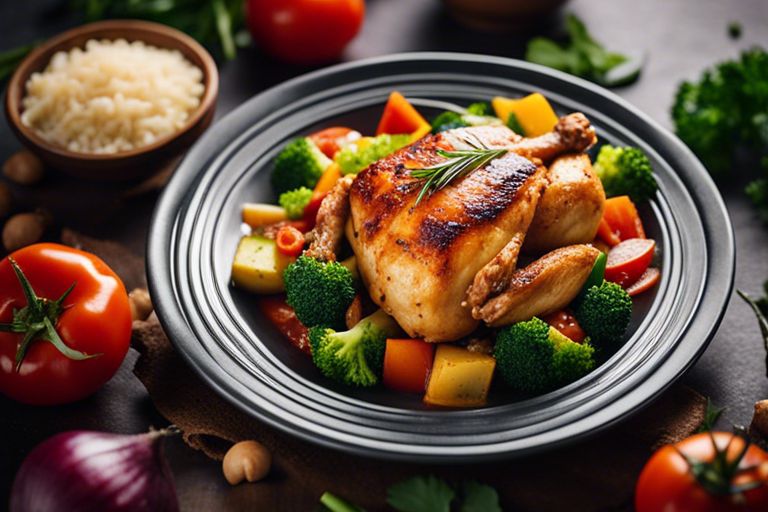
Unlike some vegetables that may overpower the delicate flavor of chicken, cruciferous vegetables offer a perfect balance of taste and texture. They can withstand the bold flavors of chicken while adding their unique twist to the dish.

Broccoli and Cauliflower: A Healthy Match

Vegetables such as broccoli and cauliflower complement chicken dishes perfectly. These cruciferous vegetables retain their crunch even when cooked, adding a satisfying texture to your meal. Packed with vital vitamins and antioxidants, they not only enhance the flavor but also boost the nutritional value of your dish.

Brussels Sprouts and Bacon: A Savory Surprise

Any fan of savory flavors will appreciate the combination of Brussels sprouts and bacon with chicken. The smoky richness of bacon perfectly balances the slight bitterness of Brussels sprouts, creating a mouthwatering medley of flavors. When roasted together, these ingredients create a satisfying dish that will leave you wanting more.

Plus, Brussels sprouts are high in fiber and vitamins, making them a wholesome addition to your chicken recipe. The added crunch and depth of flavor from the bacon elevate this dish to a gourmet level, perfect for a cozy dinner at home or entertaining guests.

Root Vegetables Take Center Stage

Many root vegetables pair beautifully with chicken, adding depth and heartiness to your dish. One classic combination is potatoes and rosemary, where the earthy flavors of the potatoes are complemented by the aromatic notes of fresh rosemary.

Potatoes and Rosemary: Earthy and Aromatic

On those cozy evenings when you’re craving comfort food, consider roasting chicken with potatoes and rosemary. The potatoes absorb the savory juices from the chicken, while the rosemary infuses the dish with a delightful fragrance that fills your kitchen. The result is a simple yet satisfying meal that is sure to become a household favorite.

Sweet Potatoes and Sage: A Delicious Twist

Any chicken recipe can be elevated by incorporating sweet potatoes and sage into the mix. The natural sweetness of the potatoes pairs harmoniously with the earthy, peppery flavor of sage, creating a delicious twist on a classic dish. Whether you choose to roast, mash, or sauté them, sweet potatoes and sage will add a unique and flavorful dimension to your chicken dinner.

The next time you’re in the mood for a hearty and delicious meal, try incorporating sweet potatoes and sage into your chicken dish. You’ll be delighted by the rich flavors and inviting aromas that this combination brings to the table. The sweet, earthy taste of the sweet potatoes, along with the warm, woodsy essence of sage, will take your culinary skills to new heights and impress your family and friends.

Colorful Medley

Despite the numerous possibilities, choosing the perfect vegetable side dish to complement your chicken can sometimes be a daunting task. If you need some inspiration, check out this 31 Delicious Side Dishes for Your Chicken Dinner guide for some creative ideas.

Cherry Tomatoes and Basil: Fresh and Vibrant

Vibrant cherry tomatoes paired with fragrant basil create a refreshing and colorful side dish that perfectly complements the rich flavors of chicken. The burst of sweetness from the tomatoes paired with the herbaceous notes of basil adds a fresh and vibrant element to your meal. This simple yet elegant combination is a sure way to impress your guests and elevate your dining experience.

Zucchini and Yellow Squash: A Summer Delight

Medley zucchini and yellow squash are a match made in heaven when it comes to summer dining. The tender texture and mild flavor of these vegetables make them a versatile choice for pairing with chicken. Whether you sauté them with a touch of garlic and olive oil or grill them to perfection, zucchini and yellow squash add a light and refreshing element to your meal. The subtle sweetness of these veggies will complement the savory notes of your chicken, creating a well-rounded and satisfying dish.
Mushrooms Add an Earthy Touch

Now, when you’re thinking about which vegetables to pair with your chicken, don’t forget the earthy and savory flavor of mushrooms. Mushrooms are a versatile ingredient that can add depth and richness to your chicken dishes. They complement chicken beautifully and are perfect for adding that extra layer of flavor to your meals. If you’re looking for some inspiration on how to incorporate mushrooms into your chicken recipes, check out this helpful guide on Veggies with your chicken: recipes and inspiration!

Button Mushrooms and Thyme: Classic Comfort

The combination of button mushrooms and thyme is a classic pairing that brings warmth and comfort to your chicken dishes. The earthiness of the mushrooms blends perfectly with the aromatic notes of thyme, creating a cozy and satisfying flavor profile. Whether you’re simmering them together in a stew, roasting them in the oven, or sautéing them for a quick stir-fry, this duo never fails to deliver a delicious meal that will leave you feeling nourished and content.

Cremini Mushrooms and Parsley: Elevating the Dish

Mushrooms, particularly cremini mushrooms, paired with fresh parsley can elevate your chicken dish to a whole new level. The earthy undertones of cremini mushrooms combined with the bright, herbaceous flavor of parsley create a sophisticated and well-balanced taste. Whether you’re creating a creamy mushroom sauce to smother your chicken or adding sautéed mushrooms and parsley as a flavorful topping, this combination adds a touch of elegance to your meal.

Elevating your dishes with the addition of cremini mushrooms and parsley not only enhances the flavor but also brings a visually appealing element to your plate. The earthy tones of the mushrooms and the vibrant green of the parsley create a beautiful contrast that will make your chicken dish look as good as it tastes.

To wrap up

Ultimately, the key to enhancing the flavor of chicken with vegetables is to experiment and find combinations that suit your taste preferences. Whether you prefer the classic pairing of carrots and green beans, or you’re feeling adventurous with asparagus and cherry tomatoes, the possibilities are endless. Remember to consider the cooking method, seasonings, and textures to create a well-balanced meal that will delight your taste buds. As Julia Child famously said, “The only real stumbling block is fear of failure. In cooking you’ve got to have a what-the-hell attitude.”

FAQ

Q: Which vegetables go well with chicken?

A: Some vegetables that pair well with chicken include:

  • Broccoli
  • Carrots
  • Bell peppers
  • Zucchini
  • Asparagus

Q: How should I cook vegetables with chicken?

A: You can cook vegetables with chicken in various ways such as roasting, stir-frying, grilling, or steaming. Experiment with different cooking methods to find your favorite flavor combinations.

Q: Any recipe suggestions for chicken and vegetable dishes?

A: Yes! You can try making a simple chicken stir-fry with a mix of colorful vegetables and soy sauce. Another option is to roast chicken and vegetables with herbs like rosemary and thyme for a flavorful meal.
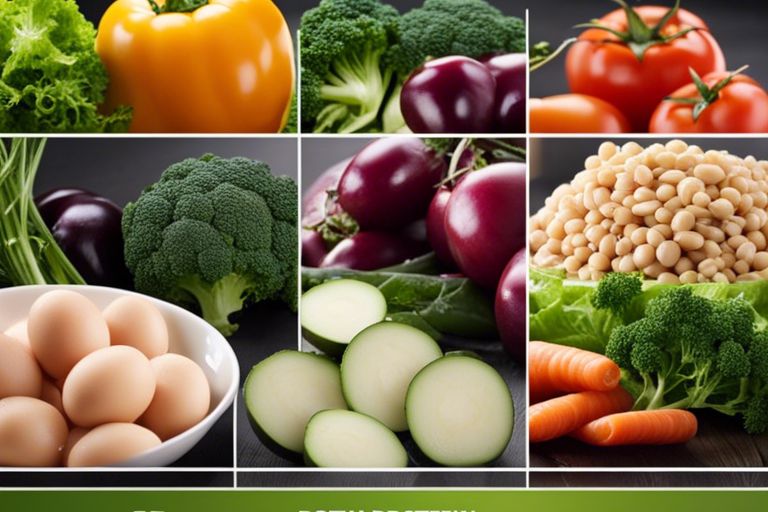
What vegetables are high in protein

It’s vital to know which vegetables pack a protein punch for your balanced diet. Michael Pollan’s wisdom on food and nutrition can guide you in choosing plant-based sources rich in protein. Learn about the top vegetables that can boost your protein intake and contribute to a healthier you.

Key Takeaways:

  • Lentils: A great source of plant-based protein, with approximately 9 grams of protein per half cup serving.
  • Edamame: Contains around 8.5 grams of protein per half cup serving and is also rich in fiber and vitamins.
  • Chickpeas: Also known as garbanzo beans, these legumes pack about 7.25 grams of protein per half cup serving.

Protein-Rich Vegetables Overview

Importance of Protein in a Plant-Based Diet

A diet rich in protein is necessary for overall health and well-being. Protein helps build and repair tissues in the body, supports immune function, and plays a crucial role in enzyme and hormone production. When following a plant-based diet, it’s important to ensure you are consuming an adequate amount of protein to meet your daily nutritional needs.

Debunking the Myth: Vegetables as a Poor Source of Protein

Contrary to popular belief, vegetables can be a great source of protein. While they may not contain as much protein per serving as animal products, many vegetables are still packed with necessary amino acids and nutrients that contribute to your protein intake. Incorporating a variety of protein-rich vegetables into your meals can help you meet your protein requirements and maintain a balanced diet.

To debunk the myth that vegetables are a poor source of protein, consider including vegetables like broccoli, spinach, peas, and edamame in your meals. These vegetables are not only delicious but also offer a significant amount of protein per serving. By incorporating a diverse range of vegetables into your diet, you can ensure you are consuming an adequate amount of protein to support your health and well-being.

Leafy Greens

Spinach: A Protein Powerhouse

One leafy green vegetable that stands out for its protein content is spinach. Not only is spinach rich in vitamins and minerals, but it also packs a protein punch. Adding spinach to your salads, smoothies, or cooked dishes can help increase your protein intake while enjoying its delicious taste.

Kale: A Close Second in Protein Content

An excellent alternative to spinach is kale, which comes in a close second in terms of protein content. Kale is not only versatile but also a nutritional powerhouse, providing necessary nutrients like iron, vitamin C, and calcium in addition to protein. Including kale in your diet can benefit your overall health and keep your protein levels in check.

Plus, kale is easy to incorporate into your meals, whether sautéed, blended into a smoothie, or baked as kale chips. Its slightly bitter taste adds a unique flavor dimension to your dishes, making it a versatile option for boosting your protein intake.

Collard Greens: A Nutrient-Dense Option

An often overlooked leafy green, collard greens are another great vegetable high in protein. Collard greens are not only packed with protein but also contain fiber, vitamins A, K, and C, and minerals like calcium and manganese. Incorporating collard greens into your diet can provide a nutrient-dense option to support your protein needs and overall health.

Option: Try adding sautéed collard greens to your stir-fries, soups, or as a side dish to your protein source for a delicious and nutritious meal. The versatility and nutritional value of collard greens make them a fantastic addition to your protein-rich vegetable options.

Cruciferous Vegetables

Broccoli: A Protein-Rich Cancer Fighter

To maximize the protein content in your diet, turn to broccoli, a cruciferous vegetable that packs a powerful nutritional punch. Not only is broccoli low in calories, making it a great option for weight management, but it is also high in protein, aiding in muscle repair and growth. In addition to its protein content, broccoli is rich in vitamins, minerals, and antioxidants, making it a cancer-fighting superstar. Including broccoli in your meals regularly can help boost your protein intake while supporting overall health.

Cauliflower: A Low-Calorie, High-Protein Option

To add a low-calorie, high-protein option to your plate, consider incorporating cauliflower into your meals. Cauliflower is not only versatile but also a great source of plant-based protein. With its mild flavor, cauliflower can be easily added to stir-fries, salads, and even blended into a creamy soup for a nutritious boost. Packed with fiber, vitamins, and minerals, cauliflower is a fantastic choice for those looking to increase their protein intake without consuming excess calories.

ProteinRich Cauliflower is a cruciferous vegetable that provides an impressive amount of protein per serving, making it a valuable addition to vegetarian and plant-based diets. With around 2 grams of protein per cup, cauliflower can help you reach your daily protein goals while keeping your meals light and satisfying.

Brussels Sprouts: A Nutrient-Dense Snack

Cruciferous Brussels sprouts are not only a delicious addition to your meals but also a nutrient-dense snack that can help boost your protein intake. These small, cabbage-like vegetables are rich in protein, fiber, vitamins, and minerals, making them a must-have in your diet. Whether roasted, steamed, or sautéed, Brussels sprouts are a versatile and flavorful way to add more protein to your day.

Sprouts Brussels sprouts are particularly high in protein compared to other vegetables, making them an excellent choice for vegetarians and vegans looking to meet their protein needs. With over 3 grams of protein per cup, Brussels sprouts can contribute to muscle repair and growth while keeping you feeling full and satisfied.

Root Vegetables

Not all protein-rich vegetables come in the form of leafy greens or legumes; root vegetables also pack a protein punch. These nutrient-dense veggies can be a great addition to your diet for a boost in protein content.

Beets: A Sweet and Savory Protein Source

To start, beets are not only vibrant and delicious but also provide a surprising amount of protein. Their rich, earthy flavor makes them a versatile ingredient in both savory and sweet dishes. You can enjoy beets roasted, steamed, or even pickled for a tasty protein source that adds a pop of color to your plate.

Sweet Potatoes: A Complex Carb with a Protein Boost

An excellent source of complex carbohydrates, sweet potatoes are also surprisingly rich in protein. This nutrient-dense root vegetable not only satisfies your carb cravings but also provides a protein boost to help you stay fuller for longer. Enjoy sweet potatoes baked, mashed, or roasted for a delicious and nutritious addition to your meals.

An imperative thing to note about sweet potatoes is that they are also high in fiber, vitamins, and minerals, making them a well-rounded addition to any diet.

Carrots: A Crunchy and Protein-Rich Snack

Understanding that carrots are not just for rabbits, you can incorporate these crunchy veggies into your diet for a protein-rich snack option. Carrots are not only low in calories but also contain a decent amount of protein, making them a satisfying and nutritious snack choice.

An easy way to enjoy carrots as a protein-rich snack is to pair them with hummus or your favorite nut butter for a balanced and filling treat.

Plus, carrots are packed with antioxidants and imperative nutrients like vitamin A, making them a great choice for supporting overall health and well-being.

Allium Vegetables

Many Allium vegetables are not only flavorful additions to your dishes but also surprisingly high in protein. Here are some of the protein-rich options within this vegetable group:

Garlic: A Flavorful and Protein-Rich Addition

To boost the protein content of your meals, consider adding garlic. Despite its small size, garlic packs a protein punch along with its renowned taste. Incorporating garlic into your dishes not only enhances the flavor but also provides you with an extra protein boost.

Onions: A Pungent and Nutrient-Dense Option

Nutrient-Dense Onions are a versatile and nutrient-dense option to incorporate into your meals. They not only add depth and flavor to your dishes but also provide a good amount of protein. With their myriad of varieties, you can choose from red, white, yellow, or sweet onions to suit your taste preferences and increase your protein intake.

With Onions being a staple in many culinary traditions, they are an excellent choice for boosting the protein content of your dishes. Whether sautéed, caramelized, or enjoyed raw in salads, incorporating onions into your meals is a simple and delicious way to increase your protein consumption.

Shallots: A Mild and Protein-Rich Flavor Enhancer

Addition Shallots, with their mild flavor profile, are another protein-rich option to consider incorporating into your cooking. Despite their small size, shallots pack a good amount of protein, making them a valuable addition to your dishes for both taste and nutrition purposes.

Understanding that shallots can be a great way to enhance the protein content of your meals can inspire you to experiment with these versatile vegetables in various recipes. Whether used in dressings, sauces, or as a topping, shallots can elevate the protein content of your dishes while adding a unique flavor profile.

Other High-Protein Vegetables

Mushrooms: A Fungi-Based Protein Source

Source: Your exploration of protein-rich vegetables should include mushrooms. While not a vegetable in the traditional sense, mushrooms are fungi that offer a unique and savory umami flavor to your dishes. They are a great source of protein, especially for those following a plant-based diet. Some varieties like shiitake and oyster mushrooms are known to have higher protein content compared to others.

Corn: A Protein-Rich Grain

Mushrooms: Another surprising vegetable with high protein content is corn. This staple grain is often underestimated for its protein content, but it can be a valuable addition to your diet. Corn is not only delicious and versatile but also provides a decent amount of protein per serving.

Another imperative aspect to consider about corn is that it is a complete protein when combined with beans or legumes. This means that when you pair corn with another plant-based protein source like black beans, you create a wholesome and nutritious meal that contains all the imperative amino acids your body needs.

Peas: A Legume with a High Protein Content

One vegetable you shouldn’t overlook when seeking high-protein options is peas. These tiny green gems pack a surprising amount of protein for their size. Whether you opt for fresh peas in the pod, frozen peas, or even pea protein powder, you can easily incorporate this legume into various dishes to boost your protein intake.

It’s worth noting that peas are not only rich in protein but also high in fiber and other imperative nutrients like vitamin C and vitamin K. So, adding peas to your meals not only increases the protein content but also contributes to a well-rounded and nutritious diet.

Final Words

Summing up, understanding which vegetables are high in protein can be beneficial for incorporating more plant-based sources of this necessary nutrient into your diet. By including protein-rich vegetables such as spinach, broccoli, and Brussels sprouts in your meals, you can increase your protein intake while enjoying the many health benefits that these vegetables offer. To learn more about the top 10 high-protein vegetables and how to incorporate them into your diet, check out High protein vegetables: The top 10 and how to eat them.

FAQ

Q: What vegetables are high in protein?

A: Some vegetables that are high in protein include edamame, lentils, chickpeas, black beans, and spinach. These vegetables are great sources of plant-based protein.

Q: How can I incorporate high-protein vegetables into my diet?

A: You can incorporate high-protein vegetables into your diet by adding them to salads, soups, stir-fries, and wraps. You can also blend them into smoothies or make veggie burgers with them.

Q: Are high-protein vegetables suitable for vegetarians and vegans?

A: Yes, high-protein vegetables are suitable for vegetarians and vegans as they provide a plant-based source of protein. They can help meet your daily protein requirements without consuming animal products.

Skip to content