Bacteria

Which bacteria causes food poisoning

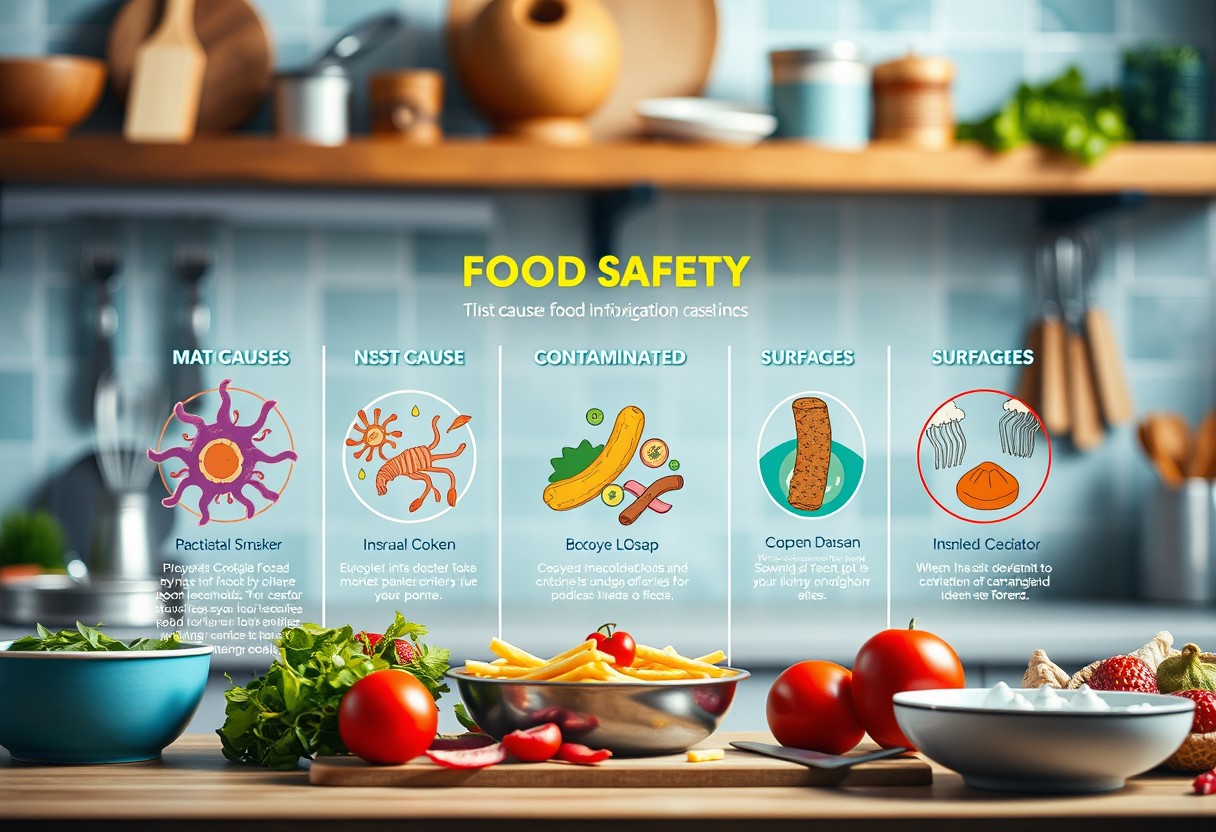
Over time, you may have experienced the discomfort of food poisoning, but do you know which bacteria are responsible for it? Understanding the common culprits can help you make safer food choices and prevent illness. This post explores the primary bacterial pathogens that cause foodborne illness, their sources, and how you can reduce your risk of exposure. By knowing the facts, you empower yourself to protect your health and that of your loved ones.

Key Takeaways:

  • Common pathogens: The primary bacteria that cause food poisoning include Salmonella, Escherichia coli (E. coli), and Listeria monocytogenes.
  • Sources of contamination: These bacteria can be found in improperly cooked meats, unpasteurized dairy products, and contaminated fruits and vegetables.
  • Symptoms and prevention: Food poisoning symptoms can range from nausea and vomiting to severe diarrhea; prevention includes proper food handling, cooking, and storage practices.

Common Bacteria Responsible for Food Poisoning

Your awareness of the common bacteria responsible for food poisoning is necessary for reducing risk. Bacteria such as Salmonella, Escherichia coli (E. coli), Listeria monocytogenes, and Campylobacter frequently cause foodborne illnesses. Understanding their symptoms and causes can help you take preventive measures. For more information, check the Symptoms & Causes of Food Poisoning – NIDDK.

Salmonella

Around 1.35 million infections occur yearly in the U.S. due to Salmonella, primarily found in raw poultry, eggs, and unwashed vegetables. Its symptoms usually manifest within six hours to six days after exposure.

Escherichia coli (E. coli)

For many, E. coli triggers severe gastrointestinal distress, typically sourced from undercooked ground beef, unpasteurized milk, or contaminated produce.

Responsible for an estimated 265,000 infections annually in the U.S., E. coli can cause serious complications like hemolytic uremic syndrome (HUS) in vulnerable populations, including children and the elderly. Proper cooking and hygiene practices significantly help reduce infection risks.

Listeria monocytogenes

At considerable risk is Listeria, often found in deli meats, unpasteurized dairy, and ready-to-eat foods. It can cause severe illness and complications during pregnancy.

Hence, Listeria is especially concerning due to its ability to grow in refrigerated environments and cause serious infections. Pregnant women, newborns, older adults, and individuals with weakened immune systems are most susceptible, emphasizing the importance of food safety practices during food preparation and storage.

Campylobacter

To many, Campylobacter is recognized as a leading cause of bacterial gastroenteritis. It is typically found in undercooked poultry and untreated water.

Poisoning from Campylobacter is often associated with consuming contaminated food or beverages, leading to diarrhea, fever, and abdominal cramps. Ensuring thorough cooking of poultry and practicing good kitchen hygiene can minimize the risk of infection.

Symptoms of Food Poisoning

Once again, it’s important to be aware of the various symptoms signaling food poisoning. These can range from mild discomfort to severe distress, typically manifesting within hours or days after consuming contaminated food. You may experience nausea, vomiting, diarrhea, abdominal cramps, and fever, all of which indicate your body is reacting to harmful bacteria or toxins. Understanding these symptoms can help you take the right steps towards recovery and prevention.

Gastrointestinal Symptoms

Beside the general discomfort, gastrointestinal symptoms are the most common indicators of food poisoning. You may experience frequent episodes of diarrhea, vomiting, and intense abdominal cramps, which can leave you feeling dehydrated and weak. These symptoms usually arise as your body attempts to rid itself of the harmful agents ingested.

Systemic Symptoms

An understanding of systemic symptoms is equally vital, as they indicate a more severe reaction to the foodborne illness. You might experience fever, chills, fatigue, and headaches, which are responses your body uses to fight off the infection. These symptoms can be debilitating and require attention to ensure that your overall health is not compromised.

With systemic symptoms, it is vital to monitor your overall condition. If you notice signs of severe dehydration or high fever lasting more than a couple of days, consider seeking medical attention. Your immune system works hard during food poisoning, and paying attention to systemic responses can help you gauge the seriousness of your symptoms. Be vigilant about hydration and aim to rest your body for swift recovery.

Transmission and Risk Factors

Unlike many other illnesses, food poisoning often spreads through specific bacteria that thrive in particular environments. Key risk factors include the following:

  • Improper food storage
  • Undercooked meats and eggs
  • Unwashed fruits and vegetables
  • Cross-contamination between raw and cooked foods
  • Inadequate personal hygiene

Any of these factors can significantly increase your chances of contracting foodborne illness.

Contaminated Food Sources

Risk starts with identifying contaminated food sources, as these can harbor the bacteria responsible for food poisoning. Common sources include undercooked or raw meat, unpasteurized dairy products, and contaminated produce. You should be aware that these foods may not always appear spoiled but can still carry harmful microorganisms.

Poor Handling Practices

Poor handling practices often lead to harmful bacteria entering your food supply. You may unknowingly contribute to contamination by not washing your hands after handling raw foods or using the same cutting board for different ingredients without proper cleaning.

In fact, many food poisoning cases stem from neglecting basic food safety measures. By using separate utensils for raw and cooked foods, keeping your kitchen surfaces cleaned frequently, and ensuring proper handwashing, you can greatly decrease the risk of introducing harmful bacteria into your meals. Taking these simple steps can protect both your health and the well-being of others who may consume your food.

Diagnosis of Food Poisoning

For an accurate diagnosis of food poisoning, healthcare providers will often rely on a combination of laboratory tests and clinical assessments. It’s important for you to provide detailed information about your symptoms, the timeline of their onset, and any potential sources of contaminated food. This comprehensive approach helps in identifying the specific bacteria responsible, enabling quicker and more effective treatment.

Laboratory Testing

Around the world, laboratory testing plays a vital role in confirming cases of food poisoning. This includes analysis of stool samples, which can reveal the presence of harmful bacteria or toxins. In some situations, food samples may also be tested to identify any pathogens that may have caused the illness.

Clinical Assessment

Poisoning that leads to foodborne illness is often diagnosed based on a thorough clinical assessment. Your healthcare provider will evaluate your symptoms, medical history, and possible exposures to contaminated food. They may ask about the type of food consumed, how it was prepared, and any similar illnesses in those who shared the meal with you.

Further insights from your clinical assessment can significantly enhance the accuracy of the diagnosis. By discussing your symptoms and the duration of your illness, you provide important clues that assist healthcare professionals in identifying potential pathogens. Additionally, they may perform physical examinations to check for signs of dehydration or other complications, which aid in determining the severity of your condition and the best course of action for treatment.

Prevention Strategies

All food safety precautions are important in reducing your risk of food poisoning. To keep your meals safe, wash your hands before handling food, keep your kitchen surfaces clean, and store food at safe temperatures. Avoid cross-contamination by using different cutting boards for raw meats and vegetables. When cooking, ensure that foods reach the proper internal temperature to eliminate harmful bacteria. These simple yet effective methods help you safeguard your meals and maintain good health.

Food Safety Practices

About practicing food safety is vital in your kitchen. Always defrost food in the refrigerator, avoid leaving perishable items out for too long, and thoroughly wash fruits and vegetables before consuming. By incorporating these practices into your cooking routine, you effectively minimize the chances of foodborne illness.

Public Health Guidelines

Between your personal food handling and government recommendations, public health guidelines play a significant role in preventing food poisoning. Following these guidelines means you understand the importance of safety standards, labeling practices, and food recalls. Staying informed about local food safety alerts can further protect you and your community.

It is important to pay attention to public health guidelines issued by local health authorities. These guidelines provide information on safe food storage, preparation, and handling practices that you should follow. Staying updated on food recalls, guidance for specific food types, and safe consumption practices helps ensure you prioritize your health and well-being. By adhering to these recommendations, you contribute to a safer food environment not only for yourself but also for those around you.

Treatment Options

Keep in mind that treating food poisoning focuses on relieving symptoms and preventing complications. Most cases resolve on their own, but supportive care is vital. You should ensure that you stay hydrated and replenish lost fluids, especially if you are experiencing vomiting or diarrhea. In some instances, you may need to consult a healthcare provider for more targeted treatments.

Hydration and Rest

With food poisoning, your body loses vital fluids, making hydration crucial. You should focus on drinking clear fluids, like oral rehydration solutions, broth, or electrolyte drinks. Resting allows your body to recover and heal more effectively, so don’t hesitate to take a break while you recover.

Medical Interventions

An evaluation by a healthcare professional may be necessary, especially if your symptoms are severe or prolonged. They might recommend medications to relieve symptoms or specific treatments based on the bacteria causing your food poisoning.

Interventions can vary depending on the severity of your condition and the bacteria involved. In some cases, antibiotics may be prescribed if a bacterial infection is detected, while anti-nausea medications can help manage persistent vomiting. Always ensure to follow your healthcare provider’s recommendations regarding any medications and follow-up care. Seeking prompt medical attention can also help identify any complications, ensuring your recovery is both thorough and efficient.

Summing up

Presently, when considering food poisoning, you should be aware that several bacteria can be responsible, including Salmonella, E. coli, Listeria, and Campylobacter. Each of these pathogens can proliferate in improperly stored or cooked food, leading to various symptoms ranging from mild to severe illness. Understanding which bacteria are most common in your food supply can help you take the necessary precautions to avoid contamination, ensuring your meals are both safe and enjoyable.

FAQ

Q: What are the most common bacteria that cause food poisoning?

A: The most common bacteria responsible for food poisoning include Salmonella, Escherichia coli (E. coli), Listeria monocytogenes, Campylobacter, and Staphylococcus aureus. Each of these bacteria can contaminate food and lead to various gastrointestinal symptoms ranging from mild discomfort to severe illness.

Q: How does Salmonella cause food poisoning?

A: Salmonella bacteria usually live in the intestinal tract of animals and humans. Food can become contaminated through handling raw meat or eggs, consuming undercooked food, or cross-contamination with other foods or surfaces. Symptoms of Salmonella food poisoning can include diarrhea, fever, abdominal cramps, and vomiting, typically occurring 6 hours to 6 days after infection.

Q: What are the symptoms of food poisoning caused by E. coli?

A: Food poisoning caused by E. coli can result in severe stomach cramps, diarrhea (which may be bloody), vomiting, and sometimes a low-grade fever. Symptoms usually appear 3 to 4 days after exposure to the bacteria, but they can vary. Certain strains, like E. coli O157:H7, can lead to serious complications such as hemolytic uremic syndrome.

Q: What is the risk associated with Listeria monocytogenes?

A: Listeria monocytogenes is particularly dangerous for pregnant women, newborns, older adults, and individuals with weakened immune systems. It can be found in improperly processed deli meats, unpasteurized dairy products, and raw vegetables. Symptoms may include fever, muscle aches, nausea, and diarrhea. In severe cases, it can lead to meningitis or miscarriage.

Q: How can food contamination with Campylobacter occur?

A: Campylobacter is often found in raw or undercooked poultry, unpasteurized milk, and contaminated water. Contamination can happen through improper cooking, cross-contamination from raw meats, or consuming contaminated food and water. Symptoms usually appear within 2 to 5 days after exposure and include diarrhea (often bloody), fever, and abdominal cramps.

What causes food poisoning in 30 minutes

Contamination of food can occur at any stage, leading to food poisoning that can manifest in as little as 30 minutes after ingestion. You may experience symptoms like nausea, vomiting, and diarrhea shortly after consuming contaminated foods, which can be caused by bacteria, viruses, or parasites. Understanding the specific sources and causes of foodborne illnesses is crucial for protecting your health. For more insights on recovery, check out Food poisoning: How to make the recovery ….

Key Takeaways:

  • Bacteria: Many cases of food poisoning are caused by harmful bacteria like Salmonella, E. coli, and Listeria, which can proliferate in improperly stored food.
  • Viruses: Norovirus is a leading cause of viral foodborne illness, often spreading through contaminated food, surfaces, or close contact with infected individuals.
  • Parasites: Foods can also be contaminated with parasites such as Giardia and Trichinella, leading to gastrointestinal distress when consumed.
  • Cross-contamination: This occurs when raw foods, especially meats, come into contact with other foods or surfaces, transferring harmful pathogens.
  • Poor hygiene: Inadequate washing of hands, cooking utensils, and surfaces can introduce bacteria and viruses into food, increasing the risk of food poisoning.

Common Sources of Food Poisoning

For anyone who enjoys eating, understanding the common sources of food poisoning is crucial to protecting yourself from illness. Many foods can harbor harmful bacteria, viruses, or parasites that can cause foodborne illnesses.

Contaminated Water

Water can often be a hidden source of foodborne pathogens. Whether through irrigation practices or improper sanitation, contaminated water can infiltrate your food supply. If you consume water that has not been properly treated, you may be exposing yourself to harmful microorganisms.

Undercooked Foods

Any form of food that isn’t cooked thoroughly can pose a risk for food poisoning. Undercooked meat, poultry, eggs, or seafood can harbor dangerous bacteria, such as Salmonella or E. coli. Ensuring that you cook your food to the recommended temperatures helps minimize your risk of illness.

A common occurrence in home kitchens is cooking meat and poultry to a visually appealing state without checking internal temperatures. This can lead to undercooked areas that are still unsafe to eat. Using a food thermometer is imperative to guarantee that your food reaches safe temperatures, protecting you from potential pathogens.

Raw Produce

With an increasing emphasis on healthy eating, raw produce like fruits and vegetables are frequently consumed. However, these foods can also carry bacteria if not washed or handled properly. Contaminated soil, water, or handling greatly increases the risk of foodborne illness.

Contaminated produce is often overlooked as a source of food poisoning. Many people wash their fruits and vegetables but may neglect to do so thoroughly. You should always rinse your produce under running water and consider peeling or cooking them when possible. This will help you avoid ingesting harmful pathogens that may have made their way into your diet.

Bacteria and Viruses

Even the most careful of eaters can fall victim to food poisoning, especially when bacteria and viruses are involved. Understanding the pathogens that cause illness can equip you with the knowledge to prevent it. For more detailed information on Food Poisoning, consider exploring medical resources and food safety guidelines.

Common Bacterial Pathogens

Common bacterial pathogens responsible for food poisoning include Salmonella, E. coli, and Listeria. These bacteria can contaminate a variety of food items, from undercooked meats to unwashed vegetables, making it crucial for you to practice safe food handling to minimize your risk of infection.

Viruses that Cause Foodborne Illness

The viruses that commonly cause foodborne illness include Norovirus and Hepatitis A. These pathogens can spread through contaminated food or water and can also be contracted through close contact with infected individuals.

With Norovirus, even a small amount can lead to severe gastrointestinal distress, making it one of the leading causes of foodborne outbreaks. Hepatitis A, on the other hand, poses a risk not only through food but also through contaminated surfaces and improper sanitation. Being vigilant about the sources of your food and maintaining proper hygiene can greatly reduce your chances of contracting these viruses.

Risk Factors for Food Poisoning

Once again, understanding the risk factors associated with food poisoning can help you avoid potential dangers. Being aware of these factors is crucial in ensuring your meals are safe. Here are some common risk factors:

  • Improper food storage temperatures
  • Cross-contamination between raw and cooked foods
  • Poor personal hygiene while handling food
  • Consuming undercooked or raw foods
  • Inadequate cleaning of cooking utensils and surfaces

After identifying these risk factors, you can take proactive steps to mitigate your chances of foodborne illness.

Unsafe Food Preparation Practices

Risk factors often stem from unsafe food preparation practices, which include failing to wash your hands, not using separate cutting boards for raw meat and vegetables, and not cooking foods to their recommended temperatures. Each practice may seem minor, but they collectively increase the risk of contaminating your food with harmful bacteria.

Vulnerable Populations

Vulnerable populations, such as children, the elderly, pregnant women, and individuals with weakened immune systems, are at a higher risk of experiencing severe complications from food poisoning. Their bodies may not be able to effectively fight off infections, making even mild cases of foodborne illness more serious for them.

Populations particularly affected may experience longer recovery times or more severe symptoms due to their compromised health status. It’s imperative for you to be vigilant when cooking and serving food to these groups, ensuring that all food safety guidelines are strictly followed to prevent any instances of food poisoning.

Prevention Strategies

Despite the prevalence of foodborne illnesses, you can significantly reduce your risk of food poisoning by implementing effective prevention strategies in your kitchen.

Safe Food Handling Techniques

With the right food handling techniques, you can minimize the chances of food contamination. Always wash your hands and surfaces often, keep raw foods separate from ready-to-eat items, and use clean utensils for serving.

Importance of Cooking Temperatures

Cooking your food to the appropriate temperatures is crucial for killing harmful bacteria. Below is a table summarizing safe minimum cooking temperatures for various foods.

Safe Minimum Cooking Temperatures

Food Item Minimum Internal Temperature
Poultry (chicken, turkey) 165°F (74°C)
Ground meats (beef, pork) 160°F (71°C)
Beef, pork, lamb (steaks, roasts) 145°F (63°C)
Fish and shellfish 145°F (63°C)

Cooking food to the appropriate internal temperatures is vital for ensuring that harmful bacteria are killed and your meals are safe to consume. Use a food thermometer to accurately measure these temperatures, as visual checks alone can be misleading.

Safe Storage Practices

Techniques for safe food storage are vital for preventing the growth of harmful bacteria. Always refrigerate perishable items promptly, keep your fridge at 40°F (4°C) or below, and regularly check expiration dates.

Strategies for maintaining proper food storage include organizing your fridge to ensure first-in, first-out usage, storing raw foods at the bottom to prevent cross-contamination, and using airtight containers to keep foods fresh. Also, make sure to label and date food items to monitor their freshness more effectively.

Conclusion

Considering all points, food poisoning typically stems from the consumption of contaminated food or beverages. Factors such as improper food handling, inadequate cooking, and cross-contamination often play a crucial role in the risk of foodborne illnesses. To protect yourself, it’s vital to practice safe food handling, ensure your food is thoroughly cooked, and remain vigilant about food storage. By taking these precautions, you can significantly reduce your risk of experiencing the unpleasant consequences of food poisoning.

Q: What are the common causes of food poisoning that can lead to symptoms within 30 minutes?

A: Food poisoning can occur due to various factors, and symptoms can develop rapidly—sometimes within 30 minutes—depending on the type of pathogen involved. Common causes include:

  • Bacterial Toxins: Some bacteria, like Staphylococcus aureus and Bacillus cereus, produce toxins that trigger nausea and vomiting shortly after ingestion. Foods left unrefrigerated, such as creamy foods or rice, are often culprits.
  • Pre-formed Toxins: Foods contaminated with pre-formed toxins can cause immediate reactions. For example, improperly canned or preserved foods can contain toxins from Clostridium botulinum.
  • Allergens: In some cases, food allergies (like shellfish or nuts) can cause rapid allergic reactions, leading to gastrointestinal distress and other symptoms.

Q: Which foods are most likely to cause food poisoning that manifests quickly?

A: Foods that are commonly associated with quick-onset food poisoning include:

  • Dairy Products: Milk and cream that have been improperly stored may harbor Staphylococcus aureus.
  • Fried Rice: Rice that has been cooked and kept warm for too long can develop Bacillus cereus.
  • Seafood: Shellfish, especially if raw or undercooked, can result in rapid symptoms due to bacteria or viruses like norovirus.

Q: How can I prevent food poisoning that causes symptoms within 30 minutes?

A: To minimize the risk of quick-onset food poisoning, consider these preventive measures:

  • Proper Storage: Always refrigerate perishable foods promptly and keep them at safe temperatures (below 40°F or above 140°F).
  • Hygiene Practices: Wash hands thoroughly before handling food, and ensure that kitchen surfaces and utensils are sanitized.
  • Cook Foods Thoroughly: Ensure that all foods, especially meats and seafood, are cooked to safe internal temperatures to kill pathogens.

What is the main cause of food intoxication

With the increasing prevalence of foodborne illness in today’s society, understanding the main cause of food intoxication is crucial for your health and safety. Food intoxication typically results from consuming contaminated food that contains harmful bacteria, toxins, or viruses. These contaminants can arise from improper food handling, cooking practices, or storage methods. By recognizing the primary sources of food intoxication, you can take proactive steps to protect yourself and your loved ones, ensuring safer eating experiences.

Key Takeaways:

  • Bacterial Contamination: The primary cause of food intoxication is the presence of harmful bacteria, such as Salmonella, E. coli, and Listeria, that multiply quickly in improperly stored or handled food.
  • Improper Food Handling: Poor hygiene practices during food preparation and serving can lead to cross-contamination and increased risk of intoxication.
  • Temperature Abuse: Keeping food at unsafe temperatures can promote bacterial growth, making temperature control crucial in preventing foodborne illnesses.
  • Contaminated Water and Soil: Foods grown or washed with contaminated water or fertilizers can carry pathogens, contributing to food intoxication.
  • Raw or Undercooked Foods: Consuming raw or undercooked meat, eggs, and seafood significantly increases the risk of exposure to foodborne pathogens.

Understanding Food Intoxication

To grasp the issue of food intoxication, it’s vital to recognize its nature and implications. For more detailed insights, you can refer to Food poisoning – symptoms, causes and treatment. Food intoxication occurs when you consume food that contains harmful substances, typically toxins produced by bacteria or chemicals, leading to illness.

Definition of Food Intoxication

On a basic level, food intoxication is a type of foodborne illness that results from ingesting toxins produced by microbes or chemicals, rather than from the microbes themselves. Symptoms can manifest quickly, often within hours of consumption, leading to discomfort and distress.

Difference Between Food Poisoning and Food Intoxication

Poisoning is often confused with food intoxication, but they are not synonymous. While both result in illness after food consumption, food poisoning typically refers to the ingestion of pathogens (like bacteria or viruses) that multiply in your intestines, causing symptoms. In contrast, food intoxication arises from consuming pre-formed toxins.

Food safety is crucial, as understanding the difference between these terms can help you make informed decisions when it comes to food handling and consumption. Knowing that food intoxication is linked to toxins helps you appreciate the importance of proper food storage and preparation processes. This awareness can significantly reduce your risk of encountering such health issues associated with contaminated food.

Common Causes of Food Intoxication

Some of the most prevalent causes of food intoxication stem from various contaminants and toxic substances. Understanding these factors is crucial to prevent foodborne illnesses and ensure your safety while consuming food.

Bacterial Contaminants

Causes of food intoxication from bacterial contaminants include improper food handling, inadequate cooking, and cross-contamination. Common offenders such as Salmonella, E. coli, and Listeria can multiply rapidly, leading to serious health risks if ingested.

Viral Infections

For foodborne illnesses, viral infections are a significant concern. Viruses like Norovirus and Hepatitis A can contaminate food either directly through infected individuals or indirectly through contaminated water sources.

Intoxication from viral infections often occurs in settings like restaurants or crowded events where food is prepared and served by multiple people. Regular handwashing and food safety measures are crucial for minimizing the risk of these viruses entering your food supply.

Chemical Contamination

An important cause of food intoxication can be chemical contamination, which occurs when harmful substances like pesticides, food additives, or heavy metals find their way into your food. These contaminants can pose serious health risks.

Bacterial and chemical contamination may often arise from agricultural practices that rely on pesticides, leading to traces of harmful substances in your produce. To ensure safety, always wash your fruits and vegetables thoroughly and purchase organic products when possible to minimize exposure.

Natural Toxins in Food

Any discussion of food intoxication must include natural toxins that can exist in certain foods. These toxins can be naturally occurring substances found in plants, fish, or molds that can lead to adverse health effects when consumed.

Common examples include solanine in potatoes and aflatoxins in nuts, which can lead to food poisoning symptoms. To reduce your risk, familiarize yourself with the foods that commonly carry these toxins and take necessary precautions when preparing and consuming them.

Common causes of food intoxication stem from an array of factors, including bacteria, viruses, chemicals, and natural toxins. Being aware of these can significantly reduce your risk of illness and help you make informed choices about your food safety practices.

Risk Factors Contributing to Food Intoxication

For anyone who handles food, understanding the risk factors contributing to food intoxication is crucial. Several elements can increase the likelihood of contamination and illness, including:

  • Improper food handling practices
  • Poor food storage conditions
  • Consumption of foods by vulnerable populations

Knowing these risk factors can help you take preventative measures to protect yourself and those around you from foodborne illnesses.

Food Handling Practices

Handling food safely is necessary to minimize the risk of food intoxication. Your hands, utensils, and surfaces should be kept clean and separate to prevent cross-contamination. Always wash your hands before and after handling raw foods, and ensure that you cook food to the appropriate temperatures.

Food Storage Conditions

The right food storage conditions play a vital role in preventing food intoxication. Proper refrigeration and cooking can slow down or stop the growth of harmful bacteria.

Storage practices should include keeping your refrigerator at or below 40°F (4°C) and promptly refrigerating leftovers within two hours of preparation. Ensure that raw meat is stored separately from other foods, and always check for expiration dates before consuming any packaged items. Proper organization and temperature control can significantly reduce your risk of foodborne illness.

Vulnerable Populations

Foodborne illnesses can have more severe consequences for vulnerable populations, including young children, the elderly, pregnant women, and individuals with weakened immune systems. These groups need extra precautions to avoid food intoxication.

A higher susceptibility to infections among vulnerable populations means that even minor food safety lapses can lead to serious health issues. Health professionals often emphasize the importance of being cautious with food preparation and consumption, as the impact of foodborne diseases can be significantly more pronounced in these groups. Always take extra care when preparing and serving food to those who are at higher risk.

Prevention Strategies

Unlike the aftermath of food intoxication, which can be severe and debilitating, prevention is vital for ensuring your health and safety. Understanding the Symptoms & Causes of Food Poisoning – NIDDK can help you take the necessary steps to prevent any occurrence.

Safe Food Preparation Techniques

Techniques such as washing your hands before handling food, using separate cutting boards for raw and cooked foods, and ensuring utensils are clean can significantly reduce the risk of foodborne illnesses. Always remember to wash fruits and vegetables properly before consumption.

Importance of Food Temperature Control

Importance of maintaining proper food temperatures is crucial for preventing food intoxicating bacteria from thriving. Below is a summary of key temperature points to consider:

Food Temperature Control

Hot Foods Above 140°F (60°C)
Cold Foods Below 40°F (4°C)
Cooked Poultry 165°F (74°C)
Ground Meats 160°F (71°C)

Food should be cooked to the appropriate internal temperatures, as this is vital for killing harmful bacteria. Always use a food thermometer to ensure that your cooked dishes have reached safe temperatures, which helps keep your meals safe and enjoyable.

Educating Consumers on Food Safety

Food safety education is vital for empowering you to make informed choices in your kitchen. Understanding safe food practices can help you prevent foodborne illnesses effectively.

Control over food safety starts with you. By familiarizing yourself with safe handling techniques, storage guidelines, and cooking practices, you can significantly reduce the risk of food intoxication. Investing time in learning about these practices fosters a safer environment for you and your loved ones.

To Wrap Up

The primary cause of food intoxication is the ingestion of food contaminated with harmful pathogens or toxins, often due to improper handling, cooking, or storage of food. You can protect yourself by ensuring you practice proper food safety measures, such as thorough cooking and hygiene. For detailed insights into food poisoning, including symptoms and causes, visit Food Poisoning: Symptoms, Causes, and Treatment.

FAQ

Q: What is food intoxication?

A: Food intoxication is a type of foodborne illness that occurs when a person consumes food contaminated with toxic substances, such as bacteria or their toxins, chemicals, or naturally occurring poisons. Unlike food infection, which involves the growth of harmful microorganisms in the body, food intoxication results from the toxins produced by bacteria in the food before consumption. Common symptoms include nausea, vomiting, diarrhea, and abdominal cramps, often appearing within hours of ingestion.

Q: What are the main bacterial causes of food intoxication?

A: The main bacterial causes of food intoxication include Staphylococcus aureus, Clostridium botulinum, and Bacillus cereus. Each of these bacteria can produce toxins that lead to illness. For instance, Staphylococcus aureus can produce enterotoxins in improperly stored food, leading to rapid onset of nausea and vomiting. Clostridium botulinum produces a potent neurotoxin commonly associated with improperly canned or preserved foods and can result in severe neurological symptoms. Bacillus cereus is often linked with rice and other starchy foods and can lead to either emetic (vomiting) or diarrheal syndromes depending on the type of toxin produced.

Q: How can food intoxication be prevented?

A: Prevention of food intoxication involves proper food handling, storage, and preparation practices. Key preventive measures include keeping food at safe temperatures (below 40°F or above 140°F), practicing good hygiene by washing hands, surfaces, and utensils, avoiding cross-contamination between raw and cooked foods, and properly cooking food to safe internal temperatures. Additionally, it is important to be cautious with food preservation methods, especially home canning, ensuring that proper techniques are followed to minimize the risk of botulism.

What usually kills food poisoning

It’s important to know what usually kills food poisoning so you can protect yourself and your loved ones. Understanding the sources and methods that eliminate harmful bacteria in your food can prevent dangerous illness outbreaks. Let’s explore the key factors that can help you stay safe and enjoy your meals without the risk of food poisoning.

Key Takeaways:

  • Cooking: Properly cooking food kills most bacteria, viruses, and parasites that cause food poisoning.
  • Refrigeration: Keeping food at the right temperature (below 40°F or 5°C) slows down the growth of bacteria, preventing them from multiplying and causing food poisoning.
  • Proper Hygiene: Washing hands, utensils, and surfaces that come into contact with raw food can prevent the spread of bacteria that cause food poisoning.

Causes of Food Poisoning

Before we discuss what usually kills food poisoning, it’s vital to understand the various causes of food poisoning. One common cause is bacterial contamination.

Bacterial Contamination

Contamination of food with bacteria such as Salmonella, E. coli, and Campylobacter can lead to food poisoning. These bacteria can multiply rapidly in food that is improperly stored or cooked. Consuming contaminated food can result in symptoms such as nausea, vomiting, diarrhea, and fever.

Viral Infections

With viral infections, viruses like Norovirus and Hepatitis A can contaminate food and cause food poisoning. These viruses are highly contagious and can spread quickly in settings where food is prepared or handled. For instance, improper handwashing by food handlers can transfer viruses to food, leading to illness.

Parasitic Infestations

One of the less common causes of food poisoning is parasitic infestations. Parasites like Giardia and Cryptosporidium can contaminate food and water sources, causing illness when ingested. Symptoms of parasitic infestations can include prolonged diarrhea, stomach cramps, and weight loss.

Viral contamination of food can also occur through contact with infected food handlers or contaminated water sources.

The Role of Hygiene

There’s no denying the crucial role that hygiene plays in preventing food poisoning. By following proper hygiene practices in food preparation, storage, and handling, you can significantly reduce the risk of contamination and illness.

Hand Washing

Any time you are handling food, it is imperative to wash your hands thoroughly with soap and water. This simple yet effective practice can help prevent the spread of harmful bacteria and viruses that can cause food poisoning.

Cleanliness in Food Preparation

Hand in hand with hand washing is maintaining cleanliness in your food preparation area. This includes regularly sanitizing surfaces, cutting boards, and utensils to avoid cross-contamination. By keeping your workspace clean, you can minimize the risk of harmful pathogens making their way into your meals.

A clutter-free and organized kitchen also helps in preventing mistakes and accidental contamination. Make sure to clean up spills promptly and discard any food that may have come into contact with raw meat or poultry.

Proper Storage and Handling

One of the key aspects of preventing food poisoning is proper storage and handling of perishable items. This includes storing raw meats on the bottom shelf of the refrigerator to prevent juices from dripping onto other foods and causing contamination.

For instance, make sure to keep hot foods hot (above 140°F) and cold foods cold (below 40°F) to inhibit the growth of bacteria. When thawing frozen foods, do so in the refrigerator or under cold running water to avoid the risk of bacterial growth at room temperature.

The Importance of Cooking

Once again, cooking plays a crucial role in killing food poisoning bacteria and ensuring that your meals are safe to consume. The process of cooking involves applying heat to food, which helps eliminate harmful pathogens that can cause illness.

Heat Treatment

The heat from cooking destroys bacteria by altering their proteins and DNA, rendering them unable to cause infections. Heat treatment is necessary in making sure that your food is free from harmful microorganisms.

Cooking Temperatures

Importance

It is vital to ensure that your food reaches the proper cooking temperatures to guarantee that all bacteria are killed. Cooking temperatures can vary depending on the type of food you are preparing. Here is a table outlining the recommended cooking temperatures for various foods:

Food Cooking Temperature
Poultry (e.g., chicken, turkey) 165°F (73.9°C)
Ground meats (e.g., beef, pork) 160°F (71.1°C)
Seafood 145°F (62.8°C)

Heat

Avoiding Cross-Contamination

Heat plays a significant role in preventing cross-contamination, which can occur when harmful bacteria from raw food come into contact with cooked or ready-to-eat foods. By using separate cutting boards, utensils, and plates for raw and cooked foods, you can lower the risk of cross-contamination in your kitchen.

This extra precaution can help ensure that bacteria from raw foods do not contaminate cooked meals, keeping you and your loved ones safe from food poisoning. Remember to clean and sanitize your kitchen tools and surfaces regularly to minimize the chances of cross-contamination occurring.

The Dangers of Raw or Undercooked Foods

After learning how to treat food poisoning, one of the most crucial steps to avoid getting sick is to be mindful of raw or undercooked foods. Consuming undercooked meat, poultry, seafood, fish, eggs, and dairy products can significantly increase your risk of foodborne illnesses.

Meat and Poultry

Undercooked meat and poultry, such as rare burgers or pink chicken, can harbor harmful bacteria like Salmonella and E. coli. These pathogens can cause severe food poisoning symptoms, including nausea, vomiting, diarrhea, and stomach cramps. To reduce your risk of getting sick, always make sure that meat and poultry are cooked to the recommended internal temperatures.

Seafood and Fish

The consumption of raw or undercooked seafood and fish, such as sushi or rare fish fillets, can expose you to parasites and bacteria like Vibrio and Norovirus. These contaminants can lead to food poisoning symptoms like gastrointestinal distress and dehydration. It’s necessary to ensure that seafood and fish are cooked thoroughly to kill any harmful organisms.

Foods containing raw or undercooked eggs, such as homemade Caesar dressing or raw cookie dough, can pose a risk of Salmonella infection. Similarly, unpasteurized dairy products like raw milk or soft cheeses made from unpasteurized milk can also harbor dangerous bacteria like Listeria and Campylobacter. It’s crucial to consume pasteurized dairy products and thoroughly cook eggs to minimize the risk of foodborne illnesses.

Eggs and Dairy Products

An important tip to remember when handling eggs and dairy products is to always refrigerate them promptly and avoid consuming dishes that contain raw or undercooked eggs. Additionally, opt for pasteurized dairy products to reduce the risk of bacterial contamination.

For instance, when preparing homemade mayonnaise or eggnog, use pasteurized eggs or egg products to minimize the risk of Salmonella infection. By practicing proper food safety habits and cooking techniques, you can protect yourself from the dangers of raw or undercooked foods and decrease the likelihood of experiencing food poisoning symptoms.

The Impact of Food Handling and Storage

Temperature Control

Not maintaining proper temperature control when handling and storing food can lead to the growth of harmful bacteria that cause food poisoning. It is crucial to keep perishable foods out of the temperature danger zone, which is between 40°F and 140°F (4°C and 60°C).

Above 140°F (60°C) Bacteria can multiply rapidly
Below 40°F (4°C) Slows down bacterial growth

Preventing Moisture Accumulation

Storage: Control moisture levels in your fridge and storage areas to prevent excess condensation, which can create an environment for bacterial growth.

Control: Wipe down wet surfaces in your fridge, dry food containers before storing, and use airtight bags or containers to prevent moisture accumulation.

Labeling and Date Management

The handling and storage of food can be improved by proper labeling and date management. Labeling items with dates of purchase or expiration can help you track when to use or discard them, reducing the risk of consuming spoiled food.

Handling: Regularly check the dates on food items in your fridge and pantry. Rotate items so older ones are used first, and properly dispose of expired products to maintain food safety.

To ensure the safety of the food you consume, it is crucial to pay attention to proper temperature control, prevent moisture accumulation, and manage labeling and dates effectively. By following these guidelines, you can reduce the risk of food poisoning and promote a healthier and safer food handling and storage environment in your home.

Personal Factors Affecting Susceptibility

Unlike some health issues that can affect anyone regardless of age or health status, food poisoning can be influenced by several personal factors that determine your susceptibility to it.

Age and Immune System

Immune system strength plays a significant role in how your body fights off infections, including those caused by food poisoning. As you age, your immune system may weaken, making you more susceptible to foodborne illnesses. Children, especially babies and toddlers, also have developing immune systems that may not be as effective at fighting off harmful bacteria compared to adults.

This difference in immune system strength means that older adults and young children are more vulnerable to the severe effects of food poisoning. This vulnerability highlights the importance of handling and preparing food safely, especially when cooking for these age groups.

Pre-Existing Medical Conditions

To further complicate matters, pre-existing medical conditions can also impact your susceptibility to food poisoning. If you have conditions that weaken your immune system, such as HIV/AIDS or diabetes, you may be at a higher risk of developing severe symptoms if you contract a foodborne illness.

The presence of pre-existing medical conditions can make it more challenging for your body to fight off foodborne pathogens, increasing the likelihood of complications or prolonged illness. It’s crucial to take extra precautions when handling and consuming food if you have underlying health issues to reduce your risk of food poisoning.

Medication and Nutritional Deficiencies

Susceptibility to food poisoning can also be affected by the medications you are taking and any nutritional deficiencies you may have. Certain medications, such as antibiotics or steroids, can weaken your immune system, making it harder for your body to fend off harmful bacteria from contaminated food.

Affecting your body’s ability to absorb crucial nutrients, nutritional deficiencies can also impact your susceptibility to food poisoning. A lack of vitamins and minerals necessary for a healthy immune system can make you more prone to infections and illnesses, including those caused by consuming contaminated food.

Final Words

Now that you have a better understanding of what usually kills food poisoning, remember to always practice good food safety habits to prevent contamination and potential illness. By properly storing, handling, and cooking your food, you can greatly reduce the risk of food poisoning. Keep in mind that cleanliness is key in the kitchen, and always follow proper cooking temperatures to ensure that harmful bacteria are killed off.

So, next time you prepare a meal, take the necessary precautions to protect yourself and your loved ones from the dangers of food poisoning. Your attention to detail and mindfulness in the kitchen can be the difference between enjoying a delicious meal and dealing with the unpleasant consequences of foodborne illness.

FAQ

Q: What usually kills food poisoning?

A: Food poisoning is typically caused by bacteria, viruses, or parasites in contaminated food. Cooking food thoroughly can kill most of these microorganisms and prevent food poisoning. In addition, proper food handling, storage, and hygiene practices can help prevent the spread of foodborne illnesses.

Q: How can I prevent food poisoning?

A: To prevent food poisoning, follow these tips:

  • Cook food to the appropriate temperatures to kill harmful bacteria.
  • Wash hands, utensils, and surfaces often to prevent cross-contamination.
  • Store food at the proper temperatures to slow the growth of bacteria.
  • Avoid eating raw or undercooked foods, especially meat, poultry, seafood, and eggs.
  • Be cautious when eating at restaurants or food establishments with questionable hygiene practices.

Q: What are the common symptoms of food poisoning?

A: The common symptoms of food poisoning include:

  • Nausea
  • Vomiting
  • Diarrhea
  • Stomach cramps
  • Fever
  • Headache
  • Weakness

These symptoms can vary in severity depending on the type of microorganism causing the food poisoning.

Skip to content