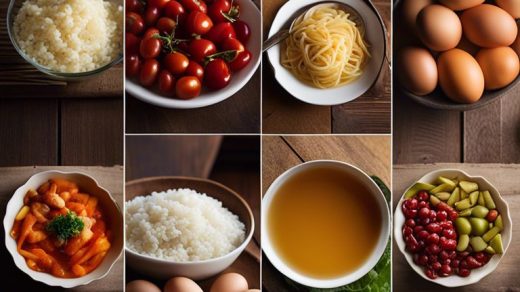
It’s important to understand how you, as a vegetarian, can meet your protein needs without consuming animal products. By incorporating a variety of plant-based sources such as beans, legumes, nuts, seeds, and whole grains into your diet, you can ensure that you are getting all the necessary amino acids your body requires. Planning your meals to include a balance of these protein-rich foods will help you meet your nutritional needs and thrive on a vegetarian diet.
Key Takeaways:
- Plant-based sources: Vegetarians can get protein from plant-based sources such as legumes, nuts, seeds, whole grains, and soy products like tofu and tempeh.
- Combining different sources: Combining different plant-based protein sources throughout the day can ensure that vegetarians get all the imperative amino acids that the body needs.
- Supplements: Some vegetarians may choose to supplement their diet with protein powders or bars to ensure they are meeting their daily protein needs.

Debunking Protein Myths
The Protein Deficiency Myth
Before we examine into how vegetarians can easily meet their protein needs, let’s address a common myth – the protein deficiency myth. Many people believe that a vegetarian diet lacks sufficient protein intake, leading to deficiencies. However, with thoughtful planning, vegetarians can consume an adequate amount of protein from plant-based sources.
The Importance of Protein in a Vegetarian Diet
With a variety of protein-rich foods such as legumes, nuts, seeds, tofu, and tempeh available to you, meeting your protein requirements on a vegetarian diet is not as challenging as it may seem. These plant-based protein sources not only provide you with the imperative amino acids your body needs but also offer additional health benefits such as fiber, vitamins, and minerals.
Debunking the misconception that protein solely comes from animal products, you can confidently embrace a vegetarian diet knowing that you can obtain all the protein necessary to support your overall health and well-being.
Plant-Based Protein Sources
Clearly, a common concern for vegetarians is where to get their protein from since they do not consume meat. Fortunately, there are plenty of plant-based protein sources that can provide you with all the vital amino acids your body needs to thrive.
Legumes: The Protein Powerhouses
Protein-packed legumes such as lentils, chickpeas, black beans, and edamame are excellent sources of plant-based protein. Not only are they rich in protein, but they are also high in fiber, vitamins, and minerals. Incorporating legumes into your diet can help you meet your protein needs while promoting overall health and well-being.
Nuts and Seeds: Crunchy Protein-Rich Snacks
With nuts and seeds, you can enjoy crunchy and satisfying snacks while boosting your protein intake. Almonds, walnuts, chia seeds, flaxseeds, and pumpkin seeds are all excellent sources of plant-based protein. You can sprinkle them on salads, yogurt, or oatmeal, or simply enjoy them as a quick and nutritious snack.
Seeds, such as hemp seeds and sunflower seeds, are also great sources of protein and healthy fats. Adding seeds to smoothies, granola, or baked goods can increase the protein content of your meals and provide you with vital nutrients to support your overall health.
Whole Grains: More Than Just Fiber
Legumes like quinoa, brown rice, barley, and oats are not only rich in fiber but also contain significant amounts of protein. By including whole grains in your diet, you can ensure that you are getting a good balance of carbohydrates, protein, and other vital nutrients. Whole grains are versatile and can be incorporated into a variety of dishes, from salads to soups to stir-fries.
Just like legumes, whole grains offer a complete protein source when consumed together, making them an important part of a vegetarian diet. By incorporating a variety of plant-based protein sources into your meals, you can easily meet your protein needs and enjoy a balanced and nutritious diet.
High-Protein Vegetarian Foods
For
Tofu and Tempeh: Soy-Based Protein Sources
For a versatile and high-protein vegetarian option, look no further than tofu and tempeh. These soy-based products are excellent sources of protein and can be used in a variety of dishes. Tofu, made from condensed soy milk, is a great addition to stir-fries, salads, and smoothies. Tempeh, a more textured soy product, is perfect for grilling or sautéing for a meat-like alternative.
For
Lentils: A Protein-Rich Legume
Any vegetarian looking to boost their protein intake should consider adding lentils to their diet. Lentils are a protein-packed legume that is also rich in fiber, iron, and other imperative nutrients. They are incredibly versatile and can be used in soups, stews, salads, and even veggie burgers.
It’s worth noting that lentils come in various colors such as green, red, and black, each offering slightly different flavors and cooking times. Experimenting with different types of lentils can add variety to your meals while providing a protein boost.
Seitan: Wheat Gluten for a Meat-Like Texture
Lentils are not the only meat alternative for vegetarians looking to increase their protein intake. Seitan, also known as wheat gluten, is another high-protein option that can be used to create meat-like textures in dishes. Seitan is made by washing wheat flour dough with water until all the starch granules have been removed, leaving behind the gluten protein.
This versatile ingredient can be seasoned and cooked in various ways, making it an excellent substitute for meat in dishes like stir-fries, sandwiches, and kebabs. If you are avoiding gluten for dietary reasons, be aware that seitan is not a suitable protein source for you.

Combining Plant-Based Foods for Complete Proteins
The Magic of Legume and Grain Combinations
Magic happens when you combine legumes and grains! Legumes like beans, lentils, and chickpeas are rich in lysine but low in methionine, while grains like rice, wheat, and oats are the opposite – high in methionine but low in lysine. By pairing legumes with grains, you create a complete protein source, providing your body with all the crucial amino acids it needs. Think of classic combinations like rice and beans or hummus and whole grain pita – not only are they delicious, but they also form a powerful protein duo.
Nuts and Seeds: The Perfect Pairing Partners
On the other hand, nuts and seeds make the perfect pairing partners for complete proteins. While nuts are higher in methionine but lower in lysine, seeds are rich in lysine but lack methionine. When you combine these two plant-based powerhouses, such as almond butter on whole grain toast or chia seeds sprinkled on a nutty granola bowl, you ensure you’re getting a balanced amino acid profile.
With a little creativity in the kitchen, you can easily combine plant-based foods to create complete proteins, nourishing your body with all the crucial amino acids it needs to thrive. Whether it’s through legumes and grains or nuts and seeds, the possibilities are endless for crafting delicious and nutritious meals that support your vegetarian lifestyle.
Meal Planning for Optimal Protein Intake
Breakfast Ideas: Starting the Day with Protein
With breakfast being the most important meal of the day, starting your morning with a protein-rich option can set the tone for the rest of the day. Incorporating foods like Greek yogurt with nuts and seeds, tofu scrambles, oatmeal with chia seeds, or protein smoothies made with pea protein powder can help you kickstart your day with a healthy dose of protein.
Lunch and Dinner Options: Balancing Protein and Flavor
Planning your lunch and dinner meals around protein sources such as lentils, beans, chickpeas, quinoa, tempeh, or seitan can ensure you meet your daily protein requirements. Pairing these plant-based proteins with a variety of vegetables, whole grains, and healthy fats not only enhances the flavor of your meals but also provides you with a well-rounded nutritional profile.
Plus, incorporating a wide range of herbs, spices, and condiments can help elevate the taste of your vegetarian dishes, making your meals more enjoyable and satisfying.
Snacking Strategies: Keeping Protein Levels Up
Keeping protein levels up throughout the day is important, especially during snack times. Opt for protein-packed snacks such as nuts, seeds, edamame, hummus with veggie sticks, or protein bars made with plant-based ingredients. These snacks not only keep you satiated between meals but also help you maintain a steady intake of protein.
It’s important to have a variety of protein-rich snacks on hand to prevent reaching for less nutritious options when hunger strikes. By planning your snacks ahead of time, you can ensure you always have a healthy protein option available when you need it.
Special Considerations for Vegetarian Athletes
Despite following a plant-based diet, you can still meet your protein needs as an athlete. If you are an active vegetarian looking to incorporate more protein into your diet, you may want to consider exploring alternative protein sources. You can read about 12 alternative protein sources for vegetarians here.
Increased Protein Needs for Active Vegetarians
Increased physical activity means your body needs more protein to repair and build muscle. As an active vegetarian, you should focus on including a variety of plant-based protein sources in your diet to ensure you meet your increased protein requirements. Legumes such as beans, lentils, and chickpeas, as well as nuts, seeds, tofu, and tempeh, can all be great sources of protein for vegetarian athletes.
Timing and Quality of Protein Intake for Optimal Performance
An important consideration for vegetarian athletes is the timing and quality of protein intake for optimal performance. You should aim to distribute your protein intake throughout the day, including protein-rich snacks before and after workouts to support muscle recovery and growth. Combining different plant-based protein sources can also help improve the quality of the protein you consume, ensuring you get all important amino acids in your diet.
Another important factor is to pay attention to the overall quality of your diet as a vegetarian athlete. Including a variety of nutrient-dense whole foods such as fruits, vegetables, whole grains, and healthy fats can help support your overall athletic performance and recovery.

Final Words
Conclusively, as a vegetarian, you have many options to ensure you are getting enough protein in your diet. By incorporating a variety of plant-based protein sources such as legumes, nuts, seeds, and whole grains, you can easily obtain all the important amino acids your body needs to stay healthy and strong. Remember to include a wide range of fruits and vegetables to complement your protein intake and maximize the nutritional benefits of your vegetarian diet.
FAQ
Q: How do vegetarians ensure they get enough protein in their diet?
A: Vegetarians can get protein from a variety of plant-based sources such as legumes (beans, lentils, chickpeas), nuts, seeds, tofu, tempeh, edamame, and whole grains like quinoa and amaranth. Incorporating these protein-rich foods into meals throughout the day can help vegetarians meet their protein needs.
Q: Are there any specific foods that vegetarians should focus on to ensure they are getting enough protein?
A: Yes, besides the plant-based protein sources mentioned earlier, vegetarians can also consider incorporating protein-rich dairy products like Greek yogurt, cottage cheese, and cheese into their diet. Additionally, eggs are a complete source of protein that can be consumed by lacto-ovo vegetarians.
Q: How can vegetarians ensure they are consuming all necessary amino acids necessary for overall health?
A: By eating a varied diet that includes a range of plant-based protein sources, vegetarians can easily obtain all necessary amino acids. Combining complementary protein sources such as beans and rice or hummus and whole grain pita can help ensure a complete amino acid profile in vegetarian meals.