Uncategorized

How do I make chicken taste better

Just like Julia Child always said, “With the right techniques, anyone can cook!” So, you’re ready to elevate your chicken dishes to a whole new level, and I’m here to show you how. Whether you’re grilling, baking, or sautéing your chicken, these simple tips and tricks will make your chicken taste better than ever before. From marinades to seasonings, get ready to impress your taste buds and your guests with delicious, flavorful chicken every time!

Key Takeaways:

  • Seasoning is key: Experiment with different herbs, spices, and marinades to enhance the flavor of your chicken.
  • Proper cooking techniques: Choose the appropriate cooking method (grilling, roasting, sautéing) to bring out the best flavor in your chicken.
  • Quality ingredients: Use high-quality chicken and fresh ingredients to ensure a delicious and flavorful dish.

Preparing for Flavor

Choosing the Right Chicken

With so many options available at the grocery store, it’s important to choose the right chicken for the best flavor. Opt for organic or free-range chicken if possible; they tend to have better texture and more natural flavors. Additionally, consider the cut – each part of the chicken offers a unique taste and texture. For example, chicken thighs are known for their juicy and tender meat, while chicken breasts are leaner but can dry out more easily if overcooked. Choose the cut that best suits your recipe to enhance the flavor of your dish.

Essential Pantry Staples

Essential pantry staples are the key to elevating the flavor of your chicken dishes. Make sure your pantry is stocked with basics like salt, pepper, olive oil, and a variety of herbs and spices. These ingredients can add depth and complexity to your chicken recipes. Additionally, ingredients like soy sauce, honey, garlic, and Dijon mustard can take your chicken marinades and sauces to the next level.

The right combination of pantry staples can transform a simple chicken breast into a gourmet meal. Experiment with different spices and seasonings to find your signature flavor profile and elevate your chicken dishes to a whole new level of deliciousness.

Marinating and Seasoning

Clearly, marinating and seasoning are imperative techniques to make your chicken taste better. By infusing flavors into the meat, you can elevate the taste and juiciness of your chicken dishes.

The Power of Acidic Ingredients

Acidic ingredients like lemon juice, vinegar, or yogurt break down the proteins in the chicken, making it more tender and allowing the flavors to penetrate deeper. Marinating chicken in acidic ingredients not only adds a tangy taste but also helps in tenderizing the meat, resulting in a more succulent dish.

Herbs and Spices: A World of Flavors

For herbs and spices, the options are endless. From classic choices like garlic, rosemary, and thyme to exotic blends like cumin, paprika, and turmeric, each herb and spice brings its own unique taste and aroma to your chicken dishes.

Understanding how to balance different herbs and spices is key to creating delicious chicken marinades. You can combine various herbs and spices to create a personalized flavor profile that suits your taste preferences.

The Magic of Marinades

Ingredients such as soy sauce, honey, olive oil, and Worcestershire sauce can work wonders in a marinade for chicken. These components not only add depth of flavor but also help in tenderizing the meat and locking in moisture during cooking.

For instance, marinating chicken in a mixture of soy sauce, ginger, and garlic can result in a flavorful and juicy dish with an Asian flair. Experiment with different marinade recipes to find your favorite combinations.

Cooking Methods Matter

Grilling: A Smoky Twist

Keep in mind that the cooking method you choose can greatly impact the flavor of your chicken. Grilling is a fantastic way to add a smoky twist to your chicken dishes. The high, direct heat of the grill not only cooks the chicken quickly but also imparts a delicious charred flavor that is unbeatable.

Roasting: Bringing Out the Best

Matter In the matter of roasting, it’s all about bringing out the best in your chicken. Roasting allows the flavors to develop slowly and evenly, resulting in tender and juicy meat with a beautifully crispy skin. The aromas that fill your kitchen as the chicken roasts to perfection are simply irresistible.

To truly elevate your roasted chicken, consider marinating the bird overnight or coating it with a flavorful herb and spice rub before popping it in the oven. This extra step will infuse your chicken with even more delicious flavors, making every bite a delightful experience.

Pan-Sealing: Crispy on the Outside, Juicy Within

One technique that can make a world of difference in your chicken dishes is pan-sealing. By searing the chicken in a hot pan before finishing it in the oven, you create a beautifully crispy crust on the outside while locking in all the juices, ensuring the meat remains tender and moist.

Juicy For the best results, make sure your pan is hot before adding the chicken to achieve that perfect sear. Once your chicken is golden brown on all sides, transfer it to the oven to finish cooking. The end result will be a mouthwatering chicken dish that is crispy on the outside and juicy within.

Adding Aromatics and Umami

Onions, Garlic, and Shallots: The Holy Trinity

Umami is the key to unlocking delicious flavors in your chicken dishes. When looking to enhance the taste of your chicken, turn to the holy trinity of onions, garlic, and shallots. These aromatic vegetables not only add depth to your dish but also bring out the savory richness of the chicken.

Mushrooms: Earthy and Savory

Shallots, with their delicate flavor, are a great addition when paired with mushrooms to create a savory and earthy umami profile in your chicken dishes. The combination of shallots and mushrooms adds a rich complexity that elevates the overall taste of your chicken.

Holy moly! Mushrooms are a fantastic way to introduce an earthy and savory taste to your chicken. Whether you opt for earthy cremini mushrooms or intense porcinis, adding mushrooms to your chicken dishes will take the flavor to a whole new level.

Soy Sauce and Fish Sauce: Umami Boosters

Any umami enthusiasts out there? Soy sauce and fish sauce are your best friends when it comes to boosting the savory taste of chicken. These umami-rich sauces add depth and complexity to your dishes, making your chicken irresistibly delicious.

It’s no secret that adding soy sauce and fish sauce to your chicken marinades or sauces will enhance the umami flavor profile. These sauces not only bring saltiness but also that coveted umami taste that will leave your taste buds singing.

Acidity and Brightness

Once again, when it comes to enhancing the flavor of chicken, acidity and brightness play a vital role. Adding a touch of acidity can elevate the taste of your chicken dishes to a whole new level.

Citrus: A Squeeze of Freshness

Freshness is key when it comes to using citrus to enhance the flavor of your chicken. A squeeze of lemon, lime, or orange can add a zesty and vibrant taste to your dish. The acidity in citrus fruits helps to tenderize the meat while brightening up the overall flavor profile.

Vinegars: Balancing Flavors

Flavors in vinegars such as balsamic, apple cider, or red wine vinegar can add complexity to your chicken dishes. They help to balance out rich or heavy flavors, cutting through the richness of the meat and adding a tangy kick to your dish.

This variety of vinegars allows you to experiment and find the perfect balance for your taste preferences. From a subtle hint to a bolder tang, vinegars can transform a simple chicken dish into a gourmet experience.

Tomatoes: A Burst of Flavor

With their natural acidity and sweetness, tomatoes can bring a burst of flavor to your chicken dishes. Whether using fresh tomatoes, sundried tomatoes, or tomato sauce, their rich umami taste can complement the savory notes of chicken beautifully.

The versatility of tomatoes allows you to create diverse chicken recipes, from classic tomato and basil combos to spicy tomato salsas. Experiment with different tomato varieties to discover your favorite flavor profiles for chicken dishes.

Texture and Crunch

Despite your best efforts to flavor your chicken, sometimes the texture can make all the difference in how enjoyable it is to eat. If you’re looking to elevate your chicken dishes, consider exploring different ways to add texture and crunch. For more tips on adding flavor to your chicken breast, check out 3 simple ways to add flavour to chicken breast.

Crispy Skin: The Ultimate Texture

Ultimate texture can be achieved by mastering the art of crispy chicken skin. Whether you’re roasting, grilling, or pan-searing your chicken, a crispy skin adds a delightful crunch with every bite. To achieve this, ensure your chicken skin is dry before cooking and that you use high heat to crisp it up. This simple step can take your chicken dish from ordinary to extraordinary.

Crunchy Toppings: Nuts, Seeds, and More

Crunchy toppings like nuts, seeds, or breadcrumbs can take your chicken to the next level. You can add a layer of crushed nuts or seeds on top of your chicken before baking or sprinkle some toasted breadcrumbs over your dish for that extra crunch. This not only enhances the texture but also adds a new depth of flavor to your chicken.

This simple addition can elevate your dish and provide a contrast to the tender meat, making each bite more interesting and satisfying.

Fresh Herbs: A Pop of Color and Flavor

Nuts, seeds, and fresh herbs can also contribute to the texture and flavor of your chicken dishes. By adding a handful of fresh herbs like basil, parsley, or cilantro at the end of cooking, you not only add a pop of color but also a burst of freshness and flavor. These herbs provide a refreshing contrast to the savory chicken, making the dish more vibrant and appealing.

Another way to incorporate fresh herbs is by making a herb-infused butter or oil to drizzle over your cooked chicken. This simple yet effective technique can enhance the overall taste and appearance of your dish, impressing your guests and elevating your chicken to a restaurant-quality level.

Summing up

Now that you have learned various tips and techniques on how to make chicken taste better, remember that practice makes perfect. Experiment with different seasonings, cooking methods, and marinades to find what works best for you and your taste buds. Don’t be afraid to get creative in the kitchen and have fun while exploring new flavors and ingredients. For more ideas on how to enhance the juiciness and flavor of your chicken, check out What are ways to make chicken taste more juicy and flavorful.

Q: How can I make chicken taste better?

A: There are several ways to enhance the flavor of chicken. You can marinate it in herbs, spices, and other seasonings before cooking. Another option is to brine the chicken in a saltwater solution to infuse it with flavor and keep it moist. Additionally, you can try using different cooking methods, such as grilling, roasting, or frying, to add variety to the taste.

Q: What herbs and spices go well with chicken?

A: Some popular herbs and spices that pair well with chicken include rosemary, thyme, oregano, basil, paprika, garlic, ginger, and cumin. You can also experiment with different seasoning blends, such as Cajun, Italian, or Mexican, to create unique flavors for your chicken dishes.

Q: How can I add moisture to chicken to make it more flavorful?

A: To keep chicken moist and flavorful, you can try brining it in a saltwater solution before cooking. You can also coat the chicken with a marinade or sauce to add moisture and enhance the taste. Cooking methods such as roasting the chicken with vegetables or braising it in a flavorful liquid can also help retain moisture and infuse the meat with additional flavor.


When is food poisoning serious

Over the years, you may have experienced mild food poisoning, but it’s important to know when it becomes serious. Understanding the signs and symptoms can help you take action promptly to protect your health. If you encounter severe symptoms, such as prolonged vomiting, a high fever, or bloody stools, it may indicate a more serious condition. For additional information about recognizing signs and getting treatment for food poisoning, check out this informative resource on Food Poisoning: Signs, Symptoms, and Treatment.

Key Takeaways:

  • Severity of Symptoms: If symptoms like high fever, severe abdominal pain, or persistent vomiting occur, it is important to seek medical attention.
  • Duration of Illness: Food poisoning that lasts more than 3 days or shows signs of dehydration requires prompt medical evaluation.
  • Vulnerable Populations: Individuals who are pregnant, elderly, or have compromised immune systems should consult a healthcare provider immediately after experiencing symptoms.

Understanding Food Poisoning

A variety of bacteria, viruses, and parasites can lead to food poisoning, a serious condition that affects millions each year. Whether you contract it from undercooked meats, contaminated vegetables, or improperly handled food, it is imperative to understand the risks and symptoms associated with foodborne illnesses. Being aware of how food poisoning can occur and its potential severity allows you to take the necessary precautions to protect your health.

Common Causes

Poisoning can result from consuming contaminated food or beverages, with common culprits including bacteria like Salmonella and E. coli, viruses such as Norovirus, and parasites like Giardia. Improper food handling, inadequate cooking, and cross-contamination during food preparation can all contribute to these hazards. By learning about these risks, you can make informed choices to avoid foodborne illnesses.

Symptoms and Diagnosis

On experiencing food poisoning, you may notice symptoms such as nausea, vomiting, diarrhea, abdominal pain, and fever. These symptoms can vary based on the type of contaminant involved. To confirm a diagnosis, a healthcare professional might ask about your recent food intake and may conduct tests to identify the specific pathogen.

It is important to seek medical attention if your symptoms are severe or persistent, as certain strains of bacteria can lead to serious complications. Understanding your symptoms and their duration will aid healthcare providers in determining the best course of action. Additionally, noting any food items consumed prior to illness onset can assist in identifying the source and preventing further contamination.

Risk Factors

Clearly, understanding the risk factors for serious food poisoning can help you stay safe. Here are some key considerations:

  • Improper food handling and storage
  • Pre-existing health conditions
  • Age, particularly very young or elderly individuals
  • Weakened immune systems

Thou must be diligent in minimizing these risks to protect your health.

Vulnerable Populations

Before entering into food safety, it’s necessary to identify vulnerable populations who are at an increased risk for developing severe food poisoning. This includes children, pregnant women, the elderly, and individuals with compromised immune systems. These groups may have a lower tolerance for pathogens, making it important for you to be particularly cautious when preparing and consuming food.

Food Sources

Populations that are at risk need to be aware of common food sources that can harbor dangerous pathogens. Raw or undercooked meats, unpasteurized dairy products, and contaminated fruits and vegetables can all lead to serious foodborne illnesses. Pay attention to where your food comes from and how it is prepared.

Risk is a significant factor when it comes to food sources that can lead to food poisoning. Foods like raw seafood, deli meats, and any items that are kept at unsafe temperatures are prime suspects in causing illness. Always cook your food thoroughly, wash fruits and vegetables, and avoid cross-contamination in your kitchen to lower the risk of foodborne ailments.

When to Seek Medical Attention

Now, if you suspect food poisoning and experience severe symptoms such as high fever, prolonged vomiting, or signs of dehydration, it is necessary to seek medical attention. These symptoms may indicate a more serious condition that requires professional care. For more information on recognizing when to seek help, visit Food poisoning Information | Mount Sinai – New York.

Warning Signs

The key warning signs that indicate you may need immediate medical help include experiencing difficulty breathing, blood in your stool, or persistent abdominal pain. If your symptoms worsen or fail to improve within a few days, consulting a healthcare provider is advisable.

Complications of Food Poisoning

Any delay in seeking treatment can lead to various complications from food poisoning, which may affect your health significantly. Some individuals may develop long-term issues, such as kidney failure or chronic digestive problems.

For instance, certain strains of bacteria linked to food poisoning, like E. coli, can lead to hemolytic uremic syndrome, potentially resulting in renal failure. Long-term digestive issues may arise, including irritable bowel syndrome (IBS), leading to ongoing discomfort. Depending on your health status and the severity of the infection, complications could escalate quickly, emphasizing the importance of timely medical intervention.

Prevention Strategies

Your best defense against food poisoning lies in proactive prevention strategies. By practicing safe food handling, adhering to proper cooking techniques, and observing storage guidelines, you can significantly reduce the risk of foodborne illnesses. Taking these steps ensures that your meals are not only enjoyable but also safe to consume, protecting you and your loved ones from potential health hazards.

Safe Food Handling Practices

Before you begin preparing food, always wash your hands with soap and warm water to eliminate any harmful bacteria. Keep raw meat separate from other ingredients during preparation and utilize separate cutting boards. Additionally, ensure that food is stored at the correct temperatures to minimize bacterial growth, especially when handling perishable items.

Proper Cooking Techniques

On cooking day, ensure your food reaches the appropriate internal temperature to eliminate harmful pathogens. Use a food thermometer to verify that meats, poultry, and seafood are cooked thoroughly. Avoid leaving cooked foods at room temperature for extended periods to limit bacterial proliferation.

Plus, adjusting your cooking techniques can further enhance food safety. For instance, utilize methods like baking, boiling, or grilling to reach the necessary temperatures throughout the food. Always allow leftover meals to cool before refrigerating them, and reheat thoroughly before eating. By adopting these proper cooking techniques, you can create a safe and healthy dining experience for yourself and your family.

The Role of Public Health

Keep in mind, public health plays a vital role in controlling foodborne illnesses and enhancing food safety standards. Your awareness of how local health departments monitor food sources, conduct inspections, and educate the community can significantly improve food safety. When you understand the intricacies of public health initiatives, you also empower yourself to make safer food choices and advocate for better practices in your community.

Food Safety Regulations

Health regulations on food safety are designed to protect you from foodborne illnesses. These guidelines ensure that food producers, processors, and retailers adhere to sanitary practices, contributing to a safer food supply. Understanding these regulations can help you discern which establishments prioritize food safety and allow you to make informed dining choices.

Outbreak Response

Health officials must act swiftly to identify and contain foodborne illness outbreaks to protect your health and prevent further cases. This involves investigating the source of the outbreak, notifying the public, and implementing control measures. Awareness of how these responses unfold can give you insight into the food safety measures in place and how they work to safeguard your community.

In fact, when an outbreak occurs, public health officials will trace back the contaminated food source through meticulous investigations. They gather data from affected individuals, inspect food production facilities, and work closely with food distributors. This prompt action not only helps to mitigate the current outbreak but also prevents similar occurrences in the future. By understanding this process, you can appreciate the importance of reporting any suspected foodborne illness, as it contributes to broader public health efforts to keep you and your community safe.

Resources for More Information

Unlike common misconceptions, understanding the seriousness of food poisoning is vital for your health. Accessible resources can provide you with the knowledge you need to recognize symptoms and seek help when necessary. Utilize these materials to stay informed and prepare yourself for any situation related to foodborne illnesses.

Educational Websites

Information regarding food poisoning can be easily found on various educational websites. These platforms often offer detailed articles, videos, and infographics that explain the causes, symptoms, and prevention methods of foodborne illnesses. By exploring these resources, you empower yourself with the necessary knowledge to make safer food choices.

Health Organizations

Websites operated by health organizations such as the Centers for Disease Control and Prevention (CDC) and the Food and Drug Administration (FDA) serve as authoritative sources of information on food safety. They provide guidelines on how to prevent food poisoning, identify high-risk foods, and understand when to seek medical attention. Accessing these sites can enhance your understanding of foodborne illnesses and equip you to make informed decisions about your health.

Educational organizations also frequently offer updates on recent outbreaks and ongoing research about food safety. Monitoring these resources allows you to stay current with evolving information. Engaging with health-focused websites enriches your understanding and encourages proactive health measures, ensuring you take the right steps to protect yourself and your loved ones from foodborne illnesses.

Final Words

Presently, if you experience severe symptoms such as high fever, persistent vomiting, or signs of dehydration after food poisoning, it is crucial to seek medical attention promptly. While most cases resolve on their own, your wellbeing is paramount, and early intervention can prevent complications. Additionally, if symptoms persist beyond a few days, or if you have underlying health conditions, it’s wise to consult a healthcare professional. Prioritizing your health ensures a safer recovery and helps you return to your routine without further delay.

FAQ

Q: When should I seek medical attention for food poisoning?

A: You should seek medical attention if you experience severe symptoms such as high fever (above 101.5°F), persistent vomiting, or diarrhea that lasts longer than three days. Additionally, if you experience signs of dehydration, such as dizziness, dry mouth, or decreased urination, it is important to consult a healthcare provider. Symptoms that involve blood in stool or vomit also warrant immediate medical care.

Q: Are certain populations more at risk for serious food poisoning?

A: Yes, certain populations including young children, elderly adults, pregnant women, and individuals with weakened immune systems are at a higher risk for experiencing serious effects from food poisoning. In those groups, even mild symptoms can escalate quickly, making it important for them to seek medical help promptly if they suspect food poisoning.

Q: What complications can arise from severe food poisoning?

A: Severe food poisoning can lead to a range of complications, such as dehydration, kidney failure, and reactive arthritis. In some cases, certain bacteria, like E. coli, can cause hemolytic uremic syndrome (HUS), which affects the kidneys and can be life-threatening. It is important to monitor symptoms closely and seek treatment to prevent these complications.

Q: How can I tell if my food poisoning is serious or just mild?

A: Differentiating between mild and serious food poisoning often depends on the severity and duration of your symptoms. Mild cases may include nausea and mild diarrhea, while serious cases involve severe abdominal pain, bloody stools, persistent vomiting, and prolonged symptoms. If you are unsure, it’s best to consult a healthcare professional for advice based on your specific situation.

Q: What steps should I take if I suspect food poisoning is due to a restaurant meal?

A: If you suspect food poisoning from a restaurant meal, you should inform the establishment immediately so they can take appropriate action. It’s important to document the details of your experience, including what you consumed, when, and any symptoms you developed. If your symptoms are severe or you need medical attention, you should seek care promptly and consider reporting the incident to your local health department to help prevent further cases.

What to eat on a Sunday

Most Sundays are perfect for slowing down and savoring a delicious meal that comforts both the body and the soul. Embrace the leisurely day with a hearty brunch featuring fluffy pancakes or a classic eggs Benedict. As the day rolls on, consider a comforting pot roast or a creamy pasta dish for a family dinner that brings everyone together around the table. Note, the key to a Sunday well-spent is enjoying good food in good company, so make sure to savor every bite with those you love.

Key Takeaways:

  • Variety is key: It’s important to have a balanced meal that includes a variety of food groups to ensure you get all the necessary nutrients.
  • Incorporate special treats: Sundays are often seen as a day to indulge, so feel free to incorporate some of your favorite treats or comfort foods into your meals.
  • Plan ahead: To avoid last-minute stress or unhealthy choices, consider planning your Sunday meals in advance. This can help you make healthier choices and save time in the kitchen.

Setting the Tone for a Relaxing Sunday

The What did you eat on Sundays in the USA? has always been a day for indulgence and relaxation. It’s the perfect time to slow down, savor a delicious meal, and recharge for the week ahead.

Why Sundays are perfect for a leisurely brunch

An ideal way to start your Sunday is with a leisurely brunch. Whether you prefer sweet or savory, brunch allows you to enjoy a variety of dishes and flavors without the rush of a busy weekday morning. Take this opportunity to brew a fresh pot of coffee, whip up some fluffy pancakes, and linger at the table with your loved ones.

Creating a cozy atmosphere for a lazy morning

For a cozy atmosphere that sets the tone for a lazy morning, consider lighting some candles, playing soft music, and draping a plush blanket over your shoulders as you sip your favorite tea or coffee. Enhance the ambiance by arranging fresh flowers in a vase and opening the curtains to let in the natural light. This simple act of creating a warm and inviting space can make your Sunday morning feel even more special.

For instance, you can lay out a spread of freshly baked pastries, a selection of artisanal cheeses, and some seasonal fruits to nibble on throughout the morning. Add some cushions to your chairs, grab a good book or magazine, and allow yourself to fully unwind and enjoy the moment. Recall, Sundays are meant for relaxation and rejuvenation, so make the most of this precious time for yourself.

Breakfast Delights

Eggs-travagant omelets and frittatas

One of the best ways to start your Sunday morning is by indulging in a delicious omelet or frittata. The beauty of these dishes lies in their versatility – you can customize them with your favorite ingredients like cheese, vegetables, and meats. The process of whisking the eggs, sautéing the fillings, and gently folding everything together on a skillet is not only a culinary delight but also a moment of creative expression in the kitchen.

Fluffy pancakes and waffles with sweet treats

Waffles are a comforting and satisfying breakfast option that can be enjoyed sweet or savory. With their crisp exterior and fluffy interior, waffles provide the perfect canvas for a variety of toppings like fresh fruits, whipped cream, syrup, or even fried chicken for a unique twist. Pancakes, on the other hand, are a classic breakfast choice that never fails to bring a smile to your face. The process of flipping them on a griddle and watching them puff up to golden perfection is a simple joy that can elevate your Sunday morning.

Waffles and pancakes are often served with a side of maple syrup or honey, but you can also get creative with your toppings. Consider adding a dollop of flavored butter, a sprinkling of nuts, or a drizzle of chocolate sauce to take your breakfast treat to the next level. The combination of fluffy pancakes or crispy waffles with decadent toppings creates a breakfast experience that is both comforting and indulgent.

Avocado toast and other trendy breakfast ideas

Understanding the current trends in breakfast cuisine can help you spice up your Sunday morning routine. Avocado toast, for example, has taken the brunch world by storm with its creamy avocado spread on crunchy toast, topped with various ingredients like tomatoes, feta cheese, or poached eggs. This trendy dish is not only aesthetically pleasing but also incredibly tasty and nutritious.

An exploration of trendy breakfast ideas can introduce you to new flavors and culinary techniques that can make your Sunday mornings more exciting. From smoothie bowls and chia puddings to açai bowls and breakfast tacos, there are endless possibilities to explore and integrate into your weekly meal planning. Embracing these trendy breakfast options can add a fun and adventurous twist to your morning routine, making your Sundays even more delightful.

Brunching Like a Pro

Quiches and savory tartes for a crowd

For a sophisticated and crowd-pleasing brunch, consider serving quiches and savory tartes. These delightful dishes are not only delicious but also easy to prepare in advance, making them perfect for hosting guests. Whether you choose a classic quiche Lorraine or a vegetable-filled tarte, the flaky crust and cheesy, custardy filling are sure to impress your brunch companions.

Fresh fruit salads and smoothie bowls

Brunching like a pro also means incorporating a touch of freshness into your spread with vibrant fruit salads and creamy smoothie bowls. Start your day on a healthy note by offering a variety of sliced fruits, such as berries, melons, and citrus, tossed together in a light dressing. Alternatively, blend up a refreshing smoothie bowl topped with granola, nuts, and seeds for a satisfying and nutritious brunch option.

Another way to elevate your brunch game is by offering a selection of creative fillings for bagels and sandwiches. Think beyond the traditional cream cheese and lox and experiment with unique combinations like smoked salmon with dill cream cheese and pickled onions or avocado, turkey, and bacon on a toasted bagel.

Bagels and sandwiches with creative fillings

With endless possibilities for fillings and toppings, bagels and sandwiches are versatile options that can satisfy a variety of tastes. From sweet to savory, vegetarian to meat-lover, you can customize your bagels and sandwiches to cater to everyone in your brunch crowd. Serve an assortment of spreads, meats, cheeses, and fresh vegetables so your guests can build their perfect brunch sandwich.

Lunchtime Favorites

Hearty soups and stews for a comforting meal

All you need on a cozy Sunday afternoon is a hearty bowl of soup or stew to warm you up from the inside out. Whether it’s a classic chicken noodle soup, a rich beef stew, or a creamy potato soup, these comforting dishes are perfect for a leisurely lunch.

Grilled cheese and paninis with a twist

On a lazy Sunday, indulge in the ultimate comfort food with a twist – grilled cheese and paninis. Elevate your sandwich game by experimenting with different cheeses, spreads, and fillings. Think outside the box with combinations like brie and pear, pesto and mozzarella, or even a Caprese panini with fresh tomatoes and basil.

Favorites

If you’re looking to take your grilled cheese and panini experience to the next level, consider adding gourmet ingredients such as prosciutto, fig jam, or caramelized onions to your sandwiches. These additions will elevate the flavors and textures, making your lunchtime favorites truly unforgettable.

Salads with protein-packed toppings

Grilled

On a Sunday when you’re craving something light yet satisfying, a protein-packed salad is the way to go. Load up your greens with grilled chicken, chickpeas, hard-boiled eggs, or quinoa for a nutritious and filling meal that will keep you energized for the rest of the day.

paninis

With

If you want to add an extra burst of flavor to your protein-packed salads, consider incorporating a variety of toppings such as avocado, nuts, seeds, or even grilled vegetables. These additions will not only enhance the taste of your salads but also provide an extra dose of nutrients to keep you feeling your best.

Snacking and Munching

Now, let’s talk about snacking and munching on a lazy Sunday afternoon. Whether you’re watching your favorite show, reading a book, or simply relaxing, having tasty snacks on hand can elevate your day.

Crispy veggie sticks with hummus and dips

Crispy veggie sticks paired with creamy hummus and flavorful dips make for a delicious and healthy snacking option. Cut up some fresh carrots, cucumbers, bell peppers, and celery into sticks for a satisfying crunch. Whip up a batch of homemade hummus or pick up your favorite store-bought variety. The combination of crunchy veggies and creamy dips is sure to satisfy your taste buds while keeping you energized.

Popcorn and other fun snacks for a lazy afternoon

Munching on popcorn and other fun snacks is a classic way to enjoy a lazy Sunday afternoon. Pop a big bowl of popcorn and customize it with your favorite seasonings like sea salt, chili powder, or nutritional yeast. You can also set out a mix of nuts, dried fruits, and dark chocolate for a sweet and savory snack board. These easy-to-grab treats are perfect for grazing and can be enjoyed throughout the day.

Now, for a light bite, consider putting together a fresh fruit and cheese platter. Arrange a selection of ripe berries, sliced apples, grapes, and crackers alongside a variety of cheeses such as brie, cheddar, and gouda. The combination of sweet fruits and savory cheeses creates a perfect balance of flavors. You can also add some nuts and honey for an extra touch of indulgence. This refreshing and tasty platter is ideal for a relaxing snacking experience on a leisurely Sunday.

Dinner Delights

Once again, if you’re looking for some delicious dinner ideas to enjoy with your family on a lazy Sunday evening, you can check out this list of 55 Best Dinner Ideas for a Lazy Sunday With the Family for some inspiration.

One-pot wonders for a stress-free evening

One of the best ways to have a stress-free evening is by preparing one-pot wonders. These dishes are not only easy to make but also minimize the number of dishes you need to clean up afterward.

Roasted vegetables and lean proteins

Proteins are necessary for a well-rounded meal, and when paired with roasted vegetables, they make for a delicious and healthy dinner option. This combination ensures you get a good mix of nutrients while enjoying a flavorful and satisfying meal.

This classic pairing of roasted vegetables and lean proteins like chicken, turkey, or tofu is not only delicious but also versatile. You can season them with your favorite herbs and spices to create a dish that suits your taste preferences.

Pasta dishes with creamy sauces

In the evening, indulging in a comforting bowl of pasta with a creamy sauce can be the ultimate delight. Creamy pasta dishes are not only filling and satisfying but also bring a sense of warmth and coziness to your Sunday dinner.

Delights like fettuccine Alfredo, creamy carbonara, or a rich lasagna are perfect choices for a creamy pasta dinner on a Sunday evening. Pair them with a side salad and some garlic bread for a complete and delicious meal.

Summing up

Now that you have some ideas on what to eat on a Sunday, hopefully, your meal planning will become more enjoyable and stress-free. Do not forget, Sundays are a time to relax and savor delicious food with your loved ones, so don’t be afraid to try out new recipes and experiment with flavors. Whether you’re craving a cozy brunch, a hearty roast dinner, or a light and refreshing salad, there are endless possibilities to choose from to make your Sunday meals special.

FAQ

Q: What should I eat on a Sunday for breakfast?

A: You can have a leisurely Sunday brunch with options like pancakes, waffles, eggs benedict, avocado toast, or a hearty breakfast burrito.

Q: What is a good lunch option for a Sunday?

A: For a Sunday lunch, you can enjoy a light and refreshing salad, a comforting bowl of soup, a classic sandwich like a BLT, or a grilled chicken and vegetable kebab.

Q: What are some popular dinner choices for a Sunday evening?

A: Some popular dinner options for a Sunday evening include a roast chicken with vegetables, a pasta dish like spaghetti carbonara, a hearty stew or chili, or a pan-seared salmon with a side of risotto.

What is the cause of food poisoning

Food safety is imperative for your health, and understanding the causes of food poisoning can help you avoid it. Food poisoning typically results from consuming contaminated food or beverages, which may harbor harmful bacteria, viruses, parasites, or their toxins. You might encounter these pathogens through improper food handling, undercooked meals, or expired products. By recognizing the sources and preventing exposure, you can protect yourself and ensure that your meals remain safe and enjoyable.

Key Takeaways:

  • Bacteria: The majority of food poisoning cases are caused by harmful bacteria such as Salmonella, E. coli, and Listeria, often found in improperly handled or undercooked food.
  • Viruses: Contaminated food can also carry viruses like norovirus and hepatitis A, which can lead to outbreaks, especially in communal eating settings.
  • Parasites: Certain parasites, such as Giardia and Trichinella, can contaminate food or water, posing risks for gastrointestinal illness.

Understanding Food Poisoning

While food poisoning can strike unexpectedly, understanding its origins and implications can help you navigate potential risks. This illness arises when harmful bacteria, viruses, or parasites contaminate food, leading to discomfort and other symptoms. Knowing the causes and prevention strategies allows you to protect yourself and your loved ones from such health issues.

Definition and Overview

About food poisoning, it is an illness caused by consuming contaminated food or beverages. This contamination often results from improper handling, cooking, or storing, allowing pathogens to thrive and enter your system. Understanding the different types of foodborne illnesses can help you identify potential risks and respond effectively.

Common Symptoms

By being aware of common symptoms, you can take appropriate action should you experience food poisoning. These symptoms typically include nausea, vomiting, diarrhea, abdominal cramps, and fever. They might manifest within hours or days, depending on the cause and severity of the contamination.

Even mild cases of food poisoning can disrupt your daily life and lead to dehydration if not properly managed. Symptoms can vary significantly, ranging from gastrointestinal discomfort to fever and fatigue. It’s crucial to stay hydrated and consult a healthcare professional if symptoms worsen or persist. Recognizing when to seek help is vital for your health and well-being.

Major Causes of Food Poisoning

There’s a variety of factors that can lead to food poisoning, with improper food handling, inadequate cooking, and contaminated water being among the most significant. Understanding these causes is vital for you to take the necessary precautions to keep your meals safe and enjoyable.

Bacterial Contaminants

Beside viral infections, bacterial contaminants are one of the primary causes of food poisoning. Bacteria like Salmonella, E. coli, and Listeria can invade your food, often multiplying in undercooked or improperly stored items, leading to serious gastrointestinal distress.

Viral Infections

Along with bacterial threats, viral infections can also lead to foodborne illnesses. Norovirus and Hepatitis A are two common viruses transmitted through contaminated food or water, presenting symptoms that can disrupt your daily life.

At the forefront of viral foodborne illnesses is the Norovirus, known for its rapid spread and ability to survive on surfaces. You can contract it often from contaminated food, especially raw seafood, or from surfaces touched by an infected person. Symptoms like vomiting and diarrhea can strike quickly, making it imperative to practice good hygiene and safe food preparation techniques to avoid infection.

Foodborne Pathogens

For many, foodborne pathogens remain an invisible threat lurking within our meals. These harmful microorganisms, including bacteria, viruses, and parasites, can lead to illness when ingested through contaminated food or water. Understanding the various types of pathogens and how they spread is key to preventing food poisoning in your home and during dining out.

Overview of Key Pathogens

Across the spectrum of foodborne illnesses, certain pathogens are more commonly associated with outbreaks. Notable examples include Salmonella, Escherichia coli (E. coli), Listeria, and Norovirus. Each of these microorganisms can cause gastrointestinal distress and severe health complications, emphasizing the need for vigilance in food preparation and handling.

High-Risk Foods

About 50% of food poisoning cases are linked to specific high-risk foods that provide an optimal environment for pathogens. Foods like raw or undercooked meats, seafood, unpasteurized dairy products, and ready-to-eat items such as salads can often harbor these harmful organisms.

Consequently, being aware of which foods pose a higher risk can help you make informed choices in your kitchen and when dining out. Understanding the conditions that promote pathogen growth, such as temperature and handling practices, is vital. Always prioritize proper cooking, thorough cleaning, and safe food storage to minimize your risk of foodborne illness.

Prevention Strategies

Many simple strategies can help you reduce the risk of food poisoning. Practicing safe food handling and cooking methods is crucial to maintain food safety. Always ensure that your hands, utensils, and surfaces are clean, and store your food at the correct temperatures. By being attentive and adopting these preventive measures, you can significantly decrease the likelihood of foodborne illnesses.

Safe Food Handling Practices

Behind every safe meal is impeccable food handling. You should wash your hands frequently, especially before handling food. Use separate cutting boards for raw meats and vegetables to avoid cross-contamination. Additionally, make sure to check expiration dates and inspect food for signs of spoilage, as this will help you maintain food safety throughout your kitchen practices.

Cooking and Storage Guidelines

Behind effective food safety are proper cooking and storage techniques. Always cook your food to the recommended internal temperatures to kill harmful bacteria. Use a food thermometer to ensure accuracy. To maximize food safety, store leftovers in airtight containers and refrigerate them promptly, ensuring they are consumed within a few days.

Strategies for cooking and storage involve understanding the right temperatures for different food types. For example, poultry should be cooked to at least 165°F, while ground meats require 160°F. When storing food, keep your fridge temperature at or below 40°F and your freezer at 0°F. These guidelines are designed to help you enjoy meals safely while preventing foodborne illnesses.

Vulnerable Populations

Unlike healthy individuals, vulnerable populations—including young children, elderly adults, pregnant women, and those with weakened immune systems—are at a heightened risk for food poisoning. Their bodies may not fight off harmful pathogens as effectively, making it necessary for you to be especially cautious about food safety practices when preparing meals for these groups.

At-Risk Groups

Against the backdrop of food poisoning, certain groups face higher risks due to physiological factors. Children under five and seniors over 65 often experience more severe symptoms and complications, so you need to be vigilant in avoiding foodborne illnesses for them.

Impact of Food Poisoning

Poisoning from contaminated food can lead to a wide range of symptoms, affecting your health and well-being. While many experience mild discomfort, others may suffer from severe complications or hospitalization, especially if they belong to at-risk categories.

Due to the potential for serious health outcomes, food poisoning can impact your daily life significantly. It may lead to missed work or school, the need for medical treatment, and increased healthcare costs. Being aware of the risks and taking proactive measures in food handling and preparation not only protects your well-being but also that of your loved ones.

When to Seek Medical Attention

All cases of food poisoning are not equal, and knowing when to seek medical attention can make a significant difference in your health. If you experience severe symptoms such as high fever, persistent vomiting, dehydration, or blood in your stool, it is crucial to consult a healthcare professional. Additionally, individuals with weakened immune systems, pregnant women, and young children should seek prompt medical care if they suspect food poisoning.

Signs That Require Immediate Care

Along with the more common symptoms, you should be alert for severe abdominal cramps, difficulty breathing, or signs of kidney failure, such as a decrease in urine output. If you experience any of these symptoms, don’t hesitate to reach out to a healthcare provider for further evaluation.

Treatment Options

After recognizing the signs of food poisoning, the next step involves understanding your treatment options. Most cases can be managed at home with rest and hydration; however, your healthcare provider may recommend additional therapies depending on your condition.

With food poisoning, treatment largely focuses on relieving symptoms and preventing dehydration. This often includes consuming clear fluids—like water or oral rehydration solutions—and bland foods as you recover. For severe cases, especially those caused by certain bacteria, medical professionals may prescribe antibiotics or other medications to address your specific condition. In more serious situations, hospitalization might be necessary for intravenous fluids and closer monitoring of your health.

Summing up

With these considerations, it is necessary to understand that food poisoning is primarily caused by harmful microorganisms such as bacteria, viruses, and parasites, often entering your food through improper handling, cooking, or storage practices. Contaminated water, unwashed fruits and vegetables, and undercooked meats can also contribute to this issue. By ensuring proper food safety measures, including thorough cooking and regular hygiene practices, you can significantly reduce your risk of food poisoning and safeguard your health.

FAQ

Q: What is food poisoning?

A: Food poisoning is an illness caused by consuming contaminated food or beverages. The contaminants can be bacteria, viruses, parasites, or toxins that affect the gastrointestinal system, leading to symptoms such as nausea, vomiting, diarrhea, and abdominal cramps.

Q: What are the common causes of food poisoning?

A: The most common causes of food poisoning include consumption of undercooked meats, unwashed fruits and vegetables, contaminated water, improper food storage, and the transfer of bacteria from raw food to cooked food (cross-contamination). Additionally, certain toxins produced by bacteria can also lead to food poisoning.

Q: How do bacteria lead to food poisoning?

A: Bacteria such as Salmonella, E. coli, and Listeria can rapidly multiply in food under favorable conditions (i.e., warmth and moisture). When ingested, these bacteria may produce toxins or directly damage intestinal lining, resulting in the symptoms associated with food poisoning.

Q: Are certain foods more likely to cause food poisoning?

A: Yes, some foods are more prone to causing food poisoning due to their nature and handling. High-risk foods include raw or undercooked meat, seafood, dairy products, eggs, and ready-to-eat foods that have been improperly stored or handled. It is important to cook these foods thoroughly and follow proper hygiene practices while preparing them.

Q: How can food poisoning be prevented?

A: Prevention of food poisoning involves several practices: proper cooking of food, regular hand washing during food preparation, keeping raw and cooked foods separate, refrigerating perishables promptly, and ensuring that kitchen surfaces are sanitized. Additionally, purchasing food from reliable sources and ensuring food products are within their expiration dates also aids in prevention.

What medicine helps with food poisoning

It’s crucial to understand how to manage food poisoning effectively, as this common ailment can disrupt your daily life. You may experience symptoms like nausea, vomiting, diarrhea, and abdominal pain, all of which can be uncomfortable. In this blog post, you’ll learn about various over-the-counter medications and home remedies that can help alleviate your symptoms, allowing you to recover more quickly and safely. Knowing the right treatment options is key to getting back on your feet and feeling your best.

Key Takeaways:

  • Hydration: Staying hydrated is crucial; consider electrolyte solutions or sports drinks to replace lost fluids.
  • Over-the-counter medications: Antidiarrheal medications like loperamide can help control symptoms but should be used with caution.
  • Rest: Allowing your body to rest helps facilitate recovery and can shorten the duration of symptoms.
  • Avoid certain medications: Avoid taking antibiotics unless prescribed by a doctor, as they may not be effective for all types of food poisoning.
  • Consult a doctor: Seek medical attention if symptoms persist or worsen, indicating a more serious condition.

Understanding Food Poisoning

While food poisoning can often be a distressing experience, having a clear understanding of its causes, symptoms, and diagnosis can help you address this issue more effectively. Food poisoning occurs when you consume contaminated food or beverages, leading to gastrointestinal distress. It’s crucial to recognize the factors that contribute to foodborne illnesses, enabling you to make safer food choices in the future.

Causes of Food Poisoning

For many people, food poisoning is primarily caused by pathogenic bacteria, viruses, or parasites. Common culprits include Salmonella, E. coli, and Norovirus, which can infiltrate food through improper handling, undercooking, or cross-contamination. Additionally, consuming unpasteurized dairy products or raw seafood increases the risk of foodborne illnesses. Understanding these causes can empower you to take preventative measures in your kitchen.

Symptoms and Diagnosis

Understanding the symptoms of food poisoning can help you identify whether you are suffering from this condition. Symptoms typically include nausea, vomiting, diarrhea, abdominal cramps, and sometimes fever. These symptoms can appear anywhere from hours to several days after consuming contaminated food. It’s vital to monitor how you feel and seek medical attention if symptoms persist or worsen.

Understanding the diagnosis of food poisoning often requires a thorough evaluation of your symptoms and a history of your recent food consumption. Your healthcare provider may ask about your diet, the timing of symptoms, and any potential exposure to contaminated food. In some cases, stool tests may be conducted to identify the specific pathogen responsible for your illness. Being aware of these diagnostic steps can help you communicate effectively with your healthcare provider.

Over-the-Counter Medications

If you suspect you have food poisoning, it’s crucial to manage your symptoms effectively. Over-the-counter medications can help alleviate discomfort and speed up your recovery. For detailed guidance, check out this resource on 7 Food Poisoning Medications for a Speedy Recovery.

Antiemetics for Nausea

Over-the-counter antiemetics such as meclizine can help you combat nausea and vomiting associated with food poisoning. By reducing the feeling of queasiness, these medications allow you to rest and recover more comfortably.

Antidiarrheal Medications

Any over-the-counter antidiarrheal medications, such as loperamide, can help you manage diarrhea caused by food poisoning. These medications work by slowing down your gut movements, allowing for better fluid absorption.

To effectively use antidiarrheal medications, it is crucial to address the underlying cause of your symptoms. While these medications can provide relief, they should not be used if you have a high fever or bloody stools, as they may worsen certain conditions.

Pain Relievers

Pain relievers like acetaminophen can help reduce any discomfort you may experience during food poisoning, including headaches and body aches. They can provide much-needed relief, allowing you to focus on your recovery.

Medications for pain relief are typically safe and effective, but you should always ensure they are suitable for you. Be mindful of your body’s signals and avoid self-medicating excessively, as this can lead to additional complications.

Prescription Medications

Now, it’s crucial to recognize that while most cases of food poisoning resolve on their own, certain situations may require prescription medications to help alleviate symptoms and promote recovery. This chapter will discuss the types of prescription medications you may need based on the underlying cause of your food poisoning.

Antibiotics for Bacterial Infections

The use of antibiotics is primarily effective for food poisoning caused by specific bacterial infections, such as Salmonella or Campylobacter. Your doctor may prescribe antibiotics if your symptoms are severe or if you are at risk for complications, especially if you have underlying health concerns or a weakened immune system.

Antiviral Medications

Infections caused by certain viruses, like norovirus, may require antiviral medications. These medications can help reduce the severity and duration of your symptoms, allowing you to recover more quickly. It’s crucial to consult with your healthcare provider before starting any antiviral treatment, as they will determine the most appropriate course of action for your specific situation.

Plus, while antivirals can be effective, they are not universally prescribed for all viral infections associated with food poisoning. It’s crucial to have a thorough evaluation by your healthcare professional to ensure that you’re receiving the most suitable medication for your condition.

Medications for Specific Parasites

Antiviral treatments are not your only option; certain parasitic infections resulting from contaminated food may also require specialized medications targeting the parasites responsible.

Medications for specific parasites typically include antiparasitic drugs that are tailored to the type of infection you may have acquired. These medications are vital for effectively clearing the infection and alleviating your symptoms, particularly if you’ve exhibited prolonged gastrointestinal distress after suspected food poisoning. Always consult your healthcare provider to ensure you receive the appropriate treatment based on the type of parasite involved.

Home Remedies and Supportive Care

To effectively manage food poisoning, it’s vital to incorporate home remedies and supportive care into your recovery plan. This approach not only addresses symptoms but also promotes your overall well-being during this uncomfortable time.

Hydration and Electrolyte Replacement

Care is important when it comes to hydration. Food poisoning often leads to vomiting and diarrhea, which can result in significant fluid loss. It’s crucial to replenish these lost fluids by drinking clear liquids such as water, broth, or electrolyte solutions. Be sure to sip slowly to avoid further irritation to your stomach.

Rest and Recovery Techniques

Supportive care also includes ample rest. Your body requires energy to fight off the infection causing your symptoms, so listening to your body’s need for sleep and relaxation is vital during recovery.

Techniques for enhancing your recovery involve creating a calm environment and engaging in light activities only. Use pillows to support your body while resting, and practice deep-breathing exercises to relieve discomfort. Gentle stretches may also help ease muscle tension, but remember to prioritize rest over exertion to allow your body to heal efficiently.

Final Words

So, when it comes to managing food poisoning, over-the-counter medications like loperamide can provide relief from diarrhea, while acetaminophen can help alleviate fever and body aches. However, it’s crucial to stay hydrated and consult a healthcare professional if your symptoms persist or worsen. For more detailed guidance, you can refer to the Treatment for Food Poisoning – NIDDK for reliable information and suggestions tailored to your specific situation.

FAQ

Q: What are the most common medicines used to treat food poisoning?

A: The treatment for food poisoning primarily focuses on relieving symptoms rather than targeting the infection itself, as most cases resolve on their own. Common over-the-counter medications include anti-nausea medications like meclizine or dimenhydrinate, and anti-diarrheal medications such as loperamide (Imodium). However, it’s important to use these medications with caution, particularly if diarrhea is severe, as they can sometimes prolong the illness. In cases where the food poisoning is caused by bacteria like Salmonella or E. coli, antibiotics may be necessary, but they are typically prescribed by a healthcare provider based on specific circumstances.

Q: Are there any natural remedies I can take for food poisoning?

A: Yes, there are several natural remedies that can help alleviate the symptoms of food poisoning. Ginger tea is widely recognized for its anti-nausea properties and can be very helpful. Additionally, peppermint can soothe stomach discomfort and help reduce nausea. Staying hydrated with clear fluids, such as water, broth, and electrolyte solutions, is crucial for recovery. Probiotics, found in supplements or fermented foods like yogurt and kefir, may also help restore gut health. However, it’s important to consult with a healthcare professional before trying these remedies, especially in severe cases of food poisoning.

Q: When should I see a doctor for food poisoning?

A: You should seek medical attention if you experience severe symptoms that do not improve within 24 hours or if you have symptoms such as high fever (over 101.5°F), blood in your stool, persistent vomiting that prevents you from keeping liquids down, signs of dehydration (such as dry mouth, extreme thirst, little or no urination, or dizziness), or if you are pregnant, elderly, or have a weakened immune system. These symptoms could indicate a more serious infection or complications that require medical treatment, such as intravenous fluids or prescription medications.

Which is the tastiest chicken dish in the world

With a world full of delectable chicken dishes waiting to be savored, it can be a tough decision to determine which one truly reigns as the tastiest. From crispy fried chicken to rich and flavorful chicken tikka masala, each dish offers a distinct blend of spices and flavors that tantalize your taste buds. Join us as we take you on a culinary journey to discover the ultimate winner of the title ‘Tastiest Chicken Dish in the World’ in this blog post.

Key Takeaways:

  • Fried Chicken: Crispy and golden fried chicken is a popular choice for many around the world.
  • Chicken Tikka Masala: A flavorful and spicy Indian dish loved for its rich taste and creamy sauce.
  • Roast Chicken: A classic dish that is simple yet delicious, with tender and juicy meat seasoned perfectly.

The Global Quest

For a comprehensive discussion on the tastiest chicken dishes around the world, check out Which is the Tastiest Chicken Dish in the World? | by Thug. The journey to find the most delicious chicken recipes takes on a global perspective, encompassing a variety of flavors and cooking techniques from different regions.

Exploring Asian Flavors

For those seeking bold and vibrant tastes, delving into Asian chicken dishes is a must. Whether you savor the fiery spices of Szechuan chicken from China, the fragrant coconut-infused chicken curry from Thailand, or the aromatic tandoori chicken from India, each bite offers a unique explosion of flavors that will tantalize your taste buds.

Discovering European Delights

An exquisite culinary experience awaits as you explore the diverse range of European chicken delicacies. From the succulent Coq au Vin in France to the comforting Chicken Paprikash in Hungary, each dish carries a rich history and tradition that adds depth to your gastronomic journey.

The European continent boasts a vast array of chicken recipes that showcase the region’s culinary prowess. Indulge in the hearty Spanish chicken paella or the creamy Chicken Kiev from Ukraine, where every bite tells a tale of generations of culinary mastery passed down through time.

The Spicy Contenders

Korean Fried Chicken: A Spicy Sensation

Little can compare to the explosive flavors of Korean Fried Chicken. The perfect combination of crispy and juicy chicken coated in a spicy and sticky sauce will have your taste buds dancing with joy. The secret to this dish lies in double-frying the chicken, creating a mouthwatering crunch that pairs perfectly with the fiery sauce.

Jamaican Jerk Chicken: A Caribbean Twist

One taste of Jamaican Jerk Chicken and you’ll be transported to the sunny beaches of the Caribbean. This dish is a flavorful explosion of spicy, sweet, and smoky notes that is guaranteed to leave you wanting more. The chicken is marinated in a blend of scotch bonnet peppers, allspice, and other Caribbean spices, giving it a unique and unforgettable taste.

On top of the irresistible flavors, Jamaican Jerk Chicken is often cooked over pimento wood, adding a distinctive smokiness to the dish that sets it apart from other spicy chicken dishes. Whether you enjoy it as a street food snack or as a main course with traditional side dishes like rice and peas, this dish is sure to impress your taste buds.

To truly experience the diversity and deliciousness of spicy chicken dishes around the world, be sure to give Korean Fried Chicken and Jamaican Jerk Chicken a try. These two contenders are not only packed with flavor but also hold the power to transport you to different corners of the globe with every bite.

The Rich and Creamy

Now, let’s probe some of the richest and creamiest chicken dishes that will tantalize your taste buds and leave you craving for more.

Indian Butter Chicken: A Royal Treat

Creamy, decadent, and full of flavor, Indian Butter Chicken is a dish fit for royalty. Tender chicken pieces are simmered in a rich and creamy tomato-based sauce, made with butter, cream, and a blend of aromatic spices. The velvety texture of the sauce paired with the tender chicken creates a melt-in-your-mouth experience that is truly unforgettable. Served with fluffy basmati rice or warm, buttery naan bread, this dish will transport you to the vibrant streets of India in every bite.

French Coq au Vin: A Classic Dish

On the other hand, if you prefer a more classic and sophisticated chicken dish, look no further than French Coq au Vin. This traditional French stew features tender chicken braised in red wine, with mushrooms, onions, and aromatic herbs. The flavors of the wine infuse the chicken, creating a rich and complex sauce that is both luxurious and comforting. Served with crusty bread or creamy mashed potatoes, this dish is a true masterpiece of French cuisine that will elevate your dining experience to new heights.

French Coq au Vin is a dish that has stood the test of time, originating from rural France and gaining popularity worldwide for its exquisite taste and comforting qualities. The slow cooking process allows the flavors to meld together, creating a dish that is hearty, flavorful, and deeply satisfying. Whether enjoyed on a cozy night in or served at a dinner party, French Coq au Vin is sure to impress even the most discerning palates.

The Smoky Favorites

Once again, you find yourself drawn to the tantalizing aroma of smoky chicken dishes that never fail to make your mouth water. The smokiness adds a distinct flavor that elevates the dish to a whole new level, making it a favorite for many food enthusiasts.

American BBQ Chicken: A Southern Staple

Southern BBQ chicken is a true Southern staple that embodies the flavors and traditions of the region. The chicken is slathered in a rich and tangy BBQ sauce, then slow-cooked over smoldering charcoal or wood chips, creating a tender and juicy masterpiece. The smokiness from the grill infuses the chicken with a depth of flavor that is simply irresistible.

Mexican Chipotle Chicken: A Fiery Fusion

American and Mexican flavors collide in the fiery fusion of Mexican Chipotle Chicken. The smoky chipotle peppers add a bold kick to the tender chicken, creating a dish that is both spicy and savory. The marriage of smoky flavors with the heat of the chipotle peppers is a match made in culinary heaven, leaving your taste buds craving for more.

Plus, the vibrant colors and aromatic spices used in Mexican Chipotle Chicken ensure a feast for all your senses. The combination of smokiness and spiciness in this dish is a true culinary adventure that will have you coming back for seconds and thirds.

The Exotic Options

Peruvian Ceviche-Style Chicken: A Refreshing Twist

To add a refreshing twist to your chicken experience, try the Peruvian ceviche-style chicken. This unique dish takes inspiration from the popular ceviche seafood dish, using lime juice, cilantro, and a mix of spices to “cook” the chicken, resulting in a burst of fresh flavors with every bite. The acidity of the citrus combined with the savory chicken creates a mouthwatering sensation that will leave you craving more.

Thai Green Curry Chicken: A Coconut Cream Delight

The Thai Green Curry Chicken is a coconut cream delight that will transport your taste buds to the bustling streets of Thailand. This fragrant and vibrant dish features tender chicken simmered in a green curry sauce made with coconut milk, green chilies, lemongrass, and a blend of aromatic spices. The rich and creamy broth pairs perfectly with steamed rice, creating a symphony of flavors that will have you coming back for seconds.

This aromatic and creamy Thai dish is a favorite for many food enthusiasts, as it balances the heat of the chilies with the sweetness of the coconut milk, resulting in a harmonious blend of flavors. The tender chicken soaks up the delicious curry sauce, creating a comforting and satisfying meal that is perfect for any occasion.

The Comfort Food Classics

Unlike exotic chicken dishes that might require hard-to-find ingredients or complex cooking techniques, the comfort food classics are beloved for their simplicity and familiar flavors. These dishes have stood the test of time and continue to be favorites on dinner tables around the world.

Chicken Parmesan: An Italian-American Favorite

With a crispy coating, gooey melted cheese, and savory tomato sauce, Chicken Parmesan is a hearty and satisfying dish that never fails to please. This Italian-American classic combines the best of both worlds – tender chicken breast and comforting flavors of Italy. Whether served over pasta or stuffed in a sandwich, Chicken Parmesan is a crowd-pleaser that will have you coming back for more.

Chicken Fajitas: A Tex-Mex Staple

An irresistible aroma fills the air as sizzling chicken strips, peppers, and onions are served on a hot skillet. Chicken Fajitas, a Tex-Mex staple, are a flavorful and fun dish to enjoy with friends and family. The mix of spicy seasonings, tender chicken, and colorful veggies wrapped in warm tortillas creates a burst of flavors with every bite. Add some guacamole, salsa, and sour cream for a complete fajita fiesta!

Italian-American classics like Chicken Parmesan and Tex-Mex staples like Chicken Fajitas are timeless dishes that bring people together over delicious and comforting meals. Whether you prefer the cheesy goodness of Chicken Parmesan or the zesty flavors of Chicken Fajitas, these dishes are sure to satisfy your cravings for tasty and familiar flavors.

To wrap up

Hence, when it comes to the title of the tastiest chicken dish in the world, the answer may vary depending on individual preferences and culinary experiences. Your taste buds might lean towards the aromatic flavors of Chicken Tikka Masala from India, the comforting pleasures of Southern Fried Chicken from the United States, or the zesty kick of Chicken Adobo from the Philippines. Ultimately, the world offers a diverse range of delectable chicken dishes that cater to different palates and cultural backgrounds. So, why not commence on a culinary adventure and discover your own personal favorite among the world’s tastiest chicken dishes?

FAQ

Q: Which is the tastiest chicken dish in the world?

A: The tastiest chicken dish is subjective and can vary depending on personal preference. However, many people consider Chicken Parmesan, a breaded and fried chicken dish topped with marinara sauce and melted cheese, to be one of the most delicious chicken dishes in the world.

Q: What makes a chicken dish tasty?

A: The tastiness of a chicken dish can be influenced by factors such as the cooking method, seasoning, marinade, sauce, and accompanying ingredients. Cooking the chicken to the right level of doneness, using flavorful spices, and combining it with complementary sides can enhance the overall taste of the dish.

Q: Are there any famous international chicken dishes known for their taste?

A: Yes, there are several famous international chicken dishes celebrated for their exceptional taste. Some examples include Coq au Vin from France, Chicken Tikka Masala from India, Jerk Chicken from Jamaica, and Chicken Adobo from the Philippines. These dishes showcase unique flavors and cooking techniques that contribute to their deliciousness.

Is it normal to fart after food poisoning

Food poisoning can lead to various uncomfortable symptoms, including digestive disturbances that may cause you to experience increased gas and flatulence. If you’ve recently suffered from foodborne illness, it’s common to wonder if your post-meal gassiness is a typical response. Understanding your body’s reaction can help you navigate recovery and restore your digestive health, allowing you to regain comfort and confidence in your eating habits.

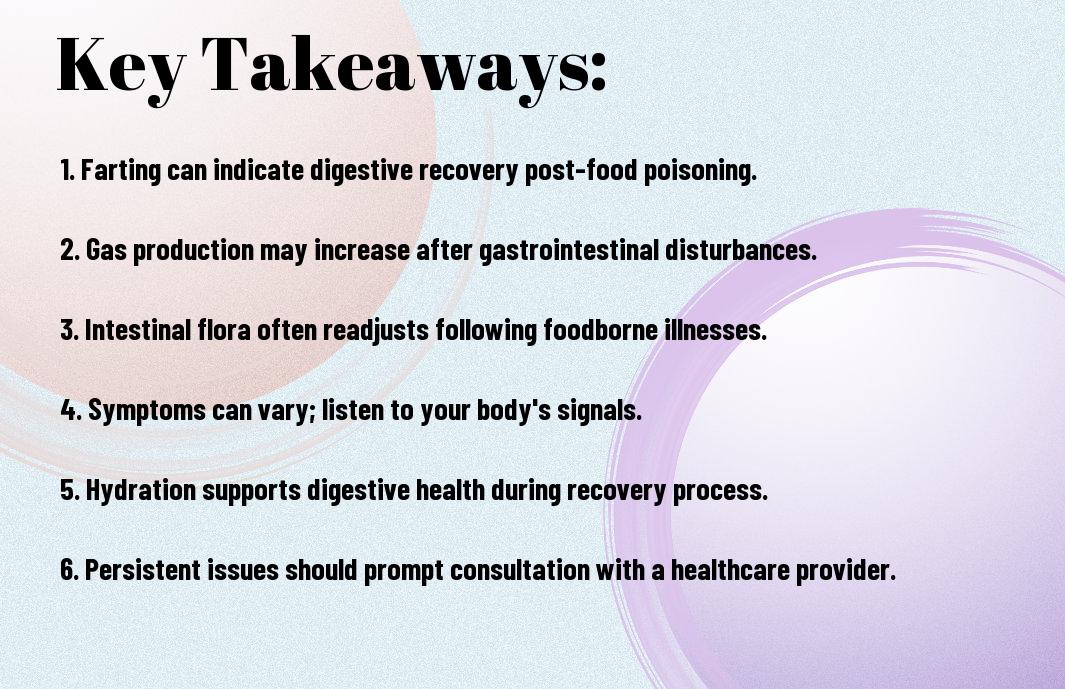
Key Takeaways:

  • Gas Production: After experiencing food poisoning, your digestive system may produce excess gas as it recovers, leading to increased flatulence.
  • Digestive Recovery: Farting can be a part of the normal healing process as your body eliminates residual toxins and adjusts back to regular digestion.
  • Diet Adjustments: Eating easily digestible foods post-food poisoning can help manage gas levels and facilitate smoother digestion.

Understanding Food Poisoning

To gain a better understanding of food poisoning, it’s important to recognize that it occurs when you consume contaminated food or beverages. This contamination can arise from bacteria, viruses, or parasites, and in some cases, chemical substances. The symptoms can vary in intensity and duration, impacting your digestive system significantly. Proper knowledge of food poisoning can help you take preventive measures and recognize when to seek medical attention.

Causes of Food Poisoning

By knowing the common causes of food poisoning, you can better protect yourself from its effects. This condition often stems from improper food handling, undercooked meals, unwashed produce, or contaminated water. Specific pathogens, such as Salmonella, E. coli, or norovirus, are frequent culprits. Awareness of these dangers in your food preparation and consumption can help you minimize your risk of getting food poisoning.

Symptoms and Effects on the Digestive System

Above all, the symptoms of food poisoning can manifest quickly, sometimes within hours after eating. Common signs include nausea, vomiting, diarrhea, abdominal cramps, and sometimes fever. Your digestive system becomes highly sensitive and can react in various ways as it tries to expel the harmful substances.

Food poisoning affects your digestive system by disrupting the normal functioning of your intestines. You might experience gas, bloating, and irregular bowel movements alongside more serious symptoms like diarrhea or dehydration. The inflammatory response can also lead to further gastrointestinal issues, causing discomfort and prolonged recovery. It is vital to stay hydrated and give your digestive system time to heal after such an ordeal.

Gas Production and Digestion

Some degree of gas production is normal during digestion, especially after experiencing food poisoning. When the digestive system is compromised, it can lead to increased fermentation of undigested food, which results in gas buildup. You can learn more about this in This Is What Your Excessive or Foul-Smelling Gas Could ….

How Digestion Works After Illness

On recovering from food poisoning, your digestive system may still be sensitive. The process can remain disrupted for a while, causing changes in how food is processed and leading to symptoms such as bloating and gas, even as your body heals.

Role of Bacteria in Gas Formation

For your digestive system to function properly, a balance of bacteria is crucial. After food poisoning, the microbial population in your gut may be altered, contributing to increased gas production and discomfort while your body adjusts.

Works by fermenting the food you consume, bacteria in your gut play a significant role in digestion. When imbalances occur, such as during recovery from food poisoning, some bacteria may overproduce gas while others may not thrive. This imbalance can lead to excessive farting and discomfort as your digestive system attempts to restore its normal flora.

The Link Between Food Poisoning and Flatulence

Despite the uncomfortable nature of flatulence, it can be a common occurrence after experiencing food poisoning. When your body fights off the pathogens that caused the foodborne illness, you might produce excess gas as a byproduct of the digestion process. Conditions like Giardiasis can also lead to bloating and increased flatulence in recovery cases.

Normal Digestive Responses

Between your digestive system’s attempts to recover and the changes in gut microbiota following food poisoning, it’s natural to experience some increased gas production. This is simply your body reacting to the disturbance in digestion and can be a sign that your system is working hard to heal.

When to Be Concerned About Excess Gas

Normal digestive responses are typically temporary; however, if you experience excessive gas lasting longer than a few days, it may be time for concern.

Due to ongoing or worsening discomfort, it is advisable to consult a healthcare professional if flatulence is accompanied by severe abdominal pain, diarrhea, or blood in your stool. These symptoms may indicate a more serious underlying condition that requires medical attention. Your health should always be a priority, and it’s necessary to address any major changes in your digestive health promptly.

Remedies for Post-Food Poisoning Discomfort

Not everyone experiences the same level of discomfort after food poisoning, but there are several remedies you can try to alleviate your symptoms. Staying hydrated is key, so drink plenty of fluids to prevent dehydration. Simple, bland foods can help ease your digestive system back to normal. Resting your body is also important as it recuperates from the illness. Over time, your digestive health will improve, and you should begin to feel more comfortable.

Dietary Adjustments

An effective way to ease post-food poisoning symptoms is through dietary adjustments. Start with bland foods such as rice, bananas, and toast, which are gentle on your stomach. Gradually introduce more complex foods as you feel better, while avoiding dairy, spicy foods, and high-fat items initially, as these can irritate your digestive system.

Over-the-Counter Solutions

Any discomfort after food poisoning can often be relieved with over-the-counter solutions. Medications like loperamide can help control diarrhea, while simethicone can alleviate gas and bloating symptoms. Always follow the instructions on the packaging, and consult with your healthcare provider if you have any concerns or if your symptoms persist.

The addition of over-the-counter solutions can be an effective strategy to help you manage post-food poisoning discomfort. Loperamide works well to slow down bowel movements and reduce diarrhea, while simethicone can assist in relieving gas pains and bloating. These medications are generally safe for short-term use, but it’s imperative to ensure you stay well-hydrated and consult your healthcare provider if symptoms continue for more than a few days.

Preventing Future Incidents of Food Poisoning

All foodborne illnesses can be avoided by practicing safe food handling methods, maintaining proper hygiene, and being aware of what you consume. Educating yourself on food safety can significantly reduce your risk of experiencing food poisoning again. With vigilance and smart choices, you can enjoy your meals without worry.

Safe Food Handling Practices

Food safety starts with you. Always wash your hands thoroughly before and after handling food, and ensure to clean surfaces, equipment, and utensils. Keep raw and cooked foods separate, cook foods to the appropriate temperatures, and store perishables properly. Implementing these practices aids in preventing contamination.

Recognizing High-Risk Foods

For your health, it’s important to understand which foods are more likely to harbor harmful bacteria. Foods such as undercooked meats, raw seafood, unpasteurized dairy, and ready-to-eat items like salads can pose significant risks. Knowing the dangers associated with these foods will help you make safer choices.

Considering your diet, focus on identifying foods that require special attention. High-risk foods often include those that are perishable or require precise cooking temperatures. Always check expiration dates and stay informed about recent food recalls. Being proactive about what you eat can empower you to avoid food poisoning incidents in the future.

Expert Opinions on Post-Food Poisoning Symptoms

Many people experience a range of symptoms after recovering from food poisoning, and it’s not uncommon for excessive gas and flatulence to be among them. Experts suggest that this could stem from changes in your gut flora or an irritation of the digestive tract. While these symptoms can be uncomfortable, they often indicate your body is in the process of healing and restoring balance. If you’re concerned about persistent symptoms, it’s advisable to consult a healthcare professional for personalized guidance.

Insights from Gastroenterologists

Between the various symptoms experienced after food poisoning, flatulence is a common occurrence. Gastroenterologists explain that your digestive system may be undergoing adjustments, as it strives to return to normal function. This process could result in an increase in gas production as your body works to eliminate toxins and recover from inflammation. It’s typically a transient phase but can be bothersome nonetheless.

Patient Testimonials

Between those who have experienced food poisoning, many individuals share similar stories regarding their post-recovery symptoms, particularly increased flatulence. These testimonials often highlight the surprising nature of this symptom and how it contributed to discomfort during their recovery phase. While each person’s experience can vary, you may find comfort in knowing that you are not alone in facing such symptoms after experiencing food-related illness.

Hence, patient testimonials can provide valuable insights into the shared experiences of individuals recovering from food poisoning. Many have noted that despite the embarrassment associated with excessive flatulence, understanding the body’s healing processes can help normalize the situation. By acknowledging that these symptoms are part of a natural recovery trajectory, you can feel more at ease knowing that you’re not unique in experiencing this discomfort. These shared stories can serve as a reminder that healing takes time and that open discussions about symptoms can foster community support.

Summing up

Presently, it is normal for you to experience increased flatulence after food poisoning as your digestive system works to recover. During this recovery, your body may produce more gas as it processes food and eliminates toxins. Staying hydrated and consuming a bland diet can help ease discomfort and support your digestive health. While occasional gas is expected, pay attention to any severe symptoms and consult a healthcare professional if necessary. Taking care of your gut will aid in a quicker recovery and restore your digestive balance.

FAQ

Q: Is it normal to fart after experiencing food poisoning?

A: Yes, it is common to experience increased gas, including farting, after food poisoning. This occurs as your digestive system may still be trying to recover from the infection, leading to bloating and gas as your body processes the residual toxins or bacteria.

Q: What causes excessive gas after food poisoning?

A: Excessive gas after food poisoning can result from several factors, including inflammation of the intestines, changes in gut bacteria, or incomplete digestion of food due to a compromised digestive system. All these factors can lead to the production of more gas and, consequently, increased flatulence.

Q: How long can I expect to experience gas after food poisoning?

A: The duration of increased gas can vary by individual but typically lasts a few days to a week after the initial symptoms of food poisoning have resolved. If symptoms persist or worsen, it may be wise to consult a healthcare professional.

Q: Are there any home remedies to reduce gas after food poisoning?

A: Yes, several home remedies can help alleviate gas after food poisoning. These include staying hydrated, consuming ginger or peppermint tea, and avoiding carbonated drinks and high-fiber foods temporarily. Maintaining a light diet with easily digestible foods can also aid in recovery.

Q: When should I seek medical attention for gas after food poisoning?

A: You should consult a healthcare provider if you experience severe abdominal pain, persistent vomiting, blood in stools, or if gas is accompanied by other serious symptoms like fever or dehydration. These could indicate a more serious underlying condition requiring medical intervention.

What are chicken favorite food

There’s a fascinating world to explore when it comes to understanding what your chickens enjoy eating. To ensure your feathered friends are happy and healthy, it’s important to provide them with nutritious and tasty food options. Learn more about what chickens love to eat and how to keep them well-fed in our article All About Chicken Feed: How Much, What to Avoid & Best….

Key Takeaways:

  • High Protein Diet: Chickens prefer a diet high in protein, such as mealworms, earthworms, and bugs, to support their growth and egg production.
  • Fruits and Vegetables: Chickens enjoy a variety of fruits and vegetables like berries, watermelon, leafy greens, and carrots which provide necessary vitamins and minerals.
  • Grains and Seeds: Chickens also love grains like corn, oats, and wheat, as well as seeds such as sunflower and pumpkin seeds for energy and healthy fats.

Nutritional Needs of Chickens

Protein-rich foods

To meet the nutritional needs of your chickens, it is crucial to provide them with protein-rich foods. Protein is important for growth, feather development, and overall health. Incorporating sources of protein such as mealworms, scrambled eggs, or even a commercial poultry feed high in protein can ensure your chickens remain healthy and vibrant.

Calcium sources

To support eggshell formation and skeletal health in your chickens, it is important to include calcium sources in their diet. Calcium can be found in crushed eggshells, oyster shells, or specialized poultry grit. By offering these sources, you can help your chickens maintain strong bones and lay eggs with strong shells.

Any imbalance in calcium levels can lead to health issues like soft-shelled eggs or skeletal problems. It’s crucial to ensure your chickens have access to sufficient calcium sources at all times.

For instance, free-range chickens may have access to a variety of calcium sources, such as small rocks or even bones, to supplement their diet. However, it’s important to monitor their calcium intake, especially for hens during peak egg-laying periods, to prevent any deficiencies.

Favorite Fruits and Vegetables

Leafy greens

One of the favorite types of fruits and vegetables for chickens is leafy greens. These include treats such as kale, spinach, and lettuce. Chickens enjoy pecking at and nibbling on the dark, leafy greens, which also provide them with crucial nutrients like vitamins A and K.

Offering your chickens a variety of leafy greens not only adds a tasty element to their diet but also contributes to their overall health and well-being. Make sure to chop the greens into small, manageable pieces to prevent any choking hazards for your feathered friends.

Berries and melons

Berries are another favorite treat for chickens, with options like strawberries, blueberries, and even watermelon being popular choices. Chickens love pecking at the sweet and juicy fruits, adding a refreshing element to their diet.

Leafy greens are a great source of crucial nutrients for your chickens, including vitamins, minerals, and antioxidants. Incorporating a mix of berries and melons into their diet can be a fun way to keep your chickens happy and healthy.

Root vegetables

With a slightly different texture and flavor, root vegetables like carrots, beets, and sweet potatoes are also among chickens’ favorite foods. These vegetables provide a crunchier and more substantial option for your flock, giving them something to scratch and peck at.

Root vegetables are not only tasty treats for your chickens but also offer a good source of carbohydrates and fiber. Including these options in your chickens’ diet can add variety and nutritional benefits to their meals, keeping them satisfied and well-fed.

Grains and Legumes

Now, let’s talk about some of the favorite grains and legumes that chickens love to eat. These foods not only provide important nutrients but also keep your feathered friends happy and satisfied.

Oats and Barley

The combination of oats and barley is a great source of energy and fiber for chickens. These grains are not only hearty and filling but also offer a good amount of protein. Chickens enjoy pecking at the grains, and the texture keeps them entertained and engaged. Additionally, oats and barley can help with digestion and promote overall gut health in your chickens.

Lentils and Peas

Legumes like lentils and peas are rich in protein, making them a favorite treat for chickens. Chickens love pecking at these small legumes, and the high protein content helps in feather growth and overall health. Lentils and peas also provide a good amount of dietary fiber, which aids in digestion and keeps your chickens feeling satisfied.

Legumes offer a variety of important nutrients for chickens, including vitamins, minerals, and antioxidants. Lentils and peas are easy to digest and can be a great addition to your chicken’s diet to ensure they are getting a well-rounded meal.

Sunflower Seeds

On sunny days, treat your chickens to some sunflower seeds! These crunchy seeds are not only a delicious snack but also packed with important nutrients like protein, healthy fats, and vitamins. Chickens enjoy pecking at the shells to get to the tasty seed inside, providing them with both mental stimulation and a nutritious treat.

Sunflower seeds are a great source of omega-6 fatty acids, which are vital for maintaining healthy feathers and skin in chickens. You can scatter some sunflower seeds in the coop or use them as training treats to keep your chickens happy and healthy. So, remember to add some sunflower seeds to your chicken’s diet for a delightful and nutritious snack.

Based on their preferences for grains and legumes, you can provide a varied and balanced diet for your chickens, keeping them healthy and satisfied. Experiment with different combinations and observe what your chickens enjoy the most!

Insects and Worms

After grains and seeds, insects and worms are some of the most popular treats for chickens. These critters provide important proteins and fats that chickens need to stay healthy and lay eggs regularly. Not only are insects and worms nutritious, but they also provide entertainment for chickens as they peck and scratch around in the dirt to find them.

Mealworms and crickets

One of the most well-loved treats for chickens is mealworms and crickets. These crunchy bugs are packed with protein, making them a favorite snack for your feathered friends. You can easily purchase dried mealworms or live crickets from pet stores or online retailers. Watch as your chickens enthusiastically chase and gobble up these tasty treats!

Earthworms and Red worms

Mealworms are not the only worms that chickens enjoy. Earthworms and red worms are also a delicious and nutritious treat for your flock. These wiggly creatures are high in protein and are a great source of important nutrients for your chickens. You can find earthworms in your garden or compost pile, or you can purchase red worms from bait shops or gardening stores.

For instance, if your chickens are free-ranging in your yard, they will likely find and devour earthworms on their own. Not only do earthworms provide a tasty snack, but they also help aerate the soil and improve its overall health. Watching your chickens hunt for and enjoy these natural treats is not only entertaining but also beneficial for their diet and well-being.

Treats and Snacks

Unlike their regular feed, treats and snacks can be a fun addition to your chickens’ diet and can also serve as a way to bond with them. Offering a variety of treats can keep your chickens entertained and happy. Here are some popular treats and snacks that chickens love:

Fresh Herbs

One delightful treat that your chickens will love is fresh herbs. Fresh herbs like parsley, cilantro, basil, and oregano not only add a burst of flavor to your chickens’ diet but also provide them with additional nutrients. You can hang bunches of fresh herbs in the coop or scatter them for your chickens to peck at.

Cooked Rice and Pasta

An excellent way to treat your chickens is by offering them cooked rice and pasta. Chickens enjoy the texture of cooked rice and pasta, and it can be a great way to use up any leftovers in your kitchen. Just ensure that the rice and pasta are plain and not seasoned with any ingredients that may be harmful to your chickens.

Cooked rice and pasta can be a good source of carbohydrates for your chickens, providing them with energy to forage and explore their surroundings. Remember to offer these treats in moderation to prevent upsetting your chickens’ digestive systems.

Dried Fruits and Nuts

Snacks like dried fruits and nuts can be a tasty treat for your chickens. Dried fruits such as raisins, apricots, and berries can be a sweet indulgence for your feathered friends. Nuts like almonds and peanuts can also be a source of protein and healthy fats for your chickens.

Fresh or dried fruits and nuts should be given sparingly as treats, as they can be high in sugar and fat. Too much can lead to obesity and other health issues in your chickens. Always remember to provide plenty of fresh water for your chickens when offering these types of treats.

This variety of treats and snacks can add some excitement to your chickens’ diet and provide them with additional nutrients. Remember to offer treats in moderation and observe how your chickens enjoy these delicious additions to their diet.

Foods to Avoid

Your What Do Chickens Eat? guide is crucial for keeping your feathered friends healthy and happy. While chickens have diverse dietary preferences, there are foods you should avoid feeding them to prevent any health complications.

Toxic plants

On your chicken farm, it’s crucial to be aware of toxic plants that could harm your flock. Some common plants like rhubarb, nightshade, and azaleas are harmful to chickens if ingested. Be sure to remove these plants from areas accessible to your chickens to avoid any toxic reactions.

High-sodium foods

To maintain optimal health for your chickens, it is important to be mindful of high-sodium foods in their diet. To ensure your flock’s well-being, avoid feeding them salty snacks or processed foods, as these can lead to health issues like dehydration and kidney problems.

It’s crucial to monitor the sodium intake of your chickens, as excessive salt can be detrimental to their health. As a responsible chicken owner, provide a balanced diet with low sodium content to promote their overall well-being.

Raw or undercooked meat

plants On your farm, refrain from feeding your chickens raw or undercooked meat, as it can pose serious health risks. Raw meat can contain harmful bacteria like Salmonella, which can cause illnesses in chickens. It’s important to ensure that any meat fed to your chickens is thoroughly cooked to eliminate any potential health hazards.

Toxic raw or undercooked meat can lead to digestive issues and bacterial infections in your flock. By avoiding feeding your chickens raw meat, you can safeguard their health and well-being.

Summing up

Drawing together the information presented in this article, it becomes clear that chickens have a diverse diet, but their favorite foods tend to be seeds, grains, fruits, and vegetables. By providing a balanced diet for your chickens, you can ensure that they are healthy and happy. Remember to offer a variety of foods to meet their nutritional needs and keep them satisfied.

Q: What are chickens’ favorite foods?

A: Chickens love a variety of foods, but some of their favorites include grains such as corn and barley, as well as fruits like watermelon and berries. They also enjoy leafy greens like lettuce and spinach.

Q: Can chickens eat meat?

A: While chickens are omnivores and can eat meat, it is not recommended to feed them a diet high in meat. Chickens primarily thrive on a diet of grains, vegetables, and fruits, and should only occasionally be given small amounts of cooked meat as a treat.

Q: Are there any foods that are harmful to chickens?

A: Yes, there are several foods that are harmful to chickens and should be avoided. These include chocolate, avocado, onions, and raw beans. Additionally, foods high in salt, sugar, or spices should be limited in a chicken’s diet as they can be harmful to their health.

Is it normal to fart a lot after food poisoning

There’s a good chance you’ve experienced increased gas or flatulence following food poisoning, and you’re not alone. Your digestive system may be reacting to the disturbance caused by the illness, leading to a range of gastrointestinal symptoms, including excess gas. Understanding these bodily responses can help alleviate your concerns. To better grasp what you might be experiencing, check out this article on the 10 Signs and Symptoms of Food Poisoning, which provides valuable insight into your condition.

Key Takeaways:

  • Increased Gas Production: After food poisoning, it is common for the digestive system to produce more gas, leading to frequent farting as the body attempts to recover.
  • Gut Flora Imbalance: Food poisoning can disrupt the normal balance of gut bacteria, which may result in increased fermentation and gas.
  • Digestive System Recovery: Following food poisoning, the digestive system takes time to heal, and excessive gas can be a sign of this recovery process.
  • Other Symptoms: Farting may accompany other gastrointestinal symptoms such as bloating, diarrhea, or abdominal pain.
  • When to Seek Help: If excessive gas persists or is accompanied by severe symptoms, it may be important to consult a healthcare professional to rule out other issues.

Understanding Food Poisoning

For many, experiencing food poisoning can be an unsettling ordeal. It’s necessary to grasp what occurs within your body after consuming contaminated food or beverages, as this understanding can help you manage and recover from the symptoms effectively.

What Causes Food Poisoning?

What leads to food poisoning typically involves consuming food that is contaminated with harmful bacteria, viruses, or parasites. Common sources include undercooked meats, unwashed fruits and vegetables, and contaminated water. Poor food handling practices can exacerbate the risk, making it crucial to ensure food hygiene to avoid illness.

Common Symptoms of Food Poisoning

Food poisoning is characterized by various symptoms, which can manifest from hours to days after exposure. Common signs include nausea, vomiting, diarrhea, abdominal pain, and fever. These symptoms can vary in severity based on the type of pathogen involved and your overall health condition.

This cluster of symptoms signifies your body’s response to the toxins or pathogens, and it’s necessary to monitor your condition closely. While many individuals recover within a few days, it’s vital to remain hydrated and seek medical attention if symptoms persist or worsen. Understanding these symptoms can prepare you for the recovery process and help in recognizing the importance of food safety measures in the future.

The Relationship Between Food Poisoning and Gas

Any experience with food poisoning can leave your digestive system in disarray, leading to uncomfortable symptoms like excessive gas. When your gut is affected by harmful pathogens, it affects the way your body processes food, often resulting in increased gas production and a bloated feeling.

Digestive Disruptions Post-Food Poisoning

Disruptions in your digestive system occur after experiencing food poisoning, as your intestines work to expel the harmful substances. This can result in changes to your normal gut flora, leading to gas accumulation and discomfort. In this phase, you might notice an increase in flatulence as your body struggles to regain its balance.

Bacterial Influence on Gas Production

Between the toxins released by bacteria and the changes in your gut environment, gas production can escalate significantly after food poisoning. As your intestinal bacteria adapt to the disruption caused by these pathogens, they may produce more gas as a byproduct of their metabolic processes.

With an imbalance in your gut microbiome, certain bacteria can thrive, leading to more fermentation of undigested food. This excess fermentation generates gases like carbon dioxide, hydrogen, and methane, which can contribute to your symptoms of bloating and gas. Understanding this can help you manage your recovery more effectively and alleviate discomfort during this challenging time.

Normalizing Post-Food Poisoning Symptoms

Keep in mind that post-food poisoning symptoms can vary widely, but some level of gastrointestinal distress can be expected. Many people experience symptoms like bloating, gas, and even excessive farting after a bout of food poisoning. Understanding what happens in your body during this time can help you manage your symptoms better. For more information on spotting food-poisoning symptoms, check out this resource from Consumer Reports.

What is Considered Normal?

PostFood, it is common for your digestive system to be in upheaval. You might experience increased flatulence as your body works to expel toxins and restore a healthy gut balance. While this can be uncomfortable, it generally signals that your body is dispelling what it doesn’t need. Additionally, your digestive system may be more sensitive for a while, leading to a temporary increase in gas production.

When to Seek Medical Attention

Symptoms that are severe or persistent may warrant a call to your healthcare provider. You should always consider seeking medical advice if your symptoms worsen over time, or if you experience severe abdominal pain, persistent vomiting, or signs of dehydration. These can be indicators that your body is struggling to recover.

When deciding whether to seek medical help, consider the duration and severity of your symptoms. If you’ve been dealing with excessive gas and other digestive issues for several days without improvement, or if you notice blood in your stool or high fever, these could be signs of a more serious complication. Always trust your instincts; it’s better to be safe and consult a medical professional if you’re unsure.

Strategies for Managing Gas After Food Poisoning

All individuals who have experienced food poisoning may find themselves dealing with increased gas. Implementing effective strategies can help you regain your comfort and promote digestive health. Here are some useful methods to manage post-food poisoning gas.

Dietary Adjustments

On your path to recovery, consider adjusting your diet. Start with bland foods that are easy to digest, such as bananas, rice, applesauce, and toast (BRAT diet). Gradually reintroducing fiber-rich foods, such as fruits and vegetables, can help your gut recover while minimizing gas production. It’s also wise to avoid carbonated beverages and high-fat foods initially.

Home Remedies and Relief Techniques

After food poisoning, you might find relief from excess gas through simple home remedies. Herbal teas, such as peppermint or ginger, can soothe your digestive system. Additionally, gentle abdominal massage and warm compresses can help ease discomfort and promote gas expulsion.

The incorporation of probiotics into your recovery can further aid digestion. Probiotics can restore the balance of beneficial bacteria in your gut, improving your overall digestive health. For effective relief, consider yogurt with live cultures or probiotic supplements. Staying well-hydrated by drinking plenty of water can also support your digestive system during this time.

Final Words

With this in mind, if you’ve experienced food poisoning and find yourself farting more than usual, it’s important to understand that your digestive system is likely still recovering. Increased gas can be a normal response as your gut attempts to restore its natural balance. However, if the problem persists or is accompanied by severe discomfort, it’s wise to consult a healthcare professional. Remember to stay hydrated and choose gentle foods that can help soothe your digestive tract during recovery.

Q: Is it normal to fart a lot after experiencing food poisoning?

A: Yes, it is quite common to experience increased flatulence after food poisoning. When your digestive system is dealing with an infection or irritation from contaminated food, the normal digestive processes can be disrupted. This can lead to the production of excess gas as the body tries to expel toxins and restore balance. While an increase in gas can be uncomfortable, it is usually a temporary symptom that should improve as your digestive system heals.

Q: What causes increased gas production after food poisoning?

A: Increased gas production after food poisoning can be attributed to several factors. During food poisoning, the intestines may struggle to absorb nutrients properly, which can lead to the fermentation of undigested food by gut bacteria. This fermentation process produces gas, resulting in bloating and flatulence. Additionally, certain foods that are easier to digest may be consumed after illness, which can contribute to gas production as the gut adjusts back to normal function.

Q: How can I manage excessive gas after food poisoning?

A: To manage excessive gas following food poisoning, it’s advisable to stick to a bland diet for a few days. Foods such as bananas, rice, applesauce, and toast are gentle on the stomach and can help stabilize digestion. Avoiding gas-producing foods, such as beans, carbonated beverages, and dairy, can also alleviate symptoms. Staying hydrated and gradually reintroducing solid foods can assist the recovery process. Additionally, over-the-counter medications like simethicone can help reduce gas discomfort. If symptoms persist or worsen, it is important to seek medical advice.

How can I get instant relief from food poisoning at home

It’s not uncommon to experience food poisoning, and the discomfort can be overwhelming. Fortunately, there are several effective remedies you can try at home to alleviate your symptoms and support your recovery. In this guide, you will learn about practical steps you can take, including diet adjustments, hydration techniques, and natural remedies that can help you feel better quickly. Understanding what to do in these situations can empower you to address food poisoning swiftly and safely from the comfort of your home.

Key Takeaways:

  • Stay Hydrated: Drink plenty of fluids, such as water or electrolyte drinks, to prevent dehydration.
  • Rest Your Stomach: Avoid solid food for a few hours and gradually reintroduce bland foods like rice or bananas.
  • Use Anti-nausea Remedies: Consider over-the-counter options like ginger tea or peppermint to help alleviate nausea.
  • Apply Heat: A warm compress on your stomach can help reduce cramps and discomfort.
  • Seek Medical Attention: If symptoms persist for more than 48 hours or worsen, consult a healthcare professional.

Understanding Food Poisoning

Your body can be impacted negatively by the consumption of contaminated food or beverages, commonly known as food poisoning. This condition results from bacteria, viruses, or parasites that may infiltrate your food. To find appropriate relief methods, it’s important to understand food poisoning and its effects. For more information on effective treatment, visit Treatment for Food Poisoning – NIDDK.

Common Causes of Food Poisoning

For many, food poisoning arises from improperly cooked or handled food. Common sources include raw or undercooked meat, seafood, eggs, and unwashed fruits and vegetables. Contaminated water or cross-contamination during food preparation are also primary culprits.

Symptoms to Watch For

With food poisoning, you may experience a range of symptoms, with severity varying by individual and specific pathogen involved. Common indicators include nausea, vomiting, diarrhea, abdominal cramps, and fever. Recognizing these symptoms is critical for managing your condition effectively.

Another crucial aspect to be aware of is that symptoms can develop within hours or even days after consuming contaminated food. While most people recover without medical intervention, monitoring your symptoms closely is important. If they worsen or persist, you should seek professional medical advice to ensure there are no serious complications.

Immediate Home Remedies

Some effective home remedies can provide instant relief from the discomfort of food poisoning. By utilizing common household ingredients, you can soothe your symptoms and promote recovery without the need for medication.

Hydration Techniques

Home hydration is crucial when you’re suffering from food poisoning. Your body loses fluids rapidly through vomiting and diarrhea, so replenishing these lost fluids is vital. Drink clear liquids like water, broth, or oral rehydration solutions to avoid dehydration and help your digestive system recover more effectively.

Ginger and Peppermint Benefits

One popular remedy for easing food poisoning symptoms is ginger and peppermint. Both ingredients have natural properties that calm the stomach and reduce nausea, making them effective in promoting comfort during your recovery.

Benefits of ginger include its anti-inflammatory properties and ability to reduce nausea, while peppermint works as a muscle relaxant, easing stomach cramps and spasms. Together, they form a potent duo that can help settle your stomach and find relief from the discomfort associated with food poisoning.

Apple Cider Vinegar Solutions

To further aid your recovery, apple cider vinegar solutions can be beneficial. Diluting one to two tablespoons of apple cider vinegar in a glass of water can help restore the natural acidity in your stomach, promoting better digestion and alleviating some symptoms of food poisoning.

This natural remedy not only helps to soothe your stomach but also may have antibacterial properties that can combat the toxins responsible for your food poisoning. Ensure to drink it slowly to avoid further irritation of your digestive tract.

Baking Soda for Neutralizing Stomach Acid

Peppermint tea can also be accompanied by baking soda to neutralize stomach acid. Mixing half a teaspoon of baking soda in a glass of water can help alleviate heartburn and discomfort caused by excess stomach acid during a bout of food poisoning.

A simple solution of baking soda works by balancing the pH levels in your stomach, ultimately providing relief from queasiness and helping to settle your stomach after a distressing episode. However, use it sparingly to avoid undue strain on your digestive system.

Foods to Consume and Avoid

Unlike other illnesses, food poisoning requires careful attention to what you eat. Your dietary choices can significantly impact your recovery, making it crucial to select appropriate foods while avoiding others that could exacerbate your symptoms.

Recommended Foods for Recovery

With a focus on hydration and easy-to-digest foods, you should consider consuming plain rice, toast, bananas, and applesauce. These bland options can help settle your stomach while providing crucial nutrients. Additionally, clear broths can keep you hydrated while avoiding irritation to your digestive system.

Foods to Steer Clear Of

Consume caution when it comes to rich, greasy, or spicy foods, as these can further irritate your digestive tract. Foods that are high in fiber, such as whole grains and certain fruits, should also be avoided until your symptoms improve.

For instance, dairy products, caffeine, and alcohol can worsen your condition by causing further dehydration or triggering intolerances in a sensitive digestive system. It’s crucial to listen to your body and temporarily avoid any foods that may cause discomfort while you recover from food poisoning.

When to Seek Medical Attention

Many individuals experience mild food poisoning that can be managed at home, but there are cases when you need to seek medical attention. If your symptoms persist or worsen, it is crucial to consult a healthcare provider. Here Are The Best Ways To Treat Food Poisoning, but knowing when to seek expert help is equally imperative for your health.

Warning Signs of Severe Food Poisoning

Signs that you may be experiencing severe food poisoning include high fever (above 101.5°F), prolonged vomiting or diarrhea lasting more than three days, blood in your stool, severe dehydration, and neurological symptoms like blurred vision or muscle weakness. These symptoms warrant immediate medical attention.

Consult a Healthcare Professional

Warning: If you experience any of the severe symptoms mentioned, you should seek immediate medical attention. It is also advisable to reach out to a healthcare professional if you are in a high-risk group—such as pregnant women, elderly individuals, or those with weakened immune systems—or if you are unsure of the severity of your condition.

The sooner you consult a healthcare provider, the better the chance of minimizing complications and addressing any serious issues that may arise from food poisoning. They will guide you on the necessary tests, treatment options, and, if needed, further interventions to ensure your health is safeguarded.

Q: What are some immediate home remedies for food poisoning?

A: There are several home remedies you can try for instant relief from food poisoning. First, stay hydrated by sipping on clear fluids such as water, herbal teas, or clear broths to help replace lost fluids. Ginger tea is also beneficial, as ginger may help soothe your stomach. Additionally, apple cider vinegar mixed with water can help to alleviate nausea. Try taking small sips every few minutes. Resting and avoiding solid foods until symptoms subside is also important. Once you feel ready, gradually introduce bland foods like toast or bananas.

Q: How can I alleviate abdominal pain caused by food poisoning at home?

A: For relief from abdominal pain due to food poisoning, you can apply a warm compress or heating pad to your stomach area. The heat can help to reduce cramping and discomfort. Additionally, consider sipping on peppermint tea or ginger ale, as both can have a calming effect on the stomach. Over-the-counter medications like bismuth subsalicylate (Pepto-Bismol) may also offer symptom relief, but always be sure to consult your healthcare provider before taking any medications, especially if symptoms are severe or persistent.

Q: When should I seek medical help for food poisoning instead of treating it at home?

A: While many cases of food poisoning can be managed at home, you should seek medical help if you experience severe symptoms such as high fever (over 101.5°F), prolonged vomiting or diarrhea for more than 24 hours, blood in your stool, or signs of dehydration (such as extreme thirst, dry mouth, dizziness, or little to no urination). If you have a weakened immune system or are pregnant, it’s also advised to consult a healthcare professional as food poisoning can pose additional risks.

Skip to content