There’s a common misconception that vomiting always accompanies food poisoning, but the reality can be different. As far as food poisoning, your body reacts in various ways, and vomiting is not the sole indicator of this illness. Understanding the symptoms and signs can help you navigate through the discomfort and know when to seek medical attention. Let’s explore into the intricacies of food poisoning and how it can affect you.

Key Takeaways:
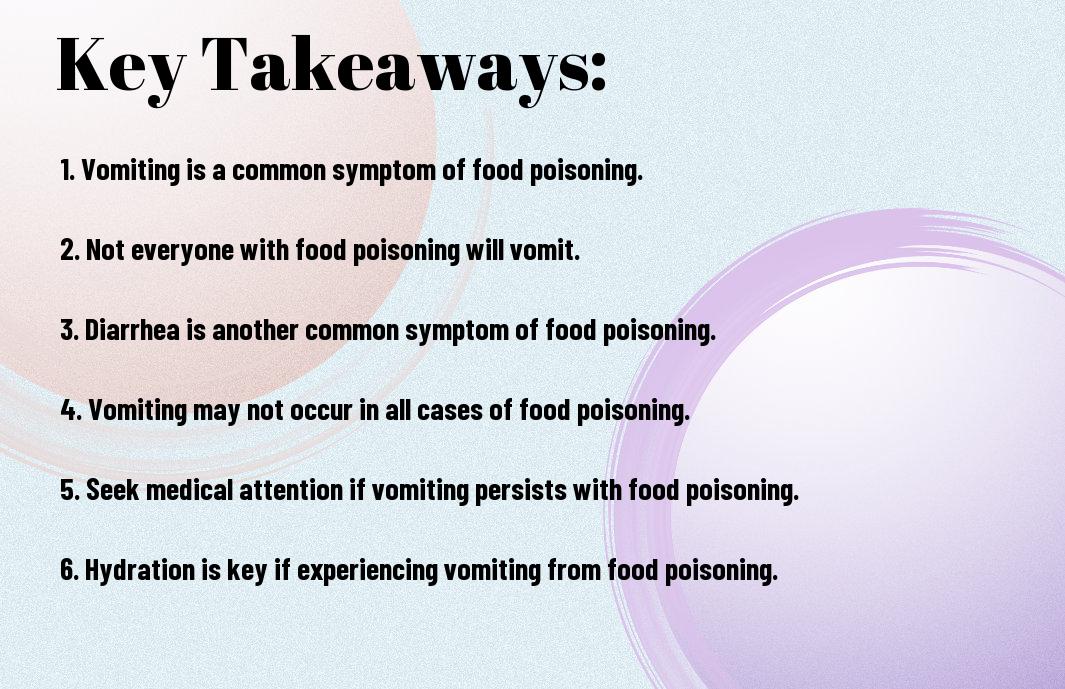
- Vomiting is common: Vomiting is a common symptom of food poisoning but not everyone with food poisoning will experience vomiting.
- Other symptoms: Some individuals with food poisoning may experience symptoms such as diarrhea, stomach cramps, and fever.
- Severity varies: The severity of food poisoning symptoms, including vomiting, can vary depending on the type of bacteria or virus causing the illness and the individual’s immune system.
Defining Food Poisoning
Before delving into whether vomiting always occurs with food poisoning, it’s crucial to understand what food poisoning is. To gain a deeper insight into the symptoms of food poisoning, you can refer to Food Poisoning Symptoms: Signs You Have …. Food poisoning refers to an illness caused by consuming contaminated food or beverages. The symptoms typically manifest within hours or days after ingesting contaminated food and can range from mild to severe.
What is food poisoning?
Food poisoning occurs when you consume food or drinks that are contaminated with harmful bacteria, viruses, parasites, or toxins. These contaminants can multiply in your food if it is not stored, handled, or cooked properly. The symptoms of food poisoning may include nausea, vomiting, diarrhea, abdominal pain, fever, and chills. Depending on the cause of food poisoning, the onset and duration of symptoms can vary.
Common causes of food poisoning
Any food can potentially cause food poisoning if it is not handled or prepared correctly. Some common causes include consuming undercooked or raw meat, poultry, or seafood; eating dairy products that have not been pasteurized; ingesting contaminated water or produce; and consuming food that has been left out at room temperature for too long. It’s important to practice proper food safety measures to reduce the risk of food poisoning.
Another common cause of food poisoning is cross-contamination, where harmful bacteria from raw foods are transferred to ready-to-eat foods. This can occur if you use the same cutting board or utensils for raw meat and other ingredients without proper cleaning in between. Proper hygiene and separate food preparation areas can help prevent cross-contamination and reduce the risk of food poisoning.
Symptoms of Food Poisoning
Gastrointestinal symptoms
Poisoning from contaminated food can lead to a variety of gastrointestinal symptoms. These may include nausea, vomiting, diarrhea, and stomach cramps. You may also experience loss of appetite and fever. The severity and duration of these symptoms can vary depending on the type of bacteria or toxin causing the food poisoning.
Systemic symptoms
On top of gastrointestinal symptoms, food poisoning can also manifest with systemic symptoms. These may include fatigue, muscle aches, and headaches. In more severe cases, you may experience dizziness and dehydration. It’s crucial to stay hydrated and seek medical attention if these symptoms persist or worsen.
Symptoms of food poisoning can range from mild to severe, with some cases requiring hospitalization. It’s crucial to pay attention to the signals your body is sending you. If you experience persistent vomiting, blood in your stool, or signs of dehydration such as extreme thirst and dark urine, seek medical help immediately.
Severity of symptoms
For instance, some types of food poisoning, such as botulism, can lead to potentially life-threatening symptoms like difficulty breathing and paralysis. In contrast, other forms of food poisoning may only result in mild discomfort for a short period. It’s crucial to monitor the severity of your symptoms and seek medical care if you have any concerns.
Vomiting and Food Poisoning
After consuming contaminated food, vomiting can often be a significant symptom of food poisoning. Various pathogens like bacteria, viruses, or parasites can cause food poisoning, leading to an upset stomach and subsequent vomiting.
Why vomiting occurs with food poisoning
One reason for vomiting during food poisoning is your body’s defense mechanism to expel harmful toxins or pathogens. When your digestive system detects the presence of harmful bacteria or substances, it triggers a series of reactions to eliminate them from your body. Vomiting helps rid your system of the offending agent, providing a form of protection against further harm.
When vomiting is a sign of food poisoning
Food poisoning can manifest in various ways, with vomiting being a common symptom alongside others like diarrhea, stomach cramps, and nausea. In some cases, vomiting may be the initial symptom of food poisoning, signaling that your body is reacting to harmful pathogens present in the contaminated food you consumed.
One point to note is that not everyone who experiences food poisoning will necessarily vomit. Your body’s response to the ingested pathogens can vary, and while vomiting is prevalent, some individuals may primarily experience diarrhea or other gastrointestinal symptoms instead. It’s crucial to recognize that the absence of vomiting does not rule out the possibility of food poisoning.
Other symptoms accompanying vomiting
The presence of vomiting in food poisoning often accompanies a range of additional symptoms. These may include diarrhea, fever, abdominal cramps, and in severe cases, dehydration. The combination of these symptoms can significantly impact your overall well-being and may require medical attention to manage and treat effectively.
The onset and duration of symptoms may vary depending on the type of pathogen causing the food poisoning. Some may experience a rapid onset of symptoms, while others may notice a delay in their manifestation. It’s crucial to monitor your symptoms closely and seek medical advice if you suspect food poisoning, especially if symptoms worsen or persist.
Not Always Vomiting
All food poisoning cases do not necessarily result in vomiting. It’s a common misconception that vomiting always accompanies food poisoning. In reality, the symptoms and severity of food poisoning can vary greatly depending on the type of bacteria or toxin involved, as well as individual factors such as your overall health and immune system.
Mild cases of food poisoning
An important point to note is that not all cases of food poisoning lead to severe symptoms like vomiting. Mild cases can present with symptoms such as abdominal pain, diarrhea, and general discomfort without any vomiting. In such instances, your body may be able to fight off the infection on its own without the need for vomiting.
Delayed or absent vomiting
The absence of vomiting in food poisoning can also be attributed to a delayed response by your body. Sometimes, the toxins present in contaminated food may take some time to affect your digestive system. As a result, you might experience symptoms like stomach cramps, diarrhea, and fever before vomiting occurs, if it happens at all.
For instance, certain types of food poisoning, such as those caused by Staphylococcus aureus or Bacillus cereus, primarily manifest with symptoms like nausea and diarrhea without significant vomiting. In these cases, monitoring your symptoms and seeking medical attention if they worsen or persist is crucial to prevent dehydration and complications.
Importance of monitoring other symptoms
With food poisoning, it’s imperative to pay attention to more than just vomiting. Monitoring other symptoms like diarrhea, fever, abdominal cramps, and overall weakness can provide valuable insights into the severity of the infection and help you decide when to seek medical help. Dehydration is a common risk with food poisoning, especially if vomiting is absent, making it important to stay hydrated and seek medical attention if symptoms worsen.
Complications and Risks
Dehydration and electrolyte imbalance
The symptoms of food poisoning, such as frequent vomiting and diarrhea, can lead to dehydration and electrolyte imbalances in your body. Dehydration occurs when you lose more fluids than you take in, and electrolyte imbalance happens when necessary minerals like sodium and potassium are not at the right levels. These conditions can be serious, especially for young children, older adults, and individuals with weakened immune systems.
Bacterial infections and sepsis
Imbalance in your body’s electrolytes and dehydration can worsen if food poisoning is caused by certain bacteria. In severe cases, these bacterial infections can progress to sepsis, a life-threatening condition where the body’s response to infection causes harm to its tissues and organs. Prompt medical attention is crucial if you experience symptoms like rapid heart rate, fever, confusion, or difficulty breathing.
Another important aspect to consider is the potential long-term consequences of food poisoning. While most cases resolve on their own with proper treatment, some bacterial infections can have lasting effects on your health.
Long-term health consequences
If bacterial infections from food poisoning are not adequately treated, they can lead to complications like reactive arthritis or Guillain-Barre syndrome. These infections can trigger autoimmune reactions in your body, causing joint pain, numbness, and muscle weakness. Monitoring your symptoms and seeking follow-up care are necessary to prevent any long-term health issues related to foodborne infections.
It is crucial to listen to your body and seek medical attention if you suspect food poisoning, to mitigate the risks of dehydration, electrolyte imbalances, and potential long-term health consequences that may arise from untreated bacterial infections.

Diagnosis and Treatment
Medical evaluation and testing
Not all cases of food poisoning will require medical attention, but it is vital to seek medical help if you experience severe symptoms such as persistent vomiting, high fever, dehydration, or blood in your stool. Your healthcare provider will conduct an evaluation to determine the cause of your symptoms, which may involve discussing your recent food intake, conducting a physical examination, and ordering tests such as a stool culture or blood tests.
Fluid replacement and medication
Diagnosis of food poisoning involves identifying the specific pathogen responsible for your symptoms. Depending on the severity of your condition, treatment may include fluid replacement to prevent dehydration and medications to alleviate symptoms such as nausea and diarrhea. In some cases, antibiotics may be prescribed if a bacterial infection is confirmed.
Home care and prevention
Fluid and electrolyte replacement are crucial aspects of home care for food poisoning. It is vital to stay hydrated by drinking clear fluids such as water, broth, or oral rehydration solutions. Avoiding solid foods for a period and gradually reintroducing bland, easy-to-digest foods can help your digestive system recover.
Understanding the importance of food safety practices such as proper food handling, storage, and hygiene can help prevent future cases of food poisoning. By following guidelines for safe food preparation and storage, you can minimize the risk of contamination and reduce the chances of experiencing food poisoning in the future.
To wrap up
Following this informative piece, it is clear that vomiting is not always a definitive symptom of food poisoning. It is crucial to be aware of other symptoms such as diarrhea, stomach cramps, and fever, which can also indicate food poisoning. Remember that seeking medical advice and treatment is crucial if you suspect you are suffering from it.
Always prioritize your health and well-being by practicing safe food handling and being mindful of potential symptoms of food poisoning. Stay informed and proactive in taking care of your body to prevent and manage any health issues that may arise.
Q: Can you always vomit with food poisoning?
A: Vomiting is a common symptom of food poisoning, but not everyone who has food poisoning will necessarily vomit. Other symptoms may include diarrhea, stomach cramps, and fever.
Q: What other symptoms are associated with food poisoning?
A: In addition to vomiting, food poisoning can cause symptoms such as nausea, diarrhea, abdominal pain, fever, and chills. The specific symptoms can vary depending on the type of foodborne illness and the individual’s reaction.
Q: When should I seek medical attention for food poisoning?
A: If you suspect you have food poisoning and are experiencing severe symptoms such as persistent vomiting, dehydration, high fever, severe abdominal pain, or bloody stools, it is important to seek medical attention promptly. In some cases, food poisoning can lead to serious complications that require medical treatment.