Food

What are the No 1 protein foods

There’s no denying the importance of protein in your diet. Whether you’re trying to build muscle, maintain a healthy weight, or simply stay energized throughout the day, incorporating high-protein foods into your meals is key. In this blog post, we will explore the top protein-rich foods that should be on your grocery list to help you meet your nutritional needs and optimize your health.

Key Takeaways:

  • Animal-based sources: Animal-based proteins such as chicken, beef, and fish are among the top sources of protein due to their high bioavailability and vital amino acid profile.
  • Plant-based sources: Plant-based proteins like legumes, nuts, and quinoa are excellent options for those following a vegetarian or vegan diet, offering ample protein content and other vital nutrients.
  • Eggs: Eggs are considered one of the most complete and high-quality protein sources, providing all vital amino acids in a readily digestible form.

Top Protein-Rich Foods

The

Lean Meats

Meats such as chicken, turkey, and lean cuts of beef are excellent sources of high-quality protein. These meats are low in fat and calories, making them a nutritious choice to include in your diet. When preparing these meats, opt for cooking methods such as grilling, baking, or roasting instead of frying to keep them healthy.

Additionally, lean meats are packed with important nutrients like iron, zinc, and B vitamins, which are important for overall health and well-being. Including a variety of lean meats in your meals can help you meet your protein needs while enjoying delicious and satisfying dishes.

Fish and Seafood

Protein-rich fish and seafood, such as salmon, tuna, and shrimp, are not only delicious but also excellent sources of important nutrients like omega-3 fatty acids. These nutrients are important for heart health, brain function, and reducing inflammation in the body. Including fish and seafood in your diet can provide you with a wide range of health benefits.

Plus, fish and seafood are versatile ingredients that can be grilled, baked, or steamed to create flavorful meals. Whether you enjoy them as a main dish or incorporate them into salads and soups, fish and seafood can add variety to your diet while boosting your protein intake.

Eggs and Dairy

Little 16 Foods for High Protein Meals

Eggs as a Protein Powerhouse

The incredible edible egg is a true powerhouse when it comes to protein. Not only are eggs a convenient and versatile source of protein, but they also contain all nine important amino acids that your body needs for optimal functioning. Enjoy them boiled, scrambled, poached, or in an omelet for a satisfying and protein-rich meal.

High-Protein Dairy Options

The dairy aisle is filled with high-protein options to help you meet your protein needs. Greek yogurt, cottage cheese, and milk are excellent sources of protein, calcium, and other important nutrients. Greek yogurt, in particular, stands out for its high protein content and creamy texture, making it a perfect snack or addition to smoothies and recipes.

Dairy products not only provide you with quality protein but also offer a good dose of calcium for strong bones and teeth. If you’re looking to increase your protein intake, incorporating dairy products into your daily diet can be a tasty and nutritious way to do so.

Plant-Based Protein Sources

Legumes: The Protein-Packed Beans

Unlike animal products, legumes are excellent plant-based sources of protein. Beans, lentils, and chickpeas are not only high in protein but also rich in fiber, vitamins, and minerals. Incorporating a variety of legumes into your diet can help you meet your protein needs while also promoting digestive health and providing important nutrients your body needs.

Nuts and Seeds: Crunchy Protein Snacks

On the plant-based protein front, nuts and seeds are your go-to crunchy snacks. Almonds, walnuts, chia seeds, and sunflower seeds are packed with protein, healthy fats, and antioxidants. These nutrient-dense foods can be sprinkled over salads, blended into smoothies, or enjoyed on their own as a satisfying snack.

Plant-based protein sources like nuts and seeds are not only delicious but also versatile. You can easily incorporate them into your meals to add a nutrient boost and a satisfying crunch.

To conclude,

It’s clear that plant-based protein sources offer a wide range of benefits beyond just protein content. By including legumes, nuts, and seeds in your diet, you can not only meet your protein needs but also enjoy a variety of nutrients that support your overall health and well-being.

Protein-Rich Grains

Keep your protein intake varied and exciting by incorporating protein-rich grains into your diet. Grains like quinoa and amaranth are not only delicious but also pack a powerful protein punch to help you meet your daily protein needs.

Quinoa: The Complete Protein Grain

To start off, quinoa is a complete protein grain, meaning it contains all nine necessary amino acids that your body needs but cannot produce on its own. This makes quinoa an excellent choice for vegetarians and vegans looking to increase their protein intake. Additionally, quinoa is gluten-free and high in fiber, making it a nutritious option for those with dietary restrictions or sensitivities.

Amaranth: A Protein-Packed Ancient Grain

Quinoa is undeniably a nutritional powerhouse, but don’t overlook amaranth when it comes to protein-packed grains. Amaranth is another ancient grain that is rich in protein and offers a nutty flavor profile. This grain is particularly high in lysine, an amino acid that is often lacking in other grains, making it a valuable addition to your diet.

Protein-packed amaranth can be cooked and enjoyed in a variety of ways, from porridge for breakfast to salads or side dishes for lunch and dinner. Its versatility and nutrient density make it a top choice for boosting your protein intake while adding a delicious element to your meals.

Vegetables High in Protein

All among the many nutrient-packed vegetables out there, some are surprisingly high in protein content. These vegetables not only offer important vitamins and minerals but also serve as a great source of plant-based protein.

Broccoli: The Protein-Rich Cruciferous Veggie

On your journey to incorporate more protein into your diet, don’t overlook the humble broccoli. This cruciferous vegetable is not only rich in fiber and antioxidants but also contains a good amount of protein. A one-cup serving of chopped broccoli can provide you with about 2.6 grams of protein. Additionally, broccoli is versatile and can be enjoyed in salads, stir-fries, soups, and even on its own as a nutritious side dish.

Spinach: Popeye’s Favorite Protein-Packed Green

For a leafy green that packs a protein punch, look no further than spinach. Spinach is not only low in calories but also high in protein, with about 5 grams of protein per cooked cup. This nutrient-dense green is also loaded with iron, vitamin K, and antioxidants, making it a powerhouse addition to your meals.

Spinach is a versatile vegetable that can be enjoyed raw in salads, sautéed as a side dish, or blended into smoothies for a boost of protein and nutrients. Including spinach in your diet can help you meet your daily protein needs while also benefiting from its array of healthful nutrients.

Popeyes may have been onto something with his love for spinach. This green leafy vegetable is not only delicious but also a great source of plant-based protein. So, go ahead and channel your inner Popeye by adding more protein-packed spinach to your diet.

Protein Supplements

Once again, when it comes to meeting your protein needs, supplements can be a convenient way to boost your intake. Here, we’ll explore two popular types of protein supplements: whey protein and plant-based protein powders.

Whey Protein: The Popular Post-Workout Supplement

Protein supplements like whey protein are often used as post-workout supplements to help with muscle recovery and growth. Whey protein is a high-quality protein derived from dairy that is quickly digested by your body, making it ideal for consumption right after your workout. It contains all the vital amino acids your body needs, making it a complete protein source.

Plant-Based Protein Powders: Alternatives to Whey

Plant-based protein powders are gaining popularity as alternatives to whey protein, especially among those following vegetarian or vegan diets. These protein powders are derived from sources like peas, rice, hemp, and soy, and can provide a good amount of protein to support your muscle-building goals. They are also easily digestible and can be a great option for those with lactose intolerance or dairy allergies.

Supplementing with plant-based protein powders can also offer additional benefits beyond just protein. They can provide fiber, antioxidants, vitamins, and minerals that are naturally present in plant-based sources, contributing to your overall nutrient intake.

To wrap up

Considering all points, it is clear that incorporating high-protein foods into your diet can have numerous health benefits, from promoting muscle growth and repair to aiding in weight management and supporting overall health. Including a variety of protein sources in your meals, such as lean meats, poultry, fish, eggs, dairy, legumes, and nuts, can help ensure that you are getting all the crucial amino acids your body needs to function properly.

Remember to pay attention to portion sizes and cooking methods to maximize the nutritional benefits of protein-rich foods. By making mindful choices and incorporating a variety of protein sources into your meals, you can easily meet your daily protein needs and enjoy a well-balanced and nutritious diet.

FAQ

Q: What are the top sources of protein for a balanced diet?

A: Some of the number one protein-rich foods for a balanced diet include chicken, turkey, fish, eggs, dairy products like Greek yogurt and cottage cheese, legumes such as lentils and chickpeas, tofu, tempeh, quinoa, and nuts and seeds.

Q: How much protein do you need daily and how can you ensure you are getting enough?

A: The recommended daily intake of protein varies depending on factors such as age, activity level, and individual goals. However, a general guideline is 0.8 grams of protein per kilogram of body weight. To ensure you are getting enough protein, incorporate a variety of protein-rich foods into your meals and snacks throughout the day.

Q: Can plant-based foods be good sources of protein?

A: Yes, plant-based foods can be excellent sources of protein. Foods like lentils, chickpeas, tofu, tempeh, quinoa, nuts, and seeds are all high in protein and can be included in a plant-based diet to meet your protein needs. By combining different plant-based protein sources, you can easily obtain all crucial amino acids required for optimal health.

What is the fastest way to cure food poisoning naturally

Just experienced the discomfort of food poisoning? Embark on a natural path to wellness with these expert-backed remedies. You’ll find yourself swiftly alleviating symptoms and promoting healing in a way that is gentle and effective for your body. Here, we explore into the quickest and safest ways to recover from food poisoning naturally, allowing your body to bounce back to health with ease.

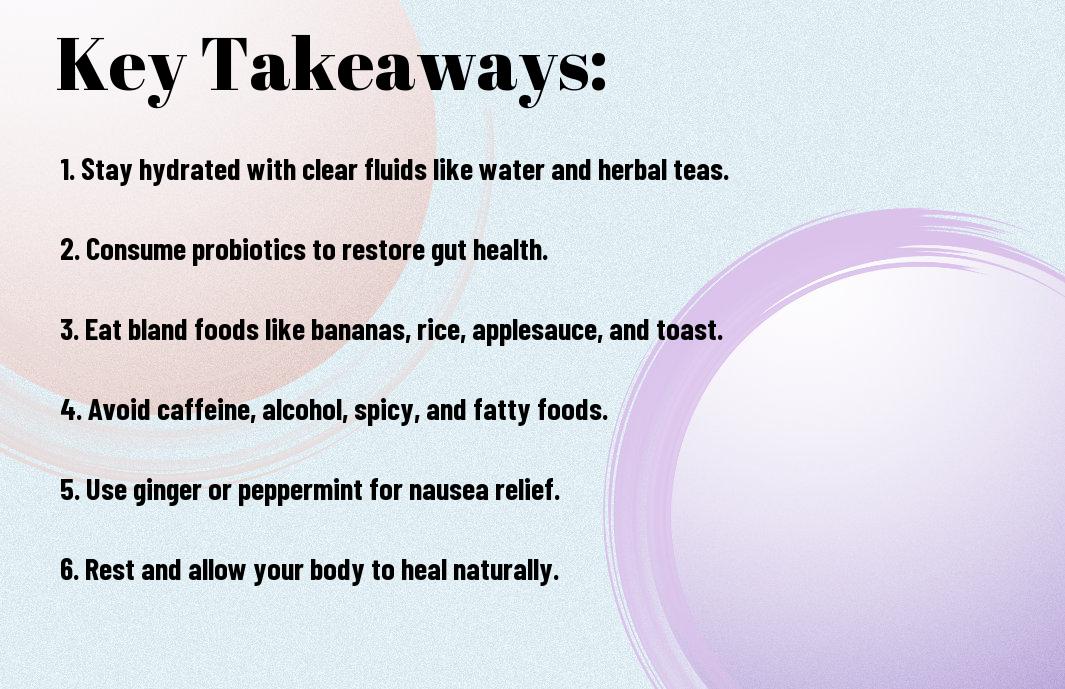
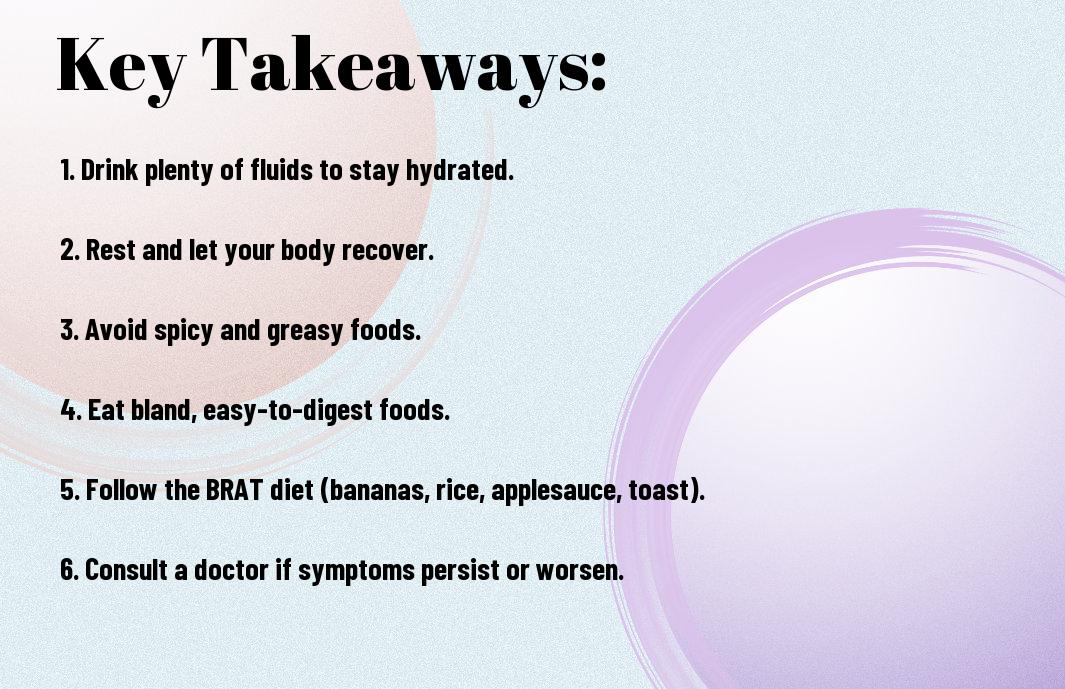
Key Takeaways:

  • Stay hydrated: Drinking plenty of water helps flush out toxins and replenish fluids lost due to vomiting and diarrhea.
  • BRAT diet: Following a diet of bananas, rice, applesauce, and toast can help soothe the digestive system and provide easy-to-digest foods.
  • Probiotics: Consuming probiotic-rich foods like yogurt can help restore healthy bacteria in the gut and aid in faster recovery from food poisoning.

Identifying Food Poisoning Symptoms

Common signs and symptoms

With food poisoning, you may experience a range of symptoms that can vary depending on the type of bacteria or virus causing the infection. Common signs include nausea, vomiting, diarrhea, stomach cramps, and fever. These symptoms typically appear within a few hours to a few days after consuming contaminated food.

When to seek medical attention

Symptoms of food poisoning can range from mild discomfort to severe illness. If you experience persistent vomiting, bloody diarrhea, dehydration, high fever, or symptoms lasting more than 48 hours, it is important to seek medical attention. Severe cases of food poisoning can lead to complications and may require medical intervention.

To ensure your safety and well-being, it is vital to seek medical attention if you are experiencing severe symptoms of food poisoning. Your healthcare provider can assess your condition, provide appropriate treatment, and offer guidance on how to manage your symptoms at home.

Causes of Food Poisoning

Even though food poisoning can have various causes, the most common culprits are bacterial, viral, and parasitic contamination, as well as mistakes in food handling and preparation.

Bacterial contamination

On the bacterial front, food poisoning is often caused by bacteria such as Salmonella, E. coli, and Listeria. These harmful bacteria can contaminate food at any stage, from production to preparation. Improper cooking, cross-contamination, and inadequate storage temperatures can all contribute to bacterial growth and foodborne illnesses.

Viral contamination

An array of viruses like norovirus and hepatitis A can also lead to food poisoning. These viruses are highly contagious and can easily spread through contaminated food or water. Symptoms of viral food poisoning typically include nausea, vomiting, and diarrhea, and the illness can spread rapidly in settings like schools, cruise ships, or communal living spaces.

The best defense against viral contamination is practicing good hygiene, such as washing your hands thoroughly and avoiding contact with potentially infected individuals.

Parasitic contamination

The presence of parasites like Giardia and Cryptosporidium in food or water sources can also result in food poisoning. These parasites are often found in contaminated water or undercooked food, especially in settings with poor sanitation. Symptoms of parasitic contamination may include prolonged diarrhea, abdominal pain, and dehydration. Proper water filtration and thorough cooking can help prevent parasitic infections.

Parasitic contamination can be particularly dangerous for individuals with weakened immune systems, such as the elderly or those with chronic illnesses.

Food handling and preparation mistakes

One common factor in food poisoning outbreaks is mistakes in food handling and preparation. Cross-contamination of raw and cooked foods, improper storage temperatures, and inadequate cooking techniques can all increase the risk of contamination. It is crucial to follow proper food safety protocols, such as washing fruits and vegetables, cooking meats to the correct internal temperature, and storing leftovers promptly in the refrigerator.

Natural Remedies for Food Poisoning

Once again, if you’re looking for natural remedies to help with food poisoning, you can try a few methods to alleviate your symptoms. For more information on treatment options, you can refer to Food Poisoning: Treatment Options.

Stay hydrated with coconut water and electrolyte-rich drinks

Water is vital for flushing out toxins from your system when you have food poisoning. In addition to water, coconut water is an excellent choice as it is rich in electrolytes that can help replenish your body’s fluids. You can also try other electrolyte-rich drinks like sports drinks or clear broths to stay hydrated and maintain your electrolyte balance.

Ginger and its anti-inflammatory properties

One way to soothe the inflammation and discomfort caused by food poisoning is by consuming ginger. Ginger has potent anti-inflammatory properties that can help reduce nausea, vomiting, and stomach cramps. You can make ginger tea by steeping fresh ginger slices in hot water or chew on a small piece of ginger to ease your symptoms.

Activated charcoal for toxin absorption

Electrolyte-rich fluids are crucial for staying hydrated and maintaining your body’s balance, especially during food poisoning. Activated charcoal is known for its ability to absorb toxins in the digestive tract, which can help alleviate symptoms of food poisoning. You can take activated charcoal supplements or capsules to help reduce the duration and severity of your symptoms.

Probiotics for gut health restoration

An crucial aspect of recovering from food poisoning is restoring your gut health. Probiotics are beneficial bacteria that can help replenish the good bacteria in your digestive system, which may have been depleted due to food poisoning. You can take probiotic supplements or consume probiotic-rich foods like yogurt, kefir, or sauerkraut to promote the balance of bacteria in your gut and aid in your recovery.

Understanding the natural remedies available for food poisoning can help you alleviate your symptoms and support your body’s healing process. Incorporating these remedies into your recovery plan can help you recover more quickly and effectively from food poisoning. Remember to consult with a healthcare provider if your symptoms persist or worsen.

Dietary Changes for Recovery

Bland diet: bananas, rice, applesauce, and toast (BRAT)

After experiencing food poisoning, your digestive system may be sensitive and in need of gentle foods to promote healing. An effective way to soothe your stomach and help ease diarrhea is by following a bland diet consisting of bananas, rice, applesauce, and toast, commonly known as the BRAT diet. These foods are easy to digest and can help bulk up your stool, potentially reducing the frequency of diarrhea episodes.

Electrolyte-rich foods: coconut water, sports drinks, and broth

Broth, such as chicken or vegetable broth, can be incredibly beneficial during recovery from food poisoning due to its electrolyte content. Electrolytes are crucial minerals that help maintain proper fluid balance in your body, which can be disrupted by vomiting and diarrhea. In addition to broth, coconut water and sports drinks can also help replenish electrolytes lost during illness, aiding in hydration and recovery.

When recovering from food poisoning, staying hydrated is crucial to prevent further complications. Drinking plenty of water and electrolyte-rich beverages can help restore the balance of fluids and minerals in your body, promoting faster recovery.

Avoiding irritants: spicy, fatty, or heavy foods

Coconut oil, heavy spices, and fatty foods can irritate your already sensitive digestive system further, potentially exacerbating symptoms of food poisoning. To aid in your recovery, it is best to avoid these irritants until your stomach has fully healed. Opt for bland, easy-to-digest foods instead to give your gut a chance to recuperate.

Rice can be a great option to include in your diet during recovery from food poisoning. It is gentle on the stomach, easy to digest, and can help bind loose stools. Additionally, rice provides energy without putting additional strain on your digestive system, making it a suitable choice for easing back into eating after being ill.

Incorporating probiotic-rich foods: yogurt, kefir, and kimchi

One way to support your gut health during and after food poisoning is by incorporating probiotic-rich foods into your diet. Foods like yogurt, kefir, and kimchi contain beneficial bacteria that can help restore the balance of your gut flora, which may have been disrupted by the illness. Probiotics can aid in digestion and strengthen your immune system, promoting overall recovery.

Bland foods like yogurt, kefir, and kimchi can be soothing to your stomach while providing a dose of beneficial bacteria to support your digestive health. Including these probiotic-rich foods in your diet post-food poisoning can help speed up your recovery and prevent future digestive issues.

Home Remedies for Food Poisoning Relief

Despite the discomfort of food poisoning, there are natural ways to ease your symptoms and promote recovery. For more detailed information on natural home remedies for food poisoning, you can visit Natural Home Remedies for Food Poisoning. Here are some effective home remedies you can try to alleviate your discomfort:

Rest and relaxation techniques

An important aspect of recovering from food poisoning is to allow your body to rest and heal. Make sure you get plenty of rest and relaxation during this time. Stress can hinder your recovery process, so practicing relaxation techniques such as deep breathing, meditation, or gentle yoga can help calm your mind and body.

Heat therapy: warm baths and compresses

Therapy. If you are experiencing stomach cramps or muscle aches due to food poisoning, applying heat therapy can help alleviate discomfort. Taking a warm bath or using a warm compress on your abdominal area can help relax your muscles and provide relief.

Heat therapy can also help stimulate blood flow to the affected areas, promoting healing and reducing inflammation. Remember not to use extremely hot temperatures to avoid skin irritation or burns. Additionally, make sure to stay hydrated by drinking water or electrolyte-rich fluids.

Aromatherapy: peppermint, ginger, and chamomile

Home. Aromatherapy can be beneficial in easing symptoms of nausea and promoting digestion. Peppermint, ginger, and chamomile important oils are known for their calming and digestive properties. You can inhale the scents directly from the bottle, add a few drops to a diffuser, or dilute them with a carrier oil for a gentle abdominal massage.

This natural approach can help soothe your stomach, reduce nausea, and promote overall relaxation. Remember to use high-quality important oils and perform a patch test before applying them to your skin to avoid any allergic reactions.

Herbal teas: ginger, peppermint, and chamomile

Heat. Herbal teas are a comforting way to stay hydrated and alleviate symptoms of food poisoning. Ginger, peppermint, and chamomile teas have been traditionally used to ease digestive discomfort, reduce nausea, and promote overall well-being.

Food. You can sip on these warm teas throughout the day to support your recovery. Ginger is known for its anti-inflammatory properties, peppermint can help soothe your stomach, and chamomile has a calming effect on the body. These herbal teas can also aid in relieving bloating and indigestion, making them a gentle and effective remedy for food poisoning.

Preventing Food Poisoning in the Future

Safe food handling practices

For safe food handling practices, always wash your hands thoroughly before and after handling food. Use separate cutting boards for raw meat, poultry, and seafood to avoid cross-contamination with other foods. Ensure that foods are cooked to the proper internal temperature and refrigerate leftovers promptly to prevent bacterial growth.

Proper food storage and refrigeration

Preventing food poisoning also involves proper food storage and refrigeration. Keep your refrigerator at 40°F or below and your freezer at 0°F to slow the growth of bacteria. Store raw meats on the bottom shelf to prevent juices from dripping onto other foods, and use a refrigerator thermometer to ensure temperatures are adequate.

Another tip for proper food storage is to label and date leftovers to track how long they have been in the fridge. By following these practices, you can reduce the risk of foodborne illnesses in your household.

Avoiding high-risk foods: raw or undercooked meat, eggs, and fish

Food poisoning can be avoided by being cautious with high-risk foods like raw or undercooked meat, eggs, and fish. Make sure to cook these foods thoroughly to kill any harmful bacteria that may be present. Avoid consuming unpasteurized dairy products and raw sprouts, which can also harbor harmful pathogens.

Food safety authorities recommend avoiding raw or undercooked foods, particularly for young children, pregnant women, the elderly, and individuals with weakened immune systems. By being mindful of the risks associated with certain foods, you can protect yourself and your loved ones from potential foodborne illnesses.

Washing hands frequently and correctly

With washing hands frequently and correctly, you can significantly reduce the risk of food poisoning. Always wash your hands before preparing food, after handling raw meats, and after using the restroom. Use warm water and soap, lathering for at least 20 seconds, and dry your hands thoroughly with a clean towel.

Conclusion

Upon reflecting on the fastest ways to cure food poisoning naturally, it is important to prioritize rest, hydration, and incorporating herbal remedies to support your body’s healing process. By giving your digestive system a break, staying hydrated, and consuming ginger, peppermint, or chamomile tea, you can ease symptoms and promote recovery.

Remember to listen to your body’s signals and seek medical attention if symptoms worsen or persist. By taking proactive steps to care for yourself and utilizing natural remedies, you can help alleviate food poisoning symptoms and support your body’s natural ability to heal.

FAQ

Q: What is food poisoning and how do I know if I have it?

A: Food poisoning occurs when you consume food or water contaminated with bacteria, parasites, viruses, or toxins. Symptoms usually include nausea, vomiting, diarrhea, stomach cramps, and fever. If you suspect you have food poisoning, it is important to seek medical attention.

Q: What is the fastest way to cure food poisoning naturally?

A: The fastest way to cure food poisoning naturally is by letting your digestive system rest. Drink clear fluids such as water, herbal teas, or electrolyte beverages to stay hydrated and replace lost fluids. Eat bland foods like toast, crackers, bananas, and rice to help settle your stomach. Avoid dairy, fatty, spicy, or heavy foods until you feel better.

Q: When should I seek medical help for food poisoning?

A: You should seek medical help for food poisoning if you experience severe symptoms such as high fever, bloody stools, dehydration, prolonged vomiting or diarrhea, intense abdominal pain, or if your symptoms do not improve within a few days. Pregnant women, young children, older adults, and individuals with weakened immune systems should seek medical attention promptly.

What drink helps food poisoning go away

You wake up in the middle of the night feeling queasy and uncomfortable after indulging in a questionable meal earlier in the day. Your body is telling you that you may have food poisoning. But fear not, there is a simple and natural remedy that can help alleviate your symptoms – a soothing cup of ginger tea. Let’s explore how this powerful drink can help your body fight off food poisoning and get you back on your feet in no time.

Key Takeaways:

  • Ginger tea: Ginger has natural anti-inflammatory properties that can help soothe the stomach and alleviate symptoms of food poisoning.
  • Peppermint tea: Peppermint tea can help relieve digestive issues like bloating and gas, which are commonly associated with food poisoning.
  • Electrolyte drinks: Consuming electrolyte drinks can help restore hydration and vital minerals lost due to vomiting or diarrhea caused by food poisoning.

Causes of Food Poisoning

Bacterial Contamination

The leading cause of food poisoning is bacterial contamination. Bacteria such as Salmonella, E. coli, and Campylobacter can thrive in improperly cooked or stored food, leading to illness when consumed. An estimated 48 million cases of foodborne illness occur each year in the United States due to bacterial contamination.

Viral Infections

With viral infections, pathogens such as norovirus and rotavirus are responsible for causing food poisoning. These viruses are highly contagious and can spread rapidly through contaminated food, water, or surfaces. Symptoms of viral food poisoning include nausea, vomiting, and diarrhea, which can last for several days.

It is imperative to practice good hygiene and food safety measures to prevent the spread of viral infections. Washing your hands thoroughly, cooking food to the proper temperature, and avoiding contact with sick individuals can help reduce the risk of viral food poisoning.

Parasitic Infestations

It is relatively rare, but parasitic infestations can also lead to food poisoning. Parasites like Giardia and Cryptosporidium can contaminate water sources and food, causing gastrointestinal symptoms when ingested. To prevent parasitic infestations, it is crucial to drink clean, filtered water and properly wash and cook food to kill any potential parasites.

To summarize, the main causes of food poisoning include bacterial contamination, viral infections, and parasitic infestations. By understanding these sources of illness and taking necessary precautions, you can protect yourself from foodborne illnesses and enjoy a healthy diet.

Symptoms of Food Poisoning

Some of the most common symptoms of food poisoning include nausea, vomiting, diarrhea, abdominal cramps, fever, and headaches. These symptoms can vary depending on the type of bacteria or virus that caused the food poisoning.

Nausea and Vomiting

One of the initial symptoms of food poisoning is often nausea, which may be followed by vomiting. This is your body’s way of trying to get rid of the toxins that are causing the illness. It’s necessary to stay hydrated during this time by sipping on water or electrolyte-rich drinks like coconut water or sports drinks to replenish lost fluids.

Diarrhea and Abdominal Cramps

With diarrhea and abdominal cramps, your body is trying to expel the harmful bacteria or viruses quickly. It’s crucial to stay near the restroom and avoid consuming solid foods until the symptoms ease up. Stick to a bland diet consisting of clear liquids like broth, ginger ale, or herbal teas to help soothe your stomach.

Plus, probiotic-rich foods like yogurt can help restore the balance of good bacteria in your gut, aiding in the recovery process. These foods can also help alleviate bloating and discomfort associated with diarrhea and abdominal cramps.

Fever and Headaches

Cramps, fever, and headaches are common signs that your body is fighting off an infection caused by food poisoning. It’s necessary to monitor your temperature and stay well-hydrated. Over-the-counter pain relievers like acetaminophen can help alleviate fever and headache symptoms.

For instance, if your fever persists for more than a couple of days or if you experience severe abdominal pain, it’s crucial to seek medical attention promptly. In some cases, food poisoning can lead to dehydration or more severe complications that require medical treatment.

Drinks That Can Help

Coconut Water

Keep hydrated with coconut water, a natural electrolyte-rich beverage that can help replenish fluids and necessary minerals lost during bouts of food poisoning. Coconut water is also gentle on the stomach and can aid in soothing digestive discomfort.

Ginger Ale

Any ginger ale can potentially help calm an upset stomach and alleviate nausea associated with food poisoning. The ginger in the soda has natural anti-inflammatory properties that can help ease gastrointestinal distress.

The carbonation in ginger ale can also provide relief by helping to reduce bloating and promote burping, which may help to expel trapped gas in the digestive system. Opt for a flat ginger ale if the carbonation exacerbates any discomfort.

Peppermint Tea

That warm cup of peppermint tea can be a soothing remedy for nausea and indigestion caused by food poisoning. Peppermint has carminative properties that can help relax the digestive tract and reduce spasms, potentially easing stomach cramps.

Help calm your upset stomach and alleviate digestive issues by sipping on peppermint tea throughout the day. The gentle aroma and flavor of peppermint can also help reduce the sensation of nausea and promote overall digestive comfort.

How These Drinks Work

Replenishing Electrolytes

To replenish your electrolytes, drinks like coconut water and sports drinks can be beneficial. The electrolytes in these beverages help restore your body’s balance of minerals like potassium and sodium, which can get depleted during food poisoning. This replenishment is important for maintaining proper hydration levels and supporting your body’s overall function.

Soothing the Stomach

Stomach-friendly drinks like ginger tea and peppermint tea can help calm an upset stomach. Ginger has natural anti-inflammatory properties, which can help reduce nausea and aid digestion. Peppermint is known for its ability to relax the muscles in the digestive tract, providing relief from cramping and bloating.

These soothing drinks can also help reduce irritation in the stomach lining, providing a gentle and comforting remedy for your symptoms.

Reducing Inflammation

Drinks like green tea and herbal teas can help reduce inflammation in the stomach. Green tea is rich in antioxidants that have anti-inflammatory properties, which can help ease discomfort caused by food poisoning. Herbal teas like chamomile and turmeric tea also have soothing effects on the digestive system, reducing inflammation and promoting healing.

For instance, chamomile tea can help relax the muscles in the stomach and intestines, reducing cramps and discomfort. Turmeric tea, with its active compound curcumin, has been shown to have strong anti-inflammatory effects, which can help alleviate symptoms of food poisoning.

Other Remedies to Consider

Activated Charcoal

Any time you have food poisoning, activated charcoal might help alleviate your symptoms. Activated charcoal can bind to toxins in your digestive system, helping your body eliminate them more efficiently. It can also reduce gas and bloating, common symptoms of food poisoning. You can find activated charcoal supplements at most health food stores or pharmacies. Be sure to follow the recommended dosage on the packaging.

Probiotics

The use of probiotics is another potential remedy for food poisoning. Probiotics are beneficial bacteria that can help restore balance in your gut microbiome, which may be disrupted during a bout of food poisoning. The introduction of these good bacteria can support your digestive system and help it recover more quickly.

The best sources of probiotics are yogurt, kefir, sauerkraut, and other fermented foods. You can also take probiotic supplements, which are available over the counter. Look for supplements that contain a variety of bacterial strains for maximum benefit.

Rest and Hydration

Hydration is key to recovering from food poisoning. Make sure you drink plenty of water, clear broths, and electrolyte-rich drinks to replenish fluids lost through vomiting and diarrhea. Rest is equally important – give your body the time it needs to recover by getting plenty of sleep and avoiding strenuous activities. Your immune system works best when you are well-rested.

Another good idea is to avoid heavy, greasy, or spicy foods until your symptoms subside. Stick to bland, easily digestible foods like toast, rice, bananas, and applesauce until you start feeling better.

Prevention is Key

Your health is valuable, and when it comes to food poisoning, prevention is crucial. Before finding yourself seeking relief from food poisoning symptoms, it’s important to understand how you can prevent it from happening in the first place. Refer to Food Poisoning Treatment: What to Expect to educate yourself on the treatment and prevention of foodborne illnesses.

Safe Food Handling Practices

For safe food handling, always wash your hands thoroughly before and after handling food, especially raw meats. Use separate cutting boards and utensils for raw meats and fresh produce to prevent cross-contamination. Ensure that your food is cooked to the appropriate internal temperature to kill harmful bacteria.

Avoiding High-Risk Foods

Anytime you can, avoid consuming high-risk foods such as undercooked meats, unpasteurized dairy products, and raw eggs. These foods are more likely to harbor harmful bacteria like Salmonella or E. coli, which are common culprits of food poisoning.

Practices such as washing fruits and vegetables thoroughly before consuming, storing leftovers promptly in the refrigerator, and avoiding expired or spoiled foods can significantly lower your risk of food poisoning.

Staying Hydrated

An important aspect of preventing and recovering from food poisoning is staying hydrated. Fluid loss from vomiting and diarrhea can lead to dehydration, so make sure to drink plenty of water, electrolyte-containing beverages, or clear broths to replenish lost fluids and electrolytes.

Another beneficial practice is consuming bland, easy-to-digest foods like crackers, toast, and bananas to restore nutrients and aid in recovery from food poisoning.

Conclusion

As a reminder, when dealing with food poisoning, it’s crucial to stay hydrated and choose the right beverages to help ease symptoms. Opting for clear fluids like water, electrolyte drinks, herbal teas, or ginger ale can help replenish lost fluids due to vomiting or diarrhea. Additionally, consuming warm liquids like clear broths or teas with ginger may help soothe an upset stomach and alleviate nausea. Remember to avoid caffeine, alcohol, and sugary drinks which can further aggravate symptoms.

Listening to your body and providing it with the necessary fluids and nutrients is key to recovering from food poisoning. By choosing the proper drinks and focusing on rest and hydration, you can help alleviate symptoms and promote a faster recovery. If symptoms persist or worsen, it is important to seek medical attention promptly.

Q: What drinks can help with food poisoning symptoms?

A: Drinks that can help with food poisoning symptoms include ginger tea, electrolyte drinks, herbal teas like peppermint or chamomile, and plain water. These drinks can help ease nausea, replenish lost fluids, and provide relief from symptoms like stomach cramps and diarrhea.

Q: How does ginger tea help with food poisoning?

A: Ginger tea is known for its anti-nausea properties and can help calm an upset stomach, reduce nausea, and alleviate digestive issues that often accompany food poisoning. The ginger in the tea can also help reduce inflammation in the stomach and improve overall digestion.

Q: Are there any drinks to avoid when experiencing food poisoning?

A: When experiencing food poisoning, it is best to avoid drinks that are high in sugar, caffeine, or alcohol, as these can further irritate the stomach and worsen symptoms. It is also important to avoid dairy products, as they can be harder to digest and exacerbate gastrointestinal discomfort.

Can food poisoning recover by itself

Many of you may wonder if food poisoning can resolve on its own without medical intervention. Concerning food poisoning, it’s crucial to understand its symptoms, causes, and treatment options to ensure a quick and safe recovery. To learn more about food poisoning treatment and what to expect, check out this informative article on Food Poisoning Treatment: What to Expect.

Key Takeaways:

  • Food poisoning can resolve on its own: In most cases, mild cases of food poisoning can resolve without medical intervention.
  • Stay hydrated: It is important to stay hydrated while recovering from food poisoning to prevent dehydration.
  • Consult a doctor if symptoms persist: If symptoms of food poisoning persist or worsen, it is important to seek medical attention for proper diagnosis and treatment.

What is Food Poisoning?

Definition and Causes

The term ‘food poisoning’ refers to illnesses caused by consuming contaminated food or beverages. This contamination can occur due to bacteria, viruses, parasites, or their toxins. Common causes include improper food handling, storage, or cooking; consuming raw or undercooked foods; and cross-contamination.

Common Symptoms

Common symptoms of food poisoning include nausea, vomiting, diarrhea, stomach cramps, and fever. These symptoms can vary depending on the type of contaminant and the individual’s tolerance level. In severe cases, food poisoning can lead to dehydration and require medical attention.

Plus, symptoms of food poisoning typically appear within hours to a few days after consuming contaminated food or beverages. It is imperative to stay hydrated and rest to help your body recover. If symptoms persist or worsen, seek medical help.

The Body’s Natural Response

Immune System Reaction

An vital component of your body’s natural response to food poisoning is your immune system. When harmful bacteria or toxins enter your system through contaminated food, your immune system kicks into gear to fight off the invaders. Symptoms like nausea, vomiting, and diarrhea are actually signs that your body is working hard to get rid of the offending pathogens.

Self-Recovery Mechanisms

To aid in your recovery, your body employs various mechanisms to help flush out the toxins and bacteria causing the food poisoning. One of these mechanisms is increased fluid intake, which helps to rehydrate your body and assist in the elimination of the harmful substances. Additionally, your body may induce vomiting and diarrhea as a way to expel the toxins quickly.

It is important to support your body’s self-recovery mechanisms by staying well-hydrated and getting plenty of rest. In most cases, mild to moderate cases of food poisoning will resolve on their own within a few days as your body successfully fights off the infection.

Factors Affecting Recovery

After experiencing food poisoning, several factors can influence your recovery. Here are some key aspects to consider:

  • Severity of Poisoning: The severity of your food poisoning can impact how quickly you recover. Mild cases may resolve on their own within a few days, while more severe cases may require medical treatment. Knowing when to seek medical help is crucial. For more information on treatment options, you can visit Treatment for Food Poisoning – NIDDK.

Recovery: Severity of Poisoning

On the journey to recovery, the severity of your food poisoning plays a significant role in determining the timeline and required interventions.

Individual Health Status

On a personal level, your individual health status can also affect how quickly you bounce back from food poisoning. Factors such as your overall health, immune system strength, and any pre-existing conditions can impact your recovery process.

For instance, individuals with weakened immune systems or underlying health issues may take longer to recover from food poisoning compared to those who are generally healthy. It’s necessary to listen to your body and seek medical attention if needed.

Timely Medical Intervention

Poisoning can sometimes be severe and may require prompt medical intervention to ensure a full recovery. Timely medical treatment, such as intravenous fluids or medication, can help alleviate symptoms and prevent complications.

For instance, if you experience persistent vomiting, high fever, dehydration, or bloody stools, seeking medical assistance promptly is crucial. Keep in mind, your health is paramount, and getting the necessary medical care can speed up your recovery process.

Can Food Poisoning Recover on Its Own?

Mild Cases: When Recovery is Possible

Food poisoning can vary in severity, with mild cases often resolving on their own. If you are experiencing mild symptoms such as nausea, vomiting, and diarrhea, your body may be able to fight off the infection without medical intervention. It is important to stay hydrated and get plenty of rest to help your body recover.

Moderate Cases: When Medical Attention is Crucial

On the other hand, moderate cases of food poisoning may require medical attention. If your symptoms persist or worsen, it is important to seek help from a healthcare provider. In some cases, antibiotics or other medications may be necessary to treat the infection and prevent complications.

It is important to monitor your symptoms closely and seek medical help if you experience severe abdominal pain, high fever, or bloody diarrhea. These could be signs of a more serious infection that requires immediate treatment to avoid potential complications.

Severe Cases: When Hospitalization is Necessary

When food poisoning leads to severe dehydration, organ dysfunction, or other serious complications, hospitalization may be necessary. In these cases, you may require intravenous fluids, antibiotics, and other intensive treatments to help your body recover and prevent further harm.

When experiencing severe symptoms such as extreme lethargy, confusion, or difficulty breathing, do not hesitate to seek emergency medical care. Prompt treatment can make a significant difference in your recovery and prevent long-term health consequences.

Complications and Risks

Dehydration and Electrolyte Imbalance

Now, if you experience food poisoning, it’s imperative to be aware of potential complications such as dehydration and electrolyte imbalance. Vomiting and diarrhea can lead to significant fluid loss, which in turn can result in dehydration. Dehydration can be serious, especially for young children, older adults, and individuals with weakened immune systems.

Long-term Health Consequences

Any delay in seeking treatment for food poisoning can result in long-term health consequences. With severe cases, food poisoning can lead to complications such as kidney damage, chronic arthritis, and even neurological disorders. It’s crucial to monitor your symptoms and seek medical attention if they worsen or persist.

With imbalance in electrolytes and dehydration from food poisoning, your body may struggle to function properly. This can lead to weakness, confusion, irregular heartbeats, and even seizures. If you experience any of these symptoms, it’s important to seek medical care immediately.

Increased Risk of Future Infections

Infections caused by certain foodborne pathogens can also increase your risk of future infections. To prevent this, it’s crucial to practice good food hygiene and ensure that you are consuming properly cooked and stored foods. By taking these precautions, you can reduce your risk of contracting foodborne illnesses in the future.

To avoid complications and reduce the risk of future infections, it’s imperative to follow proper food safety guidelines. This includes storing food at the correct temperatures, avoiding cross-contamination, and washing your hands thoroughly before handling food. By being vigilant about food safety practices, you can protect yourself and your loved ones from foodborne illnesses.

Preventing Food Poisoning

Safe Food Handling Practices

Not practicing safe food handling can increase your risk of food poisoning. Make sure to wash your hands thoroughly before and after handling food, especially raw meats and vegetables. Use separate cutting boards for raw meats and ready-to-eat foods to prevent cross-contamination. Cook foods to their recommended internal temperatures and refrigerate leftovers promptly.

Proper Hygiene and Storage

Food poisoning can also be prevented by maintaining proper hygiene and storage practices. Any perishable foods should be refrigerated promptly and stored at the correct temperature to prevent bacterial growth. Check expiration dates on food packages and discard any items that are past their prime.

Another important aspect of proper hygiene and storage is to clean your refrigerator regularly to prevent any cross-contamination between different foods. Make sure to store raw meats on the bottom shelf to avoid any drips onto ready-to-eat foods below.

Avoiding High-Risk Foods

With food poisoning, prevention is key. Avoiding high-risk foods like raw or undercooked meats, unpasteurized dairy products, and raw shellfish can significantly reduce your chances of getting sick. Opt for pasteurized dairy products and fully cooked meats to minimize your risk.

Handling fruits and vegetables with care is also important in preventing food poisoning. Wash produce thoroughly before consuming, especially if you plan to eat it raw. This simple step can help remove any potential bacteria or contaminants present on the surface of the produce.

Conclusion

Following this discussion, it is important to note that while mild cases of food poisoning can often resolve on their own with rest and hydration, it is crucial to seek medical attention if symptoms persist or worsen. It is always better to err on the side of caution when it comes to your health. Prompt treatment can help prevent dehydration and other complications that may arise from food poisoning.

Bear in mind, your well-being is of the utmost importance. If you suspect you have food poisoning and are unsure of the severity of your symptoms, do not hesitate to consult a healthcare professional. They can provide guidance on the best course of action to ensure a speedy recovery and prevent further complications.

FAQ

Q: Can food poisoning recover by itself?

A: In most cases, food poisoning will resolve on its own within a few days. However, it is important to stay hydrated and get plenty of rest. If symptoms persist or worsen, it is advisable to consult a healthcare provider.

Q: What are the common symptoms of food poisoning?

A: Common symptoms of food poisoning include nausea, vomiting, diarrhea, stomach cramps, and fever. These symptoms can vary in severity depending on the type of bacteria or virus causing the food poisoning.

Q: When should I seek medical help for food poisoning?

A: You should seek medical help for food poisoning if you experience severe symptoms such as persistent vomiting, high fever, bloody stools, dehydration, or signs of neurological symptoms. It is always better to consult a healthcare provider if you are unsure about the severity of your condition.

Does food poisoning cause fever

It’s necessary to understand the relationship between food poisoning and fever. When your body detects harmful bacteria or viruses from contaminated food, it can trigger a response that includes a rise in body temperature. This fever is your body’s way of fighting off the infection. In this blog post, we will explore the connection between food poisoning and fever, symptoms to watch out for, and when to seek medical attention. So, if you’ve ever wondered whether food poisoning can cause fever, keep reading to find out more.

Key Takeaways:

  • Food poisoning can cause fever: In many cases, food poisoning can lead to a fever as the body tries to fight off the infection caused by consuming contaminated food.
  • Fever is a common symptom of food poisoning: Along with symptoms like nausea, vomiting, and diarrhea, fever is a common indicator of food poisoning and can help in diagnosing the condition.
  • Consult a healthcare professional: If you suspect you have food poisoning and are experiencing a fever, it is important to seek medical advice for proper diagnosis and treatment.

What is Food Poisoning?

The world of food poisoning can be a scary one to navigate. Before we research into the different aspects of this topic, it’s important to understand what food poisoning actually is.

Definition and Causes

The term “food poisoning” refers to an illness caused by consuming contaminated food or water. The source of contamination could be bacteria, viruses, parasites, or toxins produced by these germs. Food poisoning can occur at any stage, from production to preparation to storage. The most common causes include improper food handling, inadequate cooking, and cross-contamination.

Common Types of Food Poisoning

To shed more light on the subject, here are some common types of food poisoning you should be aware of:

  • Salmonella
  • E. coli
  • Listeria
  • Norovirus
  • Botulism

The symptoms of food poisoning can vary depending on the type of contaminant involved. Common symptoms include nausea, vomiting, diarrhea, abdominal pain, and fever. The treatment for food poisoning typically involves staying hydrated and allowing the illness to run its course, although in severe cases, medical intervention may be necessary.

What is Fever?

Definition and Symptoms

One of the ways your body responds to an infection or illness is by developing a fever. Fever is a temporary increase in your body temperature, usually a sign that your immune system is fighting off an infection. Symptoms of a fever include feeling hot to the touch, shivering, sweating, and general discomfort.

How Fever Relates to Infection

Symptoms may vary depending on the underlying cause of the fever. Infections from bacteria, viruses, or fungi can trigger the body to release chemicals that raise the temperature set point in your brain, leading to a fever. This elevated body temperature creates an inhospitable environment for pathogens, aiding in your body’s defense mechanisms against the infection.

How Fever Relates to Infection

Fever is your body’s way of fighting off infections and is often a sign that your immune system is actively working to protect you. By increasing your body temperature, fever can help to speed up the activities of white blood cells and other immune responses, ultimately aiding in the healing process. In some cases, a fever may also help your body to recover more quickly from an illness.

The Connection Between Food Poisoning and Fever

Many people wonder whether food poisoning can cause a fever. The answer is yes, it can. When your body detects harmful bacteria or toxins from contaminated food, it triggers an immune response that can lead to symptoms such as fever. Let’s explore how food poisoning can trigger a fever and the role of toxins and infection in this process.

How Food Poisoning Triggers Fever

Fever is your body’s natural response to infections or toxins. When you consume contaminated food, such as undercooked meat or unpasteurized dairy, harmful bacteria like Salmonella or E. coli can enter your system. Your body recognizes these invaders as dangerous and releases chemicals to fight them off. This immune response can lead to an increase in body temperature, resulting in a fever.

The Role of Toxins and Infection

Poisoning from toxins produced by bacteria like Staphylococcus aureus can also cause fever. These toxins can disrupt your body’s normal functions, leading to symptoms like nausea, vomiting, and fever. In some cases, the presence of infection along with these toxins can worsen the symptoms and prolong the duration of your illness.

Another important aspect to consider is the severity of the food poisoning. Mild cases may only result in a slight fever, while more severe cases can lead to high fever, dehydration, and other complications. It is crucial to seek medical attention if you suspect food poisoning, especially if you experience persistent fever or severe symptoms.

Symptoms of Food Poisoning-Induced Fever

Common Symptoms

The symptoms of food poisoning can vary depending on the source of contamination and your body’s response. The most common symptoms include nausea, vomiting, diarrhea, abdominal cramps, and fever. If you have food poisoning-induced fever, your body temperature may rise above the normal range of 98.6 degrees Fahrenheit (37 degrees Celsius). The fever is your body’s way of fighting off the harmful bacteria or toxins that have entered your system through contaminated food.

Severe Symptoms and Complications

Any serious case of food poisoning can lead to severe symptoms and complications that require immediate medical attention. Symptoms such as dehydration, severe abdominal pain, bloody stools, and high fever are indicators of a more critical condition. In some cases, foodborne illnesses can progress to more severe complications like organ damage or septicemia if left untreated.

For instance, certain types of bacteria like E. coli and Salmonella can cause severe dehydration due to excessive fluid loss from vomiting and diarrhea. If not addressed promptly, dehydration can lead to electrolyte imbalances, kidney failure, or even death. Therefore, it is crucial to seek medical help if you experience any of these severe symptoms.

Diagnosis and Treatment

After reading the blog post Are You Sure It Wasn’t Food Poisoning?, you might be wondering about the diagnosis and treatment for food poisoning in case you experience symptoms like fever.

Medical Tests and Examinations

Examinations for food poisoning may involve a physical exam by a healthcare provider to assess your symptoms and medical history. In some cases, your doctor may order laboratory tests, such as a stool culture, blood tests, or urine tests, to determine the exact cause of your illness. These tests can help identify the specific bacteria, virus, or parasite responsible for the food poisoning.

Treatment Options and Home Remedies

Medical treatment for food poisoning often focuses on managing symptoms like fever, nausea, and diarrhea. Your doctor may recommend staying hydrated with water or electrolyte drinks, resting, and avoiding solid foods until your symptoms improve. In some cases, if dehydration is severe, you may need intravenous (IV) fluids to replenish lost fluids and electrolytes. Options for home remedies may include consuming bland foods like toast, rice, bananas, and applesauce to ease digestion and gradually reintroduce solid foods as you recover.

Prevention is Key

For overall well-being and to avoid the discomfort of food poisoning, prevention is necessary. By following safe food handling practices and being cautious about high-risk foods, you can significantly reduce your chances of falling ill from contaminated food.

Safe Food Handling Practices

Safe food handling practices are crucial in preventing foodborne illnesses. Always wash your hands thoroughly before and after handling food, and make sure to keep your kitchen surfaces, utensils, and cutting boards clean. Separate raw meats from other foods to prevent cross-contamination, and ensure that meat and seafood are cooked to the proper internal temperatures. Refrigerate leftovers promptly and avoid consuming expired or spoiled foods.

Avoiding High-Risk Foods

Practices such as avoiding raw or undercooked meats, unpasteurized dairy products, and raw sprouts can help lower your risk of food poisoning. These foods are more likely to harbor harmful bacteria such as E. coli and Salmonella, which can cause foodborne illnesses. Additionally, be cautious with buffet-style or potluck meals, as these environments can increase the risk of cross-contamination.

Prevention is key when it comes to food poisoning. By being mindful of safe food handling practices and avoiding high-risk foods, you can protect yourself and your loved ones from the unpleasant symptoms of foodborne illnesses.

To wrap up

On the whole, it is important to note that while food poisoning can indeed cause fever, it is not always a definitive symptom. Other common symptoms such as nausea, vomiting, diarrhea, and abdominal pain are more indicative of food poisoning. However, if you do experience a fever along with these symptoms after consuming questionable food, it is advisable to seek medical attention to determine the underlying cause and receive appropriate treatment. Remember to always practice good food safety habits to prevent food poisoning in the first place.

Q: Can food poisoning cause fever?

A: Yes, food poisoning can cause fever. Fever is a common symptom of food poisoning, often occurring along with other symptoms such as nausea, vomiting, diarrhea, and abdominal pain.

Q: How long does a fever last with food poisoning?

A: The duration of a fever caused by food poisoning can vary depending on the type of bacteria or toxin ingested. In general, fever associated with food poisoning may last anywhere from a few hours to several days.

Q: When should I seek medical attention for fever related to food poisoning?

A: It is advisable to seek medical attention if you have a fever along with severe symptoms such as persistent vomiting, diarrhea, dehydration, bloody stools, or if the fever is accompanied by other serious symptoms. Additionally, if the fever persists for more than a couple of days, it is recommended to consult a healthcare professional.

Can we eat curd in food poisoning

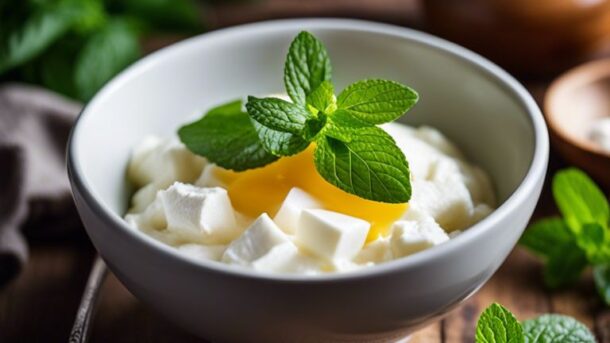
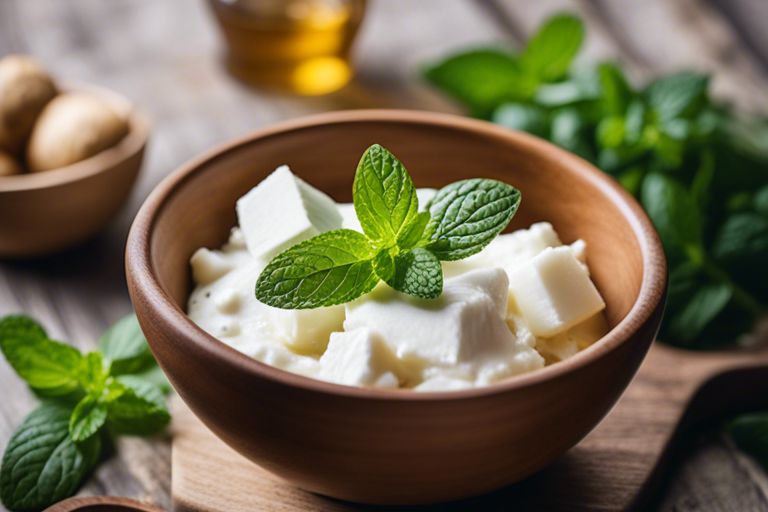
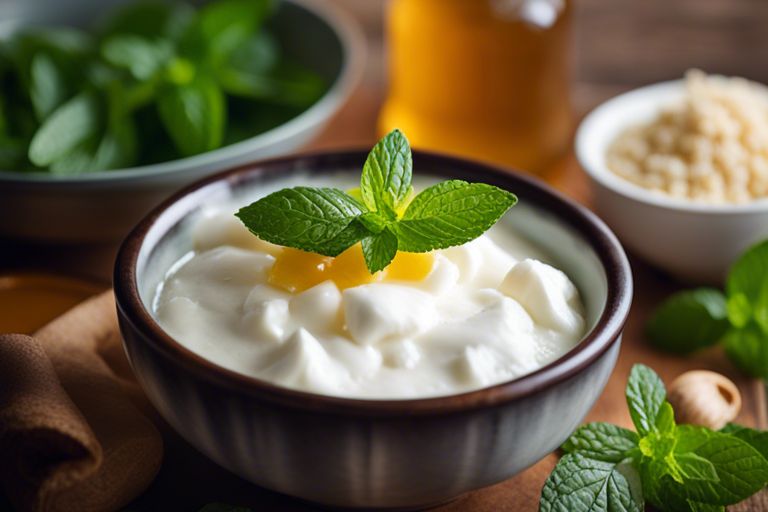
Poisoning can be a distressing experience, leaving you wondering what to eat to soothe your stomach. Concerning food poisoning, certain foods like curd can either worsen or improve your symptoms. While curd is generally safe to consume during food poisoning, it’s vital to consider the cause of the poisoning and your specific symptoms before adding it to your diet. Let’s explore whether curd can be your friend or foe when battling food poisoning.

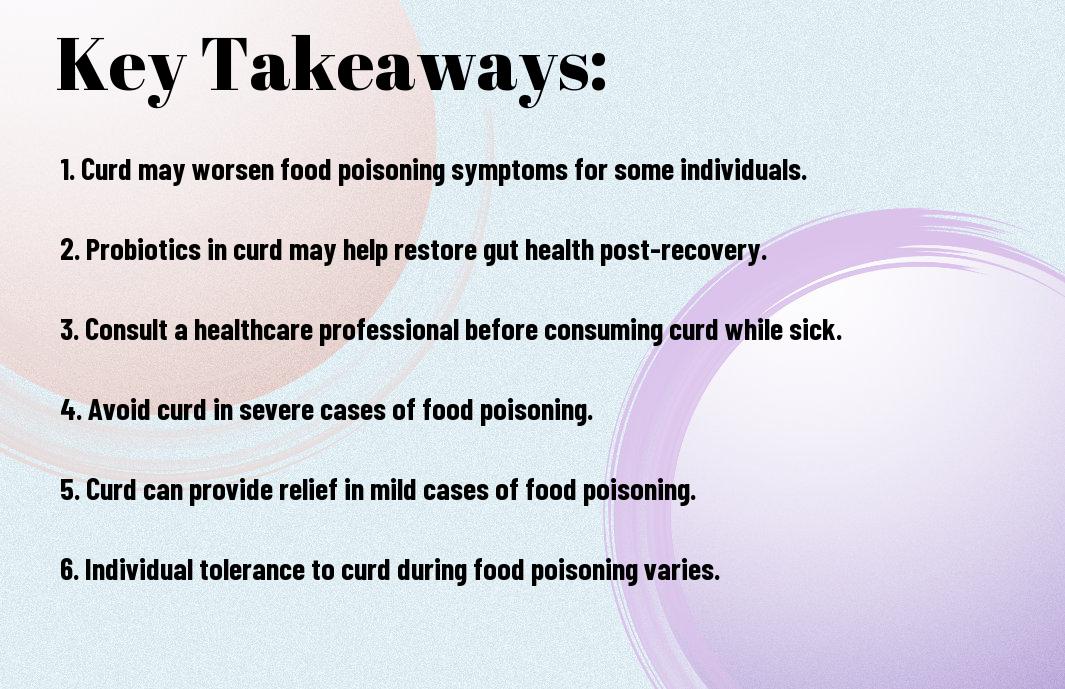
Key Takeaways:

  • Curd can aggravate food poisoning: Consuming curd during food poisoning can worsen the symptoms as it is a dairy product that can be difficult to digest while the stomach is already compromised.
  • It may not be the best choice: Although some people believe that curd can help in reducing inflammation in the stomach during food poisoning, it is generally not recommended due to the risk of exacerbating the condition.
  • Stick to bland, easily digestible foods: When dealing with food poisoning, it is better to opt for bland and easily digestible foods such as plain rice, toast, and clear broth to help soothe the stomach and aid in recovery.

The Benefits of Curd

Before exploring whether you can eat curd when experiencing food poisoning, it’s vital to understand the benefits this dairy product can offer. For centuries, curd has been used as a natural remedy for various health issues, including food poisoning. According to Home Remedies For Food Poisoning – By Dr. Harendra Ji, curd contains vital nutrients and active cultures that can aid in the healing process.

Probiotics and Gut Health

Curd is rich in probiotics, which are beneficial bacteria that support your gut health. These live cultures can help restore the balance of good bacteria in your digestive system, which may be disrupted during food poisoning. By consuming curd, you introduce these healthy bacteria into your gut, potentially speeding up the recovery process.

Soothing Digestive Issues

On top of the probiotics, curd also has a soothing effect on your digestive system. The cool temperature and creamy texture of curd can help calm inflammation and irritation in your gut, providing relief from symptoms like nausea, vomiting, and diarrhea. Including curd in your diet when you have food poisoning may help ease discomfort and promote healing.

With its nutrient content, probiotics, and soothing properties, curd can be a valuable addition to your diet when dealing with food poisoning. Incorporating this dairy product into your meals may help support your gut health and alleviate digestive issues, aiding in a quicker recovery.

Food Poisoning 101

Some instances of food poisoning can leave you feeling miserable, with symptoms ranging from mild discomfort to severe illness. It’s important to understand the causes, symptoms, and common types of food poisoning to protect yourself and your loved ones.

Causes and Symptoms

On occasion, food can become contaminated with harmful bacteria, viruses, parasites, or toxins, leading to food poisoning. Common symptoms of food poisoning include nausea, vomiting, diarrhea, abdominal pain, fever, and weakness. These symptoms can appear within hours of consuming contaminated food and may vary in severity.

Common Types of Food Poisoning

  • Salmonella
  • E. coli
  • Listeria
  • Norovirus

Any type of food can potentially cause food poisoning if not handled or cooked properly. Salmonella, E. coli, Listeria, and Norovirus are among the most common types of food poisoning. Each of these pathogens can cause a range of symptoms, from mild digestive upset to serious illness.

Salmonella Raw poultry, eggs, and produce
E. coli Undercooked ground beef, raw fruits and vegetables
Listeria Soft cheeses, deli meats, sprouts
Norovirus Contaminated water, ready-to-eat foods

Recognizing the symptoms of food poisoning and seeking prompt medical attention is crucial in preventing complications and aiding recovery. It is imperative to stay well-informed about food safety practices to reduce the risk of foodborne illnesses.

Can Curd Help in Food Poisoning?

After experiencing the symptoms of food poisoning, you may wonder if curd can aid in your recovery. Let’s explore the potential benefits of curd in dealing with food poisoning.

The Role of Probiotics in Recovery

One way curd may help in food poisoning is through its probiotic content. Probiotics are beneficial bacteria that can help restore the balance of good bacteria in your gut. When you consume curd, you are introducing these healthy bacteria into your digestive system, which may help to improve your gut health and aid in the recovery process.

Curd as a Natural Remedy

Remedy

Another reason curd is considered a natural remedy for food poisoning is its soothing properties. Curd has a cooling effect on the digestive system, which can help calm inflammation and discomfort in your gut. Additionally, the smooth texture of curd can be easy on your stomach, making it a gentle option to consume when you are recovering from food poisoning.

Food poisoning can leave you feeling weak and dehydrated. Including curd in your diet can also help replenish lost nutrients and electrolytes, providing your body with the nourishment it needs to recover efficiently.

How Curd Works Against Food Poisoning

Unlike many other foods that you may be wary of consuming during food poisoning, curd can actually be beneficial. It has probiotics, which are good bacteria that can help restore the balance in your gut and aid in digestion.

Restoring Gut Balance

Balance is key when it comes to recovering from food poisoning. The probiotics in curd help replenish the healthy bacteria in your gut that might have been depleted due to the illness. This can help speed up the recovery process and ease symptoms like diarrhea or stomach cramps. Including curd in your diet can promote a healthy gut environment and support your body in fighting off the toxins.

Reducing Inflammation

Restoring your gut health is crucial in reducing inflammation in your body. Curd contains anti-inflammatory properties that can help soothe the digestive system and reduce any irritation caused by food poisoning. By consuming curd, you are helping to calm down the inflammatory response and give your gut the chance to heal.

Reducing inflammation is important during food poisoning as it can help alleviate symptoms such as bloating, nausea, and discomfort. Curd can be a soothing and gentle option to include in your diet as you recover from the effects of consuming contaminated food.

Precautions and Considerations

Choosing the Right Type of Curd

Choosing the right type of curd is important when considering consuming it during food poisoning. Opt for fresh, plain curd without any added flavorings or sugar. The live cultures present in plain curd can help in restoring the balance of good bacteria in your gut, aiding in the recovery process.

Storage and Handling

An important aspect to consider when including curd in your diet during food poisoning is proper storage and handling. Ensure that the curd is stored in the refrigerator at the recommended temperature to maintain its freshness and prevent the growth of harmful bacteria. Additionally, always use a clean spoon to take out the required amount of curd to avoid contamination.

This will help in preserving the integrity of the curd and reduce the risk of further contamination during food poisoning. By following these storage and handling guidelines, you can safely incorporate curd into your diet as a source of probiotics to aid in your recovery.

Combining Curd with Other Remedies

Once again, when dealing with food poisoning, it is crucial to combine curd with other remedies to aid your recovery. Remember to refer to resources like What to Eat While Recovering From Food Poisoning for a comprehensive guide on food choices during this time.

Herbal Teas and Spices

Remedies such as herbal teas and spices can complement the benefits of curd in combating food poisoning. Herbal teas like ginger or peppermint can help soothe your stomach and alleviate nausea and cramps. Additionally, spices like cumin, coriander, and fennel can aid digestion and reduce bloating or gas, enhancing the overall effectiveness of curd in your recovery process.

Rest and Hydration

One crucial aspect of recovering from food poisoning is rest and hydration. Make sure you give your body the time it needs to heal by resting adequately. Hydrating with water, clear broths, or electrolyte-rich beverages can help flush out toxins and maintain your body’s fluid balance, supporting the curd in replenishing beneficial gut bacteria and promoting digestion.

For instance, sipping on warm herbal teas or consuming hydrating foods like watermelon can further boost your hydration levels and aid in the recovery process alongside curd.

Summing up

Conclusively, when it comes to food poisoning, it is generally safe to consume curd. In fact, curd can help restore the healthy bacteria in your gut and aid in digestion. However, it is important to assess your symptoms and consult a healthcare professional if you are unsure about whether to eat curd or any other dairy products while recovering from food poisoning. Remember to listen to your body and make choices that support your recovery.

Q: Is it safe to eat curd during food poisoning?

A: In most cases, it is safe to eat curd during food poisoning as it contains probiotics that can help restore the balance of good bacteria in the gut. However, if you are experiencing severe symptoms like vomiting and diarrhea, it is best to consult a healthcare professional before consuming curd.

Q: How can curd help during food poisoning?

A: Curd contains live cultures of beneficial bacteria that can help improve digestion and boost the immune system. These probiotics can aid in restoring the balance of gut flora that may have been disrupted during food poisoning, promoting better overall gut health.

Q: Are there any types of curd that should be avoided during food poisoning?

A: While plain, unsweetened curd is generally safe to eat during food poisoning, it is best to avoid flavored or sweetened varieties that may contain added sugars or artificial ingredients. These additives can potentially worsen symptoms of food poisoning and disrupt the healing process of the gut.

How to heal food poisoning naturally

Overwhelmed by food poisoning symptoms? You can heal naturally by utilizing remedies like ginger, peppermint, and probiotics. This article will guide you through the process of soothing your stomach and aiding your body’s recovery. For more information on food poisoning treatment options, check out Food Poisoning: Treatment Options. Let’s start your journey to feeling better!

Key Takeaways:

  • Stay Hydrated: Drink plenty of water and clear fluids to help flush out toxins and prevent dehydration.
  • Follow the BRAT Diet: Eat bananas, rice, applesauce, and toast to help ease stomach discomfort and promote healing.
  • Use Herbal Remedies: Ginger, peppermint, and chamomile can help soothe digestive issues and reduce nausea associated with food poisoning.

Identifying Food Poisoning

The first step in healing from food poisoning is being able to recognize the symptoms. Food poisoning can be caused by consuming contaminated food or beverages that contain harmful bacteria, viruses, parasites, or toxins. Common Symptoms

Common Symptoms

Food poisoning can manifest with various symptoms, such as nausea, vomiting, diarrhea, abdominal cramps, and fever. These symptoms typically appear within a few hours to a few days after consuming the contaminated food. In more severe cases, you may experience dehydration, muscle aches, and blood in the stool.

Differentiating from Other Illnesses

Symptoms of food poisoning can sometimes be confused with those of other illnesses, such as the stomach flu or a viral infection. However, there are key differences that can help you distinguish between food poisoning and other illnesses. Food poisoning is usually linked to a recent meal, especially if others who ate the same food also exhibit symptoms. Additionally, symptoms of food poisoning tend to onset rapidly after consuming the contaminated food.

Natural Remedies for Food Poisoning

Rehydration Therapy

Food poisoning often leads to dehydration due to vomiting and diarrhea. Rehydration therapy is imperative to replace lost fluids and electrolytes. You can make a simple rehydration solution at home by mixing 1 teaspoon of salt and 3 teaspoons of sugar in 1 liter of clean water. Sip this solution frequently to stay hydrated and aid in recovery.

Herbal Teas for Soothing the Stomach

The calming properties of herbal teas can help soothe your upset stomach and provide relief from food poisoning symptoms. Peppermint tea, ginger tea, and chamomile tea are known for their digestive benefits and can help alleviate nausea and abdominal discomfort. Drinking warm herbal teas throughout the day can also keep you hydrated and promote relaxation.

The warmth of herbal teas can be comforting to your stomach, while the natural ingredients can help reduce inflammation and promote overall digestive health. Choose organic, caffeine-free teas for the best results.

Probiotics for Gut Health

This subsection focuses on incorporating probiotic-rich foods like yogurt, kefir, sauerkraut, and kimchi into your diet to promote a healthy gut microbiome. Probiotics are beneficial bacteria that can help restore the balance of your gut flora after a bout of food poisoning. Including these fermented foods in your meals can aid in digestion, boost your immune system, and support overall gut health.

Natural probiotic sources like yogurt contain live cultures that can replenish the good bacteria in your gut, which may have been depleted due to food poisoning. Adding probiotic-rich foods to your diet not only helps in recovery but also prevents future digestive issues.

Dietary Changes for Recovery

Bland Diet for Easy Digestion

One of the best ways to ease your digestive system after experiencing food poisoning is to follow a bland diet. This diet consists of simple, easily digestible foods that are gentle on your stomach. Examples of bland foods include plain rice, boiled potatoes, toast, applesauce, and bananas. These foods can help calm your irritated stomach and provide you with important nutrients to aid in your recovery.

Avoiding Irritating Foods

With food poisoning, it’s crucial to avoid certain foods that can further irritate your digestive system. Stay away from spicy foods, greasy or fried dishes, dairy products, caffeine, and alcohol. These items can exacerbate your symptoms and prolong your recovery time. Opt for plain, non-acidic foods instead to allow your stomach to settle and heal.

Easy-to-digest foods can help give your digestive system a break and promote quicker recovery from food poisoning. By eliminating irritating foods like spicy or fatty dishes, you can prevent further discomfort and allow your body to focus on healing. Remember to listen to your body and choose foods that make you feel better rather than worse during this time.

Incorporating Nutrient-Rich Foods

Anytime you’re recovering from an illness like food poisoning, it’s important to incorporate nutrient-rich foods into your diet. Opt for foods that are high in vitamins and minerals to support your immune system and aid in the healing process. Include plenty of fruits and vegetables, lean proteins like chicken or fish, whole grains, and probiotic-rich foods like yogurt or kefir to help restore balance in your gut.

Bland foods don’t have to be boring or lack nutrition. You can still enjoy a variety of nutrient-dense options while following a bland diet to recover from food poisoning. Focus on incorporating foods that are easy on your stomach but packed with important nutrients to help you feel better faster.

Home Remedies for Quick Relief

Ginger for Nausea and Inflammation

For quick relief from nausea and inflammation caused by food poisoning, ginger can be your best friend. Ginger is a natural remedy that has been used for centuries to alleviate digestive issues and reduce inflammation in the body. You can consume ginger in various forms, such as ginger tea, ginger supplements, or simply chewing on fresh ginger slices. The active compounds in ginger can help soothe your stomach, reduce nausea, and ease inflammation, making you feel better faster.

Activated Charcoal for Toxin Absorption

For quick relief from food poisoning symptoms, activated charcoal can be a powerful natural remedy. Activated charcoal works by binding to toxins in the stomach and intestines, helping to prevent their absorption into the bloodstream. You can find activated charcoal supplements in health food stores or pharmacies. It is important to follow the recommended dosage instructions to avoid any potential side effects.

Absorption of toxins in the gastrointestinal tract can help alleviate symptoms like diarrhea, cramps, and bloating. Activated charcoal is a natural and safe way to quickly reduce the impact of food poisoning on your body.

Rest and Relaxation Techniques

After experiencing food poisoning, your body needs time to rest and recover. Engaging in relaxation techniques such as deep breathing, meditation, or gentle yoga can help calm your mind and body, reducing stress and promoting healing. Make sure to drink plenty of fluids and get enough rest to allow your body to focus on fighting off the toxins and recuperating from the illness.

With proper rest and relaxation, you can support your body’s natural healing processes and recover from food poisoning more quickly. Remember to listen to your body and give it the care and attention it needs during this time of recovery.

Preventing Future Episodes

Safe Food Handling Practices

The key to preventing food poisoning in the future is to practice safe food handling at all times. Wash your hands thoroughly before and after handling food, especially raw meats. Use separate cutting boards for raw meats and produce to avoid cross-contamination. Make sure to cook foods to their recommended internal temperatures and refrigerate leftovers promptly.

Avoiding High-Risk Foods

For preventing future episodes of food poisoning, it is crucial to be mindful of high-risk foods such as raw or undercooked eggs, meats, seafood, and unpasteurized dairy products. These foods are more likely to harbor harmful bacteria that can cause foodborne illnesses. By avoiding these high-risk foods or ensuring they are cooked thoroughly, you can significantly reduce your risk of getting sick from food poisoning.

Handling risky foods properly is imperative to prevent food poisoning. Always follow proper storage guidelines for perishable items, such as keeping raw meats on the bottom shelf of the refrigerator to prevent juices from dripping onto other foods. When marinating meats, do so in the fridge and not at room temperature to avoid bacterial growth. By being vigilant with food handling practices, you can decrease the likelihood of future food poisoning episodes.

Boosting Immune Function

One way to prevent future episodes of food poisoning is to focus on boosting your immune function. Eating a balanced diet rich in fruits, vegetables, whole grains, and lean proteins can provide your body with imperative nutrients to support a healthy immune system. Additionally, staying hydrated, getting enough sleep, and managing stress can also help strengthen your body’s defenses against foodborne pathogens.

Episodes of food poisoning can be distressing, but by implementing these preventive measures and being mindful of safe food handling practices, you can significantly reduce your risk of experiencing foodborne illnesses in the future. Remember that your health is in your hands, and taking proactive steps to prevent food poisoning is key to enjoying safe and nourishing meals.

When to Seek Medical Attention

Severe Symptoms to Watch For

Attention: Unlike mild cases of food poisoning that typically resolve on their own within a few days, severe symptoms may indicate a more serious condition that requires medical attention. If you experience any of the following symptoms, it is crucial to seek help immediately:

  • High fever (above 101.5°F)
  • Bloody stools
  • Prolonged vomiting that prevents you from keeping liquids down
  • Significant dehydration, such as dark urine and dizziness

After experiencing any of these severe symptoms, do not hesitate to contact a healthcare provider or visit the nearest emergency room for prompt evaluation and treatment.

Risk Factors for Complications

Any underlying health conditions can increase your risk of developing complications from food poisoning. Factors that may elevate your risk include:

  • Weak immune system (e.g., HIV/AIDS, cancer treatment)
  • Elderly age
  • Infants and young children

After considering these risk factors, it is important to monitor your symptoms closely and seek medical attention promptly if you fall into any of these high-risk categories.

Knowing When to Consult a Doctor

Complications: The most crucial factor in determining when to consult a doctor for food poisoning is your overall well-being. If you are experiencing severe symptoms, persistent vomiting or diarrhea, or dehydration that does not improve with oral rehydration solutions, it is time to seek medical help.

Conclusion

On the whole, natural remedies can be effective in helping you heal from food poisoning. Remember to stay hydrated, consume easily digestible foods, and try some of the remedies mentioned in this article such as ginger tea, apple cider vinegar, and activated charcoal. However, it is crucial to consult a healthcare professional if your symptoms persist or worsen, as severe cases of food poisoning may require medical treatment.

Q: What are some natural remedies for food poisoning?

A: Some natural remedies for food poisoning include ginger tea, activated charcoal, apple cider vinegar, probiotics, and herbal teas like peppermint or chamomile.

Q: Is it safe to treat food poisoning at home?

A: In most cases, mild food poisoning can be safely treated at home with natural remedies and plenty of rest. However, if symptoms persist or worsen, it is important to seek medical attention.

Q: How can I prevent food poisoning in the first place?

A: To prevent food poisoning, practice good food hygiene by washing hands and surfaces regularly, cooking meat and eggs thoroughly, refrigerating perishable foods promptly, and avoiding cross-contamination between raw and cooked foods.

How quickly does food poisoning start

Most of the time, you may not realize you have food poisoning until it’s too late. Food poisoning can hit you suddenly and unexpectedly, leaving you feeling ill within a few hours of consuming contaminated food. In this informative blog post, we will explore into the details of how quickly food poisoning starts, its common symptoms, and what you can do to prevent it from ruining your next meal.

Key Takeaways:

  • Symptoms can start within hours: Food poisoning symptoms can begin anywhere from 1-48 hours after consuming contaminated food.
  • Dependent on the type of bacteria: The timing of food poisoning symptoms can vary depending on the specific type of bacteria or pathogen involved.
  • Quick action is important: It is important to seek medical attention promptly if you suspect food poisoning, as early treatment can help alleviate symptoms and prevent complications.

What is Food Poisoning?

While How Long Until Food Poisoning Takes Effect? may vary depending on the type of bacteria or virus involved, food poisoning is typically characterized by symptoms like nausea, vomiting, diarrhea, and stomach cramps, and can range from mild discomfort to severe illness. It is caused by consuming contaminated food or beverages that are tainted with harmful bacteria, viruses, parasites, or toxins. Food poisoning is usually diagnosed based on the onset of symptoms after consuming the contaminated food.

Definition and Causes

Any food can become contaminated if it is not handled, stored, or cooked properly. The most common causes of food poisoning include improper food handling, inadequate cooking temperatures, cross-contamination between raw and cooked foods, and consuming food past its expiration date. Bacteria like Salmonella, E. coli, and Campylobacter are some of the most common culprits behind food poisoning cases.

Common Types of Food Poisoning

With a wide variety of bacteria and viruses that can cause food poisoning, it’s important to be aware of the common types and their symptoms. Some of the most prevalent types of food poisoning include:

  • E. coli: Typically found in undercooked ground beef, unpasteurized dairy products, and contaminated water.
  • Salmonella: Often present in raw poultry, eggs, and vegetables contaminated by animal feces.
  • Norovirus: Commonly spread through contaminated food or water and can cause outbreaks in crowded places like cruise ships or daycare centers.
  • Listeria: Found in ready-to-eat deli meats, unpasteurized dairy products, and some soft cheeses.
  • Campylobacter: Usually linked to undercooked poultry, unpasteurized milk, and contaminated water sources.

Any delay in seeking medical treatment for severe cases of food poisoning can lead to dehydration, electrolyte imbalances, and other serious complications. It’s crucial to stay hydrated and seek medical attention if you experience severe or persistent symptoms.

The Incubation Period

What is the Incubation Period?

Now, let’s talk about the incubation period of food poisoning. This is the time that elapses between consuming contaminated food or drink and the appearance of symptoms. The length of the incubation period can vary depending on the type of pathogen involved, ranging from a few hours to several days.

Factors Affecting the Incubation Period

On average, the incubation period for most cases of food poisoning is between 6 to 72 hours. However, several factors can influence this timeframe, including the type and amount of the pathogen ingested, your age, overall health, and the strength of your immune system.

  • The type and strain of the contaminant
  • Your individual sensitivity to the pathogen
  • The health of your digestive system

Incubation periods can also be influenced by whether the contaminant produces toxins or multiplies in your body. After ingestion, some pathogens quickly release toxins that result in rapid onset of symptoms, while others take time to multiply within your system before causing noticeable effects.

Understanding the Incubation Period

Incubation periods can provide valuable clues for identifying the source of food poisoning. By knowing the typical timeframe for certain pathogens, you can better pinpoint which meal or food item may have been the culprit. After all, understanding the incubation period is key to unraveling the mystery of when and how food poisoning started.

  • Your immune response and ability to fight off the pathogen

Symptoms of Food Poisoning

Despite Symptoms of Food Poisoning | Food Safety, it’s crucial to be aware of the signs that may indicate you are suffering from food poisoning. The symptoms can vary depending on the type of contaminant and the amount consumed.

Common Symptoms

An episode of food poisoning typically presents with common symptoms such as nausea, vomiting, diarrhea, abdominal pain, and fever. These symptoms can manifest within hours of consuming contaminated food, and they may vary in severity based on the individual’s sensitivity to the toxin. It’s crucial to stay hydrated and seek medical attention if these symptoms persist or worsen.

Severe Symptoms

Any severe symptoms of food poisoning, such as persistent vomiting, high fever, severe dehydration, blood in your vomit or stools, and difficulty breathing, require immediate medical attention. In severe cases, food poisoning can lead to complications that may pose a serious threat to your health. It’s crucial not to ignore these warning signs and seek professional help promptly.

Severe symptoms of food poisoning can indicate a more serious underlying condition that requires medical intervention. If you experience any of these severe symptoms, do not hesitate to contact a healthcare provider or visit the nearest emergency room for evaluation and treatment.

Delayed Symptoms

Common delayed symptoms of food poisoning may include fatigue, muscle aches, and headache. These symptoms may not appear until hours or even days after consuming contaminated food, making it challenging to pinpoint the exact source of the illness. If you experience these delayed symptoms after consuming questionable food, it’s crucial to monitor your condition and consult a healthcare provider if necessary.

To ensure your well-being and prompt treatment, it’s crucial to be vigilant about any symptoms of food poisoning and seek medical advice if you have concerns about your health. Remember that early detection and proper intervention can significantly impact the outcome of foodborne illnesses.

How Quickly Do Symptoms Appear?

Rapid Onset Food Poisoning

On average, symptoms of rapid onset food poisoning can appear within 30 minutes to 6 hours after consuming contaminated food. This type of food poisoning is often caused by bacteria like Staphylococcus aureus or Bacillus cereus, which produce toxins that lead to quick onset symptoms such as nausea, vomiting, and stomach cramps.

Delayed Onset Food Poisoning

Delayed onset food poisoning, on the other hand, can take anywhere from 6 hours to a few days for symptoms to manifest. This type of food poisoning is commonly caused by bacteria like Salmonella, Campylobacter, or Escherichia coli (E. coli). These bacteria need time to multiply in the digestive tract before causing symptoms like diarrhea, fever, and abdominal pain.

Delayed onset food poisoning can be particularly challenging as the source of contamination may not be immediately obvious. It’s important to remember what you ate in the days leading up to the onset of symptoms to help identify the potential culprit.

Factors Influencing Symptom Onset

  • Types of pathogens present in the contaminated food
  • The amount of contaminated food consumed
  • Your overall health and immune system

Factors like the type of bacteria present, the quantity of contaminated food ingested, and your individual health status can all influence how quickly symptoms of food poisoning appear. After ingesting contaminated food, these factors can determine the severity and onset of your symptoms.

Symptoms of food poisoning can vary widely depending on the specific pathogen involved and individual factors, so it’s important to pay attention to any signs of illness after consuming questionable food.

Food Poisoning Risks and Vulnerable Groups

Many factors can increase the risk of food poisoning, especially for vulnerable groups. These high-risk groups include young children, elderly individuals, pregnant women, and people with weakened immune systems. For these individuals, experiencing food poisoning can lead to more severe symptoms and complications, making it crucial to take extra precautions when handling and preparing food.

High-Risk Groups

Vulnerable populations such as young children, the elderly, pregnant women, and individuals with compromised immune systems are more susceptible to the effects of foodborne illnesses. For example, a child’s immune system is still developing, making them more vulnerable to harmful bacteria present in contaminated food. Likewise, elderly individuals may have weakened immune systems, which can delay their body’s response to foodborne pathogens, leading to more severe symptoms. Pregnant women need to be particularly cautious as certain foodborne illnesses can harm the developing fetus. Individuals with medical conditions that weaken the immune system, such as cancer patients undergoing treatment, are also at higher risk of complications from food poisoning.

Food Handling and Preparation Risks

The way you handle and prepare food can also affect the risk of food poisoning. Ensuring proper hygiene practices, such as washing your hands before and after handling food, and using separate cutting boards for raw meat and produce, can help reduce the risk of contamination. Additionally, cooking food to the appropriate temperature and storing leftovers properly can prevent the growth of harmful bacteria that can cause foodborne illnesses.

Handling food safely is crucial in preventing food poisoning. By following basic food safety guidelines, such as washing fruits and vegetables, cooking meat thoroughly, and refrigerating leftovers promptly, you can reduce the risk of foodborne illnesses and protect yourself and your loved ones.

Prevention and Treatment

Preventing Food Poisoning

With proper food handling and preparation, you can significantly reduce the risk of food poisoning. Always wash your hands before handling food and make sure to cook meats thoroughly. Keep raw meats separate from ready-to-eat foods to avoid cross-contamination. Refrigerate leftovers promptly and be cautious of expiration dates on food products.

Treating Food Poisoning

An important step in treating food poisoning is staying hydrated. Drink plenty of fluids to prevent dehydration caused by vomiting and diarrhea. You can also try eating bland foods like crackers or toast to settle your stomach. In more severe cases, over-the-counter medications may help alleviate symptoms, but be sure to consult a medical professional first.

Food poisoning usually resolves on its own within a few days. However, if symptoms persist or worsen, it is important to seek medical attention to rule out any complications or more severe underlying causes. Your doctor may recommend specific treatments or medications depending on the type of food poisoning you have.

When to Seek Medical Attention

To determine when to seek medical attention for food poisoning, monitor your symptoms closely. If you experience high fever, severe dehydration, bloody stools, or persistent vomiting that doesn’t improve, it is crucial to contact a healthcare provider. Certain populations such as young children, the elderly, and pregnant women should be especially vigilant and seek medical help promptly if they suspect food poisoning.

Prevention is key when it comes to food poisoning. By practicing safe food handling techniques and being cautious of food quality, you can reduce the risk of falling ill from contaminated food. Remember to follow proper hygiene practices and store food correctly to enjoy meals without the worry of food poisoning.

Conclusion

Following this exploration of how quickly food poisoning can start, it is crucial to remember that symptoms can vary depending on the type of bacteria or toxin involved. It is important to pay attention to any signs of food poisoning, such as nausea, vomiting, diarrhea, and stomach cramps, and seek medical attention if symptoms worsen or persist.

Do not forget, food safety is paramount in preventing food poisoning. Be mindful of proper food storage, cooking temperatures, and hygiene practices in the kitchen. By taking precautions and being aware of the potential risks, you can reduce the chances of experiencing the unpleasant effects of food poisoning.

Q: How quickly does food poisoning symptoms start to appear?

A: Symptoms of food poisoning can start as soon as a few hours after consuming contaminated food, but they may also take days or even weeks to appear. The time it takes for symptoms to develop largely depends on the type of bacteria or virus that has caused the food poisoning.

Q: What are the common symptoms of food poisoning?

A: Common symptoms of food poisoning include nausea, vomiting, diarrhea, stomach cramps, fever, and headache. In more severe cases, symptoms may also include blood in the stool, dehydration, and muscle weakness.

Q: How long does food poisoning usually last?

A: The duration of food poisoning can vary depending on the individual, the type of contaminant, and the severity of the infection. In most cases, food poisoning resolves within a few days to a week. However, in severe cases, symptoms can persist for several weeks. It is important to stay hydrated and seek medical attention if symptoms worsen or do not improve.

What to eat after food poisoning

You’ve experienced the uncomfortable symptoms of food poisoning, but now it’s time to focus on recovery. In the matter of replenishing your body after a bout of food poisoning, certain foods can help soothe your stomach and restore crucial nutrients. In this article, you’ll learn about the best foods to eat after food poisoning to aid in your recovery process and get you back to feeling your best.

Key Takeaways:

  • Stay Hydrated: Drink plenty of water and clear fluids to prevent dehydration caused by diarrhea and vomiting.
  • BRAT Diet: Stick to bland foods like bananas, rice, applesauce, and toast to ease digestion and provide necessary nutrients.
  • Avoid Irritating Foods: Steer clear of spicy, greasy, or fatty foods that could further upset your stomach while it is still recovering.

Causes of Food Poisoning

Before we investigate into what you should eat after experiencing food poisoning, it’s vital to understand the common causes of this unpleasant condition. Food poisoning can be caused by bacterial contamination, viral infections, and parasitic infestations.

Bacterial Contamination

Food contaminated with harmful bacteria such as Salmonella, E. coli, and Listeria can cause food poisoning. These bacteria can multiply quickly in food left at unsafe temperatures or prepared in unhygienic conditions. Symptoms of bacterial food poisoning typically include nausea, vomiting, diarrhea, and stomach cramps.

Viral Infections

With viral infections like norovirus and rotavirus, food poisoning can occur when you consume food or water contaminated with the virus. These viruses spread easily and can cause gastroenteritis, leading to symptoms like diarrhea, vomiting, and stomach pain.

Contamination of food by infected food handlers or inadequate food hygiene practices in food preparation can lead to viral food poisoning. It’s crucial to practice good food hygiene to prevent the spread of viruses that cause food poisoning.

Parasitic Infestations

To prevent parasitic infestations like Giardia and Cryptosporidium, avoid consuming contaminated water or food. These parasites can cause severe gastrointestinal symptoms like diarrhea, stomach cramps, and fatigue. It’s important to ensure proper sanitation and water purification to reduce the risk of parasitic food poisoning.

Causes of food poisoning can vary, but maintaining good food hygiene practices and choosing foods from reputable sources can help reduce your risk of experiencing this unpleasant condition.

Symptoms of Food Poisoning

Mild Symptoms

Any bout of food poisoning can leave you feeling miserable. Mild symptoms may include nausea, vomiting, stomach cramps, diarrhea, and a general feeling of weakness or fatigue. In most cases, these symptoms will resolve on their own within a few days without any specific treatment.

Severe Symptoms

Poisoning from contaminated food can lead to more severe symptoms such as high fever, severe dehydration, bloody stools, and persistent vomiting. If you experience these symptoms, it’s vital to seek medical attention immediately to prevent further complications.

A severe case of food poisoning can be dangerous, especially for vulnerable populations such as young children, elderly individuals, and those with weakened immune systems. Prompt medical treatment can help prevent serious complications and ensure a speedier recovery.

Long-term Effects

Severe food poisoning can sometimes have long-term effects on your health. In some cases, you may experience ongoing digestive issues such as irritable bowel syndrome (IBS), food intolerances, or changes in your gut bacteria. These effects can persist long after the initial bout of food poisoning has resolved.

It’s vital to pay attention to your body and follow up with your healthcare provider if you notice any lingering symptoms after a case of food poisoning. They can help you manage any long-term effects and ensure that you get the right treatment to support your recovery.

Hydration is Key

Importance of Fluid Intake

To recover from food poisoning, your body needs adequate hydration. When you are experiencing symptoms like diarrhea and vomiting, your body loses a significant amount of fluids, leading to dehydration. Replenishing these lost fluids is crucial for your body to function properly and aid in the recovery process.

Electrolyte Balance

An crucial aspect of hydration after food poisoning is maintaining the balance of electrolytes in your body. Electrolytes like sodium, potassium, and chloride are vital for various bodily functions, including muscle contractions and nerve impulses. When you lose fluids through vomiting and diarrhea, you also lose electrolytes, which can lead to imbalances and further complications.

Balance your electrolytes by consuming electrolyte-rich fluids like coconut water or sports drinks. These beverages not only provide hydration but also replenish the electrolytes lost during illness, helping you recover more effectively.

Herbal Teas and Broths

To soothe your stomach and provide additional hydration, herbal teas and broths are excellent choices after food poisoning. Herbal teas like ginger or peppermint can help ease digestive discomfort and reduce nausea. Broths, such as chicken or vegetable broth, are easy to digest and provide crucial nutrients to support your recovery.

Broths are particularly beneficial as they are gentle on the stomach and can help you stay hydrated while providing some much-needed nourishment. Additionally, the warmth of teas and broths can be comforting and help relax your digestive system during this time of recovery.

Bland Foods for Recovery

Keep your meals simple and gentle on your stomach as you recover from food poisoning. Bland foods can help ease symptoms and provide your body with easy-to-digest nutrients.

Bananas and Rice

Bananas are easy on the stomach and provide vital nutrients like potassium. Pair them with plain white rice, which is gentle on digestion and helps bulk up stool to ease diarrhea. This combination can help replenish lost nutrients and settle your stomach.

Applesauce and Toast

With applesauce and toast, you get a combination of soluble fiber from the apples and easy-to-digest carbohydrates from the toast. The mild flavors are gentle on your stomach and can provide you with some energy to aid in your recovery.

Plain Crackers and Ginger

Ginger has natural properties that can help ease nausea and settle your stomach. Pairing it with plain crackers provides a bland but effective option for settling your stomach. The crackers can also help absorb excess stomach acid, further aiding in your recovery.

Bland foods are your best bet when recovering from food poisoning. They are easy to digest and do not irritate your stomach, allowing your body to focus on healing. Remember to stay hydrated and gradually reintroduce more solid foods as you start feeling better.

Easy-to-Digest Foods

Not all foods are equal when it comes to recovering from food poisoning. After a bout of stomach upset, it’s important to choose easy-to-digest foods that will not further irritate your digestive system. Here are some gentle options to consider:

Chicken Soup

To soothe your stomach and provide hydration, opt for warm and comforting chicken soup. The broth is easy on your digestive system, while the chicken provides a gentle source of protein. The vegetables in the soup offer some nutrients without overwhelming your stomach, making it a perfect choice for recovering from food poisoning.

Boiled Vegetables

Any boiled vegetables can be a great addition to your diet post-food poisoning. Cooking vegetables until they are soft and easily mashable makes them easier for your body to break down and absorb nutrients from. Boiled vegetables also provide important vitamins and minerals that can support your recovery.

Another benefit of boiled vegetables is that they retain more water, which can contribute to your overall hydration levels. This is especially important after experiencing food poisoning, as dehydration can be a common side effect of vomiting and diarrhea. So, make sure to include plenty of boiled vegetables in your meals to help replenish your body’s fluid levels.

Lean Protein Sources

One way to rebuild your strength after food poisoning is by incorporating lean protein sources into your diet. Options such as grilled chicken, turkey, or fish can provide the necessary protein your body needs for healing without putting excess strain on your digestive system. These lean protein sources are easier to digest compared to heavier meats like beef or pork, making them a smart choice for your recovery.

Understanding the importance of including protein in your recovery diet is crucial for repairing any damage caused by the food poisoning. Protein plays a key role in building and repairing tissues, which can help you bounce back quicker from the illness. So, be sure to incorporate lean protein sources into your meals to support your body’s recovery process.

Foods to Avoid

Once again, if you are recovering from food poisoning, it’s important to be mindful of what you eat to aid your recovery process. For a comprehensive guide on what foods to avoid during this time, you can refer to What to Eat After Food Poisoning – Healthline.

Spicy and Fatty Foods

Any spicy and fatty foods should be avoided after a bout of food poisoning. These types of foods can irritate your stomach and digestive system, potentially causing discomfort and prolonging your recovery. It’s best to stick to bland, easily digestible foods until your stomach is back to normal.

High-Fiber Foods

Avoid high-fiber foods such as whole grains, seeds, and raw vegetables in the initial stages of recovering from food poisoning. While fiber is important for your overall health, these foods can be harder for your system to digest when it’s already sensitive from being ill. Opt for low-fiber options like white bread, plain rice, and cooked vegetables until you feel better.

Fatty

Dairy Products

An important group of foods to steer clear of after food poisoning are dairy products. Your body may have difficulty digesting lactose, the sugar found in dairy, after being ill. This can lead to bloating, gas, and discomfort. It’s recommended to avoid milk, cheese, yogurt, and other dairy products until your stomach has fully recovered.

Foods.

To wrap up

Now that you know what to eat after food poisoning, remember to stick to bland and easily digestible foods like bananas, rice, applesauce, and toast. Avoid foods that are spicy, greasy, or high in fiber, as they can irritate your stomach further. Make sure to stay hydrated with water, clear broth, or electrolyte-rich drinks to replenish lost fluids. If your symptoms persist or worsen, consult a medical professional for further advice and treatment.

FAQ

Q: What are good foods to eat after food poisoning?

A: After food poisoning, it is important to stick to bland and easily digestible foods. Some good options include plain toast, crackers, boiled potatoes, plain rice, and boiled or steamed vegetables.

Q: How long should I wait before eating solid foods after food poisoning?

A: It is recommended to wait until you have fully recovered and your stomach feels ready to handle solid foods again. This typically takes about 24-48 hours after the symptoms of food poisoning have subsided.

Q: Are there any foods to avoid after food poisoning?

A: Yes, it is best to avoid spicy, greasy, fatty, and dairy-rich foods immediately after food poisoning. These can be harder to digest and may irritate your stomach, prolonging your recovery. It’s also important to avoid raw or undercooked foods to prevent any further contamination.

How do you get food poisoning out of your system

There’s nothing more unpleasant than dealing with the effects of food poisoning. However, with the right steps, you can help your body recover faster. From staying hydrated to consuming bland foods, here’s how you can effectively flush out those toxins and get back to feeling your best self again.

Key Takeaways:

  • Stay Hydrated: Drink plenty of water to help flush out the toxins from your system and prevent dehydration.
  • Rest and Recover: Allow your body to rest and recover by getting enough sleep and avoiding heavy or greasy foods until you feel better.
  • Consult a Doctor: If your symptoms persist or worsen, seek medical attention to ensure proper treatment and diagnosis.

Causes of Food Poisoning

While food poisoning can result from various causes, the most common culprits include bacterial contamination, viral infections, and parasitic infestations.

Bacterial Contamination

Bacterial contamination is one of the primary causes of food poisoning. Bacteria such as Salmonella, E. coli, and Campylobacter can contaminate food during handling, preparation, or storage. When these bacteria are ingested, they can multiply in your digestive system and cause symptoms like nausea, vomiting, diarrhea, and abdominal pain.

Viral Infections

Food poisoning can also be caused by viruses like norovirus and rotavirus. These viruses can contaminate food when handled by infected individuals or through contaminated water sources. Symptoms of viral food poisoning usually include nausea, vomiting, diarrhea, and fever.

With viral infections, it’s crucial to practice good hygiene, such as washing your hands thoroughly before handling food and ensuring that food is cooked properly to kill any viruses present.

Parasitic Infestations

An infestation of parasites like Giardia or Cryptosporidium can also lead to food poisoning. These parasites can be present in contaminated food or water sources and cause symptoms like diarrhea, abdominal cramps, and weight loss.

Another common parasite that can cause food poisoning is Trichinella, which is often found in undercooked pork products. It can cause symptoms like muscle pain, swelling, and fever.

Symptoms of Food Poisoning

Mild Symptoms

To begin with, assuming you have mild food poisoning, you may experience symptoms such as nausea, vomiting, diarrhea, stomach cramps, and a mild fever. These symptoms typically appear within a few hours to a few days after consuming contaminated food or beverages. While uncomfortable, mild food poisoning can often be managed at home with rest and plenty of fluids to prevent dehydration.

Severe Symptoms

Food poisoning can also manifest in more severe symptoms, including persistent vomiting, high fever, severe diarrhea, blood in the stool, and signs of dehydration such as dark urine and dizziness. In cases of severe food poisoning, it is crucial to seek medical attention promptly to prevent complications and receive appropriate treatment.

It is important to note that certain groups, such as young children, the elderly, pregnant women, and individuals with weakened immune systems, may be at higher risk of developing severe symptoms of food poisoning. If you fall into one of these categories and experience symptoms of food poisoning, it is even more important to seek medical help promptly.

When to Seek Medical Attention

Mild food poisoning symptoms may resolve on their own within a few days with proper rest and hydration. However, if your symptoms worsen or persist for more than a couple of days, it is advisable to seek medical attention. This is especially important if you belong to a high-risk group or if you are unable to keep any fluids down due to persistent vomiting and diarrhea.

Natural Remedies for Food Poisoning

Hydration Therapy

For hydration therapy, it is imperative to replenish fluids and electrolytes lost due to food poisoning. The best way to do this is by drinking clear fluids like water, herbal teas, or electrolyte-rich drinks such as coconut water. Sipping on these liquids throughout the day can help prevent dehydration and support your body in flushing out toxins.

Rest and Relaxation

Any because the symptoms of food poisoning can leave you feeling weak and fatigued, it is crucial to prioritize rest and relaxation. Give your body the chance to recover by getting plenty of sleep and allowing yourself to rest. Avoid strenuous activities and focus on activities that promote relaxation, such as meditation or gentle stretching exercises.

Additionally, try to avoid consuming solid foods while you are experiencing symptoms of food poisoning. Giving your digestive system a break can help alleviate discomfort and speed up the healing process.

Activated Charcoal

Understanding activated charcoal is known for its ability to absorb toxins in the body, making it a popular remedy for food poisoning. Activated charcoal can bind to harmful substances in the gastrointestinal tract and help eliminate them from your system. You can find activated charcoal in supplement form or as a powder that can be mixed with water.

Probiotics

With probiotics, you can introduce beneficial bacteria back into your gut to help restore balance and support digestion. Probiotic-rich foods like yogurt, kefir, and sauerkraut can help replenish the good bacteria in your gut and aid in recovery from food poisoning. Alternatively, you can also take probiotic supplements to help speed up the healing process.

Medical Treatment for Food Poisoning

To effectively treat food poisoning, medical intervention may be necessary depending on the severity of your symptoms. Here are some common medical treatments that healthcare providers may recommend:

Antibiotics

To address severe cases of food poisoning caused by bacterial infections, your healthcare provider may prescribe antibiotics. Antibiotics can help kill the harmful bacteria in your system, speeding up your recovery process. It is crucial to take the full course of antibiotics as prescribed by your doctor, even if you start feeling better before completing the treatment.

Anti-Diarrheal Medications

On the other hand, if your food poisoning symptoms primarily involve diarrhea, your healthcare provider may recommend anti-diarrheal medications to help alleviate this unpleasant symptom. These medications work by slowing down the movement of your intestines, giving your body a chance to absorb water and nutrients properly. However, it’s important to consult your healthcare provider before taking any over-the-counter anti-diarrheal medications, as they may not be suitable for everyone.

In some cases, anti-diarrheal medications may not be recommended, especially if your body is trying to naturally flush out the harmful bacteria or toxins causing food poisoning. It’s important to follow your healthcare provider’s advice to ensure the most effective treatment for your specific condition.

IV Fluids

Medical professionals may recommend intravenous (IV) fluids for severe cases of food poisoning that result in dehydration. IV fluids help replenish the fluids and electrolytes your body loses through vomiting and diarrhea rapidly. By receiving fluids intravenously, your body can quickly rehydrate, helping you recover more efficiently.

If you are unable to keep fluids down or are experiencing severe dehydration symptoms, such as dizziness or extreme thirst, seek medical help immediately. IV fluids can provide the necessary hydration and electrolytes your body needs to combat food poisoning effectively.

These medical treatments play a crucial role in helping your body fight off food poisoning and recover as quickly as possible. By seeking medical attention and following your healthcare provider’s recommendations, you can effectively eliminate food poisoning from your system and prevent any potential complications.

Home Care for Food Poisoning

Now, when dealing with food poisoning, it is important to take care of your body and help it recover. Home care plays a vital role in your healing process. Here are some steps you can take to alleviate symptoms and support your body as it fights off the toxins.

Restoring Electrolytes

On top of the list is restoring electrolytes in your system. When dealing with food poisoning, you often lose fluids and electrolytes through vomiting and diarrhea. To replenish these vital nutrients, consider drinking oral rehydration solutions or sports drinks that can help restore electrolyte balance in your body, aiding in the recovery process.

Managing Nausea and Vomiting

One of the most common symptoms of food poisoning is nausea and vomiting. To manage these symptoms, you can try sipping on clear fluids like water, ginger tea, or electrolyte solutions. Avoiding solid foods for a few hours can also help calm your stomach. If vomiting persists or is severe, it’s crucial to seek medical attention to prevent dehydration.

With a focus on easy-to-digest foods, a bland diet can help give your sensitive stomach a break while still providing crucial nutrients. Opt for plain foods like toast, crackers, bananas, rice, and boiled potatoes. These foods are gentle on your digestive system and can help ease discomfort while you recover from food poisoning.

Restoring Nutrients with Bland Diet

The key to the bland diet is to choose foods that are low in fat and fiber to give your digestive system a chance to rest. While on this diet, you may want to avoid spicy, greasy, or overly seasoned foods that could irritate your stomach further. Instead, focus on easy-to-digest options that can provide the necessary nutrients without causing additional distress.

The road to recovery from food poisoning may seem challenging, but with the right home care practices, you can help your body heal more efficiently. By focusing on replenishing electrolytes, managing symptoms like nausea and vomiting, and following a bland diet, you can support your body’s natural healing process and get back on your feet sooner. Remember to listen to your body, stay hydrated, and seek medical help if symptoms persist or worsen.

Preventing Future Episodes of Food Poisoning

After experiencing the unpleasant symptoms of food poisoning, you may be wondering how to prevent it from happening again. Educating yourself on safe food handling practices is crucial. For more information on the symptoms and signs of food poisoning, you can refer to the article on Food Poisoning (Foodborne Illness): Symptoms, Signs, …

Safe Food Handling Practices

One of the most effective ways to prevent food poisoning is to practice safe food handling. This includes washing your hands before and after handling food, properly washing fruits and vegetables, cooking meat to the correct internal temperature, and refrigerating leftovers promptly.

Avoiding High-Risk Foods

Handling high-risk foods such as raw eggs, undercooked meats, unpasteurized dairy products, and raw seafood with caution is important in preventing food poisoning. It is important to store and prepare these foods separately from other items to avoid cross-contamination.

It is also advisable to steer clear of foods that are past their expiration date or have been stored improperly. When dining out, choose reputable eateries with high food safety standards to lower the risk of foodborne illnesses.

Boosting Immunity

Any efforts to boost your immune system can also contribute to preventing food poisoning. Consuming a balanced diet rich in fruits, vegetables, and whole grains provides your body with important nutrients to strengthen your immune response. Additionally, staying hydrated, getting regular exercise, and managing stress can all help support a healthy immune system.

Food poisoning can be a challenging and uncomfortable experience, but by following these preventative measures, you can significantly reduce your risk of future episodes. Be mindful of, taking proactive steps in safe food handling, avoiding high-risk foods, and boosting your immunity are key factors in protecting yourself from foodborne illnesses.

To wrap up

To rid your system of food poisoning, remember to stay hydrated, rest, and avoid consuming solid foods until your symptoms improve. Be sure to consult a healthcare provider if your symptoms persist or worsen, as they can provide guidance on treatment options or further evaluation if needed. By following these steps and taking care of yourself, you can help your body recover from food poisoning and get back to feeling better sooner.

FAQ

Q: What are the symptoms of food poisoning?

A: The symptoms of food poisoning can vary but commonly include nausea, vomiting, diarrhea, stomach cramps, and fever.

Q: How long does it take to recover from food poisoning?

A: The recovery time from food poisoning depends on the type of bacteria or virus that caused it. In most cases, people recover within a few days to a week.

Q: How can you get food poisoning out of your system?

A: To get food poisoning out of your system, it is imperative to stay hydrated, rest, and avoid solid foods for a period to allow your digestive system to recover. Gradually introduce bland and easy-to-digest foods like toast, rice, and bananas. If symptoms persist or worsen, seek medical attention.

Skip to content