Food

What are 12 foods rich in protein

Rich in important nutrients, protein is crucial for building and repairing tissues in your body. Including a variety of protein-rich foods in your diet can help you meet your daily protein requirements. In this blog post, we will explore 12 delicious and nutritious foods that are excellent sources of protein to incorporate into your meals.

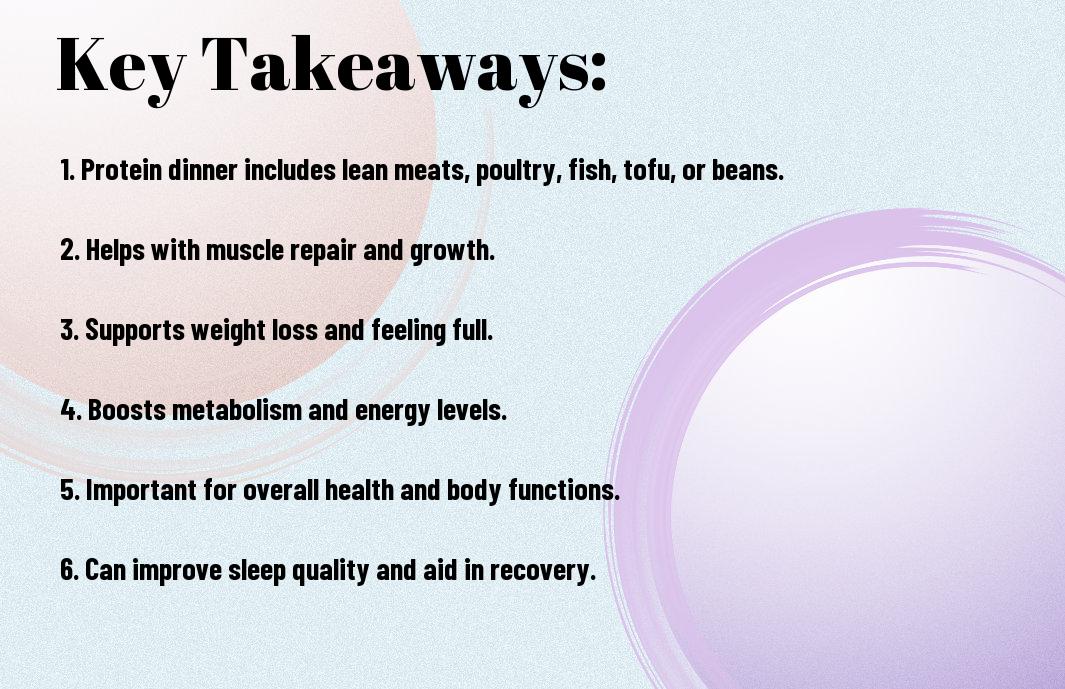
Key Takeaways:

  • Protein-rich foods can help build muscle, repair tissue, and boost metabolism.
  • Consuming a variety of protein sources can ensure you get all imperative amino acids.
  • Including protein-rich foods in your diet can help you feel full and satisfied, aiding in weight management.

Protein-Rich Foods Overview

Importance of Protein in Our Diet

Protein-rich foods play a crucial role in your overall health and well-being. Proteins are imperative nutrients that help build and repair tissues, including muscles, skin, and internal organs. They also play a key role in the production of enzymes, hormones, and other important chemicals in the body.

Without an adequate intake of protein, your body may struggle to function optimally. Protein is especially important for those who lead an active lifestyle or are looking to build muscle mass, as it helps with muscle recovery and growth.

Benefits of High-Protein Foods

An important benefit of consuming high-protein foods is that they can help you feel full and satisfied for longer periods. This can be particularly beneficial if you are trying to manage your weight or make healthier food choices. Additionally, protein-rich foods can help support a healthy metabolism, as the body burns more calories when digesting protein compared to fats or carbohydrates.

With a diet rich in protein, you may also notice improvements in your hair, skin, and nails, as protein is imperative for the creation of collagen and keratin, which are important for maintaining healthy skin and strong, shiny hair.

Animal-Based Protein Sources

Lean Meats

The consumption of lean meats such as chicken, turkey, and beef can significantly contribute to your protein intake. These meats are excellent sources of high-quality protein that can help you build and repair muscles efficiently. Opting for lean cuts of meat can also aid in maintaining a healthy weight, as they are lower in saturated fats compared to fattier cuts.

Fish and Seafood

Seafood, including fish like salmon, tuna, and trout, is not only rich in protein but also packed with heart-healthy omega-3 fatty acids. These important nutrients play a crucial role in reducing inflammation and promoting brain health. Incorporating fish and seafood into your diet can offer a variety of health benefits beyond just meeting your protein needs.

Another benefit of consuming fish and seafood as part of your protein sources is that they are generally low in saturated fats and high in beneficial nutrients like vitamins and minerals. Including a variety of fish in your diet can help you meet your protein requirements while also supporting your overall health and well-being.

Plant-Based Protein Sources

Legumes

All legumes are rich in protein, making them an excellent plant-based protein source for you. Beans, lentils, chickpeas, and peas are all great options to incorporate into your meals. They are not only high in protein but also packed with fiber, vitamins, and minerals. Including a variety of legumes in your diet can help you meet your daily protein needs while also promoting overall health and well-being.

Nuts and Seeds

With their crunchy texture and delicious flavor, nuts and seeds are another fantastic plant-based protein source for you. Almonds, peanuts, chia seeds, flaxseeds, and pumpkin seeds are all rich in protein and healthy fats. They can be enjoyed as snacks, added to salads, smoothies, or used as toppings for yogurt or oatmeal. Including a handful of nuts and seeds in your daily diet can help you boost your protein intake and stay satisfied throughout the day.

Another great thing about nuts and seeds is that they are versatile and easy to incorporate into your meals. You can sprinkle them on top of your favorite dishes or blend them into sauces and dressings for an added protein kick. By including a variety of nuts and seeds in your diet, you can enjoy the benefits of plant-based protein while adding a delicious crunch to your meals.

Dairy and Eggs

High-Protein Dairy Products

Your journey to exploring protein-rich foods should definitely include dairy products. Dairy items like Greek yogurt, cottage cheese, and milk are excellent sources of high-quality protein. Greek yogurt, in particular, is not only packed with protein but also contains beneficial probiotics for gut health.

Eggs as a Protein Source

An egg is a powerhouse of nutrients, including proteins, healthy fats, and important vitamins and minerals. With around 6 grams of protein per egg, they are a convenient and versatile food to incorporate into your diet. Whether boiled, scrambled, or used in baking, eggs are a budget-friendly protein option.

One fascinating fact about eggs is that they are considered a complete protein source, meaning they contain all nine important amino acids that the body cannot produce on its own. For instance, the amino acid profile of eggs makes them a valuable addition to a vegetarian diet, aiding in meeting the body’s protein needs.

Whole Grains and Protein

Many of us tend to overlook whole grains when it comes to protein intake, but they can be a fantastic source of this vital nutrient. If you want to learn more about protein-rich foods, you can check out this 12 Protein-Rich Foods For A Healthy Body article. Whole grains like quinoa and amaranth are not only delicious but also pack a punch when it comes to protein content.

Quinoa

An excellent example of a protein-rich whole grain is quinoa. Quinoa is a complete protein, which means it contains all nine vital amino acids that your body cannot produce on its own. This ancient grain is versatile, easy to cook, and can be used in various dishes, from salads to stir-fries. Incorporating quinoa into your diet can help you meet your protein needs while enjoying its nutty flavor and fluffy texture.

Amaranth

Whole grains, like amaranth, are often underrated, but they are a powerhouse of nutrition. Amaranth is not only high in protein but also packed with other vital nutrients like iron, magnesium, and phosphorus. This gluten-free grain has a slightly nutty flavor and a chewy texture, making it a great addition to soups, stews, or even as a breakfast cereal. Including amaranth in your meals can help you diversify your protein sources and add a nutrient boost to your diet.

This nutrient-dense whole grain is easy to digest and can be beneficial for maintaining healthy blood sugar levels. Amaranth’s versatility allows you to experiment with different cooking methods and flavor combinations to create delicious and nutritious meals that will keep you satisfied and energized throughout the day.

Snacking for Protein

Protein-Rich Snack Options

Unlike traditional high-carb and low-protein snacks, opting for protein-rich snacks can help keep you full and provide sustained energy throughout the day. With a variety of options available, you can easily incorporate protein into your snacking routine.

Some protein-rich snack options include Greek yogurt, almonds, edamame, hard-boiled eggs, and turkey slices. These snacks not only taste delicious but also pack a protein punch to keep you satisfied between meals.

Tips for Healthy Snacking

Snack time can often lead to unhealthy choices if you’re not careful. To ensure you’re making the best choices for your health, here are some tips for healthy snacking:

  • Choose whole foods like fruits, vegetables, and nuts for nutrient-dense snacks.
  • Avoid processed snacks high in added sugars and unhealthy fats.
  • Plan ahead and portion out your snacks to avoid overeating.

Any time you feel the urge to snack, remember to reach for protein-rich options that will keep you full and satisfied until your next meal.

Healthy Snacking

Snacking doesn’t have to derail your healthy eating habits. In fact, choosing the right snacks can help boost your protein intake and keep you on track with your nutritional goals.

  • Include a source of protein in every snack to help maintain muscle mass and promote satiety.
  • Pair protein-rich foods with fiber-rich options like fruits and vegetables for a well-rounded snack.

Summing up

To wrap up, incorporating a variety of protein-rich foods into your diet is necessary for overall health and well-being. Remember to refer to resources such as What foods are in the Protein Foods Group? to ensure you are meeting your daily protein requirements. By choosing from a diverse range of options like lean meats, seafood, dairy, legumes, nuts, and seeds, you can easily elevate your protein intake and support your body’s needs.

FAQ

Q: What are some examples of foods rich in protein?

A: Foods rich in protein include lean meats like chicken and turkey, fish such as salmon and tuna, dairy products like Greek yogurt and cottage cheese, legumes such as lentils and chickpeas, and nuts like almonds and peanuts.

Q: Are there any plant-based foods that are good sources of protein?

A: Yes, there are several plant-based foods that are rich in protein. Some examples include quinoa, tofu, edamame, chia seeds, and tempeh. These foods are great options for vegetarians and vegans looking to increase their protein intake.

Q: How much protein should I be consuming daily?

A: The recommended daily intake of protein varies depending on factors such as age, sex, weight, and activity level. As a general guideline, most adults should aim to consume between 0.8 to 1.0 grams of protein per kilogram of body weight. It’s best to consult with a healthcare provider or registered dietitian to determine the right amount of protein for your individual needs.
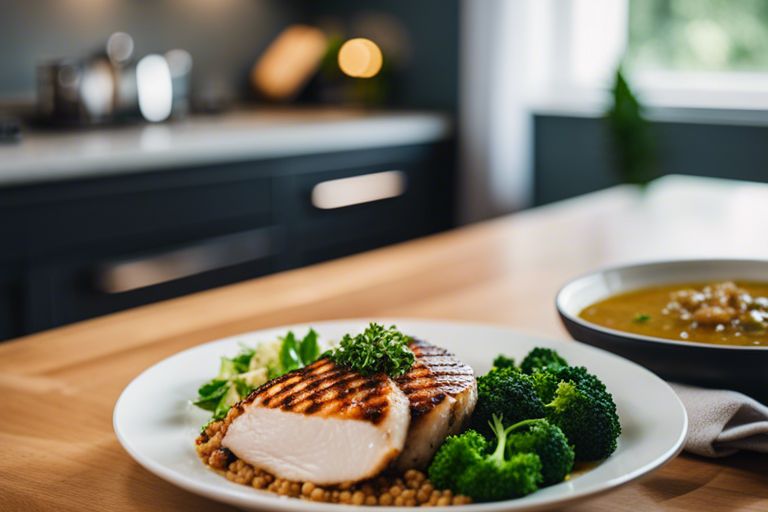
What is a protein dinner

Most of the time, when you sit down to enjoy your dinner, you want to make sure you are fueling your body with the right nutrients. A protein dinner can be a great way to ensure you are getting the vital building blocks your body needs to function at its best. From lean meats to plant-based options like tofu and legumes, there are plenty of delicious ways to incorporate protein into your evening meal. In this blog post, we will explore the benefits of a protein dinner and provide you with some tasty recipe ideas to try out for yourself.

Key Takeaways:

  • Protein is Essential: Protein dinners are important as protein is vital for the growth and repair of tissues in the body.
  • Diverse Protein Sources: Protein dinners can include a variety of sources such as lean meats, poultry, fish, tofu, legumes, and nuts.
  • Satiety and Weight Management: Including protein in your evening meal can help keep you full, manage weight, and prevent excessive snacking.

Defining Protein Dinner

While you may have come across the term “protein dinner,” it’s vital to understand what it truly means. A protein dinner is a meal that primarily focuses on incorporating protein-rich foods as the main source of nutrients. This type of dinner typically includes a variety of protein sources such as lean meats, poultry, fish, tofu, legumes, and dairy products.

The Concept of Protein-Rich Meals

An important aspect of protein dinners is ensuring that you are consuming an adequate amount of protein to support various bodily functions. Proteins are made up of amino acids, which are the building blocks of tissues, muscles, and organs in your body. Including a sufficient amount of protein in your meals helps with muscle repair, immune function, hormone production, and overall health.

Importance of Protein in Our Diet

One significant reason why protein is crucial in your diet is that it helps you feel full and satisfied after a meal. Unlike carbohydrates, protein takes longer to digest, keeping you feeling satiated for a more extended period. This can be particularly helpful if you are trying to manage your weight or avoid unhealthy snacking between meals.

This nutrient is also vital for maintaining and building muscle mass, especially for those who are physically active or looking to improve their fitness levels. Additionally, protein plays a vital role in supporting the growth and repair of tissues in your body, making it an indispensable part of a healthy diet.

Types of Protein Dinner

Any protein dinner can be a mix of animal and plant-based proteins, providing a well-rounded meal. Here are some common types of protein dinners:

Animal-Based Protein Sources

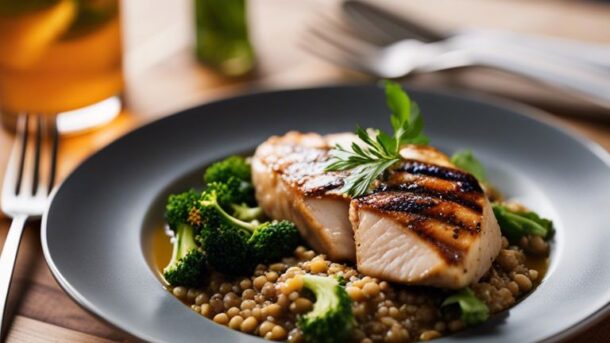
Protein from animal sources includes meat, poultry, fish, eggs, and dairy products. These foods are high in necessary amino acids, the building blocks of protein. Your protein dinner can include options like grilled chicken, salmon fillets, lean beef, or a serving of Greek yogurt.

Any protein dinner with animal-based sources can be a great way to get a complete protein profile and necessary nutrients like vitamin B12, iron, and zinc. It’s important to vary your sources to ensure you get a diverse range of nutrients in your meals.

Plant-Based Protein Sources

Sources of plant-based protein include legumes, nuts, seeds, tofu, tempeh, and whole grains. These foods are rich in fiber, antioxidants, and phytonutrients, making them beneficial for your overall health. Your protein dinner can feature options like lentil curry, quinoa salad, chickpea stew, or almond-crusted tofu.

Plant-based protein sources are typically lower in saturated fats and cholesterol, making them heart-healthy choices for your meals. Including a variety of plant-based proteins in your diet can also help reduce your carbon footprint and promote sustainability.

Combination of Both

Plant-based proteins can complement animal proteins in your protein dinner to create a balanced and nutritious meal. Including a mix of both sources can increase the diversity of nutrients in your diet, providing a range of vitamins, minerals, and antioxidants.

Plant-based proteins such as beans and lentils can add fiber and micronutrients to your meal, while animal proteins offer high-quality protein and necessary nutrients. Combining both sources in your protein dinner ensures you get a well-rounded and satisfying meal.

Benefits of Protein Dinner

Weight Management

Management of your weight is crucial for overall health and well-being. Including a protein-rich dinner in your diet can be beneficial for weight management. Proteins are known to be more satiating than carbohydrates or fats, which means they can help you feel full and satisfied for longer periods. By incorporating proteins into your dinner, you may reduce overall calorie intake throughout the day, aiding in weight loss or weight maintenance.

Muscle Growth and Repair

Management of muscle growth and repair is imperative for those looking to stay active and maintain a healthy lifestyle. Proteins are the building blocks of muscles, and consuming them at dinner can support muscle recovery and growth. Including protein sources like lean meats, poultry, fish, tofu, or legumes in your evening meal can provide your body with the necessary nutrients to repair and build muscle tissue.

With adequate protein intake at dinner, especially after a workout or physical activity, you can promote muscle recovery and enhance your body’s ability to repair and strengthen muscles.

Improved Satiety

Management of hunger and cravings can be challenging when trying to maintain a healthy diet. Choosing a protein-packed dinner can help improve satiety levels and prevent unnecessary snacking or overeating later in the evening. Proteins take longer to digest than carbohydrates, keeping you feeling full and satisfied, which can be beneficial for controlling overall calorie intake and supporting weight management goals.

Benefits of including protein in your dinner extend beyond just satiety; it can also help stabilize blood sugar levels, reduce cravings for unhealthy snacks, and support a more balanced and nutritious diet overall.

Planning a Protein Dinner

Once again, planning a protein dinner is imperative for ensuring you get the nutrients your body needs while enjoying a satisfying meal. By incorporating protein-rich foods into your dinner routine, you can create a balanced and delicious meal that will keep you sustained throughout the evening.

Meal Prep Strategies

Dinner can often be a hectic time, but with some meal prep strategies, you can make the process smoother and more efficient. Consider batch cooking your proteins, such as grilled chicken, tofu, or lentils, at the beginning of the week. This way, you can easily add them to salads, stir-fries, or wraps for a quick and protein-packed dinner.

Incorporating Protein-Rich Foods

With a variety of protein-rich foods to choose from, such as lean meats, seafood, beans, and dairy products, incorporating them into your dinner can be quite simple. Try to include at least one source of protein in your meal to help you feel full and satisfied. For a plant-based option, quinoa, chickpeas, or edamame can be excellent choices.

Balancing Macronutrients

Prep your dinner plate with a balance of macronutrients by incorporating protein, carbohydrates, and healthy fats. This balance can help stabilize your blood sugar levels and keep you energized throughout the evening. Bear in mind, portion control is key to ensuring you are getting the right amounts of each nutrient.

This approach to planning a protein dinner ensures that you are getting a well-rounded meal that will nourish your body and support your overall health and well-being.

Protein Dinner Ideas

Many delicious and nutritious options are available when it comes to crafting a protein-rich dinner. Whether you’re aiming for something quick and easy, looking for global inspirations, or seeking seasonal variations, there are endless possibilities to explore and enjoy.

Quick and Easy Recipes

On busy weeknights, you may not have much time to spend in the kitchen. Consider whipping up a simple grilled chicken salad, turkey lettuce wraps, or a protein-packed stir-fry with your favorite veggies. These meals are not only speedy to make but also satisfying and full of flavor.

Global Inspirations

One way to add excitement to your protein dinners is by drawing inspiration from cuisines around the world. Try making Greek souvlaki with tzatziki sauce, spicy Indian chickpea curry, or Japanese teriyaki salmon. Exploring different flavors and cooking styles can introduce new and delicious ways to incorporate protein into your diet.

It’s fascinating how various cultures have their unique approaches to preparing protein-rich meals. By incorporating international recipes into your dinner rotation, you can broaden your culinary horizons and discover a world of exciting flavors and ingredients.

Seasonal Variations

It’s necessary to adapt your protein dinners to the changing seasons to make the most of fresh, seasonal produce. In the summer, consider grilling lean cuts of meat or fish alongside vibrant vegetables. During the fall, hearty stews with beans and root vegetables can be a comforting and protein-packed option for chilly evenings.

Inspirations for seasonal variations can be found all around you, from the farmer’s market offerings to the seasonal specials at your favorite grocery store. Embracing the flavors of each season can elevate your protein dinners, making them not only delicious but also aligned with the natural rhythms of the year.

Another Subsection Title

Additional ideas for protein dinner variations could include incorporating plant-based proteins like tofu, tempeh, or legumes into your meals. These options provide a different nutritional profile while still offering a satisfying and protein-rich dining experience.

Common Misconceptions

Your journey to understanding protein dinners may come with some common misconceptions that can cloud your judgment. Let’s debunk these myths to set the record straight.

Debunking Protein Myths

Misconceptions about protein often revolve around animal sources being the only way to meet your protein needs. However, many plant-based foods like beans, lentils, quinoa, and tofu are excellent sources of protein. You don’t need to rely solely on meat to have a protein-rich meal.

Separating Fact from Fiction

An important aspect to consider in separating fact from fiction when it comes to protein dinners is understanding that protein is vital, but it’s not the only nutrient you need. A well-rounded meal should include a variety of nutrients like carbohydrates, fats, vitamins, and minerals to support your overall health and well-being.

Myths about protein being the sole focus of a meal can lead to imbalanced nutrition. Remember to prioritize diversity in your diet to ensure you’re getting all the vital nutrients your body needs to thrive.

Final Words

Conclusively, understanding what constitutes a protein dinner can greatly enhance your overall health and well-being. By incorporating a balance of proteins, such as lean meats, fish, tofu, and legumes, into your evening meals, you can ensure that you are fueling your body with important nutrients to support muscle growth, repair, and overall function. Note, a protein dinner doesn’t have to be complicated or time-consuming; simple meals like grilled chicken with quinoa and roasted vegetables can provide all the protein your body needs.

Q: What is a protein dinner?

A: A protein dinner is a meal that is primarily focused on including foods that are high in protein. This can include various types of meat, poultry, seafood, tofu, tempeh, beans, lentils, and dairy products such as Greek yogurt and cottage cheese.

Q: Why is it important to have a protein dinner?

A: Protein is an necessary nutrient that plays a crucial role in building and repairing tissues, supporting immune function, and helping you feel full and satisfied. Having a protein-rich dinner can help you meet your daily protein needs, support muscle growth and repair, and aid in weight management by promoting satiety.

What are some examples of protein dinner options?

A: Some examples of protein dinner options include grilled chicken with roasted vegetables, salmon with quinoa and steamed broccoli, tofu stir-fry with brown rice, lentil soup with a side of salad, Greek yogurt parfait with nuts and fruit, and black bean tacos with avocado and salsa.

What to eat with Indian food

Cuisine is a delightful amalgamation of flavors, especially when it comes to Indian food, which boasts a rich tapestry of spices and textures. To enhance your culinary experience, you may want to consider complementary dishes and accompaniments that elevate your meal. From traditional breads like naan and roti to refreshing sides such as raita and pickles, there are countless options to explore. In this post, you will discover the best pairings to enjoy with Indian cuisine, ensuring that your dining experience is both satisfying and memorable.

Key Takeaways:

  • Accompaniments: Indian food is often best enjoyed with various side dishes such as raita (yogurt sauce), pickles, and papad (crispy lentil wafers) to enhance flavors.
  • Rice Varieties: Serve dishes like biriyani or jeera rice for a hearty base, pairing well with rich curries and gravies.
  • Breads: Traditional Indian breads such as naan, roti, and paratha are perfect for scooping up curries and sauces.
  • Drinks: Complement your meal with refreshing drinks like lassi (yogurt drink) or chai (tea) to balance the spices.
  • Desserts: End your meal with gulab jamun or kheer to satisfy your sweet tooth and cleanse the palate.

Complementary Dishes to Indian Food

Your dining experience can be greatly enhanced by choosing the right complementary dishes to accompany your Indian meal. If you’re unsure about what to select, you might want to check out I am about to try Indian food for the first time. What is a … for insights and suggestions.

Breads and Baked Goods

Indian cuisine features an array of delicious breads and baked goods that are perfect for scooping up curries and gravies. Options like naan, roti, and paratha not only complement the flavors of your main dishes but also enhance the overall texture and experience of your meal.

Rice Varieties

One of the most beloved staples in Indian cuisine is rice. Many dishes are served alongside fragrant basmati rice or flavorful pulao, showcasing the versatility of this grain. You can choose from plain steamed rice or spiced variations to brighten up your meal.

To further enrich your dining experience, consider trying biryani, a dish that combines rice with marinated meat or vegetables, slow-cooked to perfection. This aromatic rice dish is often layered with spices and complemented by yogurt-based sides, offering a delightful mix of flavors and textures.

Side Dishes

Food in Indian culture often comes with a variety of enticing side dishes. These can include chutneys, pickles, or salad, that bring additional flavors and balances the richness of main dishes, making your meal even more enjoyable.

It’s also necessary to consider pairing your meal with raita, a cooling yogurt-side dish that can tame the heat from spicy fare. Incorporating a mix of side dishes allows you to explore a wider range of tastes and textures, elevating your Indian dining experience.

Popular Beverage Pairings

Some beverages perfectly complement Indian cuisine, enhancing the rich and diverse flavors of your meal. By understanding the various options available, you can elevate your dining experience, whether through traditional drinks or refreshing non-alcoholic choices. Here’s a breakdown of some popular beverage pairings with Indian food.

Traditional Indian Drinks

An integral part of Indian culture, traditional drinks like lassi (a yogurt-based treat) and chaas (buttermilk) offer cooling effects that balance the spiciness of your meal. These beverages not only aid digestion but also enhance the authentic experience of enjoying Indian cuisine.

Non-Alcoholic Options

With so many refreshing choices, you can easily find non-alcoholic options that go well with your meal. Soft drinks, fresh juices, and flavored water can cleanse your palate and complement the robust spices in your dishes.

For instance, a spicy biryani pairs wonderfully with a sweet mango lassi or a chilled lemonade. These beverages provide a sweet contrast to the heat of your curries, ensuring a more balanced and enjoyable experience. You might also enjoy a tamarind juice, which adds a tangy kick that perfectly offsets the flavors of rich gravies.

Alcoholic Pairings

On the other hand, if you prefer alcoholic beverages, options such as beer, wine, or cocktails can enhance the flavors of your Indian food. Light beers and aromatic wines often help in cutting through the richness of various dishes.

Pairings like a crisp lager or a fruity Riesling can enhance flavors without overwhelming your palate. Additionally, you might consider spiced cocktails that incorporate ingredients like ginger or cardamom, which harmonize beautifully with the spices found in Indian cuisine, delivering a truly unique dining experience.

Regional Food Pairings

Unlike other cuisines that may have a universal approach to pairings, Indian food is wonderfully diverse, rich in regional flavors that dictate what you should enjoy alongside your meals. Each region’s culinary influences create unique combinations that enhance your overall dining experience. Understanding these regional pairings will elevate your meal and introduce you to the culinary tapestry of India.

Northern Indian Cuisine

For Northern Indian cuisine, you’ll find that buttery naan and fragrant basmati rice are perfect companions to rich, creamy dishes like butter chicken or paneer makhani. Accompany these with tangy pickles and cooling raita, which balance the robust flavors beautifully, ensuring a well-rounded meal.

Southern Indian Specials

Indian southern cuisine is often paired with rice and an array of lentil-based dishes, providing a wholesome and nutritious experience. You can savor favorites like dosas or idlis alongside coconut chutneys and sambar, creating a delicious combination of textures and flavors.

Indian southern specialties reflect a harmonious blend of spices and fresh ingredients. Dosas, thin, crispy crepes, and idlis, soft rice cakes, are staples that deserve to be enjoyed with a variety of side dishes. Serve them with coconut chutney, tangy tomato chutney, or the traditional sambar, a lentil-based stew incorporating spices and vegetables for a nourishing and satisfying meal.

Eastern and Western Indian Delights

Southern flavors in Eastern and Western regions often incorporate seafood, while the staple of dal and bhaji enhances the meal experience. Rice, accompanied by fish curry or spicy masalas, takes center stage along with sweet desserts like rasgulla or gulab jamun to complete your culinary journey.

As you explore Eastern and Western Indian delights, you’ll discover a wonderful contrast in flavors and cooking methods. In coastal areas like West Bengal, fish is a main ingredient, often enjoyed with rice and mustard sauces. Meanwhile, Western dishes feature aromatic spice blends, enhancing your taste experience. Enjoying these regional delicacies alongside traditional sweet treats rounds off the meal to perfection, introducing you to the exciting spectrum of Indian cuisine.

Dietary Considerations

Many people have specific dietary preferences or restrictions that can influence their choices when enjoying Indian cuisine. Understanding these considerations is necessary to fully appreciate all that this flavorful and diverse food has to offer.

Vegetarian and Vegan Options

With a rich array of plant-based ingredients, Indian food provides numerous vegetarian and vegan options for you to enjoy. Dishes such as chana masala (chickpea curry), palak paneer (spinach with cheese), and lentil dal are not only satisfying but also packed with nutrients.

Gluten-Free Alternatives

Options abound for those following a gluten-free diet. Many traditional Indian dishes are naturally gluten-free, thanks to their reliance on rice, lentils, and a variety of vegetables. Popular choices include dosa (rice crepes), idli (steamed rice cakes), and various curries served with rice.

Plus, if you’re avoiding gluten, you might want to explore the world of Indian flatbreads made from gluten-free flours, such as besan (chickpea flour) for papad or jowar (sorghum) flours for bhakri. Make sure to check each dish’s ingredients, as some pre-packaged items may contain hidden gluten sources.

Spicy Tolerance

An important aspect of enjoying Indian food is understanding your spicy tolerance. While many dishes are renowned for their heat, you can easily find milder variations to suit your palate. Don’t hesitate to communicate your preferences when ordering.

This ensures that you can fully enjoy the many flavors without overwhelming your taste buds. Indian cuisine varies greatly by region, so you might find that some dishes from northern India are milder compared to those from the south. Always feel free to ask for adjustments or recommendations based on your spice comfort level!

Summing up

To wrap up, when you enjoy Indian food, enhance your meal with complementary options such as basmati rice, naan, or paratha to soak up flavorful gravies. Don’t forget cooling sides like raita or a refreshing salad to balance spices. For a complete experience, consider pairing your meal with traditional beverages like lassi or masala chai. These additions not only elevate your dining experience but also allow you to appreciate the diverse flavors and textures Indian cuisine has to offer.

Q: What are some traditional side dishes to serve with Indian food?

A: When enjoying Indian cuisine, it’s common to accompany your meal with a variety of traditional side dishes. Popular options include:

  • Naan or Roti: These are types of Indian bread that are perfect for scooping up curry or lentils.
  • Raita: A yogurt-based side dish that helps balance the spices. Variants include cucumber raita and boondi raita.
  • Pickles (Achar): Indian pickles made from lemon, mango, or mixed vegetables add a tangy kick to the meal.
  • Salad: A simple salad of onions, cucumbers, and tomatoes dressed with lemon juice can offer a refreshing contrast.
  • Papad: Crispy lentil wafers that are often served as a starter or side for added crunch.

Q: What beverages pair well with Indian food?

A: The right beverage can enhance the dining experience when indulging in Indian cuisine. Here are some recommended choices:

  • Mango Lassi: A sweet and creamy yogurt drink that complements spicy dishes and helps cool down the palate.
  • Chai: Traditional Indian tea made with milk and spices, enjoyed either hot or cold, can provide a pleasant finish to a meal.
  • Beer: A light lager or wheat beer works well with spicy foods, while IPAs can add a hoppy contrast to richer curries.
  • Wine: For wine lovers, a slightly chilled Riesling or Sauvignon Blanc is a great match for Indian flavors.
  • Fruit Juices: Fresh juices like pineapple or lime offer refreshing sips that can cleanse the palate.

Q: How can I make a complete meal with Indian food?

A: Creating a balanced and complete meal with Indian food involves combining different elements for a satisfying dining experience. Here’s how to do it:

  • Main Dish: Choose a protein-packed curry like chicken tikka masala, paneer butter masala, or chana masala for a vegetarian option.
  • Accompaniments: Include rice (like basmati or jeera rice) alongside your curry to soak up the sauce, along with dal (lentils) for extra protein.
  • Side Dishes: Add a couple of sides such as naan or raita to further enhance the meal’s diversity and flavor.
  • Dessert: Don’t forget to finish off with a sweet treat like gulab jamun or jalebi to cleanse the palate after a spicy meal.
  • Presentation: Serve everything family-style; placing all dishes on the table encourages sharing and creates a communal dining atmosphere.

What is India's national dessert

It’s important to know about the culinary treasures of the world, and when it comes to India, the national dessert holds a special place. In this post, you’ll discover what India’s national sweet is, its historical significance, and why it resonates with millions. If you’re curious about the specific details, you can explore more about What is India’s national sweet? so you can appreciate this delicious facet of Indian culture.

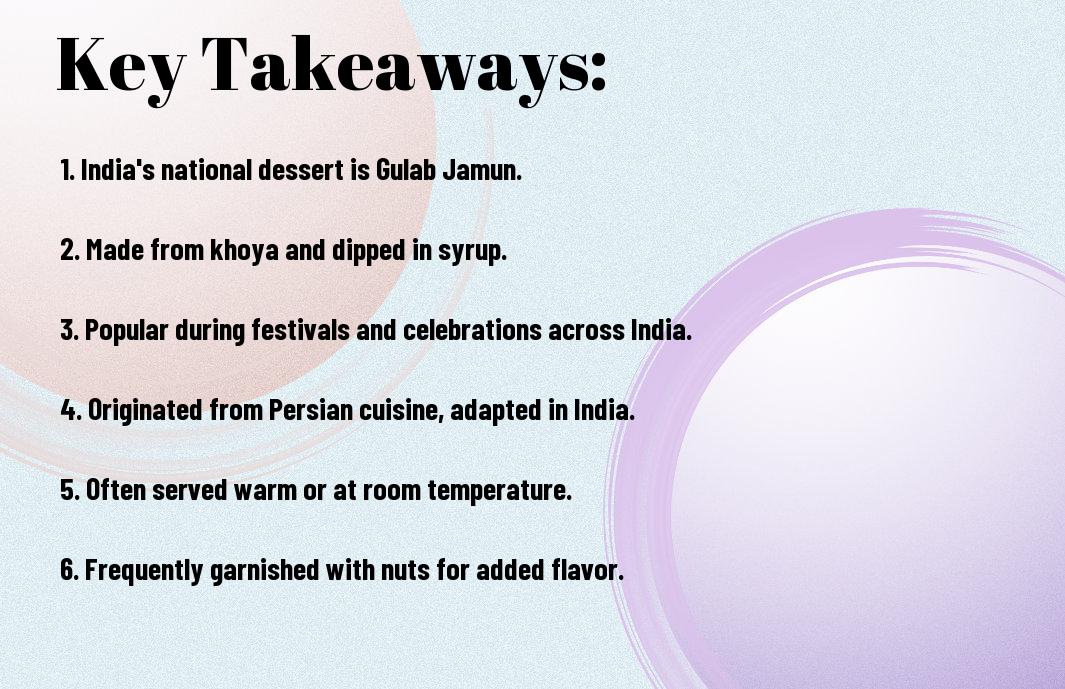
Key Takeaways:

  • Gulab Jamun: Widely regarded as India’s national dessert, gulab jamun is a sweet made from milk solids, sugar syrup, and a hint of cardamom.
  • Popular Across Regions: This dessert is cherished throughout India, with variations and regional adaptations found in every state.
  • Festive Celebrations: Gulab jamun is often served during festivals, weddings, and special occasions, symbolizing joy and celebration.
  • Historical Roots: The dessert has a rich history, believed to have originated from the Persian ‘luqmat al-qadi’ and adapted over time in Indian cuisine.
  • Easy to Make at Home: With simple ingredients, gulab jamun is a popular choice for home cooks looking to recreate traditional sweets.

Understanding India’s Culinary Heritage

To truly appreciate India’s national dessert, it’s vital to understand the rich tapestry of its culinary heritage. Indian cuisine is characterized by a delightful spectrum of flavors, ingredients, and cooking techniques influenced by its diverse geography and cultural traditions. Desserts in India are more than mere sweets; they are an integral part of celebrations, rituals, and everyday life, reflecting the country’s regional diversity and historical legacy.

The Role of Desserts in Indian Culture

Role of desserts in your life and culture is significant, as they often symbolize joy and festivity. Whether during festivals, weddings, or family gatherings, sweets play a pivotal role in creating memorable experiences. They are not only a treat for the taste buds but also a way to reinforce social bonds and convey goodwill, making them vital to your cultural practices.

Historical Influences on Indian Sweets

For centuries, Indian sweets have been shaped by various historical influences, including trade, conquest, and migration. The introduction of sugar and new cooking techniques by invaders and traders, such as the Mughals, transformed traditional sweets, creating a fusion of flavors and styles that you still enjoy today.

Heritage aspects of Indian sweets reveal a fascinating journey through time. The blending of local ingredients with those brought by traders and conquerors resulted in iconic desserts like gulab jamun and jalebi. As you explore the world of Indian sweets, you’ll discover how each recipe tells a story of cultural amalgamation and innovation, echoing the diverse narratives that have shaped your culinary landscape.

Popular Indian Desserts

Even if you are not familiar with Indian cuisine, it’s hard to ignore the vibrant array of desserts that feature in this culture. Each region of India boasts its own specialties, influenced by local ingredients, climate, and culinary traditions, creating an extensive palette of flavors and textures that delight the senses. From the creamy richness of Bengali sweets to the nutty delights of Punjabi desserts, every corner of the country has something unique to offer.

An Overview of Regional Specialties

Indian desserts vary significantly across its diverse regions. For instance, while you might find Rasgulla in West Bengal, Maharashtra is famous for Modak, particularly during the Ganesh Chaturthi festival. Each region’s specialities reflect not just local ingredients but also the customs and traditions of the people, making each dessert a celebration in its own right.

Festive Sweets and Their Significance

Popular Indian desserts hold great significance during festivals and special occasions. They are often prepared to mark celebrations, rituals, and family gatherings. Sweets like Gulab Jamun and Kheer symbolize joy, prosperity, and togetherness, adding a delicious layer to the festive spirit that embodies Indian culture.

With every Indian festival, whether it’s Diwali, Holi, or Eid, specific sweets take center stage. You will often find yourself indulging in delicate treats like Ladoo, Burfi, or traditional Halwa, which not only satiate your sweet tooth but also carry a cultural legacy. These festive delights strengthen family bonds and create lasting memories during celebrations.

Common Ingredients in Indian Desserts

Common ingredients in Indian desserts include milk, sugar, and a variety of nuts and spices, which come together to create harmonious flavors. You will frequently encounter ingredients like cardamom, saffron, and ghee, all of which elevate the taste and texture of these mouth-watering treats.

Ingredients like condensed milk and jaggery are staples in many recipes, while others incorporate regional flavors such as coconut or paneer. This use of diverse components not only enriches the culinary experience but also showcases the regional influences that have shaped Indian sweets over centuries. By understanding these common ingredients, you can better appreciate the intricate balance of flavors that make Indian desserts truly delightful.

The Quest for the National Dessert

Not just any sweet can claim the title of India’s national dessert. Instead, this quest involves understanding the unique cultural, historical, and regional significance of various desserts that represent the rich culinary heritage of India.

Criteria for National Recognition

For a dessert to be considered a national symbol, it must resonate with a large portion of the population, showcase regional diversity, and reflect India’s cultural traditions. Factors like historical significance, popularity across regions, and representation in celebrations play an necessary role in this decision-making process.

Comparisons of Leading Contenders

Leading contenders for India’s national dessert include iconic options like Gulab Jamun, Jalebi, and Kheer. Each of these desserts brings distinct flavors and cultural stories from different parts of the country.

Comparative Analysis of Leading Desserts

Dessert Key Features
Gulab Jamun Soft, deep-fried balls soaked in sugar syrup
Jalebi Crispy, spiral-shaped sweet soaked in syrup
Kheer Rich rice pudding made with milk and nuts

With each contender presenting its unique attributes, the choice can be difficult. Gulab Jamun, beloved for its rich, sugary flavor, often evokes nostalgia, while Jalebi’s crispy texture and vibrant colors make it a festival favorite. Kheer, with its comforting creaminess, often graces family gatherings, providing warmth and celebration.

Public Opinion on National Dessert

On the matter of a national dessert, public opinion is often diverse and passionate. People have their personal favorites based on regional influences and cultural traditions, leading to vibrant discussions regarding the best dessert.

A recent survey indicated that while many love Gulab Jamun for its sweetness, others argue fiercely for the crispy joy of Jalebi or the creamy richness of Kheer. Your preference may reflect your regional background or cherished family recipes, making the quest for a national dessert not just a culinary decision but a deeply personal one as well.

Final Words

Hence, as you explore the diverse and rich culinary landscape of India, you will discover that the national dessert, Gulab Jamun, holds a special place in the hearts and homes of its people. This delightful sweet, made from milk solids and infused with rose flavored syrup, symbolizes celebration and joy. To further deepen your understanding of Indian desserts and their cultural significance, you can read about the Introduction to Indian Desserts. Your journey through India’s sweet traditions is sure to be delicious and enlightening!

FAQ

Q: What is India’s national dessert?

A: India does not have an official national dessert; however, many people consider ‘Gulab Jamun’ as India’s most iconic dessert. It consists of deep-fried dough balls made from khoya (milk solids) that are soaked in a sugar syrup flavored with cardamom and rose water. It is widely enjoyed across the country and is a staple at festivals and celebrations.

Q: Are there regional variations of Gulab Jamun in India?

A: Yes, there are several regional variations of Gulab Jamun throughout India. For example, in North India, it is primarily made with khoya, while in some South Indian regions, it may be prepared using semolina or even made with grated coconut. In addition to the traditional sweet syrup, variations may also include flavors like saffron or various aromatic spices to introduce unique tastes.

Q: What are some other popular Indian desserts besides Gulab Jamun?

A: Apart from Gulab Jamun, India boasts a diverse range of desserts that vary by region. Popular options include ‘Jalebi’ (a spiral-shaped fried dough soaked in sugar syrup), ‘Rasgulla’ (soft cheese balls in syrup), ‘Kheer’ (rice pudding), and ‘Barfi’ (a milk-based sweet). Each region has its specialty, reflecting the rich culinary traditions of India.

How can I get 20g of protein in a snack

Just craving a snack but want to make sure you’re getting enough protein? You’re in luck! With these simple tips and ideas, you can easily pack in 20g of protein in a delicious snack. Whether you’re at work, on the go, or just looking for a satisfying treat, we’ve got you covered. Check out 30 High Protein Snacks That Are Healthy and Portable for some inspiration!

Key Takeaways:

  • Choose High-Protein Foods: Opt for snacks that contain high protein content such as Greek yogurt, cottage cheese, hard-boiled eggs, or jerky.
  • Combine Protein Sources: Mix and match different protein sources to reach 20g of protein, like pairing nuts with cheese, or hummus with whole grain crackers.
  • Read Nutrition Labels: Always check the nutrition labels to ensure the snack you choose provides at least 20g of protein, and consider portion sizes to meet your protein goals.

Why 20g of Protein Matters

The importance of protein in your diet cannot be overstated. Not only does it play a crucial role in muscle growth and repair, but it also helps keep you feeling full and satisfied, making it an vital nutrient for weight management.

The Importance of Protein for Muscle Growth and Repair

An adequate intake of protein is vital for supporting muscle growth and repair. When you engage in physical activity or strength training, you create micro-tears in your muscles that need to be repaired. Protein provides the building blocks (amino acids) necessary for this repair process, helping your muscles recover and grow stronger.

How Protein Affects Satiety and Weight Loss

With its high satiety value, protein can help you feel full for longer periods, reducing the likelihood of overeating and snacking on unhealthy foods. Including protein in your snacks can help curb cravings and keep your appetite in check, making it easier to stick to your weight loss goals.

Aim to include protein-rich foods like Greek yogurt, nuts, seeds, or lean meats in your snacks to help you reach your daily protein goals and support your muscle health and weight management efforts.

High-Protein Snack Options

Greek Yogurt: A Convenient and Tasty Choice

Now, when you’re looking for a quick and tasty high-protein snack option, Greek yogurt is your perfect go-to. Not only is it packed with protein, but it’s also convenient and delicious. With around 20g of protein per cup, Greek yogurt can easily fulfill your protein needs in a snack.

Hard-Boiled Eggs: A Portable Protein Powerhouse

Options for a protein-packed snack are endless, but hard-boiled eggs stand out as a portable protein powerhouse. Packed with important nutrients and around 6g of protein per egg, they make for a convenient and filling snack. Whether you’re on the go or need a quick energy boost, hard-boiled eggs are a fantastic choice to meet your protein goals.

Conveniently, hard-boiled eggs are easy to prepare in advance and carry with you wherever you go. They require minimal effort and can be seasoned with your favorite spices to add some flavor. When you include two hard-boiled eggs in your snack, you’re well on your way to reaching that 20g protein mark.

Cottage Cheese: A High-Protein Snack with a Twist

For a high-protein snack with a twist, consider adding cottage cheese to your list of go-to options. With approximately 14g of protein per half-cup serving, cottage cheese provides a creamy and satisfying snack choice. Pair it with some fruits or nuts to enhance the flavor profile and add some additional nutrients.

This versatile snack option is not only high in protein but also rich in calcium and other important nutrients. Cottage cheese comes in various fat percentages, allowing you to choose based on your dietary preferences. Bear in mind, incorporating cottage cheese into your snack routine can be a tasty and nutritious way to boost your protein intake.

Protein-Rich Nuts and Seeds

After looking for a quick and convenient way to boost your protein intake, you turn to nuts and seeds as a tasty and satisfying option. These protein-packed snacks not only provide the required protein but also offer a range of important nutrients that your body needs. Let’s explore some of the best options for incorporating nuts and seeds into your diet to reach that 20g protein goal.

Almonds: A Crunchy and Nutritious Snack

With their delightful crunch and rich flavor, almonds make a perfect protein-rich snack for any time of the day. Just a handful of almonds can pack a powerful protein punch, making them a convenient option to meet your protein requirements. Additionally, almonds are loaded with healthy fats, fiber, vitamin E, and magnesium, which offer numerous health benefits to support your overall well-being.

Chia Seeds: A Tiny but Mighty Protein Source

ProteinRich chia seeds are a nutritional powerhouse that can easily be incorporated into your snacks to boost their protein content. Despite their small size, chia seeds are packed with protein, fiber, omega-3 fatty acids, and various other vitamins and minerals. These tiny seeds can be added to yogurt, smoothies, or oatmeal to create a protein-rich snack that will keep you full and satisfied for longer periods.

Another remarkable quality of chia seeds is their ability to absorb liquid and expand, creating a gel-like consistency. This property can help you feel fuller and more satiated, making it an excellent addition to your snack options.

Hemp Seeds: A Complete Protein in a Small Package

Complete hemp seeds are an excellent plant-based source of protein that can easily be sprinkled over salads, yogurt, or blended into smoothies. These tiny seeds contain all important amino acids, making them a complete protein source that rivals animal products. In addition to protein, hemp seeds are rich in omega-3 and omega-6 fatty acids, which are important for brain health and overall well-being.

In terms of incorporating hemp seeds into your snacks, the possibilities are endless. You can mix them into energy bars, sprinkle them over your favorite dishes, or blend them into dips and spreads to add a protein boost to your snack time.

Meat-Based Snacks

Many individuals turn to meat-based snacks when looking to increase their protein intake. If you’re aiming for 20g of protein in a snack, incorporating options like beef jerky, turkey or chicken slices, and protein-rich sausages can be a convenient and tasty choice. For a comprehensive list of high-protein foods, you can check out 7 Foods High in Protein for more ideas.

Beef Jerky: A Tasty and Convenient Option

Jerky can be a delicious and portable snack that packs a protein punch. Made from lean cuts of beef that are dried and seasoned, beef jerky is typically low in fat and high in protein, making it an ideal option to meet your protein goals on the go.

Turkey or Chicken Slices: A Lean Protein Snack

Chicken or turkey slices are another excellent choice for a protein-rich snack. These lean meats are not only high in protein but also low in fat, making them a healthy option to curb your hunger between meals.

With options like pre-packaged turkey or chicken slices, you can easily grab a serving whenever you need a quick protein boost. Pair them with some nuts or a piece of fruit for a balanced snack that keeps you satisfied and energized throughout the day.

Protein-Rich Sausages: A Snack with a Twist

One creative way to enjoy a protein-rich snack is by opting for sausage varieties that are high in protein. Look for sausages made from lean meats like chicken, turkey, or even plant-based options like tofu or tempeh. These sausages can be grilled, baked, or pan-fried for a delicious and filling snack that is sure to satisfy your protein needs.

Snack on protein-rich sausages on their own or pair them with some whole-grain crackers and veggies for a well-rounded snack that provides both protein and fiber to keep you full and satisfied.

Plant-Based Protein Snacks

All plant-based protein snacks are a great way to boost your protein intake throughout the day. Whether you’re on the go or need a quick pick-me-up between meals, these snacks are not only convenient but also packed with crucial nutrients.

Protein Shakes: A Quick and Easy Option

To quickly get your 20g of protein in a snack, reach for a plant-based protein shake. These convenient beverages come in various flavors and can be easily mixed with water or plant-based milk for a quick and tasty protein boost. Look for shakes made with ingredients like pea protein, hemp protein, or brown rice protein to ensure you’re getting a complete amino acid profile.

Energy Balls: A No-Bake Snack with a Protein Punch

Easy to make and perfect for snacking, energy balls are a delicious option to get your protein fix. These no-bake snacks typically combine ingredients like nuts, seeds, dried fruits, and protein powder rolled into bite-sized balls. They’re not only convenient but also customizable, allowing you to tailor them to your taste preferences and protein needs.

With the versatility of energy balls, you can experiment with different flavors and add-ins to create a snack that suits your cravings and dietary requirements.

Edamame: A Tasty and Protein-Rich Snack

With edamame, you can enjoy a flavorful and protein-rich snack that is both satisfying and nutritious. These young soybeans are not only delicious but also packed with plant-based protein, fiber, and crucial vitamins and minerals. Simply boil or steam edamame and sprinkle with a pinch of sea salt for a tasty snack that provides a substantial amount of protein.

With edamame, you can enjoy a satisfying snack that provides a good amount of protein, making it an excellent option for your daily protein intake.

NoBake: When looking for plant-based protein snacks to incorporate into your diet, these options provide both convenience and nutrition. Be sure to explore a variety of plant-based protein sources to keep your snacks interesting and flavorful while meeting your protein goals. Opt for snacks that not only taste great but also provide you with the crucial nutrients your body needs to thrive.

Combining Snacks for Maximum Protein

Not all snacks are created equal when it comes to protein content. To ensure you’re getting the most out of your snack, consider combining different foods to boost your protein intake.

Pairing Greek Yogurt with Nuts or Seeds

Pairing a serving of Greek yogurt with a handful of nuts or seeds can create a protein-packed snack that is not only delicious but also satisfying. Greek yogurt is rich in protein, while nuts and seeds add healthy fats and extra protein to the mix. The combination of these foods will keep you full and energized until your next meal.

Adding Protein Powder to Your Favorite Snacks

Seeds like chia, hemp, or flax seeds are a great way to boost the protein content of your favorite snacks. Simply sprinkle a tablespoon or two of protein powder over your yogurt, oatmeal, or smoothie to add an extra 10-15g of protein to your snack. This trick is particularly useful for those who have higher protein requirements or are looking to increase their protein intake without adding bulk to their snacks.

A small packet of protein powder can be easily carried in your bag or kept at your desk for a quick protein boost whenever you need it. Make sure to choose a high-quality protein powder with minimal added sugars or artificial ingredients for the best results.

Creating a Protein-Packed Trail Mix

Protein-packed trail mix can be a great on-the-go snack option that provides you with the protein you need to power through your day. Mix together a variety of nuts, seeds, and dried fruits to create a delicious and nutritious snack that is high in protein and energy. Portion out your trail mix into small ziplock bags for easy snacking wherever you go.

Your protein-packed trail mix can be customized to your taste preferences and dietary needs. Get creative with different combinations of nuts, seeds, and dried fruits to keep your snack interesting and satisfying.

Final Words

Summing up, getting 20g of protein in a snack is not as hard as it may seem. By choosing the right combination of foods such as Greek yogurt, nuts, seeds, or protein bars, you can easily reach your protein goal. Remember to pay attention to the nutritional labels and choose snacks that are not only high in protein but also low in added sugars and unhealthy fats. With a little bit of planning and creativity, you can enjoy a satisfying and protein-rich snack that will keep you full and energized throughout the day.

FAQ

Q: How can I get 20g of protein in a snack?

A: You can get 20g of protein in a snack by choosing high-protein foods such as Greek yogurt, cottage cheese, tofu, edamame, nuts, seeds, hard-boiled eggs, protein bars, or protein shakes.

Q: Are there any plant-based options to get 20g of protein in a snack?

A: Yes, there are several plant-based options to get 20g of protein in a snack. Some examples include edamame, tofu, lentils, chickpeas, nuts, seeds, and vegan protein bars or shakes.

Q: Can I combine different sources of protein to reach 20g in a snack?

A: Yes, you can combine different sources of protein to reach 20g in a snack. For example, you can pair a serving of Greek yogurt with a handful of almonds, or mix edamame with quinoa to create a high-protein snack that meets your goals.

Which food is 100% protein

It’s time to probe the world of protein-packed foods. Have you ever wondered which food is 100% protein? In this informative guide, we will explore the answer to this question and introduce you to some surprising sources of pure protein. By the end of this read, you’ll have a better understanding of which foods can give your body a protein boost like no other.

Key Takeaways:

  • There is no food that is 100% protein: All foods have a combination of macronutrients including protein, carbohydrates, and fats.
  • Some foods have a higher protein content: Foods like lean meats, fish, eggs, dairy products, tofu, and legumes are examples of foods that are rich in protein.
  • A balanced diet is important: While protein is important for overall health, it is crucial to consume a variety of foods to meet all nutritional needs.

Defining Protein

What is protein?

For you to understand why certain foods are labeled as “100% protein,” it’s crucial to have a clear definition of what protein is. Proteins are large molecules made up of smaller units called amino acids. These amino acids are crucial for various bodily functions, such as building and repairing tissues, supporting immune function, and producing enzymes and hormones. In short, proteins are the building blocks of life.

Importance of protein in our diet

Protein is an crucial macronutrient that your body needs to function properly. When you consume protein-rich foods, your body breaks down the protein into amino acids, which are then used to support various bodily functions. Adequate protein intake is crucial for muscle growth and repair, maintaining healthy skin and hair, and supporting a strong immune system.

Plus, protein is also important for weight management because it helps you feel full and satisfied after meals, reducing the chances of unhealthy snacking. Incorporating sources of lean protein into your diet can help you stay energized and maintain a healthy weight.

High-Protein Foods

Lean meats

Assuming you are looking to increase your protein intake, lean meats are an excellent choice. Options such as skinless chicken breast, turkey, and lean cuts of beef or pork are high in protein and low in fat. These meats not only provide you with the protein your body needs for muscle growth and repair but also offer important nutrients like iron and zinc.

Fish and seafood

Fish, such as salmon, tuna, and mackerel, are packed with protein and heart-healthy omega-3 fatty acids. Seafood like shrimp, crab, and lobster are also great sources of protein. Including a variety of fish and seafood in your diet can help you meet your protein requirements while reaping the benefits of their nutrient-rich profile.

HighProtein: Fish and seafood are not only high in protein but also low in saturated fats, making them a healthy choice for your overall well-being.

Eggs and dairy products

HighProtein: Eggs and dairy products, such as yogurt, cheese, and milk, are rich in high-quality protein. They also contain important vitamins and minerals like calcium and vitamin D, which are important for bone health and overall immunity. Incorporating eggs and dairy into your diet can help you achieve your protein goals while enjoying the versatility and deliciousness they offer.

The higher protein content in eggs and dairy products can be beneficial for muscle building and weight management.

Legumes and beans

Lean: Legumes and beans, including chickpeas, lentils, and black beans, are plant-based sources of protein that are also high in fiber. These options are not only protein-rich but also contribute to your daily fiber intake, which is important for digestive health and weight management. Adding legumes and beans to your meals can help you diversify your protein sources and enjoy a range of nutrients in your diet.

Legumes: Legumes and beans are not only versatile in cooking but also budget-friendly and sustainable options for meeting your protein needs.

The Quest for 100% Protein

Is it possible to find a food with 100% protein?

Not all foods are created equal when it comes to their protein content. While many foods contain protein, finding a food that is 100% protein is quite a challenge. Most foods have a combination of macronutrients such as carbohydrates, fats, and proteins, making it difficult to find a food that is purely protein.

Debunking myths about high-protein foods

One common myth about high-protein foods is that they are all created equal. While some foods are indeed high in protein, they may also contain high amounts of unhealthy fats or added sugars. It’s important to choose high-protein foods that are also nutrient-dense and beneficial for your overall health.

Myths surrounding high-protein foods can lead to misconceptions about the best sources of protein for your diet. It’s crucial to do your research and choose a variety of protein sources to ensure you are meeting your nutritional needs while enjoying a balanced and healthy diet.

Animal-Derived Options

Whey protein isolate

Now, let’s talk about whey protein isolate. This form of protein is derived from milk and is one of the most popular options among fitness enthusiasts. Whey protein isolate undergoes further processing to remove almost all carbohydrates and fats, leaving you with a protein content of around 90-95% per serving. This high protein concentration makes it a great choice for those looking to increase their protein intake without consuming extra calories.

Egg white protein

Isolate.

Now, if you’re looking for a protein source that is highly bioavailable and easily digestible, egg white protein is a fantastic option. Egg white protein isolates are made by separating the yolks from the whites and then drying and processing the whites into a powdered form. This results in a protein-rich supplement that is free from cholesterol and fats, making it a lean protein source for your diet. Egg white protein is also rich in crucial amino acids, making it a complete protein for muscle recovery and growth.

Gelatin and collagen

On

Now, when it comes to gelatin and collagen, these protein sources may not be as high in protein content as whey or egg white protein isolates, but they offer unique benefits for your overall health. Gelatin is derived from collagen, a structural protein found in animal connective tissues, and both are known for their positive effects on joint health, skin elasticity, and gut function. Incorporating gelatin or collagen into your diet can provide you with these additional benefits alongside a moderate amount of protein.

For instance, collagen peptides are hydrolyzed forms of collagen that are easily absorbed by the body, making them a convenient way to boost your protein intake while supporting your skin, hair, and joint health. Including gelatin in your diet through homemade bone broth or collagen powders can also offer similar benefits, making these animal-derived protein sources a valuable addition to your nutrition regimen.

Plant-Based Alternatives

Once again, if you are looking to increase your protein intake with plant-based options, you have a variety of choices to consider. According to 100 Healthiest Foods With the Highest Protein, pea protein isolate is one excellent option.

Pea protein isolate

An excellent plant-based protein option is pea protein isolate. This protein source is derived from yellow split peas and is known for its high protein content. Pea protein isolate is not only rich in protein but also contains necessary amino acids, making it a complete protein source.

Rice protein

Protein derived from rice is another plant-based protein alternative that you can incorporate into your diet. Rice protein is hypoallergenic and easily digestible, making it a suitable option for individuals with dietary restrictions or sensitive stomachs.

PlantBased

Hemp protein

PlantBased, hemp protein is a popular plant-based protein source that is gaining recognition for its nutritional benefits. Hemp protein is derived from hemp seeds and is rich in protein, fiber, and healthy fats. Additionally, hemp protein contains all necessary amino acids, making it a complete protein source.

To enhance your protein intake with plant-based alternatives, consider incorporating pea protein isolate, rice protein, or hemp protein into your meals and snacks. These plant-based proteins not only provide your body with necessary nutrients but also support your overall health and wellness goals.

Comparing Protein Sources

Despite the vast array of protein sources available, not all proteins are created equal. In terms of comparing protein sources, several factors play a role in determining their quality. Let’s investigate into the key metrics used to evaluate protein sources and help you make informed choices for your dietary needs.

Protein efficiency ratio (PER)

For starters, the Protein Efficiency Ratio (PER) measures the weight gained by a growing animal per gram of protein consumed. It is a valuable metric for assessing protein quality and how well it supports growth and development. In the PER scale, egg protein scores a perfect 1.0, indicating its exceptional quality. Other high-quality protein sources include milk and fish, which also score high on the PER scale.

Biological value (BV)

For evaluating protein quality, another crucial metric to consider is Biological Value (BV). BV measures the proportion of absorbed protein that is retained in the body for growth and maintenance. It provides insights into how efficiently the body can utilize the protein from a specific source. Protein sources such as eggs and whey protein have high BV scores, indicating that they are easily digestible and provide a high proportion of crucial amino acids for bodily functions.

A ratio of 100 represents an ideal biological value, indicating that all the protein consumed is utilized efficiently by the body. This makes eggs a standout protein source due to their high biological value and excellent amino acid profile, making them a complete protein source crucial for various bodily functions.

Net protein utilization (NPU)

For a comprehensive view of protein quality, Net Protein Utilization (NPU) is another crucial metric to consider. NPU measures the percentage of ingested protein that is actually retained and used by the body. It provides valuable insights into how efficiently a protein source can be utilized to meet the body’s protein needs. Protein sources such as soy and quinoa have high NPU scores, indicating that they are efficiently utilized by the body.

This holistic view of protein quality, considering metrics like PER, BV, and NPU, can guide you in selecting protein sources that best meet your nutritional requirements. By understanding these metrics, you can make informed choices to ensure you are getting high-quality protein sources that support your overall health and well-being.

Final Words

On the whole, understanding that there is no food that is 100% protein is crucial in maintaining a balanced and healthy diet. Be mindful of, your body needs a variety of nutrients, including carbohydrates, fats, vitamins, and minerals, in addition to protein, for optimal function. By incorporating a diverse range of foods in your meals, you can ensure that you are meeting all your nutritional needs and supporting your overall well-being. Enjoy your meals knowing that you are nourishing your body with a diverse array of nutrients!

FAQ

Q: Which food is 100% protein?

A: Foods that are 100% protein include egg whites, chicken breast, turkey breast, tuna, tilapia, and tempeh.

Q: Are there any vegetarian options that are 100% protein?

A: Yes, tempeh is a vegetarian option that is 100% protein. Tempeh is a fermented soybean product that is a great source of plant-based protein.

Q: How can I incorporate high-protein foods into my diet?

A: You can incorporate high-protein foods into your diet by incorporating them into meals and snacks. For example, you can add chicken breast to salads, snack on tuna with whole grain crackers, or have a protein shake with egg white protein powder.

What is India traditional food

Over thousands of years, India has cultivated a rich tapestry of traditional foods that reflect its diverse cultures, regions, and culinary practices. You will discover that Indian traditional food is not just about spices and flavors; it represents a deep connection to the land, its history, and the people. From aromatic curries to delectable sweets, these dishes are often prepared with age-old recipes and local ingredients. This blog post will guide you through the imperative aspects of traditional Indian cuisine, helping you appreciate its significance in global gastronomy.

Key Takeaways:

  • Diversity: India’s traditional food reflects a rich variety of regional cuisines shaped by geography, culture, and history.
  • Spices: The use of spices like cumin, coriander, turmeric, and cardamom is central to enhancing flavors and providing health benefits.
  • Vegetarianism: A significant portion of traditional Indian cuisine is vegetarian, influenced by cultural and religious practices, especially in Hinduism.
  • Cooking Techniques: Traditional cooking methods include tandoor baking, slow cooking, and steaming, which contribute to the unique flavors and textures of Indian dishes.
  • Festivals and Rituals: Food plays a vital role in celebrations and rituals, with different sweets and dishes prepared for festivals like Diwali and Holi.

Historical Background

The historical evolution of traditional Indian food is a fascinating journey shaped by various influences over millennia. From ancient civilizations to colonial rule, each epoch has left a lasting imprint on the culinary landscape of India. By exploring these historical contexts, you can better appreciate the depth and richness of Indian cuisine today.

Ancient Influences

Influences from ancient civilizations such as the Indus Valley and Vedic cultures laid the foundation for what we now recognize as traditional Indian food. The availability of local ingredients, alongside the introduction of grain cultivation and diverse agricultural practices, shaped the early dietary habits. As a result, you see a mix of regional flavors and cooking techniques that form the core of India’s culinary heritage.

Colonial Impact

Influences from colonial powers significantly transformed Indian cuisine, introducing new ingredients and cooking methods. The arrival of British, Dutch, and Portuguese traders brought spices, vegetables, and even techniques like baking that were previously unknown in India.

It is vital to note that colonial impact was not merely about the introduction of foreign elements; it also led to the fusion of traditional recipes with Western ingredients, leading to the birth of unique dishes. This blending process created an entirely new culinary dimension, enhancing the complexity and diversity of Indian cuisine as you know it today. By understanding these historical layers, you can appreciate how traditional Indian food continues to evolve while retaining its authentic roots.

Regional Cuisines

Clearly, India’s culinary landscape is as diverse as its culture, with each region offering unique flavors and cooking styles that reflect local traditions and ingredients. Exploring these regional cuisines not only enriches your palate but also provides insight into the’s rich heritage.

North Indian Cuisine

On your journey through North Indian cuisine, you will discover dishes that are hearty and often cooked with rich gravies. Staples like naan, biryani, and butter chicken are common, reflecting the use of dairy products, spices, and flavorful meats. This region is known for its warm and robust flavors, perfect for the colder climate.

South Indian Cuisine

South Indian cuisine is distinguished by its vibrant use of rice, lentils, and a plethora of spices, offering a range of vegetarian and non-vegetarian options. Dishes like dosas, idlis, and sambar are foundational and showcase the region’s emphasis on flavors that are tangy and aromatic.

North Indian dishes are typically heavier, relying on rich gravies made with cream, tomatoes, and abundant spices. In contrast, South Indian meals feature lighter ingredients, utilizing fermented batter for dosas and rice for idlis, often accompanied by coconut chutneys and tangy sambar. The variety in textures and tastes ensures a sensory delight.

East Indian Cuisine

Regional cuisine in East India is characterized by its seafood, rice, and unique flavors, influenced by the various cultures that reside in the region. Popular dishes include fish curry, rasgulla, and a range of vegetarian preparations that highlight local vegetables and spices.

Indian East Indian cuisine takes pride in its coastal ingredients and fragrant spices, with Bengal being particularly famous for its fish dishes. The use of mustard oil and poppy seeds enhances the taste, while sweets like rasgullas and sandesh are integral parts of the region’s culinary offerings, making it a paradise for both savory and sweet lovers.

West Indian Cuisine

To experience West Indian cuisine is to indulge in a variety of dishes that are as colorful as the landscapes of the region. It combines rich, spicy flavors and unique ingredients, with staples like dal bati churma and dhokla representing the diverse culinary practices found here.

This region’s cuisine varies dramatically from state to state, with Gujarat favoring vegetarian dishes and Maharashtra known for its seafood and spicy curries. The use of ingredients like coconut, peanuts, and jaggery further enriches the flavors, ensuring that West Indian cuisine stands out in its boldness and vibrancy.

Traditional Ingredients

After exploring the rich tapestry of Indian cuisine, it is crucial to probe into the traditional ingredients that make these dishes so unique. From aromatic spices to hearty grains, each component plays a crucial role in defining the flavors of India. If you’re interested in discovering Traditional Indian Dishes That Are Loved Across The Globe, understanding these ingredients can enhance your culinary knowledge and appreciation.

Spices and Herbs

Any discussion about Indian cuisine would be incomplete without mentioning its myriad spices and herbs. These ingredients are responsible for the bold flavors and vibrant colors characteristic of the dishes. Common examples include cumin, coriander, turmeric, and cardamom, each contributing its own unique aroma and taste to create a mouthwatering experience.

Grains and Pulses

Grains are the cornerstone of Indian meals, with rice and various types of wheat forming the base. They provide crucial carbohydrates and are often paired with lentils, which are rich in protein. You’ll find that each region has its own preferred grains, ranging from basmati rice in the north to the coarser varieties found in the south.

To truly appreciate the significance of grains and pulses in Indian cooking, consider that they not only satisfy hunger but also foster a sense of community. Meals often revolve around shared dishes, featuring staples like dal (lentil stew) and various kinds of bread, which are integral to family and social gatherings.

Dairy Products

Grains form the base of your meals, and dairy products complement them perfectly. Yogurt, paneer (fresh cheese), and ghee (clarified butter) are commonly used ingredients that add creaminess and depth to many Indian dishes. They also help balance the heat from spices, providing a more rounded flavor profile.

It’s worth noting that dairy products play a significant role in traditional Indian cooking. They are not just used for flavor but also for their health benefits, as they are an excellent source of calcium and probiotics. Incorporating these ingredients into your meals can enhance both taste and nutrition, making your culinary experience more wholesome.

Cooking Techniques

Unlike many other cuisines, Indian traditional food is characterized by a diverse range of cooking techniques that elevate the flavors and showcase the country’s rich culinary heritage. From grilling to slow cooking, the methods vary regionally and are often influenced by local ingredients. If you’re curious about the array of Indian dishes to explore, check out 49 Traditional Indian Foods to Taste in 2024.

Tandoor Cooking

Any discussion of Indian cooking techniques would be incomplete without mentioning the tandoor, a traditional clay oven. This method not only imparts a distinctive smoky flavor to the food but also helps lock in moisture, making dishes like tandoori chicken and naan notably succulent and aromatic.

Slow Cooking Methods

An crucial part of Indian cooking involves slow cooking, which allows spices to meld beautifully and flavors to deepen. This technique is vital in dishes like biryani and various curries, where patience pays off in layers of complexity.

With slow cooking, you’re not just preparing a meal; you’re engaging in a process that nurtures the food, making it tender and rich in taste. This method often involves simmering ingredients over low heat for extended periods, enabling the spices to infuse thoroughly and creating a harmonious balance of flavors that is a hallmark of Indian cuisine.

Fermentation and Curing

To preserve food and enhance flavors, fermentation and curing are widely practiced in Indian cooking. These techniques not only increase shelf life but also enrich the nutritional profile and taste of various dishes, like dosa and idli.

Methods such as fermentation involve transforming ingredients through the action of bacteria and yeast, resulting in tangy flavors and increased digestibility. Curing, on the other hand, can be seen in the preparation of pickles and certain types of cheeses, adding a unique, savory depth to your meals that is iconic in Indian cuisine.

Final Words

Conclusively, understanding India’s traditional food is crucial for appreciating its rich cultural heritage. You’ll discover that each dish tells a story, reflecting regional diversity, local ingredients, and historical influences. Whether you’re savoring a spicy curry or a sweet treat, each bite is an invitation to connect with the vibrant tapestry of Indian traditions. So, as you explore Indian cuisine, remember that it’s not just about the flavors, but also about the cultural significance and communal bonds tied to each meal, enriching your culinary journey.

FAQ

Q: What are some popular traditional Indian dishes?

A: India is renowned for its diverse and rich culinary heritage. Some popular traditional dishes include:

  • Biriyani: A fragrant rice dish cooked with spices, meat (such as chicken, lamb, or beef), and occasionally vegetables.
  • Dal Makhani: A creamy lentil dish made with black lentils and kidney beans, cooked slowly with spices and butter.
  • Samosas: Deep-fried pastries stuffed with spiced potatoes, peas, or meat, often served with chutney.
  • Butter Chicken: A rich and creamy tomato-based curry with marinated chicken, often served with naan bread.
  • Idli: Steamed rice cakes typically served with sambar (a spicy lentil soup) and coconut chutney.

Q: How does regional diversity influence traditional Indian food?

A: India’s culinary landscape is vast and varied, heavily influenced by regional resources, climate, and culture. Different states and regions in India have their unique flavors and cooking styles. For example:

  • North India: Known for rich gravies, breads (like naan and roti), and dairy-based dishes, with dishes like paneer tikka and chole bhature.
  • South India: Renowned for its rice-based dishes, dosa (fermented crepes), and sambhar, often featuring a mix of spices and coconut.
  • East India: Famous for sweets like rasgulla and sandesh, and seafood dishes from Bengal, often flavored with mustard and poppy seeds.
  • West India: Includes a variety of flavors, with Gujarati cuisine known for its sweet and savory dishes, while Rajasthani cuisine features spicy lentils and bread.

Q: What is the significance of spices in traditional Indian cooking?

A: Spices play a crucial role in Indian cuisine, not only for flavoring but also for their health benefits. Spices like turmeric, cumin, coriander, and garam masala are staples that enhance taste and aroma. Additionally:

  • Health Benefits: Many spices are known for their medicinal properties; for instance, turmeric does have anti-inflammatory benefits, while cumin aids digestion.
  • Preservation: Historically, spices were used to preserve food, which was particularly important in the warm climates of India.
  • Cultural Significance: Spices carry cultural weight, often reflecting regional customs and traditions in their use and preparation methods.

Do oats have protein

Nutrition. Have you ever wondered if oats are a good source of protein? In this article, we will examine the details to explore the protein content of oats and how they can fit into your diet. So, if you’re curious about whether oats can help you meet your protein needs, keep reading to find out more!

Key Takeaways:

  • Oats are not a significant source of protein: While oats do contain some amount of protein, they are not considered a high protein food compared to sources like meat, eggs, or legumes.
  • Oats are a good source of other nutrients: Oats are rich in fiber, vitamins, and minerals such as iron and magnesium, making them a nutritious addition to your diet.
  • To increase the protein content: You can pair oats with protein-rich foods like nuts, seeds, Greek yogurt, or protein powder to make a more balanced meal.

The Nutritional Profile of Oats

Macronutrient Breakdown

On a closer look at the macronutrient breakdown of oats, you’ll find that they are a great source of carbohydrates, with about 66% of their total content coming from carbs. Oats also contain a good amount of fiber, which helps with digestion and keeping you feeling fuller for longer. In terms of protein, oats do have protein but in smaller quantities compared to other sources like meat or legumes.

Micronutrient Content

Any discussion about the nutritional profile of oats wouldn’t be complete without mentioning their rich micronutrient content. Oats are packed with important minerals like manganese, phosphorus, magnesium, and zinc. These minerals play crucial roles in maintaining various bodily functions and supporting overall health.

Another important micronutrient found in oats is iron, which is important for carrying oxygen throughout your body. Including oats in your diet can help you meet your daily iron needs, especially if you follow a plant-based diet and need alternative sources of this important mineral.

Protein Content in Oats

Little do you know that oats can actually be a great source of protein. While they are commonly known for their high fiber content, oats also pack a decent amount of protein.

Amount of Protein per Serving

Content You might be surprised to learn that a 1-cup serving of cooked oats contains about 6 grams of protein. This might not seem like a lot compared to other protein sources, but for a grain, oats are a significant source of this vital nutrient.

Comparison to Other Grains

Comparison To put things into perspective, let’s compare the protein content of oats to other grains.

Oats (1 cup, cooked)
Quinoa (1 cup, cooked)
6 grams 8 grams

To give you a clearer picture, quinoa, often hailed for its protein content, contains about 8 grams of protein per cup cooked. While quinoa edges out oats slightly in the protein department, oats are still a respectable source of this macronutrient.

Types of Oats and Their Protein Content

After understanding the importance of protein in your diet, you may wonder about the protein content in different types of oats. Oats come in various forms, each offering a unique texture and flavor profile. Here’s a breakdown of the protein content in different types of oats:

  • Rolled Oats
  • Steel-Cut Oats
  • Instant Oats

Rolled Oats

The protein content in rolled oats is slightly lower compared to other varieties of oats. However, rolled oats are a popular choice for breakfast due to their convenience and versatility in recipes. One cup of rolled oats typically contains around 8 grams of protein. Additionally, rolled oats are rich in fiber, making them a nutritious choice to start your day.

After consuming rolled oats, your body can benefit from a steady release of energy due to their complex carbohydrates. These oats are also known to aid in digestion and keep you feeling full for longer periods.

Steel-Cut Oats

Oats are the least processed among the various oat varieties, preserving their natural nutrients, including protein. Steel-cut oats have a slightly higher protein content than rolled oats, with around 5 grams of protein per serving. The texture of steel-cut oats is heartier and chewier compared to rolled oats, offering a more satisfying meal experience.

This type of oats takes longer to cook but provides a dense and fulfilling breakfast option. Steel-cut oats are a great choice if you prefer a more substantial meal that will keep you fueled throughout the morning.

Instant Oats

The protein content in instant oats is similar to rolled oats, around 8 grams per cup. Instant oats are processed to cook faster than other varieties, making them a convenient option for busy mornings. While they may not have the same texture as rolled or steel-cut oats, instant oats are a quick and easy way to incorporate oats into your diet.

The convenience of instant oats makes them a popular choice for those with hectic schedules. You can customize your instant oats with toppings like fruits, nuts, or seeds to enhance the flavor and nutritional profile of your meal.

Another important factor to consider when choosing oats is the fiber content, which plays a significant role in supporting your digestive health and keeping you satisfied. Incorporating a variety of oats into your diet can help you meet your protein needs while enjoying the many health benefits that oats offer.

Factors Affecting Protein Absorption

Keep in mind that several factors can influence how effectively your body absorbs protein from oats.

  • Phytic Acid and Its Impact
  • Cooking and Processing Methods

Phytic Acid and Its Impact

With oats containing phytic acid, a compound that can bind to minerals like iron, zinc, and calcium, it may hinder the absorption of these nutrients in your body. To mitigate this, consider soaking your oats overnight before cooking them. This process helps reduce the phytic acid content, making the nutrients more accessible for absorption. For more information on how to optimize the nutritional benefits of oats, you can check out 7 Oatmeal Mistakes to Avoid.

Cooking and Processing Methods

For the best protein absorption from oats, pay attention to how you cook and process them. The way oats are cooked can impact their nutritional profile. The more processed the oats, the more likely they are to have a reduced protein content. Opt for steel-cut or rolled oats instead of instant varieties for a higher protein content. The cooking method you choose can also affect protein absorption.

The key to maximizing the protein content in your oats is to prepare them using cooking methods that help retain nutrients. Avoid overcooking or overheating oats, as this can lead to nutrient loss. The way you prepare your oats can significantly impact the protein your body absorbs, so be mindful of your cooking techniques. Perceiving the various factors affecting protein absorption can help you optimize the nutritional benefits of incorporating oats into your diet.

Benefits of Oat Protein

Not only are oats a great source of fiber, but they also contain a decent amount of protein. Oat protein can offer various benefits to your overall health and well-being, making it a valuable addition to your diet.

Satiety and Weight Management

Benefits of oat protein include aiding in satiety and weight management. Protein is known to help you feel full and satisfied after a meal, which can prevent overeating and ultimately support your weight loss or maintenance goals. By incorporating oat protein into your meals or snacks, you can stay fuller for longer periods, helping you avoid unhealthy cravings and unnecessary snacking throughout the day.

Muscle Function and Recovery

An additional benefit of oat protein is its role in supporting muscle function and recovery. Including oat protein in your post-workout meals or snacks can aid in muscle repair and growth. The amino acids found in oat protein are necessary for rebuilding muscle tissue that may have been broken down during exercise, helping you recover faster and perform better in your next workout.

This can be especially beneficial if you engage in regular physical activity or strength training, as adequate protein intake is crucial for maintaining and building muscle mass. By incorporating oat protein into your diet, you can support your fitness goals and overall muscle health.

Oat Protein vs. Animal-Derived Protein

Now, let’s probe into the comparison between oat protein and animal-derived protein. One aspect to consider is the amino acid profiles of these two protein sources.

Comparison of Amino Acid Profiles

Oat Protein Animal-Derived Protein
Oats contain all imperative amino acids but are lower in lysine and higher in methionine. Animal-derived proteins like meat, eggs, and dairy typically have a more complete amino acid profile, providing all imperative amino acids in sufficient quantities.

Vegetarian and Vegan Perspectives

Any discussion about protein sources would be incomplete without considering the perspective of vegetarians and vegans. Many individuals following a plant-based diet rely on sources like oats for their protein intake.

For instance, if you are a vegetarian or vegan looking to increase your protein consumption, incorporating oat protein into your diet can be a beneficial and sustainable option. Oats not only provide protein but also offer additional nutrients such as fiber, vitamins, and minerals that are imperative for overall health.

Final Words

Drawing together all the information we have covered, you now understand that oats do indeed contain a fair amount of protein, making them a valuable source for vegetarians and vegans looking to increase their protein intake. Do not forget, incorporating oats into your diet in various forms such as oatmeal, granola bars, or smoothies can provide you with a nutritious and delicious way to boost your protein levels.

So next time you are looking for a healthy and versatile ingredient to add to your meals, consider reaching for a bowl of oats. Not only will you be enjoying a tasty and satisfying dish, but you will also be fueling your body with vital nutrients, including protein, to support your overall health and well-being.

FAQ

Q: Do oats have protein?

A: Yes, oats are a good source of plant-based protein. One cup of cooked oats contains around 6 grams of protein.

Q: How does the protein in oats benefit the body?

A: The protein in oats helps in building and repairing tissues, supports muscle growth and recovery, and helps in maintaining a healthy immune system.

Q: Can oats be a suitable protein source for vegetarians and vegans?

A: Yes, oats can be a great protein source for vegetarians and vegans as they provide vital amino acids and are easily included in various meals like oatmeal, smoothies, and energy bars.

What is the main dish of India

Most people wonder about the defining dish of India, a country renowned for its diverse and vibrant culinary landscape. While there is no single main dish that represents the entire nation, the essence of Indian cuisine often focuses on rice or roti paired with various curries, dals, and vegetables. To explore more about traditional Indian flavors, you can check out 49 Traditional Indian Foods to Taste in 2024. Understanding these staples will enhance your appreciation for India’s rich food culture.

Key Takeaways:

  • Diversity: India boasts a vast and diverse array of main dishes that vary by region, influenced by local ingredients, cultures, and traditions.
  • Rice and Roti: In many parts of India, rice and roti (flatbread) are staple main dishes, often served with a variety of curries and vegetables.
  • Curry Varieties: Indian cuisine is famous for its rich and aromatic curries, with each region having its unique spices and cooking methods.
  • Vegetarian Options: A significant portion of Indian cuisine is vegetarian, reflecting cultural and religious practices that emphasize plant-based diets.
  • Regional Specialties: Each state in India has its signature dishes, such as biryani from Hyderabad, dosa from South India, and paneer from Punjab.

The Essence of Indian Cuisine

While exploring Indian cuisine, you’ll discover a vibrant tapestry of flavors, aromas, and textures that reflect the diverse culture of this vast country. Known for its rich spices and intricate preparation methods, Indian food is more than just sustenance; it embodies tradition, history, and the warmth of communal dining. If you’re New to Indian food what should I try? : r/IndianFood, you are in for an unforgettable culinary journey!

Historical Influences

On your exploration of Indian cuisine, you’ll find that its history is deeply intertwined with various invasions, trade routes, and cultural exchanges. From the Mughal influence that introduced rich gravies and biryanis to the European impact on cooking techniques, these historical factors have shaped what we now recognize as Indian food today.

Regional Diversity

For anyone looking to understand the essence of Indian cuisine, recognizing its regional diversity is crucial. Each state boasts its unique herbs, spices, and cooking methods, resulting in a wide array of dishes distinct to their locality. This variety allows you to experience a plethora of flavors and textures in Indian cooking.

Regional Indian cuisine can be categorized into various segments, such as North Indian, South Indian, East Indian, and West Indian, each bringing its own specialties. For instance, North India is famous for its buttery dals and naan, while South India is renowned for its rice-based dishes and hearty sambar. East India offers delicious fish curries and sweets like rasgulla, whereas West India showcases spicy vindaloos and fresh seafood. This remarkable diversity illustrates that Indian cuisine is not a monolith; it evolves with the land and people, offering an exquisite experience for your palate.

Iconic Indian Dishes

Clearly, Indian cuisine is a vibrant tapestry of flavors, colors, and aromas, with each dish telling a unique story. Among the most iconic dishes are Biryani, various curries, Dosas, Idlis, and Tandoori specialties, each representing the diverse culinary landscape of India.

Biryani

An aromatic rice dish, Biryani is a luxurious blend of basmati rice, fragrant spices, and tender meat or vegetables. Its roots trace back to Persian cuisine, but it has become a deeply entrenched staple in Indian gastronomy. Each region offers its own distinct take on Biryani, making it universally loved and celebrated.

Curry Varieties

An indispensable part of Indian meals, curry varieties range from creamy and rich to tangy and spicy. The beauty of curry lies in its versatility; whether it’s the classic butter chicken, tangy fish curry, or tangy lemon dal, there’s a curry to suit every palate and dietary preference.

Varieties of curry are influenced by local ingredients, regional spices, and cultural traditions. You might encounter North Indian kormas, South Indian sambar, or East Indian mustard fish curry. Each curry tells a story of the region it comes from, offering a taste of local history and culture in every bite.

Dosas and Idlis

Indian breakfast staples, Dosas and Idlis are savory delights made from fermented rice and lentil batter. Dosas are thin, crispy crepes served with chutneys and sambar, while Idlis are soft, fluffy steamed cakes enjoyed with similar accompaniments. You’ll find these dishes to be filling yet light, perfect for starting your day.

A common sight at South Indian breakfast tables, Dosas and Idlis are not just delicious; they are also nutritious. The fermentation process increases the bioavailability of nutrients, making them easier to digest. Both dishes exemplify the South Indian philosophy of food – simple ingredients that cater to health and wellness.

Tandoori Dishes

Dosas often take a backseat to Tandoori dishes, which are grilled or baked in a traditional clay oven called a tandoor. These dishes, typically featuring marinated meats or vegetables, are known for their smoky flavor and vibrant hues, resulting from the use of spices and natural colors.

It is through the tandoor that meats are transformed into succulent treats, while naan breads and tandoori vegetables emerge with a unique charred flavor. The art of Tandoori cooking highlights the significance of traditional techniques, ensuring a memorable experience that tantalizes your taste buds.

Accompaniments and Side Dishes

Despite the richness of India’s main dishes, the accompaniments and side dishes play an equally vital role in enhancing the culinary experience. These side dishes not only add layers of flavor and texture to your meal but also contribute to the overall balance and nutrition. Here are some key accompaniments you should consider.

Raita

Side dishes like raita are important to cooling your palate, especially when enjoying spicy Indian cuisine. Made primarily from yogurt and various other ingredients like cucumber, mint, or spices, raita complements your main dish beautifully. This creamy side adds a refreshing contrast, making your dining experience more enjoyable.

Sambar

One of the most beloved accompaniments in South Indian cuisine is sambar. This thick, spicy lentil soup is blended with vegetables and flavored with a unique mix of spices, making it a flavorful addition to any meal. Sambar is often served with rice, idli, or dosa, enhancing the overall experience of your main dish.

Sambar is not just a dish; it represents the quintimportant flavors of South Indian cooking. Its combination of lentils, vegetables, and a special blend of spices known as sambar powder results in a rich, hearty flavor. You may find variations of sambar that include different types of vegetables, but the basic recipe remains a staple in many households. When paired with rice or bread, it offers a wholesome meal that is both satisfying and nutritious.

Naan and Roti

On the bread side, naan and roti are staples that should never be overlooked. These unleavened flatbreads serve as the perfect accompaniment to your curries, absorbing the rich gravies and enhancing your overall enjoyment of the meal. While naan is fluffy and often made with refined flour, roti is thinner and typically crafted from whole wheat.

For instance, naan can be stuffed with ingredients like garlic, cheese, or even potatoes, elevating its flavor. Roti, with its health benefits, is a great choice if you prefer something lighter. Both options provide different textures and flavors, allowing you to diversify your meal experience. Choosing between naan and roti can depend on personal preference or the specific profile of the dish you’re pairing it with, ensuring that every meal remains delightful.

Summing up

Presently, you can explore the rich culinary heritage of India, where the main dish often varies by region but consistently highlights flavors, spices, and diverse ingredients. Popular staples like Biryani, Paneer Tikka, and Daal offer a glimpse into Indian cuisine’s vastness and depth. By understanding these key dishes, you can enhance your dining experience and appreciation of Indian culture. For a closer look at traditional recipes and to elevate your culinary skills, check out this collection of Indian Main Dishes.

FAQ

Q: What is the main dish of India?

A: India does not have a single main dish due to its vast diversity in culture and cuisine. However, some popular dishes that represent Indian cuisine include Biryani, a fragrant rice dish often made with meat or vegetables and aromatic spices, and Curry, a dish that can vary widely in ingredients and flavors depending on the region. Other notable mentions include Dosa, a fermented crepe made from rice batter and lentils, and Tandoori Chicken, which is marinated in yogurt and spices before being cooked in a tandoor (clay oven).

Q: How does regional diversity influence the main dishes in India?

A: Regional diversity significantly influences the main dishes in India, as each state has its own unique ingredients, cooking techniques, and cultural traditions. For instance, Northern India is known for its wheat-based dishes like Chapati and Naan, while Southern India predominantly features rice dishes like Idli and Sambar. The Western states often incorporate lentils and vegetarian dishes, while Eastern India is famous for its seafood and sweets. This regional variety makes Indian cuisine incredibly diverse and flavorful.

Q: Are there any vegetarian main dishes that are considered staples in India?

A: Yes, India has a rich tradition of vegetarian cuisine, with several staple dishes that are enjoyed across the country. Some of the most popular vegetarian main dishes include Paneer Tikka, a marinated grilled cheese dish; Chole Bhature, a combination of spicy chickpeas and fried bread; and Rajma, which consists of kidney beans in a thick tomato gravy. More minimalistic yet classic is the Thali, a platter with a variety of vegetarian dishes served with rice and flatbreads, offering a satisfying and well-rounded meal.

How to get 100g of protein a day

There’s a common misconception that getting 100g of protein a day is a daunting task, but with a bit of planning and some smart choices, you can easily reach this goal. By incorporating a variety of protein sources into your meals, such as lean meats, poultry, fish, dairy, legumes, and plant-based options, you can meet your daily protein needs without any hassle. In this blog post, we’ll explore simple and delicious ways for you to get 100g of protein a day to support your active lifestyle and help you achieve your fitness goals.

Key Takeaways:

  • Include protein in every meal: Ensure that protein-rich foods are a part of every meal to help you reach your daily goal of 100g protein.
  • Focus on lean sources: Opt for lean protein sources such as chicken, turkey, fish, tofu, and legumes to keep your diet low in unhealthy fats.
  • Use protein supplements if needed: If you struggle to reach your protein goal through whole foods, consider incorporating protein supplements like powders or bars into your diet.

Why 100g of Protein a Day Matters

The Importance of Protein for Muscle Growth and Repair

To truly understand why aiming for 100g of protein a day is important, you need to grasp the significance of protein in your diet. Any fitness enthusiast knows that protein is the building block for muscle growth and repair. When you engage in physical activities like weight lifting or high-intensity interval training, your muscles undergo stress and damage at a microscopic level. Protein steps in to repair and rebuild these muscles, making them stronger and more resilient in the process.

How Protein Affects Weight Loss and Management

Growth isn’t the only aspect where protein plays a crucial role; it also impacts your weight management journey. Protein is incredibly satiating, meaning it keeps you feeling full and satisfied for longer periods. As a result, you are less likely to indulge in unhealthy snacks or overeat during meals, ultimately aiding in weight loss. Additionally, a high-protein diet can boost your metabolism, helping you burn more calories throughout the day.

Another reason why protein intake is vital for weight management is its ability to help preserve lean muscle mass while losing fat. When you are on a calorie deficit to shed unwanted pounds, there is a risk of losing muscle along with fat. However, by consuming an adequate amount of protein, you can minimize muscle loss and primarily focus on reducing body fat, leading to a more toned and defined physique.

Protein-Rich Foods to Include in Your Diet

Lean Meats: Chicken, Turkey, and Fish

One of the most popular sources of lean protein is chicken. Skinless chicken breast is a fantastic option as it is low in fat and high in protein. Grilling, baking, or roasting chicken can create delicious and healthy meal options for you. Turkey is another excellent choice, especially ground turkey, which can be used in various recipes to boost your protein intake. Fish such as salmon, tuna, or tilapia are not only rich in protein but also provide crucial omega-3 fatty acids for heart health.

Eggs: A Convenient and High-Protein Food Option

One versatile and convenient protein source is eggs. They are not only affordable but also easy to prepare in various ways. Whether boiled, scrambled, or poached, eggs can be a quick protein fix at any time of the day. You can even use egg whites to reduce the fat content while keeping the protein high.

Chicken is a great way to start your day as it provides you with a good amount of protein to kickstart your morning and keep you full until your next meal.

Legumes: Beans, Lentils, and Peas

Any type of legume, including beans, lentils, and peas, can be an excellent addition to your diet for a plant-based protein boost. These foods are not only high in protein but also rich in fiber, vitamins, and minerals. Whether adding chickpeas to your salads, lentils to your soups, or black beans to your burritos, legumes offer a diverse range of options to increase your protein intake.

A variety of legumes will not only provide you with a good amount of protein but also offer a wide range of crucial nutrients that are beneficial for your overall health. Make sure to include different types of legumes in your diet to get a mix of nutrients and flavors.

Nuts and Seeds: Almonds, Chia Seeds, and More

The addition of nuts and seeds like almonds, chia seeds, flaxseeds, and pumpkin seeds to your diet can be a great way to increase your protein intake. These foods are not only rich in protein but also supply healthy fats, fiber, and vitamins. Including a handful of nuts or seeds as a snack or topping your salads and yogurt with them can significantly boost your daily protein consumption.

Another way to incorporate nuts and seeds into your diet is by making homemade trail mix or adding them to your smoothies for an extra protein punch. Be mindful of portion sizes as nuts and seeds are calorie-dense, but they can be a flavorful and nutritious addition to your meals.

High-Protein Dairy and Alternatives

Milk, Greek Yogurt, and Cottage Cheese

Cottage cheese is a fantastic high-protein dairy option to incorporate into your daily diet. With a whopping 14 grams of protein per half-cup serving, it can be a versatile ingredient in your meals. You can enjoy cottage cheese on its own, mix it with fruits for a delicious snack, or add it to smoothies for a creamy texture that will keep you satisfied.

Protein-Rich Plant-Based Milk Alternatives

As far as protein-rich plant-based milk alternatives, there are plenty of options to choose from. Soy milk, almond milk, and oat milk are some popular choices that can provide you with a good amount of protein per serving. These dairy-free alternatives are not only delicious but also versatile. You can use them in your morning coffee, pour them over your cereal, or include them in your favorite recipes for added protein.

Protein-rich plant-based milk alternatives can be a great option for those who are lactose intolerant or following a vegan diet. They offer a similar creamy texture to traditional dairy milk and can be fortified with vitamins and minerals to provide you with a well-rounded nutritional profile.

Plant-Based Protein Sources

All protein is not created equal, and plant-based sources can be just as effective in helping you reach your daily protein goals. Here are some excellent plant-based protein sources to incorporate into your daily diet:

Tofu, Tempeh, and Seitan

Any of these plant-based protein options can be a delicious and versatile addition to your meals. Tofu, made from soybeans, is a great source of protein and can be used in stir-fries, salads, or smoothies. Tempeh, a fermented soy product, has a nutty flavor and firm texture, making it perfect for grilling or sautéing. Seitan, also known as wheat meat, is made from gluten and has a meaty texture that works well in dishes like stews and sandwiches.

Whole Grains: Quinoa, Brown Rice, and Whole Wheat

Tempeh, quinoa, brown rice, and whole wheat are all excellent sources of plant-based protein. Quinoa is a complete protein, meaning it contains all nine crucial amino acids your body needs. Brown rice and whole wheat are also good sources of protein and can be easily incorporated into meals like grain bowls, soups, and salads.

Rice, another common whole grain, is a great source of plant-based protein. It can be paired with beans or vegetables to create a balanced and protein-rich meal.

Vegetables High in Protein: Broccoli, Spinach, and More

Any dark, leafy green vegetable like broccoli or spinach is not only rich in vitamins and minerals but also surprisingly high in protein. Other vegetables like peas, Brussels sprouts, and edamame are also good sources of plant-based protein. Incorporating a variety of these vegetables into your meals can help you meet your daily protein needs.

Whole, plant-based foods are not only nutritious but also packed with protein to support your active lifestyle. By including a variety of plant-based protein sources in your diet, you can easily reach your daily protein goals while enjoying delicious and satisfying meals.

Meal Planning and Portion Control

Creating a Balanced Meal Plan with Protein-Rich Foods

For a successful journey towards consuming 100g of protein a day, meal planning is key. By strategically incorporating protein-rich foods into your meals, you can easily reach your daily target. Start by including a good source of protein in each meal, such as lean meats, poultry, fish, eggs, dairy products, legumes, nuts, and seeds. Aim to fill half of your plate with vegetables or fruits, a quarter with lean protein, and the remaining quarter with whole grains or starchy vegetables.

Measuring and Tracking Your Protein Intake

Protein intake can easily add up throughout the day, so it’s important to keep track of how much you are consuming. Invest in a food scale to accurately measure your portions of protein-rich foods. Apps like MyFitnessPal can also help you track your daily protein intake and ensure you are on target to reach 100g. Bear in mind, small adjustments in portion sizes can make a significant difference in hitting your protein goals.

It’s crucial to be mindful of hidden sources of protein in your diet. Foods like yogurt, cheese, and even vegetables contain some amount of protein that can contribute to your daily total. By paying attention to these sources and adjusting your meal plan accordingly, you can easily meet your 100g protein goal. Bear in mind, consistency is key, so keep track of your intake and adjust as needed to stay on track.

Supplements and Snacks

Now, if you’re looking to increase your protein intake, supplements and snacks can be convenient options to help you reach your daily target. If you need some inspiration and guidance, check out this 5-Day Sample High-Protein Meal Plans: Easy Ways to Eat … for some meal ideas and protein-packed recipes.

Protein Powders: Whey, Casein, and Plant-Based Options

To supplement your protein intake, protein powders can be a great addition to your diet. Whey protein is quickly absorbed by your body, making it ideal for post-workout recovery. Casein protein, on the other hand, is digested more slowly, providing a steady release of amino acids over time. Plant-based protein powders, such as pea or hemp protein, are excellent alternatives for those with dairy sensitivities or following a vegan diet. They can be easily added to smoothies, oatmeal, or baked goods to boost your protein intake.

High-Protein Snacks: Jerky, Energy Bars, and More

An important aspect of maintaining a high-protein diet is having protein-rich snacks readily available for when hunger strikes. Jerky, whether made from beef, turkey, or even plant-based sources like soy or seitan, is a convenient and portable option that can satisfy your cravings. Energy bars, such as protein bars or nut bars, are also great choices for a quick and easy protein boost on the go. Additionally, Greek yogurt, hard-boiled eggs, nuts, and seeds are nutritious snack options that are packed with protein to keep you feeling full and energized throughout the day.

For instance, you could prepare a batch of homemade protein balls using ingredients like oats, nut butter, protein powder, and honey for a delicious and protein-packed snack to munch on between meals. These snacks not only taste great but also help you meet your daily protein requirements without sacrificing flavor or convenience.

Final Words

Now that you know how to get 100g of protein a day, remember that it’s vital to balance your protein intake with a variety of other nutrients to maintain a healthy diet. Incorporating lean meats, poultry, fish, eggs, dairy, legumes, nuts, and seeds into your meals will help you reach your daily protein goal. Don’t forget to consult with a nutritionist or dietitian to ensure you’re meeting all your dietary requirements.

By making conscious choices about the foods you eat and planning your meals ahead of time, you can easily achieve your target of 100g of protein a day. Recall, it’s not just about reaching a number—it’s about nourishing your body and staying healthy in the long run. So, be mindful of what you put on your plate, and enjoy the journey to a well-balanced diet!

FAQ

Q: How can I get 100g of protein a day?

A: You can achieve 100g of protein a day by incorporating protein-rich foods such as lean meats, poultry, fish, eggs, dairy products, legumes, nuts, and seeds into your meals and snacks. Additionally, using protein supplements like protein powder can help you reach your protein goal.

Q: What are some high-protein foods to include in my diet?

A: Some high-protein foods to include in your diet are chicken breast, turkey, tofu, Greek yogurt, cottage cheese, lentils, chickpeas, almonds, and quinoa. These foods are not only rich in protein but also offer necessary nutrients for overall health.

Q: How can I track my protein intake to ensure I reach 100g per day?

A: You can track your protein intake using a food journal, a nutrition tracking app, or websites dedicated to nutritional information. Be mindful of portion sizes and read food labels to accurately measure the protein content of the foods you consume. Planning your meals ahead of time can also help you meet your protein goals.

Skip to content