Food

What are the 10 most basic foods

Just like a well-stocked pantry, your diet should have its imperatives. In this blog post, we will explore the 10 most basic foods that should be a part of your regular meals. Inspired by Michael Pollan’s philosophy of simplicity in food choices, we will break down these foundational ingredients that can nourish your body and keep you healthy. So, let’s dive in and discover the key staples that should have a place in your kitchen!

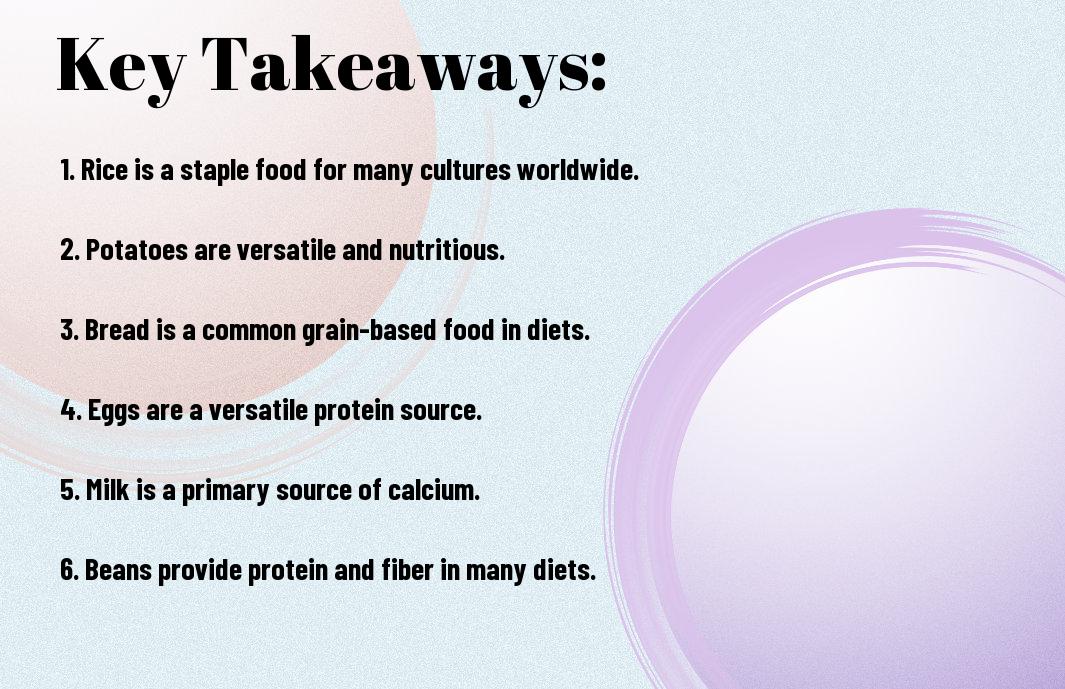
Key Takeaways:

  • Whole Grains: Whole grains such as brown rice, quinoa, and oats are important for a well-balanced diet.
  • Fruits and Vegetables: These provide important vitamins, minerals, and fiber for overall good health.
  • Lean Proteins: Foods like chicken, fish, and legumes are important sources of protein for building and repairing tissues in the body.
Defining Basic Foods

The

What makes a food basic?

food is considered basic when it is unprocessed or minimally processed, providing important nutrients in their purest form. Basic foods are often whole foods that are rich in vitamins, minerals, and other important compounds that support optimal health. These foods are typically plant-based, including fruits, vegetables, whole grains, nuts, seeds, and legumes.

The

importance of simplicity in nutrition

For your overall health and well-being, it is important to incorporate basic foods into your diet regularly. These foods are nutrient-dense, providing a wide range of important nutrients that your body needs to function properly. By focusing on simple, whole foods, you can ensure that you are getting the necessary vitamins, minerals, and antioxidants to support your health.

Plus, basic foods are often more affordable and sustainable than highly processed foods. By choosing basic foods, you can support your health while also supporting the environment and local farmers. Simplifying your diet and emphasizing basic foods can lead to improved health outcomes and a greater sense of well-being.
Grains

Some of the most basic foods that form the foundation of diets around the world are grains. Grains are versatile, nutritious, and provide vital carbohydrates for energy. They come in many forms, from rice to wheat to corn, and can be prepared in numerous ways.

Rice: the staple of many cultures

For centuries, rice has been a staple food for many cultures across the globe. Whether it’s white rice, brown rice, jasmine rice, or sushi rice, this grain is a versatile and vital ingredient in countless dishes. Rice provides a rich source of energy and can be paired with vegetables, proteins, and sauces to create satisfying meals.

Bread: a fundamental food across the globe

An vital food in many cultures, bread is a staple that has been consumed for centuries. Whether it’s a crusty baguette, a soft pita, or a hearty whole grain loaf, bread comes in various forms and flavors. It can be enjoyed on its own, toasted with butter, or used as a base for sandwiches and dips.

For instance, in Mediterranean countries, bread is often served with olive oil and herbs as a pre-dinner appetizer. In France, a freshly baked baguette is a symbol of tradition and community, enjoyed by people of all ages.

Pasta: a simple yet satisfying option

Bread

Plus, pasta is a versatile and filling option that can be dressed up with various sauces and ingredients to create diverse dishes. Whether it’s spaghetti, penne, or lasagna, pasta is a beloved food that is quick to cook and easy to customize to your taste preferences.

Protein Sources

Unlike carbohydrates and fats, proteins are crucial macronutrients necessary for building and repairing tissues in your body. Including a variety of protein sources in your diet ensures that you meet your body’s protein needs. Here are some basic protein sources to consider:

Chicken: a lean and versatile protein

For a lean and versatile protein option, chicken is a classic choice. Whether you prefer grilled, baked, or roasted chicken, it can be easily incorporated into a wide range of dishes. By removing the skin, you can reduce the fat content, making it a lean protein source to support your body’s muscle development and repair.

Eggs: a convenient and nutritious staple

For a convenient and nutritious protein source, look no further than eggs. Eggs are not only affordable and widely available but also packed with crucial nutrients like vitamins, minerals, and antioxidants. Whether you enjoy them scrambled, poached, or hard-boiled, eggs are a versatile ingredient that can be included in your breakfast, lunch, or dinner.

Eggs are considered a complete protein source, meaning they contain all nine crucial amino acids that your body needs but cannot produce on its own. Including eggs in your diet can help you meet your protein requirements while supporting your overall health and well-being.

Beans: a plant-based protein powerhouse

Protein-rich and full of fiber, beans are a plant-based protein powerhouse that can be a great addition to your meals. Whether you choose black beans, chickpeas, lentils, or kidney beans, these legumes are not only budget-friendly but also versatile in various dishes like soups, salads, and stews.

Staple in many cuisines around the world, beans are not only a great source of protein but also contain important nutrients like iron, magnesium, and potassium. Adding beans to your diet can help you diversify your protein sources while reaping the many health benefits that these legumes offer.

Dairy and Alternatives

All dairy products are packed with important nutrients that are vital for your overall health. From calcium for strong bones to protein for muscle growth and repair, dairy and its alternatives are a cornerstone of a balanced diet. Here are some basic dairy products that you should consider incorporating into your daily meals:

Milk: a basic building block of nutrition

With its high calcium content, milk is considered a basic building block of nutrition. Whether you prefer cow’s milk, almond milk, or soy milk, each variety offers a unique set of benefits. Dairy milk is rich in calcium, vitamin D, and protein, while plant-based alternatives are fortified with similar nutrients to promote bone health and support your daily nutritional needs.

Cheese: a delicious and versatile dairy product

Dairy lovers rejoice – cheese is a delicious and versatile dairy product that can elevate any dish. Whether you enjoy a sharp cheddar on your sandwich or a creamy brie on your crackers, cheese adds a rich and savory flavor to your meals. Plus, cheese is a good source of calcium and protein, making it a satisfying and nutritious addition to your diet.

When choosing cheese, opt for varieties that are lower in saturated fat and sodium to maintain a heart-healthy diet. Additionally, include cheese in moderation as part of a balanced meal plan to enjoy its unique taste and nutritional benefits.

Yogurt: a healthy and convenient snack

One of the most convenient and nutritious dairy products is yogurt. Packed with probiotics, which are beneficial bacteria that support gut health, yogurt is a great snack option for those looking to improve their digestion. Additionally, yogurt is a good source of calcium and protein, making it a satisfying and filling choice for any time of day.

Building a habit of including yogurt in your daily diet can help you maintain a healthy gut microbiome, support your immune system, and provide you with important nutrients for overall well-being. Whether you prefer plain yogurt with fresh fruit or flavored varieties, yogurt is a versatile and nutritious addition to your diet.

Fruits and Vegetables

Not only are fruits and vegetables important for a balanced diet, but they also provide a variety of vitamins, minerals, and antioxidants that are crucial for your overall health. Including a colorful array of fruits and vegetables in your daily meals can help boost your immune system, improve digestion, and support your body’s overall well-being.

Apples: a crunchy and nutritious snack

Crunchy apples are not only delicious but also a great source of fiber and Vitamin C. They make for a convenient and satisfying snack that you can easily grab on the go. Whether you enjoy them whole or sliced with nut butter, apples can help curb your hunger and provide a natural energy boost.

Carrots: a simple yet healthy addition to any meal

For a simple yet healthy addition to any meal, look no further than carrots. These vibrant root vegetables are packed with beta carotene, which is important for eye health, and fiber, which supports digestive health. You can enjoy carrots raw as a crunchy snack, roasted as a side dish, or grated into salads for added color and flavor.

Apart from their nutritional benefits, carrots are incredibly versatile in the kitchen. You can use them in soups, stews, stir-fries, and even baked goods to add a natural sweetness and boost the nutritional content of your favorite dishes.

Onions: a flavorful and versatile ingredient

Healthy and aromatic, onions are a staple ingredient in many cuisines around the world. They add depth of flavor to savory dishes and can be caramelized, sautéed, or pickled to create a variety of unique tastes and textures. Onions are rich in antioxidants and sulfur compounds, which have anti-inflammatory and immune-boosting properties.

Another great thing about onions is that they are budget-friendly and have a long shelf life, making them a practical choice for cooking in bulk or meal prepping. Whether you’re adding them to a hearty stew, a fresh salad, or a sandwich, onions can enhance the taste of your dishes and take your culinary skills to the next level.

Pantry Staples

Salt: an crucial seasoning for any dish

Essential to any kitchen, salt is a fundamental pantry staple that brings out the flavors in your dishes. It is not just about enhancing taste; salt also plays a crucial role in food preservation. From seasoning meats to balancing flavors in soups and stews, salt is a versatile ingredient that should always have a home in your pantry.

Sugar: a sweet and versatile ingredient

Pantry staple sugar adds sweetness and depth to a variety of dishes, both sweet and savory. From baking cookies and cakes to caramelizing onions for savory dishes, sugar is a versatile ingredient that can elevate your cooking. Whether you prefer white granulated sugar or opt for alternatives like honey or maple syrup, having a sweetener in your pantry is crucial for creating a well-rounded meal.

When cooking savory dishes, a hint of sweetness can balance out flavors and round off the dish, creating a symphony of tastes that keep you coming back for more.

Olive oil: a healthy and flavorful cooking staple

Olive oil, a key ingredient in Mediterranean cuisine, is a healthy fat that adds a distinct flavor to your dishes. Whether drizzling it over salads, sautéing vegetables, or using it as a base for marinades, olive oil is a versatile pantry staple that can elevate the taste of your meals. Additionally, olive oil is rich in monounsaturated fats, which are heart-healthy and contribute to a well-rounded diet.

Next time you reach for the vegetable oil, consider using olive oil instead to bring a depth of flavor and health benefits to your dish.

To wrap up

From above, it is evident that incorporating the 10 most basic foods into your diet can provide a wide range of necessary nutrients needed for optimal health and well-being. By including items such as rice, beans, fruits, and vegetables in your daily meals, you can ensure that you are nourishing your body with the building blocks it needs to thrive. Note, simplicity in food choices can often lead to a more balanced and wholesome diet.

So next time you’re planning your meals, consider reaching for these basic foods to create a foundation of nutrition that will support your overall health. By focusing on whole, natural ingredients, you can take a step towards a healthier lifestyle and enjoy the benefits of a diet rich in necessary nutrients. Note, the key to good health often lies in the simplicity of your food choices.

Q: What are considered the 10 most basic foods?

A: The 10 most basic foods are often considered to be rice, bread, potatoes, eggs, milk, bananas, chicken, broccoli, beans, and tomatoes.

Q: Why are these foods considered basic?

A: These foods are considered basic because they are commonly found in diets worldwide, provide imperative nutrients, and can be used as staple ingredients in a wide variety of dishes.

Q: How can I incorporate these basic foods into my diet?

A: You can easily incorporate these basic foods into your diet by meal planning, trying out new recipes, and experimenting with different cooking methods to keep your meals interesting and nutritious.

How to remove gas from the stomach

You might be surprised to learn that gas buildup in your stomach is a common issue affecting many people. Understanding how to effectively remove gas can provide you with relief from discomfort and bloating. This blog post will guide you through various methods and lifestyle changes you can implement to alleviate gas and promote digestive health. For more immediate relief strategies, check out this resource on How to Get Rid of Gas Pain.

Key Takeaways:

  • Dietary Changes: Adjust your diet by avoiding gas-producing foods such as beans, lentils, broccoli, and carbonated drinks.
  • Hydration: Drink plenty of water throughout the day to help digestion and reduce gas formation.
  • Physical Activity: Engage in regular exercise, such as walking, to promote digestion and relieve gas buildup.
  • Over-the-Counter Remedies: Consider using products like simethicone, which can help break down gas bubbles in the stomach.
  • Smaller Meals: Eat smaller, more frequent meals to prevent overeating, which can contribute to gas production.

Understanding Gas in the Stomach

For many individuals, experiencing gas in the stomach can be an uncomfortable and sometimes embarrassing issue. Understanding the underlying causes and symptoms associated with gas buildup is crucial for effective management and relief. In this section, we’ll explore into what leads to this common digestive problem and how to recognize its signs.

Causes of Excess Gas

One of the primary causes of excess gas is the ingestion of air while eating or drinking. Additionally, certain foods, particularly those high in fiber, can contribute to gas production during digestion. Carbonated beverages, legumes, and cruciferous vegetables are also known culprits. Furthermore, food intolerances and gut health issues can exacerbate the problem, making it important to identify and address these triggers.

Symptoms of Gas Buildup

On experiencing gas buildup, you may notice a variety of symptoms that can range from mild to severe. These can include bloating, belching, flatulence, abdominal pain, and discomfort. Identifying these symptoms is crucial in determining the best course of action for relief.

Symptoms of gas buildup often manifest as persistent bloating or a sensation of fullness in your abdomen. You might also find yourself burping more frequently or experiencing excessive flatulence, which can be socially awkward. Furthermore, gas can cause sharp cramping pain or a dull ache in your stomach, signaling that your digestive system may be struggling. Being aware of these symptoms can help you take the necessary steps towards alleviating the discomfort.

Home Remedies for Gas Relief

If you’re struggling with gas and bloating, there are several home remedies that can provide relief. From herbal teas to simple dietary adjustments, you can effectively manage your symptoms and feel more comfortable.

Herbal Teas and Infusions

Teas made from peppermint, ginger, or chamomile can be soothing for your digestive system. Sipping on these herbal infusions may help relax your gastrointestinal muscles and reduce gas buildup, allowing for better digestion and relief from discomfort.

Dietary Adjustments

Infusions of your diet can also play a significant role in managing gas. Start by identifying and eliminating gas-producing foods such as beans, lentils, and certain cruciferous vegetables. Incorporating low-FODMAP foods can aid in digestion, and eating smaller, more frequent meals can also help to prevent the accumulation of gas.

Physical Activity

To reduce gas, engaging in regular physical activities like walking or yoga can be beneficial. These movements aid digestion and help alleviate discomfort by encouraging the passage of gas through your digestive system.

Home exercises, such as gentle stretches or a quick walk after meals, can enhance your digestive processes. Even simple movements can stimulate your gut, encouraging gas to escape and relieving any bloat you may be experiencing.

Over-the-Counter Solutions

Many people experience gas and bloating at some point in their lives. If you’re looking for relief, there are various over-the-counter solutions that can help alleviate discomfort. For additional information about gas and its causes, check out this resource on Gas and Gas Pain: Causes, What It Feels Like, Location, …

Antacids and Gas Relief Medications

Solutions like antacids and specific gas relief medications can provide quick relief. Antacids work by neutralizing stomach acid, while products containing simethicone help break down gas bubbles, making it easier for your body to expel them. These medications are widely available and can be effective when used as directed.

Digestive Enzymes

For those who struggle with digesting certain foods, digestive enzyme supplements may offer significant benefits. These enzymes assist in breaking down complex carbohydrates and fats, reducing the amount of undigested food that leads to gas production.

The most common types of digestive enzymes include lactase, which aids in lactose digestion, and alpha-galactosidase, which helps break down beans and cruciferous vegetables. By incorporating digestive enzymes into your routine, you may find that you experience less gas after meals, enabling you to enjoy your favorite foods without worry.

Probiotics

For gut health improvement, probiotics can be highly beneficial. These live microorganisms help maintain a healthy balance of gut flora, which can promote better digestion and help reduce gas production in your system.

Another advantage of probiotics is their ability to enhance the overall health of your digestive system. By supporting a diverse microbiome, probiotics can help prevent gas, bloating, and other digestive issues related to imbalances in gut bacteria. Consider including probiotic-rich foods or supplements in your diet to support long-term digestive health.

When to Seek Medical Attention

Now, it’s important to be aware of when gas-related discomfort might signal a more serious health issue. Your body often communicates warning signs that should not be ignored.

Warning Signs of Serious Conditions

To discern if your gas symptoms are a cause for concern, look out for persistent abdominal pain, unexplained weight loss, severe nausea, or a change in bowel habits. These signs may indicate a more serious condition that requires medical evaluation.

Consultations with Healthcare Professionals

Signs of more severe complications may necessitate consultation with healthcare professionals for further examination and advice. It’s necessary to take your symptom’s frequency and severity into account, as chronic discomfort might indicate underlying digestive disorders.

For instance, if you experience ongoing symptoms such as severe bloating, irregular bowel movements, or any accompanying side effects like fever or vomiting, it’s advisable to schedule an appointment with a healthcare provider. Comprehensive evaluations can help rule out conditions such as irritable bowel syndrome or food intolerances, ensuring you receive the appropriate guidance and management of your symptoms.

Conclusion

So, when it comes to removing gas from your stomach, it’s important to implement a combination of dietary changes, hydration, and mindful eating habits. Incorporating carminative spices, staying active, and avoiding carbonated beverages can significantly alleviate discomfort. Additionally, practicing relaxation techniques can enhance digestion and reduce stress-related gas. If persistent or severe, consulting a healthcare professional is advisable to rule out any underlying conditions. By taking these steps, you can effectively manage and reduce gas, enhancing your overall digestive health.

Q: What are some common methods to relieve gas from the stomach?

A: There are several effective methods to relieve gas from the stomach. Some common approaches include:

  • Over-the-counter medications: Products containing simethicone can help break down gas bubbles, making it easier for the body to eliminate them.
  • Herbal remedies: Herbal teas such as peppermint, chamomile, or ginger can soothe the digestive tract and alleviate gas discomfort.
  • Dietary adjustments: Avoiding gas-producing foods like beans, lentils, carbonated drinks, and certain vegetables (like broccoli and onions) can help reduce gas formation.
  • Positioning: Certain positions, such as lying on your side or assuming the fetal position, can sometimes help release trapped gas.

Q: Are there any lifestyle changes that can help prevent gas build-up in the stomach?

A: Yes, making certain lifestyle changes can significantly reduce the occurrence of gas in the stomach. These include:

  • Eating slowly: Taking time to chew food thoroughly and avoiding talking while eating can help reduce the amount of air swallowed, which can contribute to gas.
  • Regular exercise: Physical activity can enhance digestive health and help combat bloating and gas. Simple activities like walking or light stretching can be beneficial.
  • Avoiding chewing gum: Chewing gum can lead to ingesting excess air, which can increase gas. Opting for mints instead can be a better option.
  • Monitoring fiber intake: While fiber is necessary for digestion, certain high-fiber foods can produce gas. Gradually increasing fiber intake can help the body adjust.

Q: When should I consult a doctor about gas problems?

A: While occasional gas is normal, you should consider consulting a doctor if you experience:

  • Severe abdominal pain: If you’re experiencing significant discomfort that doesn’t subside with common remedies, it may indicate an underlying issue.
  • Persistent bloating: If you find that bloating is a regular occurrence, it may be a sign of a digestive disorder that needs medical attention.
  • Changes in bowel habits: Significant changes in bowel movements, including diarrhea or constipation accompanying gas, should be evaluated by a healthcare professional.
  • Unexplained weight loss: If you’re losing weight without intention or explanation along with digestive issues, it’s crucial to seek medical advice.

What food is in 8 letters

With your hunger for knowledge piqued, you may find yourself pondering what food fits perfectly into 8 letters. Let’s investigate the world of culinary trivia and discover the answer to this delicious puzzle. Prepare to tantalize your taste buds and test your foodie knowledge in this quirky exploration of edible words!

Key Takeaways:

  • 1. Nutrition: Focusing on a well-balanced diet with vital nutrients is crucial for health and well-being.
  • 2. Variety: Incorporating a diverse range of foods in your meals ensures a mix of vitamins, minerals, and flavors.
  • 3. Planning: Having a meal plan can help you stay organized and make healthier choices when it comes to food.

The Mysterious 8-Letter Food

Is it a Fruit?

An intriguing question arises when you think about food with exactly 8 letters in its name. Is it a fruit? The answer might surprise you. One particular fruit that fits the criteria is the “pineapple.” With its sweet and tangy flavor, the pineapple is not only delicious but also a versatile fruit that can be enjoyed fresh, grilled, or even as a topping on pizza!

Is it a Meat?

Any food enthusiast would have their mind wander to meats when contemplating an 8-letter food. One standout contender in this category is the “sausage.” Whether it’s breakfast sausages, Italian sausages, or chorizo, sausages come in a variety of flavors and are a popular choice for grilling, breakfast, or as an ingredient in various dishes.

Another intriguing aspect of the “sausage” is its cultural significance. From bratwurst in Germany to merguez in North Africa, sausages have a long history and are celebrated in different cuisines around the world.

Culinary Clues

Assuming you’re on a quest to discover what food is in 8 letters, let’s research into some culinary clues that might lead you to the answer. This food item is not just a delicious treat but also a versatile ingredient that can be prepared in various ways to satisfy your taste buds.

Crunchy Texture

With a crispy and crunchy texture that delights your senses, this food can add a satisfying element to your meals. Whether it’s used as a topping for salads, a flavorful coating for fried dishes, or simply enjoyed on its own, the crunchiness of this food never fails to bring a smile to your face.

Often Eaten as a Snack

Eaten as a snack, this food is a popular choice for satisfying your midday cravings or enjoying a light bite between meals. You might find yourself reaching for a handful of these tasty morsels when you need a quick and convenient snack that’s both delicious and satisfying.

Understanding the allure of this food as a snack is key to unraveling its 8-letter mystery. Whether you enjoy it on its own or incorporate it into your favorite recipes, this food item adds a unique flavor and texture that enhances your culinary experience.

Food for Thought

Now, let’s explore the brain-boosting properties of the eight-letter food mystery. Research suggests that this food is rich in antioxidants, which are known to protect your brain cells from damage caused by free radicals. By including this food in your diet, you may enhance your cognitive function and even reduce the risk of neurodegenerative diseases. So, next time you’re looking for a snack to boost your brainpower, consider reaching for this eight-letter wonder!

Brain-Boosting Properties

On another note, this mysterious eight-letter food is also packed with vital nutrients like vitamins, minerals, and healthy fats. These components play a crucial role in supporting your overall brain health and function. By incorporating this food into your meals regularly, you are providing your brain with the nourishment it needs to perform at its best.

Nutritional Benefits

To further highlight the nutritional benefits of this eight-letter food, it is important to note that it contains high levels of omega-3 fatty acids. These fatty acids are vital for brain health as they help support memory, focus, and cognitive function. Additionally, this food is a great source of protein, which is vital for building and repairing brain tissues. So, by including this food in your diet, you are not only treating your taste buds but also nourishing your brain.

Understanding the importance of incorporating brain-boosting foods like the eight-letter mystery into your diet can have a significant impact on your overall cognitive function and brain health. So, the next time you’re at the grocery store, make sure to pick up this eight-letter gem and give your brain the support it deserves.

The Possibilities

Could it be a Type of Cheese?

After pondering the question of what food is in 8 letters, you may find yourself considering if the answer lies in cheese. With varieties like Gouda, Cheddar, and Provolone, there are plenty of options to explore. Could one of these delicious cheeses be the solution to the puzzle?

Maybe it’s a Popular Grain?

Maybe you start thinking about popular grains that could fit the criteria of being an 8-letter food. Quinoa, barley, and buckwheat are all nutritious grains that could potentially be the answer you are looking for. The versatility of grains in cooking makes them a strong contender for the title of the 8-letter food.

For instance, quinoa has gained popularity in recent years for its health benefits and culinary adaptability. It is a complete protein source and can be used in various dishes, from salads to pilafs, making it a staple in many kitchens around the world.

The Investigation Continues

Unlike your initial assumptions, the quest to uncover what food is in 8 letters is proving to be quite the mystery. You dive deeper into the culinary world to crack this enigmatic code. Let’s press on with the investigation!

Researching Recipes

Researching various recipes that fit the criteria of being an eight-letter food is no easy task. As you sift through cookbooks, websites, and food blogs, you realize the possibilities are endless. From appetizers to desserts, the culinary landscape is vast and full of tantalizing options. Each recipe you come across adds a new layer of complexity to the puzzle.

Consulting Culinary Experts

Continuing your investigation, you decide to seek the expertise of culinary professionals. Consulting with chefs, food historians, and gastronomes might just hold the key to unlocking this mystery. Their in-depth knowledge of ingredients, cuisines, and culinary traditions could provide valuable insights that elude the average food enthusiast.

This collaboration with culinary experts not only enhances your understanding of the intricate world of food but also sheds light on the potential contenders for the elusive eight-letter food. Their expertise proves to be invaluable as you narrow down the list of possibilities and inch closer to unraveling the enigma.

The Reveal

The Answer Unveiled

Not to keep you in suspense any longer, the food that is in 8 letters is…Pineapple! Surprised? Well, this tropical fruit may not have been the first thing that came to mind, but it fits the criteria perfectly.

Why it’s a Surprising Choice

Reveal: To some, pineapple may not seem like an obvious choice for a food with 8 letters. However, when you think about it, this sweet and tangy fruit is a fantastic match! Plus, it’s a versatile ingredient that can be enjoyed fresh, grilled, or even as a topping on pizza.

Surprising: Pineapple’s unique combination of flavors and its ability to enhance both savory and sweet dishes make it a delightful and unexpected pick for a food that contains 8 letters. So, the next time you’re playing a word game or trying to guess a food name, remember the versatile pineapple!

Conclusion

Conclusively, after exploring the world of 8-letter foods, you may have discovered some new culinary delights and perhaps even experienced the satisfaction of solving a fun word puzzle. If you want to dive deeper into the world of 8-letter foods, you can explore a complete list of them here. So, next time you’re looking for a tasty treat with 8 letters, you’ll be well-equipped with a wealth of options to choose from!

Q: What food is in 8 letters?

A: The food that is in 8 letters is “Hamburger.”

Q: Can you give examples of other foods that are in 8 letters?

A: Sure, some other foods that are in 8 letters include “Broccoli,” “Spinach,” and “Pancakes.”

Q: Why is it helpful to know foods that are in 8 letters?

A: Knowing foods that are in 8 letters can be helpful in word games, puzzles, and quizzes where players need to guess or identify food items based on the number of letters in their names.

What foods eat daily

Wellness starts with the foods you eat daily. Your daily diet plays a crucial role in maintaining your overall health and well-being. By incorporating a variety of nutritious foods into your daily meals, you can provide your body with important nutrients it needs to function optimally. In this blog post, we’ll explore the top foods that you should be including in your daily diet to help you feel your best and support your health goals.

Key Takeaways:

  • Variety: It is important to eat a variety of foods daily to ensure you are getting all necessary nutrients for good health.
  • Balance: Creating balanced meals with a mix of protein, carbohydrates, healthy fats, fruits, and vegetables is vital for optimal nutrition.
  • Whole Foods: Choosing whole, unprocessed foods over processed options can help support overall health and well-being.

The Importance of Daily Nutrition

Why a Balanced Diet Matters

Daily nutrition plays a crucial role in maintaining your overall health and well-being. A balanced diet that includes a variety of nutrients such as vitamins, minerals, proteins, carbohydrates, and fats is important for your body to function properly. When you fuel your body with the right nutrients, you are providing it with the necessary building blocks to support your immune system, brain function, energy levels, and overall vitality.

The Consequences of Poor Eating Habits

Daily, consuming a diet high in processed foods, unhealthy fats, and sugars can have serious consequences on your health. Poor eating habits can lead to weight gain, a weakened immune system, increased risk of chronic diseases such as heart disease and diabetes, and low energy levels. Additionally, a lack of important nutrients in your diet can negatively impact your mood, cognitive function, and overall quality of life.

Another important point to consider is that poor eating habits not only affect your physical health but also your mental well-being. Research has shown that diets high in sugary and processed foods can contribute to mental health disorders such as anxiety and depression. Therefore, it’s important to pay attention to what you eat daily to not only nourish your body but also support your mental health.

Fruits and Vegetables

Even though most people are aware of the importance of fruits and vegetables in a healthy diet, many still struggle to consume an adequate amount each day. Fruits and vegetables are vital sources of vitamins, minerals, fiber, and antioxidants, all of which are imperative for maintaining good health and preventing chronic diseases.

The Rainbow on Your Plate

To ensure you are getting a wide variety of nutrients, aim to include fruits and vegetables of different colors in your daily meals. Each color group provides unique health benefits, so by eating a rainbow of produce, you can support your overall well-being. For example, red fruits and vegetables like tomatoes and strawberries are rich in lycopene, a powerful antioxidant that may help reduce the risk of certain cancers and heart disease.

Seasonal Eating for Optimal Nutrition

Nutrition experts often recommend focusing on seasonal fruits and vegetables as they tend to be fresher, tastier, and more nutritious. Seasonal produce is also more affordable and environmentally friendly since it doesn’t have to travel long distances to reach your plate. By eating seasonally, you can enjoy a varied diet throughout the year while maximizing the nutritional content of your meals.

With the abundance of fresh produce available during different times of the year, you can easily incorporate a wide range of fruits and vegetables into your diet. From juicy berries and stone fruits in the summer to hearty root vegetables and leafy greens in the fall and winter, seasonal eating allows you to experience the diverse flavors and textures of various produce while reaping the nutritional benefits they offer.

How to Incorporate More Fruits and Vegetables into Your Diet

Nutrition experts emphasize the importance of filling half your plate with fruits and vegetables at each meal to ensure you are getting an adequate intake of these nutritious foods. You can start your day with a fruit smoothie, pack crunchy vegetables as a snack, or add extra veggies to your main dishes. Experiment with different cooking methods like roasting, grilling, or sautéing to enhance the flavors of fruits and vegetables and make them more appealing to your taste buds.

Your health and well-being greatly depend on the quality of your diet, and incorporating more fruits and vegetables is a simple yet powerful way to nourish your body with imperative nutrients. By being mindful of the colors, seasons, and variety of produce you consume, you can optimize your nutrition and enjoy a vibrant and flavorful diet that supports your overall health.

Protein Power

The Role of Protein in Our Bodies

Keep in mind that proteins play a crucial role in our bodies. They are crucial for building and repairing tissues, making enzymes and hormones, and supporting overall immune function. Without an adequate amount of protein in your diet, your body may struggle to function optimally.

Best Sources of Plant-Based Protein

Plant-based proteins are an excellent option for incorporating protein into your daily diet. Foods like lentils, chickpeas, quinoa, tofu, and nuts are all rich sources of plant-based protein. These foods not only provide you with the protein you need but also offer crucial nutrients like fiber, vitamins, and minerals.

It’s important to note that while plant-based proteins can be just as nutritious as animal-based proteins, they may lack one or more crucial amino acids. To ensure you get all the necessary amino acids, it’s beneficial to combine different plant-based protein sources in your meals, such as beans with rice or hummus with whole-grain pita.

The Benefits of Lean Meat and Fish

Lean meats and fish are excellent sources of high-quality protein that are also low in saturated fats. Incorporating options like skinless chicken, turkey, salmon, or cod into your meals can provide you with crucial nutrients like omega-3 fatty acids, vitamin B12, and iron. These nutrients are vital for supporting heart health, boosting energy levels, and aiding in muscle recovery.

Lean meats and fish are also versatile in cooking, allowing you to experiment with different flavors and recipes while still benefitting from their protein-packed goodness. Whether grilled, baked, or poached, these protein sources can add a delicious element to your daily meals.

Whole Grains and Complex Carbohydrates

The Difference Between Whole and Refined Grains

Unlike refined grains, whole grains contain the entire grain kernel, which includes the bran, germ, and endosperm. This means they are packed with nutrients like fiber, vitamins, and minerals. Refined grains, on the other hand, have had the bran and germ removed, stripping away many of these crucial nutrients.

How to Choose the Right Bread and Pasta

One easy way to ensure you are choosing whole grains is to look for products that list “whole grain” as the first ingredient. You can also check the nutrition label and ingredient list to make sure the product is made with whole grains. Swap out white bread and pasta for whole grain options to increase your intake of fiber and nutrients.

Any time you are shopping for bread and pasta, remember that terms like “multi-grain” or “wheat” don’t necessarily mean the product is made with whole grains. It’s crucial to look for the words “whole grain” specifically on the packaging to make the best choice for your health.

The Benefits of Legumes and Root Vegetables

Grains like quinoa, brown rice, and oats, as well as legumes like lentils and chickpeas, are excellent sources of plant-based protein, fiber, and other crucial nutrients. Root vegetables like sweet potatoes and carrots are rich in vitamins, minerals, and antioxidants, making them valuable additions to your daily diet.

Right alongside whole grains, legumes, and root vegetables provide sustained energy, promote digestive health, and support overall well-being. Including a variety of these foods in your meals can help you feel satisfied and nourished throughout the day.

Healthy Fats and Oils

Despite the common misconception that all fats are bad for you, incorporating healthy fats and oils into your daily diet is imperative for overall well-being. According to The Top 10 Healthiest Foods You Should Eat Daily – Copeland’s, choosing the right fats can actually promote heart health, brain function, and inflammation reduction.

The Importance of Omega-3 and Omega-6 Fatty Acids

An imperative component of a healthy diet, Omega-3 and Omega-6 fatty acids play a crucial role in various bodily functions. Omega-3s are known for their anti-inflammatory properties and are commonly found in fatty fish like salmon, chia seeds, and walnuts. On the other hand, Omega-6 fatty acids, while also important, should be consumed in moderation to maintain a proper balance between the two types.

Navigating the World of Cooking Oils

Importance

In terms of cooking oils, it’s imperative to choose wisely to reap the benefits of healthy fats. Opt for oils like olive oil, avocado oil, and coconut oil, which are rich in monounsaturated fats and have been linked to numerous health benefits. Avoid oils high in trans fats and opt for those with a high smoke point for cooking at high temperatures like sautéing or frying.

The Benefits of Nuts and Seeds

Oils

The inclusion of nuts and seeds in your daily diet can provide you with a good source of healthy fats, vitamins, minerals, and fiber. Nuts like almonds, walnuts, and seeds such as flaxseeds and chia seeds are great options to sprinkle over salads, yogurt, or enjoy as a snack. Incorporating a variety of nuts and seeds can help boost heart health and provide imperative nutrients for overall well-being.

Cooking

Beverages and Snacks

The Impact of Sugary Drinks on Our Health

For many people, sugary drinks like soda, sweetened teas, and energy drinks are a regular part of their daily routine. However, these beverages can have a significant impact on your health. Consuming sugary drinks regularly can lead to weight gain, increased risk of type 2 diabetes, heart disease, and tooth decay. The high sugar content in these drinks can also cause blood sugar spikes and crashes, leaving you feeling fatigued and irritable.

How to Make Healthy Snacking a Habit

Beverages and snacks are often where many people struggle to make healthy choices. Instead of reaching for chips or cookies, try to incorporate nutrient-dense options like fresh fruits, vegetables, nuts, and seeds into your snacks. By planning ahead and having healthy options readily available, you can make snacking a positive part of your daily routine. Recall, making small, sustainable changes to your snacking habits can have a big impact on your overall health and well-being.

In terms of beverages, opt for water, herbal teas, or infused water instead of sugary drinks. These choices are not only hydrating but also packed with antioxidants and other beneficial nutrients. By choosing healthier beverage options, you can reduce your sugar intake and support your overall health.

The Benefits of Herbal Teas and Infused Water

Drinks like herbal teas and infused water offer a range of benefits for your health. Herbal teas can help with digestion, relaxation, and even boost your immune system. Infused water is a refreshing way to stay hydrated while enjoying the natural flavors of fruits, vegetables, and herbs. By incorporating these beverages into your daily routine, you can add variety to your diet and reap the health benefits they offer.

This chapter highlights the importance of making mindful choices when it comes to your daily beverages and snacks. By opting for nutrient-dense snacks and healthier drink options like herbal teas and infused water, you can support your overall health and well-being. Recall, small changes in your daily eating habits can lead to significant long-term benefits for your health.

Putting it All Together

Meal Planning for a Busy Lifestyle

For a busy lifestyle, meal planning is key to ensuring you eat balanced and nutritious meals each day. Take some time at the beginning of the week to plan out your meals. This way, you can make sure you have all the necessary ingredients on hand and avoid the temptation of unhealthy fast food options when you’re in a time crunch.

Tips for Eating Out and Ordering In

To maintain healthy eating habits even when eating out or ordering in, look for restaurants that offer lighter options like salads, grilled proteins, and vegetable-based dishes. When ordering in, choose dishes that are steamed, broiled, baked, or grilled rather than fried. Avoid creamy sauces and opt for dressings on the side to control portions.

  • Opt for grilled or steamed dishes
  • Choose dressings and sauces on the side

After indulging in a meal out, try to balance it out with lighter, healthier meals at home to stay on track with your nutrition goals.

How to Make Healthy Eating a Sustainable Habit

Eating healthy is not just a short-term fix but a long-term lifestyle choice. To make healthy eating a sustainable habit, incorporate a variety of whole foods, such as fruits, vegetables, whole grains, lean proteins, and healthy fats, into your daily meals. Try to cook at home more often so you have control over the ingredients and cooking methods used.

  • Focus on whole foods
  • Cook at home whenever possible

Plus, don’t be too hard on yourself if you occasionally indulge in less healthy options. It’s all about balance and consistency in the long run.

To wrap up

Ultimately, your daily food choices play a significant role in your overall health and well-being. By incorporating a variety of fruits, vegetables, whole grains, lean proteins, and healthy fats into your daily meals, you are providing your body with imperative nutrients and energy to thrive. Remember to stay hydrated with water and limit your intake of processed foods and added sugars to maintain a balanced diet.

FAQ

Q: What are some foods I should eat daily?

A: You should include a variety of foods in your daily diet, such as fruits, vegetables, whole grains, lean proteins, and healthy fats. Some specific examples include berries, spinach, quinoa, chicken breast, and avocado.

Q: How can I ensure I am getting all the necessary nutrients from my daily food intake?

A: To ensure you are getting all the necessary nutrients, aim for a balanced diet that includes a variety of food groups. Make sure to include different colored fruits and vegetables, whole grains, lean proteins, and healthy fats in your meals. You can also consult with a healthcare provider or a dietitian for personalized advice.

Q: Are there any foods I should limit in my daily diet?

A: While it’s important to enjoy a variety of foods, it’s also important to limit foods that are high in added sugars, saturated fats, and sodium. This includes sugary drinks, processed snacks, fried foods, and sweets. Opting for whole, minimally processed foods can help ensure you are making healthier choices.

What are the 5 importances of food

Health is a fundamental aspect of your well-being, and the food you consume plays a vital role in maintaining it. In this informative article, we will explore the five key importances of food and how they impact your overall health and quality of life. To investigate deeper into how food can improve your health from body to brain, check out From Body to Brain – 5 Ways Food Improves Your Overall …

Key Takeaways:

  • Nutrition: Food provides crucial nutrients that are necessary for growth, energy, and overall health.
  • Social Interaction: Food plays a central role in socializing, bringing people together, and creating bonds.
  • Cultural Identity: Food is deeply tied to culture and heritage, reflecting traditions, values, and beliefs.

Importance of Food for Energy

While food is necessary for overall health and wellbeing, one of its primary roles is to provide you with the energy needed to function on a day-to-day basis. The foods you consume are broken down into macronutrients, namely carbohydrates, proteins, and fats, which play a crucial role in fueling your body.

The Role of Macronutrients

The carbohydrates you eat are converted into glucose, which is the body’s main source of energy. Proteins help repair and build tissues, while fats provide a concentrated source of energy for your body. Balancing these macronutrients in your diet is necessary to ensure that you have a steady supply of energy throughout the day.

How Food Affects Physical Performance

Performance in physical activities is heavily influenced by the food you eat. The right combination of carbohydrates, proteins, and fats can enhance your endurance, strength, and overall athletic performance. Consuming a well-rounded diet that is rich in nutrients can help you achieve your fitness goals and excel in your chosen physical activities.

Affects your food choices can have a direct impact on how your body performs during exercise. For example, eating a carbohydrate-rich meal before a workout can provide you with the necessary energy to sustain physical activity for longer periods. Likewise, consuming protein-rich foods after exercise can help with muscle recovery and growth, improving your overall physical performance.

Importance of Food for Health

Some of the most critical aspects of food revolve around its impact on your health. What you eat can have a significant influence on your overall well-being, and it is vital to understand the connection between your diet and your health.

The Connection Between Diet and Disease

Between your daily food choices and the development of diseases, there lies a profound connection. Poor dietary habits, such as excessive consumption of processed foods high in sugar, salt, and unhealthy fats, can increase your risk of developing chronic conditions like obesity, diabetes, cardiovascular diseases, and certain types of cancer. On the other hand, a balanced diet rich in fruits, vegetables, whole grains, lean proteins, and healthy fats can help lower your risk of developing these diseases and improve your overall health.

Nutrients and Their Impact on Overall Well-being

Nutrients play a crucial role in maintaining your overall well-being. Each nutrient – from carbohydrates and proteins to vitamins and minerals – has specific functions that contribute to your body’s optimal functioning. For instance, carbohydrates provide energy, proteins help in tissue repair and growth, and vitamins and minerals support various bodily processes. Ensuring that you consume a diverse range of nutrients through a well-balanced diet is vital for maintaining good health and preventing nutrient deficiencies.

Additionally, certain nutrients have been linked to specific health benefits. For example, omega-3 fatty acids, found in fatty fish like salmon and flaxseeds, have anti-inflammatory properties that can reduce the risk of chronic diseases such as heart disease and arthritis. Including these nutrient-rich foods in your diet can have a positive impact on your overall well-being and longevity.

Importance of Food for Brain Function

Unlike other organs in your body, the brain relies solely on glucose as its primary source of energy. This makes the role of food in brain function crucial. The nutrients you consume play a vital role in maintaining optimal cognitive function, focus, and memory.

The Gut-Brain Axis

With an intricate connection between your gut and brain known as the gut-brain axis, the food you eat directly impacts your mental health. Consuming a diet rich in fruits, vegetables, whole grains, and healthy fats can promote a healthy gut microbiome, leading to improved brain function and overall well-being.

How Nutrition Affects Cognitive Function

Axis

The food you consume not only fuels your body but also influences your cognitive abilities. Nutrients like omega-3 fatty acids, antioxidants, vitamins, and minerals are imperative for maintaining brain health and enhancing cognitive function. Including foods like salmon, nuts, seeds, berries, and leafy greens in your diet can help support your brain health and potentially lower the risk of cognitive decline as you age.

Importance of Food for Social Bonding

Once again, food plays a crucial role in bringing people together and strengthening social bonds. The act of sharing a meal with others goes beyond just nourishment; it fosters connections and builds relationships that are crucial for your well-being.

The Cultural Significance of Food

On a cultural level, food holds tremendous significance. Different cultures have unique culinary traditions that are passed down from generation to generation. These traditions not only preserve cultural heritage but also serve as a way to celebrate and honor shared values and beliefs.

How Meals Bring People Together

Importance of coming together and sharing a meal cannot be overstated. Whether it’s a family dinner, a gathering of friends, or a community feast, sharing food creates a sense of unity and connection among individuals. It allows you to bond with others, have meaningful conversations, and create lasting memories.

Significance of dining together goes beyond just the food on the table; it strengthens relationships, fosters communication, and promotes a sense of belonging. So next time you sit down for a meal with others, remember that you’re not just nourishing your body but also nourishing your social connections.

Importance of Food for Economic Growth

The Impact of Agriculture on Local Economies

Keep in mind that agriculture plays a significant role in the economic development of regions. An increase in food production leads to higher agricultural output, which in turn boosts the local economy. The surplus generated from agricultural activities can be sold in the market, creating income for farmers and stimulating economic growth in the area.

How Food Production Affects Global Trade

Affects on a larger scale, food production has a direct impact on global trade. The ability of a country to produce enough food not only ensures food security for its citizens but also allows for surplus production that can be exported to other countries. This trade in food products contributes to the overall economy of nations and fosters international cooperation and development.

It is important to recognize the interconnectedness of food production and global trade. When countries specialize in producing specific food items efficiently, they can trade with other countries for goods they cannot produce as effectively. This exchange not only promotes economic growth but also creates a network of mutually beneficial relationships among nations.

Importance of Food for Environmental Sustainability

After recognizing the importance of food in our daily lives, it’s crucial to understand how the environmental impact of food production plays a significant role in sustainability efforts.

The Environmental Impact of Food Production

Any food that lands on your plate has a story behind it, including its journey from the farm to your table. The environmental impact of food production encompasses factors such as water usage, greenhouse gas emissions, deforestation, and biodiversity loss. Livestock farming, for example, is a major contributor to greenhouse gas emissions, while crop production can lead to deforestation and habitat destruction.

Sustainable Agriculture Practices

On the other hand, sustainable agriculture practices aim to minimize the negative impact of food production on the environment. Techniques such as crop rotation, organic farming, and agroforestry promote soil health, reduce water usage, and minimize the need for harmful pesticides and fertilizers. By implementing sustainable agriculture practices, we can ensure the longevity of our food systems while preserving the environment for future generations.

Environmental sustainability in food production is vital for maintaining a healthy planet. By adopting sustainable agriculture practices, we can reduce the carbon footprint of food production, conserve natural resources, and protect biodiversity. It’s necessary to support and promote practices that prioritize the health of the planet while meeting the growing demands for food worldwide.

Final Words

As a reminder, food plays a crucial role in maintaining your overall health and well-being. By providing necessary nutrients, promoting good digestion, boosting your energy levels, strengthening your immune system, and improving your mood, food impacts every aspect of your life. It is important to pay attention to your diet and make healthy choices to ensure your body is functioning at its best.

FAQ

Q: What is the importance of food for our bodies?

A: Food provides necessary nutrients that our bodies need to function properly, such as carbohydrates, proteins, fats, vitamins, and minerals. These nutrients play a key role in maintaining our overall health and well-being.

Q: How does food impact our energy levels?

A: Food is the primary source of energy for our bodies. The carbohydrates in food are converted into glucose, which is used by our cells as fuel. Eating a balanced diet ensures that we have sustained energy levels throughout the day.

Q: What role does food play in maintaining a healthy immune system?

A: Certain nutrients found in food, such as vitamin C, vitamin E, and zinc, help support a healthy immune system. Consuming a variety of fruits, vegetables, and whole grains can boost our immune function and help us fight off illnesses and infections.

What is the simple definition of food

Simple. As far as food, you might think of meals, snacks, and all those delicious things you eat. But what is food, really? In the most basic terms, food is any substance that provides nourishment for your body. It’s what fuels you, gives you energy, and helps you grow. Let’s break down the simple definition of food and take a closer look at what you’re really putting into your body.

Key Takeaways:

  • Food: Food is any substance consumed to provide nutritional support for an organism.
  • Nutritional Support: Food provides the necessary nutrients for organisms to survive and function properly.
  • Consumed: Food is ingested or taken into the body to sustain life and growth.

Defining Food

Before we look into the complex world of food, let’s start with a simple definition. Food is any substance consumed to provide nutritional support for the body. It is important for growth, energy, and overall well-being.

Historical Perspective

Food has been a fundamental part of human existence since the beginning of time. In ancient civilizations, food was scarce, and the struggle to find and produce it shaped societies. The evolution of food practices and culinary traditions has been influenced by factors such as agriculture, trade, and technological advancements.

Cultural Significance

Food is not just about sustenance; it is deeply intertwined with culture, traditions, and identity. Different cultures have unique food practices, recipes, and rituals that reflect their history and values. The act of sharing a meal with others can strengthen bonds and create a sense of community.

For instance, in many Asian cultures, food plays a central role in social gatherings and celebrations. The preparation and sharing of food are considered acts of love and hospitality, showcasing the importance of relationships and connection in these societies.

Nutritional Value

Even though food is fuel for your body, not all foods are created equal when it comes to their nutritional value. Understanding the necessary components of food can help you make informed choices about what you eat.

Macronutrients: Carbohydrates, Proteins, and Fats

Any food you consume contains macronutrients, which are nutrients that your body requires in large amounts to sustain energy and promote growth. Carbohydrates are your body’s primary source of energy, found in foods like fruits, vegetables, grains, and legumes. Proteins are necessary for building and repairing tissues and can be found in foods like meat, dairy, beans, and nuts. Fats are another important macronutrient that provides energy and helps your body absorb vitamins, found in foods like oils, butter, avocados, and fatty fish.

Micronutrients: Vitamins and Minerals

To truly nourish your body, you also need micronutrients, which are necessary vitamins and minerals that play various roles in your overall health. Vitamins, such as vitamin C, B vitamins, and vitamin D, are crucial for functions like immunity, energy production, and bone health. Minerals like calcium, iron, and potassium support processes like muscle function, oxygen transport, and bone strength. A balanced diet rich in a variety of foods can help ensure you get an adequate intake of these micronutrients.

Plus, it’s important to remember that each food item you consume contributes differently to your overall nutritional needs. By paying attention to the macronutrients and micronutrients in your diet, you can make choices that support your health and well-being.

Types of Food

Despite the vast array of food choices available to you, all foods can be categorized into two broad groups: plant-based foods and animal-based foods. Each group offers a variety of nutrients and flavors to support your overall health and well-being. Any well-rounded diet should include a mix of foods from both categories to ensure you are getting a diverse range of nutrients.

Plant-Based Foods Animal-Based Foods
Fruits Meat
Vegetables Dairy
Grains Eggs

Plant-Based Foods: Fruits, Vegetables, Grains

Food derived from plants includes fruits, vegetables, and grains. These foods are typically rich in vital vitamins, minerals, and dietary fiber that are important for your overall health. Incorporating a variety of colorful fruits and vegetables into your diet can provide you with a range of antioxidants and phytonutrients that help protect your cells from damage.

Whole grains, such as brown rice, quinoa, and whole wheat, are excellent sources of energy and fiber. They can help you feel full and satisfied while also supporting digestive health. Including a mix of plant-based foods in your meals can help you maintain a balanced and nutritious diet.

Animal-Based Foods: Meat, Dairy, Eggs

Fruits, on the other hand, come from flowering plants and are typically sweet or tart in flavor. They are excellent sources of vitamins, minerals, and antioxidants that can help support your immune system and overall health. Including a variety of fruits in your diet can add sweetness and freshness to your meals while providing vital nutrients.

The consumption of animal-based foods like meat, dairy, and eggs can provide valuable sources of protein, vitamin B12, calcium, and other vital nutrients. While these foods can be nutritious, it’s important to consume them in moderation and choose lean cuts of meat and low-fat dairy options to support your overall health.

Food Sources

Natural Sources: Farming, Hunting, Gathering

Keep in mind that food comes from natural sources such as farming, hunting, and gathering. One of the most fundamental ways to obtain food is through farming. Farmers grow a variety of crops like fruits, vegetables, grains, and legumes. These fresh produce items provide crucial nutrients like vitamins, minerals, and fiber that are crucial for your overall health and well-being.

Processed and Packaged Foods

The processed and packaged foods you find in supermarkets and grocery stores undergo various methods to extend shelf life and enhance taste. The convenience of processed foods can be tempting, but it’s crucial to be mindful of their ingredients. The packages often contain added sugars, unhealthy fats, and preservatives that may not be beneficial for your health in the long run.

This section provides a closer look at processed and packaged foods, which have become a prevalent part of the modern diet. Understanding the impact of these foods on your health can help you make informed decisions about your dietary choices. By being aware of the ingredients and processing methods used in these foods, you can better prioritize whole, natural sources of nutrition in your daily meals.

The Role of Food in Human Life

Sustenance and Energy

Energy. Food provides your body with the necessary nutrients to function and thrive. It serves as fuel for your body, providing the energy needed for everyday activities and bodily functions. Essential nutrients such as carbohydrates, proteins, fats, vitamins, and minerals obtained from food are vital for your overall health and well-being.

Social and Cultural Significance

One. Food plays a significant role in social gatherings and cultural traditions. Sharing a meal with family and friends fosters bonds and creates a sense of community. Different cultures have unique culinary traditions that reflect their history, values, and beliefs.

To truly understand the social and cultural significance of food, consider how certain dishes are passed down through generations, preserving a connection to the past. Additionally, the ways in which food is prepared, shared, and enjoyed vary widely across cultures, highlighting the diversity and richness of human experiences surrounding food.

The Impact of Food on Health

Your FOOD definition in American English is not just about satisfying hunger; it plays a crucial role in determining your overall health and well-being. The food choices you make can have a significant impact on your body, influencing everything from energy levels to disease prevention.

Nutritional Deficiencies and Diseases

Nutritional deficiencies can arise when your body doesn’t receive important nutrients like vitamins, minerals, and proteins in adequate amounts. This can lead to various health issues, such as anemia, osteoporosis, and weakened immune function. Consuming a balanced diet rich in a variety of nutrients is important to prevent these deficiencies and maintain optimal health.

Food Allergies and Intolerances

An estimated 32 million Americans have food allergies, which occur when the immune system mistakenly identifies a food protein as harmful. Common food allergens include peanuts, tree nuts, shellfish, and dairy. Food intolerances, on the other hand, involve difficulty digesting certain foods, often due to enzyme deficiencies.

Food allergies can range from mild to severe, with symptoms like hives, swelling, difficulty breathing, and even life-threatening anaphylaxis. It is crucial to identify and avoid trigger foods to prevent allergic reactions and manage food intolerances through dietary modifications.

Final Words

Ultimately, the simple definition of food is any substance consumed to provide nutritional support for the body. Whether you’re enjoying a fresh salad or indulging in a slice of cake, every bite you take fuels your body with necessary nutrients that help you function and thrive. So the next time you sit down to a meal, remember that food is more than just sustenance—it’s a vital source of energy and nourishment for your body and mind.

FAQ

Q: What is the simple definition of food?

A: Food is any substance consumed to provide nutritional support to an organism. It is usually of plant or animal origin and contains necessary nutrients such as carbohydrates, fats, proteins, vitamins, or minerals.

Q: Why is food important for our bodies?

A: Food is necessary for our bodies as it provides the necessary energy and nutrients to sustain life, support growth, repair tissues, and maintain overall health. Without an adequate intake of food, our bodies cannot function properly.

Q: What are the main categories of food?

A: The main categories of food are fruits, vegetables, grains, proteins, dairy, and fats/oils. Each category provides different nutrients that are needed for a balanced and healthy diet.

How to eat healthy

With so much conflicting information about nutrition out there, it can be overwhelming to know what to eat to stay healthy. In this blog post, we will provide you with practical tips and advice on how to make healthier food choices and develop sustainable eating habits. By following these simple guidelines, you can take charge of your health and well-being through the power of nourishing foods.

Key Takeaways:

  • Balance your meals: Include a variety of fruits, vegetables, lean proteins, whole grains, and healthy fats in your diet to ensure you are getting all the imperative nutrients.
  • Watch portion sizes: Be mindful of portion sizes to avoid overeating and to maintain a healthy weight. Use smaller plates, bowls, and utensils to help control portion sizes.
  • Stay hydrated: Drink plenty of water throughout the day to stay hydrated and help your body function properly. Limit sugary drinks and opt for water, herbal teas, or infused water instead.

Setting Healthy Eating Goals

Identifying Your Motivations

Eating healthy starts with identifying your motivations. What drives you to want to eat better? Is it to have more energy, improve your overall health, or simply to feel better about yourself? By understanding the reasons behind your desire to eat healthier, you can set more specific and achievable goals for yourself.

Assessing Your Current Diet

An crucial step in setting healthy eating goals is assessing your current diet. Take a close look at what you eat on a daily basis. Are you consuming enough fruits and vegetables? How much processed foods and sugary drinks are part of your regular intake? Assessing your current diet can help you pinpoint areas that need improvement and guide you in making necessary changes for a healthier lifestyle.

Building a Balanced Plate

Clearly, maintaining a balanced plate is crucial for your overall health. To ensure you are getting the right nutrients, check out this Healthy eating basics | Heart and Stroke Foundation guide.

The Importance of Whole Foods

Foods that are minimally processed, such as fruits, vegetables, whole grains, lean proteins, and healthy fats, are necessary for your well-being. These whole foods are rich in vitamins, minerals, and antioxidants that support your body in functioning at its best. Incorporating these items into your diet can help reduce the risk of chronic diseases and improve your overall health.

Incorporating Variety and Color

For a truly balanced plate, aim to include a variety of colorful fruits and vegetables in your meals. Different colored produce contain different types of nutrients, so by eating a rainbow of fruits and veggies, you ensure you’re getting a wide array of vitamins and minerals necessary for your health. Additionally, the different flavors and textures will make your meals more interesting and enjoyable.

Portion Control and Mindful Eating

Control over portion sizes and adopting mindful eating habits are key components of maintaining a balanced plate. It’s necessary to listen to your body’s hunger and fullness cues, as well as to be aware of the portion sizes you are consuming. By slowing down during meals, savoring each bite, and paying attention to your body’s signals, you can prevent overeating and better regulate your food intake.

It’s all about nourishing your body with the right foods in the right amounts to promote optimal health and well-being. Bear in mind, building a balanced plate is not just about what you eat but also how you eat it. By being mindful of your food choices and eating habits, you can cultivate a healthier relationship with food and set yourself up for long-term wellness.

Navigating Nutrition Labels

Food packaging can be overwhelming with all the information displayed. After a brief scan, you might toss it in your cart without really understanding what’s inside. However, taking the time to decode food labels can help you make healthier choices for you and your family.

Decoding Food Labels

Food labels are a great tool for understanding what you are putting into your body. They provide valuable information on serving sizes, calories, nutrients, and ingredients. Pay attention to the serving size, as many packages contain more than one serving. This can impact the total calories, fats, and sugars you consume. Look for high amounts of added sugars, unhealthy fats, and artificial ingredients – these can lead to health issues when consumed in excess. Recall, the ingredients list is organized by quantity, so the first few ingredients are the most prevalent in the product.

Watching Out for Hidden Ingredients

One crucial aspect of reading food labels is keeping an eye out for hidden ingredients. Many processed foods contain additives like artificial colors, flavors, and preservatives that may pose health risks when consumed frequently. These ingredients can be disguised under names that are hard to pronounce or unfamiliar to most people. By choosing whole, minimally processed foods, you can avoid these hidden ingredients and opt for healthier alternatives.

One effective way to spot hidden ingredients is to look for terms like “hydrogenated oils,” “high-fructose corn syrup,” or “artificial flavors” in the ingredients list. These are red flags indicating the presence of potentially harmful additives. Recall, the fewer ingredients listed, the better. Opt for products with recognizable, whole-food ingredients to ensure you are making the best choices for your health.

Making Sense of Nutrient Claims

Decoding nutrient claims on food packaging can be tricky, as manufacturers often use terms like “low-fat” or “all-natural” to attract consumers. An important tip is to focus on the actual nutrient content rather than just the claim on the front of the package. For example, a product labeled “low-fat” may be high in sugar or sodium to compensate for flavor. Be sure to read the nutrition label to get the full picture of what you are consuming.

An crucial point to remember when evaluating nutrient claims is to consider your overall diet. Just because a product claims to be “high in fiber” or “vitamin-rich” doesn’t mean it’s the healthiest choice. Balance is key, so aim for a varied diet with a mix of nutrients from different food sources to ensure you are meeting your nutritional needs.

Hidden

Hidden ingredients in food products can sometimes be tricky to identify, as manufacturers may use terms that aren’t immediately recognizable. Common hidden ingredients include artificial sweeteners, MSG, and food colorings that may have negative effects on your health. Be vigilant when reading labels and opt for products with simple, transparent ingredient lists to avoid these hidden additives. Recall, your health is worth taking the time to decipher these labels for better-informed choices.

Stocking a Healthy Kitchen

Pantry Staples for Healthy Cooking

For an efficiently stocked and healthy kitchen, it’s important to have a range of pantry staples on hand. Items like whole grains (brown rice, quinoa), legumes (beans, lentils), nuts, seeds, and a variety of herbs and spices can form the foundation of countless nutritious meals. These ingredients are not only versatile but also provide important nutrients like fiber, protein, and healthy fats.

Fresh Produce: What to Buy and How to Store

An important aspect of maintaining a healthy kitchen is having a selection of fresh produce. Fruits and vegetables should make up a significant portion of your diet, providing important vitamins, minerals, and antioxidants. When choosing produce, opt for a variety of colorful options to ensure you’re getting a diverse range of nutrients. Store your produce properly – some items like bananas and tomatoes should be kept at room temperature, while others like leafy greens and berries are best stored in the fridge to prolong freshness.

This way, you’ll have access to nutritious ingredients for your meals, making it easier to incorporate them into your daily eating habits. Remember to wash your produce thoroughly before consuming to remove any dirt or pesticides.

Healthy Snacking Options

Stocking up on healthy snacking options is key to avoiding reaching for less nutritious choices when hunger strikes. Keep your pantry filled with items like raw nuts, seeds, whole fruit, and yogurt. For a quick grab-and-go option, pre-cut veggies like carrots and celery, paired with hummus or guacamole, can satisfy your snack cravings while also providing important nutrients.

Having these healthier options readily available in your kitchen can help you make better food choices throughout the day, supporting your overall health and wellness goals.

To make sure you have a range of choices, you can also prepare healthier snacks in advance, such as homemade trail mix or energy balls. This way, when hunger strikes, you have nutritious options on hand, making it easier to stick to your healthy eating plan.

Meal Planning and Prep

Unlike making last-minute meal decisions which can lead to unhealthy choices, meal planning can help you stay on track with your healthy eating goals. Creating a weekly meal plan allows you to think ahead and make deliberate choices about what you will eat, ensuring balanced meals and avoiding impulse decisions. Start by considering your schedule for the week, then plan your meals accordingly, taking into account your nutritional needs.

Creating a Weekly Meal Plan

The key to creating a successful weekly meal plan is to include a variety of nutrient-dense foods such as lean proteins, whole grains, fruits, and vegetables. By planning your meals in advance, you can make sure you have all the ingredients on hand, saving time and reducing the temptation to order takeout or grab unhealthy snacks. Remember to be flexible with your meal plan and allow some room for spontaneity or dining out occasionally.

Cooking in Bulk and Meal Prepping

An crucial part of meal planning is cooking in bulk and meal prepping. By preparing larger quantities of food in advance, you can save time during the week and always have healthy options ready to eat. Consider batch cooking staples like grains, proteins, and vegetables that you can mix and match to create a variety of meals. Invest in quality food storage containers to portion out your meals for easy grab-and-go access.

Creating a routine for meal prepping can significantly impact your ability to stick to your healthy eating habits. Spend some time each week chopping vegetables, marinating proteins, or assembling salads to streamline your meal preparation process. By having healthy options readily available, you can avoid the temptation of reaching for convenience foods when hunger strikes.

Healthy Eating on-the-go

onthego Maintaining a healthy diet while constantly on the move can be challenging, but with some planning, you can still make nutritious choices. Keep portable snacks like nuts, fruits, yogurt, or homemade energy bars on hand for quick and healthy options when you’re on-the-go. Invest in a good quality insulated lunch bag to carry your prepared meals and snacks with you wherever you are.

Healthy Eating is about making conscious choices that nourish your body and mind. With thoughtful meal planning, cooking in bulk, and preparing meals in advance, you can set yourself up for success in sticking to your healthy eating goals, even with a busy schedule. Recall, small steps taken each day towards healthier eating habits can lead to significant long-term benefits for your overall well-being.

Overcoming Common Challenges

Dealing with Food Cravings and Temptations

Not giving in to food cravings and temptations can be a challenge when trying to eat healthy. However, there are strategies you can use to help you stay on track. One tip is to have healthy snacks readily available, so when cravings strike, you have a nutritious option at your fingertips. Another idea is to practice mindful eating, where you pay attention to your hunger cues and choose foods that nourish your body instead of just satisfying a craving.

Eating Healthy on a Budget

To eat healthy on a budget, you can start by planning your meals and making a shopping list to avoid impulse buys. Buying seasonal produce and shopping at local markets can also help you save money while eating fresh, nutritious foods. Consider buying items like beans, lentils, and whole grains in bulk to get more bang for your buck and stretch your meals further.

A great way to stick to your healthy eating plan on a budget is to meal prep. This can help you avoid the temptation of ordering takeout or grabbing convenience foods when you’re short on time. By preparing meals in advance, you can control portion sizes and ensure you have nutritious options available throughout the week.

Staying Motivated and Accountable

A budget-friendly way to stay motivated and accountable on your healthy eating journey is to buddy up with a friend or family member who shares your goals. You can swap healthy recipes, exercise together, and check in with each other regularly to provide support and encouragement. Keeping a food journal can also help you track your progress and hold yourself accountable for your choices. Set realistic goals for yourself, celebrate your successes, and don’t be too hard on yourself if you slip up occasionally. Do not forget, it’s all about progress, not perfection.

Summing up

Taking this into account, the key to eating healthy lies in incorporating a variety of fruits, vegetables, whole grains, lean proteins, and healthy fats into your diet. Remember to focus on whole foods and limit processed foods high in added sugars, unhealthy fats, and sodium. Portion control is also vital to ensure you are not overeating even healthy foods.

By practicing mindful eating, meal planning, and staying hydrated, you can make significant strides towards a healthier diet and lifestyle. Bear in mind, it’s all about balance, moderation, and listening to your body to nourish it in the best way possible.

Q: Why is eating healthy important?

A: Eating healthy is important because it provides your body with vital nutrients required for optimal functioning, helps maintain a healthy weight, reduces the risk of chronic diseases, and boosts overall well-being.

Q: What are some tips for eating healthy?

A: Some tips for eating healthy include choosing a variety of fruits and vegetables, opting for whole grains over refined grains, limiting processed foods high in sugar and sodium, staying hydrated by drinking plenty of water, and practicing portion control.

Q: How can I start eating healthy?

A: You can start eating healthy by meal planning and prepping, reading food labels to make informed choices, cooking at home more often, gradually incorporating healthier foods into your diet, and seeking support from a registered dietitian or nutritionist if needed.

What is food type

#Diet Have you ever wondered about the different types of food you consume and how they impact your health and well-being? In this post, we will explore the concept of food types, ranging from whole foods to processed foods, and how they contribute to your overall diet. Understanding the quality of the food you eat can lead to making healthier choices and improving your relationship with food. Let’s research into the world of food types and empower ourselves to make informed decisions about what we fuel our bodies with.

Key Takeaways:

  • Food Type: Refers to the categorization of foods based on nutritional content and composition.
  • Types of Food: Include macronutrients (carbohydrates, proteins, fats), micronutrients (vitamins, minerals), and functional foods (probiotics, antioxidants).
  • Importance of Food Type: Helps individuals plan balanced diets, meet dietary requirements, and make informed food choices for optimal health and nutrition.

Defining Food Types

Before delving into the specifics of food types, it is crucial to understand what they encompass. Food types refer to the various categories into which different foods can be classified based on their characteristics. These classifications help in organizing and understanding the diverse range of foods available to us. Assume that by categorizing foods into types, it becomes easier to plan meals, ensure a balanced diet, and make informed food choices.

The Basics of Food Classification

Any discussion about food types begins with understanding the basics of food classification. Foods are typically classified based on their nutritional content, food group, and physical characteristics such as texture and taste. By categorizing foods in this way, it becomes easier to identify which nutrients are predominant in each type of food. This knowledge is crucial for ensuring that you are consuming a well-rounded and diverse diet that meets your body’s nutritional needs.

Nutritional Content Food Group
Carbohydrates Fruits and Vegetables
Proteins Grains and Cereals
Fats Dairy Products
Vitamins and Minerals Meat and Alternatives
Water Fats and Oils

Categories of Food Types

Food categories encompass a wide range of food types, each with its unique properties and characteristics. Understanding these categories can help you in making informed choices about your diet. After categorizing foods, you will find it easier to plan balanced meals and ensure that you are meeting your body’s nutritional requirements.

Fruits Vegetables
Grains Proteins
Dairy Fats and Oils
Sweets and Desserts Beverages
Snacks Condiments

Food categories encompass a wide range of food types, each with its unique properties and characteristics. Understanding these categories can help you in making informed choices about your diet. After categorizing foods, you will find it easier to plan balanced meals and ensure that you are meeting your body’s nutritional requirements.

  • By grouping foods into categories, you can easily identify which food types you need to include in your diet.
  • Understanding food categories helps in creating diverse and balanced meals that provide your body with crucial nutrients.
  • After categorizing foods, you will find it easier to plan meals and ensure that you are meeting your body’s nutritional requirements.

Plus

Your awareness of food types and categories is crucial for maintaining a healthy and balanced diet. By understanding the basics of food classification and familiarizing yourself with the various food categories, you can make informed choices that support your overall health and well-being. Plus, categorizing foods can help you create diverse and flavorful meals that cater to your nutritional needs.

Balance Diet Health
Weight Management Nutritional Needs
Meal Planning Flavorful Meals
Body’s Requirements Well-being
Informed Choices Diverse Diet

Natural Food Types

Some foods that are considered natural can be categorized into different types based on their sources. In this chapter, we will explore the various natural food types, including plant-based foods and animal-based foods. Each type offers unique nutritional benefits that can contribute to a well-balanced diet.

Plant-Based Foods

Plant-based foods come from a variety of sources, such as fruits, vegetables, nuts, seeds, grains, and legumes. These foods are rich in important nutrients like vitamins, minerals, fiber, and antioxidants that are beneficial for your overall health. By incorporating a diverse range of plant-based foods into your diet, you can ensure that you are getting a wide array of nutrients to support your well-being.

Fruits Rich in vitamins and antioxidants
Vegetables Excellent source of fiber and minerals
Nuts and Seeds High in healthy fats and protein
Grains Provide energy and important nutrients
Legumes Good source of plant-based protein and fiber

Animal-Based Foods

Animal-based foods include meat, poultry, fish, eggs, and dairy products. These foods are rich in high-quality protein, important amino acids, vitamins (such as B12), and minerals (such as iron and calcium) that are important for various bodily functions. By including a moderate amount of animal-based foods in your diet, you can meet your protein and micronutrient needs effectively.

Grains

This category includes foods like rice, wheat, oats, and corn. Grains are a significant source of carbohydrates, providing energy for your body to function properly. Whole grains, in particular, are rich in fiber, vitamins, and minerals, offering numerous health benefits such as improved digestion and reduced risk of chronic diseases. By choosing whole grains over refined grains, you can optimize your nutrient intake and promote overall wellness.

Processed Food Types

To understand processed food types, it’s crucial to recognize the various categories they fall into. Processed foods are often classified into packaged snacks, canned goods, frozen meals, and more. Here, we’ll break down each type to help you make informed decisions about your food choices.

  • Packaged Snacks
  • Canned Goods
  • Frozen Meals

Assume that processed foods have undergone significant alterations from their original state, often including the addition of preservatives, sugars, and unhealthy fats.

Packaged Snacks

Types of packaged snacks can range from chips and cookies to granola bars and crackers. These snacks are typically high in salt, sugar, and unhealthy fats, making them convenient but not the healthiest choice for regular consumption.

Sweet Snacks Salty Snacks
Examples: cookies, candies, chocolate bars Examples: chips, pretzels, cheese puffs
High in sugar and calories High in sodium and unhealthy fats

Canned Goods

Canned goods include items such as soups, vegetables, and fruits that have been preserved through canning. These products often contain added salts and sugars to enhance flavor and extend shelf life.

Canned goods are convenient for quick meal preparation but may have higher sodium content than fresh alternatives. Be mindful of choosing low-sodium options when incorporating canned goods into your diet.

The consumption of canned goods should be moderated to avoid excessive intake of added sugars and salts.

Frozen Meals

The variety of frozen meals available in the market is extensive, ranging from individual entrees to family-sized portions. These meals are convenient for busy days but can be high in sodium and preservatives.

The convenience of frozen meals comes at the cost of potentially sacrificing nutritional quality. When opting for frozen meals, prioritize those with lower sodium content and minimal additives to make healthier choices for your diet.

Snacks that are packed with sugars and unhealthy fats should be limited in your diet to maintain overall health and well-being. Opt for healthier snack alternatives like fresh fruits, nuts, and yogurt to fulfill your cravings while nourishing your body.

Cultural Food Types

After exploring the concept of food types, you must now probe into the rich and diverse world of Cultural Food Types. These types reflect the culinary traditions and practices of different societies around the globe. Perceiving the nuances in cultural food types allows you to appreciate the depth of flavors and stories behind each dish.

Asian Indian
Latin American Middle Eastern
African European

Traditional Cuisine

To truly understand Cultural Food Types, you must first explore Traditional Cuisine. This category encompasses recipes and cooking techniques that have been passed down through generations within a specific culture. Each dish is a reflection of history, heritage, and local ingredients, creating a tapestry of flavors unique to that region.

Ethnic Specialties

Types of foods that fall under Ethnic Specialties are often symbolic of a particular culture or ethnicity. These dishes are deeply rooted in tradition and are celebrated for their authenticity and distinctiveness. As you explore Ethnic Specialties, you will encounter an array of flavors, spices, and ingredients that paint a vivid picture of the cultural identity they represent.

This exploration of Ethnic Specialties allows you to broaden your culinary horizons and gain a deeper appreciation for the diversity of food traditions around the world. Whether it’s sampling Mexican street tacos or savoring a traditional Ethiopian injera, each bite tells a story of heritage and culinary artistry.

Regional Delicacies

The Regional Delicacies category offers a deeper examine the specific flavors and dishes that define a particular geographical area. From the coastal seafood delights of the Mediterranean to the hearty stews of Eastern Europe, each region boasts its own unique culinary treasures. Exploring Regional Delicacies allows you to not only taste the local flavors but also understand the environmental influences and historical factors that have shaped these dishes over time.

Regional delicacies often play a significant role in cultural celebrations and rituals, showcasing the intricate relationship between food and community. By indulging in these regional specialties, you can truly experience the essence of a place through its most beloved dishes.

Functional Food Types

All food serves a purpose beyond just providing nutrition. Functional foods are a category of food that offer additional health benefits beyond basic nutrition. These foods are designed to improve health or well-being by providing specific nutrients or compounds. Recognizing the importance of functional foods can help you make informed choices about your diet.

Nutraceuticals Probiotics
Probiotics are live microorganisms that can provide health benefits when consumed in adequate amounts. These beneficial bacteria are commonly found in fermented foods like yogurt, kefir, and sauerkraut. Some studies suggest that probiotics can help improve digestion, boost the immune system, and even enhance mental health. With more research emerging on the benefits of probiotics, you can find these live cultures added to various foods and supplements. Including probiotic-rich foods in your diet may help maintain a healthy gut microbiome and overall well-being.

Nutraceuticals

Nutraceuticals are foods that provide medical or health benefits, including the prevention and treatment of disease. These foods are often enriched with vitamins, minerals, herbs, or other bioactive compounds that promote health and wellness. Incorporating nutraceuticals into your diet can help support overall health and may offer additional benefits beyond traditional foods.

Probiotics

Probiotics are beneficial bacteria that can improve gut health and overall well-being. Including probiotic-rich foods like yogurt, kefir, and kimchi in your diet can help maintain a healthy balance of microorganisms in the gut. These friendly bacteria can support digestion, boost the immune system, and contribute to better mental health. By adding probiotics to your daily routine, you can support your gut microbiome and promote a healthy lifestyle.

Fortified Foods

Foods that are fortified with additional nutrients are known as fortified foods. These products have important vitamins, minerals, or other nutrients added to enhance their nutritional value. Fortified foods can help address nutrient deficiencies and improve overall health. By including fortified foods in your diet, you can ensure you are getting important nutrients that may be lacking in your regular food choices.

A well-rounded diet that includes a variety of functional food types can help you meet your nutritional needs and support your overall health and well-being. By incorporating nutraceuticals, probiotics, and fortified foods into your meals, you can optimize your diet and enjoy the additional health benefits these foods provide.

Contemporary Food Types

Despite the traditional food types that have been consumed for centuries, modern times have seen the emergence of new and innovative food alternatives. These contemporary food types cater to a variety of preferences, including plant-based alternatives, lab-grown meat, and fermented foods.

  • Plant-Based Alternatives
  • Lab-Grown Meat
  • Fermented Foods
Plant-Based Alternatives Lab-Grown Meat
Lab-Grown Meat Fermented Foods
Fermented Foods

Plant-Based Alternatives

For those looking to incorporate more plant-based options into their diet, plant-based alternatives are becoming increasingly popular. These alternatives include plant-based burgers, dairy-free milk, and meat substitutes made from ingredients like tofu, tempeh, and seitan. They offer a sustainable and ethical choice for those who are conscious about the environment and animal welfare.

Lab-Grown Meat

On the other hand, lab-grown meat, also known as cultured meat, is a revolutionary technology that involves growing meat from animal cells in a laboratory setting. This innovative approach aims to provide a more sustainable and ethical alternative to traditional meat production, reducing the environmental impact and addressing animal welfare concerns.

Food choices are evolving with the introduction of lab-grown meat, offering a solution to the ethical dilemmas surrounding meat consumption. As technology advances, lab-grown meat has the potential to become a mainstream option for consumers concerned about the environmental and ethical implications of traditional meat production.

Fermented Foods

Contemporary food types also include fermented foods, which have gained popularity for their health benefits and unique flavors. Fermented foods like kimchi, sauerkraut, kombucha, and kefir are rich in probiotics, which are beneficial for gut health. These foods undergo a fermentation process that not only preserves them but also enhances their nutritional value.

Another interesting aspect of fermented foods is their role in diversifying the microbiome, promoting a healthy balance of gut bacteria. Including fermented foods in your diet can contribute to improved digestion, immune function, and overall well-being. Incorporating these contemporary food types can add variety and nutritional value to your meals, offering a modern twist to traditional eating habits.

Conclusion

As a reminder, understanding food types is important for making informed choices about what you eat. By recognizing the different categories such as grains, fruits, vegetables, proteins, and fats, you can ensure a well-rounded diet that provides all the necessary nutrients for your body to thrive. Keep in mind, Michael Pollan’s famous advice to “Eat food, not too much, mostly plants” highlights the importance of focusing on whole, minimally processed foods for optimal health.

Incorporating a variety of food types into your meals can help you maintain a balanced diet and support your overall well-being. By paying attention to the types of foods you consume and making conscious choices to include a diverse range of nutrients, you can take control of your health and enjoy the benefits of a nourishing diet. So next time you sit down to a meal, remember the importance of food types and how they contribute to your health and vitality.

Q: What is a food type?

A: Food type refers to the classification of different foods based on shared characteristics such as taste, nutrient content, and preparation method.

Q: How are food types classified?

A: Food types are typically classified into groups such as fruits, vegetables, grains, proteins, and dairy. These categories help to simplify nutritional information and meal planning.

Q: Why is understanding food types important?

A: Understanding food types is important for maintaining a balanced diet and meeting nutritional needs. By incorporating a variety of food types into your meals, you can ensure that you are getting a wide range of important nutrients.

What is a simple definition of food

Over the centuries, the concept of food has evolved and adapted, becoming a fundamental aspect of human life. Food, in its simplest form, is any substance consumed to provide nutritional support for your body. It is what fuels you, sustains you, and brings people together in shared experiences. Understanding the essence of food is not just about taste, but also about its nourishing and life-sustaining properties. Let’s explore the uncomplicated yet vital definition of food.

Key Takeaways:

  • Food is any substance consumed to provide nutritional support for an organism.
  • Food can be of plant or animal origin and contains necessary nutrients required for the body to function properly.
  • Food serves as fuel for the body and is necessary for growth, development, and overall well-being.

The Basics of Food

Definition of Food

One of the most basic definitions of food is any substance consumed to provide nutritional support for the body. Food is crucial for sustaining life, providing the necessary energy and nutrients for bodily functions. It can be in the form of plants, animals, or other sources that humans eat for nourishment.

Historical Context of Food

Food has played a crucial role in human history, evolving from simple hunter-gatherer societies to complex culinary traditions and global food networks. Throughout history, food has been more than just sustenance; it has been deeply intertwined with cultural practices, social gatherings, and economic systems. The way food is produced, prepared, and consumed has evolved alongside human civilization.

A deep look into the historical context of food reveals how diets have shifted over time due to various factors such as agricultural advancements, trade routes, and cultural exchanges. Understanding the historical significance of food provides insight into our current culinary practices and sheds light on the interconnectedness of diverse food cultures around the world.

Nutritional Value

Macronutrients: Carbohydrates, Proteins, and Fats

The nutritional value of food can be broken down into macronutrients and micronutrients. Macronutrients are the compounds your body needs in large amounts for energy production and proper functioning. They include carbohydrates, proteins, and fats. Carbohydrates are your body’s primary source of energy, found in foods like fruits, vegetables, and grains. Proteins are crucial for building and repairing tissues and can be found in sources like meat, poultry, and legumes. Fats are also crucial for energy and cell function, with sources including oils, nuts, and dairy products.

Micronutrients: Vitamins and Minerals

For optimal health, your body also needs micronutrients in smaller quantities. Vitamins and minerals play crucial roles in various bodily functions, from immune system support to bone health. Vitamins are organic compounds found in foods like fruits, vegetables, and whole grains. Minerals, on the other hand, are inorganic elements necessary for processes such as nerve function and muscle contraction. Ensuring a balanced intake of vitamins and minerals is vital for overall well-being.

Fats are a type of macronutrient that provide a concentrated source of energy for your body. They play crucial roles in hormone production, cell structure, and the absorption of certain vitamins. Fats can be found in foods such as avocados, olive oil, and fatty fish. It’s important to consume healthy fats in moderation as part of a balanced diet to support your overall health and well-being.

Types of Food

All foods can be categorized into different types based on their sources and characteristics. Understanding these categories can help you make informed decisions about your diet and nutrition.

  • Plant-Based Foods: Fruits, Vegetables, and Grains
  • Animal-Based Foods: Meat, Dairy, and Eggs
  • Processed Foods: Cereals, Snacks, and Ready-to-Eat Meals
  • Beverages: Water, Juices, and Coffee
  • Specialty Foods: Organic, Gluten-Free, and Vegan Options

Any food item you consume will fall into one of these categories.

Plant-Based Foods: Fruits, Vegetables, and Grains

For plant-based foods, such as fruits, vegetables, and grains, they come directly from plants and are typically rich in vitamins, minerals, and fiber. Including a variety of colors in your fruits and vegetable choices ensures a diverse nutrient intake. Grains such as rice, wheat, and oats are staple foods in many cultures and provide carbohydrates for energy.

In terms of plant-based foods, incorporating a wide range of fruits, vegetables, and grains into your meals can help you maintain a balanced diet and promote overall health. Experimenting with different recipes and cooking methods can also make plant-based foods more exciting and enjoyable.

Animal-Based Foods: Meat, Dairy, and Eggs

Fruits, animal-based foods like meat, dairy, and eggs are excellent sources of protein, necessary amino acids, and minerals like iron and calcium. Meats such as chicken, beef, and fish are rich in protein and can be cooked in various ways to suit different tastes. Dairy products like milk, yogurt, and cheese provide calcium for bone health. Eggs are a versatile food rich in protein and necessary nutrients.

The consumption of animal-based foods in moderation can contribute to a well-rounded diet, providing necessary nutrients that support various bodily functions. Including a mix of plant-based and animal-based foods can help you achieve a balanced and nutritious diet.

Cultural Significance of Food

Now, let’s probe into the cultural significance of food. Food goes beyond mere sustenance; it plays a vital role in shaping our social connections, traditions, and identities.

Food as a Social Bond

On a fundamental level, food serves as a powerful social bond. Sharing a meal with family, friends, or even strangers fosters a sense of community and strengthens relationships. The act of preparing and consuming food together creates shared experiences and lasting memories that bring people closer. Whether it’s a Sunday brunch with loved ones or a potluck dinner with colleagues, these moments of togetherness over food are necessary for human connection.

Food in Different Cultures

Significance. Food holds immense cultural significance across the globe. Different cultures have unique culinary traditions, ingredients, and customs that reflect their history, values, and beliefs. Exploring the food of various cultures not only offers a sensory journey through diverse flavors and cooking techniques but also provides insight into the rich tapestry of human heritage. From spicy curries in India to delicate sushi in Japan, each cuisine tells a story of its people and their way of life.

Another important aspect of food in different cultures is the way it can bridge cultural gaps and promote understanding. By sharing and experiencing the cuisine of another culture, you open yourself up to new perspectives and appreciation for diversity. Food has the remarkable ability to transcend language barriers and bring people together in celebration of culinary traditions from around the world.

The Role of Food in Human Health

Despite its primary function of providing nourishment, food plays a crucial role in maintaining human health. Your diet directly impacts various aspects of your health, influencing factors such as energy levels, immunity, and overall well-being.

Nutrition and Health

Any imbalance in the nutrients you consume can have a significant impact on your health. Ensuring you have a diverse and balanced diet is key to meeting your body’s nutritional needs and supporting optimal health. Nutrients such as vitamins, minerals, carbohydrates, proteins, and fats play imperative roles in keeping your body functioning properly.

Food-Related Diseases and Disorders

Disorders such as obesity, cardiovascular diseases, diabetes, and malnutrition are often directly linked to poor dietary choices. Consuming excessive amounts of unhealthy foods high in sugar, salt, and saturated fats can increase your risk of developing these serious health conditions. Additionally, deficiencies in imperative nutrients can lead to various health issues.

To maintain good health and prevent the onset of food-related diseases and disorders, it is crucial to adopt a balanced and nutritious diet. By making mindful choices about the foods you consume, you can positively impact your overall health and well-being.

Food Production and Distribution

Many intricate processes are involved in getting food from the farm to your table.

Farming and Agriculture

One of the primary sources of food is farming and agriculture. Farmers work hard to cultivate crops and raise animals that eventually end up as the food you eat. This includes planting seeds, nurturing plants, and tending to livestock. Agriculture also involves managing natural resources like water, soil, and sunlight to ensure a bountiful harvest.

Food Processing and Manufacturing

Manufacturing. Once the raw ingredients are harvested, they undergo various processes to become the food products you find in grocery stores. Food processing and manufacturing involve activities such as cleaning, sorting, and packaging food items. Additionally, manufacturing may include cooking, preserving, and adding ingredients to enhance flavor or increase shelf life.

Food processing and manufacturing play a crucial role in ensuring the safety and quality of the food you consume. These processes help prevent spoilage, reduce contamination risks, and make food products more convenient for consumption. From canning fruits to baking bread, manufacturing processes are necessary in meeting the demands of the vast food supply chain.

To wrap up

As a reminder, food can be defined as any substance consumed by living organisms to provide vital nutrients for growth, maintenance, and repair of tissues. In simpler terms, food is what we eat to nourish our bodies and sustain life. It comes in various forms and types, each serving a specific purpose in providing the necessary energy and nutrients our bodies need to function properly.

FAQ

Q: What is a simple definition of food?

A: Food is any substance consumed to provide nutritional support for an organism. It is usually of plant or animal origin and contains crucial nutrients, such as carbohydrates, fats, proteins, vitamins, or minerals, which are ingested and assimilated by the body to produce energy, maintain life, and promote growth and health.

Q: Why is food important for our bodies?

A: Food is crucial for our bodies as it provides the necessary nutrients and energy needed for various bodily functions. The nutrients in food help our bodies to grow, develop, repair tissues, and maintain overall health. Without adequate food intake, our bodies would not be able to function properly and may suffer from various health issues.

Q: What are some examples of common food items?

A: Common food items include fruits, vegetables, grains, meats, dairy products, nuts, and seeds. These items provide a wide range of crucial nutrients, including carbohydrates, proteins, fats, vitamins, and minerals, that are important for maintaining a balanced and healthy diet.

What are the 10 most popular foods

Ever wondered what the 10 most popular foods are that grace plates all around the globe? From crispy fries to mouth-watering pizza, the world is full of delicious options that satisfy your taste buds. In this article, you’ll discover the ultimate list of crowd-pleasing foods that you just can’t resist. So, grab a seat and get ready to tantalize your taste buds with these flavorful and beloved dishes that have stood the test of time.

Key Takeaways:

  • Asian cuisine: Foods such as sushi, ramen, and dumplings continue to be popular worldwide.
  • Fast food favorites: Burgers, pizza, and fries top the list of most loved fast foods globally.
  • Mediterranean delights: Dishes like hummus, falafel, and kebabs are gaining popularity for their delicious flavors and healthy ingredients.

The Criteria

Defining Popularity

Before we investigate the list of the 10 most popular foods, we need to establish what exactly we mean by “popular.” In terms of food, popularity can be measured in various ways. It could be based on consumption rates, social media trends, cultural significance, or even personal preferences. Any food that is widely loved and consumed by a large number of people could be considered popular.

So as we explore the most popular foods, keep in mind that popularity is subjective and can vary based on different factors like region, age group, or even current food trends.

Sources and Methodology

Methodology plays a critical role in determining the popularity of foods. To curate a list of the 10 most popular foods, you need to consider a wide range of sources. This could include market research data, social media analytics, restaurant trends, or even historical and cultural significance. By analyzing these sources, you can get a comprehensive view of what foods are truly popular in today’s world.

It’s important to note that the methodology used to determine the popularity of foods is constantly evolving. As new trends emerge and tastes change, what was once considered popular may shift over time. So, when looking at the top 10 most popular foods, remember that these rankings are a snapshot in time and may change in the future.

The Top 10

Now let’s probe the top 10 most popular foods that people across the globe just can’t seem to get enough of!

#10: Pizza

With its delicious combination of gooey cheese, savory tomato sauce, and endless topping possibilities, pizza has earned its spot as a favorite comfort food for many. Whether you prefer classic pepperoni or opt for more adventurous choices like BBQ chicken or pineapple, there’s a slice of pizza out there for everyone.

#9: Burgers

Burgers are a quintimportant American food that has found its way onto menus worldwide. Whether you’re grabbing a quick bite at a fast-food joint or indulging in a gourmet creation at a trendy restaurant, burgers offer a satisfying combination of juicy meat, fresh toppings, and a soft bun that never fails to hit the spot. Understanding the appeal of burgers is easy – they’re simple, delicious, and endlessly customizable to suit any palate.

#8: Tacos

Pizza may reign supreme in comfort foods, but tacos hold a special place in the hearts of many food lovers. The versatility of tacos allows for a wide range of flavor combinations, from traditional carne asada to inventive fusion creations. The best part? Tacos are easy to eat on the go, making them the perfect choice for a quick and tasty meal. The variety of textures and flavors in each bite of a taco is a culinary experience like no other.

#7: Chicken Wings

For a dish that packs a flavorful punch, look no further than chicken wings. Whether you like them spicy, sweet, or tangy, there’s a wing sauce out there to satisfy your cravings. Wings are a staple at sports bars, parties, and casual gatherings, making them a go-to choice for social snacking. Wings are versatile, satisfying, and undeniably addictive.

#6: Mac and Cheese

Chicken and cheese – a classic comfort food that brings back memories of childhood meals and cozy evenings at home. Whether you prefer the classic elbow macaroni with a creamy cheese sauce or enjoy experimenting with gourmet versions featuring lobster or truffle oil, mac and cheese is a timeless favorite. The rich and cheesy flavors paired with the comforting warmth of pasta make mac and cheese a beloved dish across generations.

#5: Fried Chicken

An American classic, fried chicken has captured the hearts (and taste buds) of food enthusiasts worldwide. With its crispy, golden exterior and juicy, tender meat inside, fried chicken offers a satisfying contrast of textures and flavors in every bite. A true comfort food, fried chicken is perfect for picnics, family gatherings, or an indulgent meal at home.

#4: BBQ Ribs

Wings are a staple at gatherings and events, known for their finger-licking goodness and variety of sauces and flavors. Ribs are a favorite for those who enjoy meaty, smoky dishes with a touch of sweetness or heat. Whether you prefer baby back ribs or spare ribs, the tender, fall-off-the-bone meat paired with tangy BBQ sauce is a winning combination that keeps people coming back for more.

#3: Sushi

Tacos may be a popular choice for lunch or dinner, but sushi takes the crown for a sophisticated and artful dining experience. For instance, the precise knife skills and fresh ingredients used in sushi preparation make each bite a culinary masterpiece. Whether you prefer traditional nigiri, creative rolls, or delicate sashimi, sushi offers a wide range of flavors and textures that appeal to both sushi purists and adventurous eaters.

Steak

The Champion of Champions

An indulgent and timeless classic, steak holds a special place in the hearts of many. The mere mention of this savory dish can make your mouth water as you imagine the succulent and juicy meat cooked to perfection.

Whether you prefer it rare, medium-rare, or well-done, there’s nothing quite like sinking your teeth into a flavorful, seared steak. The sizzle as it hits the hot grill, the aroma wafting through the air, and the anticipation of that first delicious bite – it’s a culinary experience like no other.

Regional Favorites

Once again, when it comes to popular foods, regional favorites play a significant role in shaping culinary traditions and preferences around the world. Let’s explore some of the most beloved regional dishes that have gained widespread popularity.

American Classics

Classics like hamburgers, hot dogs, macaroni and cheese, and apple pie hold a special place in American cuisine. These iconic dishes have become staples at family gatherings, backyard BBQs, and diners across the country. The nostalgia and comfort they bring make them enduring favorites for many Americans.

International Inspirations

American cuisine is a melting pot of international flavors, thanks to the diverse cultural influences that have shaped it over the years. From Italian pizza and pasta to Mexican tacos and Japanese sushi, there is no shortage of international inspirations in American kitchens. The blend of global flavors adds excitement and variety to the culinary landscape, making it a true reflection of the country’s multicultural identity.

For instance, the love for Indian curry dishes like chicken tikka masala and Thai noodles like pad Thai has soared in recent years, showcasing the growing appreciation for bold and exotic flavors from around the world.

Fusion Feasts

One of the most exciting culinary trends in recent years has been the rise of fusion cuisine, blending different culinary traditions to create innovative and delicious dishes. You’ll find unique combinations like Korean BBQ tacos, sushi burritos, and Tex-Mex egg rolls that bring together the best of multiple worlds in one flavorful bite.

Favorites like these not only cater to adventurous foodies looking for new taste experiences but also highlight the endless possibilities when it comes to culinary creativity and cross-cultural exchange. Whether you’re craving a twist on a classic dish or an entirely new flavor sensation, fusion feasts are sure to tantalize your taste buds and leave you wanting more.

The Psychology of Food Choice

Many individuals around the world enjoy exploring different cuisines and flavors, as evidenced by The world’s 50 best foods. The psychology of food choice is a fascinating subject that probes into the reasons behind why we are drawn to specific dishes and flavors. It goes beyond simple hunger and examines the emotional, social, and cultural factors that influence what we choose to eat.

Comfort Food

An necessary aspect of food choice is seeking comfort in what we eat. Comfort food is often associated with nostalgic feelings and emotional connections. These foods are not only satisfying to your taste buds but also provide a sense of familiarity and security. Whether it’s a bowl of warm soup on a cold day or a decadent dessert after a long week, comfort foods can evoke positive emotions and offer a sense of well-being.

Social Influence

On a broader scale, our food choices can also be influenced by social factors. Dining habits are often shaped by the people we surround ourselves with, whether it’s family, friends, or colleagues. You may find yourself trying new foods or adopting certain dietary preferences based on the recommendations of those around you. Social gatherings and cultural traditions can also play a significant role in influencing what you choose to eat.

Understanding the impact of social influence on food choices can help you become more aware of how your environment shapes your eating habits. By recognizing these influences, you can make mindful decisions about what you consume and how it aligns with your personal preferences and values.

Cultural Significance

For many cultures, food is more than just nourishment—it is a symbol of heritage, tradition, and identity. Different regions around the world have their own culinary customs and specialties that hold profound cultural significance. Exploring these foods can offer you a glimpse into the history and values of a particular community, allowing you to connect with and appreciate diverse cultural perspectives through the universal language of food.

Choice: By embracing the cultural significance of various foods, you can expand your culinary horizons and develop a deeper appreciation for the rich tapestry of global cuisine. Whether you’re savoring traditional dishes from your own heritage or exploring exotic flavors from far-off lands, each bite you take tells a story and opens a window to a world of flavors waiting to be discovered.

The Impact of Popularity

Despite the widespread popularity of certain foods, it is important to consider the impact that this popularity can have on various aspects of our lives.

Economic Effects

On an economic level, the popularity of certain foods can lead to fluctuations in prices and availability. Increased demand for a particular food item can drive up prices, making it less accessible to those with lower income levels. This can create inequalities in food access and affordability, impacting the overall health and well-being of certain populations.

Environmental Concerns

Effects on the environment due to the popularity of certain foods are another significant consideration. Mass production of popular foods can lead to deforestation, habitat destruction, and increased greenhouse gas emissions. The intensive farming practices required to meet the demand for these foods can contribute to soil degradation and water pollution, further harming ecosystems.

The environmental impact of food production is a critical issue that needs to be addressed to ensure the sustainability of our food systems and the health of our planet.

Health Implications

The popularity of certain foods can also have implications for public health. Foods high in added sugars, unhealthy fats, and sodium are often the most popular choices, leading to an increase in conditions such as obesity, diabetes, and cardiovascular disease. The convenience and widespread availability of these foods can make it challenging for individuals to make healthier choices and maintain a balanced diet.

For optimal health, it is important to be mindful of the foods you consume and strive to incorporate a variety of nutrient-dense options into your diet.

Another aspect to consider when examining the health implications of popular foods is the impact of food marketing and industry influence on consumer choices. Companies often heavily promote processed and unhealthy foods, leading to their increased popularity despite their negative effects on health.

The Future of Food Trends

Not only are food trends constantly evolving, but the future of cuisine is also taking an exciting turn with emerging global flavors and innovative culinary concepts.

Emerging Cuisines

One of the most intriguing aspects of the future of food trends is the rise of emerging cuisines from around the world. As globalization continues to connect cultures, you can expect to see a fusion of traditional recipes with modern twists, creating new and exciting flavor profiles for you to explore.

Changing Consumer Habits

An important factor driving the future of food trends is the changing consumer habits. As people become more health-conscious and environmentally aware, you will see a shift towards plant-based diets, sustainable sourcing, and a focus on organic and locally sourced ingredients.

For instance, with the growing awareness of the impact of food production on the environment, you may notice more restaurants and food companies offering eco-friendly options and reducing food waste through innovative practices.

Technological Innovations

On the horizon of the culinary world are technological innovations that will revolutionize the way we grow, prepare, and consume food. From vertical farming and lab-grown meat to advanced cooking techniques and smart kitchen appliances, you can expect a blend of tradition and technology to shape the future of food.

It is exciting to think about how these advancements will not only make food production more efficient but also open up new possibilities for creative and sustainable culinary experiences for you to enjoy.

To wrap up

Upon reflecting on the 10 most popular foods, you may have discovered some new dishes to try or been reminded of old favorites. Whether you’re a fan of pizza or sushi, burgers or tacos, these popular foods offer a wide range of flavors and cultural influences to enjoy. Exploring different cuisines can be a delicious adventure, allowing you to expand your palate and culinary horizons. So why not treat yourself to a new dish and savor the experience of trying something different?

Q: What are the 10 most popular foods?

A: The 10 most popular foods vary globally, but some commonly popular foods include pizza, pasta, burgers, sushi, tacos, fried chicken, ice cream, chocolate, curry, and dumplings.

Q: Are these popular foods different in different countries?

A: Yes, popular foods can vary greatly from country to country and even region to region. For example, while pizza and pasta are popular in Italy, sushi is a favorite in Japan, and tacos are beloved in Mexico.

Q: Are there any health benefits to these popular foods?

A: Some popular foods can offer health benefits depending on their ingredients and preparation. For example, sushi can be a good source of omega-3 fatty acids, while tacos made with lean protein and fresh veggies can be a nutritious option. However, foods like pizza and burgers should be consumed in moderation due to their high fat and calorie content.

Skip to content