You might be surprised to learn that certain environments pose a higher risk for food poisoning than others. Understanding where foodborne illnesses are most commonly contracted can help you make safer food choices. From restaurants to grocery stores, specific locations can harbor bacteria or viruses that lead to foodborne diseases. This informative guide will outline the places where you are most likely to encounter food poisoning, empowering you to protect yourself and your loved ones from potential health risks.
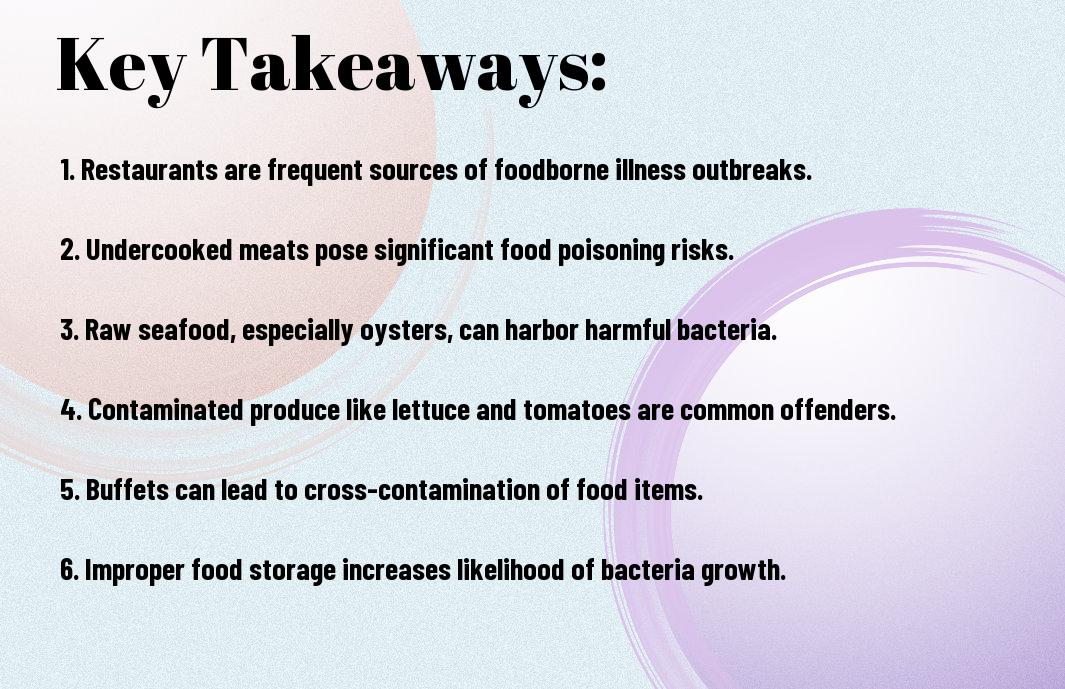
Key Takeaways:
- Restaurants: Dining out, especially in busy restaurants, increases the risk of food contamination and foodborne illnesses.
- Home Kitchens: Improper food handling, undercooked meats, and cross-contamination at home can lead to food poisoning.
- Street Vendors: Eating from street food vendors can be risky, particularly if hygiene practices are not followed.
- Buffets: Foods that sit out for extended periods at buffets can become breeding grounds for bacteria.
- Processed Foods: Refrigerated or frozen processed foods can cause food poisoning if not stored or cooked properly.
Understanding Food Poisoning
While food poisoning can be a frightening experience, understanding it can help you prevent it in the future. It arises when you consume food or beverages contaminated with harmful bacteria, viruses, or parasites. The intensity of symptoms can vary, and awareness of the signs is crucial for timely intervention.
Definition and Symptoms
Symptoms of food poisoning typically include nausea, vomiting, diarrhea, abdominal pain, and sometimes fever. These manifestations can manifest within hours or days after ingestion, depending on the source of contamination. Recognizing these symptoms early can aid you in seeking necessary medical care.
Causes of Food Poisoning
The primary causes of food poisoning are the consumption of undercooked meat, unwashed fruits and vegetables, and contaminated water. Additionally, improper food handling and storage contribute significantly to the risk of contamination.
Food can become a vehicle for pathogens due to several factors. For instance, improper cooking temperatures can fail to kill harmful bacteria, while cross-contamination can occur when raw and cooked foods come in contact. Furthermore, the use of outdated or contaminated ingredients may introduce viruses or parasites into your meals. Understanding these causes is necessary for improving your food safety practices and protecting your health.
Common Sources of Food Poisoning
Assuming you want to keep your dining experiences safe and pleasant, understanding the common sources of food poisoning is crucial. According to health professionals, a variety of foods can lead to foodborne illnesses. You can find a comprehensive overview of the Top 9 Foods Most Likely to Cause Food Poisoning that you should be aware of.
Restaurants
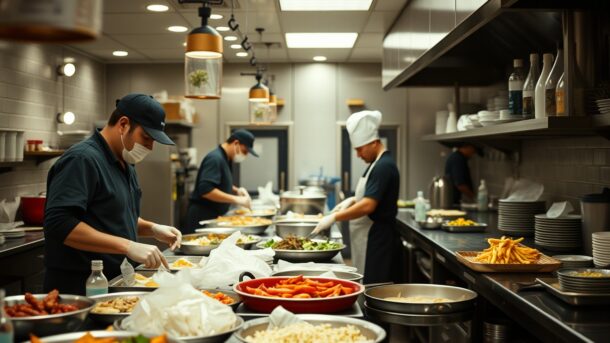
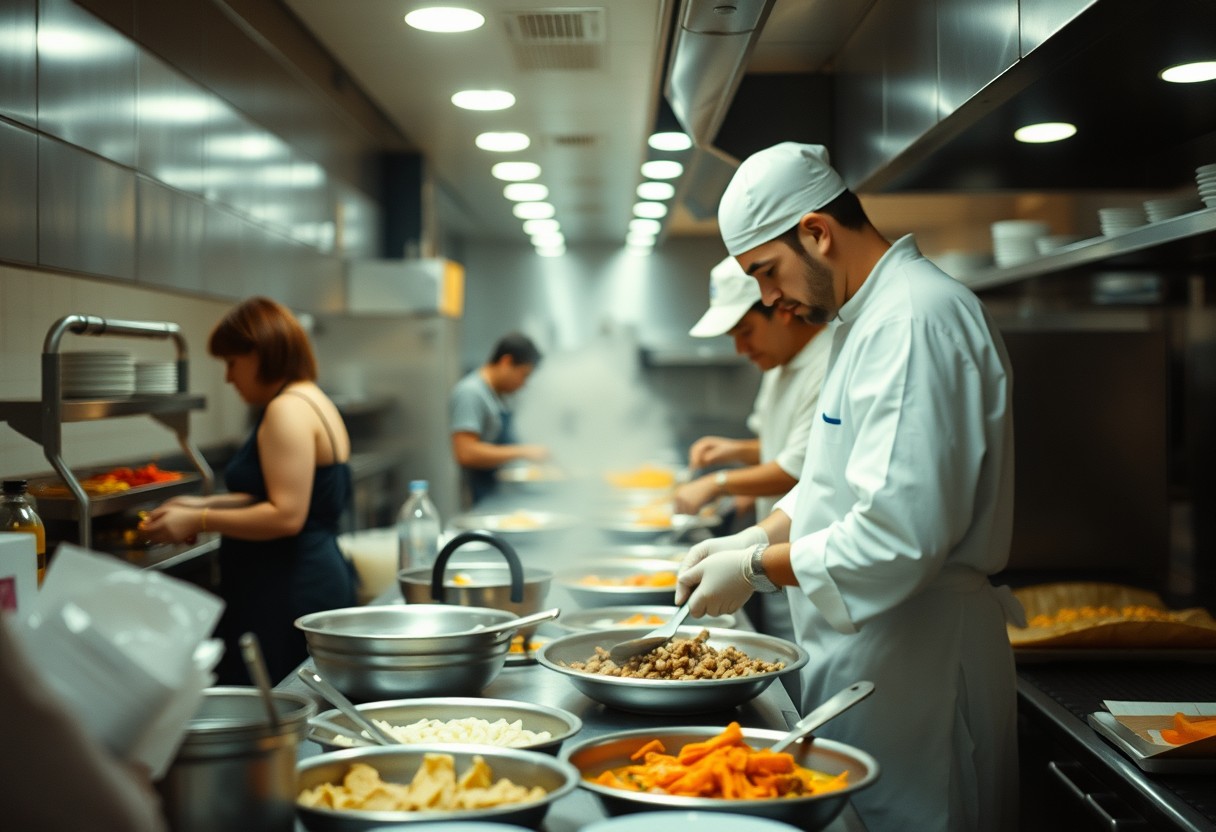
Restaurants are frequent hotspots for food poisoning due to the high volume of food prepared and served. Poor hygiene practices, such as improper hand washing and inadequate food storage temperatures, can increase your risk of exposure to harmful bacteria.
Home Cooking
The average home kitchen can also pose a risk for food poisoning if food safety practices are overlooked. You may compromise your health if you do not cook certain foods to the proper internal temperatures or if you cross-contaminate raw and cooked items.
Another critical aspect of home cooking involves the storage of leftovers. It’s important to refrigerate leftovers promptly and consume them within a few days to reduce the risk of bacterial growth, which can lead to foodborne illnesses.
Street Food
Cooking and serving food in open-air environments can increase the chances of contamination. Street food vendors might sometimes have less stringent hygiene practices, making it crucial to choose vendors who appear to uphold cleanliness standards.
Street food can also be surprisingly delicious and convenient, but you should always prioritize food safety. Opting for freshly prepared items and paying attention to how the vendor handles food can help mitigate the risks associated with eating on the go.
Food Markets
To avoid food poisoning, you should be careful when purchasing items from food markets, especially when it comes to fresh produce and meats. Improper handling or storing can lead to contamination.
It is crucial to inspect the quality of foods before buying. Choose fruits and vegetables that appear fresh and are free from blemishes. Additionally, ensure that any meat products are kept at the correct temperature to minimize health risks.
Buffets
The risk of food poisoning can increase in buffet-style dining due to the prolonged exposure that food can have to room temperature. Items left out can allow bacteria to thrive, which is particularly concerning if you are not vigilant.
Food should ideally be kept at proper temperatures, both hot and cold. When dining at a buffet, be sure to select items that are freshly replenished and avoid those that seem to have been sitting out for extended periods.
High-Risk Foods
All types of food carry some risk of contamination, but certain categories are particularly notorious for causing food poisoning. Understanding these high-risk foods can help you take the necessary precautions to protect yourself and your loved ones from potential illness.
Poultry
HighRisk poultry, such as chicken and turkey, is known for harboring harmful bacteria like Salmonella and Campylobacter. These pathogens are often present in raw or undercooked poultry, making it crucial to ensure that all poultry products are cooked thoroughly to an internal temperature of 165°F (75°C).
Seafood
One of the most frequently cited sources of food poisoning, seafood can be contaminated with bacteria, viruses, and parasites. Products such as fish and shellfish can harbor pathogens that lead to illnesses, making it necessary to choose fresh seafood and ensure it’s cooked properly.
The importance of cooking seafood cannot be overstated; certain types, like shellfish, can transmit viruses like Hepatitis A if consumed raw or undercooked. Always opt for reputable suppliers and be mindful of proper storage and cooking techniques to mitigate risks.
Eggs
To many, eggs are a staple ingredient in the kitchen, but they can also be a source of Salmonella bacteria if not handled properly. It’s crucial to cook eggs thoroughly and store them at the correct temperature to reduce the risk of foodborne illness.
Foods such as poached or soft-cooked eggs can pose a greater risk since the yolk may remain runny. To safeguard your health, consider using pasteurized eggs for recipes that require raw or lightly cooked eggs, ensuring your meals are both delicious and safe.
Dairy Products
Eggs, while often a concern, are not the only high-risk food. Dairy products, especially unpasteurized milk and cheeses, can also carry harmful bacteria like Listeria and E. coli. Always opt for pasteurized dairy items to reduce health risks associated with foodborne illnesses.
For instance, soft cheeses made from unpasteurized milk are more likely to be contaminated. By ensuring you choose pasteurized products, you can enjoy the benefits of dairy without putting yourself at unnecessary risk.
Raw Produce
An often-overlooked source of food poisoning, raw produce such as fruits and vegetables can be contaminated with pathogens from soil, water, or handling. You should always wash your produce thoroughly before consumption to minimize the risk of illness.
Products like leafy greens, tomatoes, and sprouts are frequent culprits in foodborne outbreaks. Washing your vegetables and purchasing from reliable sources can greatly reduce the chances of contamination and keep your meals safe and enjoyable.
Prevention and Safety Measures
Unlike many common illnesses, food poisoning can often be prevented with proper caution and safety measures. To enhance your understanding of foodborne illnesses, check out A cool guide of what causes food poisoning in the US (CDC). By implementing simple practices in your kitchen, you can greatly reduce the risk of foodborne pathogens affecting your health.
Safe Food Handling Practices
With a few mindful steps, you can ensure your food handling practices are up to standard. Always wash your hands before and after handling food, and be careful to separate raw meats from other foods to avoid cross-contamination.
Proper Cooking Temperatures
The correct cooking temperatures are pivotal in eradicating harmful bacteria. Below is a table of safe minimum cooking temperatures for various foods:
| Food Type | Temperature (°F) |
| Beef, Pork, Lamb | 145 |
| Poultry | 165 |
| Ground Meats | 160 |
| Fish and Shellfish | 145 |
Safe cooking temperatures not only enhance flavor but also, more importantly, ensure that harmful bacteria are eliminated. Always use a food thermometer to accurately measure temperatures and cook food thoroughly.
Regular Kitchen Hygiene
Handling cleanliness in the kitchen is important for preventing food poisoning. Maintain clean surfaces, utensils, and equipment by regularly washing them with hot, soapy water.
Food particles and bacteria can linger on surfaces, leading to contamination. Always keep your kitchen well-organized and sanitized to minimize the chances of harmful organisms finding their way into your meals.
Safe Food Storage
With proper food storage, you can extend the shelf life of your groceries and keep them safe from spoilage. Store perishables in the refrigerator and adhere to expiration dates to ensure freshness.
To prevent foodborne illness, make sure to cool leftovers promptly and avoid leaving them out at room temperature for too long. Keeping your food stored correctly lowers the risk of contamination and helps maintain its quality.
Final Words
On the whole, when considering the most common places where you can get food poisoning, you should be particularly cautious at restaurants and food markets, where improper food handling and cross-contamination often occur. It’s crucial to pay attention to cleanliness, food preparation practices, and your own choices, as many outbreaks have originated from undercooked meats, contaminated produce, or inadequate refrigeration. By being vigilant and informed, you can greatly reduce your risk of foodborne illnesses in these environments.
FAQ
Q: What are the most common places to get food poisoning?
A: Food poisoning can occur at various locations, but the most common places include restaurants, homes, and grocery stores. Restaurants can have a high risk due to large volumes of food preparation and the potential for cross-contamination. Home kitchens may also pose a risk if food is not handled properly, while grocery stores can be sources of foodborne pathogens if food products are improperly stored or if cleanliness standards are not maintained.
Q: What types of food are most associated with food poisoning?
A: Certain types of food are more commonly associated with food poisoning, including raw or undercooked meat, poultry, seafood, and eggs. Dairy products, especially unpasteurized milk and cheese, can also be significant sources. Additionally, fruits and vegetables contaminated with bacteria, often due to improper handling during processing, can lead to foodborne illnesses. It’s important to ensure that these foods are cooked and stored at the right temperatures to minimize the risk of food poisoning.
Q: How can I reduce my risk of food poisoning?
A: To reduce the risk of food poisoning, always practice safe food handling techniques. This includes washing your hands before and after handling food, cooking foods to the proper internal temperatures, and avoiding cross-contamination by using separate cutting boards for raw meats and other foods. Also, be cautious when dining out by choosing restaurants that follow good hygiene practices, and always check expiration dates when purchasing food from grocery stores.