simon weiner

What are some different ways to cook chicken

Over the years, you have likely mastered a few chicken recipes in your cooking repertoire, but why not expand your culinary skills with new methods to cook this versatile bird? In this informative blog post, you will discover a variety of delicious ways to prepare chicken that will tantalize your taste buds and impress your dinner guests. From baking and grilling to frying and roasting, there are countless ways to elevate this simple ingredient into a mouthwatering meal. Let’s explore some different ways to cook chicken and add excitement to your cooking routine!

Key Takeaways:

  • Grilling: Grilling chicken is a popular method that gives a smoky flavor and nice char to the meat.
  • Baking: Baking chicken is a simple and versatile way to cook it, allowing for easy seasoning and minimal active cooking time.
  • Stir-frying: Stir-frying chicken in a hot pan with vegetables and sauces is a quick and flavorful way to cook the meat.

Grilling and Pan-Sealing

Direct Heat Grilling

On a hot summer day, there’s nothing quite like firing up the grill to cook some juicy chicken. Direct heat grilling involves placing the chicken directly over the flames. Make sure to preheat your grill to high heat before cooking.

Indirect Heat Grilling

Grilling chicken using the indirect heat method involves cooking the chicken next to the heat source rather than directly over it. This technique allows the chicken to cook more slowly and evenly, resulting in tender, flavorful meat.

If you’re using a charcoal grill, push the coals to one side and place the chicken on the opposite side. For a gas grill, simply turn off one or more burners and place the chicken on the turned-off side.

Pan-Sealing with Olive Oil

Pan-sealing chicken involves searing it in a hot skillet to lock in the juices and create a flavorful crust. Start by heating olive oil in a skillet over medium-high heat. Add the chicken breast and cook for a few minutes on each side until golden brown and cooked through.

Pan-Sealing with Butter

With its rich flavor, butter is a classic choice for pan-sealing chicken. Melt butter in a skillet over medium heat and add the chicken. Cook until golden brown on both sides, then reduce the heat and cover the skillet to continue cooking the chicken until it’s tender and juicy.

To achieve the perfect balance of flavor and texture, experiment with different seasonings and marinades when grilling or pan-sealing your chicken. Whether you prefer the smoky char of the grill or the crispy crust of a pan-seared chicken breast, these methods offer delicious ways to enjoy this versatile protein.

Baking and Roasting

Even though baking and roasting may seem similar, there are subtle differences that can make a big impact on the flavor and texture of your chicken dishes.

Classic Oven-Roasted Chicken

The classic oven-roasted chicken is a timeless favorite that never fails to impress. The key here is to season the chicken generously with salt, pepper, and any other herbs or spices you prefer. Place the chicken in a preheated oven and let it roast until golden brown and the juices run clear. The result is a tender and flavorful chicken that is perfect for any occasion.

Lemon and Herb Roasted Chicken

Baking a chicken with a lemon and herb marinade can take the flavor profile to a whole new level. The zesty tang of the lemon combined with the earthy freshness of the herbs creates a mouthwatering dish that is sure to become a favorite in your recipe repertoire. Plus, the aroma that fills your kitchen as it bakes is simply divine.

Baking a chicken with a lemon and herb marinade is a great way to add a refreshing twist to a classic dish. The acidity of the lemon helps to tenderize the meat while infusing it with a bright, citrusy flavor. The herbs add depth and complexity, making each bite a burst of deliciousness.

Baked Chicken Breasts with Honey Mustard Glaze

With this recipe, you can elevate simple baked chicken breasts into a gourmet experience. Start by marinating the chicken in a mixture of honey, Dijon mustard, and some herbs for added flavor. Bake the chicken in the oven until it’s cooked through, then brush on more of the sweet and tangy glaze for a mouthwatering finish.

This recipe for baked chicken breasts with a honey mustard glaze is a perfect balance of sweet and savory flavors. The honey adds a touch of sweetness, while the mustard provides a tangy kick that cuts through the richness of the chicken. It’s a sophisticated dish that’s surprisingly easy to make.

Slow Cooking and Braising

Now, if you want to explore some different ways to cook chicken, you should definitely check out this article on 5 different ways to cook chicken | Kikkoman for some inspiration on slow cooking and braising techniques. These methods are great for tenderizing the chicken and infusing it with delicious flavors.

Chicken Tacos with Slow Cooker Salsa

With these Chicken Tacos with Slow Cooker Salsa, you can enjoy a fuss-free and flavorful meal. Simply place chicken breasts in a slow cooker with your favorite salsa, cook on low for a few hours until tender, then shred the chicken and serve in taco shells with all your favorite toppings. It’s a perfect weeknight dinner option that your whole family will love.

Braised Chicken Thighs with Mushrooms and White Wine

An elegant and delicious dish, Braised Chicken Thighs with Mushrooms and White Wine is a perfect option for a special dinner. The chicken thighs are cooked slowly in a rich and savory sauce made with mushrooms, white wine, and herbs until they are fall-off-the-bone tender. The flavors meld together beautifully, creating a dish that will wow your guests.

White

Cooking Chicken and Dumplings in a Slow Cooker allows the flavors to develop and the chicken to become incredibly tender. This classic comfort food dish is made by slow cooking chicken, vegetables, and dumplings in a savory broth until everything is cooked to perfection. It’s a hearty and satisfying meal that is sure to become a favorite in your household.

Slow

Poaching and Steaming

Unlike other cooking methods that require high heat and browning, poaching and steaming are gentler techniques that help retain the natural juices and flavors of the chicken.

Delicate Poached Chicken Breasts

Delicate poached chicken breasts are moist, tender, and perfect for salads or sandwiches. To poach chicken breasts, simply place them in a pot of simmering water or chicken broth until they are cooked through. This method is great for those looking for a light and healthy way to cook chicken.

Steamed Chicken with Ginger and Soy Sauce

To make steamed chicken with ginger and soy sauce, you can place chicken breasts in a steamer basket over boiling water along with ginger slices and a drizzle of soy sauce. The steam gently cooks the chicken while infusing it with the flavors of ginger and soy sauce.

Poached and steamed chicken dishes are not only healthy and low in fat, but they also allow the chicken to absorb the flavors of the ingredients it is cooked with, resulting in a delicious and aromatic dish.

Poached Chicken Salad with Avocado and Bacon

An enticing option for a light and flavorful meal, poached chicken salad with avocado and bacon combines the tenderness of poached chicken with the creaminess of ripe avocado and the savory crunch of bacon. This dish is dressed with a zesty vinaigrette to tie all the flavors together.

A perfect choice for a summer lunch or a light dinner, poached chicken salad with avocado and bacon is a refreshing and satisfying dish that is sure to impress your guests.

Smoking and Griddling

Keep your taste buds tingling with the smoky goodness of smoked chicken and the charred perfection of griddled chicken. These two cooking methods offer unique flavors and textures to elevate your chicken dishes to a whole new level.

Smoked Chicken Wings with BBQ Sauce

Griddling the chicken allows for a quick sear on the outside while keeping the inside moist and juicy. The high heat helps to lock in the flavors, creating delicious grill marks that add a lovely charred taste to the chicken. Pair your griddled chicken breasts with a zesty Spicy Peach Salsa for a delightful combination of heat and sweetness.

For the perfect griddled chicken breasts, season them with a blend of spices like paprika, garlic powder, and cayenne pepper before cooking. This will add depth and complexity to the flavor profile of the chicken, complementing the freshness of the peach salsa.

Smoked Chicken Tenders with Honey Mustard Dipping Sauce

It’s time to tantalize your taste buds with the succulent tenderness of smoked chicken tenders paired with a sweet and tangy honey mustard dipping sauce. Smoking the chicken imparts a rich, smoky flavor that permeates the meat, creating a mouthwatering dish that will have you coming back for more.

On your next barbecue gathering, impress your guests with these delectable smoked chicken tenders. The honey mustard dipping sauce adds a delightful contrast to the smokiness of the chicken, creating a flavor explosion in every bite.

With Grilled Chicken, The Possibilities Are Endless

Whether you choose to smoke or griddle your chicken, the options for flavor combinations are endless. Experiment with different marinades, rubs, and sauces to create unique and delicious dishes that will keep you and your loved ones coming back for more. Let your culinary creativity soar as you explore the wonderful world of smoked and griddled chicken.

Pressure Cooking and Instant Pot

Many home cooks are turning to the convenience of pressure cooking and Instant Pot to quickly prepare delicious meals. These methods use steam and pressure to cook food faster while locking in flavors.

Quick and Easy Chicken Tacos in an Instant Pot

Instantly whip up a batch of tasty chicken tacos using your Instant Pot. Simply season your chicken with your favorite spices, add some salsa, and let the Instant Pot work its magic. In no time, you’ll have tender, flavorful chicken ready to be stuffed into warm tortillas with all your favorite toppings.

Pressure Cooker Chicken and Rice Bowl

Quickly create a satisfying meal with a pressure cooker by making a delicious chicken and rice bowl. The pressure cooker infuses the flavors of the chicken and seasonings into the rice, creating a perfectly cooked dish in minutes. This is a versatile recipe that you can customize with your preferred veggies and seasonings.

Instantly have a hearty meal on the table with this Pressure Cooker Chicken and Rice Bowl recipe. Your pressure cooker will efficiently cook the chicken and rice together, saving you time and effort in the kitchen. Customize the ingredients to suit your taste preferences, and enjoy a flavorful and satisfying meal in no time.

Instant Pot Chicken Fajitas with Peppers and Onions

Pressure cook your way to delicious chicken fajitas with peppers and onions using your Instant Pot. The pressure cooking process ensures that the chicken is juicy and full of flavor, while the peppers and onions become perfectly tender. Serve these flavorful fajitas with tortillas, guacamole, and salsa for a complete meal that your family will love.

Pressure cooking is a fantastic way to quickly prepare tender and flavorful chicken fajitas with peppers and onions in your Instant Pot. The pressure helps to lock in the flavor of the chicken and veggies, resulting in a mouthwatering dish that is perfect for busy weeknights. Add your favorite toppings and enjoy a delicious Tex-Mex meal without spending hours in the kitchen.

Rice

When preparing these Instant Pot dishes, remember to adjust the cooking time based on the type of rice you choose. Whether you opt for white rice, brown rice, or jasmine rice, you can easily customize these recipes to suit your preferences.

Summing up

From above, you have learned about various ways to cook chicken, from baking and grilling to frying and simmering. Each method offers a different flavor profile and texture, allowing you to experiment and find the perfect cooking technique for your taste preferences. Whether you prefer the crispy skin of fried chicken or the juicy tenderness of baked chicken, there is a method that will suit your culinary desires.

Q: What are some ways to cook chicken without using oil?

A: You can bake, grill, or air-fry chicken without using oil. Simply season the chicken with your favorite herbs and spices, then cook it using one of these methods for a healthier alternative to frying.

Q: How can I add flavor to boiled chicken?

A: To add flavor to boiled chicken, consider using broth, aromatics like garlic and onion, herbs such as thyme or rosemary, or a splash of lemon juice. Adding these ingredients to the boiling water can infuse the chicken with delicious flavors.

Q: What are some creative ways to cook chicken for a special occasion?

A: For a special occasion, consider making chicken roulade stuffed with spinach and feta, a savory chicken marsala, or elegant chicken cordon bleu. These dishes are sure to impress your guests with their unique flavors and presentation.

Are bananas high in fiber

You may be wondering about the fiber content of bananas and how it can impact your diet. Bananas are widely recognized for their convenience and sweetness, but they also pack a nutritious punch. In this article, you will discover how much fiber is in a banana, its health benefits, and how incorporating this fruit into your meals can support your digestive health. Understanding the fiber content in bananas can help you make informed choices for a balanced diet.

Key Takeaways:

  • High Fiber Content: Bananas are a good source of dietary fiber, aiding in digestion and promoting gut health.
  • Types of Fiber: The fiber in bananas includes both soluble and insoluble types, which can help regulate blood sugar levels and support digestive health.
  • Daily Intake: Incorporating bananas into your diet can help you meet the recommended daily fiber intake, which is necessary for overall well-being.

Nutritional Profile of Bananas

To understand the value of bananas in your diet, it’s vital to consider their nutritional profile. Bananas are a rich source of vitamins, minerals, and dietary fiber, making them an excellent addition to a balanced diet. For a comprehensive guide, check out The Ultimate High-Fiber Grocery List, which can help you incorporate more high-fiber foods into your meals.

Fiber Content in Bananas

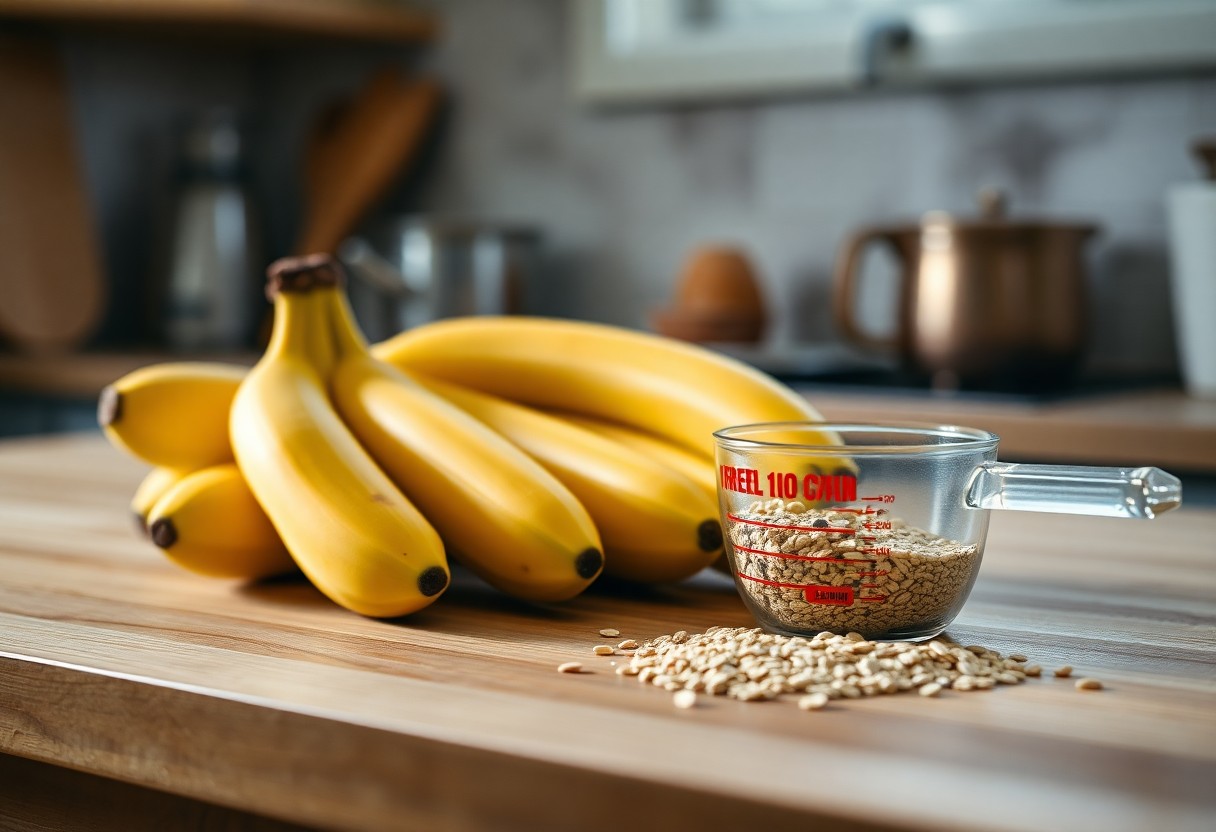
Across the board, bananas deliver a moderate amount of fiber. A medium-sized banana typically contains about 3 grams of dietary fiber, which can aid in digestion and contribute to your daily fiber intake.

Comparison with Other Fruits

Profile your fruit intake by comparing bananas with other fruits regarding fiber content. The following table outlines the fiber content in various popular fruits, allowing you to see how bananas stack up:

Fruit Fiber Content (grams per medium serving)
Banana 3
Apple 4
Orange 3
Strawberries 3

Bananas and Fiber Comparison

Bananas offer a convenient option in your quest for dietary fiber. While they provide a moderate fiber boost, it’s beneficial to include a variety of fruits in your diet to meet your fiber goals effectively. You can see in the table above how bananas compare to other fruits, ensuring you enjoy a diverse range of flavors and nutritional benefits in your meals.

Health Benefits of Dietary Fiber

Some of the most important health benefits of dietary fiber include improved digestion, enhanced heart health, and better weight management. By incorporating fiber-rich foods into your diet, you can promote regular bowel movements, which can help prevent constipation and other digestive issues. Additionally, high-fiber foods can help you feel fuller for longer, making it easier to maintain a healthy weight. Further, fiber has been shown to help lower cholesterol levels, contributing to overall cardiovascular health.

Digestive Health

With adequate fiber intake, you can support your digestive health significantly. Fiber helps to regulate bowel movements by adding bulk to your stool, making it easier to pass. This can help reduce constipation and promote a healthier gut. Furthermore, fiber nourishes the beneficial bacteria in your gut, supporting a balanced digestive microbiome that is linked to overall health.

Heart Health

Dietary fiber plays a vital role in maintaining heart health. Regularly consuming high-fiber foods can help lower bad cholesterol levels, reducing the risk of heart disease. When you integrate fiber into your diet, the soluble fiber found in foods like oats and fruits binds to cholesterol, aiding its removal from the body. This process helps to maintain healthy blood pressure and contribute to overall cardiovascular well-being.

This combined effect of lowering cholesterol, regulating blood sugar, and promoting a healthy weight makes fiber an imperative component of your heart-healthy diet. By including various fiber sources, such as whole grains, beans, fruits, and vegetables, you support your heart and blood vessels, ultimately leading to a longer and healthier life.

Recommended Daily Fiber Intake

After understanding the benefits of dietary fiber, it’s vital to know the recommended daily intake. For optimal health, adults should aim for about 25 grams of fiber per day for women and 38 grams for men. This amount can help support digestion, prevent constipation, and may lower the risk of chronic diseases. Incorporating a variety of fiber-rich foods, including fruits, vegetables, whole grains, and legumes, can help you achieve these daily goals.

Guidelines for Adults

Above all, following fiber intake guidelines is critical for maintaining your overall health. It’s advisable to gradually increase your fiber intake and drink plenty of water to help your digestive system adjust. By doing so, you will not only enjoy the benefits of improved digestion but also promote heart health and potentially reduce cholesterol levels.

Incorporating Bananas into Your Diet

Behind the simple act of adding bananas to your meals lies a myriad of health benefits. Including bananas in your diet is easy and delicious, whether you have them as a snack, blend them in smoothies, or add them to cereals and yogurt. These versatile fruits can not only satisfy your sweet cravings but also contribute to your daily fiber intake.

Bananas are a great way to boost your fiber consumption while also providing vital vitamins and minerals. On average, a medium banana offers around 3 grams of dietary fiber, making it a convenient addition to various meals. You can enjoy them sliced on whole-grain toast, mixed into oatmeal, or even frozen and blended for a refreshing treat. By incorporating bananas into your diet regularly, you can help achieve your fiber intake goals without sacrificing flavor.

Myths and Facts about Bananas and Fiber

All fruits have unique nutritional profiles, and bananas are often the subject of various myths regarding their fiber content. While they are commonly perceived as low in fiber compared to some other fruits, it is important to examine the facts. Understanding the truth about bananas can help you make better dietary choices that meet your fiber needs.

Common Misconceptions

Against popular belief, bananas do contain dietary fiber, with a medium banana providing around 3 grams. Some people mistakenly think bananas lack fiber entirely or that they are only good for other nutrients like potassium. This misconception can lead you to overlook their potential benefits as a part of a fiber-rich diet.

Scientific Evidence

Facts about bananas and fiber show that they offer soluble fiber, which can aid in digestion and promote heart health. Studies indicate that incorporating bananas into your diet can help improve bowel regularity and contribute to the recommended daily fiber intake.

This fiber content in bananas can support your overall gut health by facilitating better digestion and regular bowel movements. Additionally, soluble fiber is known to help lower cholesterol levels and stabilize blood sugar, making bananas a nutritious choice not just for tasty snacks, but for contributing to your daily fiber goals as well.

Other Sources of Dietary Fiber

Now, if you’re looking to boost your fiber intake beyond bananas, there are plenty of other sources to consider. These include whole grains, vegetables, legumes, fruits, nuts, and seeds. Incorporating a variety of these foods into your diet can help you meet your daily fiber needs and promote digestive health.

Whole Grains

At breakfast or any meal, whole grains like oats, quinoa, brown rice, and whole-wheat bread are fantastic sources of dietary fiber. They not only provide necessary nutrients but also keep you full longer, making them a smart addition to your meals.

Vegetables and Legumes

After whole grains, vegetables and legumes stand out as excellent fiber-rich options. You can easily incorporate foods like broccoli, carrots, lentils, and chickpeas into your daily meals to enhance your fiber intake.

It’s beneficial to vary your vegetable and legume choices, as they offer different types of fiber that can support gut health. Aim for a rainbow of colors in your vegetable intake and include legumes in soups, salads, or as stand-alone dishes to maximize nutrients and fiber. This diverse approach not only improves your fiber consumption but also adds flavor and texture to your meals.

Final Words

Presently, if you’re seeking a fiber-rich fruit, bananas are a great choice for your diet. With about 3 grams of fiber per medium-sized banana, they can help support your digestive health and keep you feeling full. Incorporating bananas into your meals can be an easy and tasty way to enhance your fiber intake. So, next time you’re looking for a nutritious snack, consider reaching for a banana to boost your fiber levels and enjoy its various health benefits.

FAQ

Q: Are bananas high in fiber?

A: Yes, bananas are considered a good source of dietary fiber. A medium-sized banana contains about 3 grams of fiber, which contributes to around 10% of the recommended daily intake for adults.

Q: What type of fiber do bananas contain?

A: Bananas contain both soluble and insoluble fiber. Soluble fiber can help lower blood cholesterol levels and regulate blood sugar, while insoluble fiber supports digestive health by promoting regular bowel movements.

Q: How can consuming bananas impact digestive health?

A: Eating bananas can be beneficial for digestive health due to their fiber content. The fiber in bananas can help prevent constipation and promote regularity, while the natural sugars and starches in bananas can contribute to gut health by supporting beneficial gut bacteria.

Q: How do bananas compare to other fruits in terms of fiber content?

A: Bananas provide a moderate amount of fiber compared to other fruits. While certain fruits like raspberries and pears offer higher fiber content, bananas still help contribute to overall fiber intake and are a convenient option for a quick snack.

Q: Can eating bananas help with weight management?

A: Yes, including bananas in a balanced diet can support weight management. The fiber in bananas can promote a sense of fullness, reducing the likelihood of overeating. They also provide vital nutrients while being low in calories, making them a healthy snack choice.

Which is the best chicken dish to eat

Many may often find themselves pondering over the endless array of chicken dishes to choose from. Whether you’re a fan of crispy fried chicken, comforting chicken soup, or spicy chicken curry, the options seem limitless. In this blog post, we will probe into the world of chicken cuisine and help you navigate through the options to find the best chicken dish that suits your taste buds.

Key Takeaways:

  • Consider nutrition: Opt for grilled or roasted chicken dishes over fried options for a healthier choice.
  • Check for flavor profiles: Select a chicken dish that aligns with your taste preferences, whether it’s spicy, savory, or sweet.
  • Explore variety: Try different chicken dishes from various cuisines to expand your palate and culinary experiences.

The Classics

Chicken Parmesan: A Timeless Favorite

Timeless and delicious, Chicken Parmesan is a classic favorite that never goes out of style. The crispy breaded chicken, savory marinara sauce, and gooey melted cheese come together to create a mouthwatering dish that satisfies your cravings every time. Whether you have it on a busy weeknight or serve it at a dinner party, Chicken Parmesan is sure to please everyone around the table.

Chicken Fajitas: Sizzling with Flavor

Any time you’re craving a dish that’s bursting with flavor, Chicken Fajitas are the perfect choice. The sizzling sound as the seasoned chicken, peppers, and onions hit the hot skillet will make your mouth water in anticipation. Wrapped in warm tortillas and topped with fresh salsa, guacamole, and sour cream, Chicken Fajitas offer a colorful and vibrant dining experience that will leave you craving more.

Understanding the classics like Chicken Parmesan and Chicken Fajitas allows you to appreciate the timeless flavors and textures that have stood the test of time. Whether you’re in the mood for a comforting and hearty meal or something with a zesty kick, these classic chicken dishes are sure to satisfy your taste buds and leave you wanting seconds.

Global Inspirations

Even though you may have a favorite local chicken dish, exploring global cuisines can introduce your taste buds to new and exciting flavors. From spicy to sweet, crispy to tender, the world offers a diverse array of chicken dishes that are sure to delight your palate.

Korean-Style Fried Chicken: Spicy and Crispy

Inspirations can come from a variety of sources, and Korean-style fried chicken is no exception. The crispy, double-fried chicken coated in a sticky, spicy sauce is a popular dish in Korea and has gained a global following. The secret to its addictively crunchy texture lies in the use of cornstarch or potato starch in the batter, creating a light and crispy coating that pairs perfectly with the fiery sauce.

Indian Butter Chicken: Rich and Aromatic

One dish that stands out in the rich tapestry of Indian cuisine is butter chicken. Made with succulent pieces of chicken simmered in a creamy tomato-based sauce enriched with butter, cream, and aromatic spices, this dish is a true indulgence for your taste buds. The tender chicken absorbs the flavors of the spices, creating a dish that is both comforting and satisfying.

India’s butter chicken has a fascinating history, reportedly originating in Delhi in the 1950s. It was created by mixing leftover tandoori chicken with a rich tomato gravy, resulting in a flavorful dish that has since become a staple in Indian restaurants around the world.

Japanese Teriyaki Chicken: Sweet and Savory

Chicken dishes are celebrated in Japanese cuisine for their simplicity and bold flavors, and teriyaki chicken is a classic example. The sweet and savory glaze made from soy sauce, mirin, and sugar caramelizes beautifully on the grilled or pan-seared chicken, creating a dish that is both visually appealing and delicious.

A staple of Japanese cuisine, teriyaki chicken can be enjoyed in various forms, from skewers to bento boxes. The balance of flavors in this dish, with the umami-rich soy sauce complementing the sweetness of the mirin, makes it a favorite among both locals and visitors to Japan.

Comfort Food Favorites

Not all chicken dishes are created equal when it comes to providing comfort and satisfaction. In comfort food favorites, some chicken dishes stand out for their heartiness and wholesomeness.

Chicken Pot Pie: Hearty and Wholesome

The Chicken Pot Pie is a classic comfort food that never fails to warm you up on a chilly day. The combination of tender chicken, savory vegetables, and creamy sauce all tucked under a flaky crust creates a dish that is both hearty and wholesome.

Chicken and Waffles: A Southern Classic

Food that reminds you of home and childhood can bring a sense of comfort like no other. Chicken and Waffles is a beloved Southern classic that perfectly blends the crispy juiciness of fried chicken with the sweetness of waffles. The combination of flavors and textures creates a dish that is both comforting and indulgent.

When you think of Chicken and Waffles, you may envision a cozy Southern kitchen where the aroma of fried chicken fills the air, and the sound of waffle irons sizzling can be heard in the background. It’s a dish that speaks to both tradition and innovation, making it a timeless favorite for many.

Chicken Tenders: Crispy and Indulgent

Wholesome, satisfying, and nostalgic – Chicken Tenders are a true indulgence. The crispy breaded exterior gives way to juicy, tender chicken inside, creating a mouthwatering experience with every bite. Whether dipped in tangy barbecue sauce or creamy ranch dressing, Chicken Tenders are a treat for your taste buds.

A Comforting Classic

Tenders A snack, a meal, or a party favorite, Chicken Tenders are versatile and always a crowd-pleaser. Whether you’re enjoying them as a quick bite on the go or as the main course for a cozy night in, Chicken Tenders are sure to satisfy your craving for something crispy and indulgent. Bite into a golden brown piece of chicken, and savor the comforting flavors that remind you of simpler times.

Spicy Delights

Unlike milder chicken dishes, spicy chicken dishes bring a fiery kick and an addictive flavor that will leave your taste buds craving for more.

Nashville Hot Chicken: Fiery and Addictive

Spicy: Pertaining to Nashville Hot Chicken, be prepared for an intense heat that is not for the faint of heart. This iconic dish features crispy fried chicken coated in a fiery blend of cayenne pepper and spices, creating a flavor explosion that is both hot and savory. The heat level can be customized to suit your preference, but no matter how spicy you like it, Nashville Hot Chicken will keep you coming back for more.

Jamaican Jerk Chicken: Island Vibes and Heat

Jerk: Jamaican Jerk Chicken brings the flavors of the Caribbean to your plate with its unique blend of herbs and spices. The marinade, typically made with scotch bonnet peppers, allspice, and thyme, infuses the chicken with a smoky, spicy flavor that will transport you to the sunny beaches of Jamaica. The combination of heat and island vibes make Jamaican Jerk Chicken a must-try for those who love a bit of spice in their meals.

To experience the full flavor of Jamaican Jerk Chicken, it’s best to marinate the chicken for several hours or overnight to allow the spices to penetrate the meat. Grilling or smoking the chicken will further enhance the smoky flavors, creating a dish that is truly unforgettable.

Buffalo Wings: The Ultimate Snack

Chicken: Buffalo Wings are the ultimate snack for any occasion, whether you’re watching the big game or just craving a mouthwatering treat. These crispy chicken wings are coated in a spicy and tangy sauce made from hot sauce, butter, and a blend of seasonings. The combination of heat and tanginess makes Buffalo Wings a crowd favorite that you’ll find yourself reaching for again and again.

Addictive: The addictive flavor of Buffalo Wings comes from the perfect balance of heat and tang, which will have you licking your fingers clean after every bite. Whether you like them mild or extra spicy, Buffalo Wings are sure to satisfy your cravings for something flavorful and delicious.

Healthy Options

Many 70 Easy Chicken Dinners are not only delicious but also healthy. When considering choosing a nutritious chicken dish, there are several options that you can explore to make your meal both satisfying and good for your body.

Grilled Chicken Breast: Lean and Mean

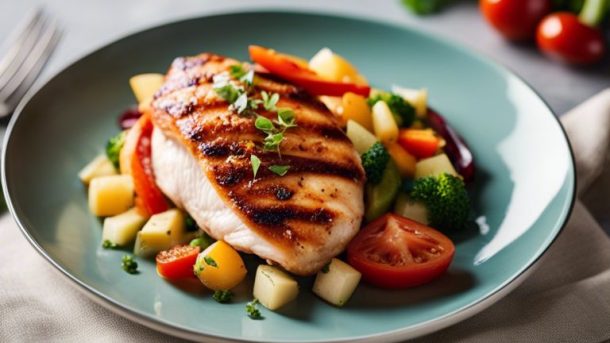
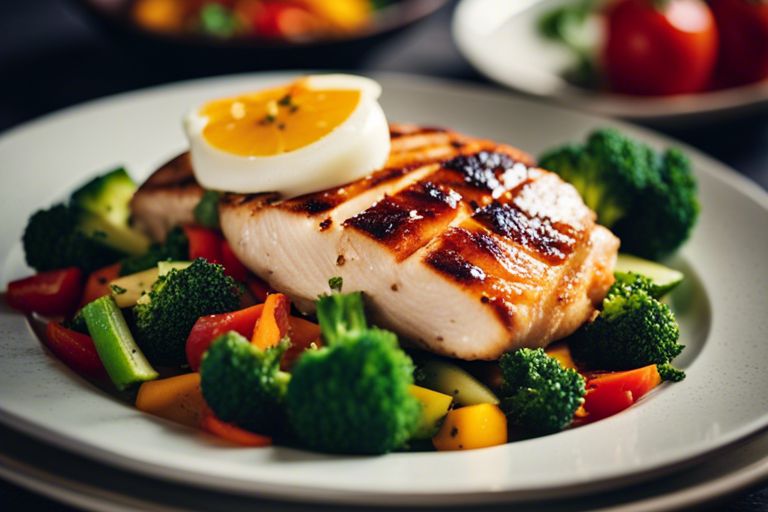
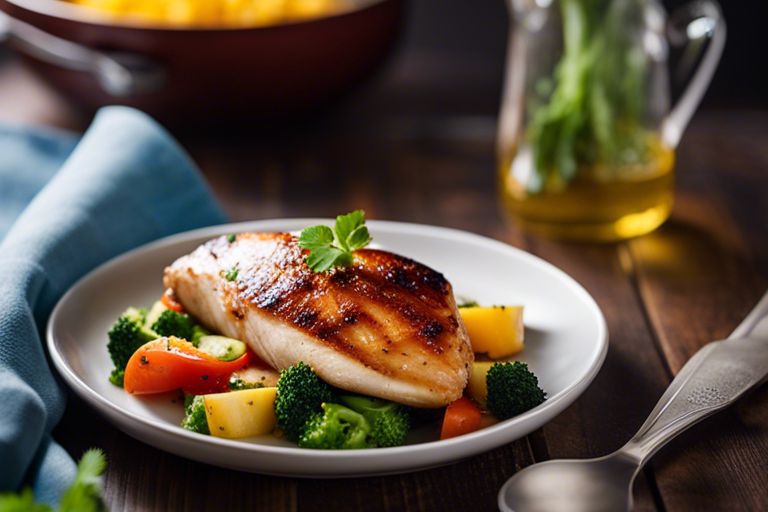
Mean and lean, grilled chicken breast is a classic healthy choice. Packed with protein and low in fat, this dish is perfect for those looking to maintain a healthy diet. Marinate the chicken with herbs and spices for added flavor without the need for excessive oils or fats.

Chicken Caesar Salad: Refreshing and Light

To enjoy a refreshing and light meal, opt for a Chicken Caesar Salad. This classic dish combines grilled chicken strips with crisp romaine lettuce, crunchy croutons, and tangy Caesar dressing. It’s a perfect balance of flavors that will leave you feeling satisfied without weighing you down.

This hearty salad is not only delicious but also a great source of nutrients, providing you with a good dose of protein, fiber, and vitamins. It can be a filling meal on its own or paired with a warm bowl of soup for a complete and nutritious dining experience.

Chicken and Quinoa Bowl: Nutritious and Filling

Caesar salads are excellent for a light lunch or dinner. However, if you’re looking for a more substantial meal that’s both nutritious and filling, consider trying a Chicken and Quinoa Bowl. This dish combines grilled chicken with quinoa, a versatile whole grain that is high in protein and fiber, making it a great option for those looking to stay full for longer periods.

Bowl meals are all the rage nowadays for their convenience and ability to pack a variety of nutrients into one dish. By including a mix of vegetables, lean protein, and whole grains like quinoa, you can enjoy a delicious and balanced meal that will keep you energized throughout the day.

Modern Twists

Chicken and Waffle Cones: A Fun Fusion

After exploring classic chicken dishes, it’s time to examine some modern twists that will surely tantalize your taste buds. One innovative creation is the Chicken and Waffle Cones – a delightful fusion of crispy fried chicken nestled in a savory waffle cone. This playful take on a traditional favorite combines sweet and savory flavors in a convenient handheld cone, making it a perfect on-the-go snack or a fun party appetizer.

Korean Fried Chicken Tacos: East Meets West

On your culinary journey to find the best chicken dish, don’t miss out on the Korean Fried Chicken Tacos. This delightful mashup brings together the bold flavors of Korean fried chicken with the familiar concept of tacos. Imagine crispy chicken coated in a sticky, spicy-sweet sauce, nestled in a warm tortilla with crunchy slaw and a drizzle of creamy sauce. The combination of textures and flavors in these tacos is a true culinary adventure that melds East and West seamlessly.

Tacos are a versatile dish that lends itself well to creative interpretations, and the Korean Fried Chicken Tacos are a prime example of this fusion cuisine trend. The marriage of Korean flavors with Mexican street food vibes creates a unique and unforgettable dining experience that is sure to impress your taste buds.

Chicken Shawarma: Middle Eastern Flair

Waffle cones are not just for ice cream anymore – they also serve as a delightful vessel for savory delights like Chicken and Waffle Cones. This modern twist on a classic dish combines the crispy goodness of fried chicken with the sweetness of a waffle cone, creating a harmonious blend of flavors and textures that will leave you craving for more. Whether you’re indulging in these cones as a snack or a meal, you’re in for a treat with every bite.

Modern twists on traditional chicken dishes like the Chicken Shawarma offer a fresh take on familiar flavors. The Middle Eastern flair of tender, spiced chicken wrapped in warm pita bread and topped with zesty garlic sauce and pickles creates a burst of flavors in every bite. This dish is perfect for those seeking a taste of the exotic with a touch of comfort and familiarity.

Conclusion

From the extensive list of chicken dishes discussed in this article, it is evident that the best chicken dish to eat ultimately depends on your personal taste preferences. Whether you prefer the comfort of a classic roast chicken, the spice of a flavorful curry, or the crispiness of fried chicken, there is a chicken dish that will satisfy your cravings. If you are looking for more inspiration, you can explore even more delicious chicken recipes here.

Anthony Bourdain once said, “Your body is not a temple, it’s an amusement park. Enjoy the ride.” So go ahead, experiment with different chicken dishes, savor the flavors, and indulge in the simple pleasure of a well-prepared meal. Whether you are cooking for yourself or hosting a dinner party, there is a perfect chicken dish waiting to be enjoyed.

Q: What is the best chicken dish to eat for a healthy option?

A: Grilled chicken breast is considered one of the healthiest chicken dishes to eat as it is low in fat and calories while being high in protein. It can be paired with a variety of vegetables for a well-rounded meal.

Q: Which chicken dish is a popular choice for a special occasion?

A: Chicken Parmesan is a popular choice for a special occasion as it is a flavorful and comforting dish that is easy to prepare. The chicken is breaded, fried, topped with tomato sauce and melted cheese, and served over pasta.

Q: What is a flavorful chicken dish that is quick and easy to make?

A: Chicken stir-fry is a flavorful dish that is quick and easy to make. It involves cooking bite-sized chicken pieces with vegetables in a wok or skillet, seasoned with a flavorful sauce. It is a versatile dish that can be customized with your favorite ingredients.

What foods can you eat whole

Just like exploring new culinary adventures, knowing which foods you can eat whole can enhance your diet while saving time in meal preparation. Whole foods, typically encompassing fruits, vegetables, nuts, and seeds, offer a plethora of nutritional benefits and can support a healthier lifestyle. In this blog post, you will learn about various foods that can be consumed entirely, along with insights on how to incorporate them into your daily meals for maximum health benefits. Get ready to discover exciting options that align with your dietary goals!

Key Takeaways:

  • Whole Fruits: Many fruits can be eaten whole, including apples, pears, and berries, providing necessary nutrients and fiber.
  • Vegetables: Certain vegetables like carrots, radishes, and cherry tomatoes are nutritious when consumed whole.
  • Nuts and Seeds: Nuts such as almonds and walnuts, along with seeds like sunflower and pumpkin seeds, can be eaten whole for healthy fats and proteins.
  • Whole Grains: Some whole grains, like quinoa and barley, can be prepared and eaten without the need for processing.
  • Legumes: Whole legumes, such as peas and chickpeas, can be consumed for their high protein and fiber content.

Whole Grains

Before submerging into the benefits and options of whole grains, it’s important to understand their role within a Whole Foods Diet Guide: Meal Plans and Shopping Lists. Whole grains are an necessary component of nutrition, contributing to overall health and well-being.

Types of Whole Grains

With numerous whole grain varieties available, you can easily incorporate them into your meals. Here are some common types:

Brown Rice Quinoa
Barley Whole Wheat
Millet Oats
Rye Farro
Cornmeal Buckwheat

After getting familiar with these options, it’s time to explore their health benefits.

Health Benefits

Any type of whole grain you choose can offer significant health advantages. Whole grains are rich in fiber, vitamins, and minerals, providing the nutrients your body needs for optimal functioning.

Whole grains have been linked to lower risks of chronic diseases, including heart disease and diabetes. They promote digestive health, help maintain a healthy weight, and can even contribute to better mood and mental health, making them a fantastic addition to your daily diet.

How to Incorporate Whole Grains

Grains can easily be integrated into your meals, enhancing both flavor and nutrition. Start with swapping refined grain products for whole grain alternatives in your recipes!

Whole grains can be added to salads, blended into smoothies, or used as a side dish. By experimenting with different whole grains, you can discover new textures and flavors while boosting your overall nutrient intake.

Fruits

Even if you might think of fruits as a snack or dessert, many can be consumed whole, offering both convenience and nutrition. Incorporating whole fruits into your diet is a great way to enjoy their full benefits while minimizing preparation time.

Berries

Berries, such as strawberries, blueberries, and raspberries, are perfect for eating whole. These tiny, nutrient-dense fruits are rich in antioxidants, fiber, and vitamins, making them a fantastic addition to your meals or snacks. Plus, they’re naturally sweet and versatile!

Apples and Pears

An excellent source of dietary fiber, both apples and pears can be enjoyed with their skin on for maximum health benefits. These fruits are rich in vitamins and minerals, making them a nutritious choice for a snack or light dessert.

Pears are especially hydrating, containing about 84% water, which can help keep you feeling full and satisfied. Apples, on the other hand, offer a satisfying crunch along with beneficial phytochemicals that may support your health. Eating them whole ensures you benefit from their full fiber content and nutritional value.

Bananas

One of the most convenient fruits, bananas can be easily eaten whole, making them a great on-the-go snack that is full of potassium and other vital nutrients. They are naturally sweet, filling, and perfect for a quick energy boost during your day.

Plus, bananas are incredibly versatile; you can slice them onto cereal, blend them into smoothies, or just enjoy them as they are. Their natural packaging makes them an ideal option for busy lifestyles, ensuring you always have a healthy choice at hand.

Vegetables

To enjoy the benefits of vegetables fully, it’s necessary to know which ones can be eaten whole. Many varieties are not only nutritious but also tasty when consumed in their entirety. From leafy greens to root vegetables, incorporating whole vegetables into your diet is a smart and delicious choice.

Leafy Greens

To savor leafy greens like kale, spinach, and Swiss chard, consider eating them whole or in salads. These nutritious powerhouses are packed with vitamins A, C, and K, as well as minerals like iron and calcium. Their high fiber content aids digestion, making them an excellent addition to your meals.

Root Vegetables

On the other hand, root vegetables, such as carrots, radishes, and beets, provide an earthy flavor and a range of nutrients. These vegetables can be enjoyed raw, roasted, or steamed, making them versatile staples in any kitchen. Their natural sweetness and crunch add texture and depth to your dishes.

This versatility makes root vegetables perfect for a variety of culinary applications. You can chop them and toss them into salads, mash them as a side dish, or even enjoy them in smoothies. The nutrients, particularly fiber, will keep you feeling full and satisfied while providing necessary vitamins and minerals for your health.

Cruciferous Vegetables

Leafy greens aren’t the only vegetables you should consider eating whole. Cruciferous vegetables like broccoli, cauliflower, and Brussels sprouts can also be consumed in their entirety, offering a wealth of antioxidants and nutrients. These veggies support your immune system and may lower the risk of chronic diseases.

Root your diet in the goodness of cruciferous vegetables by experimenting with whole recipes. You can roast them, steam them, or enjoy them raw in salads. Their distinct flavors and textures create a satisfying crunch, making them a fantastic option to boost your health while enjoying delicious meals.

Nuts and Seeds

Your diet can greatly benefit from incorporating whole nuts and seeds. They are not only delicious but also packed with nutrients that support overall health.

Types of Nuts

One of the great things about nuts is the variety available to you. Each type offers unique flavors, textures, and health benefits. Here’s a breakdown of some common nuts:

Almonds Rich in vitamin E and magnesium
Walnuts High in omega-3 fatty acids
Pistachios Full of antioxidants
Cashews Good source of iron and zinc
Hazelnuts Contains heart-healthy fats

Knowing the different types of nuts can help you choose the best options for your nutritional needs.

Benefits of Seeds

Benefits of seeds extend beyond just being a crunchy snack; they are nutrient-dense foods that contribute positively to your well-being.

Understanding the role of seeds in your diet can lead to a number of health advantages. They provide important fatty acids, proteins, vitamins, and minerals. For example, chia seeds are loaded with omega-3 fatty acids, while pumpkin seeds offer magnesium and zinc. Incorporating these tiny powerhouses into your meals can enhance your overall nutrition and boost energy levels.

Ways to Enjoy Nuts and Seeds

Any time is a great opportunity to enjoy nuts and seeds as they are incredibly versatile in the kitchen.

Seeds can be added to smoothies, salads, or yogurt for a delightful crunch. You can also snack on almonds or walnuts directly, or use them as toppings on various dishes. Roasting them can enhance their flavor, making them even more enjoyable. By getting creative, you’ll find a myriad of ways to include these nutrient-packed foods in your daily routine.

Final Words

Taking this into account, you can enjoy a variety of foods that are safe and delicious to eat whole. Fruits like apples, pears, and grapes offer convenient snacking options without the need for peeling or cutting. Additionally, vegetables such as cherry tomatoes and baby carrots serve as perfect whole foods to add to your diet. For more specific examples, you might explore discussions about fruits that you can eat whole by visiting What’s a fruit that you can eat whole? (As in, nothing to …. By incorporating these whole foods into your meals, you can maximize their nutritional benefits and enhance your overall health.

Q: What are some examples of foods that can be eaten whole?

A: There are several foods that can be consumed in their entirety without the need for peeling or chopping. Some common examples include:

  • Berries: Such as strawberries, blueberries, and raspberries. They are nutrient-dense and can be eaten whole.
  • Grapes: A great snack option that is easy to eat without any preparation.
  • Cherries: These can be eaten whole, but be mindful of the pits.
  • Cherry tomatoes: Bite-sized and perfect for salads or snacking.
  • Radishes: Crunchy and peppery, they can be enjoyed raw, whole, and unpeeled.

Q: Are there any health benefits to eating foods whole?

A: Yes, consuming whole foods can provide numerous health benefits, including:

  • Increased fiber intake: Eating whole fruits and vegetables allows you to consume more fiber, which aids digestion.
  • Improved nutrient absorption: Whole foods often retain more vitamins and minerals than processed versions, making them a more nutritious choice.
  • Enhanced satiety: Whole foods tend to be more filling, helping to control hunger and may aid in weight management.
  • Convenience: Many whole foods can be eaten without preparation, making them a convenient option for snacking or quick meals.

Q: Are there any foods that should not be eaten whole?

A: While many foods can be eaten whole, some require preparation for safety and taste reasons. These include:

  • Potatoes: Raw potatoes contain toxins and should always be cooked before consumption.
  • Eggplant: This vegetable can be bitter and potentially toxic when raw.
  • Meats: Raw meats are not safe to eat and should always be cooked.
  • Certain nuts: Some nuts have tough shells that should be removed before consumption, while others can cause digestive issues if eaten in large quantities.

What to eat after vomiting

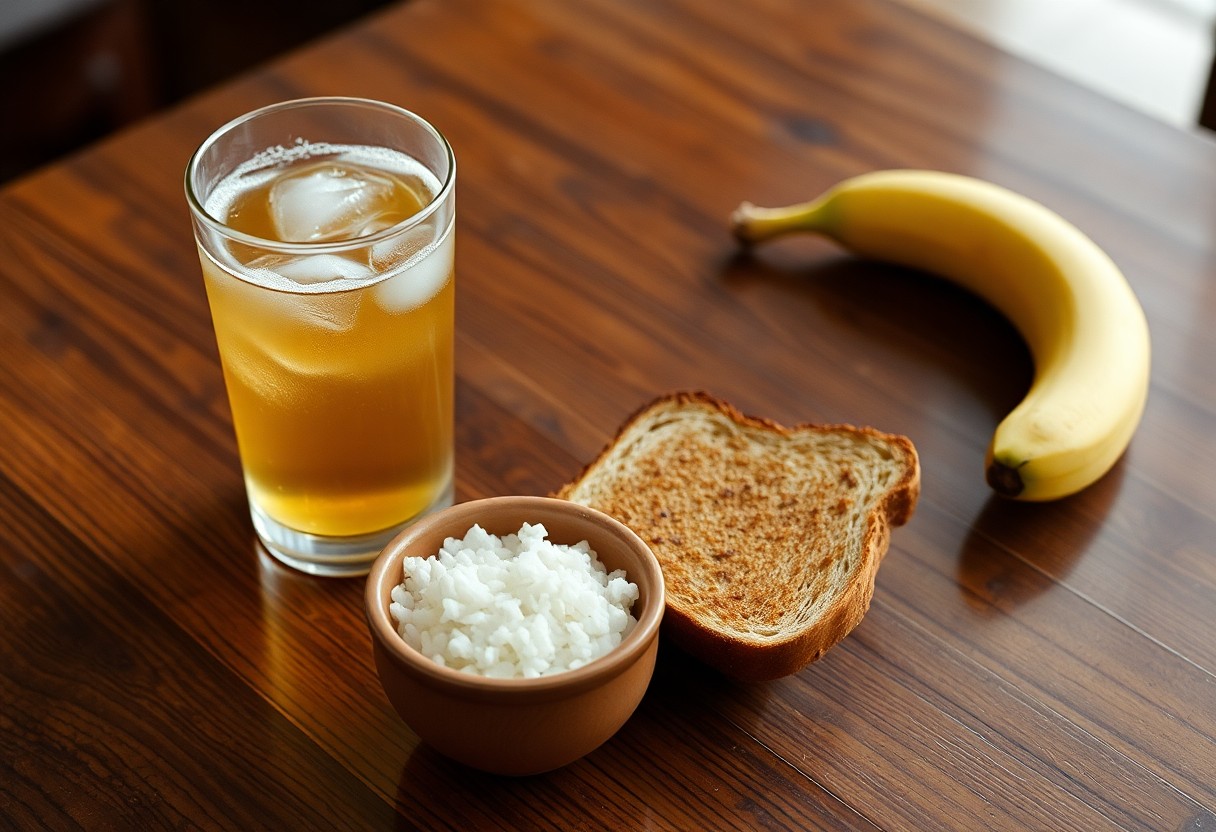
There’s a lot you might wonder about what to eat after experiencing vomiting, as your body needs gentle nourishment to recover. Initially, starting with bland foods is advisable to help your stomach settle. A good option is the BRAT Diet for Upset Stomach or Vomiting, which includes bananas, rice, applesauce, and toast. Gradually reintroducing other soft, easy-to-digest foods can also aid your recovery process, ensuring that you feel better sooner.

Key Takeaways:

  • Hydration: After vomiting, it is important to replenish lost fluids with water, herbal teas, or clear broths.
  • Gentle Foods: Introduce bland foods such as crackers, rice, or bananas to help ease your stomach back to normal.
  • Avoid Irritants: Stay away from spicy, fatty, or dairy foods initially, as they can aggravate the stomach further.

Understanding the Body’s Needs After Vomiting

Before you choose what to eat after vomiting, it’s important to understand your body’s needs during this recovery phase. Your stomach may be sensitive, and your body is likely depleted of nutrients and fluids. It’s important to approach food and hydration thoughtfully, as your digestive system may need time to adjust. Listening to your body’s signals will help guide your choices effectively.

Importance of Rehydration

For recovery after vomiting, rehydration is fundamental to restoring your body’s fluid balance. Vomiting can lead to significant fluid loss, making it vital to replenish electrolytes and fluids. Drinking clear fluids or electrolyte solutions can help you regain hydration and prevent further complications.

Nutritional Considerations

Across your recovery, focusing on easily digestible foods is important for your overall comfort and nutrition. Start with bland options like bananas, rice, applesauce, and toast, as they are gentle on your stomach while providing important nutrients.

Another key aspect of nutritional considerations is the gradual reintroduction of foods. Once you feel ready for solid food, opt for low-fat, easily digestible options to ensure that your stomach can handle them without exacerbating nausea. You might also want to incorporate small amounts of protein, such as boiled eggs or yogurt, which can assist in rebuilding lost nutrients while being gentle on your system.

Foods to Eat After Vomiting

One of the most important aspects of recovery after vomiting is choosing the right foods. Start with bland, easy-to-digest options that minimize irritation to your stomach. Foods like applesauce, plain toast, crackers, and bananas can help restore your energy levels and provide necessary nutrients. Stay hydrated with clear fluids such as water, broth, or electrolyte drinks to prevent dehydration.

Easy-to-Digest Options

One effective way to ease your digestive system back into routine is by opting for simple, easy-to-digest options. Foods like plain rice, boiled potatoes, and yogurt can be gentle on your stomach while providing some nourishment. These foods help settle your digestive tract, allowing you to gradually restore your appetite without overwhelming your system.

Gradual Reintroduction of Solid Foods

On your path to recovery, it’s important to introduce solid foods gradually. After feeling stable for a few hours post-vomiting, you can begin incorporating small portions of soft, bland foods into your diet. Start with one type of food at a time, monitoring how your body responds. If you tolerate these foods well, gradually expand your choices to include more complex items, but avoid high-fat or spicy foods until you are completely recovered.

After you’ve successfully added a few easy-to-digest foods, you can slowly increase your intake and variety. Start by trying small servings of foods you typically enjoy, and pay attention to any adverse reactions your body may have. If all goes well, you can continue to diversify your diet while maintaining a focus on nourishment and hydration. This gradual approach helps your digestive system reintegrate solid foods smoothly, reducing the chance of further discomfort.

Hydration Strategies

To aid your recovery after vomiting, prioritizing hydration is necessary. Your body loses significant fluids during this process, making it vital to replenish what has been lost. Start with small sips of clear liquids and gradually increase your intake as you feel more comfortable. Proper hydration can help restore balance in your body and support your overall healing process.

Fluids to Consider

By focusing on clear fluids, you can keep your hydration levels up without upsetting your stomach further. Water is the best option, but you might also consider electrolyte solutions or broths to replace lost nutrients. Herbal teas, coconut water, and diluted fruit juices can also be gentle on your stomach while providing hydration.

Avoiding Dehydration

Against dehydration’s negative effects, it’s important to keep your fluid intake consistent. Look for signs of dehydration such as dizziness, dry mouth, or dark urine, as these can indicate that you need to bolster your hydration. Taking small, frequent sips can help you manage nausea while ensuring you consume enough fluids over time.

Another effective approach is to set regular reminders to drink fluids, especially if you struggle with nausea. Carrying a water bottle can serve as a helpful visual cue, encouraging you to sip throughout the day. If you’re still feeling unwell, consider icy pops or electrolyte-infused beverages, as these can be easier to tolerate. By staying attentive to your hydration needs, you can support your recovery and avoid complications from dehydration.

Foods to Avoid After Vomiting

Despite feeling an urge to eat something, it’s important to avoid certain foods after vomiting. Greasy, heavy, or heavily spiced foods can irritate your stomach further, leading to prolonged discomfort and potentially more vomiting. Opting for easier-to-digest options will promote recovery and help your stomach settle.

Heavy and Greasy Foods

Vomiting can leave your stomach sensitive, making heavy and greasy foods hard to digest. Your body needs gentle nourishment, and reaching for fried or oily items may exacerbate nausea and upset your stomach. It’s advisable to steer clear of these foods until you’re feeling better.

Dairy Products and High-Fiber Foods

Before you indulge in dairy products or high-fiber foods, consider how your stomach is feeling. These foods can be tough to digest after vomiting and may lead to further gastrointestinal discomfort.

To avoid complications, it’s wise to hold off on dairy products, like milk and cheese, as they can be heavy on your stomach and may cause bloating or diarrhea. Similarly, high-fiber foods such as beans, lentils, and whole grains can be challenging for your system to handle while recovering. Introducing these items back into your diet should wait until you feel completely stable.

When to Seek Medical Attention

Keep an eye on your symptoms. If you experience persistent vomiting, severe abdominal pain, or signs of dehydration such as dry mouth, dizziness, or decreased urination, it’s important to seek medical attention. These symptoms can indicate a more serious underlying condition that may require professional care. Additionally, if you notice blood in your vomit or if your vomiting is accompanied by high fever, don’t hesitate to contact a healthcare provider.

Signs of Complications

Between typical discomfort and serious issues, watch for any signs of complications like severe headaches, chest pain, or confusion. If these symptoms arise alongside vomiting, it may signal a need for immediate medical evaluation. Recognizing these warning signs early can aid in the timely treatment of potential complications.

Duration of Symptoms

By keeping track of how long your symptoms persist, you can determine when to seek help. If vomiting lasts more than 24 hours or you find it difficult to keep any fluids down, it is advisable to consult a healthcare professional.

Symptoms lasting longer than expected can be concerning, as they may indicate an underlying issue. Persistent vomiting could lead to dehydration and nutritional deficiencies if not addressed. It’s vital to evaluate your overall condition, including any additional symptoms you may be experiencing, to ensure you get the appropriate care in a timely manner.

Tips for a Smooth Recovery

All efforts toward recovery can be enhanced with the right strategies. Consider the following tips:

  • Stay hydrated by sipping clear fluids.
  • Introduce bland foods gradually.
  • Avoid heavy or greasy meals.
  • Give your stomach time to settle.
  • Listen to your body’s hunger cues.

Thou must prioritize your recovery for a faster return to health.

Portion Control

To facilitate recovery, start with small portions of food. Gradually increase the amount as your body becomes more tolerant. This approach helps prevent overwhelming your stomach and allows you to gauge how well your body is responding to food post-vomiting.

Mindful Eating Practices

Practices like eating slowly and focusing on each bite can significantly aid your recovery. Engaging all your senses while eating helps you become more attuned to your body’s responses. This can lead to better digestion and satisfaction with smaller amounts of food.

Further, try eliminating distractions during meals to fully concentrate on what you’re consuming. This may include turning off electronic devices and finding a quiet space. By cultivating awareness of how foods make you feel, you can identify which options work best for your recovery and overall well-being.

Summing up

As a reminder, after vomiting, it’s important to reintroduce food gradually. Start with bland options like toast, crackers, or rice to ease your stomach back into digestion. Stay hydrated with clear liquids such as water, broth, or herbal tea. After a few hours, if you feel up to it, you may incorporate more nourishing foods like bananas or applesauce. Always listen to your body and avoid rich, spicy, or heavy foods until you fully recover. This approach helps to ensure your stomach settles and you regain your strength comfortably.

Q: What are the best foods to eat after vomiting?

A: After vomiting, it’s advisable to start with bland foods that are easy on the stomach. Some recommended options include plain toast, crackers, rice, bananas, and applesauce. These foods help settle the stomach and provide some nutrients without overloading the digestive system.

Q: How soon after vomiting can I eat?

A: It’s best to wait at least 30 to 60 minutes after vomiting before attempting to eat anything. Start with small sips of clear fluids to see how your stomach reacts. If you feel comfortable, you can gradually introduce solid foods.

Q: Should I drink liquids after vomiting?

A: Yes, staying hydrated is important after vomiting. Clear liquids, such as water, broth, or electrolyte solutions, can help replenish lost fluids. Start with small sips and gradually increase the amount if your stomach can tolerate it.

Q: Are there any foods to avoid after vomiting?

A: Yes, it’s best to avoid heavy, greasy, or spicy foods after vomiting, as they can irritate the stomach. Also, stay away from dairy products until you feel better, as they can sometimes be hard to digest following an episode of vomiting.

Q: How can I prevent nausea after eating post-vomiting?

A: To prevent nausea after eating, try to eat very small portions and focus on bland, easy-to-digest foods. Eating slowly and avoiding large meals can also help. Additionally, sitting upright for a while after eating can aid in digestion and reduce further nausea.

What is the most tasty piece of chicken

Tasty, succulent, flavorful – when it comes to chicken, everyone has their favorite part. But have you ever wondered which piece is truly the most delicious? In this blog post, we will explore the different cuts of chicken and determine which one reigns supreme in terms of taste. Get ready to tantalize your taste buds and settle the debate once and for all!

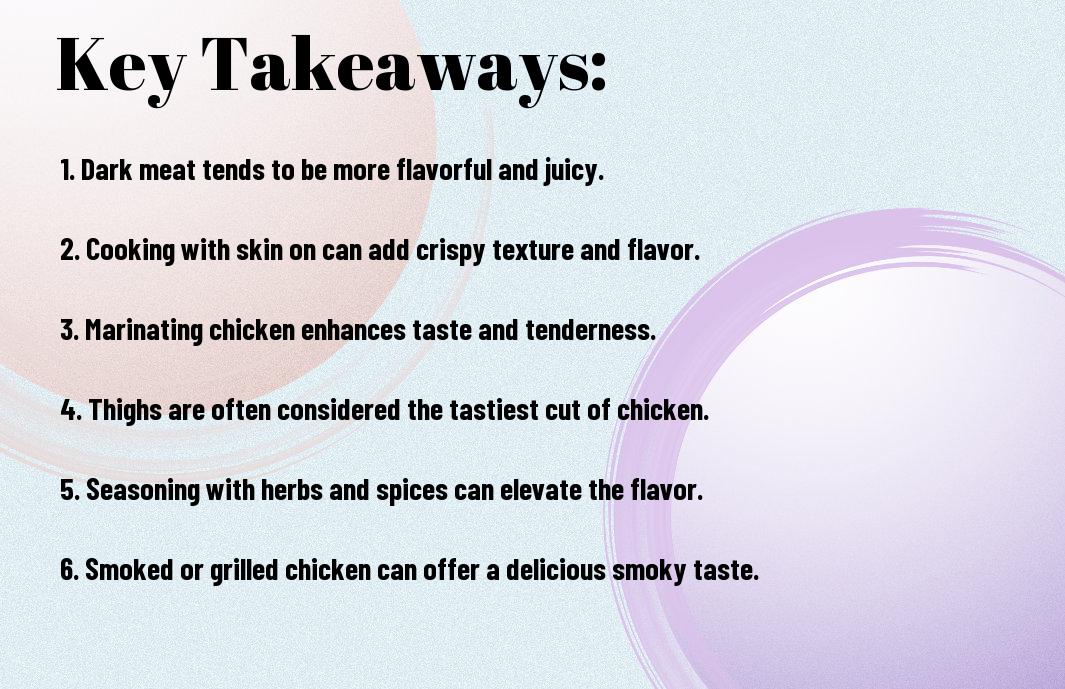
Key Takeaways:

  • Seasoning: The tastiest piece of chicken is often well-seasoned with a variety of spices to enhance its flavor.
  • Cooking Method: How the chicken is cooked can greatly impact its taste. Whether it’s fried, grilled, baked, or roasted, the cooking method can make a significant difference in the final taste.
  • Moisture: A juicy and tender piece of chicken is typically more enjoyable and flavorful. Proper cooking techniques that retain moisture can make the chicken taste delicious.

The Great Debate

The Drumstick Devotees

The drumstick, with its juicy meat and crispy skin, is a favorite among many chicken enthusiasts. When you sink your teeth into a perfectly fried drumstick, the flavors explode in your mouth, making it a truly satisfying experience. The convenience of holding the bone as you eat adds to the appeal, allowing you to savor every last bit of delicious meat without any fuss.

The Thigh Throne

The thigh, on the other hand, offers a different kind of pleasure. Its tender and succulent meat is packed with flavor, making each bite a heavenly delight. The thigh also tends to be juicier than other parts of the chicken, ensuring a moist and delectable experience with every mouthful.

For instance, did you know that the thigh meat is darker than other parts of the chicken because it contains more myoglobin, a protein that stores oxygen in muscles? This gives the thigh its rich flavor and distinctive color, making it a sought-after choice for many food lovers.

You may find yourself torn between the tantalizing taste of the drumstick and the indulgent flavor of the thigh. Whether you are a drumstick devotee or a thigh throne enthusiast, one thing is certain – when it comes to the most tasty piece of chicken, you can’t go wrong with either choice.

The Science of Tastiness

Clearly, the world of chicken can be a complex and fascinating one, especially when it comes to understanding what makes a piece of chicken truly delicious. Let’s research into the science behind the tastiness of chicken and uncover some of the key factors that contribute to your enjoyment of this popular protein.

The Role of Marbling

Role: One crucial element that impacts the flavor and juiciness of chicken is the presence of marbling within the meat. Marbling refers to the intramuscular fat deposits that are dispersed throughout the muscle fibers. These fat deposits not only add flavor to the meat but also help to keep it moist and tender during cooking. When you bite into a piece of chicken with well-distributed marbling, you experience a burst of rich, succulent taste that is sure to tantalize your taste buds.

The Magic of Maillard Reaction

The Maillard reaction is a chemical reaction that occurs between amino acids and reducing sugars when heat is applied to food. This reaction is responsible for the delicious browning and caramelization that you see on the surface of cooked chicken. The Maillard reaction not only enhances the visual appeal of the chicken but also creates complex flavors and aromas that contribute to its overall tastiness.

To truly appreciate the magic of the Maillard reaction, pay attention to the golden-brown color and tantalizing aroma that develop as you cook your chicken. These visual and olfactory cues are a sign that the Maillard reaction is in full swing, working its flavorful wonders to create a mouthwatering dining experience for you to enjoy.

The Dark Horse: Chicken Tenders

All your life, you’ve been told that the tastiest part of chicken is the drumstick or the breast. However, there’s a dark horse in the chicken world that often gets overlooked – the humble chicken tender. These strips of juicy, tender chicken meat are not only delicious but also versatile in how they can be seasoned and cooked.

The Tender Trap

One bite into a perfectly cooked chicken tender, and you’ll find yourself in a tender trap. The tenderness of the meat combined with the crispy outer coating is a match made in chicken heaven. Whether you dip them in tangy BBQ sauce, creamy ranch dressing, or spicy buffalo sauce, chicken tenders always hit the spot.

The Crispy Conundrum

With the crispy conundrum of chicken tenders, you’re faced with a delightful dilemma – do you opt for a classic breaded coating or try a healthier baked version? Either way, the result is a crunchy exterior that gives way to succulent chicken goodness with every bite.

Plus, you can get creative with the seasonings and spices you use to coat your chicken tenders. Whether you prefer a simple salt and pepper seasoning or a more adventurous combination like cajun spice or garlic Parmesan, the possibilities are endless when it comes to adding flavor to this beloved chicken dish.

The Wing Wizards

For the best chicken wing experience, it’s important to start with choosing the right cut of chicken. You may be wondering, “What cut of chicken to buy?” Well, head over to r/Cooking to get expert advice and recommendations on the perfect cut for your wings. Once you’ve got the right piece, it’s time to unleash the magic of the wing wizards!

The Art of Wing Preparation

For the most delicious wings, it’s all about the preparation. Start by marinating your wings in a flavorful mix of spices and sauces. Let them sit and soak up all the goodness for at least an hour before cooking. When it’s time to cook, whether you’re frying, baking, or grilling, make sure to get that perfect crispy skin texture that will have you coming back for more. The key is in the details, so pay attention to every step and your taste buds will thank you!

The Saucy Saga

Saucy, saucy, saucy! The saucy saga of chicken wings is where the flavor really comes to life. Once your wings are cooked to perfection, it’s time to toss them in your favorite sauce. Whether you’re a fan of classic buffalo, tangy BBQ, or exotic teriyaki, the sauce is what elevates your wings to a whole new level of tastiness. Don’t be shy with the sauce – drench those wings and get ready for a flavor explosion in every bite!

Wing wizards know that the perfect wing sauce is a carefully guarded secret. It’s all about finding the right balance of sweet, spicy, and savory flavors to make your taste buds dance with joy. Experiment with different sauce recipes until you find your own signature blend that will have everyone begging for your wing wizardry at every party!

The Breast Brigade

After weighing all the options, you have decided that the breast is the most delightful piece of chicken. Let’s probe deeper into what makes the breast so special.

The Lean Machine

Any chicken enthusiast knows that the breast is the lean machine of the chicken world. With its low fat content and high protein levels, the breast is a favorite among health-conscious individuals. Not only is it a great source of nutrients, but it also provides a nice, meaty texture that is oh so satisfying.

The Moisture Myth

With all the talk about moist meat, you may have heard the myth that the breast is always dry. However, this couldn’t be further from the truth. When cooked properly, the breast can be just as juicy and succulent as any other part of the chicken. It’s all about the method of cooking and ensuring you don’t overcook it.

A common mistake when cooking chicken breast is leaving it on the heat for too long, leading to a dry and tough texture. To avoid this, try using a meat thermometer to ensure your chicken is cooked to the perfect temperature, around 165°F. By following this method, you can enjoy a moist and flavorful chicken breast every time.

The Unconventional Contenders

The Neck and Back Attack

Despite their lesser-known status, the neck and back of a chicken can surprise you with their flavor and tenderness. Any seasoned chef will tell you that these underrated cuts are full of juicy goodness waiting to be savored. The neck, with its rich, succulent meat, offers a unique texture that can elevate any dish. And the back, while small, packs a punch of taste that is not to be underestimated.

The Gizzard Gamble

To some, the gizzard may seem unappealing at first glance, but don’t be too quick to judge. It’s worth taking the gamble on this organ meat as it offers a chewy texture and a deep, earthy flavor. You might find yourself pleasantly surprised by the complexity and depth of taste that the gizzard brings to the table.

It’s necessary to prepare gizzards properly to bring out their best qualities. Whether you choose to marinate them or incorporate them into a slow-cooked stew, the gizzard can add a whole new dimension to your chicken dishes.

Final Words

As a reminder, the most tasty piece of chicken is ultimately up to you. Whether you prefer the juicy drumstick, the crispy wing, or the tender thigh, it all comes down to personal taste. So, the next time you find yourself faced with a plate of delicious fried chicken, trust your instincts and go for the piece that brings you the most satisfaction.

FAQ

Q: What is the most tasty piece of chicken?

A: The most tasty piece of chicken is largely subjective and depends on personal preference. Some people may prefer the juicy and flavorful thigh meat, while others may enjoy the lean and tender breast meat. It ultimately comes down to individual taste.

Q: How can I make the chicken more tasty?

A: You can make chicken more tasty by marinating it in a flavorful sauce or seasoning it with herbs and spices before cooking. Another way to enhance the taste is by cooking the chicken in a way that retains its juiciness, such as grilling, roasting, or sautéing with a bit of butter or oil.

Q: What are some popular ways to cook chicken for maximum flavor?

A: Some popular ways to cook chicken for maximum flavor include grilling, frying, baking, and braising. Each method offers a unique taste and texture to the chicken. Experimenting with different cooking techniques and flavor combinations can help you discover the most tasty way to prepare chicken according to your preference.

Are oats whole food

Whole grains are imperative for a balanced diet, and oats are often a staple in many households. If you’re wondering whether oats qualify as a whole food, you’re not alone. Understanding the nutritional benefits of oats and their classification can help you make informed choices for your health. In this post, we’ll explore what defines whole foods and examine the characteristics of oats, so you can better integrate this nutritious grain into your meals.

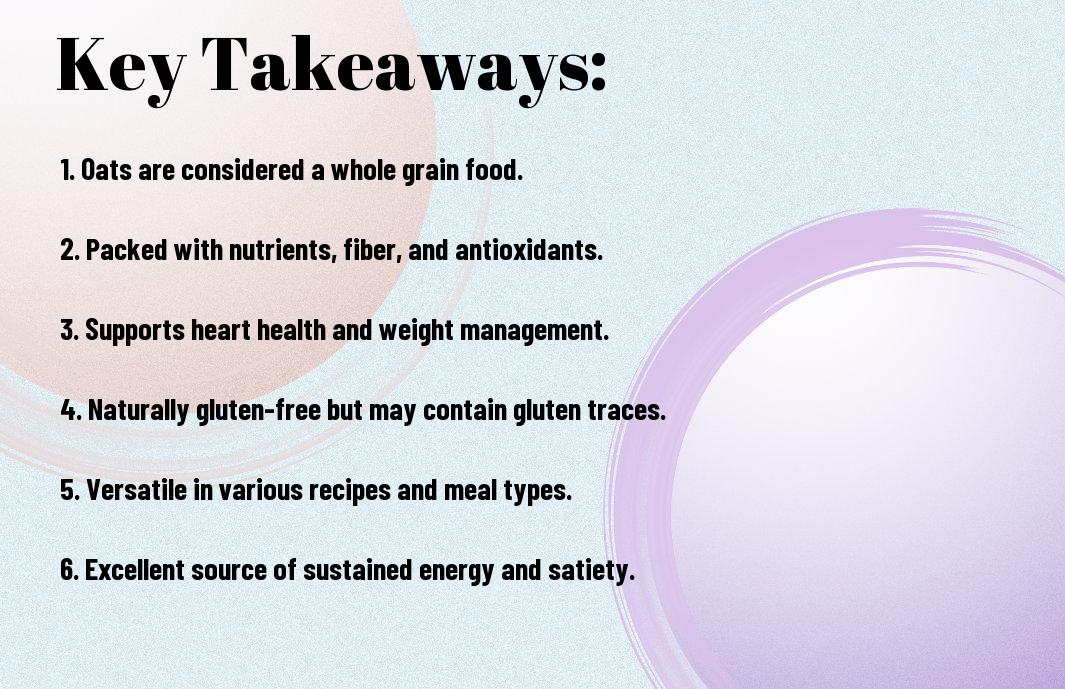
Key Takeaways:

  • Whole Food Classification: Oats are considered a whole food as they contain all parts of the grain, including the bran, germ, and endosperm.
  • Nutrient Density: Oats are rich in necessary nutrients such as fiber, protein, vitamins, and minerals, contributing to their status as a whole food.
  • Health Benefits: Consuming oats can support heart health, aid in digestion, and help regulate blood sugar levels, highlighting their wholesomeness.
  • Minimal Processing: Rolled and steel-cut oats are minimally processed, making them closer to their natural state compared to instant oats.
  • Variety of Uses: Oats can be incorporated into various meals, from breakfast to baking, making them a versatile choice in whole food diets.

Understanding Whole Foods

Before entering into the specifics of oats and their classification, it’s important to understand what whole foods are and why they play a crucial role in your diet.

Definition of Whole Foods

With whole foods, you are referring to foods that are minimally processed and free from artificial ingredients, preservatives, and additives. They are often in their natural state, retaining their imperative nutrients, fiber, and flavor, making them the foundation of a healthy diet.

Nutritional Benefits of Whole Foods

On focusing on whole foods, you benefit from a wide array of imperative nutrients, including vitamins, minerals, and antioxidants. These foods typically have a higher fiber content, which can support digestive health and promote satiety, helping you manage your weight more effectively.

Whole foods also contribute to reduced inflammation and lower risk of chronic diseases such as heart disease and diabetes. Including a variety of whole foods in your diet ensures that you receive a balanced intake of nutrients, thus positively impacting your overall health and well-being. By emphasizing whole foods, you invest in a lifestyle that supports energy, vitality, and longevity.

Oats: A Nutritional Overview

Some might wonder if oats are a whole food, but with their rich nutritional profile, they are certainly a staple in many healthy diets. Not only do they provide imperative nutrients, but they also offer various health benefits. For a great option, consider Organic Old Fashioned Whole Grain Rolled Oats, 32 oz, which are both wholesome and versatile.

Types of Oats

Any discussion about oats usually includes several types that cater to different preferences and cooking methods. Each type varies in texture, cooking time, and uses:

  • Whole Oat Groats
  • Steel-Cut Oats
  • Rolled Oats
  • Instant Oats
  • Oat Flour

The distinction between these forms can influence your cooking experience and the dish’s final texture.

Type of Oats Cooking Time
Whole Oat Groats 50-60 minutes
Steel-Cut Oats 20-30 minutes
Rolled Oats 5-10 minutes
Instant Oats 1-2 minutes
Oat Flour Not applicable

Nutritional Composition of Oats

With their rich blend of macronutrients and micronutrients, oats pack a powerful punch. They are particularly known for being high in fiber, protein, and imperative vitamins and minerals.

To give you a clearer picture, oats contain significant amounts of soluble fiber, particularly beta-glucan, which can help manage cholesterol levels and improve heart health. In addition, they provide a range of vitamins including B vitamins and minerals like iron, magnesium, and zinc, all imperative for your body’s overall functioning and health. The combination of these nutrients makes oats a powerful whole food to include in your diet.

Oats as Part of a Whole Food Diet

For those seeking to adopt a whole food diet, oats present a versatile and nutritious option. Incorporating oats into your daily meals can significantly enhance your overall nutritional profile, providing you with imperative vitamins, minerals, and fiber. By choosing whole grain oats, you ensure that you’re consuming a minimally processed food that supports your health goals and complements a well-rounded diet.

Role of Oats in Balanced Nutrition

Oats serve as a fantastic source of complex carbohydrates, offering sustained energy while being low in sugar. This makes them an ideal addition to breakfasts or snacks, helping you maintain your energy levels throughout the day. Additionally, they are rich in fiber, which can aid digestion and promote satiety, thus supporting balanced nutrition in your diet.

Health Benefits of Oats

Whole oats are not just filling; they also come with numerous health benefits that can impact your well-being positively. They are known to lower cholesterol levels, stabilize blood sugar, and promote heart health, making them a valuable addition to your diet.

With their high content of beta-glucans, oats can help reduce LDL cholesterol and may lower the risk of heart disease. They also provide antioxidants that fight inflammation, contribute to digestive health through their soluble fiber, and can even assist with weight management by promoting feelings of fullness. By including oats in your meals, you’re investing in your long-term health while enjoying a delightful and versatile food.

Final Words

Now that you have explored the nature of oats, you can confidently conclude that they are indeed a whole food. Rich in nutrients and health benefits, incorporating oats into your diet can enhance your overall well-being. As you focus on whole food options, remember that oats, in their minimally processed form, provide imperative fiber, vitamins, and minerals that support a balanced lifestyle. Embrace oats as a wholesome addition to your meals and reap the rewards of this nutritious grain.

FAQ

Q: Are oats considered a whole food?

A: Yes, oats are considered a whole food. A whole food is one that is minimally processed and is close to its natural state. Oats, particularly whole grain oats, retain their bran, germ, and endosperm, making them a source of fiber, vitamins, and minerals. For the healthiest option, look for less processed forms like steel-cut or rolled oats, rather than instant oats, which often have added sugars or preservatives.

Q: What are the health benefits of consuming whole oats?

A: Whole oats are rich in nutrients and offer several health benefits. They are a great source of dietary fiber, particularly beta-glucan, which can help lower cholesterol levels and improve heart health. Oats also provide important vitamins and minerals, including magnesium, phosphorus, and B vitamins. Additionally, they have a low glycemic index, which helps to maintain stable blood sugar levels, making them a great choice for those managing diabetes or looking to control their weight.

Q: How can I incorporate whole oats into my diet?

A: There are many delicious ways to incorporate whole oats into your diet. You can start your day with oatmeal for breakfast, topped with fruits, nuts, or seeds. Oats can also be used in smoothies for added nutrition, as a base for homemade granola, or as a flour substitute in baking recipes like muffins and pancakes. Additionally, oats can be added to savory dishes like meatloaf or veggie burgers to enhance texture and nutritional value.

Which bacteria causes food poisoning

Over time, you may have experienced the discomfort of food poisoning, but do you know which bacteria are responsible for it? Understanding the common culprits can help you make safer food choices and prevent illness. This post explores the primary bacterial pathogens that cause foodborne illness, their sources, and how you can reduce your risk of exposure. By knowing the facts, you empower yourself to protect your health and that of your loved ones.

Key Takeaways:

  • Common pathogens: The primary bacteria that cause food poisoning include Salmonella, Escherichia coli (E. coli), and Listeria monocytogenes.
  • Sources of contamination: These bacteria can be found in improperly cooked meats, unpasteurized dairy products, and contaminated fruits and vegetables.
  • Symptoms and prevention: Food poisoning symptoms can range from nausea and vomiting to severe diarrhea; prevention includes proper food handling, cooking, and storage practices.

Common Bacteria Responsible for Food Poisoning

Your awareness of the common bacteria responsible for food poisoning is necessary for reducing risk. Bacteria such as Salmonella, Escherichia coli (E. coli), Listeria monocytogenes, and Campylobacter frequently cause foodborne illnesses. Understanding their symptoms and causes can help you take preventive measures. For more information, check the Symptoms & Causes of Food Poisoning – NIDDK.

Salmonella

Around 1.35 million infections occur yearly in the U.S. due to Salmonella, primarily found in raw poultry, eggs, and unwashed vegetables. Its symptoms usually manifest within six hours to six days after exposure.

Escherichia coli (E. coli)

For many, E. coli triggers severe gastrointestinal distress, typically sourced from undercooked ground beef, unpasteurized milk, or contaminated produce.

Responsible for an estimated 265,000 infections annually in the U.S., E. coli can cause serious complications like hemolytic uremic syndrome (HUS) in vulnerable populations, including children and the elderly. Proper cooking and hygiene practices significantly help reduce infection risks.

Listeria monocytogenes

At considerable risk is Listeria, often found in deli meats, unpasteurized dairy, and ready-to-eat foods. It can cause severe illness and complications during pregnancy.

Hence, Listeria is especially concerning due to its ability to grow in refrigerated environments and cause serious infections. Pregnant women, newborns, older adults, and individuals with weakened immune systems are most susceptible, emphasizing the importance of food safety practices during food preparation and storage.

Campylobacter

To many, Campylobacter is recognized as a leading cause of bacterial gastroenteritis. It is typically found in undercooked poultry and untreated water.

Poisoning from Campylobacter is often associated with consuming contaminated food or beverages, leading to diarrhea, fever, and abdominal cramps. Ensuring thorough cooking of poultry and practicing good kitchen hygiene can minimize the risk of infection.

Symptoms of Food Poisoning

Once again, it’s important to be aware of the various symptoms signaling food poisoning. These can range from mild discomfort to severe distress, typically manifesting within hours or days after consuming contaminated food. You may experience nausea, vomiting, diarrhea, abdominal cramps, and fever, all of which indicate your body is reacting to harmful bacteria or toxins. Understanding these symptoms can help you take the right steps towards recovery and prevention.

Gastrointestinal Symptoms

Beside the general discomfort, gastrointestinal symptoms are the most common indicators of food poisoning. You may experience frequent episodes of diarrhea, vomiting, and intense abdominal cramps, which can leave you feeling dehydrated and weak. These symptoms usually arise as your body attempts to rid itself of the harmful agents ingested.

Systemic Symptoms

An understanding of systemic symptoms is equally vital, as they indicate a more severe reaction to the foodborne illness. You might experience fever, chills, fatigue, and headaches, which are responses your body uses to fight off the infection. These symptoms can be debilitating and require attention to ensure that your overall health is not compromised.

With systemic symptoms, it is vital to monitor your overall condition. If you notice signs of severe dehydration or high fever lasting more than a couple of days, consider seeking medical attention. Your immune system works hard during food poisoning, and paying attention to systemic responses can help you gauge the seriousness of your symptoms. Be vigilant about hydration and aim to rest your body for swift recovery.

Transmission and Risk Factors

Unlike many other illnesses, food poisoning often spreads through specific bacteria that thrive in particular environments. Key risk factors include the following:

  • Improper food storage
  • Undercooked meats and eggs
  • Unwashed fruits and vegetables
  • Cross-contamination between raw and cooked foods
  • Inadequate personal hygiene

Any of these factors can significantly increase your chances of contracting foodborne illness.

Contaminated Food Sources

Risk starts with identifying contaminated food sources, as these can harbor the bacteria responsible for food poisoning. Common sources include undercooked or raw meat, unpasteurized dairy products, and contaminated produce. You should be aware that these foods may not always appear spoiled but can still carry harmful microorganisms.

Poor Handling Practices

Poor handling practices often lead to harmful bacteria entering your food supply. You may unknowingly contribute to contamination by not washing your hands after handling raw foods or using the same cutting board for different ingredients without proper cleaning.

In fact, many food poisoning cases stem from neglecting basic food safety measures. By using separate utensils for raw and cooked foods, keeping your kitchen surfaces cleaned frequently, and ensuring proper handwashing, you can greatly decrease the risk of introducing harmful bacteria into your meals. Taking these simple steps can protect both your health and the well-being of others who may consume your food.

Diagnosis of Food Poisoning

For an accurate diagnosis of food poisoning, healthcare providers will often rely on a combination of laboratory tests and clinical assessments. It’s important for you to provide detailed information about your symptoms, the timeline of their onset, and any potential sources of contaminated food. This comprehensive approach helps in identifying the specific bacteria responsible, enabling quicker and more effective treatment.

Laboratory Testing

Around the world, laboratory testing plays a vital role in confirming cases of food poisoning. This includes analysis of stool samples, which can reveal the presence of harmful bacteria or toxins. In some situations, food samples may also be tested to identify any pathogens that may have caused the illness.

Clinical Assessment

Poisoning that leads to foodborne illness is often diagnosed based on a thorough clinical assessment. Your healthcare provider will evaluate your symptoms, medical history, and possible exposures to contaminated food. They may ask about the type of food consumed, how it was prepared, and any similar illnesses in those who shared the meal with you.

Further insights from your clinical assessment can significantly enhance the accuracy of the diagnosis. By discussing your symptoms and the duration of your illness, you provide important clues that assist healthcare professionals in identifying potential pathogens. Additionally, they may perform physical examinations to check for signs of dehydration or other complications, which aid in determining the severity of your condition and the best course of action for treatment.

Prevention Strategies

All food safety precautions are important in reducing your risk of food poisoning. To keep your meals safe, wash your hands before handling food, keep your kitchen surfaces clean, and store food at safe temperatures. Avoid cross-contamination by using different cutting boards for raw meats and vegetables. When cooking, ensure that foods reach the proper internal temperature to eliminate harmful bacteria. These simple yet effective methods help you safeguard your meals and maintain good health.

Food Safety Practices

About practicing food safety is vital in your kitchen. Always defrost food in the refrigerator, avoid leaving perishable items out for too long, and thoroughly wash fruits and vegetables before consuming. By incorporating these practices into your cooking routine, you effectively minimize the chances of foodborne illness.

Public Health Guidelines

Between your personal food handling and government recommendations, public health guidelines play a significant role in preventing food poisoning. Following these guidelines means you understand the importance of safety standards, labeling practices, and food recalls. Staying informed about local food safety alerts can further protect you and your community.

It is important to pay attention to public health guidelines issued by local health authorities. These guidelines provide information on safe food storage, preparation, and handling practices that you should follow. Staying updated on food recalls, guidance for specific food types, and safe consumption practices helps ensure you prioritize your health and well-being. By adhering to these recommendations, you contribute to a safer food environment not only for yourself but also for those around you.

Treatment Options

Keep in mind that treating food poisoning focuses on relieving symptoms and preventing complications. Most cases resolve on their own, but supportive care is vital. You should ensure that you stay hydrated and replenish lost fluids, especially if you are experiencing vomiting or diarrhea. In some instances, you may need to consult a healthcare provider for more targeted treatments.

Hydration and Rest

With food poisoning, your body loses vital fluids, making hydration crucial. You should focus on drinking clear fluids, like oral rehydration solutions, broth, or electrolyte drinks. Resting allows your body to recover and heal more effectively, so don’t hesitate to take a break while you recover.

Medical Interventions

An evaluation by a healthcare professional may be necessary, especially if your symptoms are severe or prolonged. They might recommend medications to relieve symptoms or specific treatments based on the bacteria causing your food poisoning.

Interventions can vary depending on the severity of your condition and the bacteria involved. In some cases, antibiotics may be prescribed if a bacterial infection is detected, while anti-nausea medications can help manage persistent vomiting. Always ensure to follow your healthcare provider’s recommendations regarding any medications and follow-up care. Seeking prompt medical attention can also help identify any complications, ensuring your recovery is both thorough and efficient.

Summing up

Presently, when considering food poisoning, you should be aware that several bacteria can be responsible, including Salmonella, E. coli, Listeria, and Campylobacter. Each of these pathogens can proliferate in improperly stored or cooked food, leading to various symptoms ranging from mild to severe illness. Understanding which bacteria are most common in your food supply can help you take the necessary precautions to avoid contamination, ensuring your meals are both safe and enjoyable.

FAQ

Q: What are the most common bacteria that cause food poisoning?

A: The most common bacteria responsible for food poisoning include Salmonella, Escherichia coli (E. coli), Listeria monocytogenes, Campylobacter, and Staphylococcus aureus. Each of these bacteria can contaminate food and lead to various gastrointestinal symptoms ranging from mild discomfort to severe illness.

Q: How does Salmonella cause food poisoning?

A: Salmonella bacteria usually live in the intestinal tract of animals and humans. Food can become contaminated through handling raw meat or eggs, consuming undercooked food, or cross-contamination with other foods or surfaces. Symptoms of Salmonella food poisoning can include diarrhea, fever, abdominal cramps, and vomiting, typically occurring 6 hours to 6 days after infection.

Q: What are the symptoms of food poisoning caused by E. coli?

A: Food poisoning caused by E. coli can result in severe stomach cramps, diarrhea (which may be bloody), vomiting, and sometimes a low-grade fever. Symptoms usually appear 3 to 4 days after exposure to the bacteria, but they can vary. Certain strains, like E. coli O157:H7, can lead to serious complications such as hemolytic uremic syndrome.

Q: What is the risk associated with Listeria monocytogenes?

A: Listeria monocytogenes is particularly dangerous for pregnant women, newborns, older adults, and individuals with weakened immune systems. It can be found in improperly processed deli meats, unpasteurized dairy products, and raw vegetables. Symptoms may include fever, muscle aches, nausea, and diarrhea. In severe cases, it can lead to meningitis or miscarriage.

Q: How can food contamination with Campylobacter occur?

A: Campylobacter is often found in raw or undercooked poultry, unpasteurized milk, and contaminated water. Contamination can happen through improper cooking, cross-contamination from raw meats, or consuming contaminated food and water. Symptoms usually appear within 2 to 5 days after exposure and include diarrhea (often bloody), fever, and abdominal cramps.

Can I flush out food poisoning

Most people experience food poisoning at some point and often wonder if they can flush it out of their system quickly. While hydration is vital, understanding the proper steps to alleviate symptoms is key. You might consider various remedies and strategies to support your recovery. However, knowing when to seek medical help is also important. In this post, we will explore effective methods to manage food poisoning and help you feel better faster.

Key Takeaways:

  • Hydration: Staying hydrated is vital for recovering from food poisoning, as it helps flush toxins from your system.
  • Avoiding Solid Foods: It’s recommended to avoid solid foods initially to give your digestive system time to recover.
  • Seek Medical Attention: If symptoms persist or worsen, consulting a healthcare professional is important for proper treatment.

Understanding Food Poisoning

Your body may react severely to contaminated food or beverages, leading to food poisoning. This condition can arise from bacteria, viruses, or parasites lurking in improperly handled or cooked items, often resulting in uncomfortable gastrointestinal symptoms. It’s vital to understand its origins and effects to protect yourself and others from its potential dangers.

Common Causes

On many occasions, food poisoning stems from consuming undercooked meat, unpasteurized dairy products, or contaminated produce. Cross-contamination in kitchens can also play a significant role, where clean food comes into contact with harmful pathogens found on surfaces or utensils. Following safe food handling practices is important to reduce your risk.

Symptoms to Watch For

Across various cases of food poisoning, symptoms like nausea, vomiting, diarrhea, and abdominal cramps may arise within hours to days after consuming contaminated food. While most individuals recover without treatment, it’s important to be aware of worsening conditions, which may require medical intervention.

Hence, it is important to take note of any symptoms that persist or intensify as they may signify a more severe infection. You should be particularly vigilant for symptoms such as high fever, prolonged diarrhea, or blood in the stool, as these may indicate a need for professional healthcare. Staying alert to these signs can help you manage your recovery effectively.

The Body’s Natural Defense

Some of the body’s natural defenses play an vital role in combating food poisoning. When faced with harmful pathogens, your immune system activates to flush out toxins and protect you from further illness. Supporting your body during this process is vital, and you can learn about How To Recover From Food Poisoning Fast to aid your recovery.

How the Body Flushes Out Toxins

Bodys’ first line of defense against food poisoning includes vomiting, diarrhea, and increased sweating, which help remove harmful substances. These mechanisms are your body’s way of expelling toxins and pathogens. It’s important to listen to your body as it works to restore balance.

The Role of Hydration

Toxins can lead to dehydration, especially if you’re experiencing vomiting or diarrhea. Maintaining hydration helps your body effectively eliminate these toxic substances. Drinking water or oral rehydration solutions is vital to support your recovery and prevent further complications.

At a time when your body is battling food poisoning, staying hydrated can significantly impact your recovery. Fluid intake not only aids in flushing out toxins but also replenishes what you may have lost through illness. Aim to drink clear fluids regularly to stabilize your body’s functions and facilitate a quicker healing process.

Home Remedies

Despite the discomfort that comes with food poisoning, there are several home remedies you can explore to alleviate your symptoms. Simple approaches, such as staying hydrated and resting, can significantly aid your recovery. However, it’s crucial to monitor your symptoms closely and seek medical attention if they worsen or persist, as some cases may require professional intervention.

Fluids and Electrolytes

Among the key strategies to combat food poisoning is replenishing fluids and electrolytes. Staying hydrated can help replace the fluids lost through vomiting or diarrhea. You can drink water, broth, or electrolyte solutions to maintain hydration levels and support your body as it fights off the infection.

Foods to Avoid

Avoid certain foods that can further irritate your digestive system during recovery from food poisoning. Fatty, spicy, or heavily processed foods can exacerbate symptoms and prolong your discomfort. Opting for bland, easily digestible foods can help soothe your stomach while allowing your body to heal.

In fact, you should steer clear of dairy products, caffeine, and alcohol as they can worsen symptoms and slow down recovery. Sugary foods can also upset your stomach, leading to more discomfort. Focus on bland options, such as toast, rice, bananas, and applesauce, to provide your body with the crucial nutrients it needs without adding stress to your digestive system.

When to Seek Medical Attention

After experiencing symptoms of food poisoning, it is important to assess the severity of your condition. If you find that your symptoms persist for more than 48 hours, or if you are unable to keep fluids down due to vomiting or diarrhea, it may be time to seek medical attention. Additionally, if you notice any signs of dehydration or if your symptoms worsen, contact a healthcare professional for guidance and support.

Warning Signs

An urgent indication that you should seek medical help is when you experience high fever, severe abdominal pain, or blood in your stool. These symptoms can signify a more serious infection that requires immediate medical intervention. Additionally, if you are experiencing dizziness or confusion, these could be signs of dehydration that may warrant prompt attention from a healthcare provider.

Medical Treatments Available

For food poisoning, a healthcare professional may recommend various treatments depending on your symptoms and their severity. You could be advised to stay hydrated and might be provided with electrolyte drinks to replenish fluids lost. In some cases, specific medications may be prescribed to alleviate severe symptoms, or if a bacterial infection is identified, antibiotics may be necessary.

And, if your condition is more serious, hospitalization may be required to ensure you receive intravenous (IV) fluids and more intensive care. Additionally, healthcare providers can monitor your symptoms and provide treatments that are tailored to the type of food poisoning affecting you. Taking prompt action can help prevent complications and promote a faster recovery.

Prevention Strategies

All food poisoning can often be avoided by implementing effective prevention strategies. Incorporating safe food handling practices and adhering to guidelines when dining out are imperative steps you can take. By being proactive about food safety, you can minimize your risk of experiencing unpleasant symptoms associated with foodborne illnesses.

Safe Food Handling

Besides understanding the importance of proper cooking temperatures, you should also prioritize cleanliness in your kitchen. Always wash your hands, utensils, and surfaces thoroughly before preparing food. Make sure to separate raw and cooked foods to prevent cross-contamination, and store food properly to keep it fresh and safe for consumption.

Guidelines for Eating Out

Around dining establishments, it’s wise to be vigilant about food safety practices. Check for cleanliness and look for signs of poor hygiene among staff. Opt for restaurants that prioritize food safety, and don’t hesitate to ask questions about their food preparation practices. Your vigilance can help ensure a safe dining experience.

To further safeguard your health when eating out, choose restaurants with a good reputation based on reviews and ratings. Pay attention to how the staff handle food and whether they follow proper hygiene practices. If possible, look for establishments that provide transparent information regarding their sourcing and preparation methods. This proactive approach will enhance your dining experience while minimizing the risk of foodborne illnesses.

Myths and Facts

Keep in mind that there are numerous myths surrounding food poisoning. Many people believe that simply drinking fluids or taking certain medications can flush the toxins from your system, but this is often misleading. It’s crucial to understand the nature of foodborne illnesses and how your body reacts to them.

Common Misbeliefs About Food Poisoning

About 50% of people think that they can rid their bodies of food poisoning by inducing vomiting or excessive hydration alone. While staying hydrated is important, it does not eliminate the bacteria or toxins causing the illness.

Evidence-Based Truths

Across various studies, experts agree that the best approach to managing food poisoning involves patient care rather than just self-treatment. While hydration is vital, recovery often requires letting the illness run its course.

Also, medical professionals recommend resting and allowing your body to naturally eliminate toxins. Drinking plenty of fluids helps replenish lost electrolytes, but it’s not a cure. In severe cases, seeking medical attention may be necessary, especially if symptoms persist or worsen. Understanding these truths can guide your recovery and ensure you take the right steps following a bout of food poisoning.

Summing up

Following this, it’s important to understand that flushing out food poisoning typically involves staying hydrated and allowing your body to recover naturally. You should focus on drinking clear fluids and resting your digestive system. While you might experience discomfort, your body generally knows how to handle foodborne illness. If symptoms persist or worsen, consulting a healthcare professional is advisable to ensure appropriate care. Your health is paramount, so taking these steps can help you manage the situation effectively.

FAQ

Q: Can I flush out food poisoning by drinking water?

A: Staying hydrated is important if you suspect you have food poisoning, as it helps prevent dehydration caused by vomiting or diarrhea. Drinking water can help flush out toxins from your system. However, while hydration is beneficial, it won’t eliminate the bacteria or toxins that may be causing your symptoms. It’s advisable to drink clear fluids, such as water or electrolyte solutions, rather than overly sugary or caffeinated drinks.

Q: Are there specific foods or drinks that can help flush out food poisoning?

A: Certain foods and fluids can support recovery from food poisoning. Clear broths, ginger tea, and herbal teas can soothe the stomach. Foods like bananas, rice, applesauce, and toast (often referred to as the BRAT diet) are bland and easier to digest while providing necessary nutrients. These options do not flush out toxins, but they may aid recovery by being gentle on your digestive system.

Q: How long does food poisoning last, and when should I seek medical attention?

A: The duration of food poisoning varies depending on the cause, but symptoms typically last from a few hours to several days. You should seek medical attention if you experience severe symptoms such as high fever, prolonged vomiting, blood in your stools, signs of dehydration (like dizziness or a decrease in urination), or if symptoms persist beyond a few days. Early medical intervention can provide appropriate treatment and help prevent complications.

Q: Can over-the-counter medications help with food poisoning?

A: Over-the-counter medications like loperamide (Imodium) may help control diarrhea, while antacids may relieve stomach discomfort. However, it is often best to allow your body to expel the toxins naturally without suppressing symptoms. It’s wise to consult with a healthcare professional before taking any medications, especially if you have severe symptoms.

Q: Is it possible to completely detoxify after food poisoning?

A: The body has natural mechanisms for detoxification, primarily involving the liver and kidneys. While you cannot completely flush out food poisoning in the conventional sense, your body will typically eliminate harmful bacteria or toxins over time. Focusing on hydration, rest, and a balanced diet can support your body’s recovery process. If symptoms persist, consult a healthcare provider for personalized advice and treatment.

What's the healthiest way to cook chicken

Overwhelmed by the myriad of cooking methods for chicken? In terms of your health, how you prepare your poultry matters. In this informative guide, you’ll discover the healthiest way to cook chicken to keep it delicious and nutritious. By making the right cooking choices, you can enjoy a tasty meal without compromising your health goals. Let’s explore the best practices for preparing chicken that your body will thank you for.

Key Takeaways:

  • Grilling or baking chicken is the healthiest way to cook it as these methods require little to no added fats.
  • Avoid deep frying or pan frying chicken as these methods add unnecessary calories and unhealthy fats to the dish.
  • Choose skinless, lean cuts of chicken and season with herbs and spices instead of heavy sauces to keep your meal healthy.

Nutritional Benefits of Chicken

High-Quality Protein

Chicken is an excellent source of high-quality protein, which is important for building and repairing tissues in your body. When you consume chicken, you are providing your body with all the necessary amino acids required for muscle growth and maintenance. This lean protein source can help you feel full and satisfied, making it a great option for those looking to manage their weight.

Rich in Vitamins and Minerals

Benefits outweigh the potential risks posed by unhealthy cooking methods. Chicken is rich in important vitamins and minerals such as B vitamins, which are crucial for energy production and brain function. Additionally, chicken contains important minerals like iron and zinc, which are important for immune function and overall health maintenance.

Protein is important for muscle growth, tissue repair, and overall health. Chicken is a great source of complete protein, providing all the important amino acids that your body needs to function properly. By incorporating chicken into your diet, you can ensure that you are getting an adequate amount of protein to support your body’s needs.

Cooking Methods to Avoid

Clearly, not all cooking methods are created equal when it comes to the healthiness of your chicken dishes. Some cooking techniques can actually strip the chicken of its nutrients, increase its calorie count, or introduce harmful compounds. Here are a few cooking methods you should avoid if you’re looking to keep your chicken dishes as healthy as possible.

Unhealthiest: Fried Chicken: The Unhealthiest Option

Unhealthiest, while undeniably delicious, fried chicken is one of the least healthy ways to cook chicken. When chicken is deep-fried, it absorbs a significant amount of oil, leading to a high calorie and fat content. Additionally, the breading used in fried chicken recipes often contains refined carbohydrates and added sugars, further contributing to its unhealthy profile. Regularly indulging in fried chicken can increase your risk of obesity, heart disease, and other health problems.

Chicken: Overcooking: A Nutrient-Killer

Methods such as overcooking can turn your once-healthy chicken dish into a nutrient-deprived meal. Overcooking chicken can lead to the loss of important vitamins and minerals, such as vitamin B6 and selenium. To avoid this, make sure to cook your chicken just until it reaches the appropriate internal temperature, using a meat thermometer to ensure it’s fully cooked without going overboard.

Healthier Cooking Options

Grilling: A Low-Fat, High-Flavor Method

Not only is grilling a popular cooking method, but it’s also a healthier option when preparing chicken. Cooking chicken on the grill allows the excess fat to drip away from the meat, resulting in a lower-fat end product. The high heat of the grill also helps to give chicken a delicious smoky flavor without the need for extra fats or oils.

Roasting: Bringing Out the Natural Flavors

Bringing out the natural flavors of chicken through roasting is another healthy and tasty way to enjoy this protein. Roasting involves cooking chicken in the oven at a moderate temperature, allowing the meat to cook slowly and evenly. This method helps to retain the moisture and flavor of the chicken while minimizing the need for added fats or oils.

When roasting chicken, you can enhance the flavor by seasoning the meat with herbs, spices, and citrus before cooking. This not only adds depth to the taste but also boosts the nutritional value of the dish.

Poaching: A Moist and Tender Option

Natural juices and flavors are preserved when you poach chicken, making it a moist and tender cooking option. Poaching involves gently simmering chicken in liquid, such as broth or water, until it is cooked through. This method helps to keep the chicken juicy and flavorful without the need for additional fats.

Plus, poaching is a versatile technique that allows you to infuse the chicken with different flavors by using various herbs, spices, and aromatics in the poaching liquid. This creates a delicious and healthy dish that can be enjoyed on its own or used in salads, sandwiches, or wraps.

The Importance of Cooking Temperature

Once again, it is crucial to pay attention to the cooking temperature when preparing chicken. Cooking temperature plays a significant role in ensuring that your chicken is safe to eat and delicious to enjoy. Here’s why cooking temperature is so important:

Food Safety Taste and Texture
Proper cooking temperature helps avoid foodborne illnesses such as Salmonella and Campylobacter. The right temperature ensures that the chicken is cooked to perfection, juicy on the inside and crispy on the outside.

Food Safety: Avoiding Salmonella and Campylobacter

For optimal food safety, it is crucial to cook chicken to the right internal temperature. Chicken can be contaminated with harmful bacteria like Salmonella and Campylobacter, which can cause foodborne illnesses if not cooked thoroughly. To prevent these risks, make sure to cook your chicken to the recommended internal temperature.

Optimal Internal Temperature for Chicken

An imperative aspect of cooking chicken safely is knowing the optimal internal temperature to reach. The USDA recommends cooking chicken to an internal temperature of 165°F (73.9°C) to kill any harmful bacteria present. By using a food thermometer, you can ensure that your chicken reaches this safe temperature, reducing the risk of foodborne illnesses.

Internal Temperature Description
165°F (73.9°C) Safe minimum internal temperature to kill bacteria and ensure the chicken is fully cooked.

With this knowledge, you can confidently cook chicken to the perfect temperature, ensuring both safety and delicious taste in every bite. Remember to always use a food thermometer to check the internal temperature and enjoy your chicken dishes with peace of mind.

Marinades and Seasonings: Adding Flavor Without Added Salt

Now let’s explore how you can add flavor to your chicken without relying on salt. Using marinades and seasonings is a great way to enhance the taste of your chicken while keeping it healthy.

Herbs and Spices: A Healthy Alternative to Salt

Healthy herbs and spices are a delicious way to season your chicken without adding extra salt. Herbs like rosemary, thyme, and oregano can bring a burst of flavor to your chicken dishes. Spices such as cumin, paprika, and turmeric can add depth and richness without the need for salt. Experiment with different herb and spice combinations to find your favorite flavor profile.

Acidic Marinades: Tenderizing without Added Fat

Tenderizing your chicken with acidic marinades is another way to infuse flavor without adding extra fat. Ingredients like lemon juice, vinegar, or yogurt can help break down the proteins in the chicken, resulting in a tender and flavorful dish. These acidic marinades not only enhance the taste of the chicken but also make it more succulent and juicy.

Salt should be used sparingly in your chicken recipes. While a pinch of salt can enhance flavors, relying too heavily on salt can lead to health problems like high blood pressure. By exploring alternative seasonings and tenderizing techniques, you can enjoy delicious and healthy chicken dishes without sacrificing flavor.

Cooking Chicken Breasts vs. Thighs

Breast Meat: Leaner but Drier

To cook chicken breasts, you can opt for methods like grilling, baking, or sautéing. These cuts are leaner than thighs, which makes them a popular choice for those watching their calorie intake. However, the lower fat content in chicken breasts can also make them prone to drying out if overcooked. To prevent this, make sure not to overcook your chicken breasts and consider using marinades or sauces to add moisture and flavor.

Thigh Meat: Higher in Fat but More Moist

As far as cooking chicken thighs, the higher fat content compared to breasts results in a more flavorful and moist end product. You can roast, braise, or grill chicken thighs to enhance their natural juiciness and tenderness. The slightly higher fat content also means they are more forgiving when it comes to cooking times, making them a great choice for beginners or those looking for a more forgiving cut of meat.

Another Meat

Another benefit of choosing chicken thighs is the richer flavor they offer compared to chicken breasts. The additional fat content not only contributes to moisture but also helps enhance the overall taste of the dish. If you’re looking to elevate the flavor of your chicken dish, consider using chicken thighs for a more indulgent and satisfying meal.

Final Words

As a reminder, when it comes to cooking chicken in a healthy way, it is important to choose methods that retain as many nutrients as possible while minimizing the consumption of added fats or oils. Baking or grilling chicken are great options that can help you maintain a balanced diet and reduce unnecessary intake of unhealthy fats. Remember to also follow proper cooking times and temperatures to ensure that your chicken is cooked thoroughly and safely. If you’re looking for more information on this topic, you can check out How Long Should You Cook a Chicken, and What Is … for additional insights.

Q: What is the healthiest way to cook chicken?

A: The healthiest way to cook chicken is by baking or grilling it. These methods require minimal added fat and retain more nutrients compared to frying or sautéing.

Q: Is it better to cook chicken with or without the skin?

A: It is generally healthier to cook chicken without the skin. The skin contains a significant amount of fat, so removing it before cooking can help reduce the overall calorie and fat content of the dish.

Q: What are some healthy seasoning options for cooking chicken?

A: Some healthy seasoning options for cooking chicken include herbs like rosemary, thyme, and oregano, as well as spices like paprika, garlic powder, and cumin. These seasonings add flavor without extra calories or sodium.

Skip to content