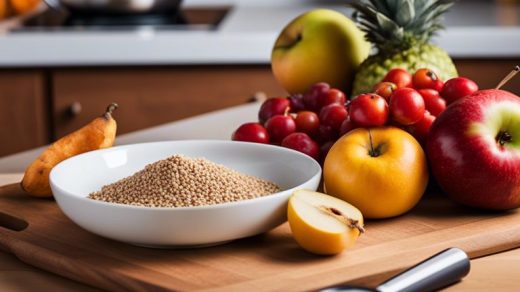
With the increasing focus on health and wellness, you may wonder what a whole food diet entails. Essentially, a whole food diet emphasizes consuming unprocessed or minimally processed foods that are close to their natural state, such as fruits, vegetables, whole grains, nuts, and seeds. By prioritizing these nutrient-dense foods, you can improve your overall health and well-being. For a deeper understanding, check out What ARE Whole Foods? : r/WholeFoodsPlantBased.
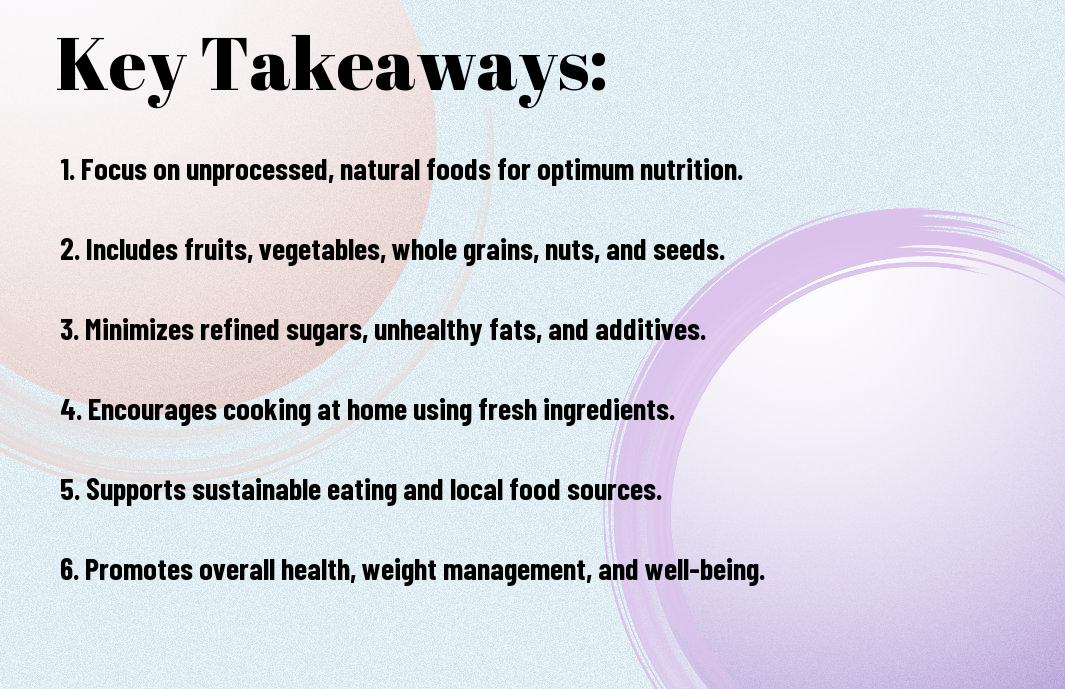
Key Takeaways:
- Whole Foods: A whole food diet emphasizes the consumption of unprocessed or minimally processed foods, such as fruits, vegetables, grains, nuts, seeds, and legumes.
- Nutrient Density: Whole foods are typically more nutrient-dense than processed foods, providing crucial vitamins, minerals, and antioxidants that support overall health.
- Reduced Additives: This diet limits the intake of artificial additives, preservatives, and high amounts of sugar and sodium, promoting cleaner eating patterns.
- Health Benefits: Adopting a whole food diet can lead to various health benefits, including better weight management, improved digestion, and lower risk of chronic diseases.
- Sustainability: A whole food diet often encourages local and seasonal food choices, which can also benefit the environment and support sustainable farming practices.
Understanding Whole Foods
A whole food diet emphasizes the consumption of unprocessed or minimally processed foods that are free from artificial additives. For a deeper dive on this topic, visit Whole Foods – NYC Health.
Definition of Whole Foods
Understanding whole foods begins with recognizing them as those that are in their natural form or have undergone minimal processing. These foods retain their original nutrients and are devoid of added sugars, unhealthy fats, and synthetic ingredients. You can think of whole foods as the most natural forms of food you can consume.
Types of Whole Foods
Any whole food can generally be categorized into several types that you can easily incorporate into your diet. These include:
- Fruits and vegetables: Fresh, frozen, or dried.
- Whole grains: Brown rice, quinoa, and whole oats.
- Nuts and seeds: Almonds, chia seeds, and walnuts.
- Legumes: Beans, lentils, and peas.
- Animal proteins: Grass-fed meats, eggs, and wild-caught fish.
Perceiving whole foods in these categories can make it easier for you to choose healthier options.
| Type | Examples |
|---|---|
| Fruits | Apples, Bananas, Berries |
| Vegetables | Spinach, Carrots, Broccoli |
| Whole Grains | Brown Rice, Quinoa, Barley |
| Nuts | Almonds, Walnuts, Cashews |
| Legumes | Chickpeas, Lentils, Kidney Beans |
Another crucial aspect to consider is the difference between whole foods and processed foods. Processed foods often contain added ingredients that compromise their nutritional value. When you focus on whole foods, you inherently embrace healthier eating habits. Whole foods can also provide you with more energy and vitality, as you are consuming nutrient-dense and flavorful options.
- Minimally processed: Foods in their closest form.
- No added sugars: Enhances natural sweetness.
- Rich in nutrients: Supports overall well-being.
- Variety of textures: Makes meals enjoyable.
- Supports local farmers: Promotes sustainable practices.
Perceiving these benefits inspires you to make informed and healthier choices in your everyday meals.
| Benefit | Impact |
|---|---|
| Nutritious | Enhances your health |
| Flavorful | Makes meals enjoyable |
| Sustainable | Supports local economies |
| Versatile | Offers meal variety |
| Energy-boosting | Improves physical performance |
Benefits of a Whole Food Diet
The benefits of adopting a whole food diet extend beyond mere nutrition, impacting your overall health, wellbeing, and even the environment. By focusing on unprocessed, natural foods, you can enhance your lifestyle in various beneficial ways.
Nutritional Advantages
Any whole food diet provides an abundance of imperative nutrients, such as vitamins, minerals, and antioxidants that are often stripped away in processed foods. This nutrient density can lead to improved energy levels and better digestion, ultimately fostering a more balanced and holistic approach to your overall health.
Impact on Health and Wellbeing
Food choices play a crucial role in your overall health, and a whole food diet can significantly enhance your physical and mental wellbeing. By incorporating whole foods, you may experience reduced inflammation, improved mood, and better weight management, leading to a more vibrant life.
Impact on health is deeply intertwined with nutrition. As you consume more whole foods, your body benefits from the natural fiber and nutrients that support critical bodily functions. This can lead to decreased risks of chronic diseases, enhanced immune function, and improved mental clarity. By making conscious dietary choices, you create a solid foundation for long-term health and wellness.
Environmental Considerations
Benefits also extend to the environment when you adopt a whole food diet. By prioritizing locally sourced and seasonal produce, you reduce your carbon footprint and support sustainable farming practices, making a positive impact on the planet.
A whole food diet not only nourishes your body but also contributes to a healthier planet. Choosing organic, seasonal, and local foods can decrease reliance on industrial farming, which often harms ecosystems. By making these mindful choices, you’re part of a larger movement towards sustainability, reducing waste, and conserving resources for future generations.
How to Implement a Whole Food Diet
After deciding to adopt a whole food diet, implementing it into your daily routine is key to success. This approach can transform your eating habits, but it’s necessary to understand the key principles to ensure you’re on the right track.
Key Principles to Follow
For a successful whole food diet, focus on consuming unprocessed, natural foods, while avoiding added sugars, refined grains, and synthetic additives. Prioritize fresh fruits, vegetables, whole grains, legumes, nuts, and seeds. Remember that the quality of your food matters, so opt for organic and seasonal produce whenever possible.
Grocery Shopping Tips
Principles of whole food shopping involve making informed choices that align with a healthier lifestyle. Start by planning your meals for the week, creating a shopping list filled with whole foods to avoid impulse purchases. When at the store, look for items that are minimally processed and check ingredient labels.
- Always prioritize fresh produce over packaged options.
- Select whole grains like quinoa, brown rice, or oats instead of refined versions.
- Explore the bulk section for nuts, seeds, and legumes to save money.
- Recognizing a reliable store that emphasizes fresh and local products can enhance your shopping experience.
Meal Preparation Strategies
Meal prepping is an necessary practice to sustain your whole food diet. By preparing healthy meals in advance, you eliminate the temptation of reaching for processed options on busy days.
It can be beneficial to set aside a day each week to prepare your meals. Cook in bulk and store individual portions in containers so that you have ready-to-eat options throughout the week. Incorporate diverse recipes to keep your meals exciting, and consider involving the whole family in the preparation process for added fun and creativity.

Common Misconceptions About Whole Foods
To fully grasp the benefits of a whole food diet, it’s important to address the common misconceptions that often surround it. These misunderstandings can lead to confusion about what whole foods really entail and how they fit into your lifestyle. By clarifying these points, you’ll be better equipped to make informed decisions about your nutrition.
Whole Foods vs. Processed Foods
Whole foods are ingredients that are minimally processed and free from artificial additives, while processed foods often contain preservatives, fillers, and other synthetic ingredients. When you choose whole foods, you focus on items like fruits, vegetables, whole grains, and nuts, ensuring your diet is nutrient-dense and beneficial for your health.
Cost Considerations
Foods in their whole form can sometimes be more expensive than their processed counterparts, leading to the belief that a whole food diet is not affordable. However, many whole foods, especially seasonal produce and bulk items, can be cost-effective, allowing you to nourish your body without breaking the bank.
To balance your budget, consider shopping for in-season produce, which can often be less expensive and fresher. Buying in bulk can also reduce costs, especially for staples like grains and legumes. Planning your meals can help you make the most of these foods, ensuring that you avoid waste and maximize your grocery spending.
Accessibility and Availability
Considerations about accessibility often arise when discussing whole foods, as not all communities have equal access to fresh produce and whole grain options. This perceived lack can deter individuals from embracing a whole food diet, leading to questions about its feasibility.
The availability of whole foods varies greatly depending on your location, but many grocery stores and farmer’s markets are increasingly focusing on offering fresh, whole options. Emphasizing local foods can enhance accessibility and support community agriculture. By exploring various shopping venues and considering frozen or canned whole foods when fresh options aren’t available, you can still enjoy the benefits of a whole food diet regardless of your situation.
Conclusion
Taking this into account, a whole food diet emphasizes consuming foods that are as close to their natural state as possible. This means prioritizing fruits, vegetables, whole grains, nuts, seeds, and lean proteins while minimizing processed foods and added sugars. By adopting this dietary approach, you can enhance your overall health, increase energy levels, and reduce the risk of chronic diseases. Embracing whole foods allows you to nourish your body and create lasting habits for a healthier lifestyle.
FAQ
Q: What is a whole food diet?
A: A whole food diet emphasizes the consumption of foods that are minimally processed and close to their natural state. This includes fruits, vegetables, whole grains, nuts, seeds, legumes, and animal products that are free from added sugars, preservatives, and artificial ingredients. The primary focus is on obtaining nutrients from natural sources, which supports overall health and well-being.
Q: What are the benefits of following a whole food diet?
A: Following a whole food diet has numerous benefits, including improved nutritional intake, better digestion, weight management, and increased energy levels. Whole foods tend to be richer in vitamins, minerals, and fiber, contributing to better overall health. Additionally, reducing processed foods may lower the risk of chronic diseases such as heart disease, diabetes, and obesity. Adopting this diet can also promote better mental clarity and mood stability.
Q: Are there any downsides to a whole food diet?
A: While a whole food diet is largely beneficial, there can be downsides for some individuals. It may require more time and effort for meal preparation and planning, which can be challenging for those with busy lifestyles. Additionally, some people may find it difficult to adjust their palate away from processed foods, leading to initial cravings. It’s also important to ensure that the diet is balanced and includes a variety of food groups to avoid nutrient deficiencies, particularly for those with specific dietary needs.